
Picture this: your dog wakes up, stretches out slowly, and takes a little longer than usual to get to their food bowl. Maybe they hesitate at the bottom of the stairs. You watch them, wondering quietly whether they’re just being lazy or whether something else is going on. Most of the time, what they actually need isn’t rest. It’s movement, just the right kind.
Exercise is essential for maintaining a dog’s physical and mental well-being. Not all dogs can handle high-impact activities like running or jumping due to age, health conditions, or breed traits. For these pups, low-impact exercises offer an excellent alternative to stay fit without putting undue stress on their joints or bodies. Whether you have a sprightly young dog or a slower-moving senior, keeping them active in a smart, measured way is one of the most loving things you can do. These seven gentle exercises are a solid place to start.
1. Leash Walks on Soft Surfaces: Simple, But Surprisingly Powerful
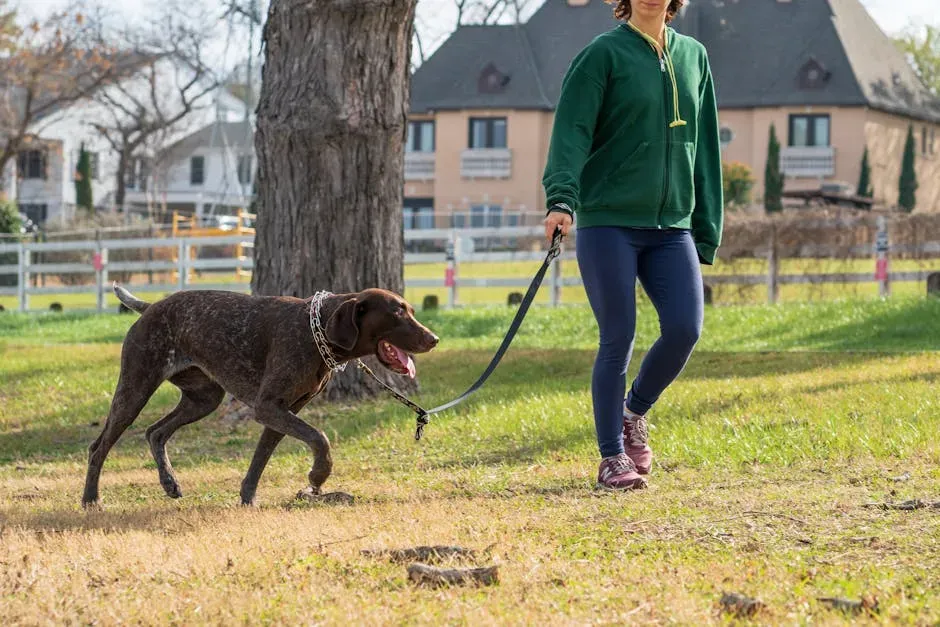
There’s a reason walking tops almost every list of dog-friendly exercise. Walking is perhaps the most fundamental and beneficial exercise for dogs of all ages. It’s a low-impact activity that promotes cardiovascular health, helps maintain a healthy weight, and strengthens muscles that support the joints. It doesn’t ask much of you or your dog, which is exactly why it works.
Slow to moderate-paced walks on soft surfaces like grass or dirt trails provide great cardiovascular benefits while being easier on joints than pavement. Keep the distance appropriate to your dog’s energy level and gradually build up time as they get stronger. Grass and dirt are noticeably kinder to aging or sensitive joints than concrete.
Short, frequent exercise sessions are far more beneficial than long, strenuous ones. Multiple 10 to 15 minute walks throughout the day can be more effective and safer than a single hour-long walk. Watch for behavioral cues during walks too. If they begin to pant, drag, limp, or otherwise fall behind, it may be a sign that you need to take it down a notch.
2. Swimming and Hydrotherapy: The Gold Standard for Joint Relief
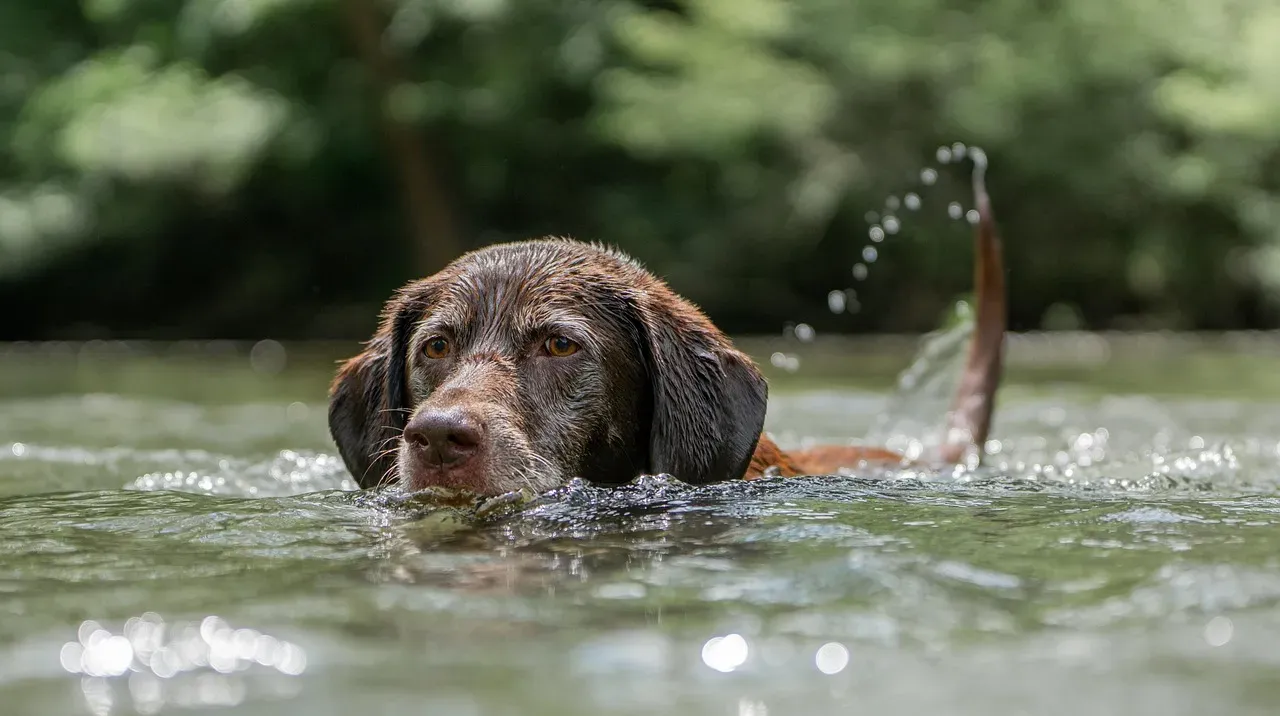
Swimming is one of the best low-impact workouts for dogs. The water supports their body weight, reducing pressure on joints, while providing excellent muscle strengthening and cardio conditioning. It’s the kind of exercise that works the whole body without the hard landings or sudden stops that wear joints down over time.
The buoyancy of the water reduces the pressure on the joints, making it easier for dogs to move and exercise. The cohesion and turbulence of water provide a resistant force when moving through it, helping increase muscle strength, endurance, and the range of motion of the joints. For dogs who haven’t swum before, introduce your dog to water slowly, using positive reinforcement to make the experience enjoyable.
Water treadmill therapy, offered at some pet rehabilitation centers, is a gentle way to build muscle strength. The water supports their body, making it easier to move, while the treadmill encourages them to use their muscles without overloading their joints. If your dog is hesitant around open water, an underwater treadmill at a rehab center is a wonderful controlled alternative worth exploring.
3. Sit-to-Stand Transitions: A Deceptively Effective Strength Builder
Start by having your dog sit in a comfortable posture. Encourage them to stand up by using treats or verbal cues. Repeat this sequence several times a day, allowing your dog to rest in between. Reward them for correctly completing the task and positively reinforce the behavior with verbal cues. It sounds almost too simple, but the payoff is real.
This exercise helps build strength in your dog’s leg muscles while enhancing balance and coordination. Think of it as a gentle squat for dogs. Over time, stronger rear legs mean better stability, which matters especially for breeds prone to hip or knee issues. Keep sessions short, no more than five to ten repetitions at a time, and always end on a positive note with praise or a small treat.
4. Gentle Stretching and Range-of-Motion Exercises: Keeping Things Flexible
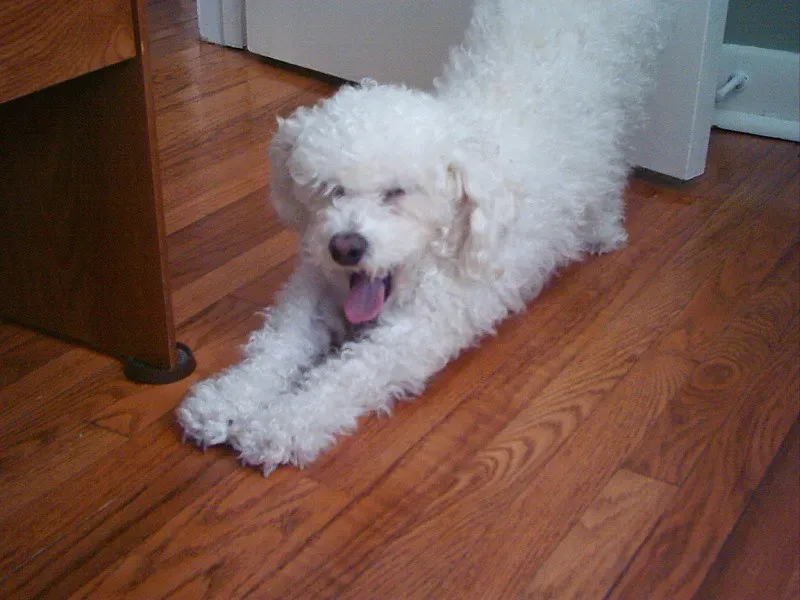
Gentle stretching can help improve joint mobility and flexibility in dogs with osteoarthritis. Focus on stretching the muscles around the affected joints, such as the hips and knees. Many dog owners overlook stretching entirely, yet it’s one of the most accessible things you can do at home.
Range-of-motion exercises are designed to maintain and improve joint flexibility. These exercises involve gently moving your dog’s limbs through their natural range of motion. Slowly move each limb in a controlled manner, mimicking natural movements. Pay attention to major joints like shoulders, hips, and knees.
Always warm up first. Begin with slow walking or stretching to prevent muscle strain. Watch for signs of fatigue, since panting, limping, or reluctance to move are indicators to stop. If your dog stiffens or pulls away during any movement, ease off and consult your vet before continuing.
5. Balance and Stability Work: Building the Core From the Ground Up
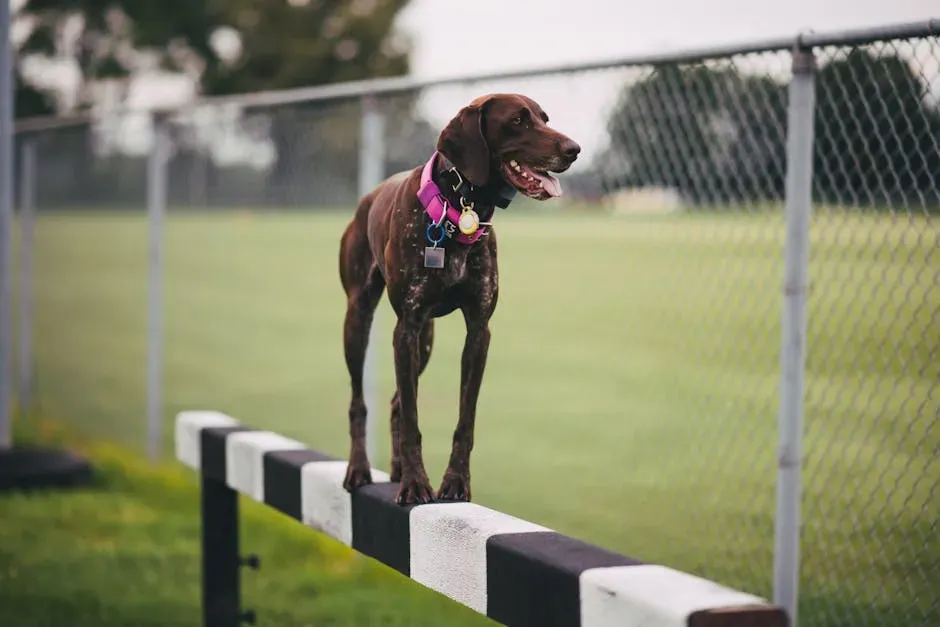
Use a stability ball or cushion to help your dog build core strength gently. Balance work is one of those exercises that looks unassuming but delivers outsized results. A strong core translates to better posture, more controlled movement, and less strain on the limbs during everyday activities.
Using a physioball, put your dog’s front paws on the ball, like they are giving it a hug. With a treat in hand, slowly roll the ball forward and backward, allowing your dog to adjust their balance. It takes a little patience to introduce, but most dogs find it engaging once they get the hang of it. Strengthening the correct muscles in your dog’s hind limbs is essential for improving their stability, mobility, and overall health. The key muscles to focus on include the quadriceps, hamstrings, gluteal muscles, calf muscles, and the core. Each of these muscle groups plays a vital role in supporting your dog’s ability to move safely and efficiently while minimizing strain on their joints.
6. Scent Walks and Nose Work: Mental Exercise That Moves the Body
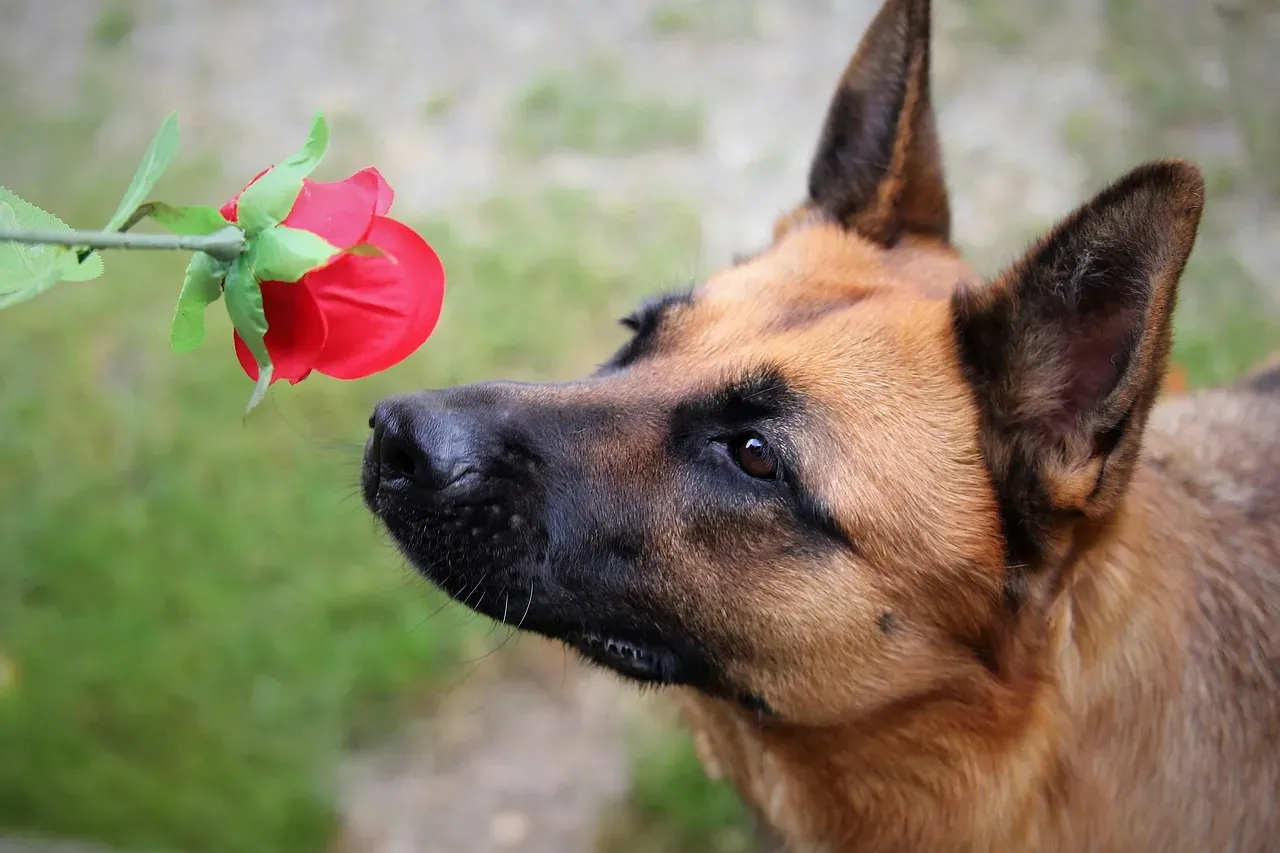
Not every form of exercise has to look athletic. Allow your dog to enjoy a “sniff walk,” taking as much time as they like to investigate all the new smells they come across. Letting your dog lead with their nose, pausing to investigate every blade of grass if they want to, is far more enriching than a brisk, purpose-driven march around the block.
Many low-impact activities, such as sniff walks or puzzle games, combine physical movement with mental challenges. This dual stimulation can help prevent boredom, reduce stress, and improve your dog’s overall mood. You can extend this concept indoors too. Hide treats or favorite toys around the house for mild mental and physical stimulation. Puzzle feeders encourage movement and cognitive engagement. For older dogs especially, keeping the mind sharp is just as important as keeping the body moving.
7. Modified Agility and Low Obstacle Navigation: Fun With Boundaries
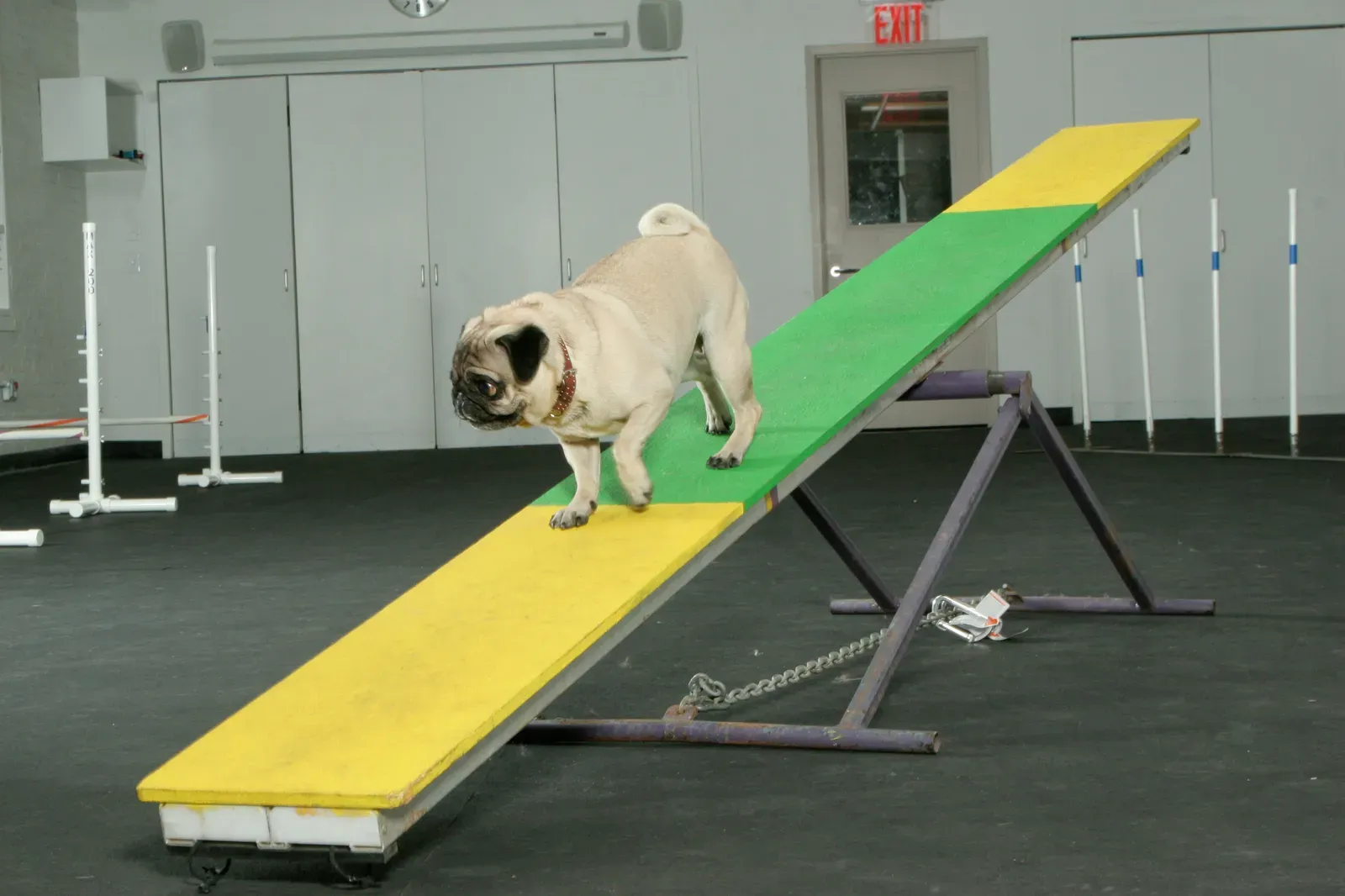
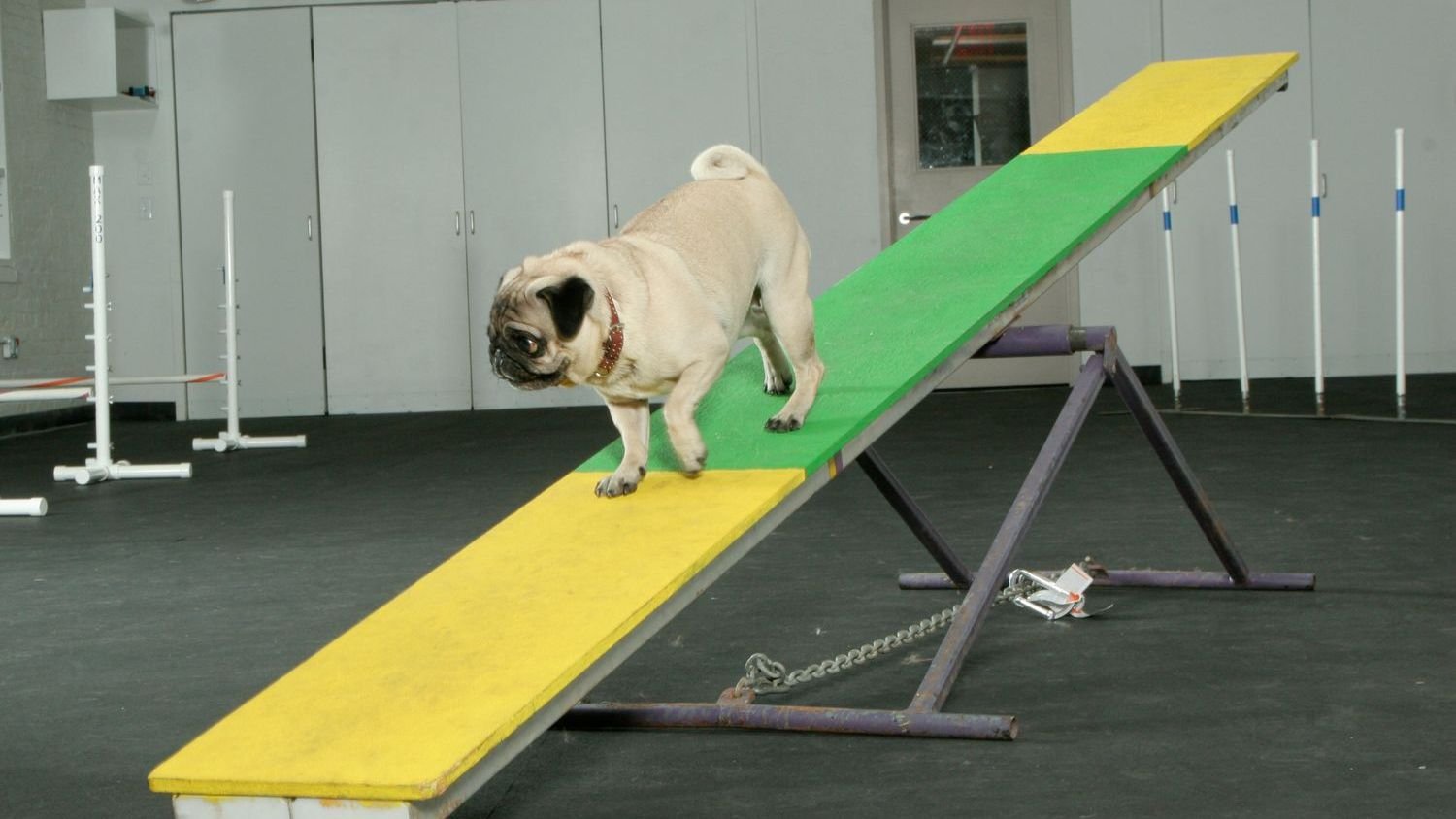
Practicing basic obedience, fun tricks, or even beginner agility moves, like walking over low poles or weaving around cones, can gently build strength and flexibility without overloading joints. You don’t need a professional agility course. A few household items arranged in your backyard work perfectly well to get your dog stepping, weaving, and thinking.
Modified agility training can be an excellent way to keep your dog active and mentally stimulated. Focus on activities that promote gentle movement and coordination. Encourage your dog to navigate weave poles slowly and carefully. Use short, straight tunnels that don’t require sharp turns or jumps. The key word there is “slowly.” This isn’t about speed. It’s about deliberate, confident movement that builds body awareness over time.
Avoid repetitive jumping, hard landings, and quick direction changes. Choose soft, grassy, or padded surfaces whenever possible. If your dog starts favoring a limb or loses interest mid-session, that’s a clear signal to wrap up. These are their cues, and they’re worth listening to.
A Few Things to Remember Before You Begin
Before introducing a new routine, check with your veterinarian. This is especially true if your dog has an existing condition like hip dysplasia, arthritis, or a history of injury. Joint or mobility issues like arthritis, hip dysplasia, or previous injuries require low-impact options. Medical conditions such as heart disease, respiratory problems, or diabetes may limit intensity.
Warm up with a few minutes of light activity and finish with stretches. Slow down or stop if your dog pants heavily, limps, or seems uncomfortable. Always have water available during and after exercise. These aren’t optional extras. They’re what separates a helpful routine from a harmful one.
Consistency over intensity means short daily activity is better than sporadic, intense sessions. Even ten minutes of intentional movement each day compounds into something meaningful over weeks and months. Your dog doesn’t need a marathon. They need a routine they can count on and a person who shows up for them.
Conclusion: Movement Is a Form of Love
Every dog deserves to move through their life with ease, curiosity, and a little bit of joy still left in their step. A well-designed exercise plan keeps joints flexible, strengthens muscles, and helps prevent weight gain, all of which contribute to a longer, happier life for your companion. The exercises in this list aren’t complicated. That’s the point.
For dogs living with any kind of joint challenge, the right kind of movement can make a significant difference. Complete rest often worsens joint stiffness, while structured, low-impact activities help sustain mobility and wellbeing. Start with one exercise. Watch how your dog responds. Build slowly from there.
You already know your dog better than anyone else does. You notice the hesitation at the stairs. You see the subtle change in how they carry themselves. Trust those observations, pair them with the right kind of movement, and you’ll be doing something genuinely powerful for the animal who asks nothing more than to be near you.


