
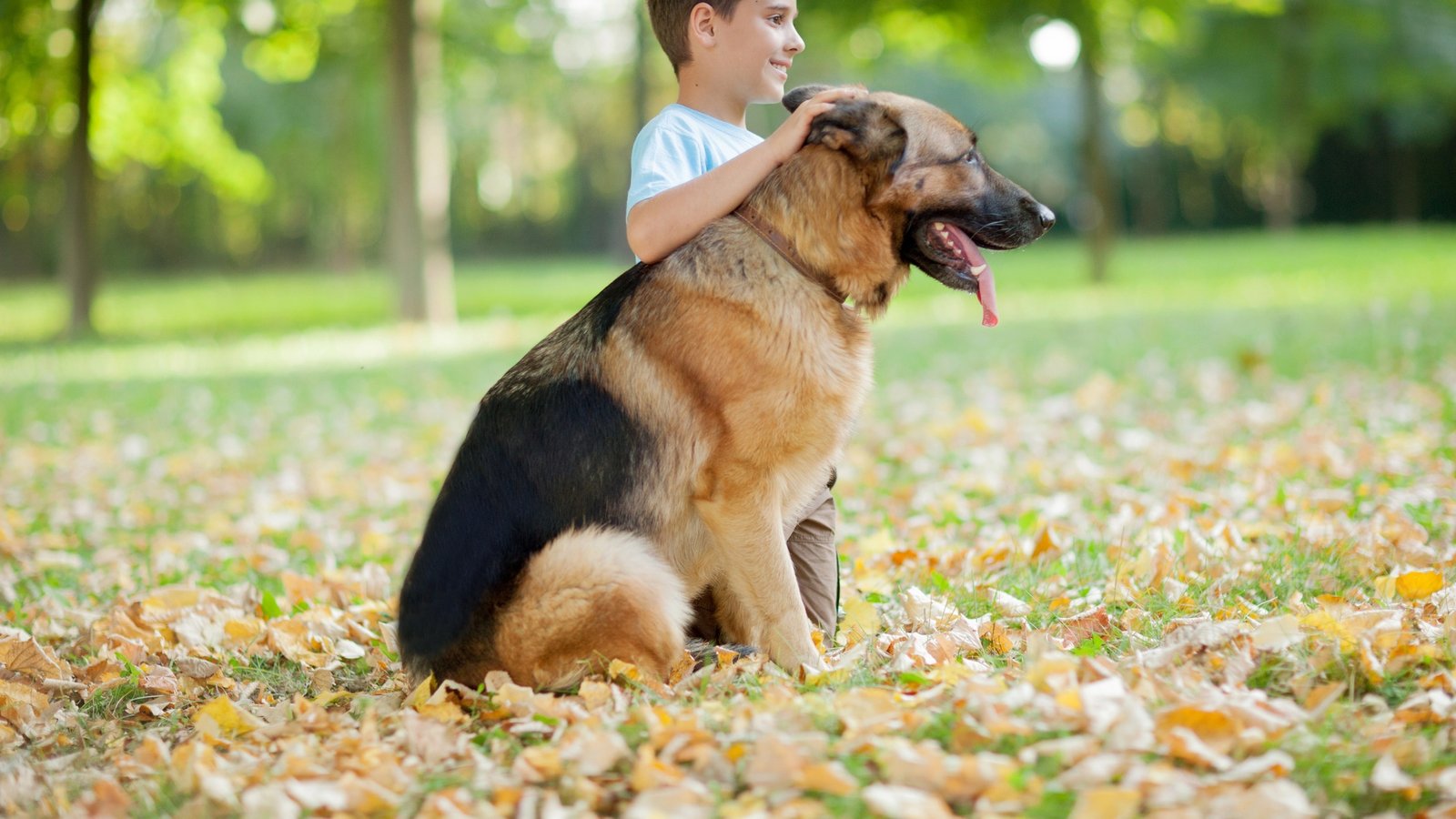
German Shepherds are the second most popular dog in the United States after the French bulldog. These beautiful shaggy canines have been in the limelight both as a domestic breed as well as in the services and entertainment (Remember Rin Tin Tin?). German Shepherds are renowned for their intelligence, loyalty, and versatility as working dogs, however, they can develop behavior issues if they aren’t stimulated physically and mentally . To offer these magnificent creatures the care they deserve, it’s crucial to understand their specific needs. Whether you’re a new owner or an experienced GSD enthusiast, these 7 tips about maintaining your German shepherd will help maintain their health and well-being.
Understanding Their Nutritional Needs

Like all dogs, German Shepherds thrive on a balanced diet tailored to their age, size, and activity level. These dogs require a diet rich in protein to support muscle development and energy. Consider high-quality commercial dog foods or consult a veterinarian for a diet plan that matches your individual dog’s needs.
Exercise: The Key to a Happy Dog

German Shepherds are energetic and thrive on regular physical activity. Daily exercise not only keeps them fit but also provides mental stimulation. Aim for at least an hour of varied activities like walks, fetch, and agility games to keep them engaged and content.
Grooming Essentials for Their Coat
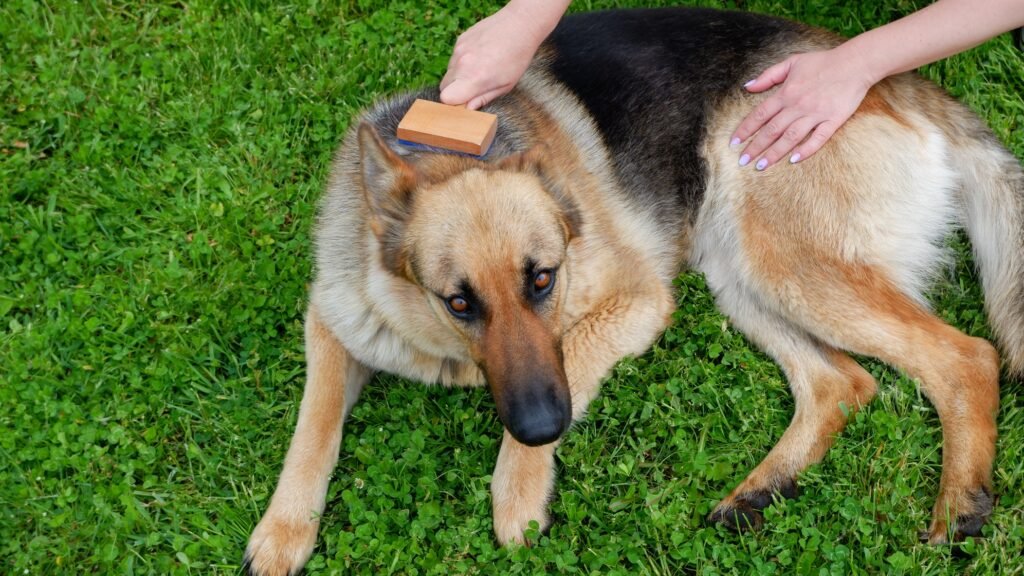
The most important grooming concern for a German Shepherd is managing their heavy shedding, especially during seasonal shedding periods. German Shepherds have a thick double coat, consisting of a dense undercoat and a harsher outer coat, which leads to significant shedding, particularly during spring and fall. Regular brushing is essential to remove loose fur and prevent matting and tangles that can cause discomfort for the dog. Using the right grooming tools, such as a slicker brush, pin brush, and undercoat rake, helps effectively manage shedding and keeps their coat healthy.
Training and Socialization

The most important aspect of training a German Shepherd is using positive reinforcement to build trust and confidence. As intelligent and eager-to-please dogs, they respond best to rewards like treats, praise, or toys, depending on their preference. Harsh training methods can create fear and anxiety, hindering learning and cooperation. Early socialization, exposure to new environments, and consistent use of commands help them develop into well-adjusted dogs. Gradually increase the complexity of interactions, rewarding good behavior with praise or treats. Puppy classes or group sessions are great for teaching social skills and ensuring your German Shepherd grows into a confident, well-behaved companion. Understanding their personality ensures effective training and a strong bond between you and your German Shepherd.
Health Checks: Preventive Healthcare

German Shepherds are prone to common health issues such as hip and elbow dysplasia, bloat, degenerative myelopathy, and allergies. Bloat, a life-threatening condition, causes the stomach to fill with gas and twist, while degenerative myelopathy can lead to hind leg paralysis. Allergies, digestive issues like pancreatic insufficiency, and urinary incontinence are also frequent concerns. Regular vet check-ups and a healthy lifestyle are key to keeping German Shepherds healthy.German Shepherds are not just physically active; their minds need exercise too. Engage your dog with puzzle toys, trick training sessions, and interactive games that challenge their intellect and keep them from becoming bored or destructive.
Dental Care: Often Overlooked

Dental health is a significant component of a dog’s overall well-being. Regular brushing, dental chews, and professional cleanings prevent periodontal disease, which can lead to more serious health issues. Make dental care a part of your routine to keep those pearly whites sparkling.
Bonding and Behavior

The connection between an owner and their German Shepherd is unique and rewarding. Spend quality time with your dog through play, training, and relaxing together. Understanding their needs and respecting their nature will lead to a rewarding relationship based on trust and love. Despite their many wonderful qualities, German Shepherds can exhibit unwanted behaviors like barking or chewing. Address these promptly with positive reinforcement and consistent training. Sometimes, consulting a professional trainer can help address persistent issues effectively.
Conclusion

In conclusion, maintaining a German Shepherd requires dedication, but the rewards are well worth the effort. By focusing on their physical health, mental stimulation, and emotional well-being, you ensure a happy and fulfilling life for both you and your canine companion. Remember, every German Shepherd is unique, so adapt these guidelines to fit your dog’s distinct personality and needs.


