
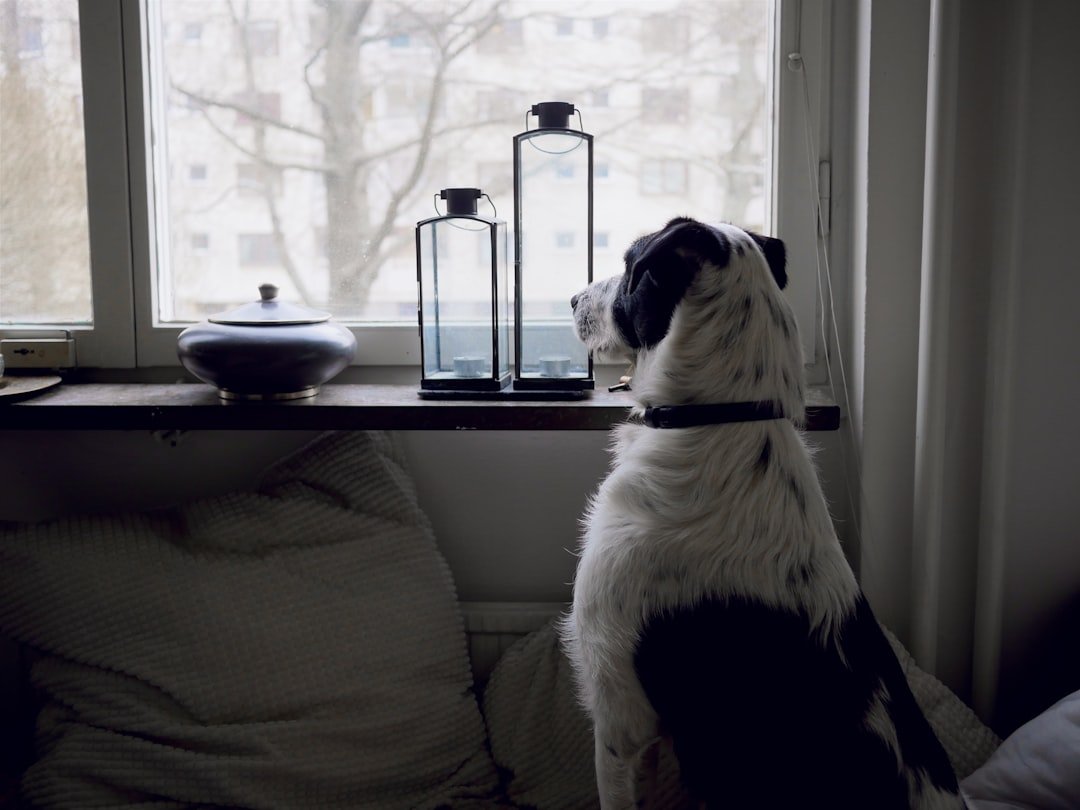
Key Traits That Define Solo-Friendly Dogs (Image Credits: Unsplash)
Professionals with demanding schedules often hesitate to adopt dogs due to concerns over extended time away from home. Certain breeds stand out for their ability to manage solitude gracefully while still providing loyal companionship upon return.
Key Traits That Define Solo-Friendly Dogs
Independence tops the list of desirable qualities for dogs facing long workdays. These animals typically exhibit low separation anxiety, preferring quiet naps or self-entertainment over constant interaction.[1][2]
Low to moderate exercise needs also play a crucial role. Owners reported success with breeds that require only short walks rather than hours of play. Mental stimulation through toys further helps these dogs stay content.[3]
Training remains essential across the board. Early socialization prevents issues like excessive barking or destructive behavior.
Top Small Breeds for Apartment Dwellers
French Bulldogs emerge as favorites among urban workers. Their calm demeanor allows them to nap through the day, needing just brief outings for relief.[1][2]
- Chihuahua: Compact and clever, these tiny dogs respond well to training and rarely demand attention during absences.
- Lhasa Apso: Proud guardians by nature, they patrol quietly without distress.
- Boston Terrier: Friendly yet self-sufficient, they occupy themselves with toys.
Owners noted these breeds adapt easily to small spaces. Regular grooming keeps their coats manageable despite busy routines.
Medium and Large Breeds Built for Independence
Basset Hounds capture attention with their laid-back approach. They spend much of the day sleeping, emerging affectionate only at homecoming.[1][2]
- Chow Chow: Aloof like cats, they tolerate solitude with minimal fuss.
- Greyhound: Despite racing heritage, they lounge extensively indoors.
- Bullmastiff: Calm protectors who lounge patiently.
- Chinese Shar-Pei: Reserved and low-energy, ideal for relaxed evenings.
Larger options suit homes with yards. Exercise focuses on quality walks rather than marathon sessions.
Practical Tips to Ensure Smooth Days
Limit absences to six to eight hours maximum for adults. Dog walkers or midday check-ins bridge longer gaps effectively.[2]
Provide puzzle toys and fresh water. Crate training aids puppies transitioning to alone time. Monitor for weight gain in low-activity breeds through portion control.
Professional training early on builds confidence. Pairing with a calm feline companion sometimes eases transitions further.
Key Takeaways
- Select based on lifestyle match: low-energy for apartments, active for yards.
- Prioritize training and stimulation to prevent boredom.
- Consult vets for breed-specific health needs like breathing in flat-faced dogs.
These breeds prove dog ownership fits modern work lives when paired with preparation. They deliver joy without overwhelming demands. Which one catches your eye? Tell us in the comments.


