
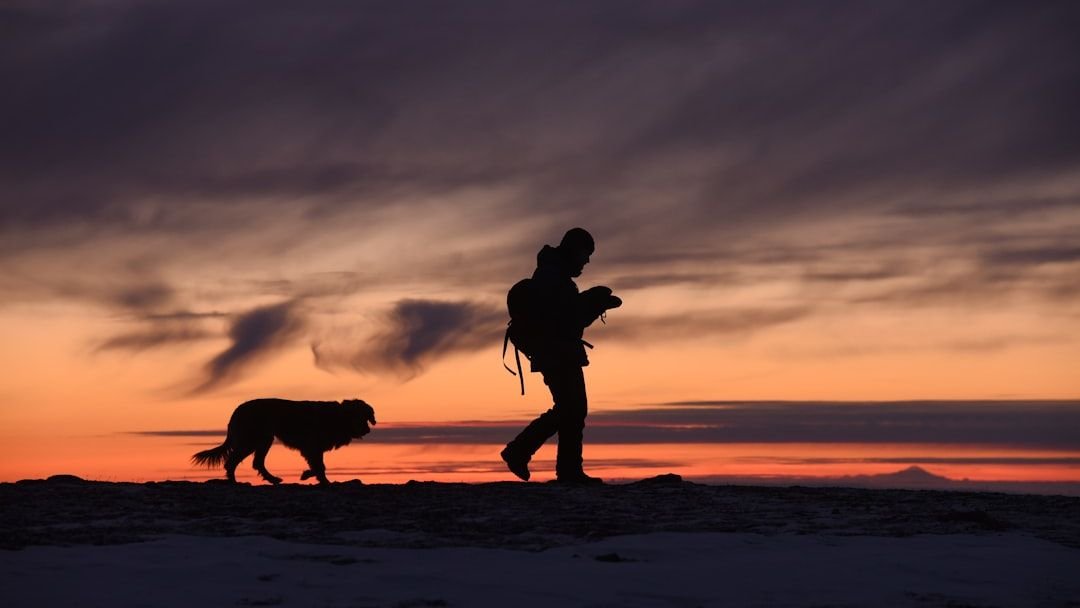
Taking your dog along for hikes or camping trips feels like the ultimate bonding experience. Fresh air, new scents, and shared exertion make those outings unforgettable. Still, nature hides hazards that catch even seasoned owners off guard.
Simple oversights lead to injuries or illnesses that escalate quickly far from help. These seven tips draw from vet insights and trail experts. They focus on lesser-discussed preventions to keep adventures joyful and safe.[1][2]
1. Guard Paws Against Hidden Trail Damage
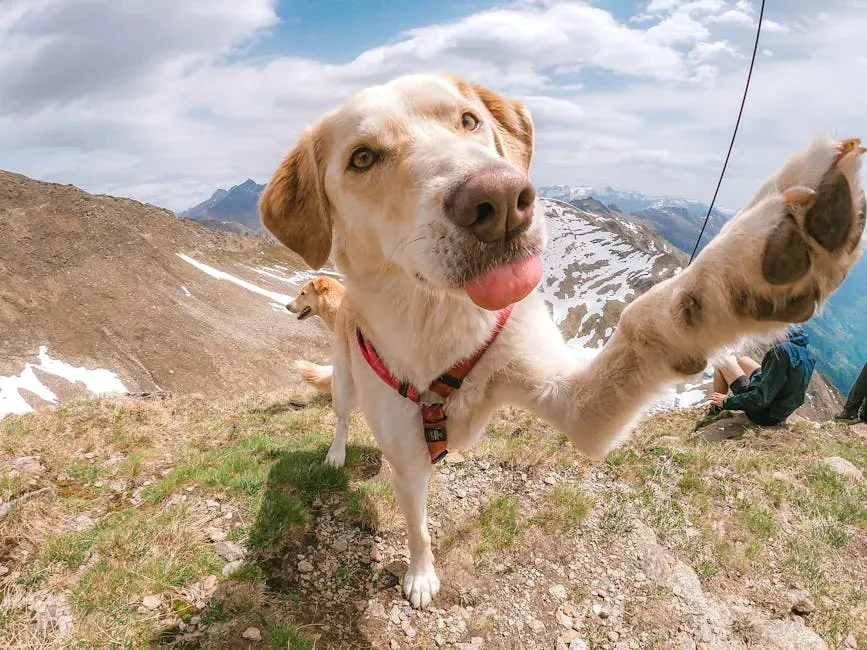
Hot gravel, sharp rocks, and thorns shred paw pads faster than you notice. Dogs push through pain, hiding limps until infections set in. Apply paw wax like Musher’s Secret before starting, or pack booties for rough spots. Check pads every stop, especially between toes.[3][2]
Build toughness with short hikes first. Ice balls form in cold weather too, so inspect often. Neglect here risks abscesses or worse, sidelining your pal for weeks.
2. Perform Full-Body Tick Scans Daily
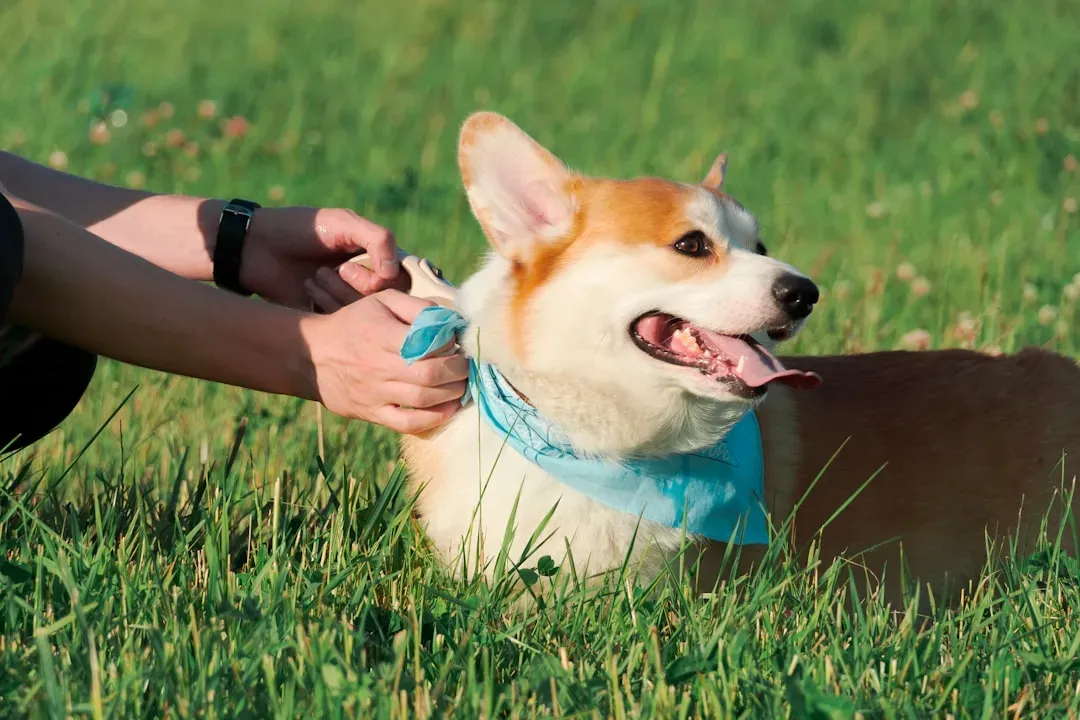
Ticks lurk in grass and brush, carrying Lyme disease that strikes silently. A single unnoticed bite spreads infection fast. Use vet-approved preventives year-round, then comb through fur post-hike, crushing any found.[4][1]
Focus on ears, armpits, and groin. Leash keeps them from rolling in tick hotspots. Early removal prevents lifelong issues or fatal complications.
3. Pack a Dog-First-Aid Kit Tailored for Trails
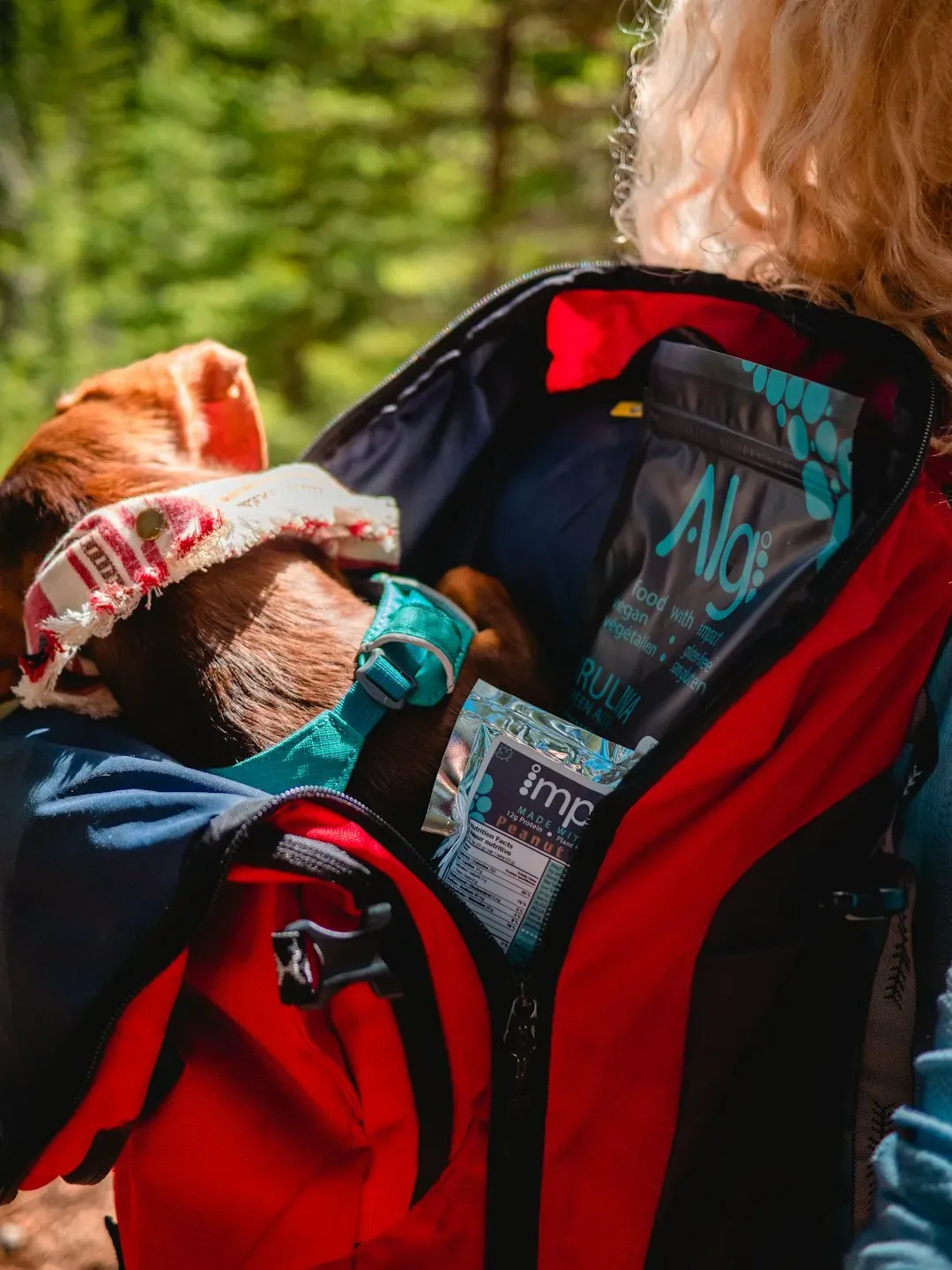
Minor cuts turn serious without quick care. Stock tweezers for ticks or thorns, antiseptic, gauze, and clotting powder. Include a tick tool and paw balm too. Vet records and meds round it out.[5][3]
Practice using items at home. Wool socks double as bootie bandages. This setup handles most emergencies until you reach a clinic.
4. Build Stamina Slowly to Avoid Collapse
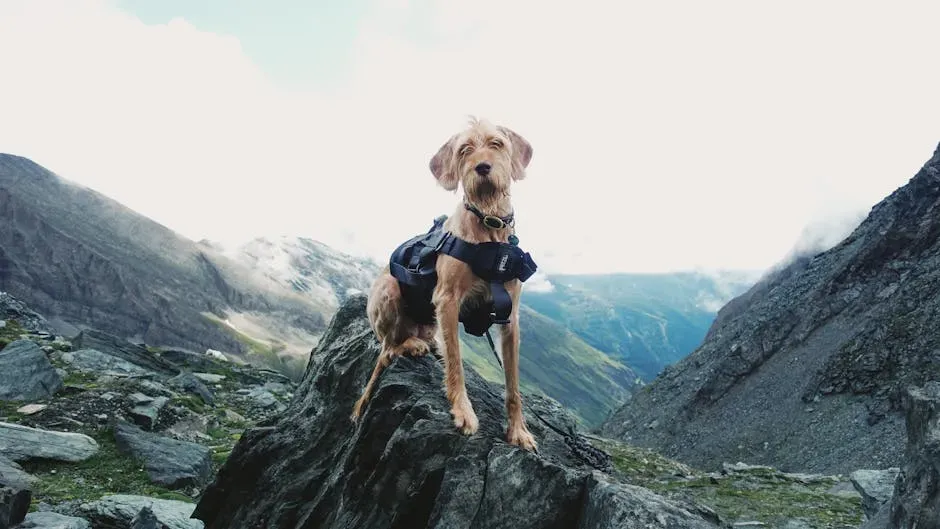
Dogs mask fatigue, risking heatstroke or heart strain on tough terrain. Start with easy one-hour walks, ramp up over weeks. Watch breathing during breaks; heavy panting signals stop time.[5][3]
Puppies and seniors need extra caution. Vet check confirms fitness first. Overdoing it strands you both miles from help.
5. Dodge Foxtails and Burrs Before They Embed
Barbed seeds hitch rides in fur or paws, migrating inward to cause abscesses. Sneezing or shaking heads warns of nasal ones. Stick to trails, brush burrs immediately with tweezers.[2]
Avoid grassy fields in spring and summer. Post-hike full groom catches stragglers. Untreated, they puncture organs fatally.
6. Layer Identification for Worst-Case Separation
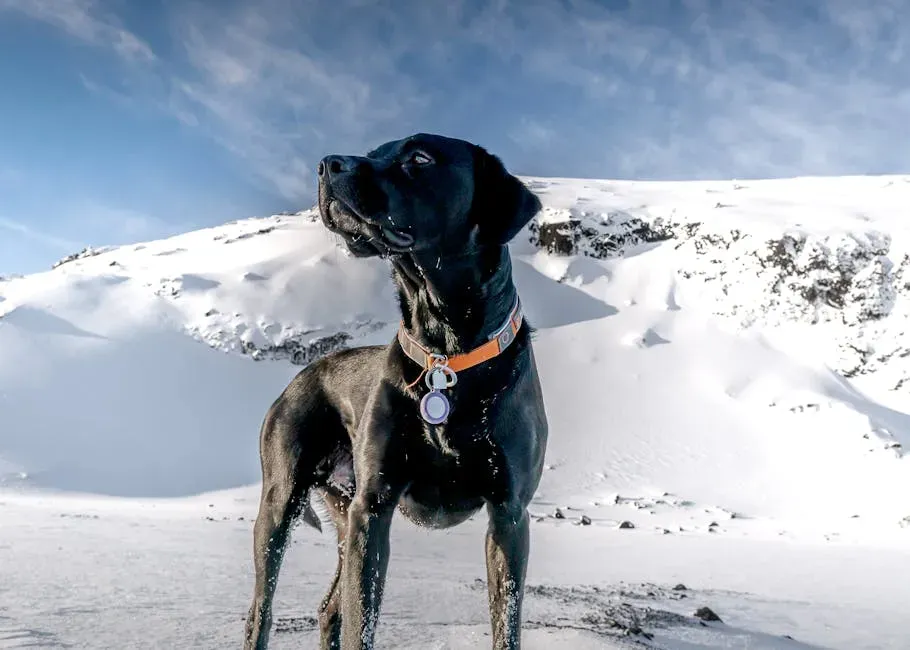
Leashes snap, dogs bolt toward wildlife. Microchip plus tags with current info aids quick return. GPS collars track in real time, despite battery limits.[5][1]
Bright harnesses boost visibility. Update contacts yearly. Lost dogs face dehydration or predators without this backup.
7. Carry Clean Water, Skip Sketchy Sources
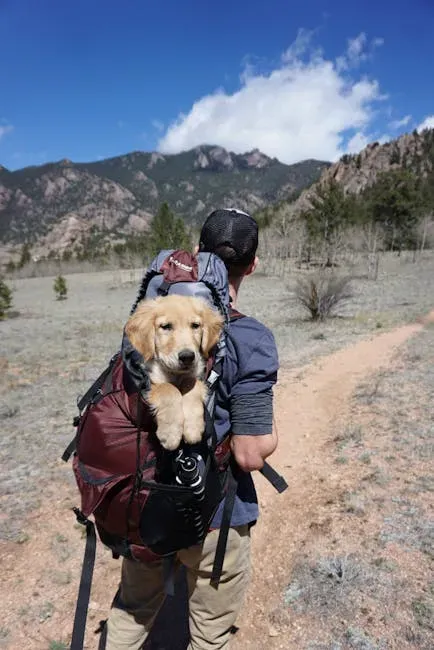
Stagnant ponds harbor Giardia or toxic algae, hitting guts hard. Dogs lap eagerly from streams too. Bring enough carried water, one quart per three miles, in a collapsible bowl.[4][3]
Check gums for tackiness signaling dehydration. Filter if needed on long treks. Illness miles out delays care critically.
Conclusion: Adventure Awaits, Prepared

These steps turn potential pitfalls into non-issues. Your dog thrives when you anticipate the quiet threats. Next trail calls, gear up thoughtfully.
Those tail-wagging memories last longest when safety stays front and center. Happy trails.


