

There’s something beautiful about the way your dog’s entire body lights up when you speak to them. That tail wag, the soft eyes, the almost-human way they tilt their head as if trying to decode every syllable. We’ve all felt it. You come home exhausted, murmur something gentle to your furry friend, and suddenly the weight of the day feels lighter. Here’s the thing though: your words aren’t just background noise to your dog. They’re actually listening, processing, and feeling every bit of what you say.
Research shows that dogs process words and tone separately in different hemispheres of their brain, much like humans do. They’re not just reacting to your happy voice or your stern face. They combine auditory and visual cues to understand positive and negative emotional states. What does this mean for you? The words you choose matter more than you might think. Let’s dive into the specific positive words that create emotional security for your dog and strengthen that incredible bond you share.
Good
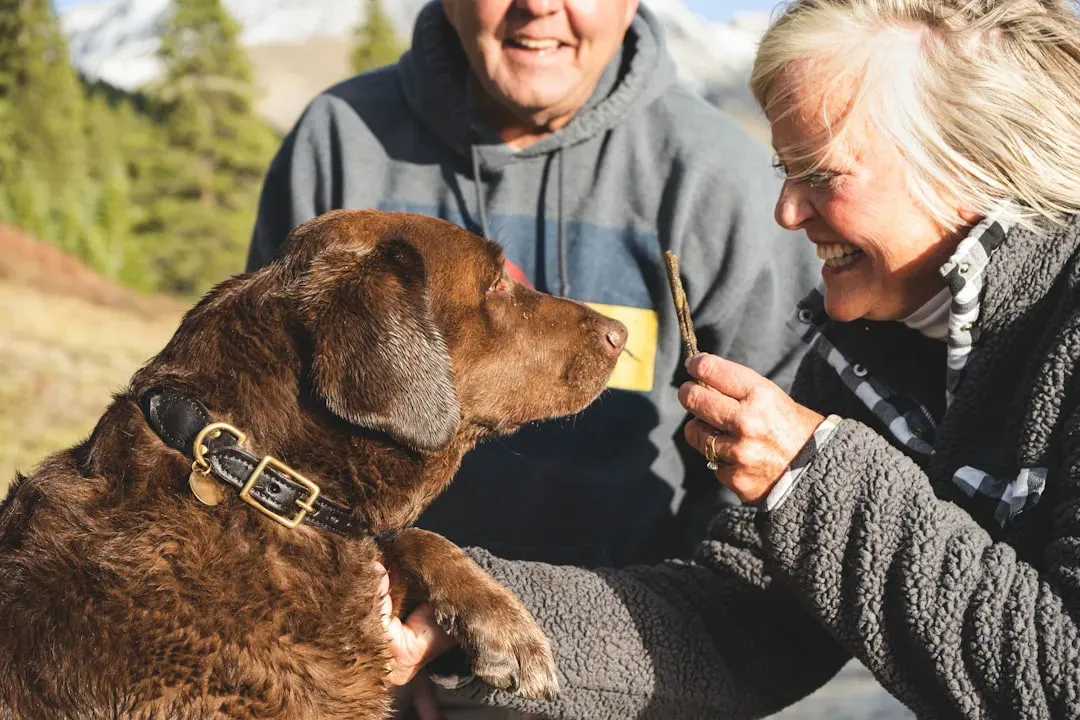
This might seem obvious, yet it’s pure magic to your dog. When you say “good” in an upbeat, genuine tone, you’re doing more than acknowledging behavior. Dogs only recognize praise as actual praise when both the word and the intonation match, which activates the pleasure center in their brain similar to food and petting. Think about it like this: every time you say “good dog” after they sit calmly or return the ball, you’re depositing emotional currency into their security account.
I’ve noticed with my own pup that consistency is everything. Saying “good” right when they do something you love creates an instant positive association. Through repetition, dogs associate certain words with certain actions, which is why saying the same word while prompting behavior helps them make the connection. Your dog learns that “good” means safety, approval, and love.
Yes
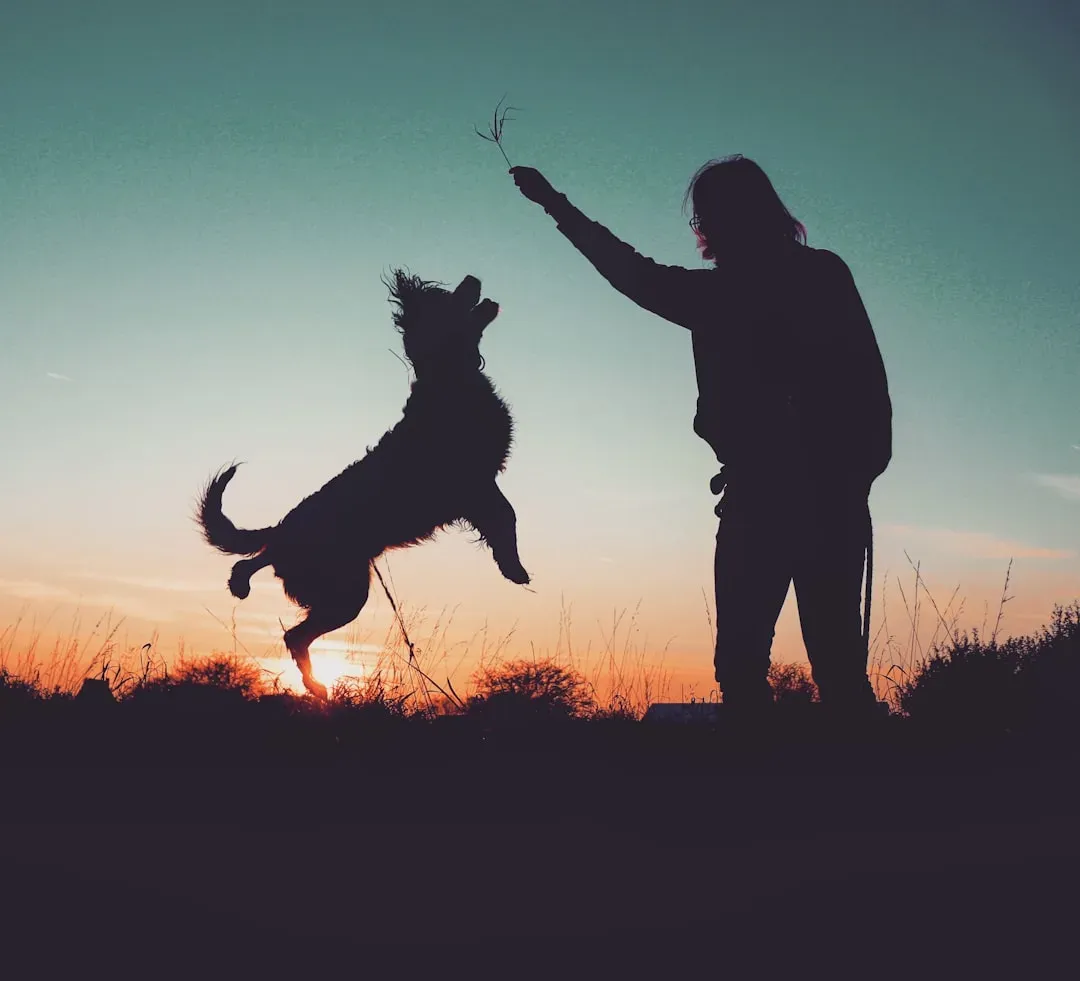
Short, sweet, and incredibly powerful. “Yes” works as an immediate marker of success. Dogs are particularly responsive to the tone of human voices, processing emotional tones in the same region of the brain as humans. When you say “yes” enthusiastically, it cuts through any confusion and tells your dog exactly what they did right in that precise moment.
The beauty of “yes” lies in its simplicity. Unlike longer phrases, it’s quick enough to capture the exact behavior you want to reinforce. When familiar words are paired with an enthusiastic tone, dogs respond more effectively, and using an upbeat voice when giving commands can significantly improve responsiveness and engagement. Try using “yes” during training sessions or when your dog checks in with you during a walk. Watch how their confidence grows.
Gentle
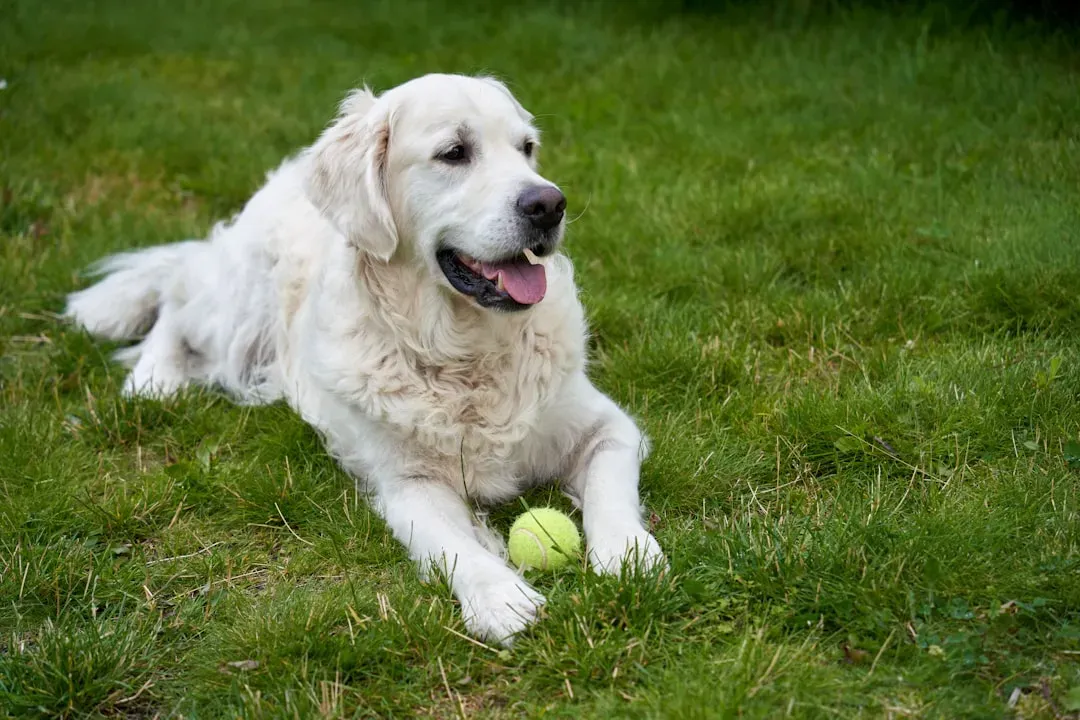
This word is a gift for anxious or overly excited dogs. When you softly say “gentle,” you’re teaching emotional regulation. The development of emotional regulation skills is indispensable for dogs to successfully control the intensity and duration of emotional expression, reducing problems with impulse reactions and behavioral issues. “Gentle” becomes a cue that helps them downshift from high arousal to calm engagement.
Picture this: your dog is jumping all over a visitor. Instead of shouting “no,” try a calm, soothing “gentle.” A disappointed tone with low volume and low pitch commands attention and tells your dog you disapprove of particular behavior, causing them to lower their head and tail while learning the behavior is unwanted. “Gentle” used consistently creates a safe space where your dog learns to modulate their own emotions. It’s honestly one of the most underrated words in the canine vocabulary.
Stay
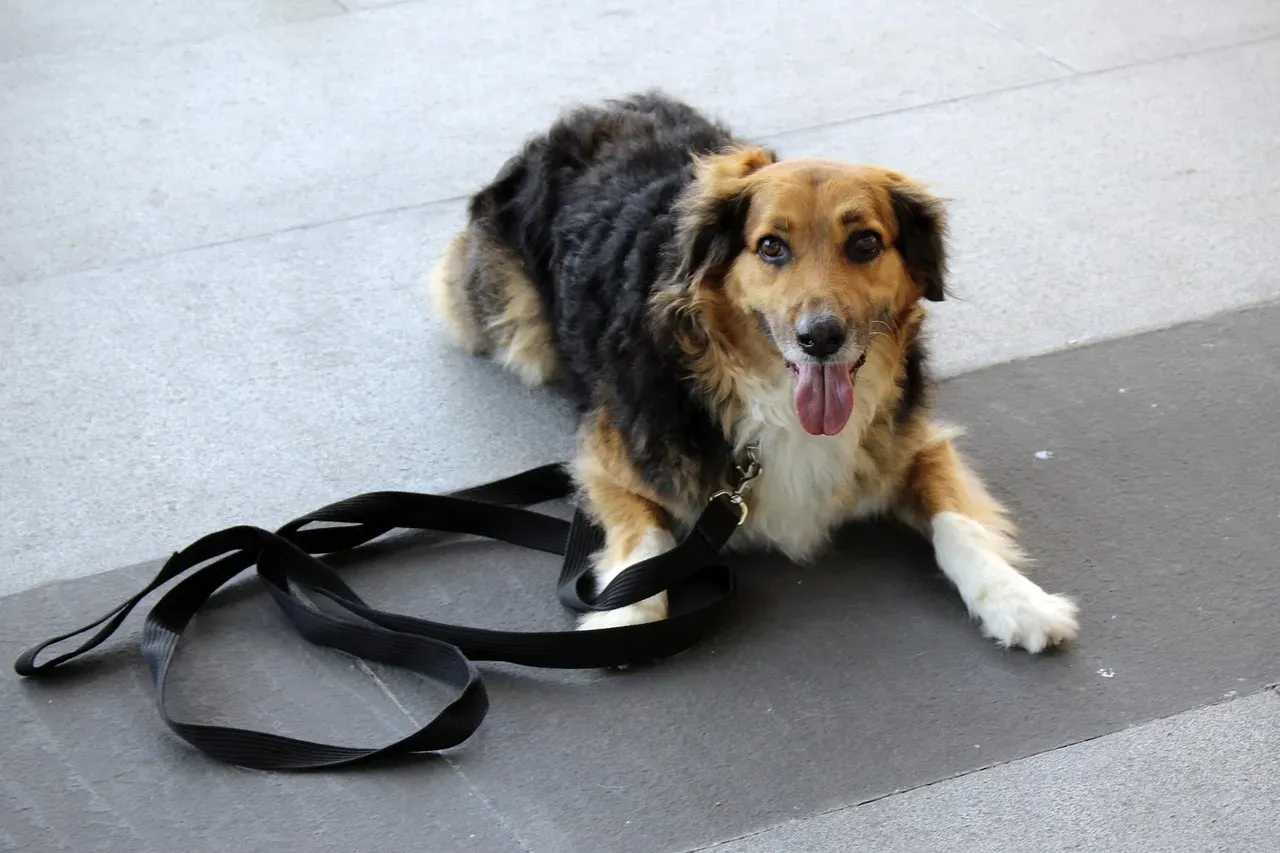
“Stay” might sound like just a command, yet it’s so much more. It’s a word that builds trust and emotional security because it teaches your dog that you’ll return. Recognizing and responding to a dog’s emotional state creates a supportive environment that affords them emotional security and validation, building a loving, trusting, secure attachment bond. When you say “stay” and then reward your dog for waiting, you’re reinforcing that good things happen when they trust you.
The word becomes a mental anchor. Dogs learn most effectively when they feel secure, understood, and emotionally regulated, with specific body language cues like relaxed ears, soft eyes, and calm posture indicating receptiveness to learning. Every successful “stay” builds confidence and reduces separation anxiety. Your dog learns they don’t need to panic when you step away because “stay” means you’re coming back.
Ready
Here’s where things get fun. “Ready” is anticipation wrapped in a single word. It signals that something exciting is about to happen, whether it’s a walk, playtime, or a training session. Turning on a dog’s seeker system with positive activities like games or treats shuts off their fear response, allowing the thinking brain to deactivate the emotional brain and move them into a calmer state where learning can occur. “Ready” activates that seeker system beautifully.
I love using “ready” before tossing a ball or opening the door for a walk. The word itself becomes part of the joy. Dogs are very good at picking up on and mimicking human emotions through emotional contagion, meaning when they sense their owner is feeling a certain way, they’re likely to feel that way themselves. Your excitement when you say “ready” becomes their excitement, creating a shared emotional experience that deepens your bond.
Okay
“Okay” serves as a release word, signaling that your dog can relax or proceed. It’s the verbal equivalent of an exhale. Both what we say and how we say it matters for dogs, and praise can work as a social reward, but only if both word meaning and intonation fit. When you say “okay” in a relaxed, friendly tone after your dog has been waiting patiently, you’re giving them permission to let go of tension.
This word helps create structure without stress. Recognizing and responding to a dog’s emotional state directly impacts the quality of human-animal relationships, as dogs are sensitive beings who communicate complex emotional experiences through subtle signals. “Okay” tells them they did well and can now move freely. It’s a small word that carries enormous emotional weight in building a secure, trusting relationship.
Love

Let’s be real, this one might not have a functional training purpose, but it’s everything for emotional bonding. When you tell your dog “I love you” in a warm, affectionate tone, something shifts. Oxytocin levels are an important physiological measure of emotional expression in dogs and modulate the way dogs perceive human faces and emotional processing through mechanisms that facilitate human-dog communication. Your loving words trigger those bonding hormones.
Dogs do feel and express emotions according to research from The Canine Brains Project at Harvard University. They know love when they feel it. Whether it’s whispered during a quiet moment or said enthusiastically during play, “love” and affectionate words create an emotional foundation. Part of a dog’s ability to understand human emotions stems from the centuries-long relationship between humans and canines, during which dogs have evolved and picked up human tendencies to relate to us innately. We’ve evolved together, and words of love honor that ancient, beautiful connection.
Conclusion
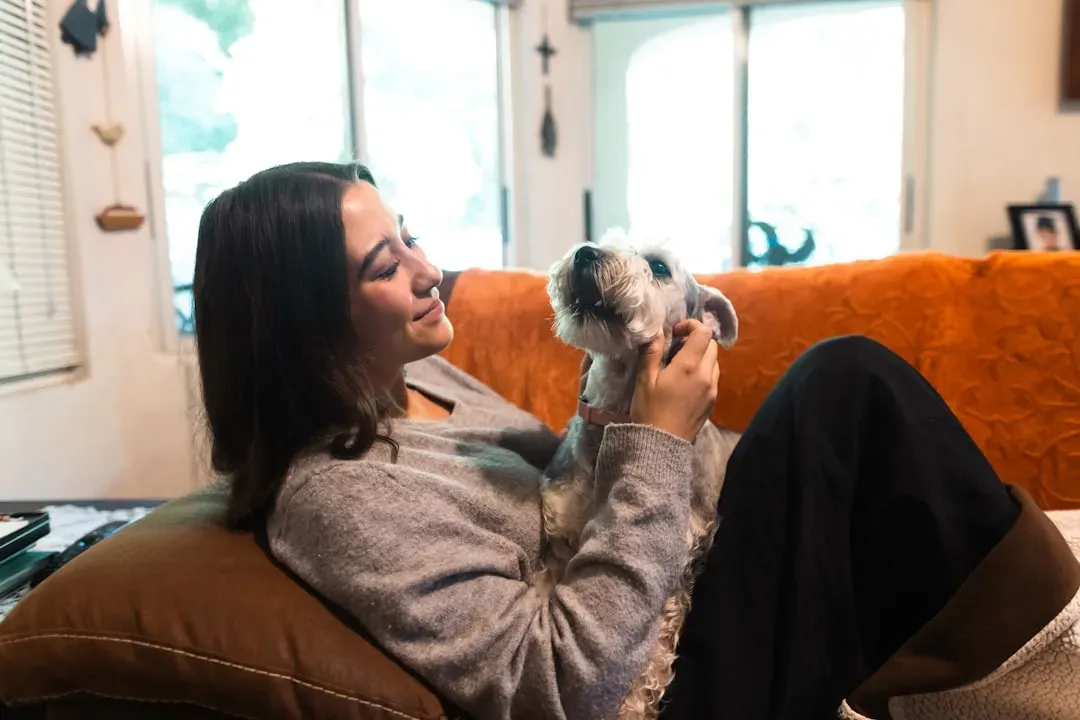
Words are powerful tools in building your dog’s emotional security. Each positive word you speak with genuine warmth and consistency adds another layer to the trust and love between you. Verbal communication reinforces the emotional relationship between owner and pet, builds trust and a sense of security, improves obedience and comprehension, and keeps dogs mentally engaged. Your voice is one of the most comforting things in your dog’s world.
The truth is, your dog doesn’t need fancy training techniques or expensive tools to feel secure. They need you, your voice, and the positive words you choose to share with them every single day. Start incorporating these seven words into your daily interactions and watch how your dog responds. You might be surprised at how much deeper your connection becomes. What’s the one word your dog responds to most? Pay attention today and see what you discover.


