
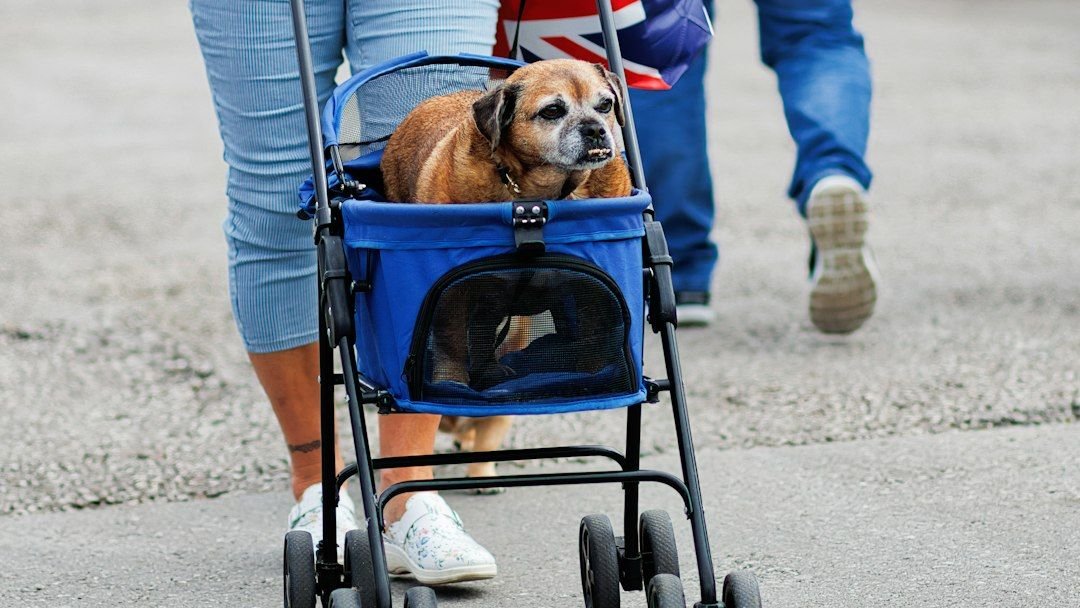
There’s a certain heaviness that settles into your chest when you realize your dog isn’t quite themselves anymore. Maybe they’re walking a little slower, or the way they greet you has shifted. It’s not always dramatic, those final chapters. Sometimes it’s just whispers and small clues that you almost miss until suddenly, you can’t ignore them anymore.
Understanding the quiet signs that a dog is approaching the end of life can be one of the hardest yet most loving things you do for them. These changes sneak up gently, easy to brush off as normal aging at first. But recognizing them allows you to provide comfort, make informed choices, and treasure the time you have left together.
They Seek Solitude or Cling to You More Than Ever

Dogs nearing the end often display dramatic shifts in their social behavior, becoming velcroed to your leg or anxiously shadowing your every move. You might find your once independent pup now refuses to let you out of sight. Conversely, some dogs withdraw entirely, choosing quiet corners, closets, or spaces under furniture where they feel safe.
Some dogs become less social and isolate themselves from family members as they approach death, while others become more interested in staying near family members. This behavior isn’t random or spiteful. It’s instinct, an ancient response to vulnerability.
Their Appetite Fades and Favorite Treats Lose Their Magic

For most dogs, mealtime ranks right up there with belly rubs and walks. So when that enthusiasm disappears, it cuts deep. For many dogs, meals are the best parts of their day, and if your dog no longer eats with vigor or enjoys special treats, it could be a sign that their quality of life is failing.
A dog’s lack of interest in food may stem from unmanaged pain, nausea, or dehydration, and there often comes a point when dogs completely refuse to eat and drink as a natural part of the late end-stage of life. You might try every tempting food under the sun, but sometimes their body is simply telling them it’s time to stop. It’s heartbreaking, but it’s also their way of letting go.
Restlessness Replaces Their Usual Calm
Some dogs may become restless near the end of life, and dogs that are uncomfortable or in pain may pace aimlessly or change positions often, leading to trouble sleeping since they can’t get comfortable enough to settle down. You might notice them wandering from room to room at odd hours or shifting constantly when lying down.
This restlessness often stems from discomfort they can’t quite express to you. Some dogs will become restless, wandering the house and seeming unable to settle or get comfortable, while others will be abnormally still and may even be unresponsive. Either extreme is worth noting and discussing with your veterinarian.
They Sleep More, But Differently

Dogs may sleep more, skip walks, or struggle with stairs as one of the first shifts in activity when nearing the end of life. But honestly, it’s not just about the quantity of sleep. It’s the quality and the way they sleep that changes. They might not respond to familiar sounds like the treat bag crinkling or the doorbell ringing.
Dogs sleep a lot as it is, so when they become lethargic at the end of their life it can be quite noticeable, especially if your dog no longer wakes at normal intervals or snoozes through meal times. Their energy reserves are dwindling, and sleep becomes a refuge from discomfort.
Breathing Becomes Labored or Irregular

Breathing is controlled by muscles and nerves, and is not immune to the slow breakdown of your dog’s body, leading to abnormal breathing patterns with respiratory rate fluctuating up and down even at rest or periodic stops in breathing followed by resumption. This can be deeply distressing to witness.
If your pet’s breathing seems labored, shallow, or rapid especially at rest, that can be a red flag, with open-mouth breathing in cats or exaggerated abdominal movement in dogs indicating discomfort. Respiratory distress is always an emergency requiring immediate veterinary attention, so don’t wait if you notice significant changes here.
Their Eyes Tell a Different Story

Some dogs get a faraway look in their eyes as they approach the end. It’s subtle but unmistakable once you see it. There’s a distance there, a quietness that wasn’t present before. They might stare off into space more often or seem less engaged with their surroundings.
Dogs near the end often grow disinterested in favorite activities and people, initially just seeming to sleep more, but as you observe closely, you’ll notice a lack of usual greetings or tail wags. That spark, that joyful recognition when you come home, might dim or disappear entirely. It’s like they’re already beginning to drift somewhere you can’t follow.
Mobility Issues and Loss of Coordination Become More Obvious

As dogs age or suffer from debilitating illnesses, they may experience a loss of coordination and mobility, struggling to walk, stumbling frequently, or having difficulty getting up from lying down positions. Stairs become mountains. Getting into the car requires assistance. Even standing to eat or drink might be too much effort.
It can be very distressing for a dog when their joints begin to fail and it becomes difficult for them to get around, with getting up and down from their favorite napping spot, tackling stairs, and even squatting to go potty becoming challenging, and mobility issues contributing to incontinence and leading to depression. Watching a once agile dog struggle with basic movements is gut-wrenching.
Finding Peace in the Final Journey
Recognizing these quiet changes doesn’t make the journey any easier, but it does give you power. Power to seek veterinary guidance, to manage their pain, to adjust their environment for comfort, and most importantly, to be present with them in ways that matter.
Changes may develop as early as three months prior to death, so paying attention to subtle shifts allows you to plan thoughtfully rather than react in crisis. Your veterinarian can help you assess quality of life using established scales and discuss options for palliative care or humane euthanasia when the time comes.
The love you’ve poured into your dog throughout their life doesn’t stop now. In fact, it becomes more concentrated, more intentional. You become their voice when they can’t speak, their comfort when nothing else helps, and their gentle guide toward peace. What do you think you’d want your dog to know in those final moments together?


