
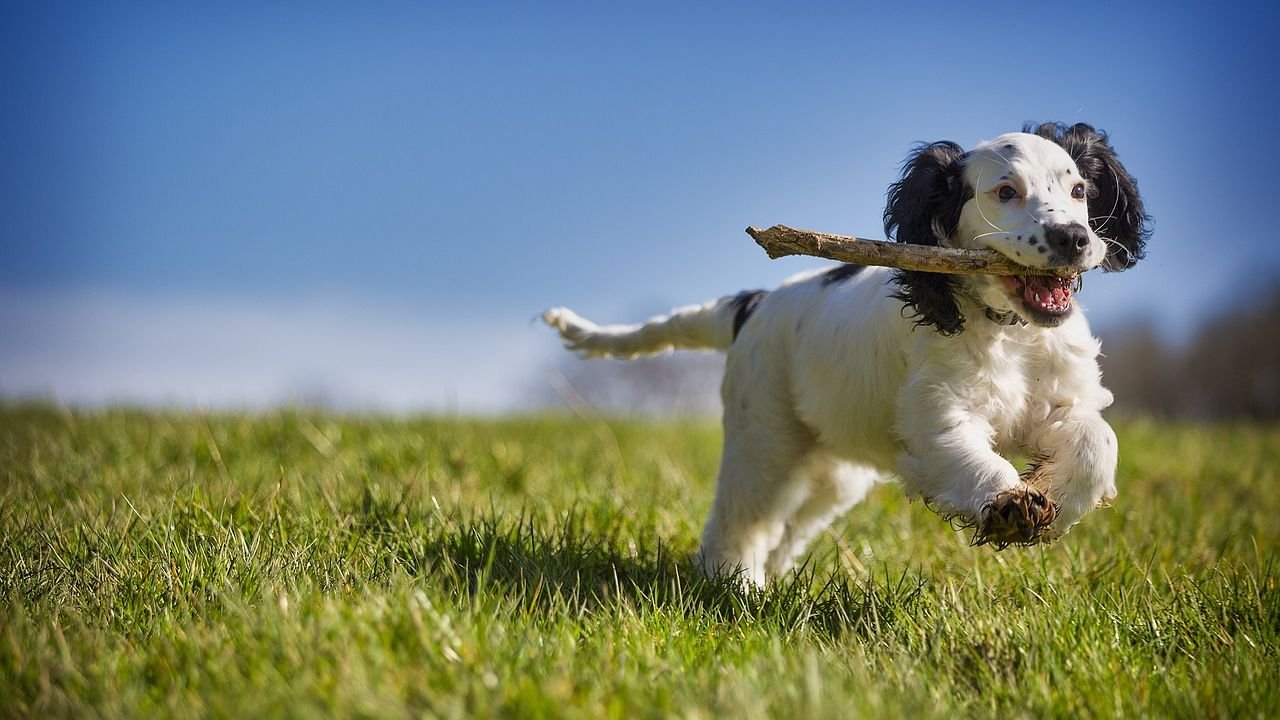
You’ve probably caught your dog doing something that made you stop, tilt your head, and think, “What on earth is going on in that fluffy brain?” Maybe they stared at you a little too intensely, or they brought you a shoe right as you started crying. Odd? Sure. Random? Not even close.
Here’s the thing most people don’t realize. Dogs are far more cognitively complex than we give them credit for. Scientists have suggested that dogs can be as smart as a two-year-old child, and research on dog intelligence has demonstrated that our four-legged friends can learn in more complex ways than previously known. Those “weird” little habits your pup has? Many of them are actually windows into a remarkably sharp, socially tuned mind.
So before you write off your dog’s quirks as just being goofy, let’s take a closer look. Some of what you’re brushing off as strange behavior might be the most impressive thing happening in your household. You might be surprised by what you find.
The Head Tilt That Melts Your Heart Has a Real Purpose

Few things are more irresistibly adorable than a dog tilting their head to one side while you speak. Most of us laugh, grab our phones for a photo, and move on. Honestly, I used to think it was just a cute quirk, nothing more.
Research has found that the head tilt actually happens when dogs process meaningful external cues, such as the name of a toy they know. Think about what that means. Your dog isn’t tilting their head because they’re confused. They’re doing it because they’re actively listening and trying to match the sound to something meaningful in their memory. That’s not goofy, that’s cognitive processing in action.
As one researcher noted, “straightforward behaviors like ‘head-tilt’ aren’t well understood,” suggesting scientists may have only begun to scratch the surface of what this behavior really means. The takeaway for you as a dog parent? When your dog tilts their head, engage them more. Name their toys, repeat words consistently, and watch how quickly they build a vocabulary. You might just be living with a tiny genius.
Staring at You Like You Hold All the Answers (Because You Do)

Some dogs will lock eyes with you so intensely it feels almost uncomfortable. Strangers might see it as aggressive. Dog lovers know it’s something entirely different.
Intelligent dogs are very good at sensing and interpreting your emotions. Had an awful day at work? A fight with your spouse? A smart dog will read your sadness and double up as an emotional support dog by taking steps to comfort you, such as cuddling up with you or refusing to leave your side. That deep stare is part of this emotional radar. They’re reading you. Every micro-expression, every shift in your posture. It’s like having a tiny emotional analyst on four legs.
Dogs also have a knack for adapting to human behavior and emotions, with research showing that dogs synchronize their behavior with both children and adults and that they produce significantly more facial movements when a human is paying attention to them. So if your dog stares deeply into your eyes, hold their gaze for a moment. That connection is real, it’s science, and it’s one of the most beautiful things about the human-canine bond.
Bringing You Gifts When You Come Home Is Deeply Thoughtful
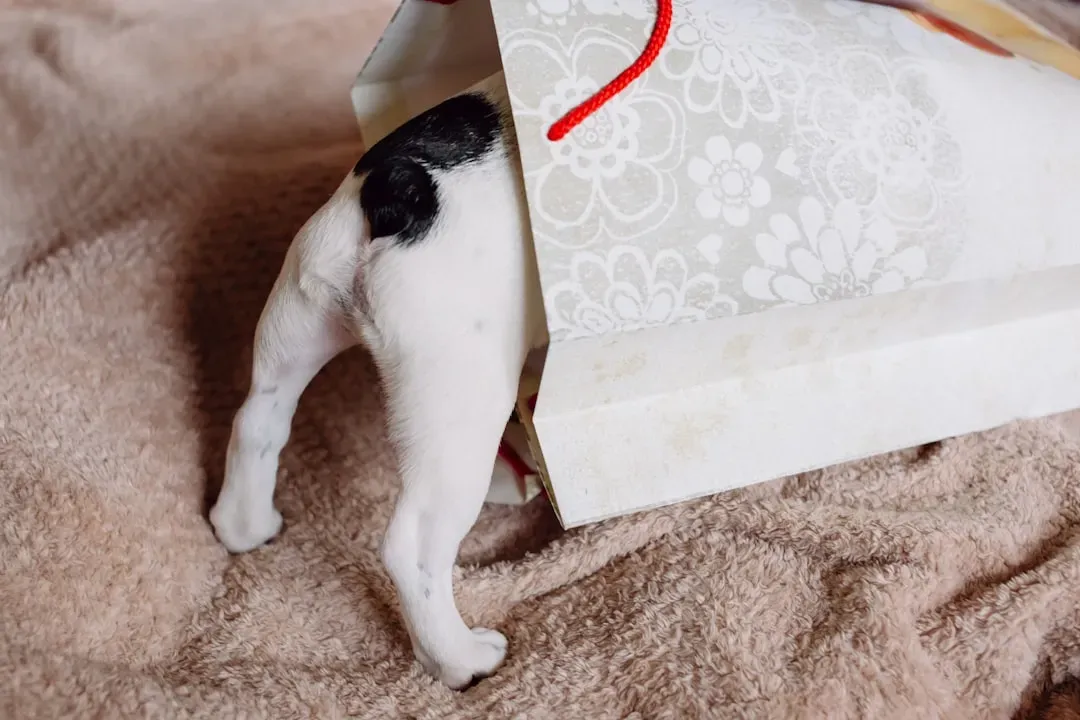
You walk through the front door and your dog rushes to grab the nearest sock, toy, or squeaky banana, then parades it proudly toward you. It looks random. It’s actually meaningful.
Whether it’s bringing you a leash for a walk or presenting you with an object upon greeting, these communicative actions are not just cute but clever. Dogs who use specific signals to get your attention are demonstrating advanced social intelligence. They know which behaviors get results and fine-tune their “language” over time. Bringing you a gift is your dog saying, “I know what you like. I know how to connect with you. Watch me show off.” That’s socially sophisticated behavior.
Research has found that gifted dogs who have a talent for learning lots of words for objects easily also turn out to be more playful, with prior research in humans showing a link between playfulness and problem-solving abilities. Want to encourage this behavior? Name the objects your dog brings you. Say the name clearly and consistently. Some dogs will begin to learn those names faster than you’d expect, and a few remarkable ones have gone on to learn hundreds of them.
Escape Artist Tendencies Are a Sign of a Problem-Solving Mind
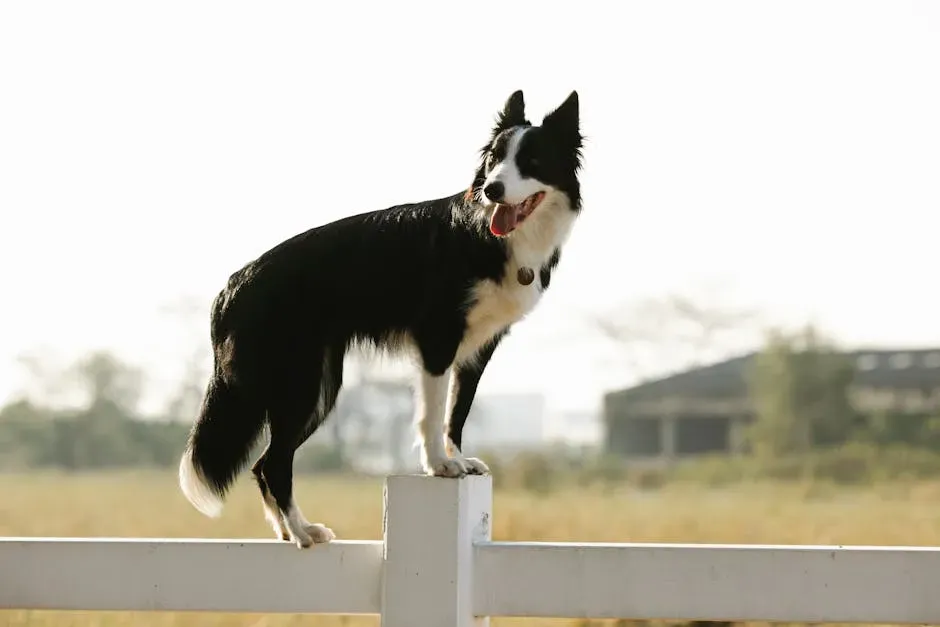
Let’s be real. When your dog figures out how to unlatch the backyard gate or wriggles out of a supposedly dog-proof enclosure, it is maddening. The neighbors are calling, the dog is three blocks away, and you’re standing there wondering where you went wrong.
Some dogs are great escape artists, and although this can frustrate their owners, it is a sign of high intelligence. One way to test this skill is to let your dog out of one door, close it and then open another door, as the smartest dogs can find their way back in or out, even if their original exit and entry points are closed. Think of it like a puzzle. Your dog assessed the environment, identified the weakest point, and acted on it. That’s not misbehavior. That’s applied problem-solving.
While frustrating for pet owners, smart dogs may also get into trouble more often because of their outstanding skills, figuring out how to get out of their crate or reach a forbidden item from the counter, for example. The prevention tip here is simple but important. A bored, intelligent dog is a destructive dog. Ramp up their mental stimulation. Puzzle toys, clicker training, and treat-based games are great tools to boost their intelligence, and enrolling them in a dog sports class like flyball or agility may also help your dog fine-tune their smarts.
Watching You Pack a Suitcase and Acting Weird About It
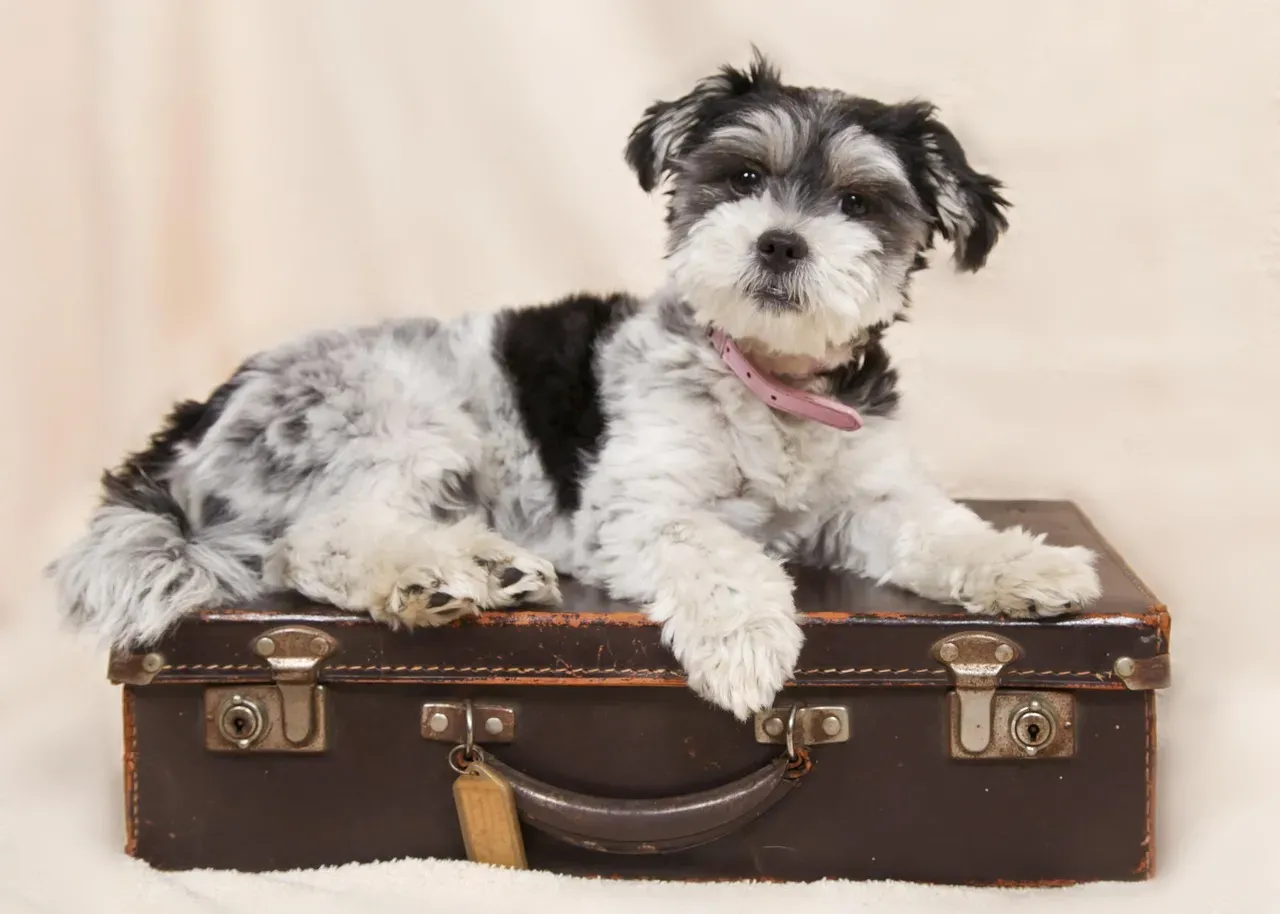
Has your dog ever completely unraveled the moment you drag out a suitcase? Pacing, whining, gluing themselves to your leg? That behavior isn’t separation anxiety in the simple sense. It’s actually sophisticated symbolic thinking.
Being highly observant is another characteristic that smart dogs share. For instance, when you pull out your suitcase, dogs recognize that it’s a sign something is about to change. They may show their understanding by trying to jump or hide in your suitcase, or they might stick unusually close to you. Your dog has linked that specific object to a specific outcome through memory and observation. That’s what we’d call associative intelligence. It’s the same mental muscle that allows kids to understand that grabbing a backpack means school is coming.
If your dog gets excited on the way to the park and starts getting nervous on the way to the vet, this shows they are not only able to recognize their environment but also can remember the way there, indicating a more developed intelligence. You can actually use this awareness to help your anxious dog. Leave the suitcase out days before a trip so the association loses its shock value. Desensitization works beautifully with dogs who think this deeply about the world around them.
Mimicking Your Movements Is Observational Learning at Its Finest

There’s a video-worthy moment many dog owners have had. Your dog watches you stretch out on the floor, then proceeds to do their own version of it right beside you. Hilarious, sure. However, it’s also a window into something cognitively remarkable.
Some dogs try to “help” with chores, copy your stretching routine, or mimic a trick they’ve seen you do. Dogs that imitate humans display a form of observational learning. They watch closely, analyze what you’re doing, and then try it themselves. This kind of mimicry is a sign that your pup is actively learning from their environment. Think of it the way young children learn by watching adults. Dogs have been doing this with humans for thousands of years.
Puppies learn many behaviors by following the examples set by veteran dogs, and what’s even more remarkable is that dogs can learn from observing humans as well. Having spent roughly 15,000 years interacting with humans, dogs are quite adept at understanding human messages even without formal training. To nurture this instinct, perform the behaviors you want your dog to learn in their presence deliberately. You might be amazed at how much they pick up without a single training session.
Initiating Games Instead of Just Playing Along
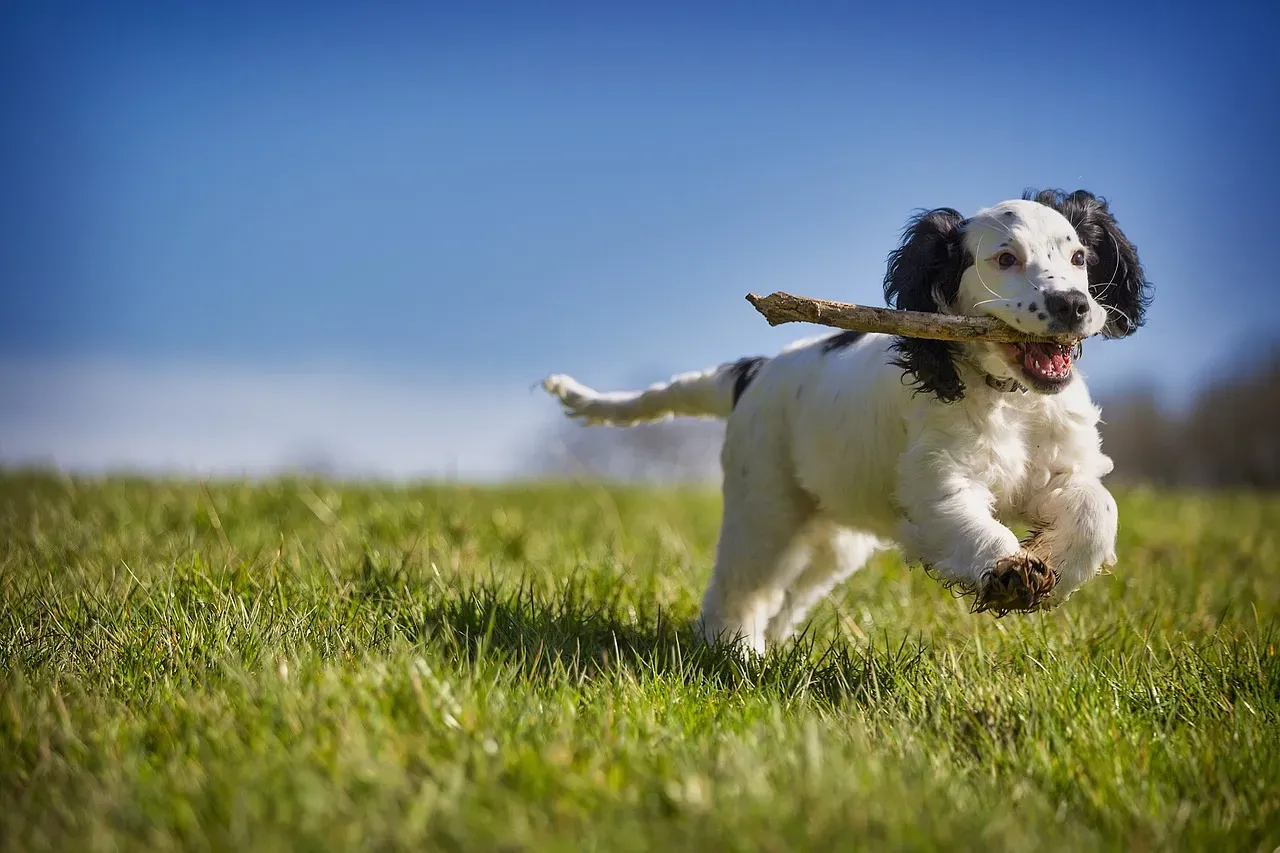
Most dogs will happily chase a ball you throw. That’s fun, but it’s also pretty passive. The real magic happens when your dog drops a toy at your feet, backs up, and gives you that irresistible look. They’re not asking. They’re inviting. There’s a difference, and it matters.
Smart dogs will initiate games by communicating their desires to you. For instance, your dog may speak, pat you, bring you a toy, or spontaneously use another behavior you’ve taught them to get you to pay attention to them. This spontaneous game-starting requires your dog to understand your attention, predict your response, and use a learned behavior strategically. That’s a layered cognitive process dressed up in playful packaging.
Smart dogs don’t just stick to the same routine. They get creative during playtime, often coming up with new ways of entertaining themselves or inventing games without anyone teaching them, showing a higher level of creativity. Lean into this. Rotate toys regularly, try new games, and let your dog “win” sometimes. Dogs who are mentally engaged through play are generally happier, less destructive, and honestly more fun to live with.
Looking Back at You When Stuck on a Problem
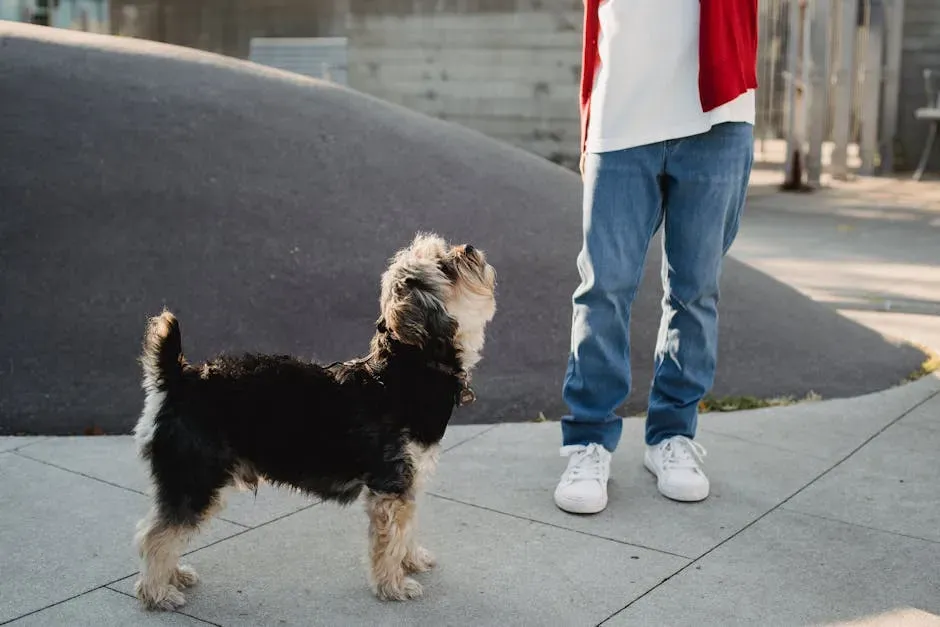
Here’s one that surprises a lot of first-time dog owners. You present your dog with a puzzle toy or a situation they can’t immediately solve, and instead of bulldozing through it, they pause and look directly at you. It seems like giving up. It’s actually the opposite.
Research has shown that when dogs encounter an unreachable treat, those in the attentive condition looked at their guardian for longer periods and had a shorter latency to first look, suggesting dogs actively seek help from their social partners when problem-solving. This is what researchers call “referential communication.” It means your dog understands that you hold information they don’t have and that asking you is a valid strategy. That’s remarkably sophisticated social cognition.
Dog intelligence doesn’t involve just learning new tricks. It encompasses emotional depth, problem-solving, and the ability to handle their world with a brilliance that often goes unheard. When your dog looks to you for help, honor that by actually guiding them. Show them the solution slowly. You’re not spoiling them. You’re building trust and reinforcing that communication between you works both ways. That’s the foundation of an incredibly bonded partnership.
Selective Listening Is Not Stubbornness, It Is Discernment
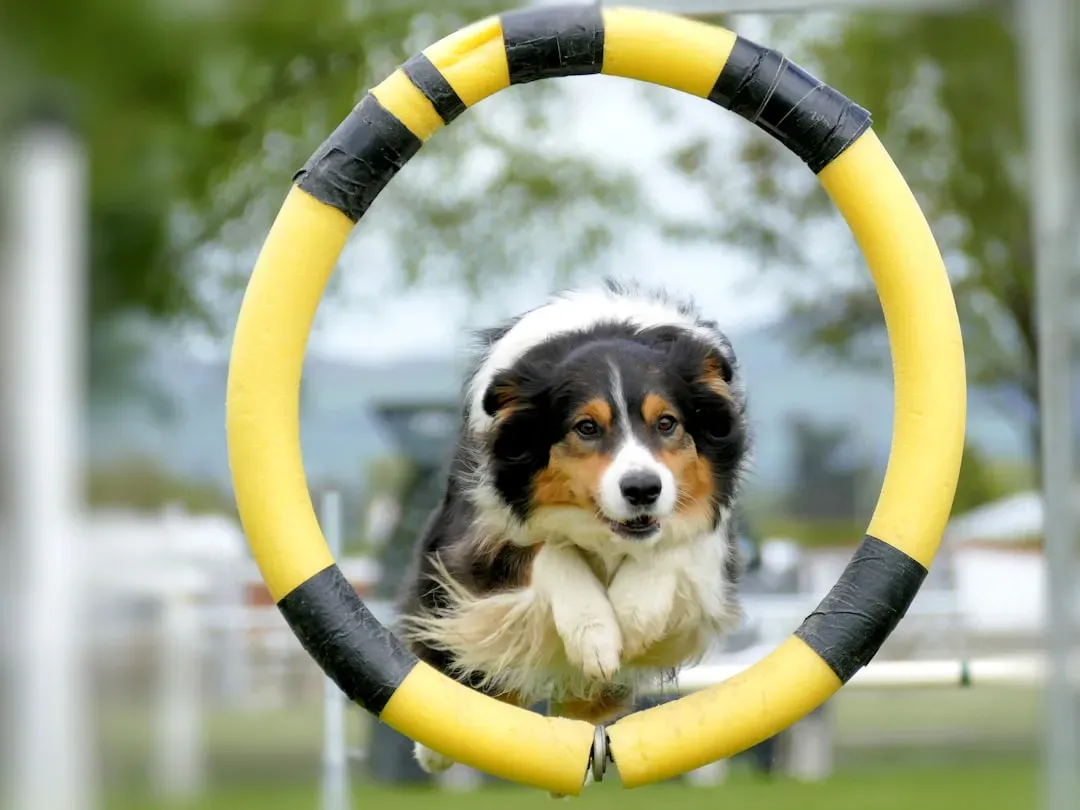
Every dog owner has experienced it. Your dog ignores “come” for ten straight minutes, then perks up the instant you say “treat” in a normal whisper from two rooms away. Infuriating, right? It seems like defiance. It’s actually selective intelligence.
Research from psychologist Stanley Coren claims that roughly half of a dog’s intelligence is genetic, while the other half is shaped by their environment. A dog who responds to certain words and not others has built a value hierarchy. They’ve assessed which commands bring the most rewarding outcomes and prioritized those. That’s not stupidity, that’s pragmatic decision-making. It’s what economists call rational choice behavior.
A stressed, overwhelmed, or under-stimulated dog will always look less capable than they truly are. Lack of early socialization, unclear communication, and inconsistent training environments can all make a dog appear slow or stubborn when, in reality, they’re simply confused or overloaded. The solution? Make every command worth responding to. Use high-value rewards for important cues, stay consistent, and keep training sessions short and energetic. Your dog isn’t ignoring you. They’re waiting to see if it’s worth their while.
Remembering Commands After Months Without Practice
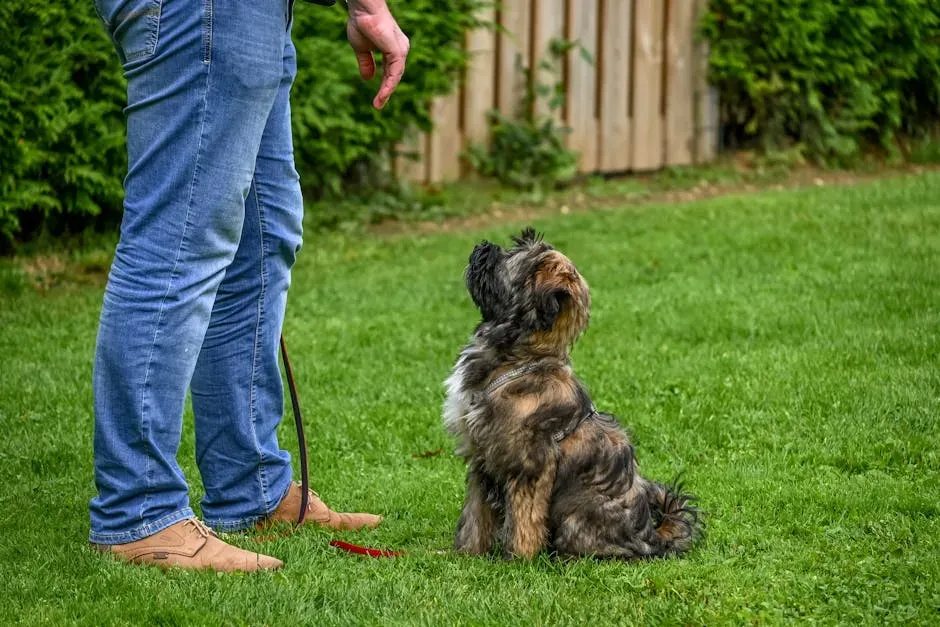
I think this one genuinely surprises people the most. You taught your dog to “roll over” about a year ago, practiced it for a few weeks, then totally forgot about it. One random afternoon, you say the words, mostly as a joke. Your dog drops and rolls. Perfectly. You stare at each other in disbelief.
Most pups can be taught to obey some commands, but a really smart dog will remember those commands over time, even if they haven’t been used in a while. For instance, a dog might still remember how to walk backward on command even if it hasn’t been practiced in a year. Long-term memory in dogs is more powerful than most people realize. The typical dog can learn more than a hundred words and gestures, and some can learn up to 250 or even more.
The faster your dog learns a new trick and the more commands they know, the greater their intelligence. For example, if you only have to tell your dog “no” to jumping on strangers a handful of times, they’re quite smart. The practical tip here is to revisit old commands regularly, even ones you think are forgotten. Testing your dog’s memory not only sharpens their recall but gives them a satisfying mental workout. It’s the canine equivalent of doing crossword puzzles, and it keeps their mind sharp for years to come.
Your Dog Is Smarter Than You Think. Act Like It.
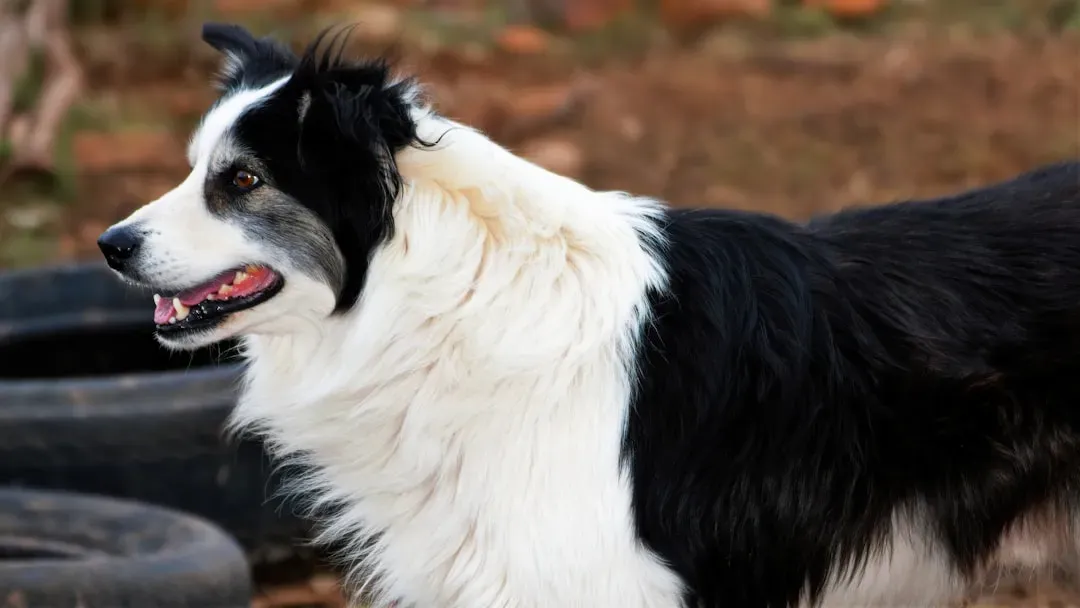
Here’s the big takeaway from all of this. The behaviors you may have laughed off, felt frustrated by, or completely misread are often the most direct evidence that your dog has a rich, working inner life. Dog intelligence doesn’t involve just learning new tricks. Everything revolves around emotional depth, problem-solving, and the ability to handle their world with a brilliance that often goes unnoticed.
Every time your dog tilts their head, looks to you for guidance, or wriggles out of yet another impossible situation, they’re showing you who they really are. The responsibility that comes with knowing this is beautiful. Mental stimulation, consistent communication, patient training, and genuine emotional engagement aren’t luxuries for your dog. They’re necessities. Dogs are complex animals with individual quirks, and just because a dog doesn’t behave the way we want them to doesn’t mean they’re not intelligent.
So the next time your dog does something strange, pause before you laugh it off. Ask yourself what they might really be telling you. You might find that the quirkiest dog in the room is also the smartest one. Now, what’s a behavior your dog does that you’ve always written off as just being weird? Drop it in the comments. I’d genuinely love to hear it.


