

Picture this: you’re scrolling through Instagram, and there it is – another gorgeous Golden Retriever frolicking through autumn leaves, their coat gleaming like spun gold in the sunlight. You can practically feel your heart melting as their owner captions it with something like “Best friend forever.” It’s enough to make anyone rush to the nearest breeder or rescue, credit card in hand.
Golden Retrievers have earned their place as America’s sweetheart breed, consistently ranking among the top three most popular dogs. Their sunny disposition and movie-star looks make them seem like the perfect family companion. Yet beneath that gorgeous golden exterior lies a reality that many first-time owners don’t fully understand until they’re knee-deep in dog hair and facing an expensive vet bill.
Before you fall head over heels for those soulful eyes and that feathery tail, let’s explore some honest truths about Golden ownership that might surprise you. So let’s get started.
They’re Expensive Money Pits on Four Legs

Annual maintenance costs average approximately $1,500 yearly, with lifetime costs potentially reaching $22,000. From the $1,000-$3,500 puppy cost to $22,000+ lifetime expenses, Golden Retrievers represent a significant financial commitment.
Professional grooming services cost $50-$100 per session, with annual expenses ranging from $300-$1,200. If you choose to take your Golden to a professional groomer, expect to pay $30 to $75 per session. On average, you can expect to spend between $50 to $90 per grooming session for your Golden Retriever. That gorgeous coat comes with a price tag that keeps adding up, month after month.
Comprehensive accident-and-illness pet insurance plans average about $53 per month. Routine veterinary care costs between $300 to $600 annually for vaccinations, check-ups, and preventative treatments. When you consider their predisposition to expensive health conditions like hip dysplasia and cancer, those monthly insurance premiums start looking like a wise investment rather than an optional expense.
Monthly food expenses range from $40 to $90, totaling $6,000 to $10,800 over a typical 10-12 year lifespan. These dogs don’t nibble – they eat with the enthusiasm of a teenager after football practice.
They Shed Enough Hair to Knit a Whole New Dog

That means that shedding and matting are daily concerns. If you can’t commit to daily or near-daily rather comprehensive brushing, then don’t get this dog.
This breed has hair and a boatload of it. Twice a year it sheds big-time (around spring and fall), but there’s always hair. Everywhere. Having a Golden Retriever means having lint brushes. Your black clothes will become a living testament to your dog’s presence, no matter how much you brush or vacuum.
Their flowing coats shed frequently! You’ll need to groom them regularly, and you’ll still see quite a bit of hair around the house. Imagine finding golden strands in places you never thought possible – your morning coffee, between couch cushions, somehow woven into your favorite sweater.
They have a beautiful coat that needs to be brushed regularly to keep it from getting tangled and to control shedding. They shed a bit all year round, and more when the seasons change. This isn’t just a twice-yearly inconvenience – it’s a year-round commitment that requires patience and a very good vacuum cleaner.
They’re High-Maintenance Energy Machines
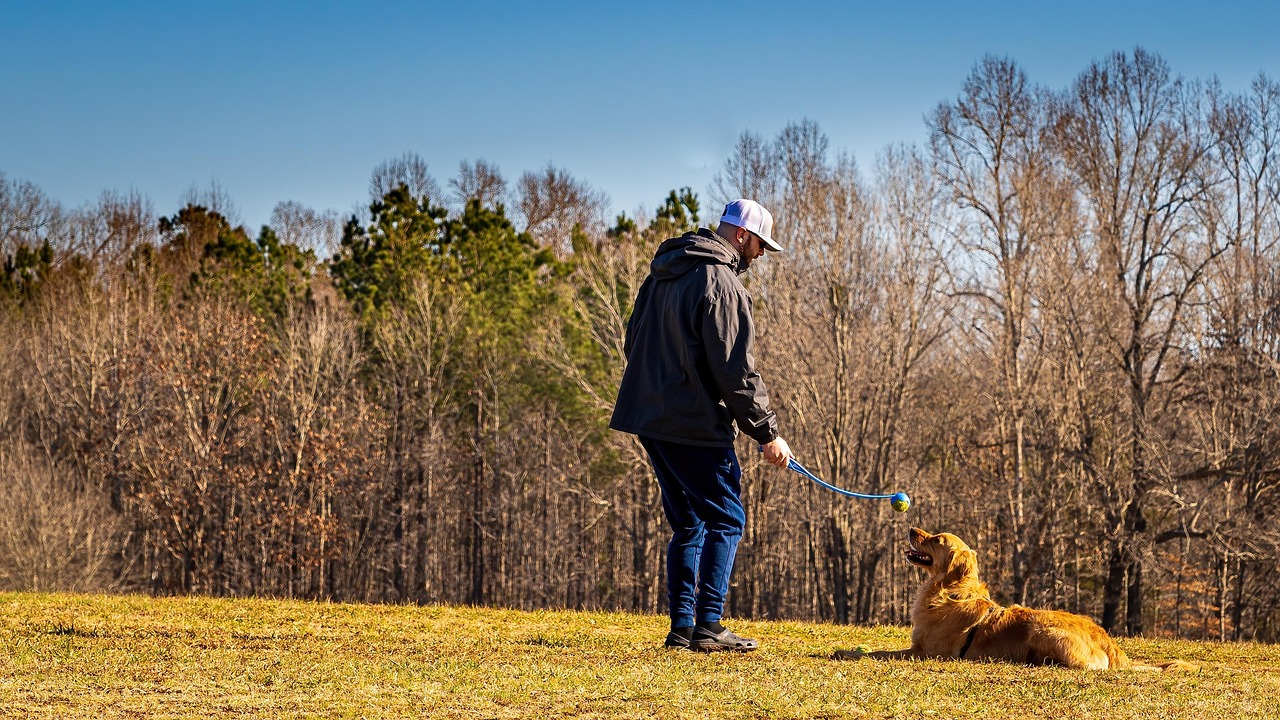
Needs vigorous exercise (and a lot of it). Daily workouts of 40-60 minutes are a must for this breed. Without it, they can become restless, overweight, and chewy.
The biggest reason to hold off on getting a Golden Retriever is that they’re pretty needy dogs. They need a lot of exercise, usually 40–60 minutes a day, and sometimes more. Also, they get bored easily and don’t always do well with being home alone, at least for long periods. If you’re hoping for a couch potato companion who’s content with a quick walk around the block, you’re looking at the wrong breed.
These gentle giants need anywhere from 45 minutes to two hours of vigorous exercise every day, including plenty of walks. This isn’t just a suggestion – it’s a requirement for their physical and mental well-being.
If you don’t have a lifestyle that will give them the attention and playtime they need, you might find your dog becoming more anxious and unhappy. You might also see a spike in chewing and destructive behaviors. A bored Golden can turn your favorite shoes into confetti or redesign your backyard landscape in ways you never imagined.
They’re Social Butterflies Who Hate Being Alone
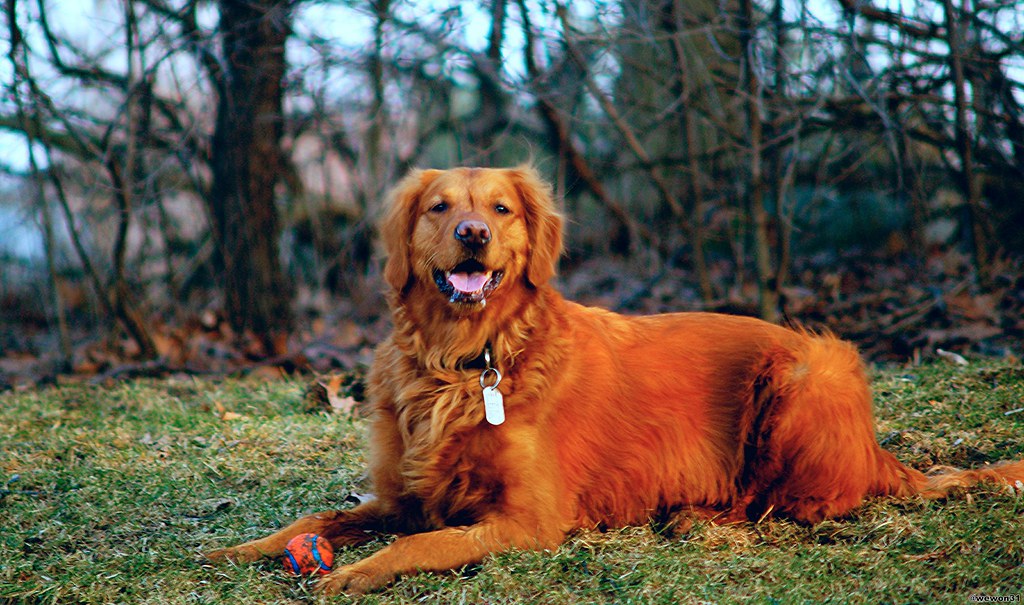
Golden Retrievers are very social animals, especially with families and children. Unfortunately, this can cause separation anxiety – Golden Retrievers don’t want to be left alone too much. So, a Golden Retriever isn’t the best choice for a home that often sits empty.
Not great at being alone in an apartment all day. These dogs were bred to work alongside humans, and that need for companionship runs deep in their DNA. They don’t just want to be with you – they need to be with you.
Golden Retrievers really enjoy spending time with people and being part of the family. They want to be with you and show you lots of love. So, make sure you have time to spend with them and give them attention. They will become an important part of your daily life. If you work long hours or travel frequently, this breed might not align with your lifestyle.
Their separation anxiety can manifest in destructive behaviors, excessive barking, or depression-like symptoms. They’re not being spiteful – they’re genuinely stressed when left alone for extended periods.
They’re Vulnerable to Serious Health Problems

Unfortunately, cancer is very common among Golden Retrievers. It is estimated that around 60% of Golden Retriever deaths are from cancer. This statistic alone should give potential owners pause – this isn’t a minor concern but a breed-defining health challenge.
In fact, it’s been estimated by the Orthopedic Foundation for Animals’ hip dysplasia database that 19.6% of all US Golden Retrievers have shown abnormal or dysplastic hips. Many Golden Retrievers are prone to bone and joint problems especially as they age. Too much high-impact exercise can compromise their mobility later in life.
Vets tell owners to watch out for things like hip and elbow problems, certain types of cancer, and heart conditions. Taking your Golden Retriever to the vet regularly, giving them preventive care, and getting help quickly if they seem sick can help keep them healthy. Regular health screening isn’t optional – it’s essential.
Because the average Golden Retriever weighs 55 to 75 pounds, some dog owners may be unable to lift their beloved pet if they’re unable to walk on their own. This creates both emotional and physical challenges as your dog ages.
They’re Too Friendly to Be Good Guard Dogs

Golden Retrievers are great with strangers, but that comes with a flip side. They aren’t particularly protective and don’t make good guard dogs. They aren’t likely to bark at a break-in and will often want to play or run away rather than go on high alert.
They’re natural extroverts and most love to meet strangers. While this makes them wonderful family pets, it also means they’re more likely to greet a burglar with a wagging tail than a warning growl.
Their trusting nature extends to everyone they meet. If you’re hoping for a dog that will alert you to potential dangers or act as a deterrent to unwanted visitors, you’ll be disappointed. If you want a big dog to add to security around your house, a different breed might be a better choice.
This friendliness, while endearing, can also be problematic in situations where you need your dog to be more discerning. They don’t naturally distinguish between welcome and unwelcome visitors, treating everyone as a potential new best friend.
They Come with Messy Habits Beyond Just Shedding
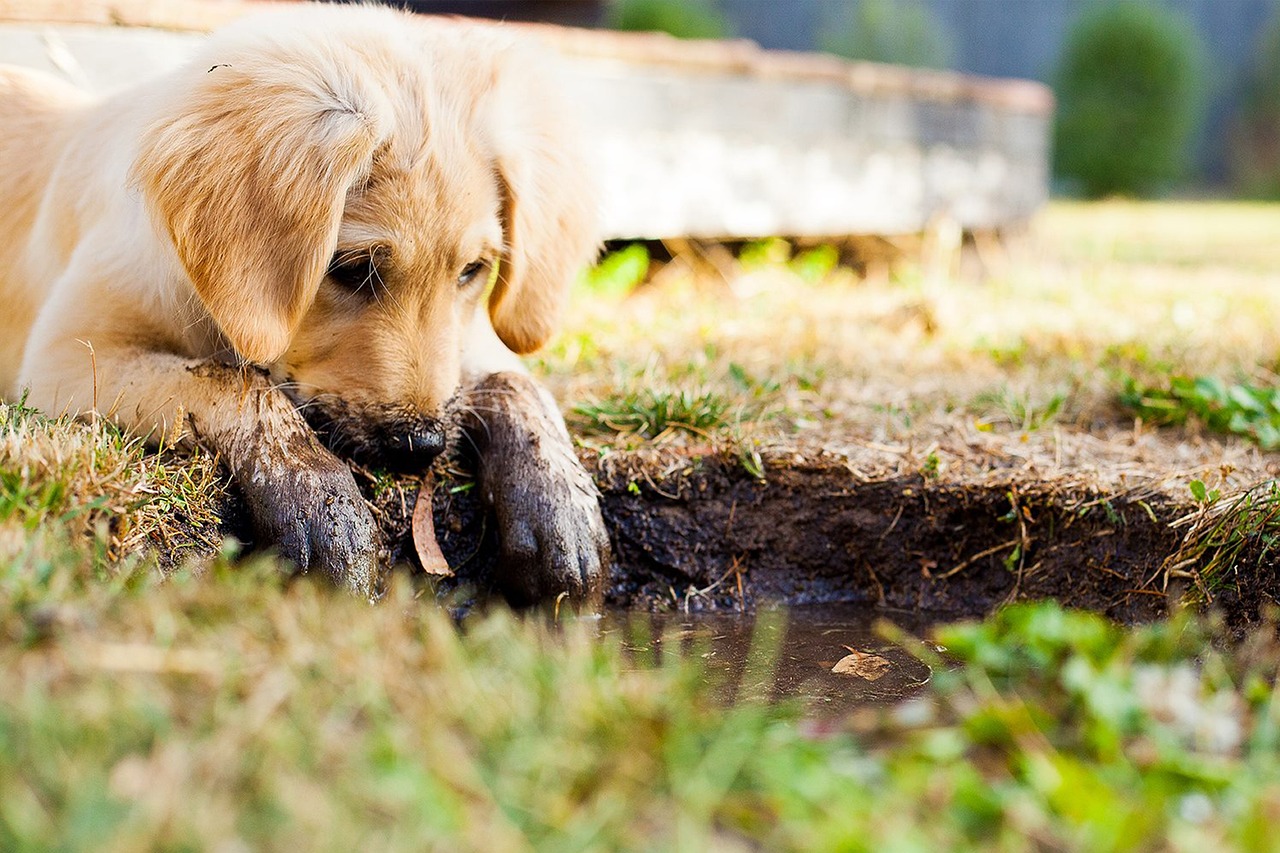
Along with shedding, some are messy in other ways. Although not all Golden Retrievers are droolers, many are. Between the hair and the drool, you’ll need to stay on top of cleaning constantly.
Also, Golden Retrievers really like water. Think about whether you have safe places for them to swim or if you’re willing to find ways for them to cool off and have fun in the water. This love of water means they’ll happily splash through every puddle, stream, or muddy patch they encounter, then bring that outdoor adventure right into your living room.
Their retrieving instincts mean they’ll pick up anything and everything in their mouths – sticks, rocks, dead fish, or that questionable thing they found in the neighbor’s yard. They don’t discriminate between clean and dirty, appropriate and inappropriate.
Big and hungry. This breed gets big (55-75 pounds) and will gladly get bigger if overfed. Their enthusiasm for food matches their enthusiasm for everything else, which means counter-surfing and garbage-raiding are common behaviors that require constant vigilance.
Conclusion

Golden Retrievers are undeniably wonderful dogs – there’s a reason they’ve captured hearts worldwide. Their intelligence, loyalty, and gentle nature make them exceptional companions for the right families. However, loving a breed means understanding its challenges alongside its charms.
The reality is that Golden ownership requires significant time, money, and lifestyle adjustments. From the daily brushing sessions and extensive exercise needs to the potential health concerns and ongoing expenses, these dogs are a major commitment that shouldn’t be entered into lightly.
If you can provide the consistent grooming, daily exercise, companionship, and financial resources they require, a Golden Retriever might still be perfect for you. Though if you’re looking for a low-maintenance, independent dog who’s content with minimal exercise and interaction, you might want to explore other breeds that better match your lifestyle.
What do you think about it? Are you still ready to welcome a Golden into your life despite these challenges? Tell us in the comments.


