

One day your dog is bounding joyfully toward the park, tail spinning like a helicopter. The next day, that same park makes them freeze at the gate. You stand there, leash in hand, genuinely baffled. What happened? Where did your carefree, goofy companion go?
This is more common than you might think, and it breaks so many dog parents’ hearts. The good news is that there are real, science-backed reasons behind these mysterious changes in your dog’s behavior. Understanding the “why” is the first step toward helping your best friend feel safe again. Let’s dive in.
1. They’re Going Through a Fear Period – And That’s Actually Normal

Here’s something that surprises a lot of dog owners: dogs go through predictable developmental phases of fear, much like teenagers going through emotional turbulence. These fear periods can occur between 8 to 10 weeks, 4 to 6 months, and 8 to 12 months of age. During these windows, puppies may become scared of things that didn’t previously bother them, such as household items or people.
Imagine your bold, fearless puppy suddenly refusing to walk past a trash can they’ve passed a hundred times. Completely bewildering, right? If your adolescent dog suddenly seems a little skittish but has previously been confident, it is likely that your dog is just entering a normal developmental fear period during which new things, and even not-so-new things, scare them. The best thing you can do is stay calm, keep life low-key, and offer gentle reassurance without overdoing it.
It’s so useful to know this stage is temporary and completely normal. Within a few weeks or a month, your dog is likely to be just as social and happy about whatever the world brings their way as they were when they were a puppy. So take a breath. Your pup is not broken.
2. A Single Scary Moment Changed Everything – Welcome to Single-Event Learning
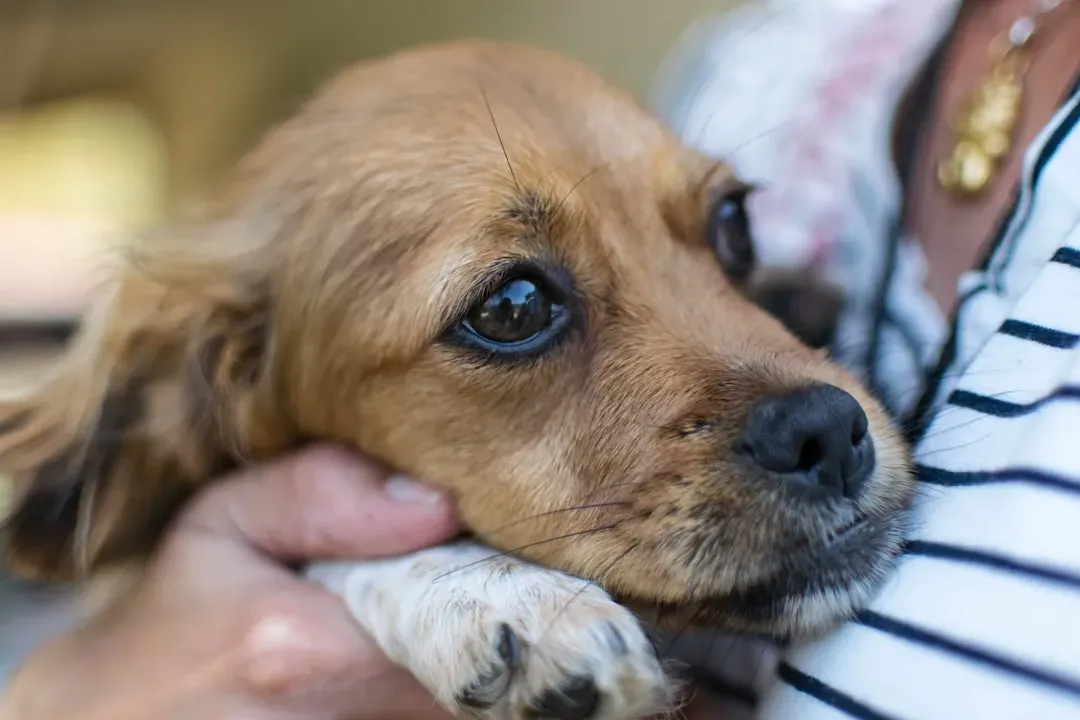
This one genuinely shocked me when I first learned about it. Dogs can experience something so impactful that it only takes a single time for them to understand that the experience is something to be avoided or scared of. This is called single-event learning. Single-event learning can be so frightening that your dog develops an avoidance, fear, or phobia with a single exposure. One moment. That’s all it takes.
Think about what that means in everyday life. The once-social Golden Retriever who relished walks was forever changed after encountering an improperly leashed dog that ran out and attacked. From thereon out, he had an anxious hypervigilance any time he ventured outside the home. You might never have even witnessed the scary event that caused your dog’s fear. Many times, we are likely to have no idea what the event was – it’s only when we start to see our dog shying away from people, flinching at certain noises, or barking and lunging out of fear that we realize something must have happened.
3. Hidden Pain or Illness Is Speaking Through Their Behavior

Here’s the thing: dogs cannot tell us when something hurts. If your dog is suddenly acting differently, one of the first things to consider is its health. Dogs don’t always show pain in obvious ways, so a shift in behavior might be their way of telling you something’s wrong. A dog who suddenly shies away from a walk they used to love might not be afraid. They might just be hurting.
It’s important to note that some behaviors that look like fear might be related to pain. Dogs that seem “hand shy” and nervous about being touched might actually be dealing with an undiagnosed medical issue. Your veterinarian can help you determine whether your dog is experiencing pain or suffering from fear-based issues. Watch for signs like flinching when touched in certain spots, reluctance to jump, or changes in appetite alongside the fearful behavior.
Underlying illness or pain can contribute to fear or anxiety and should be considered if your adult or senior dog develops a new or heightened fear response to a trigger. A vet visit is never a bad first step when something feels off. Trust your instincts as a pet parent.
4. The World Around Them Changed – And It Shook Their Sense of Security

Dogs are creatures of habit. They thrive on routine, familiarity, and a sense of stability in their environment. When something changes, it can have a big impact on your dog’s behavior. Moved house recently? Got a new baby? Rearranged the furniture? To us, it’s just a new couch placement. To a dog, it’s like someone rearranged their entire emotional map.
Dogs that move to a different environment, like from the suburbs to the city, might find the noise and crowds in their new neighborhood overwhelming. Similarly, a traumatic experience outside can be enough to create an overwhelming fear of going outdoors. It’s not drama; it’s deeply wired into how they process the world. For some dogs, especially the ones that get nervous if their water bowl is moved an inch to the left, such changes can be a big deal. In these cases, a little extra TLC can go a long way.
5. Their Brain Is Aging – And That’s Changing How They Experience the World
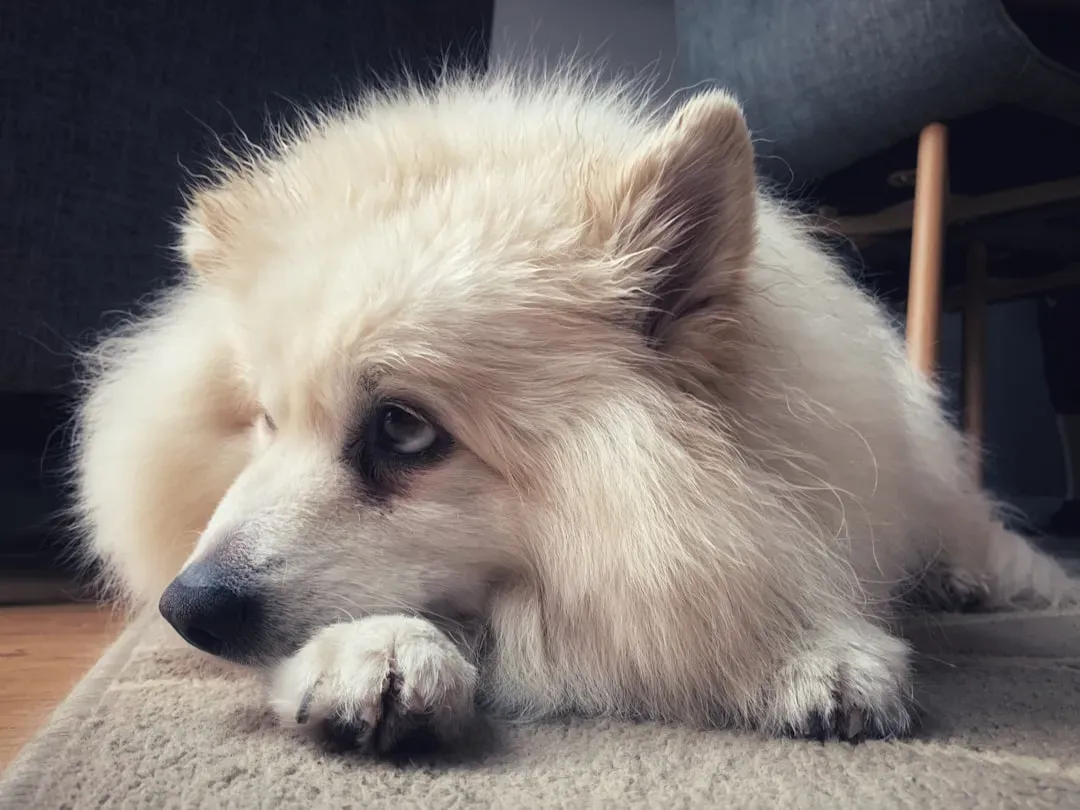
One of the most heartbreaking and underrecognized causes of sudden fear in dogs is cognitive decline. Dog dementia, or Canine Cognitive Dysfunction (CCD), is a progressive brain condition that affects senior dogs. Much like Alzheimer’s disease in humans, it causes physical and chemical changes in the brain that impact memory, awareness, and learning. Research shows that over 60% of dogs older than 11 years show at least one sign of cognitive decline.
Just like humans experiencing cognitive decline, dogs with CCD can feel anxious, confused, and afraid. Their familiar routines may suddenly feel foreign. They may wander, vocalize more, or appear lost, even in their own home. So when your senior dog suddenly seems terrified of a room they’ve slept in for years, please don’t write it off as “just old age.” Dogs with CDS can develop new fears, become clingy, and vocalize more, all due to increased nervousness. Talk to your vet. Early support makes a real difference.
6. Gaps in Early Socialization Are Now Showing Up
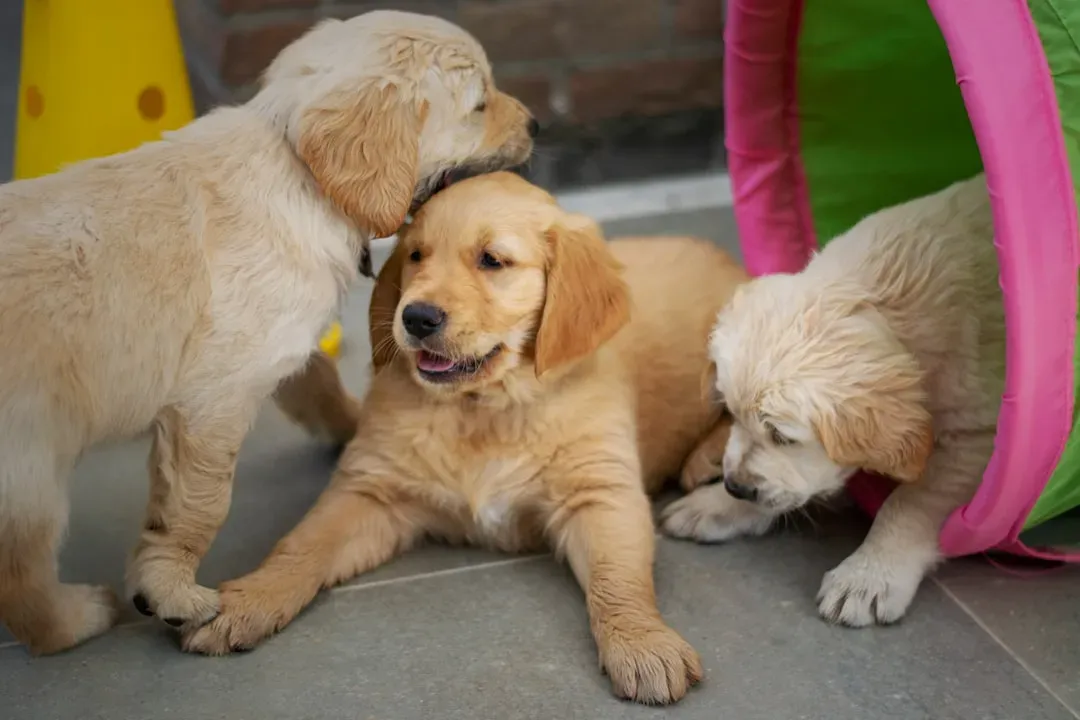
Honestly, this one catches a lot of dog parents off guard, especially those who adopted during the pandemic years. When a dog misses out on early socialization, they can become fearful of new experiences, and it can take a lot of time and work to help them overcome their fear. Dogs learn what is safe in the world during a very specific window early in their lives, and what they didn’t experience then can feel terrifying later.
It’s a bit like suddenly discovering something as an adult that everyone else grew up with. Although it’s possible that a fearful dog has suffered abuse or bad experiences, most of the time fears result from a combination of a genetic predisposition and some lack of exposure with positive experiences, especially in the first months of life. A dog may have missed out on becoming socialized to certain kinds of people simply by not being around them enough when they were a puppy.
The good news is it’s never entirely too late. Using careful management, as well as positive reinforcement training, desensitization, and counter-conditioning techniques to change how they feel, is key. Progress might be slow, but every small step forward counts enormously.
7. You Might Be Accidentally Reinforcing the Fear
I know this one stings a little, so let’s be real and gentle about it at the same time. When we see our dog scared, our natural instinct is to scoop them up, cuddle them close, and tell them everything is okay. Without realizing it, pet parents can sometimes reinforce fear by comforting their dog too much during anxious moments. While reassurance is important, excessive coddling can send the message that there is, in fact, something to be afraid of.
There is also the flip side: punishing a fearful dog can make things dramatically worse. Avoid punishing your dog for actions like cowering, growling, or barking. These are a dog’s way of communicating distress. Punishing your dog won’t reduce their fear, but it could make them afraid of you. Instead, stay calm. Your energy is contagious in the best and worst ways.
Your dog can sense your emotions. If you become anxious, they may follow suit. Think of yourself as the calm anchor in a storm. The steadier you are, the safer your dog feels. It’s one of the most powerful things you can do, and it costs absolutely nothing.
What You Can Do: A Compassionate Path Forward
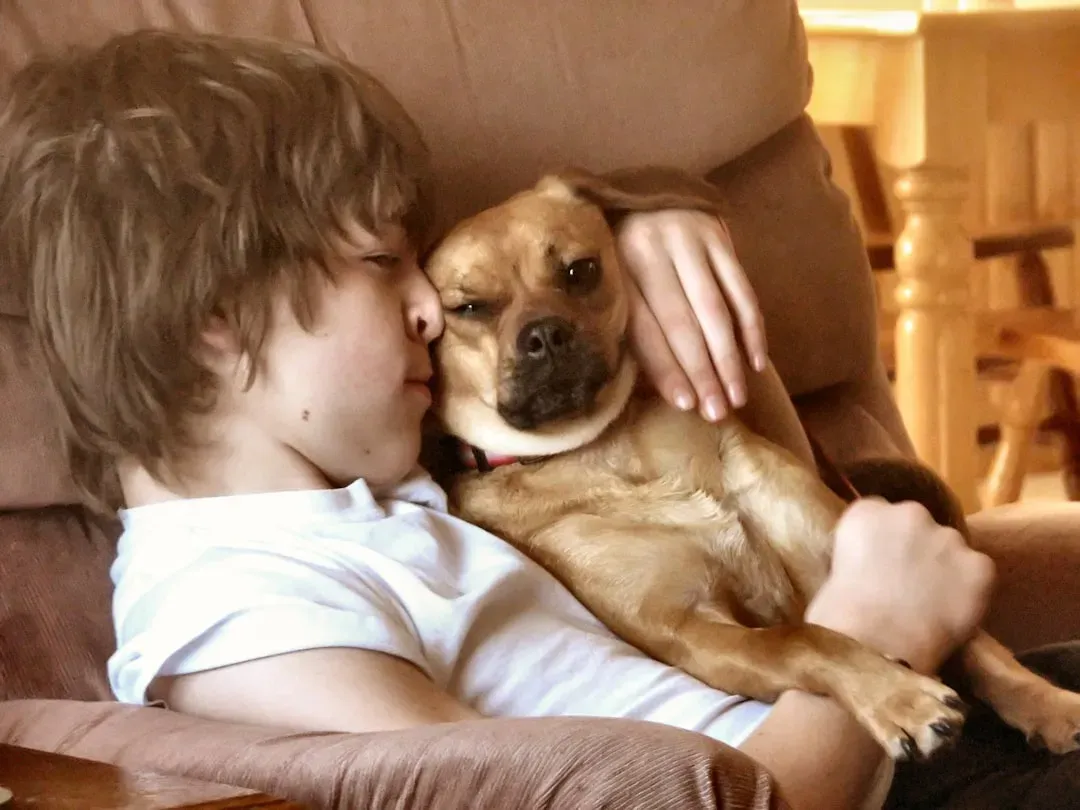
Watching your dog be afraid of something they once loved is genuinely hard. It’s confusing, it’s sad, and sometimes it feels helpless. But you now know that there’s almost always a real reason behind the change, and that’s actually empowering. While fear is a natural survival instinct, it becomes problematic when it interferes with daily life. Since fear can deepen over time and rarely resolves without some kind of intervention, it’s not something you want to ignore.
Start by ruling out health issues with a vet visit. Then, move slowly and patiently. Make sure your dog is safe and is not repeatedly exposed to the thing they are afraid of. Using careful management, as well as positive reinforcement training, desensitization, and counter-conditioning techniques to change how they feel, is key. Small wins build big confidence over time.
If your dog’s fear is extreme, unpredictable, or getting worse, reach out to a Dog Behavior Specialist. They can design a personalized plan and coach you through the process. You don’t have to figure this out alone. The fact that you’re reading this and asking “why?” already says everything about the kind of dog parent you are.
Your dog may not be able to tell you what’s wrong in words, but they’re showing you in every cowering step and skittish glance. The most important thing you can offer them is exactly what they offered you from day one: unconditional patience, steadfast love, and the promise that you’ll always try to understand. What would you do differently now that you know these seven reasons? Tell us in the comments.


