
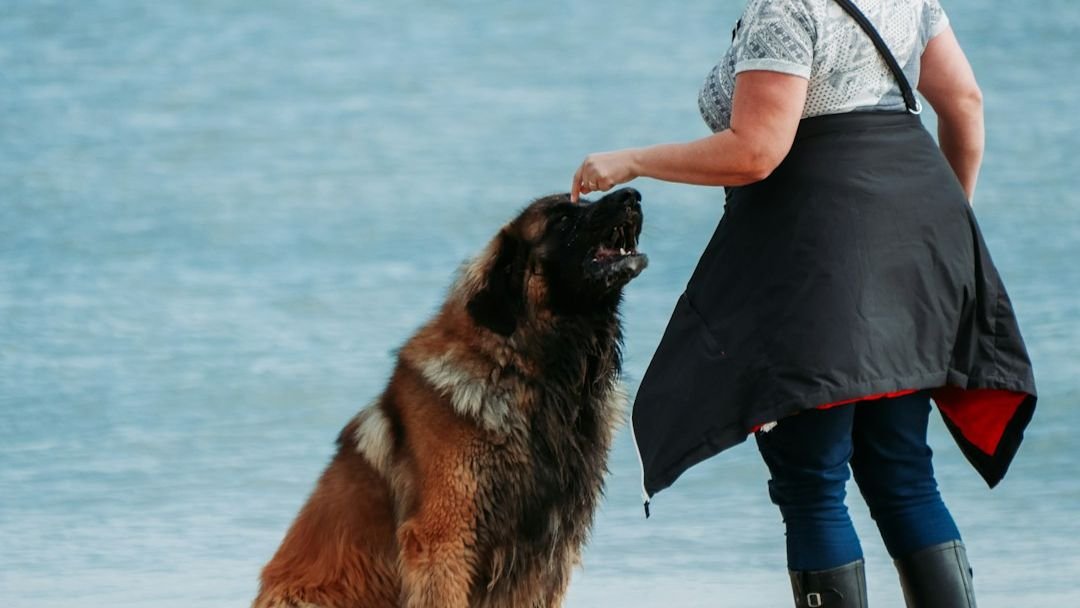
There is something quietly beautiful about the way an older dog looks at you. Not with the frantic, bouncy energy of a pup who still thinks every stranger is a potential best friend, but with this deep, knowing gaze that says, “I see you.” It’s steady. It’s real. And honestly? It gets me every time.
People often fall head over heels for puppies, which is understandable. But here is what most people don’t talk about enough: older dogs bring a kind of companionship that simply cannot be rushed or trained into a younger animal. It grows over time, quietly and deeply, like a good friendship. If you have a senior dog at home, or you’re thinking about adopting one, what you’re about to read might just confirm what your heart already knows. Let’s dive in.
They Love You in a Way That Is Deeply, Genuinely Mutual
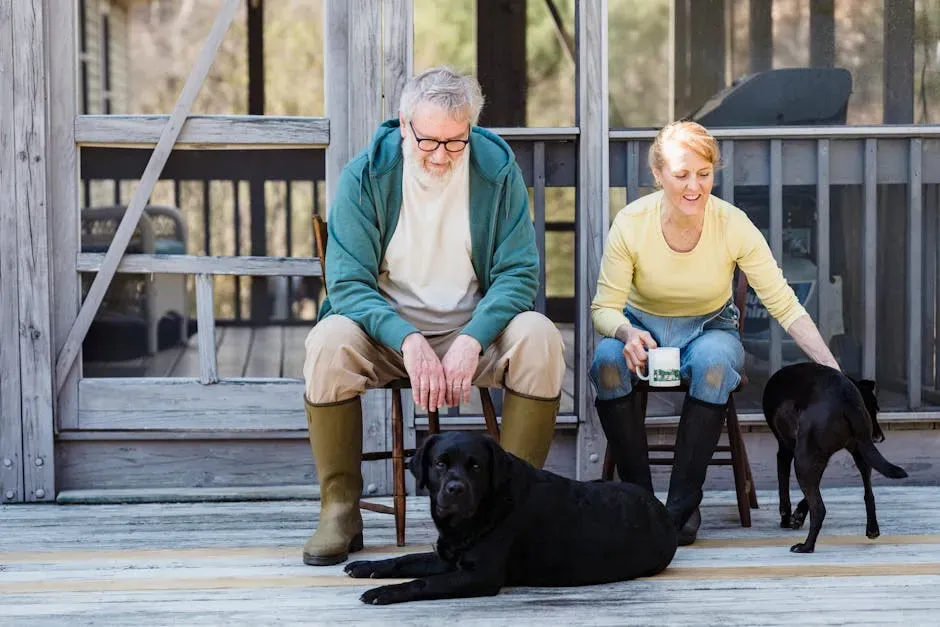
Let’s be real – puppies love everyone who holds a treat. Older dogs? They have chosen you, specifically. Research has found that over a long time of living so closely with people, dogs have developed the ability to empathize with human beings, read our body language and facial expressions, and develop their own ways of communicating with us. Your senior dog isn’t just reacting to you. They are reading you.
New research shows that dogs provide the emotional comfort of a child and the loyalty of a best friend, and dog owners rated their relationships with their pets higher than with any human, citing more love and less conflict. That’s not a small thing. That is a profound, science-backed kind of bond that your older dog has been building with you, day after day.
Their Calm Energy Is Genuinely Good for Your Health
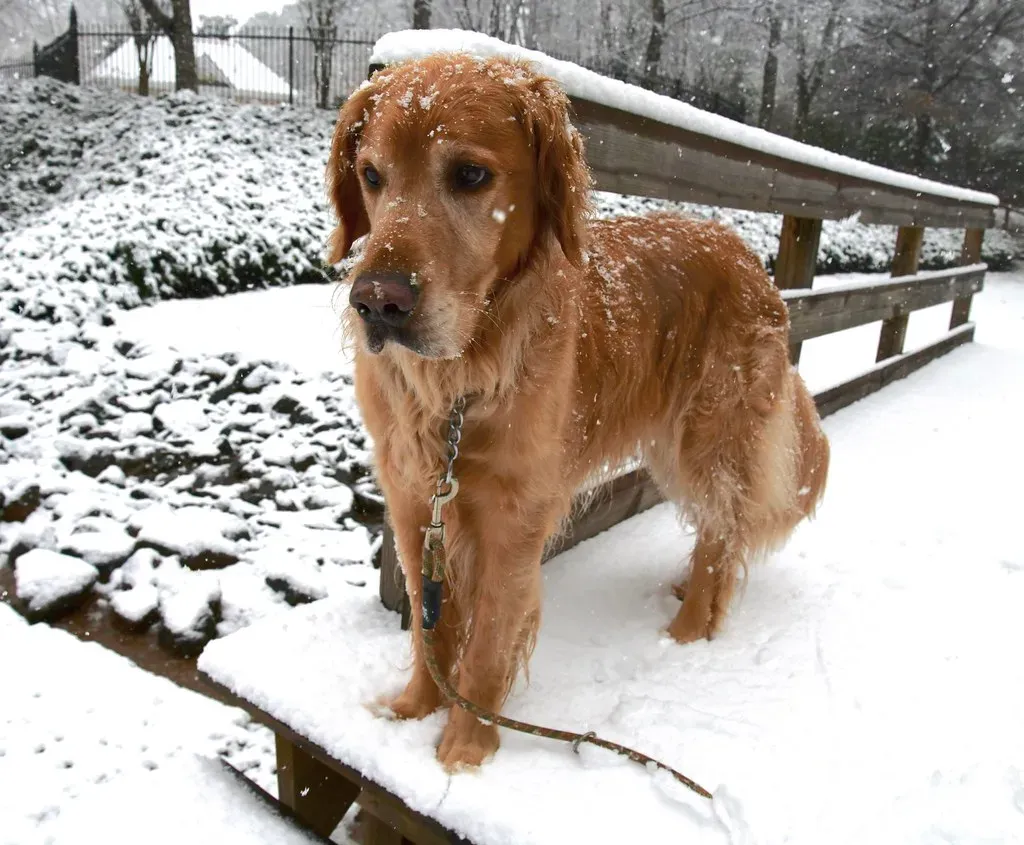
Here’s the thing about senior dogs: they have outgrown the hurricane phase. A walk around the block is enough. A quiet afternoon on the couch is enough. That slower pace is not a downside, it’s actually one of the most underrated gifts they offer. The simple act of petting a dog releases oxytocin, a hormone associated with relaxation and bonding, fostering emotional resilience in humans.
Dog owners have lower blood pressure and healthier cholesterol levels, and a lower risk of heart disease, than non-owners. Combine that with the quiet, grounding presence of an older dog curled up beside you, and you have something that feels a lot like medicine. Gentle, warm, no prescription required.
They Are Already Who They Are – No Guesswork Needed
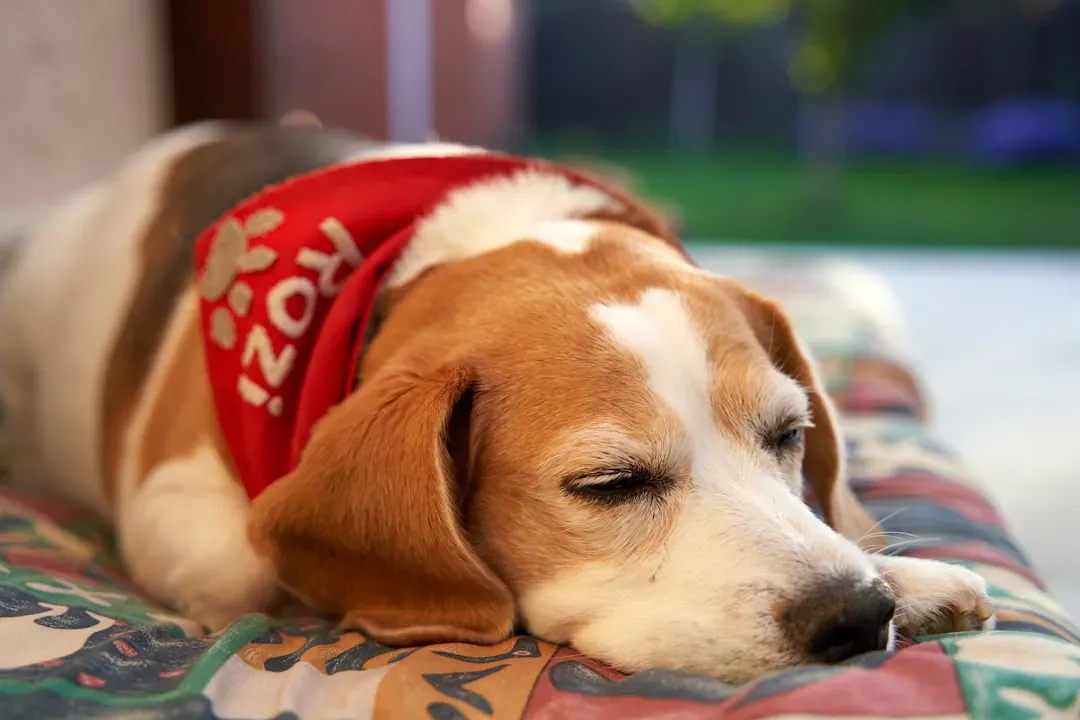
One of the most exhausting parts of raising a puppy is not knowing what you are going to get. Big or small? Anxious or bold? Destructive or chill? With an older dog, the personality mystery is solved. Older dogs come with benefits like prior training, calm demeanors, and fewer surprises regarding size and behavior. What you see is genuinely what you get.
Senior dogs offer a unique blend of companionship and ease. With their calmer demeanor, established training, and mature personalities, these older canines can seamlessly fit into your lifestyle without the challenges that come with raising a puppy. Think about it like this: welcoming an older dog is like moving in with a really good roommate who already knows the house rules.
They Fight Off Loneliness Better Than Almost Anything Else
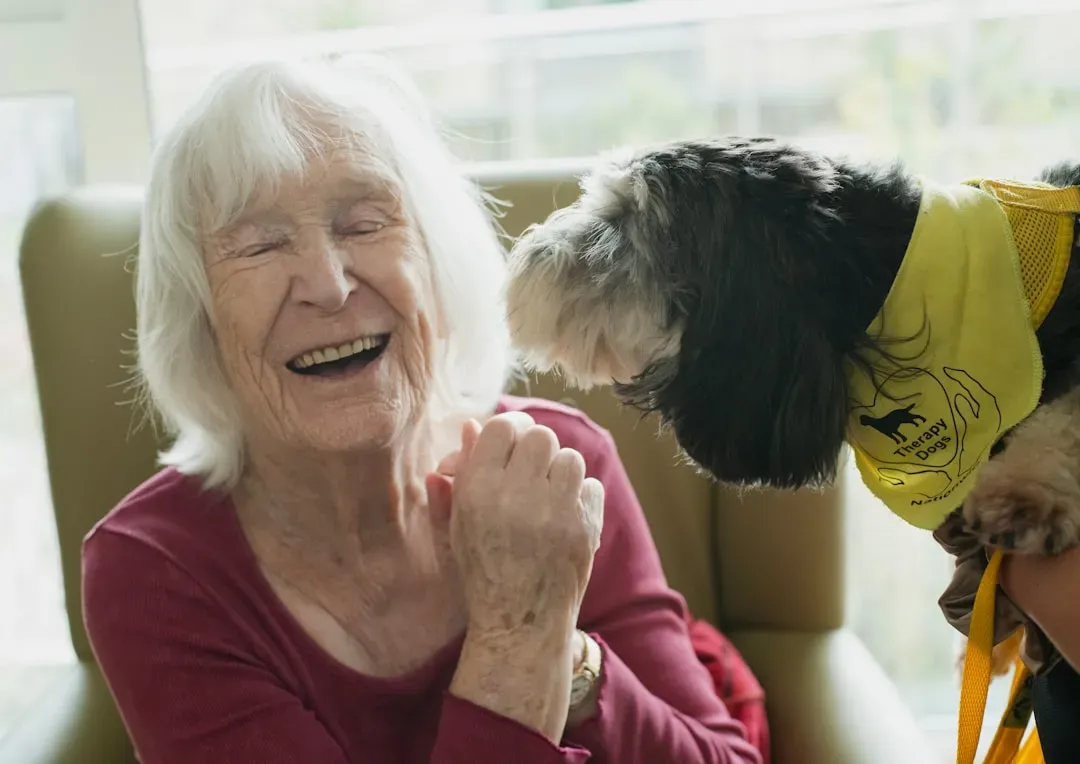
Loneliness is a real and growing problem. A large national survey found that loneliness in the United States was at epidemic levels, with nearly two thirds of Americans reporting they felt lonely. An older dog doesn’t just sit with you, they sit for you. Intentionally. Attentively. They help fight off loneliness and solitude, and to many people, their animal friend means joy and quality of life.
A study by the University of Michigan, sponsored by AARP, found that roughly seven in ten older adults said their pet helps them cope with physical or emotional symptoms, and nearly half said their pets help take their mind off pain. Your older dog is not just company. They are, in a very real sense, a lifeline.
They Keep You Moving Without Overwhelming You
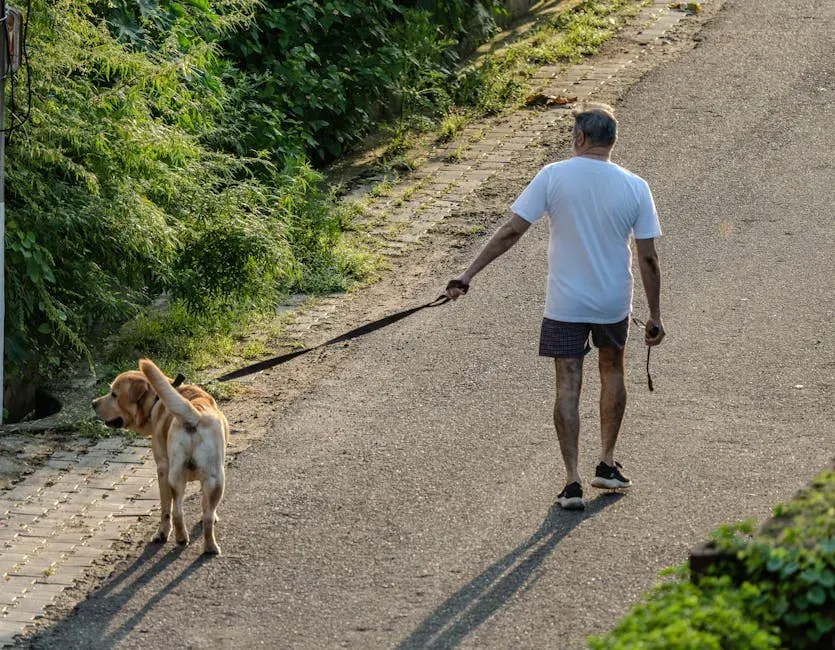
Senior dogs need gentler exercise, which is honestly a relief for many owners. Short walks, light play, a little sniff-and-stroll around the yard. Research in the BMC Public Health Journal found that people who own a dog walk about twenty two minutes longer on average than those who do not have a dog. That daily movement adds up fast, for both of you.
Even a low-intensity daily twenty-minute walk can improve heart health, lower blood pressure, and relieve stress. Your older dog keeps you honest about showing up for that walk every day, rain or shine. It’s not glamorous. It’s not an intense gym session. It works anyway.
They Make You Sharper and More Mentally Present
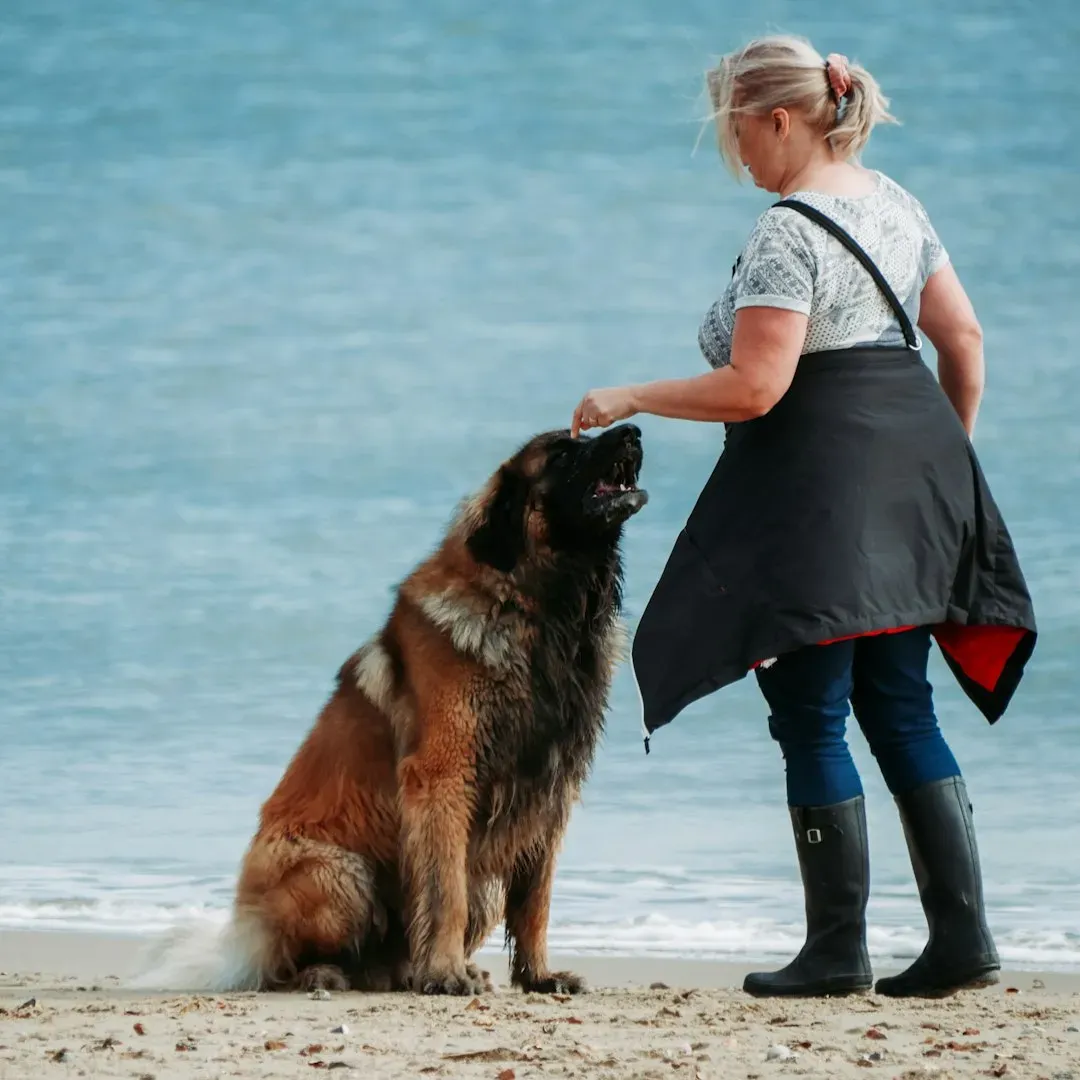
I know it sounds a little surprising, but living with an older dog actually sharpens your mind. You learn to read subtle cues, adapt to their changing needs, stay present in the moment. A study published in the Journal of Aging and Health suggests that growing older while living with a companion animal can play a role in preserving cognitive function.
Health data showed that pet owners in the study tended to have lower body fat percentages, better blood pressure, and a lower incidence of diabetes than those without pets, pointing to greater levels of physical activity. The group with pets also reported lower levels of stress, anxiety, depression, and loneliness. Caring for your senior dog, it turns out, is also a form of caring for yourself.
They Teach You How to Show Up for Someone Who Needs You
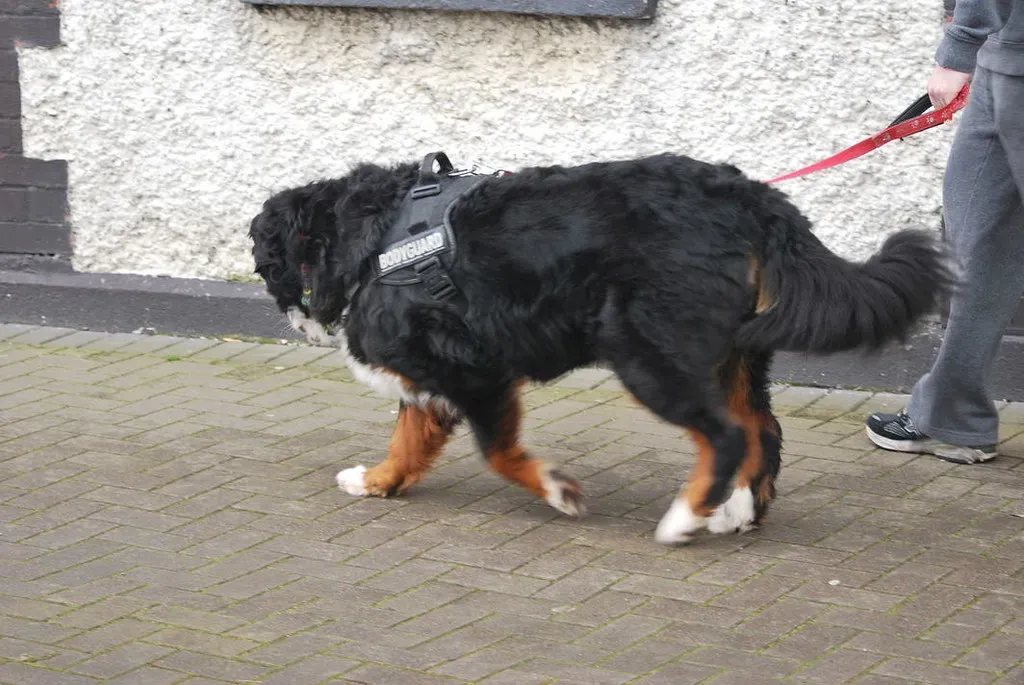
This is the one that really gets under your skin if you let it. An older dog needs you in ways a younger dog simply doesn’t. Common concerns with aging dogs include arthritis, dental disease, cognitive changes, and weight changes, but small home adjustments such as orthopedic bedding, added traction, and mental enrichment can greatly improve comfort and quality of life. Caring for them teaches patience, attention, and empathy, qualities that quietly improve every area of your life.
All dogs thrive on routine, but none more so than senior dogs. Particularly as their cognition begins to decline, predictability in their day-to-day life is incredibly important. It’s very comforting for them to get up, be fed, go for walks and enjoy playtime at similar times each day. In other words, your older dog is inviting you into a quieter, more intentional rhythm. It’s hard to say for sure, but I think most of us need that invitation more than we realize.
A Final Word: Golden Years Are Worth Every Moment
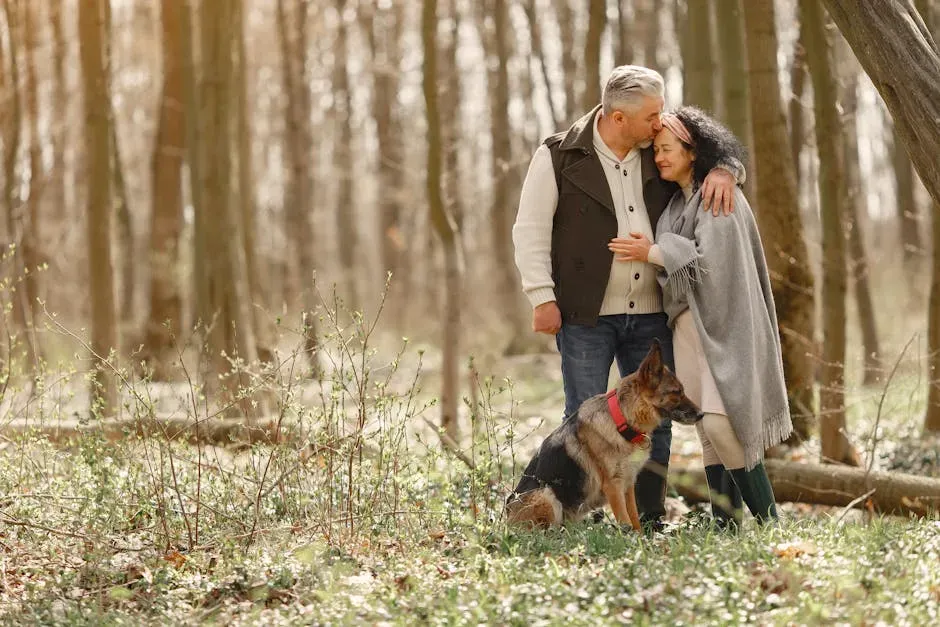
Caring for a senior dog means adjusting to their changing needs while celebrating the bond you’ve built. Regular veterinary care, balanced nutrition, and low-impact exercise all help ensure your dog’s later years are full of comfort and love. The gray muzzle, the slower pace, the way they sigh when they finally settle in beside you at the end of the day – these are not signs of something ending. They are signs of something rich and rare.
Senior dogs bring so much joy, loyalty, and love into our lives, and it’s only fair that we return the favor by offering them the comfort and attention they deserve. You have the chance to be someone’s whole world during the most important chapter of their life. That is not a burden. That is an extraordinary privilege.
Your older dog is not a lesser version of a younger one. They are the full, final, magnificent edition. So the next time those wise eyes look up at you from the couch, just know: you are exactly where they want to be. What moments with your senior dog mean the most to you? Share them in the comments, because honestly, we could all use more of those stories.


