There’s something deeply mysterious about the connection we share with our dogs. You’ve probably experienced it yourself – that moment when your furry companion seems to know exactly what you’re feeling without a single word spoken. Maybe you’ve noticed how your dog responds to a subtle shift in your mood or how they react when you’re having a rough day.
Scientists have spent years trying to unravel this unique bond, and the results are nothing short of fascinating. While we’ve domesticated many animals throughout history, none have developed the remarkable ability to read and respond to human behavior quite like dogs. They’ve become linguistic detectives, emotion readers, and social partners in ways that even our closest primate relatives haven’t matched. What makes this connection so special, and why are dogs uniquely equipped to understand us in ways other animals simply cannot? Let’s dive in.
Their Brains Actually Evolved to Process Human Faces
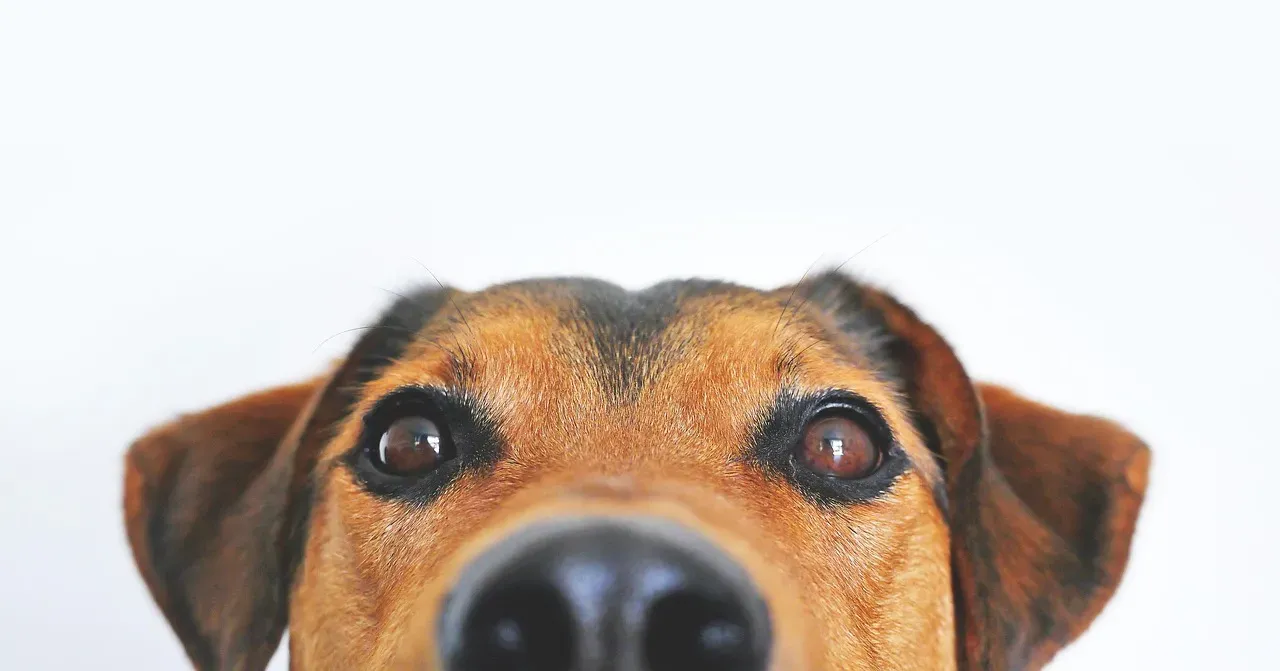
Dogs didn’t just learn to tolerate humans over time. They developed dedicated neural machinery specifically designed to process our faces. Research has shown that dogs have a dedicated region of the brain for processing human faces, which helps explain their remarkable sensitivity to our social cues. Think about that for a moment. Over thousands of years of domestication, dogs’ brains literally rewired themselves to focus on us.
This isn’t something you’d find in wolves or other wild canines. Studies of dog brain scans suggest our impact on canine companions has been profound, changing the very structure of their brains. It’s not just about size or shape differences between breeds, either. Research has identified six brain networks with proposed functions varying from social bonding to movement, each associated with at least one behavioral characteristic.
The specialization goes even deeper than you might imagine. Dog fMRI studies identify neocortical brain areas implicated in visual social cognition, providing converging evidence that the temporal cortex plays a significant role in how they perceive us. When your dog stares into your eyes, there’s genuine neurological processing happening that’s specifically tuned to decode human facial information.
What’s truly remarkable is that this brain adaptation happened relatively quickly in evolutionary terms. While we need to go back roughly a hundred million years to find a common ancestor with dogs, their evolution has been altered to make them more socially compatible with us than any other animal. This represents one of the most successful examples of interspecies neural adaptation in the animal kingdom.
They Read Facial Expressions With Stunning Accuracy

Your dog knows when you’re upset, even if you’re trying to hide it. Research shows dogs pay particularly close attention to human facial expressions, and they’ve gotten remarkably good at it. Unlike other animals that might pick up on general body language, dogs focus intently on the nuances of human faces, parsing out emotions with impressive precision.
Studies found that dogs for which happy faces were rewarded learned discrimination more quickly than dogs rewarded for angry faces, predicted if dogs recognized an angry face as an aversive stimulus. This suggests they’re not just mechanically responding to visual patterns. They’re actually processing the emotional content of what they see.
The complexity of their facial recognition abilities is genuinely surprising. Dogs can recognize emotions by combining information from different senses, and they spent significantly longer looking at facial expressions that matched the emotional state of vocalizations. They’re integrating multiple streams of information to form a complete picture of our emotional state.
Here’s something that’ll make you think twice: Dogs differentiate between happy and angry human faces, finding angry faces aversive, and engage in mouth-licking in response to angry expressions. This mouth-licking behavior might actually be an appeasement signal, similar to how they communicate with other dogs. They’ve adapted their own social communication strategies to work with us.
Even more impressive, dogs don’t need to see your whole face to understand your emotions. After training on only halves of faces, dogs transferred the training contingency to novel stimuli that shared only the emotional expression as a distinguishing feature. They’re building mental representations of human emotions that go far beyond simple pattern recognition.
Oxytocin Creates a Bond Similar to Parent-Child Relationships
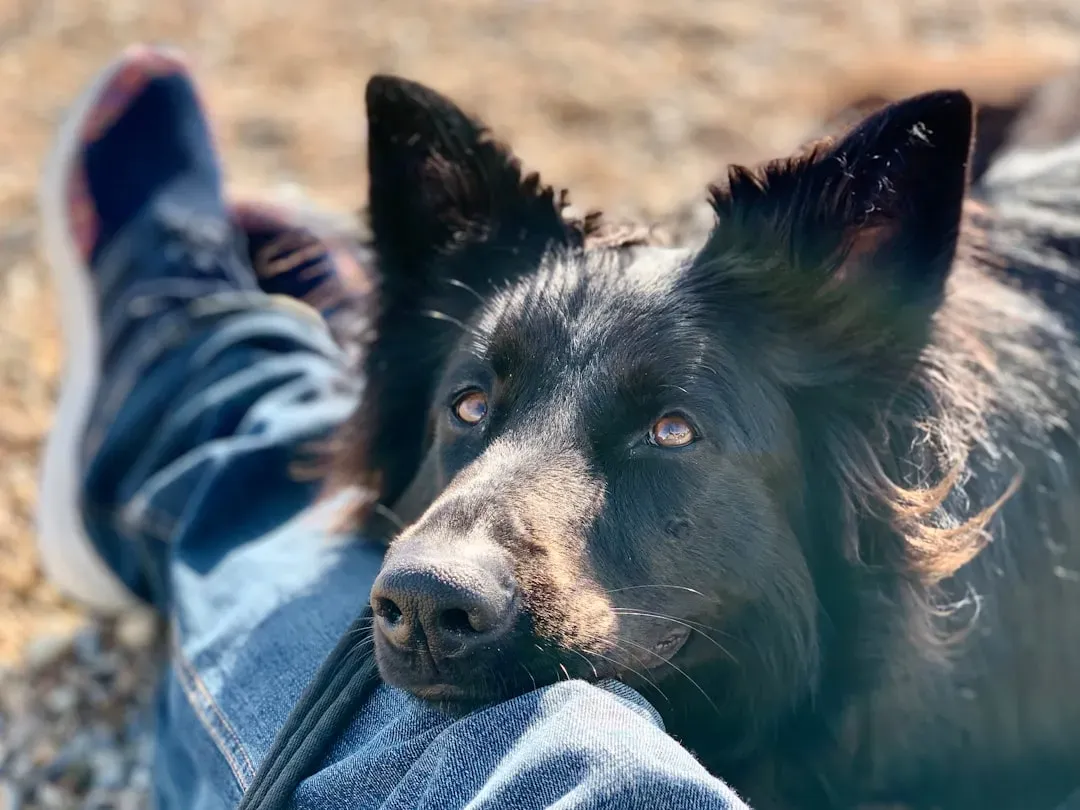
The chemistry between you and your dog isn’t just metaphorical. When dogs and humans interact positively, both partners exhibit a surge in oxytocin, a hormone linked to positive emotional states. This is the same hormone that floods a mother’s brain when she looks at her infant. The implications are staggering.
Research supports the existence of a self-perpetuating oxytocin-mediated positive loop in human-dog relationships similar to human mother-infant relations, where interaction through gazing behavior brought on social rewarding effects. Every time you lock eyes with your dog, you’re both experiencing a neurochemical reward that strengthens your bond. It’s a biological feedback loop that keeps getting stronger.
Let’s be real here: this is something special. Mutual gaze between dogs and their owners increases urinary oxytocin concentrations, while this was not detected between hand-raised wolves and their owners. Wolves, despite being raised by humans, don’t trigger this same response. The capacity for this oxytocin loop evolved specifically in dogs during domestication.
The effect works both ways, too. Interaction between humans and dogs that includes pleasant sensory stimulation can induce oxytocin release in both species and generate effects such as decreased cortisol levels and blood pressure. So when you’re petting your dog and feeling your stress melt away, there’s real biochemistry at work.
Oxytocin relates to the level of maternal interaction and sensitivity to infant cues, and results suggest the oxytocinergic system is part of a mammalian heritage activated by individuals from different species. Dogs have essentially hijacked the neural pathways we typically reserve for our own offspring. Honestly, it’s hard to think of a more profound example of cross-species connection.
They’ve Developed Unique Facial Muscles to Communicate With Us
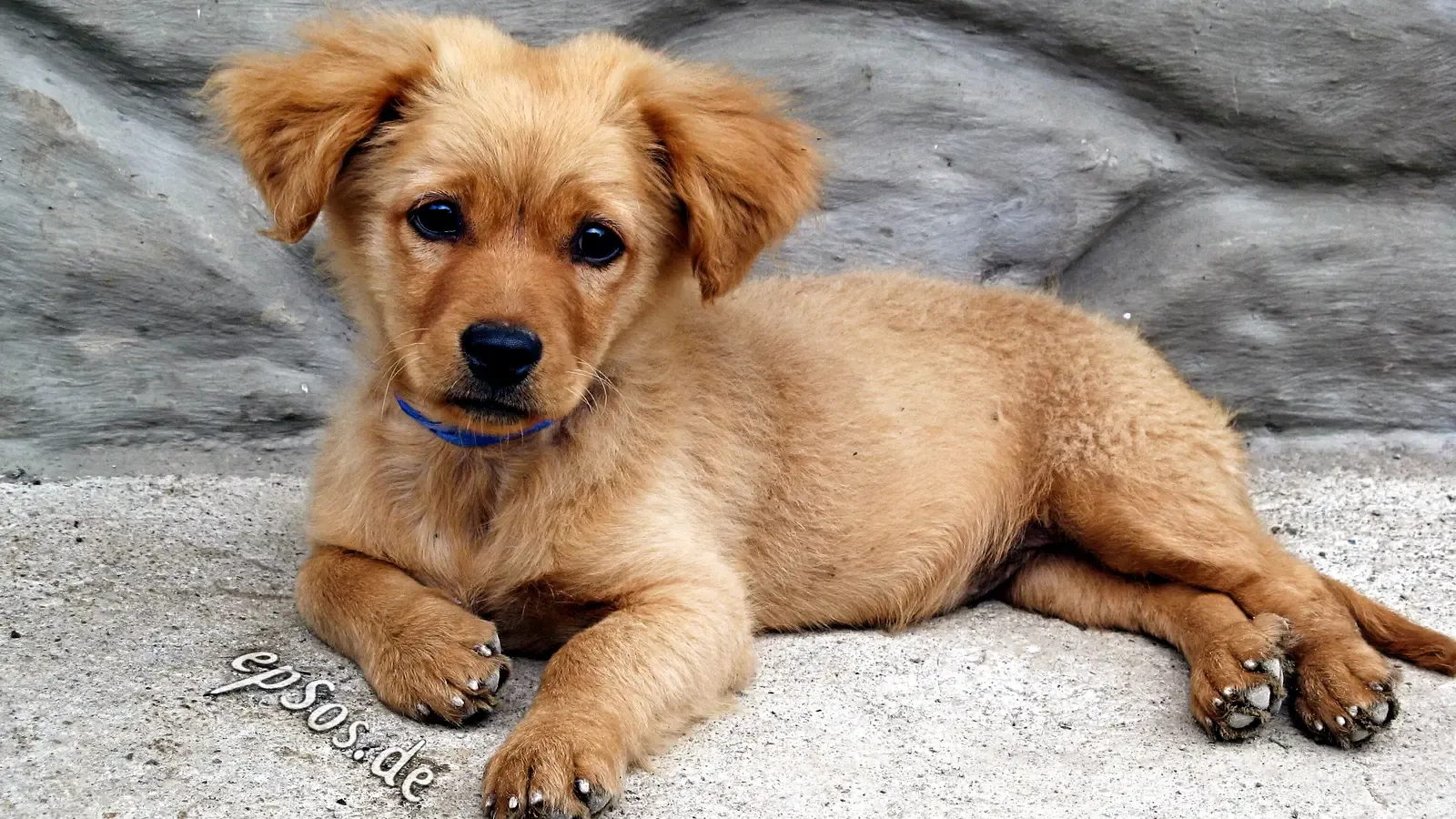
Evolution didn’t just change dogs’ brains. It changed their faces, too. Researchers discovered a key factor separating wolves from dogs: two specialized facial muscles that evolved after domestication, allowing dogs to raise the inner eyebrow intensely while wolves cannot. You know that irresistible puppy dog eyes expression? That’s a deliberately evolved trait.
This eyebrow movement resembles an expression humans produce when sad, so its production in dogs may trigger a nurturing response. Dogs essentially developed the ability to make expressions that push our emotional buttons. Scientists hypothesize that expressive eyebrows in dogs are the result of selection based on human preferences. Over generations, dogs that could make these appealing faces were probably more likely to be cared for and to reproduce.
The changes are anatomically specific and functionally relevant. Facial muscles in domestic dogs and gray wolves are relatively uniform except around the eye. This isn’t a random mutation. It’s targeted evolution focused on the area of the face that matters most for emotional expression. When you catch your dog giving you those soulful eyes, you’re looking at thousands of years of evolutionary fine-tuning.
Dogs not only read our facial expressions but also communicate with us using their own, producing far more facial expressions when a human is watching than when not. They know we’re paying attention. They understand that facial expressions are a communication channel, and they use them strategically. It’s like they’ve learned our language of nonverbal communication and adopted it as their own.
Their Brains Synchronize With Ours During Interactions
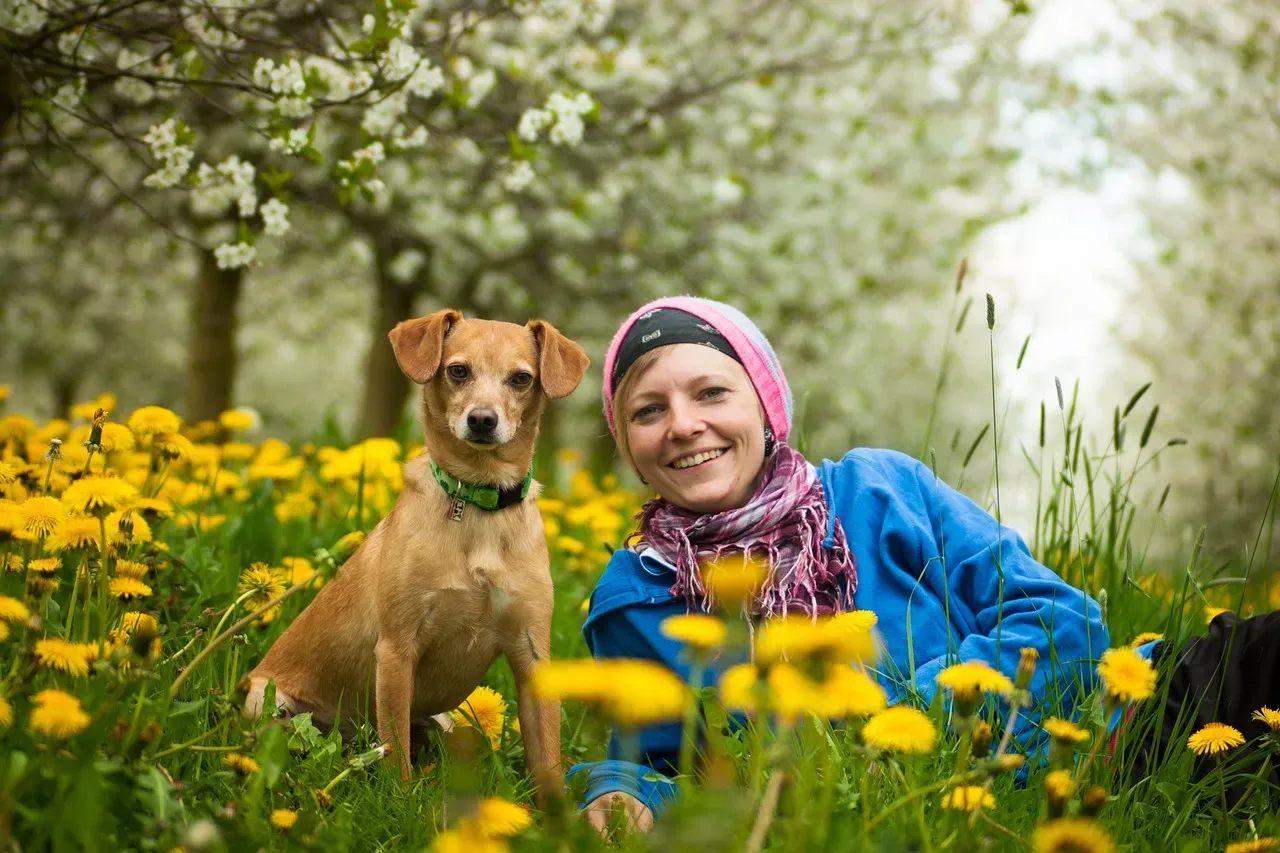
This might sound like science fiction, but it’s not. Scientists discovered that human and dog brain waves are aligned when they engage in friendly interactions, a phenomenon known as interbrain coupling or neural synchrony, and this is the first time it’s been demonstrated across species. Your brain and your dog’s brain are literally getting on the same wavelength when you interact.
The stronger interbrain coupling explains, at least partially, why we humans enjoy the companionship of dogs. There’s a neurological harmony happening that creates a sense of connection and understanding. This isn’t about anthropomorphizing our pets or projecting emotions onto them. It’s measurable brain activity that shows genuine synchronization between two different species.
The research methods here are pretty sophisticated. Using electroencephalography, researchers outfitted dogs and humans with helmets containing electrodes that recorded electrical signals generated by brain cells during social interactions. What they found was that the more time dogs and humans spent together, the stronger this neural coupling became. Familiarity literally creates deeper brain connections.
Think about what this means for a moment. We’ve formed a relationship with another species that goes beyond simple conditioning or training. Dogs have evolved to read, understand, and respond to a wide range of human emotional states and communicative signals through behaviors, facial expressions, and vocal tones. And during these interactions, our nervous systems are working in tandem, creating a shared neural experience.
They Recognize and Distinguish Individual Human Voices
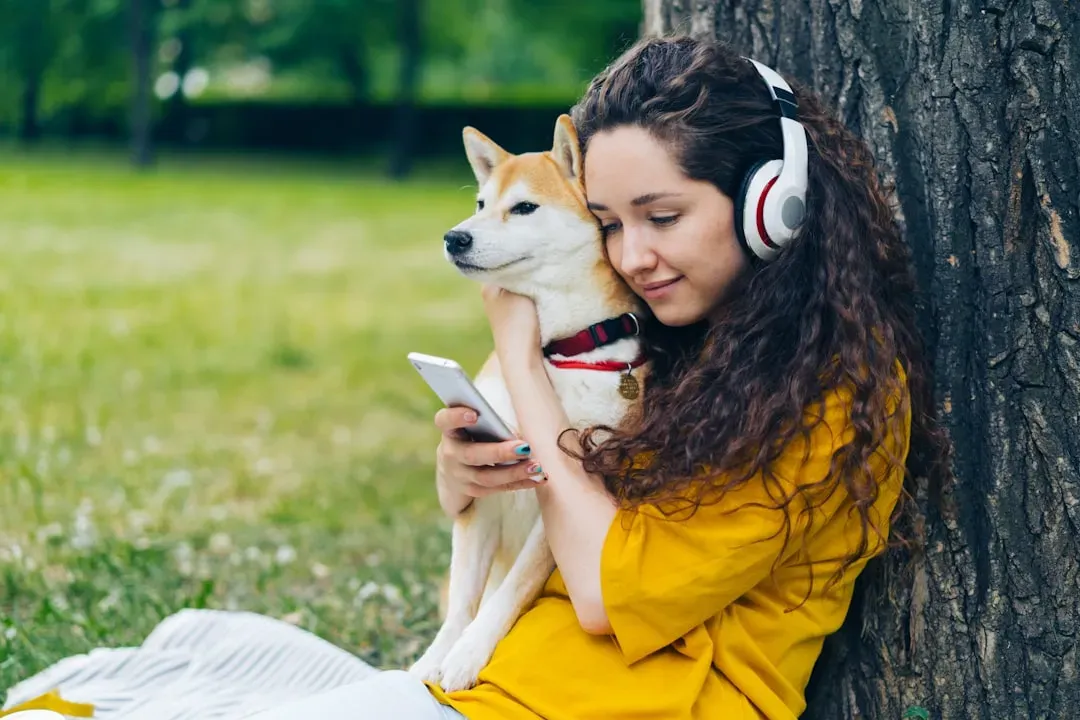
Your dog doesn’t just know you’re human. They know you’re YOU. Dogs are capable of true individual level recognition of humans based on voice. This isn’t about recognizing a familiar voice versus an unfamiliar one. Dogs can actually tell different familiar humans apart just by hearing them speak.
Recent research proved this convincingly. Researchers invited three persons from the same dog-owning family, recorded their voices, placed owners side by side with loudspeakers behind them, played voices while owners remained silent, and all participating dogs matched voices to owners. They had to rely purely on acoustic information with no visual or gestural cues.
Dogs use acoustic cues to discriminate their owner’s voice from unfamiliar voices, and findings reveal dogs use some but probably not all acoustic parameters that humans use to identify speakers. They’re analyzing fundamental frequency, jitter, and other vocal characteristics to build a sonic fingerprint of the people in their lives. It’s sophisticated auditory processing that requires genuine cognitive effort.
The performance wasn’t equal across all family members, which tells us something important. Dogs’ performance was above chance for all family members, but was best when they heard their main owner’s voice, likely because they most frequently had vocal interactions with that person. They’re forming mental maps of human voices based on experience and relevance. The more you talk to your dog, the better they get at recognizing the unique acoustic signature of your voice.
Preserving key elements of the human voice, such as fundamental frequency, is crucial for dogs to recognize and respond to played-back words. This explains why dogs sometimes seem confused by recordings or phone calls. They’re expecting the full richness of human vocal production, and anything that degrades that signal makes recognition harder.
They Respond to Authentic Human Emotions, Not Just Simulations
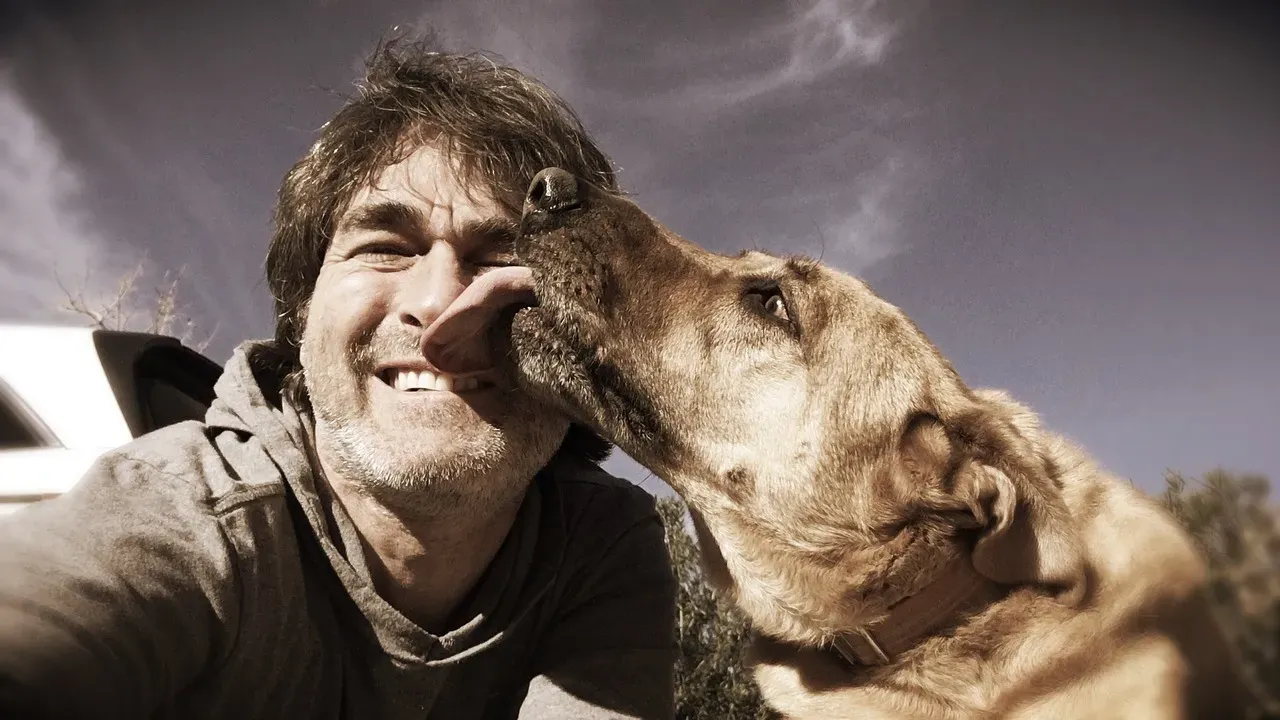
Here’s where things get really interesting. Dogs aren’t fooled by fake emotions. When dog owners were manipulated to genuinely experience emotions of happiness, sadness, and neutrality in natural situations, dogs behaved differently depending on owner emotional state, gazing and jumping less at sad owners. They’re not just responding to exaggerated acting or trained cues. They’re picking up on genuine emotional states.
Dogs are remarkably good at recognizing human emotional expressions, can tell what emotion a face is showing or respond with empathetic concern to a weeping person, and their understanding of us is remarkably strong. This goes beyond simple conditioning. Dogs appear to have developed a capacity for reading authentic human emotional states that requires integration of multiple information sources.
The research on this gets even more nuanced. Dogs’ compliance with the sit command was diminished when owners were sad, suggesting they’re adjusting their behavior based on perceived human emotional states. They’re not mindlessly following commands. They’re taking emotional context into account when deciding how to respond.
Dogs have tremendously complex abilities to perceive emotional expressions not only of their conspecifics but also of human beings. This dual capacity to read both dog and human emotions positions them uniquely in the animal kingdom. Most animals are specialized for reading conspecific signals. Dogs have developed an additional specialization for reading human signals.
What makes this particularly powerful is that it’s not a one-way street. Behavioral studies revealed the dog-human relationship resembles the human mother-child bond, and viewing the caregiver activated brain regions associated with emotion and attachment processing. Dogs aren’t just reading our emotions out of survival instinct. There’s genuine attachment and emotional processing happening in their brains when they interact with us.
Conclusion
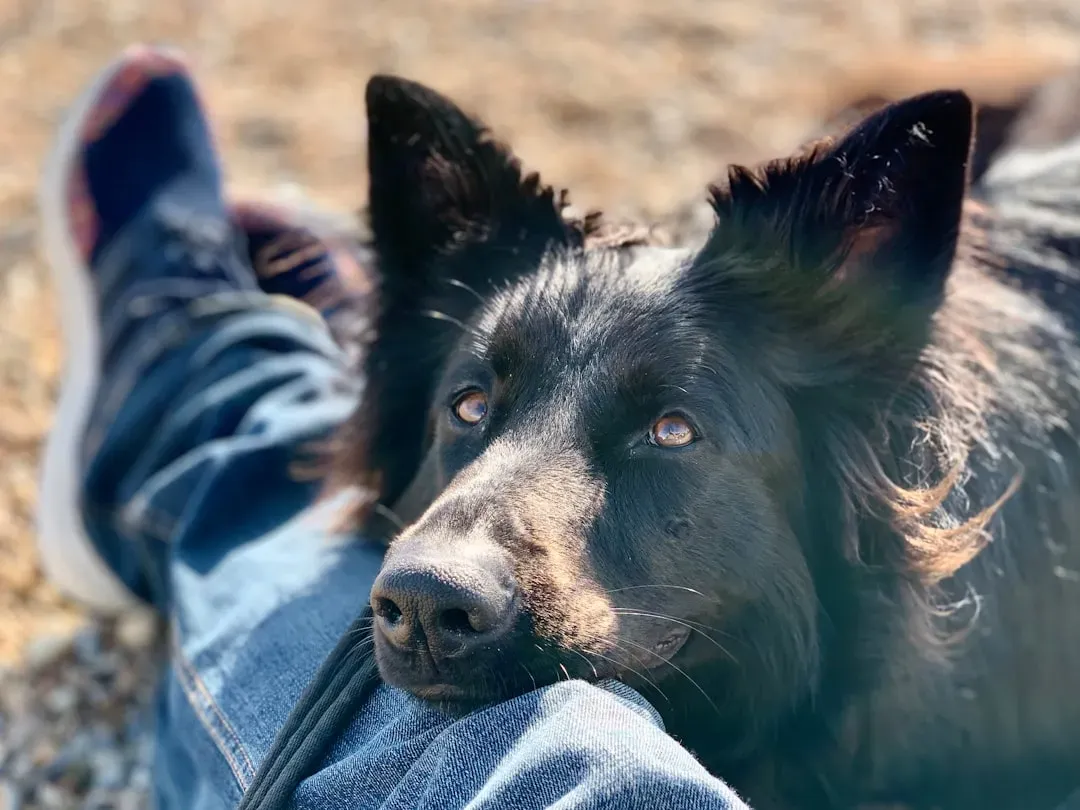
The science is clear: dogs have undergone one of the most remarkable evolutionary transformations in the animal kingdom, all centered on understanding us. From specialized brain regions that process human faces to the oxytocin feedback loops that create mother-infant-like bonds, from evolved facial muscles that produce irresistible expressions to brain waves that literally synchronize during interactions, dogs have become uniquely attuned to humanity.
They recognize our individual voices, distinguish between our authentic emotions, and respond to us in ways that no other animal can match. This isn’t just about training or conditioning. It’s about deep neurological and physiological adaptations that have unfolded over thousands of years of coevolution.
The next time your dog looks into your eyes or seems to sense exactly what you’re feeling, remember that there’s genuine science backing up that connection. You’re not imagining it. Your dog really does understand you in profound and measurable ways. What do you think about this remarkable bond? Does it change how you see your relationship with your four-legged companion?