Have you ever noticed your dog acting strangely around your significant other? Maybe they slink away when your partner enters the room, or perhaps they refuse a treat from their hand. Dogs are incredibly perceptive creatures, and their reactions to specific people in your household can reveal more than you might think.
It can be heartbreaking to realize your beloved pup doesn’t warm up to the person you love most. Yet, understanding these subtle signals is the first step toward creating harmony in your home. Let’s explore the telltale behaviors that suggest your dog might have reservations about your partner.
They Leave the Room When Your Partner Arrives
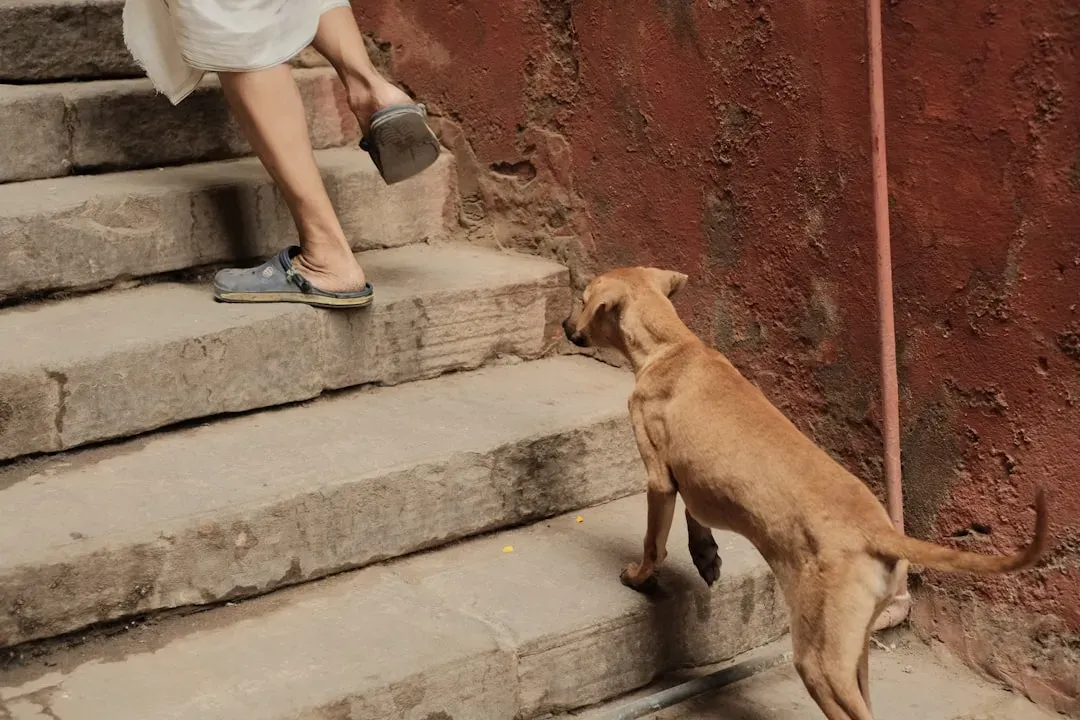
One of the most obvious signs your dog doesn’t like someone is consistent avoidance, such as regularly leaving the room when that person enters, refusing to make eye contact, or actively moving away from their touch. This isn’t just random wandering. Your dog is making a deliberate choice to distance themselves from your partner’s presence.
In certain circumstances, dogs may be drawn and repelled by a stimulus at the same time, and when the dog is far from the stimulus, it appears desirable, but then as the dog gets closer, the stimulus appears less desirable and even scary. Sometimes your dog might approach your partner from across the room, only to quickly retreat once they get close. This approach-avoidance behavior speaks volumes about their inner conflict and discomfort.
Their Body Language Screams Discomfort

The most obvious signs of discomfort and fear are a tucked tail and flattened ears, and dogs will often show both of these signs when they’re scared. Pay close attention to your dog’s overall posture when your partner is around.
Less clear signs include a stiff body and whale eyes, showing the whites of the eyes, and some dogs may shake, try to escape, or, if they feel threatened or cornered, raise their hackles or start growling. These physical cues aren’t always dramatic, which is why they’re so easily missed. Your dog’s body becomes a roadmap of their emotional state, and learning to read it can prevent uncomfortable or dangerous situations.
They Refuse Treats From Your Partner’s Hand
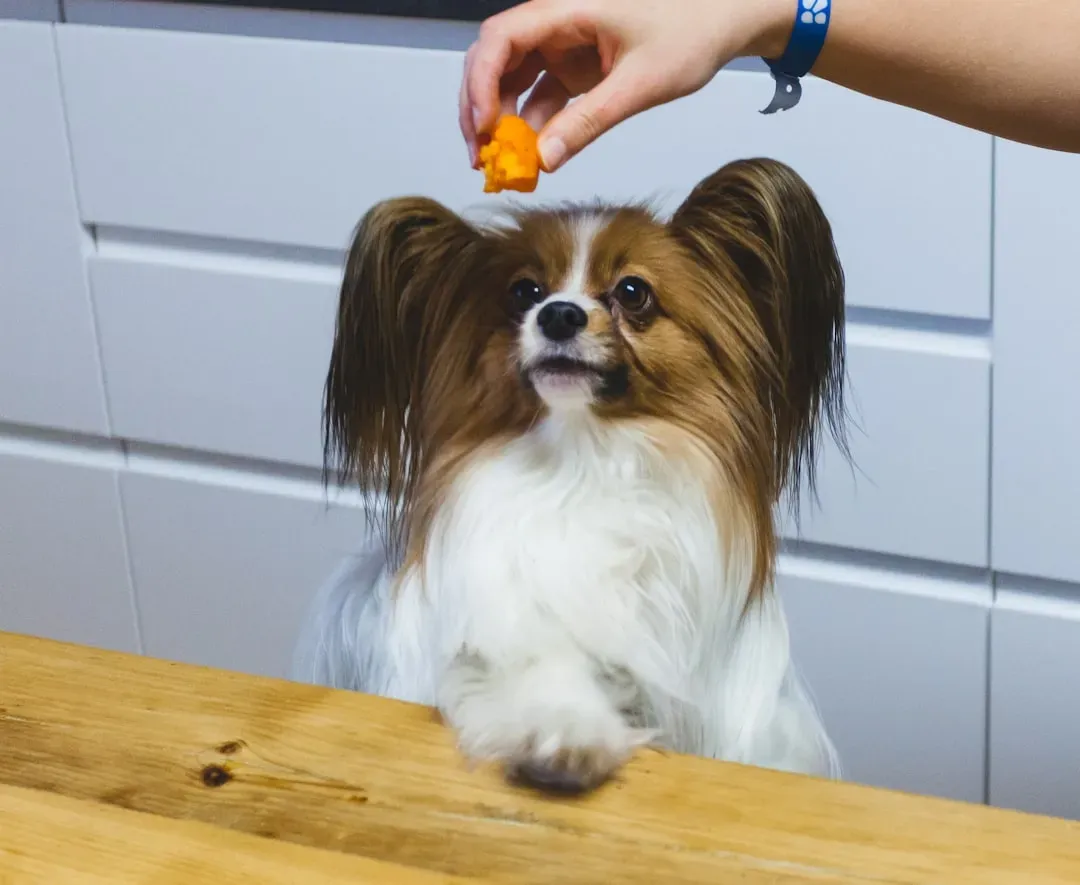
Particularly fearful dogs may refuse even their favorite treats from someone they don’t trust or they directly fear, and if your dog accepts treats from someone else and then not from you, it’s often a sign that they don’t trust you enough. This selective refusal is a powerful indicator of how your dog truly feels.
Think about it: dogs are food-motivated creatures. When a pup turns down a tasty snack, something deeper is at play. The approach-avoidance phenomenon is one of the main reasons why it’s best not to have strangers hand out food to your dog, and the dog may not like strangers, but the food is oh so appealing, so from a distance, the dog sees the outstretched hand and the tasty treat. They might tentatively stretch their neck to grab the treat while keeping their body as far away as possible, then bolt the moment they snatch it.
They Show Stress Signals Around Your Partner
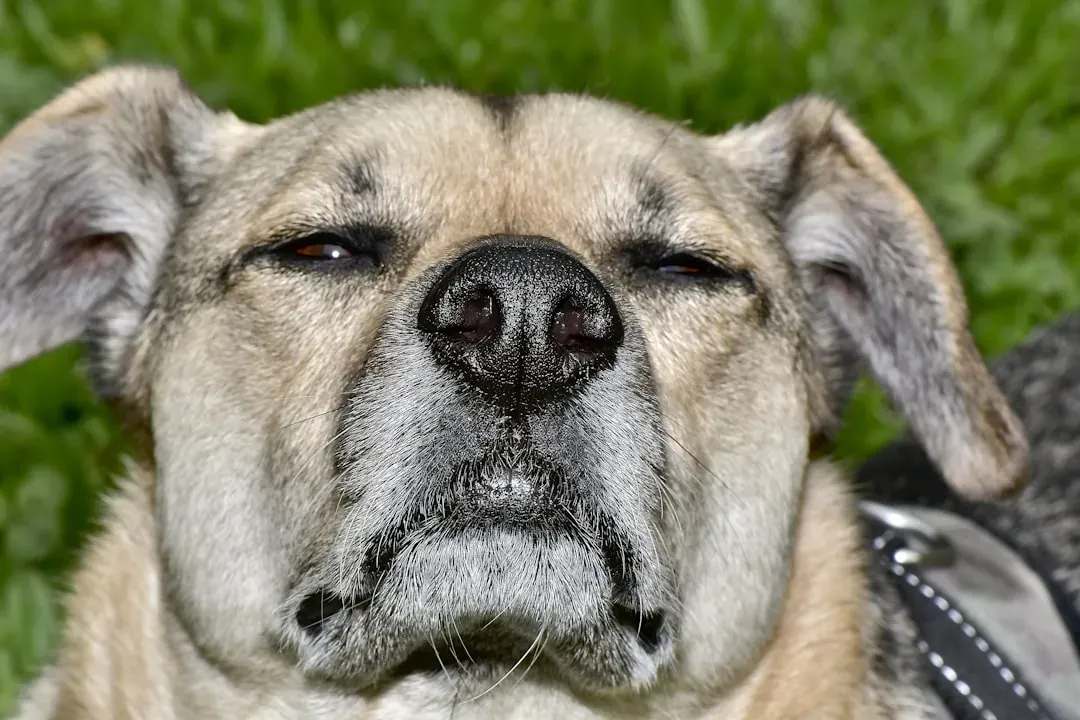
The top three calming signals owners should be on the lookout for are lip licking, yawning, and shaking off. These behaviors are your dog’s way of self-soothing when they’re feeling anxious or uncomfortable.
Dogs yawn when they’re stressed, and according to Turid Rugaas, dogs use yawning to calm themselves in tense situations and to calm others, including their owners. If your dog repeatedly yawns, licks their lips, or shakes off their fur when your partner approaches, they’re communicating their discomfort loud and clear. These calming signals are subtle but consistent, and recognizing them helps you understand your dog’s emotional state before things escalate.
They Ignore Commands From Your Partner
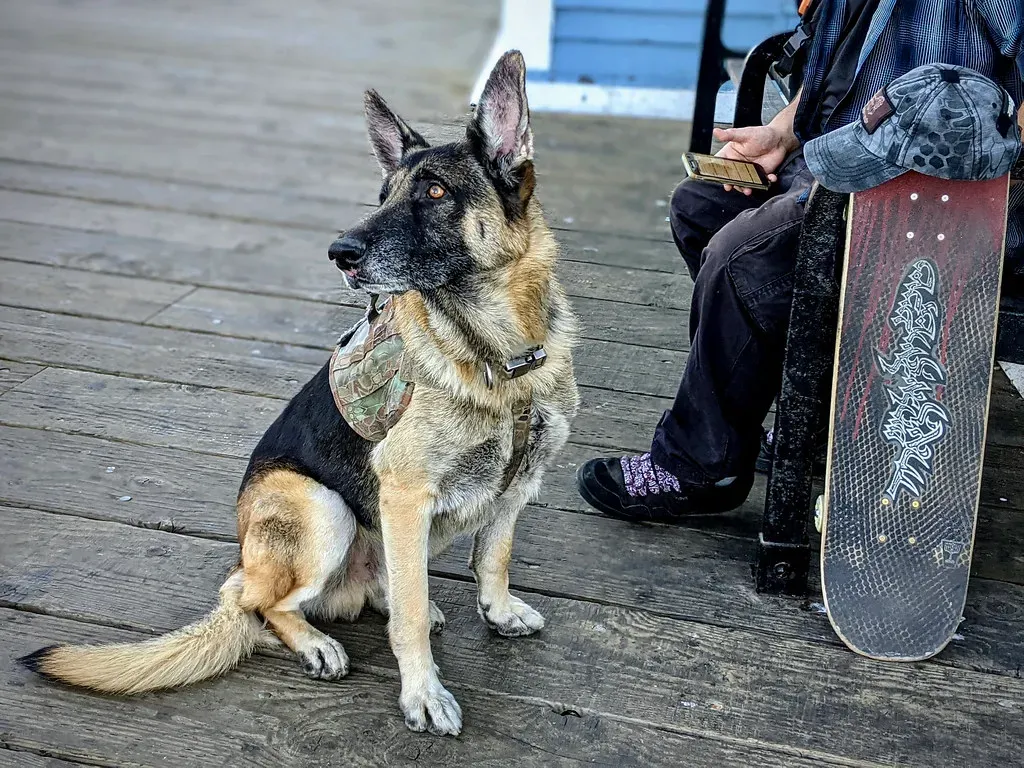
If a dog who usually listens well suddenly starts ignoring commands from a specific person, that dog’s behavior is their way of putting up an “I’m not cool with you” flag, and recognizing this sign and understanding what makes the dog feel this way is essential. This selective deafness isn’t stubbornness or defiance.
A dog not listening to your commands may mean they haven’t received enough obedience training, and other times, dogs fail to obey commands when they haven’t bonded with that person. Your dog responds beautifully to your cues but completely tunes out your partner. This behavior reveals a lack of trust or connection, and it’s worth addressing through positive reinforcement training and bonding activities.
They Position Themselves Between You and Your Partner

Sometimes dogs will physically insert themselves between you and your partner during interactions. This behavior can stem from protectiveness, anxiety, or a desire to control the situation. Your dog might be trying to create distance between your partner and you, viewing them as a potential threat to your safety or their bond with you.
Dogs that fear or mistrust a particular person may have heightened anxiety or stress, and this can show up as avoidance, excessive barking, trembling, or destructive behavior. This positioning isn’t always aggressive; it can be subtle and quiet, like your dog simply settling between you on the couch or stepping in front of you when your partner approaches.
They Display Aggression or Defensive Behavior
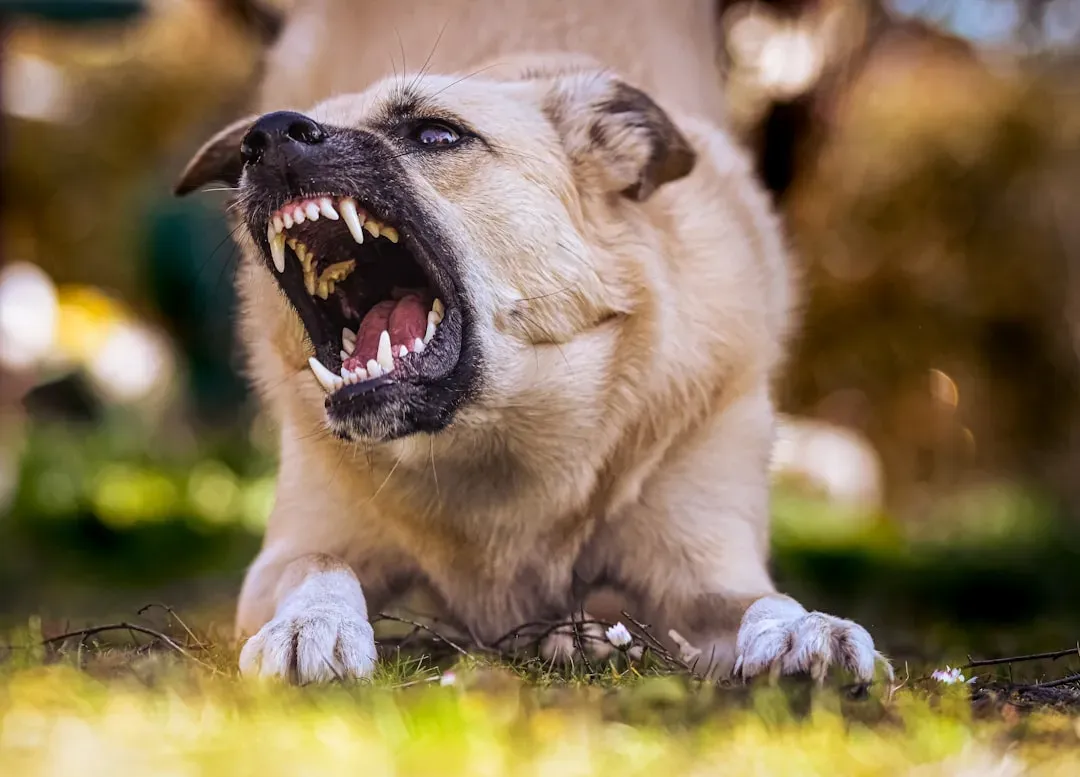
A dog that doesn’t like you might snap, bite, or attack you out of fear or anger, and studies have proved time and again that most aggressive dogs are just scared or deeply insecure. Aggression is often the most alarming sign, yet it’s typically rooted in fear rather than hatred.
Outbursts are a serious sign that something is off within your relationship with your dog, and a dog that growls, barks excessively, or snaps when you try to pet them needs to be seen by a vet first, as many dogs may have these behaviors when they are in pain. Never ignore aggressive displays. They require immediate attention, ideally with the help of a certified dog behaviorist or veterinary professional who can assess whether fear, pain, or past trauma is driving the behavior.
Conclusion
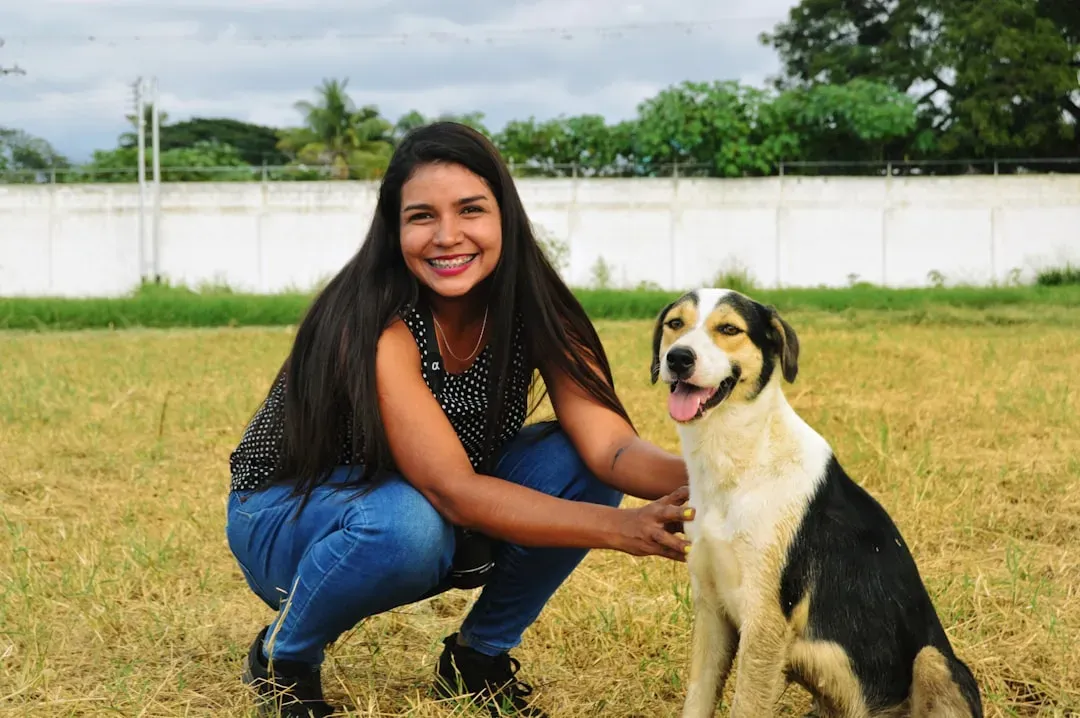
Recognizing these signs in your dog doesn’t mean all hope is lost for a harmonious household. Dogs don’t hate; they respond to their experiences, environments, and the energy people bring into their space. Most signs of dislike from dogs are actually expressions of fear, anxiety, or confusion, and with patience, understanding, and consistent positive interaction, most relationship issues between dogs and their owners can be successfully resolved.
Building trust takes time, but it’s absolutely possible. Encourage your partner to participate in positive experiences with your dog: feeding, walking, playtime, and training sessions. Let your dog set the pace, and never force interactions. What do you notice about your dog’s behavior around different people in your home? Share your experiences in the comments.