
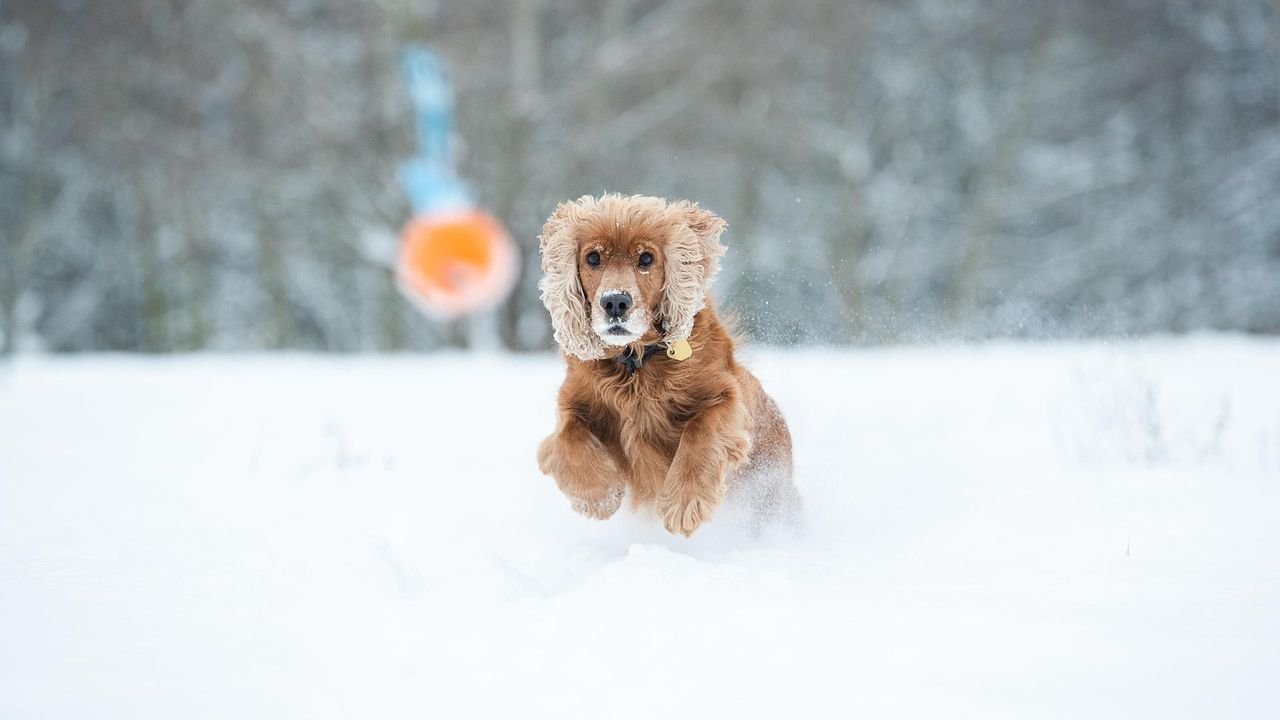
Ever catch your dog lounging in that favorite sunbeam and wonder if they’re genuinely happy, or just tolerating life with you? Dogs can’t exactly tell us how they’re feeling, which leaves many of us second guessing whether we’re doing right by our furry companions. The thing is, dogs are constantly communicating their emotional state through body language, behaviors, and subtle cues that most of us completely miss.
Understanding these signals isn’t just about satisfying your curiosity. It’s about deepening the bond you share and making sure your best friend is living their absolute best life. So let’s dive into the telltale signs that reveal when your dog is truly content, and discover some surprisingly simple ways to boost their happiness even more.
Those Soft, Squinty Eyes That Melt Your Heart
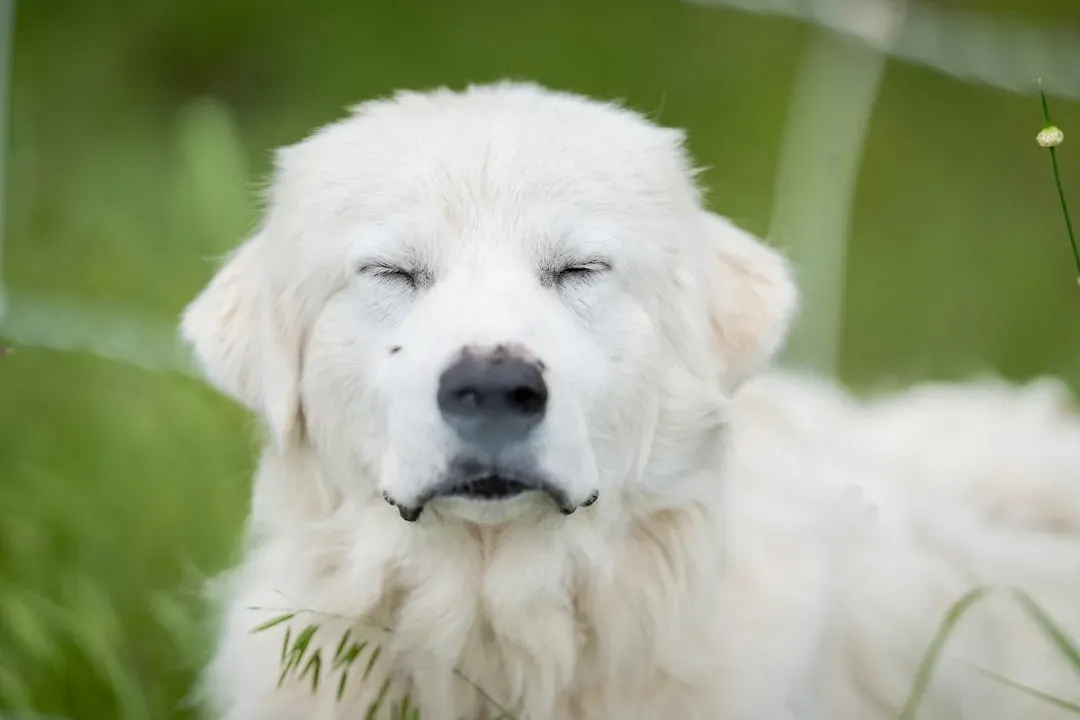
When a dog is happy, their eyes and eyelids will be open and relaxed, their gaze will be soft, and they will blink often. Think about it like the canine equivalent of a gentle smile. Soft eyes with slow blinking or gentle squinting signals calm contentment.
If you notice your dog looking at you with those droopy, relaxed eyelids, maybe even doing a slow blink, that’s pure trust and happiness right there. Soft eyes have relaxed lids and can sometimes look like the dog is squinting, and they indicate the dog is calm or happy. It’s one of those subtle signs that speaks volumes about how safe and loved your dog feels in your presence.
A Loose, Wiggly Body That Can’t Stay Still
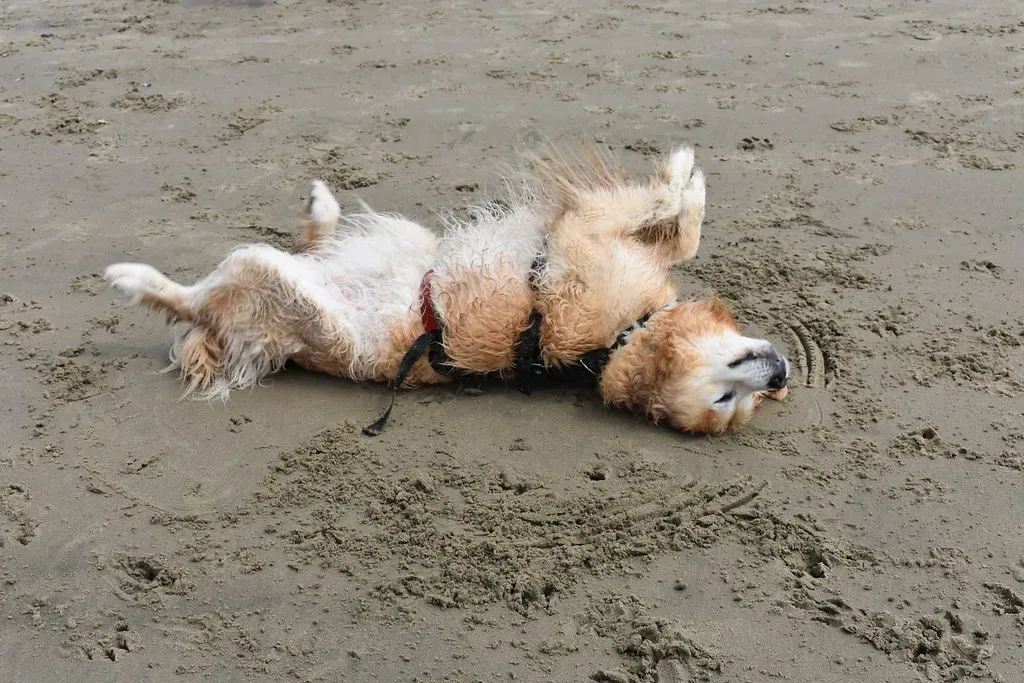
When a dog is happy, their whole body and tail will look relaxed, and they quite often wiggle, with a happy dog’s whole body wagging along with their tail. You know that full body wiggle when you come home? That’s not just excitement – it’s genuine joy.
Happy dogs should have very loose body language without any tension. If your dog looks tense or stiff, something might be off. A truly content pup moves like they’re made of jelly, all floppy and carefree. To keep this happiness going, taking a brisk walk, playing fetch, or swimming are great ways for your dog to burn off excess energy, leaving them relaxed and satisfied afterward.
The Helicopter Tail That Never Stops Spinning
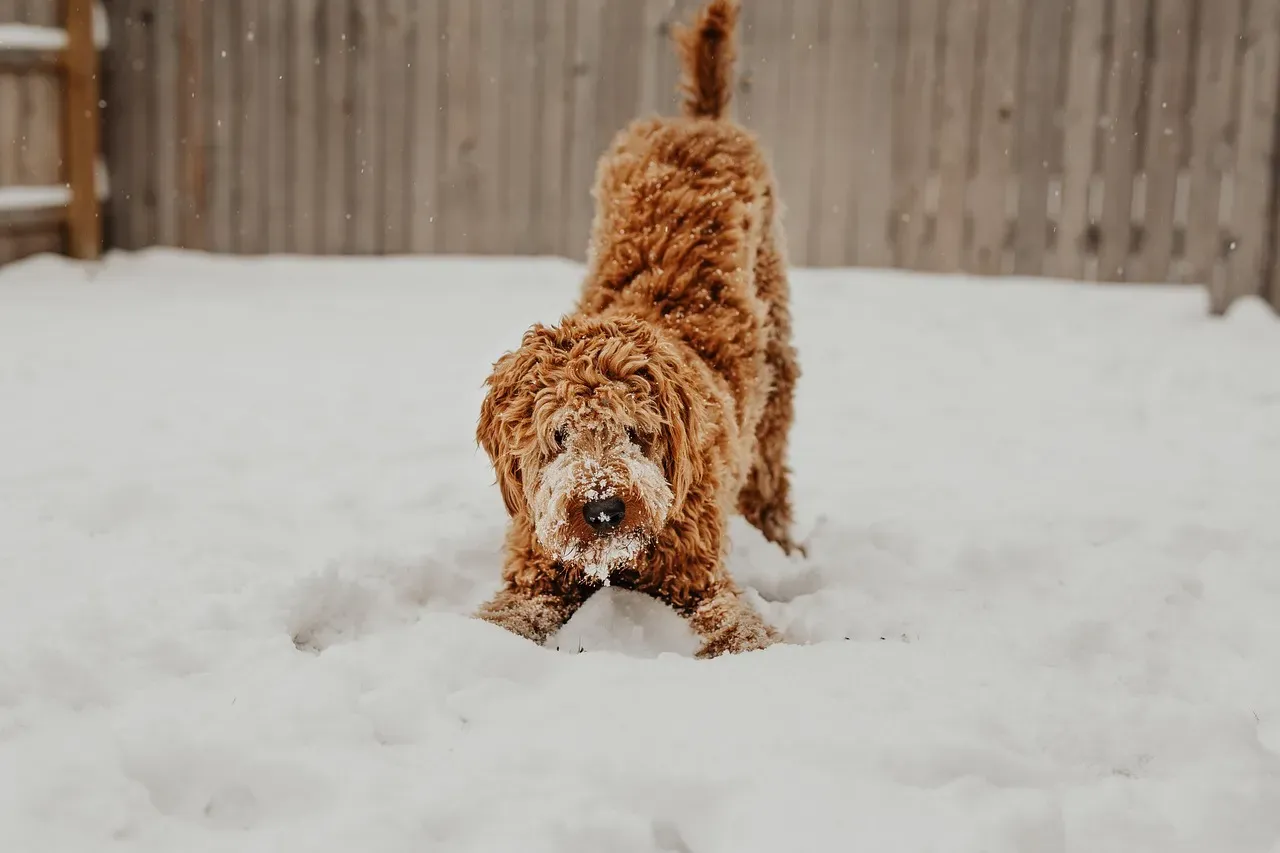
Here’s the thing about tail wagging – it’s way more nuanced than most people think. If your dog is wagging its tail in a circle, it is showing you that it is very happy and joyful. That circular wag, often called the helicopter tail, is basically your dog’s way of saying life is absolutely fantastic right now.
A mid-height loose tail is the canine version of a friendly smile, and a happy dog’s tail moves freely at mid-height. Keep in mind that context matters tremendously. A stiff, high tail or a low, tucked tail tells a different story entirely. If you want more of those joyful helicopter spins, dogs who do scentwork are more optimistic than those who engage in other activities that involve rewards, so consider letting your pup explore the world through their incredible nose.
Seeking Out Your Touch and Leaning Right In
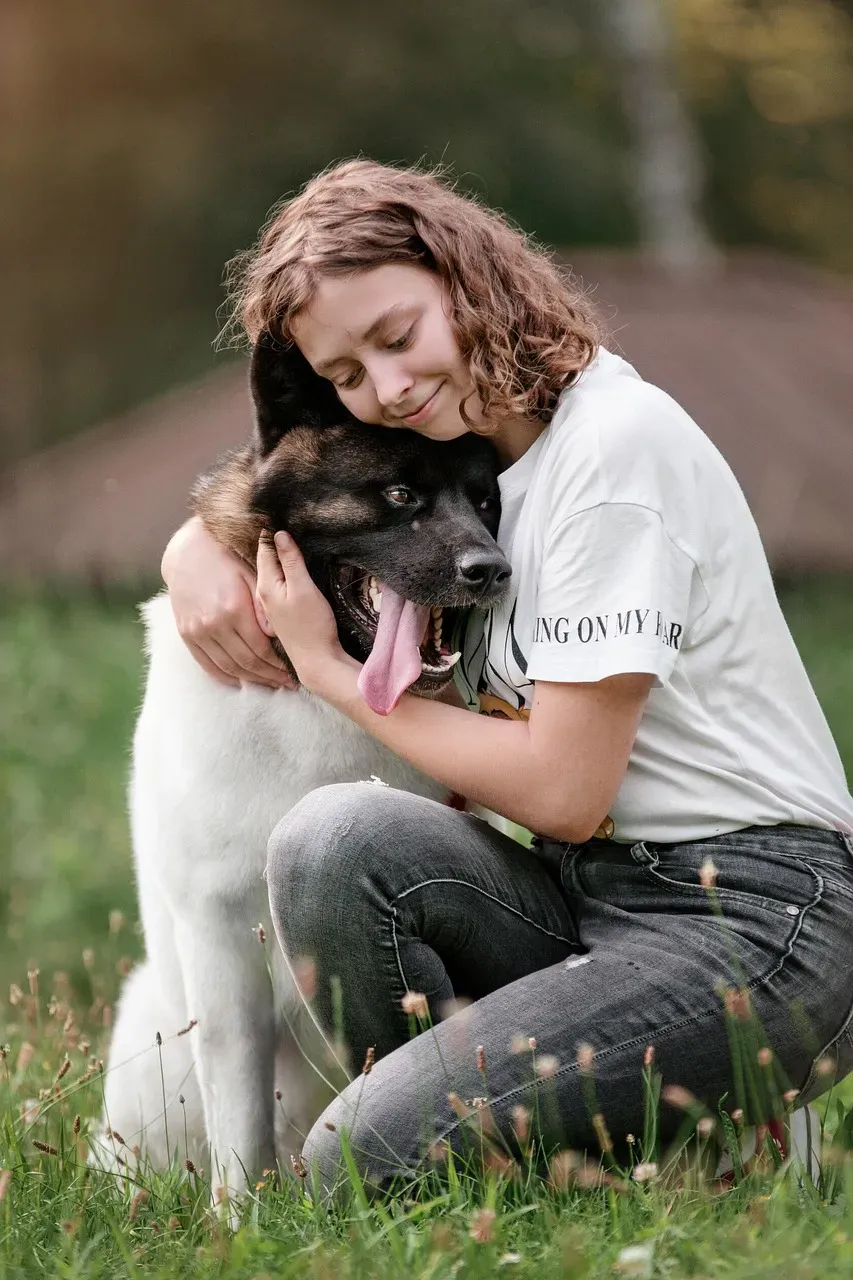
Happy dogs make a lot of body contact, and if your dog reacts, stays close, or even leans in toward your hand during petting, they’re enjoying the contact. When your dog actively seeks you out for affection and presses their body against yours, that’s a clear sign they’re feeling secure and content.
When your dog presses against you or rests their head on you, that’s trust – it’s their way of saying you’re their safe place. I think this is one of the most heartwarming signs honestly, because it shows your dog genuinely wants to be near you, not out of obligation but pure affection. To strengthen this bond even more, delving into proper massages can be excellent for their physical and mental wellbeing, with the right amount of soft but considered pressure aiding your dog’s circulation.
A Healthy Appetite and Peaceful Sleep Patterns
Dogs that are content and feeling well have good appetites, and a change in your dog’s appetite is one of the first signs of potential illness or unhappiness. If your pup eagerly anticipates mealtimes and cleans their bowl with enthusiasm, that’s a positive indicator.
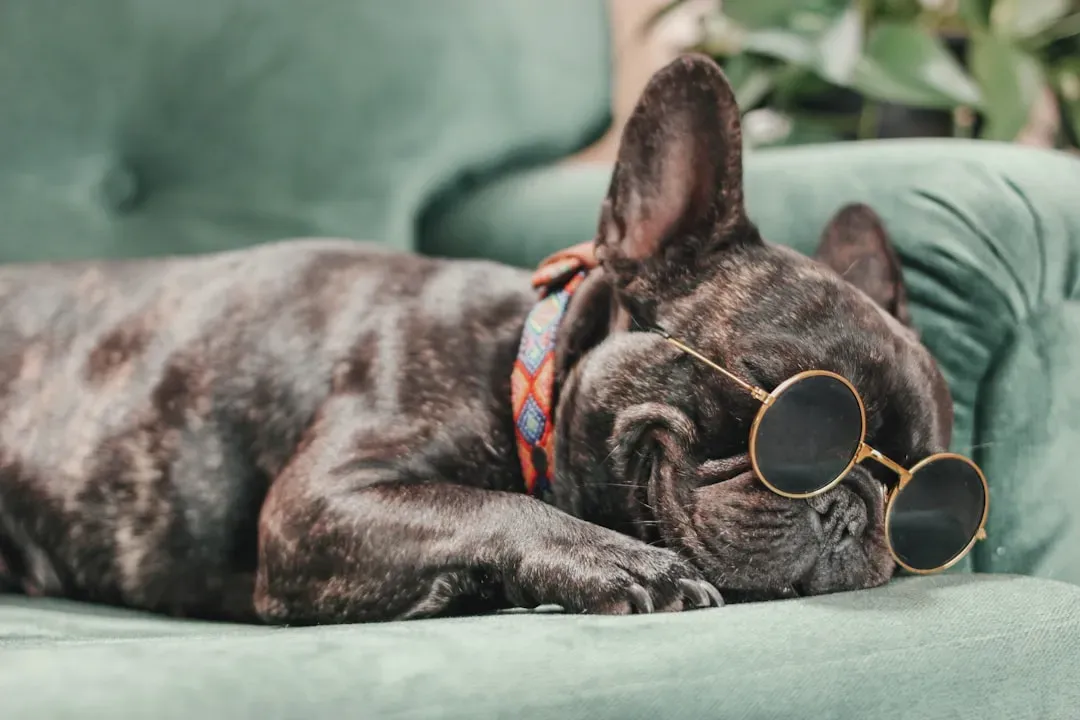
Sleep is equally telling. Healthy, happy adult dogs usually sleep for up to 16 hours a day. That might sound like a lot, but it’s completely normal. Healthy adult dogs sleep 12 to 14 hours per day, and if your pup is getting in this much snooze time, it’s a good sign that they’re feeling fulfilled and content, with steady and relaxed breathing while sleeping. To maintain this contentment, ensure your dog has somewhere to relax and sleep in comfort, like a clean, dry, cozy, padded bed.
Playful Energy and Genuine Interest in Activities

Happy dogs enjoy playtime and walks, and most even love rides in cars. When your dog brings you their favorite toy or gets excited at the mention of a walk, they’re showing you they’re engaged with life and feeling good.
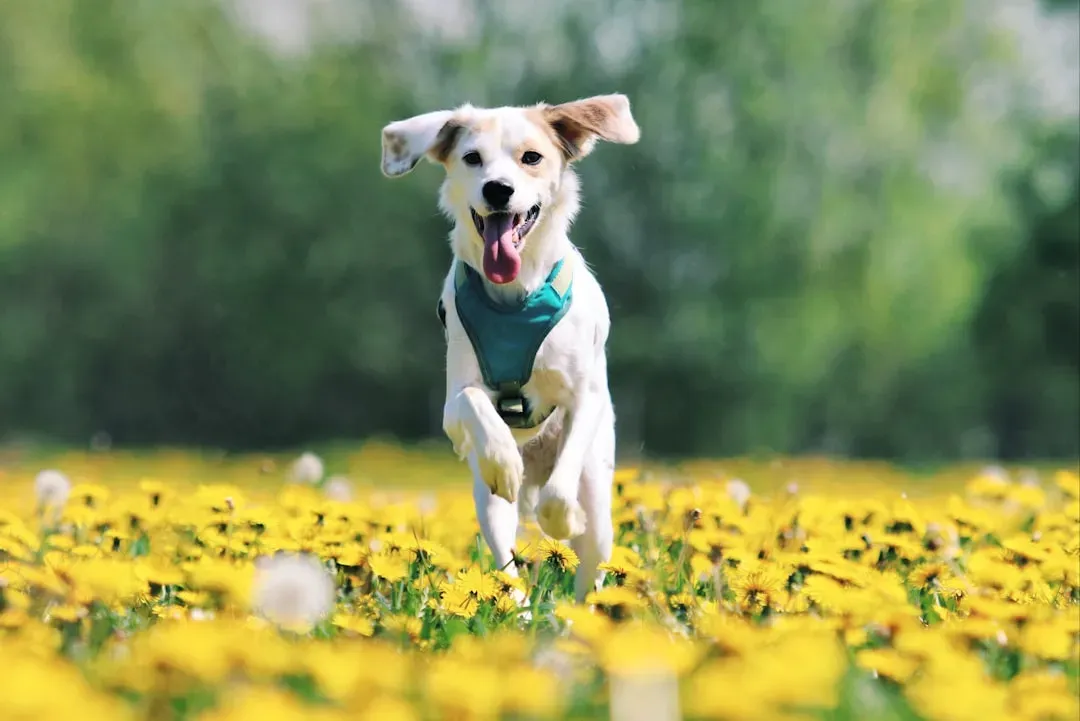
A dog’s happy body posture includes play bows or full body wiggles, and play bows with full body wiggles and zoomies are often a sign of healthy dog play. Those sudden bursts of energy where your dog races around like they’ve lost their mind? That’s pure, unfiltered happiness being released. To encourage this joyful behavior, food puzzles, interaction with other dogs and play time are a few ways to keep dogs mentally fit, preventing boredom and keeping their minds sharp.
Comfortable With Routines but Curious About New Things
Just like toddlers and young children, dogs like things to be predictable, as it’s not that they don’t want novelty and excitement, but they don’t want the whole world to be constantly different. A content dog has a sense of security in their daily routine but still shows curiosity when something interesting appears.
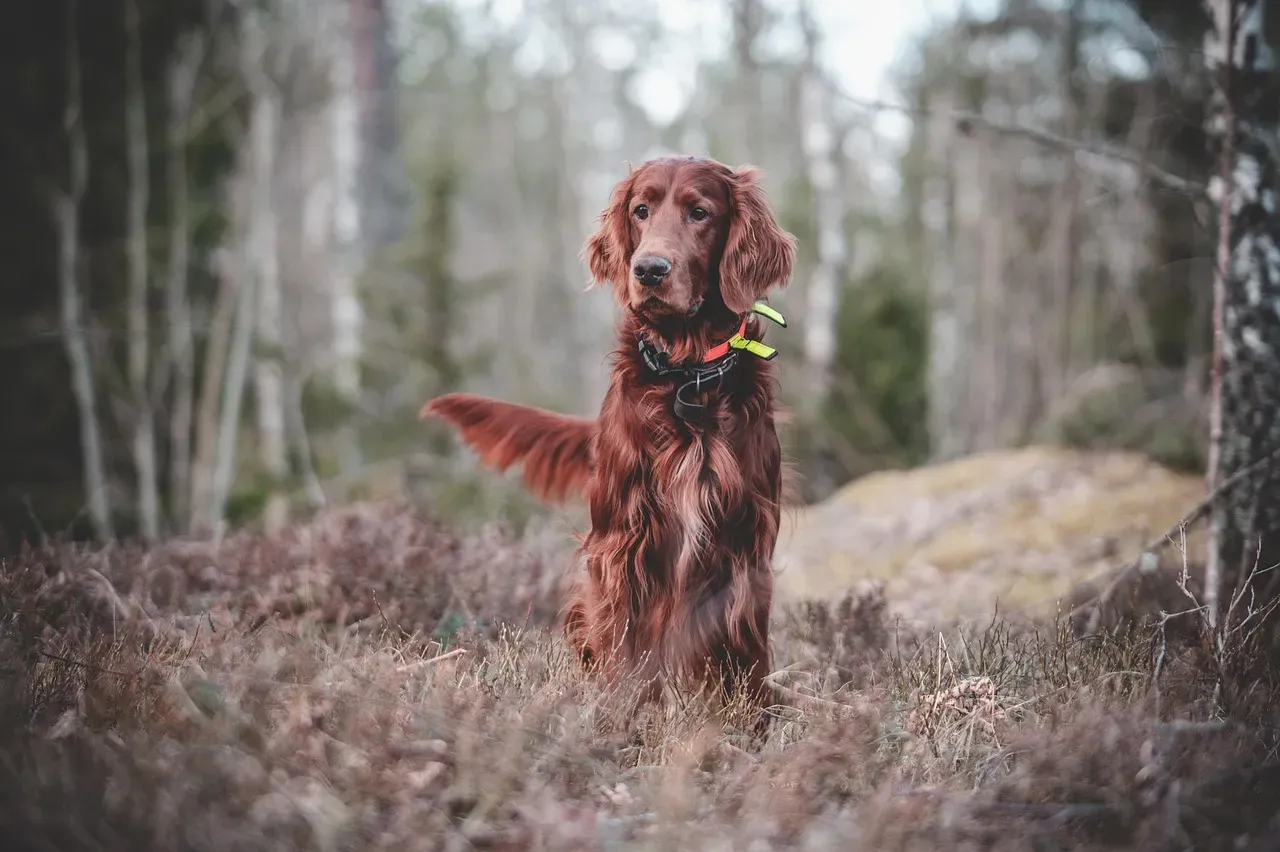
Curious alertness shows that happy dogs explore, and a tilted head or perked up ears often show curiosity and engagement, not stress. If your dog investigates new smells on your walk or perks up with interest at unfamiliar sounds without fear, that demonstrates emotional balance and confidence. We can help our dogs enjoy better welfare by creating more choices and offering them control to exercise their agency, such as installing a doggy door so they can go outside or inside when they like. Giving your dog some autonomy in their day makes a bigger difference than you might think.
Conclusion
Reading your dog’s happiness isn’t rocket science, but it does require paying attention to the whole picture rather than isolated behaviors. The beauty of understanding these signs is that it empowers you to notice when something might be off and take action before small issues become big problems.
The best part? Making your dog even happier doesn’t require expensive gadgets or elaborate plans. Sometimes it’s as simple as slowing down on walks to let them sniff more, offering variety in their daily routine, or just being present with them. Your dog gives you unconditional love every single day – returning that by tuning into their needs and emotions is the least we can do.
What signs of happiness do you notice most in your dog? Have you discovered any simple tricks that make your pup’s tail wag a little faster?


