
Picture this: your dog slinks away from a new sound, tail tucked low, eyes unsure. Or maybe they bark and spin restlessly because they simply don’t know what to do with themselves. If that sounds painfully familiar, you’re not alone, and honestly, you’re already doing something right just by being here.
The truth is, so much of what our dogs feel on the inside shows up in how they play, explore, and connect with us. Confidence isn’t something dogs are just born with. It’s built, brick by brick, through small victories and positive moments. The beautiful part? You hold the power to make that happen, one simple game at a time. Let’s dive in.
1. The Sniff and Seek Treasure Hunt
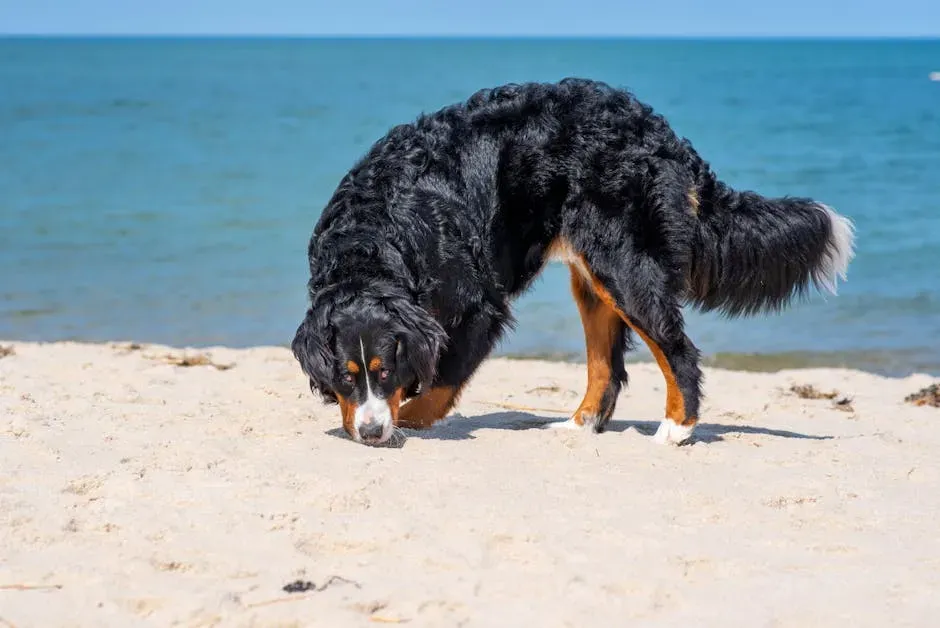
A dog’s nose is nothing short of extraordinary. Letting them use it fully is one of the most rewarding gifts you can give. This game taps into their innate urge to hunt, and it may be especially enjoyable for breeds with a background in hunting or police work. That said, every dog, from a tiny Chihuahua to a laid-back Basset Hound, absolutely loves it.
The idea is simple: hide a treat, a favorite toy, or a toy filled with treats. For an easier challenge, choose a hiding spot close to your dog. To raise the difficulty, hide the item in a different room or underneath another item. Watch their face light up the moment they zero in on the reward. That look? Pure joy.
Problem solving activities like this help shy, anxious, and aging dogs feel more capable and secure. Start small, celebrate every win loudly, and gradually make the game harder as your dog grows bolder. You’ll be amazed at how quickly confidence blooms.
2. Puzzle Feeders: Turn Mealtime Into a Mind Game
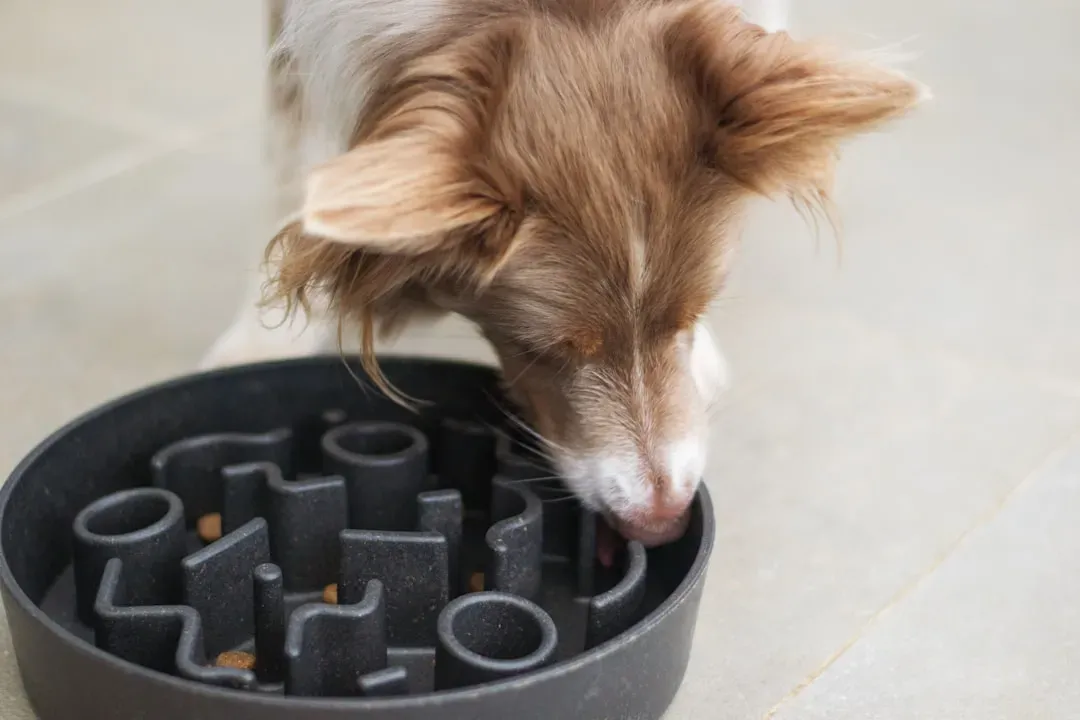
Here’s the thing, most dogs inhale their food in about 30 seconds flat. That’s a missed opportunity. By requiring your dog to work for their food, puzzle feeders provide mental stimulation that keeps them alert and attentive. They can also alleviate boredom and reduce anxiety while your dog engages their problem-solving skills.
Activity feeders come in a variety of difficulty levels, so if your dog is not used to these, start with an easy level to prevent frustration and build up their confidence. Think of it like gym training: you wouldn’t hand a beginner the heaviest weights on day one. You build up slowly, and the wins along the way are what make it so rewarding.
Puzzle games can boost your dog’s confidence as they learn to master new skills and enjoy the sense of achievement that comes with solving the puzzle. I think that feeling of earned success is just as powerful for dogs as it is for us. Try a simple muffin tin puzzle at home by hiding treats under tennis balls as a free DIY option.
3. Hide and Seek: The Classic That Never Gets Old
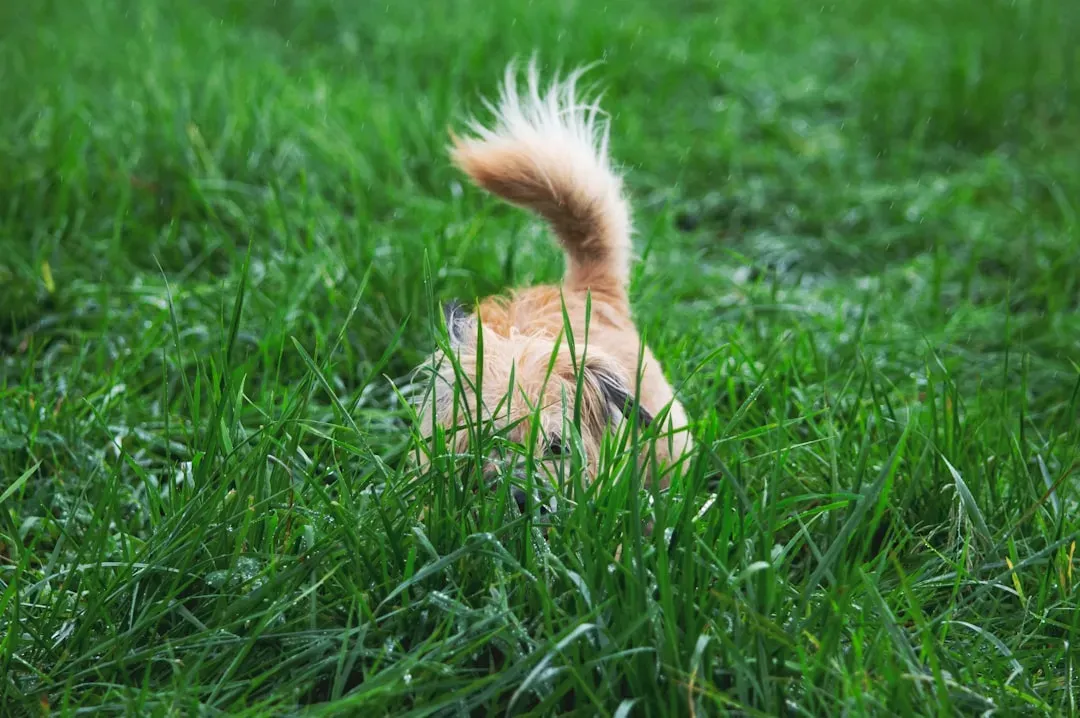
Let’s be real, hide and seek isn’t just for kids. Dogs absolutely adore this game, and it works on so many levels at once. It’s a great way to boost your dog’s problem-solving skills while also giving you the opportunity to reinforce commands like “wait” and “come,” and introduce new command words like “find.”
Start by finding a hiding spot that’s not too difficult at first. You want to build your dog’s confidence gradually. Crouch behind a door. Duck behind the sofa. Let them find you easily in the beginning, then build up to hiding in other rooms. When your dog finds you, reward them with a treat or enthusiastic praise to reinforce their successful behavior and make the game enjoyable for them.
4. Tug of War: More Than Just a Pulling Match
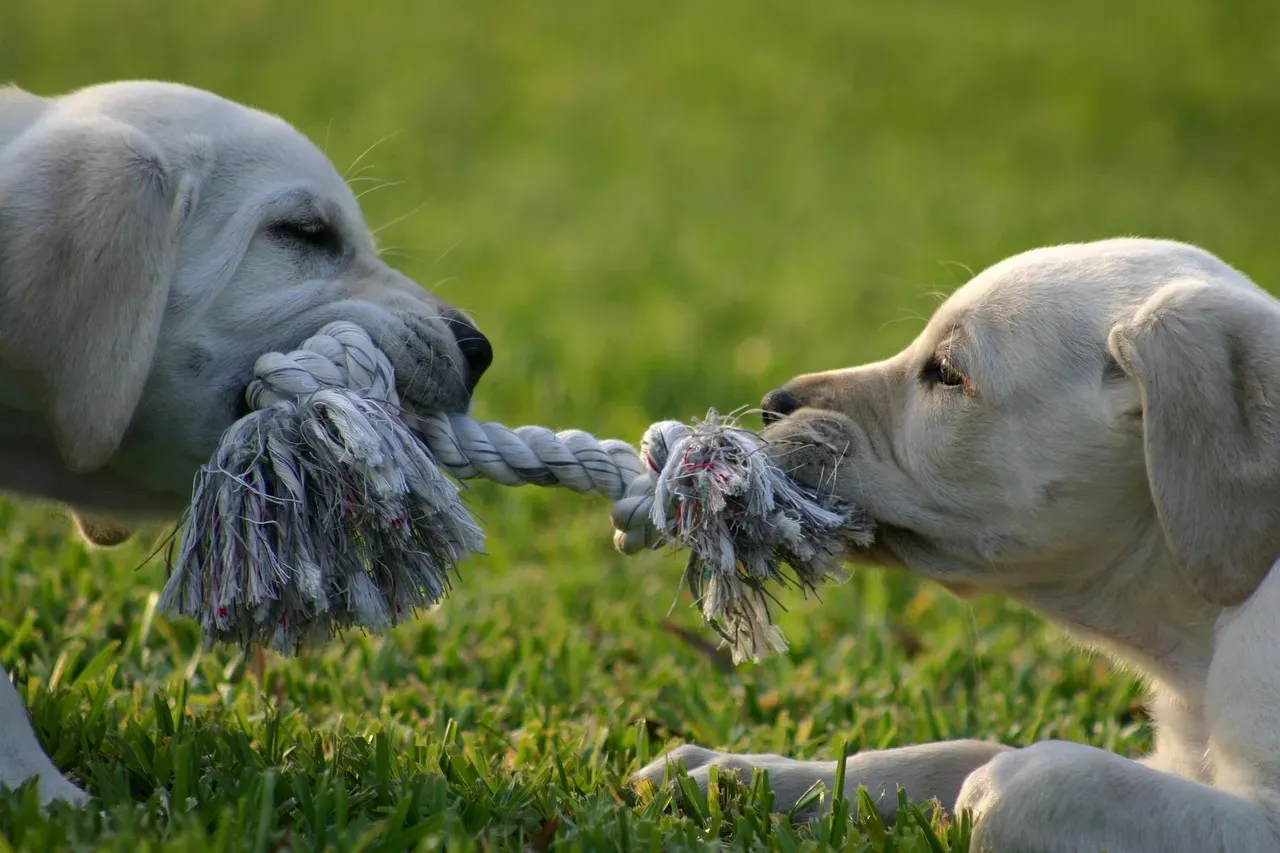
I know tug of war gets a bad reputation in some circles. People worry it makes dogs “dominant.” Honestly, that’s an outdated concern. When played with clear rules, tug is a brilliant game that channels energy and builds trust. Tug of war is not just a physical game but also a mental exercise that strengthens impulse control, and using commands like “drop it” reinforces good behavior throughout.
The game fosters focus and determination, as your dog learns to follow your lead. The competitive nature of tug also builds confidence, especially when your dog wins. So yes, let them win sometimes. It matters more than you think. A dog that feels capable and successful in play carries that energy into the rest of their day.
Watch for body language during this game. A loose, wiggly body and soft eyes mean your dog is having a ball. Stiff posture or hard staring are signals to pause and give them a break. Knowing when to stop is just as important as knowing how to play.
5. The Shell Game: Memory and Focus in Three Cups
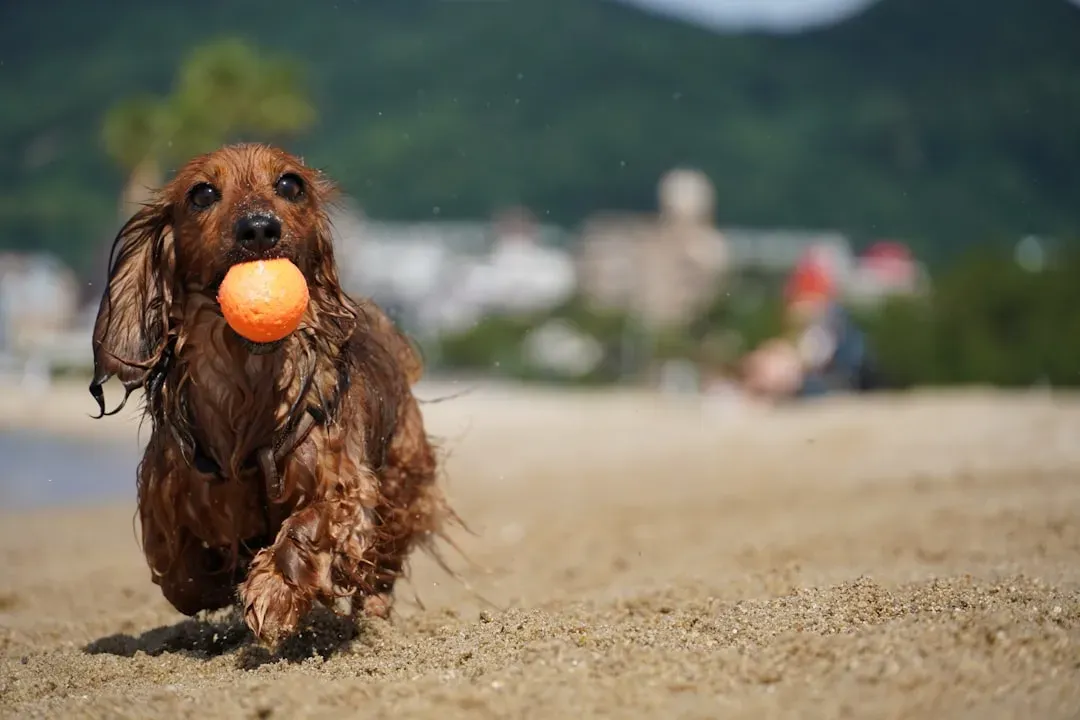
This one is wonderfully simple to set up and endlessly entertaining. Also known as “the shell game,” it puts your dog’s concentration to the test. All you need are three cups and either a treat or a play toy. Place the treat under one cup and shuffle the cups around while your pup tries to follow which one holds the reward.
Shuffle the cups and let your dog sniff out the right one. Usually, they’ll nudge the cup with their nose or paw to indicate the right one. Not only is it brilliant for your pup’s focus and memory, but it’s also a lot of fun for humans too! I’ve honestly spent way more time doing this with dogs than I care to admit.
If your dog chooses incorrectly, be sure to provide lots of love and encouragement to maintain their interest in this mentally stimulating task. Never make a big deal of a wrong guess. Keep the atmosphere light, playful, and full of praise. That emotional safety is what keeps a nervous dog engaged and coming back for more.
6. Obstacle Fun: Brave Bodies, Brave Minds
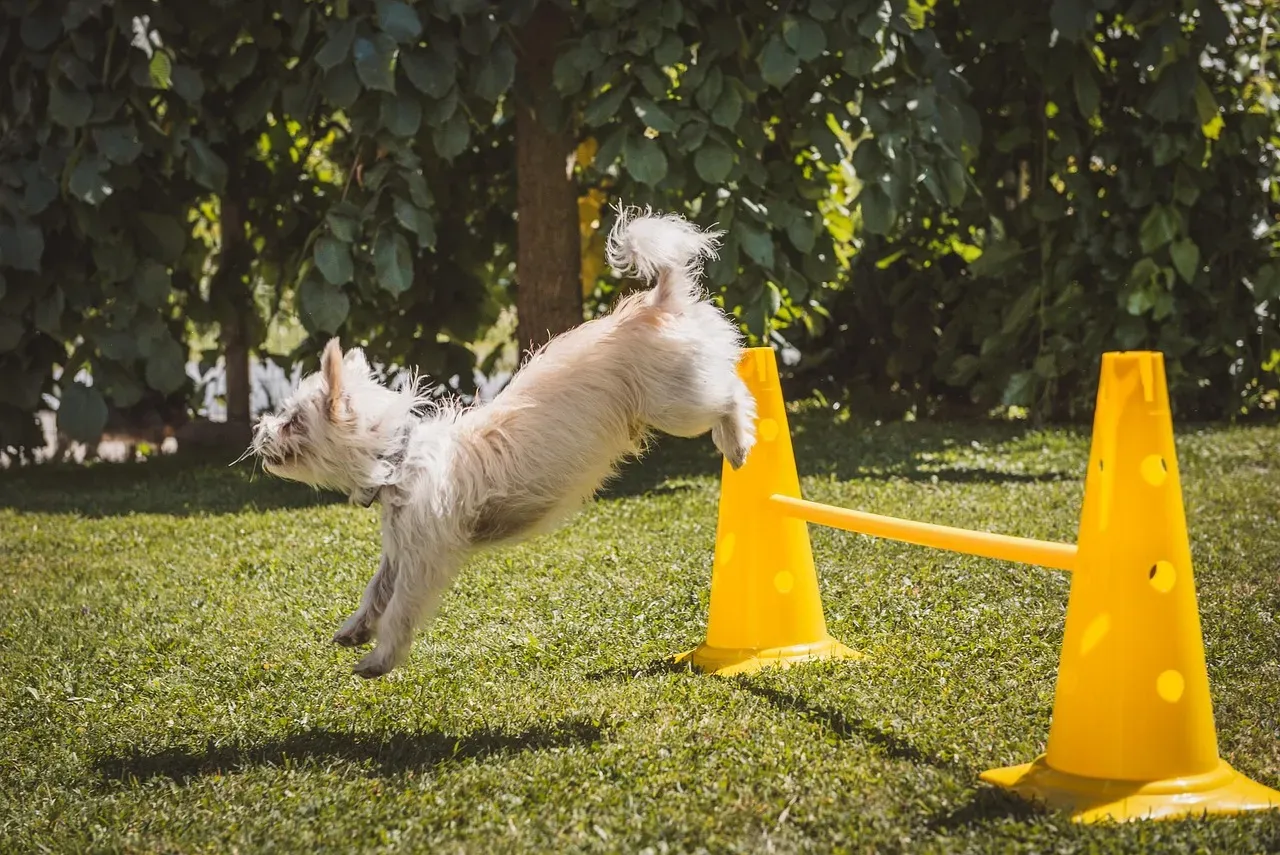
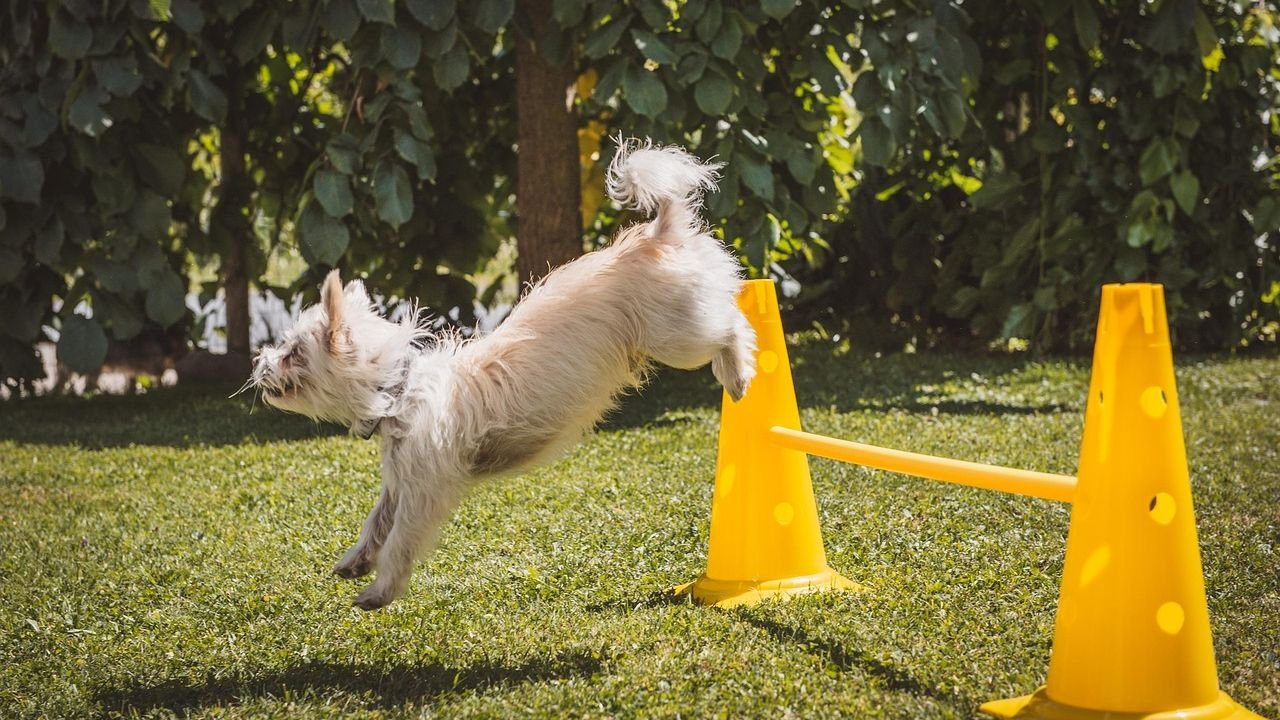
You don’t need a professional agility course or expensive equipment to do this. Not even close. Agility can be a mentally and physically stimulating brain game for your dog, and you can easily make an obstacle course out of common household objects. Set up dining room chairs and have your dog weave through them, or set up a broom or mop to have them jump over.
For this game, present your dog with simple challenges like stepping over a broomstick or crawling through a hula hoop. Give your pup time to figure out each challenge and provide gentle guidance as needed. Every time they figure out how to succeed, it helps teach your pup that they can handle new and strange situations.
The physical act of moving confidently through space does something remarkable for a dog’s mindset. Think of yourself all hunched up or slouched versus standing upright, shoulders back and head held high. It changes how you feel, and the same can be true for your dog. Movement equals courage, one small step at a time.
7. Trick Training: Small Skills, Big Self-Belief
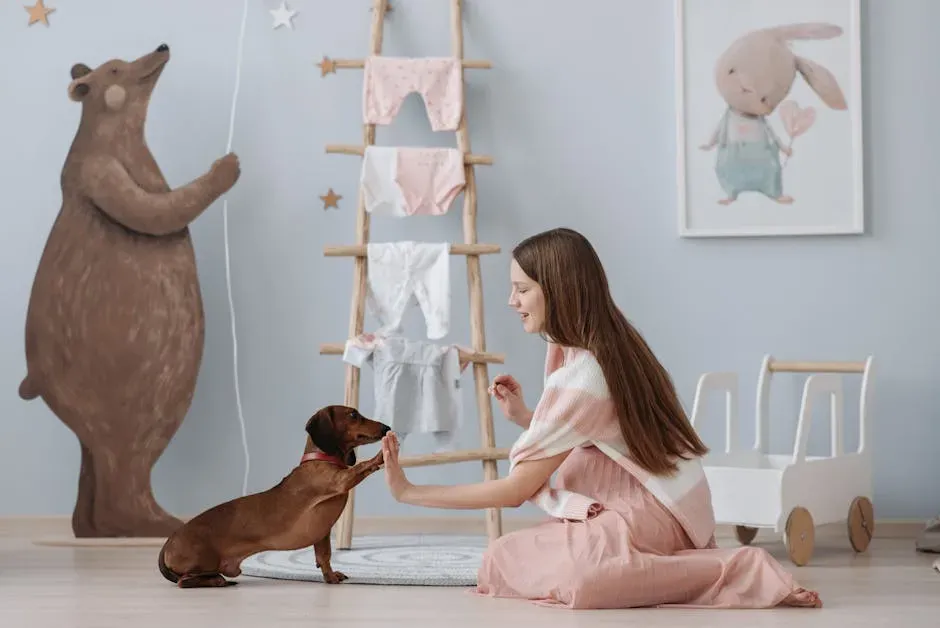
Teaching your dog a new trick might feel like something reserved for competition-level dogs or naturally eager breeds. But that couldn’t be further from the truth. Teaching your dog a new trick requires a lot of concentration on their part, which is why tricks make for a challenging brain workout. By teaching new tricks with positive, rewards-based training, you can help to boost your dog’s confidence and happiness.
Training is about a lot more than just teaching your dog new skills. It also provides the very foundation for self-assuredness. When your dog learns to sit, stay, or lie down, they start to feel empowered and develop a sense of control. That sense of control is huge, especially for anxious dogs who often feel like the world just happens to them.
Training your dog using positive reinforcement teaches them that making decisions and engaging with you and the environment earns them good things like treats and praise. The more positive experiences your dog has, the more eager they will be for new fun adventures. Start with “sit,” then “paw,” then something silly like “spin.” Watch their tail go higher with every single success.
A Warm Note Before You Begin
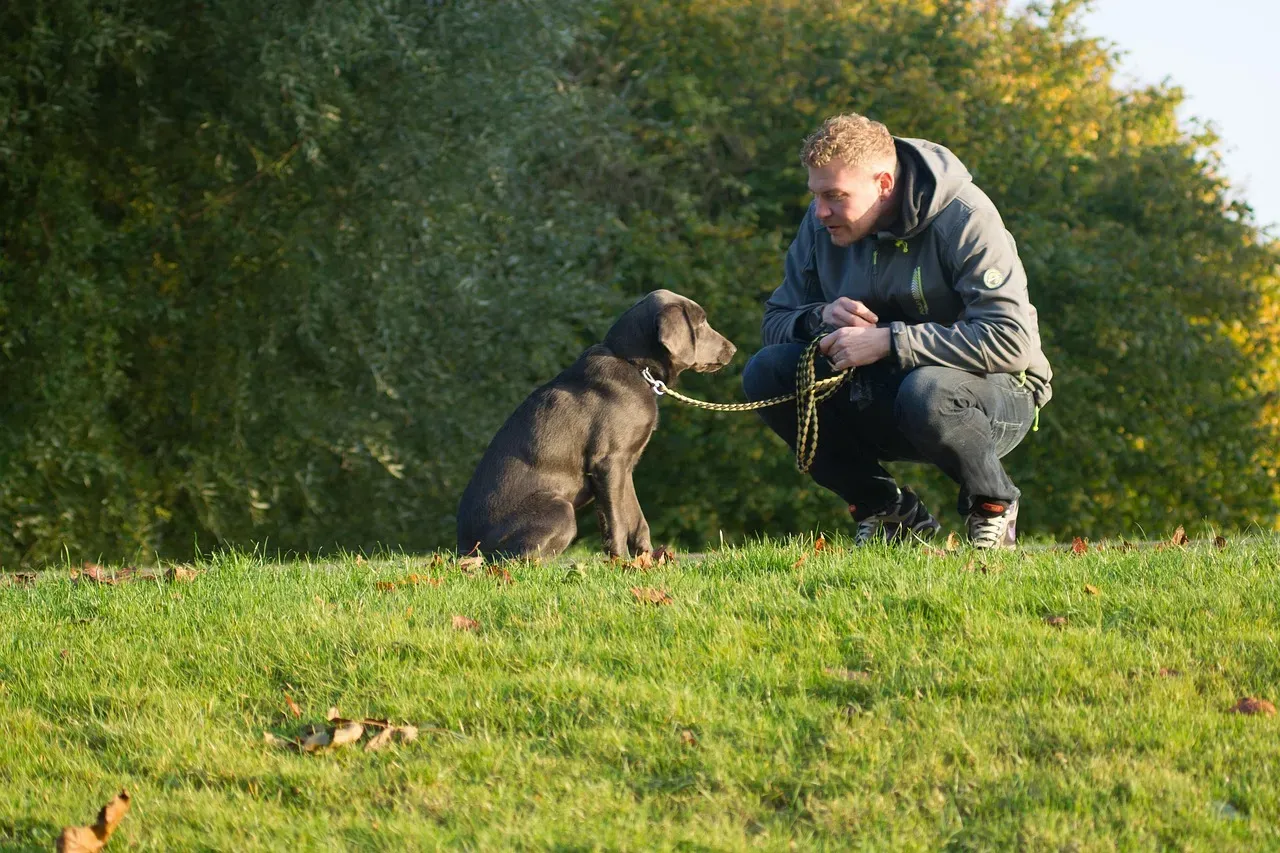
Every dog moves at their own pace, and that pace deserves deep respect. Always end sessions on a positive note. If your dog struggles, offer hints or switch to an easier game. The goal is confidence and enjoyment, not stress. That’s not just good advice. It’s the heart of the whole thing.
Remember that your dog will be looking to you for clues while taking on new challenges. If you seem tense or nervous, your pup will notice and match your energy. So always try to remain calm while allowing your dog to try new things. You are your dog’s safe place. The calmer you are, the braver they become.
Personal interactions during mental exercise deepen the bond between a dog and its owner. Cooperation in completing tasks or solving puzzles strengthens mutual trust. Through these activities, dogs feel valued and loved, enriching companionship. Honestly, it’s hard to say who benefits more, you or your dog.
Play is not a luxury. It is the language of love and trust that your dog understands most naturally. Whether your pup is shy and timid, bouncing off the walls with energy, or somewhere in between, these seven games are a doorway into a richer, happier life for them. One game, one win, one wagging tail at a time. Which game are you going to try first? Drop a comment and let us know how it goes!


