
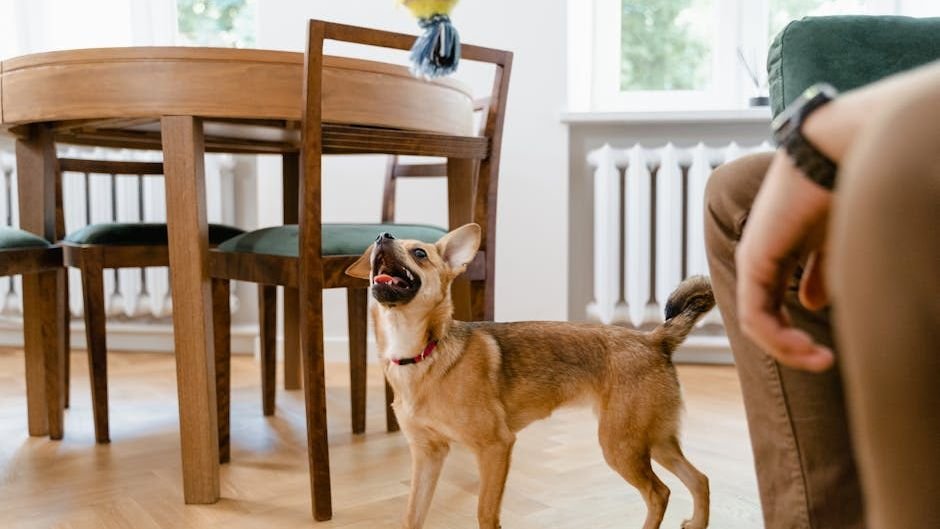
Your dog doesn’t care that it’s raining. They don’t know it’s too hot to go outside, or that your schedule ran long today. What they do know is that they need something to do. When a dog’s natural needs for mental engagement aren’t met, boredom and frustration can set in, leading to destructive behaviors or anxiety. That shredded cushion or the relentless barking? That’s usually not a bad dog. That’s an under-stimulated one.
The good news is you don’t need a backyard, a dog park, or any expensive gear to give your dog a genuinely satisfying experience. Mental enrichment is just as important as physical exercise, and it can make a massive difference to your dog’s behaviour, confidence, and overall wellbeing. The seven games below are simple enough for a weeknight, adaptable for all ages and sizes, and genuinely effective at keeping your dog happy and engaged right inside your home.
1. The Snuffle Mat Game: Feeding That Actually Does Something
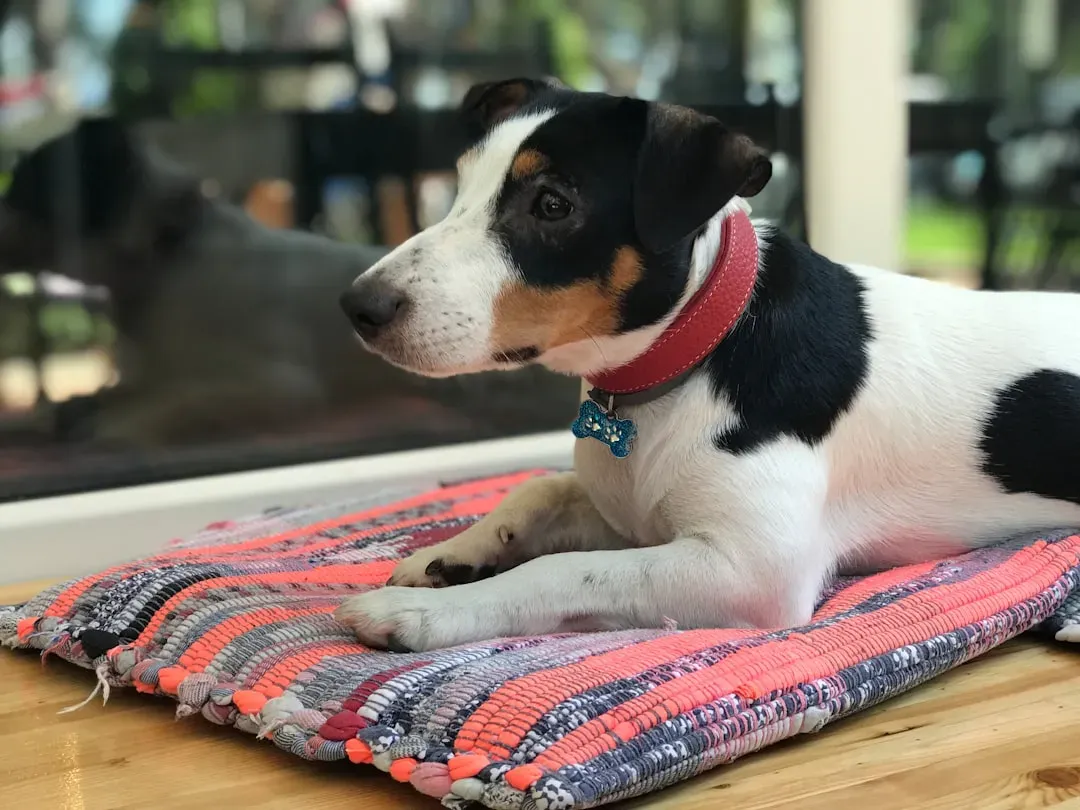
If your dog inhales their food in under thirty seconds and then stares at you like you’ve personally wronged them, a snuffle mat could change your entire mealtime routine. A snuffle mat mimics foraging and is one of the easiest ways to turn a short session into a full mental workout. These mats are made from strips of fleece where treats or kibble are hidden, encouraging your dog to dig and snuffle to find them.
They’re excellent for calming dogs down, especially in the evening or after a more stimulating activity. If your dog tends to rush meals, using a snuffle mat for feeding can also help slow them down. This matters more than many owners realize. Fast eating can contribute to bloating and digestive discomfort, particularly in larger breeds.
You can purchase one or make your own with a rubber sink mat and strips of old fleece or t-shirts. The process of learning how to use it, combined with the satisfying reward of finding food, makes this a repeatable activity that doesn’t get old quickly. Start with larger kibble pieces placed in shallow pockets, and gradually bury them deeper as your dog figures out the game.
2. Hide and Seek: You Are the Prize
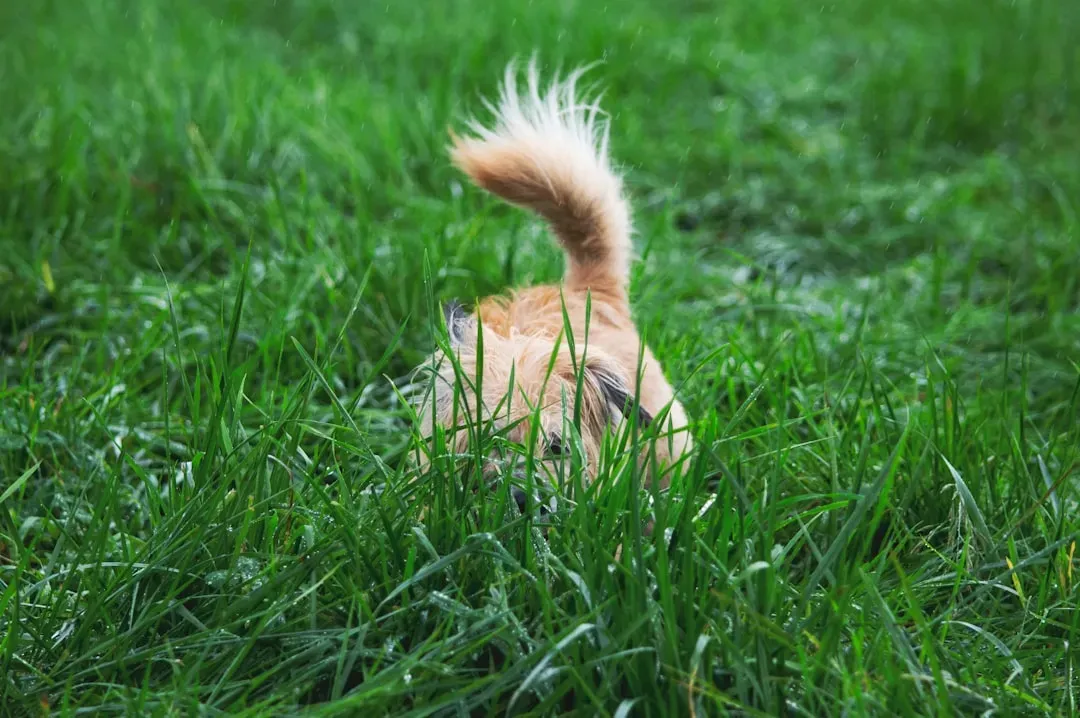
This one costs nothing and is almost unfairly effective. It’s a fun game to play with your dog, with you being the ultimate reward. Ask your dog to sit and stay while you take your time finding the perfect hiding spot. When you’re ready, ask your dog to come and find you. Most dogs take to this quickly, and the excitement when they find you is completely genuine.
Hide and seek activates your dog’s natural hunting instincts while providing excellent dog mental stimulation. Beyond the fun of it, this game quietly reinforces the “stay” and “come” commands without your dog even realizing they’re being trained. Be enthusiastic and show praise when they find you. After a few rounds, you can ramp up the difficulty level and choose a more challenging place to hide.
Watch for signs of frustration, particularly in anxious dogs who may not like losing sight of you for long. Start with very easy hiding spots, like behind an open door, and build confidence from there. The goal is always for your dog to succeed and feel the satisfaction of the “win.”
3. The Shell Game: A Classic That Challenges Memory and Focus
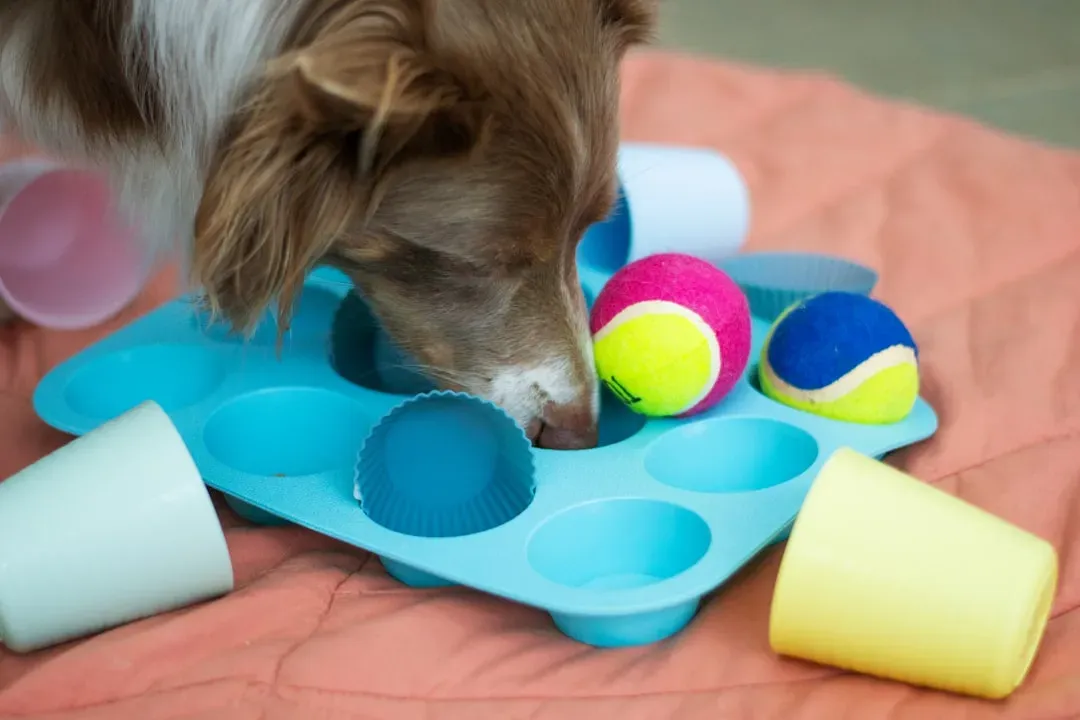
Three plastic cups, one treat, and your dog’s nose. That’s all it takes. Place three plastic cups upside down on the floor. With your dog watching, place a treat under one cup. Shuffle the cups around and encourage your dog to indicate which one hides the treat. This challenges their nose and focus.
This classic shell game is an excellent dog brain training exercise that challenges memory and concentration. For best results, have all the cups smell like treats beforehand by wiping the treat around the inside rim. Shuffle the cups around and have your dog sniff out where the treat is. Keep shuffling the cups until they guess right. Reward them with praise and a delicious treat.
If your dog gets frustrated, make it easier. Success builds confidence and keeps the game fun. Some dogs will paw at their chosen cup, others will nudge it with their nose. Let them show you their natural style rather than forcing a specific response. As they improve, slow down your shuffling less obviously to genuinely test their tracking abilities.
4. Indoor Fetch: Burning Energy Without Breaking Anything
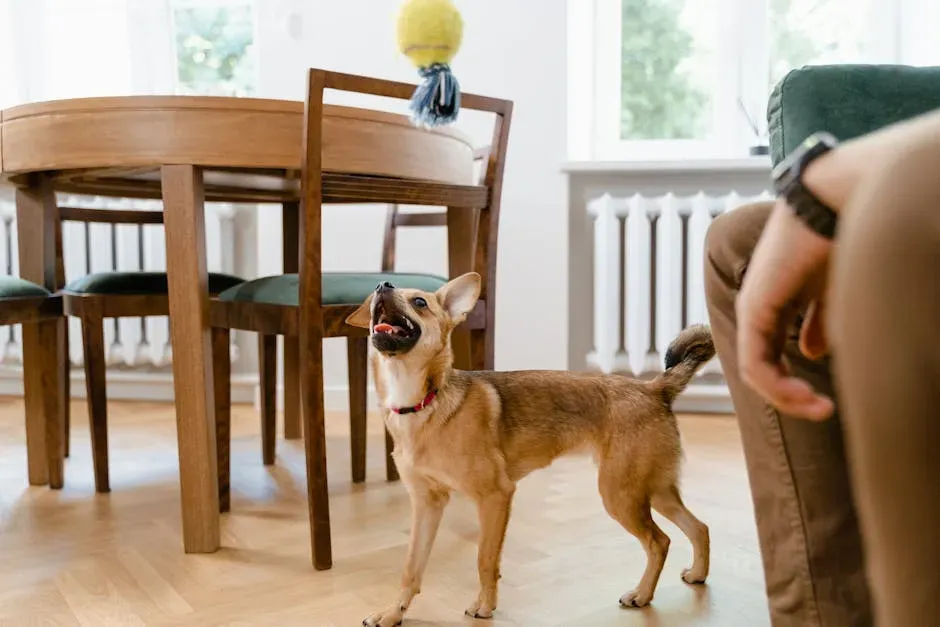
Fetch doesn’t require a field. It requires a hallway and a soft toy. Fetch isn’t just an outdoor game. Indoor fetch using soft toys is one of the simplest indoor dog activities that burns energy without damaging your furniture. Look for plush, lightweight toys designed for safe indoor play. Roll the toy down a hallway or toss it into an open space like the living room.
The real value of indoor fetch goes beyond burning energy. Combine it with verbal commands like “bring it” or “drop” for extra mental engagement. Pair the game with some treats as a reward for returning the toy. This quietly builds impulse control and responsiveness to commands in a context your dog genuinely enjoys. Ask your dog to sit or stay before throwing the ball during a game of fetch to layer in some obedience training without making it feel like a formal lesson.
If your dog gets so excited that they start spinning, barking excessively, or struggling to release the toy, those are cues to dial things back. A brief pause, a calm “sit,” and a reset can help keep the energy at a productive level. Wooden floors can get slippery during enthusiastic fetch sessions, so placing a rug or yoga mat down first is a simple but important safety tip.
5. Treat Hunt: Scent Work That Tires Them Out Fast
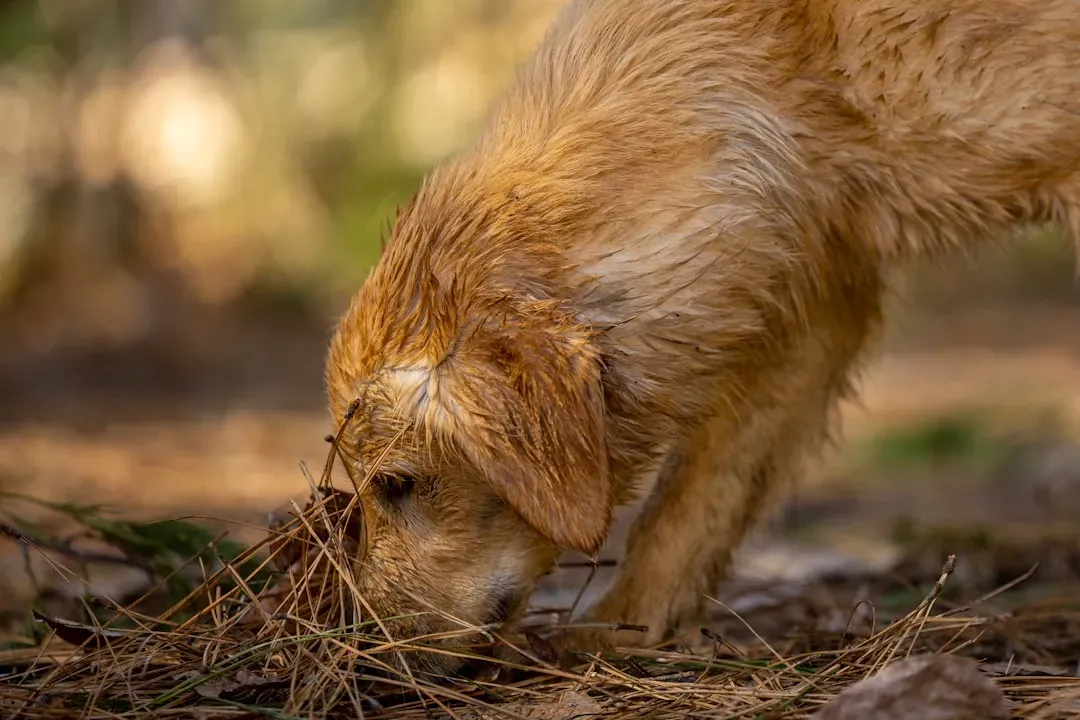
If you’ve never done a proper treat hunt with your dog indoors, prepare to be amazed at how quickly it settles them. Dogs have a sense of smell that is vastly superior to ours. Scent-based games tap into that natural superpower while keeping your dog mentally busy. Start by having your dog wait in one room while you hide small treats around another room. Place treats in easy spots at first, like under a corner of a rug or behind a chair leg. Call your dog and use a cue like “find it” to start the search. Your dog will use his nose to track down each hidden treat.
Scent work activates your dog’s natural foraging behavior and provides deep mental satisfaction. Studies show that 15 minutes of scent work can be as tiring as a 30-minute walk. That’s a remarkable return on very little effort on your part. This game works well for all ages, including senior dogs who might not be able to run around as much. Sniffing is naturally calming for dogs. The longer they do it for, the more their pulse rate drops, helping shift them into a more relaxed mood overall.
6. Tug of War: A Bonding Game With Rules That Matter
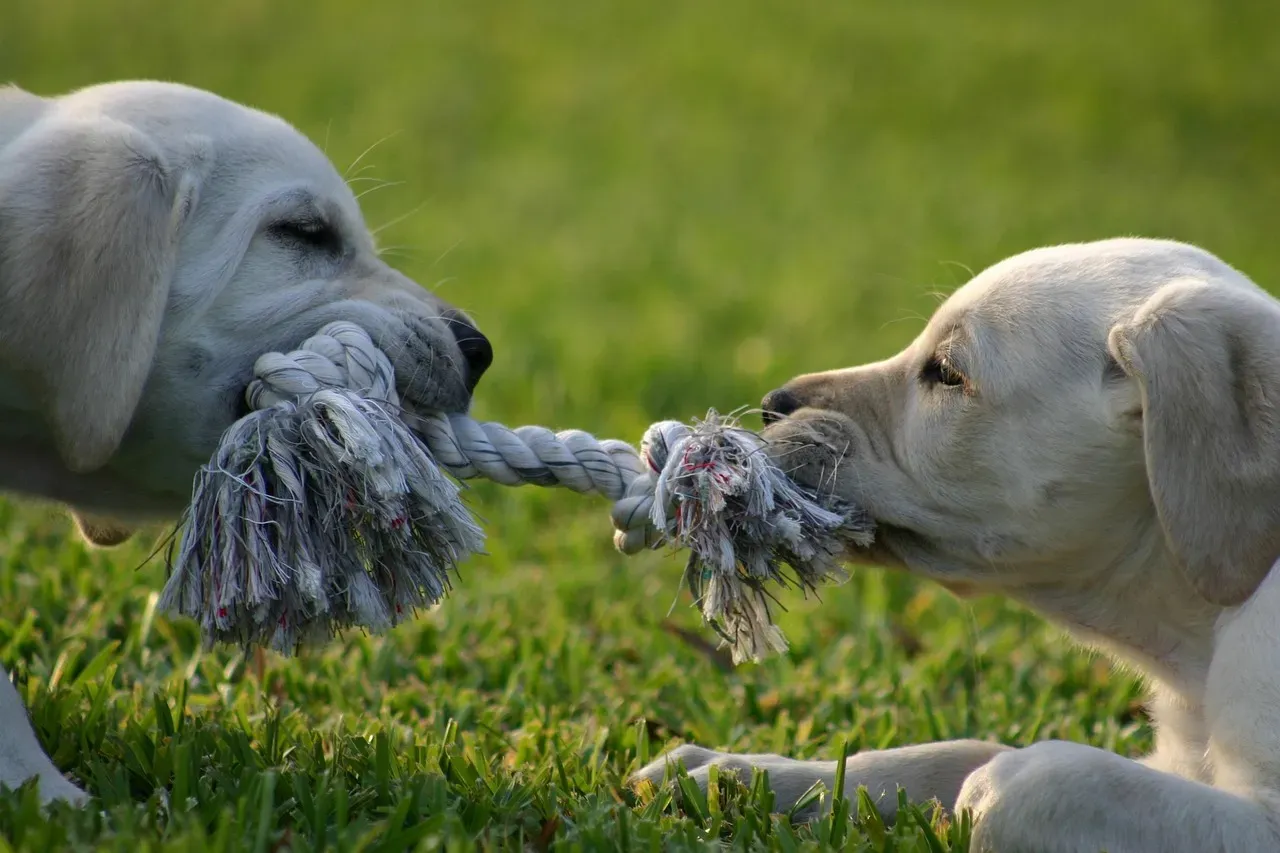
Tug of war has an unfair reputation. Some people worry it encourages aggression, but that’s a misconception when the game is played with clear structure. Tug is a natural and instinctual behavior for dogs. Giving them a proper outlet for this behavior not only prevents aggression but also strengthens their ability to follow boundaries and rules.
Tug of war is an engaging indoor game to play with your dog that burns energy and helps improve your dog’s confidence. It can also help strengthen the bond you have with your dog. The key is keeping clear boundaries from the start. Teach your dog to “Drop” on command. End the game with a clear verbal cue, such as “All done,” then the toy goes up and does not stay out. You control when the game starts and when it ends.
Always tug side to side, never up and down. Be sure to use moderate pressure. If you notice your dog gets too rough playing tug of war, stop the game and let them calm down. If their teeth get too close to you, end the game and try something new. A flat, consistent response teaches your dog the game’s limits far more effectively than a raised voice ever will.
7. DIY Obstacle Course: Move, Think, and Have Fun All at Once
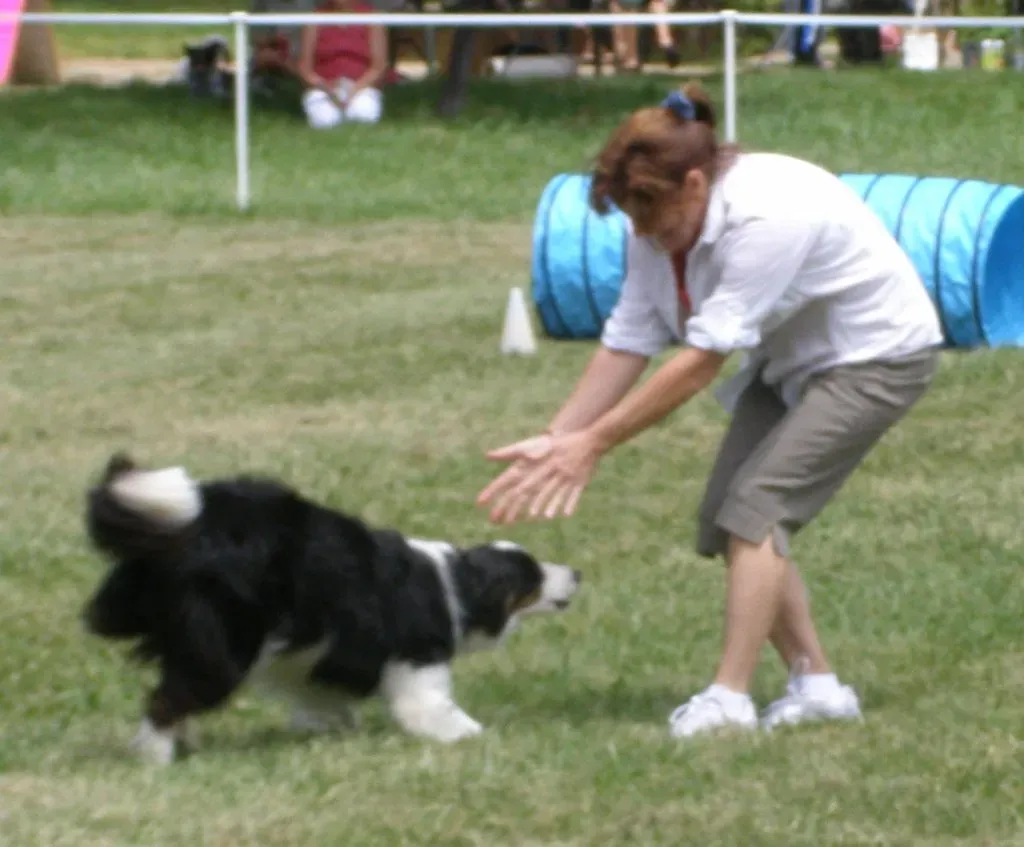
You don’t need agility equipment to turn your living room into a mini challenge course. Agility can be a mentally and physically stimulating brain game for your dog. You can easily make an obstacle course out of common household objects that are safe for dogs, or you could go all out and buy a dog agility set. Dining chairs make great weave poles. A broomstick resting across two stacks of books becomes a low jump.
Agility isn’t just physical. It’s one of the best brain games for dogs because it requires planning, problem-solving, and body awareness. Your dog must remember the sequence, plan their movements, and respond to your cues, providing comprehensive mental stimulation. Guide your dog through each element using treats and your voice, and be patient with the learning curve. Set up your dining room chairs and have your dog weave through them, or set up a broom or mop to have them jump over. Your dog will be following your cues to get through the course, but they’ll be having so much fun that they won’t even realize you’re training them.
Keep your dog’s safety and comfort in mind. If they are an older dog, an obstacle course could lead to an injury. For seniors or dogs with joint issues, skip jumps entirely and focus on gentle weaving or “touch” targets instead. Always build new elements gradually, and celebrate every small success with genuine enthusiasm.
How to Know When Your Dog Has Had Enough
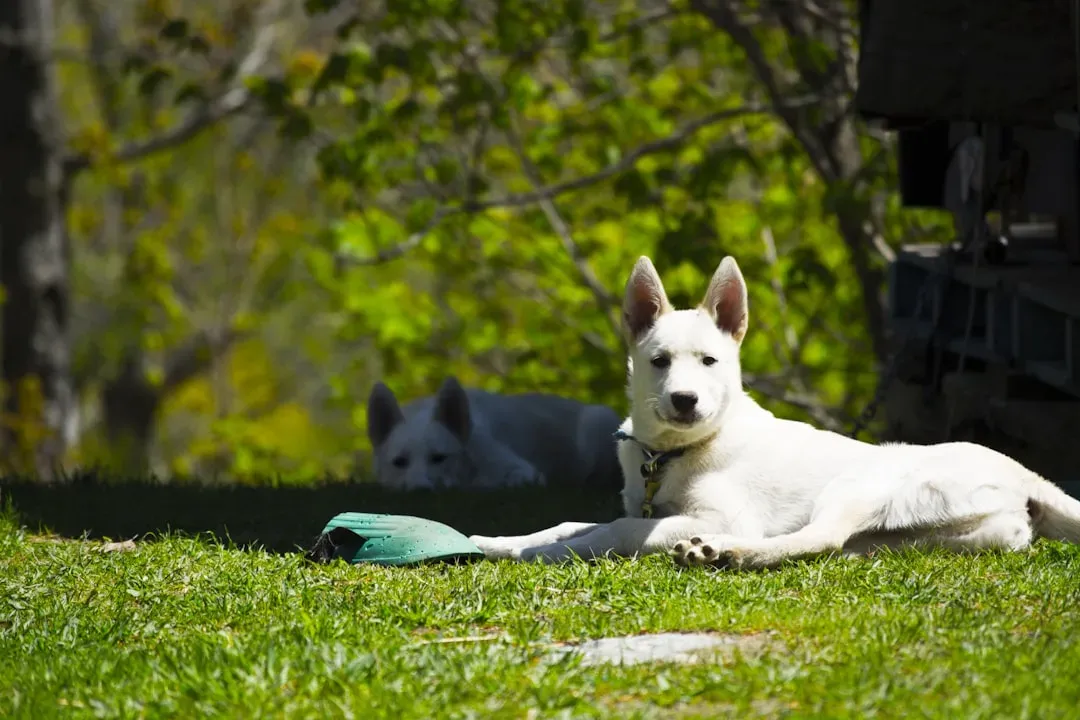
Knowing when to stop is just as important as knowing how to play. No matter the game, always pay attention to your dog’s body language. Look for a relaxed, wiggly body and a soft, open mouth as a sign of healthy engagement. If they seem frustrated, stop the game and try something easier.
Ten to fifteen minutes is plenty for most dogs; end while they’re still keen. Ending on a high note leaves your dog wanting more, which makes the next session even easier to start. The effects last well beyond the game itself. Dogs who have access to regular mental enrichment tend to settle more easily afterward, not because they’re physically worn out, but because their brain has been properly engaged.
Watch for signs like excessive barking, chewing, digging, or restlessness. These behaviors often signal a need for more mental stimulation and enrichment activities. Consider these cues your dog’s way of asking for more. They’re not misbehaving. They’re communicating.
Conclusion: Play Is Not a Luxury, It’s a Necessity
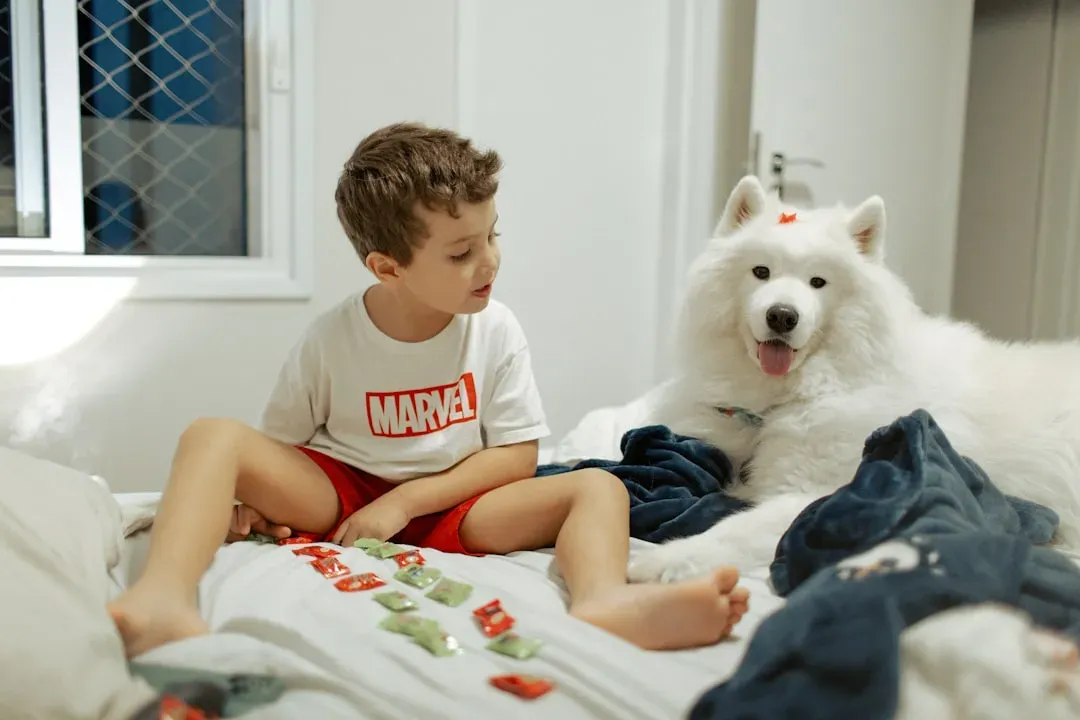
For pets, play is much more than a simple pastime. It’s a vital aspect of their physical, emotional, and mental health. The seven games above aren’t complicated, and most require nothing more than items already in your home. What they do require is your presence and a willingness to show up for your dog, especially on the days when a walk isn’t possible.
Mental exercise is just as important as physical exercise for a well-rounded dog. These brain games strengthen not only your dog’s mind but they build your unbreakable bond with your dog. A tired, satisfied dog who trusts you deeply is the best possible outcome of ten minutes spent playing the shell game on a rainy Tuesday.
The games change. The routine shifts. The key stays the same: show up, engage, and let your dog know that even indoors, their world is rich, interesting, and full of you. That’s really what they came for in the first place.


