
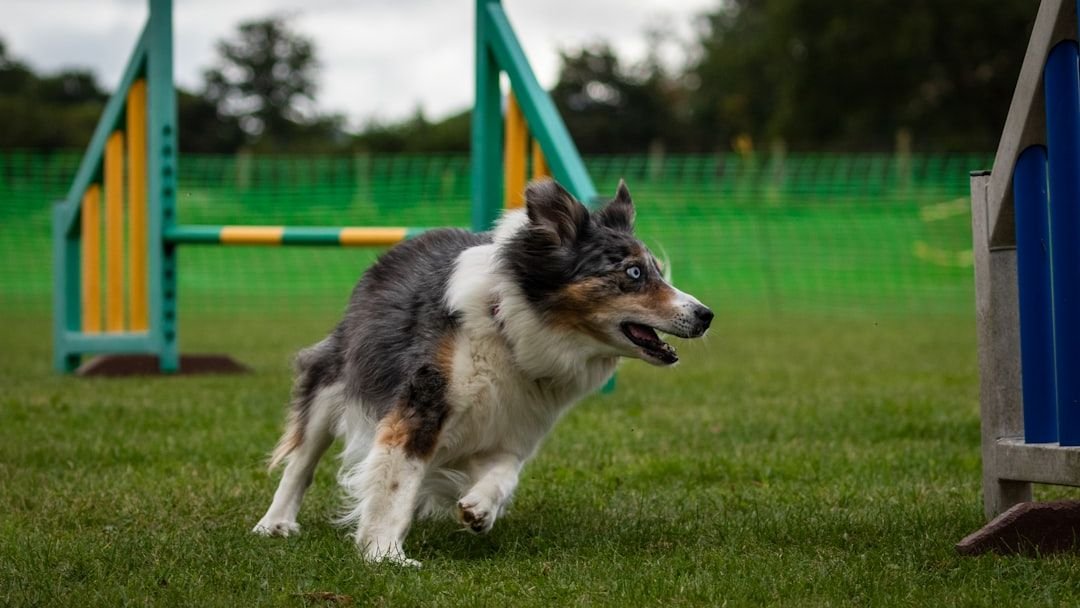
Picture this: it’s a rainy Tuesday afternoon, your dog has been staring at you for the last 20 minutes, slowly chewing the corner of your throw pillow, and you’ve run out of excuses to avoid the problem. Sound familiar? You’re not alone. Every dog owner has been there, stuck inside with a bored, restless pup and no idea what to do next.
Here’s the thing though – your dog doesn’t need a sprawling backyard or an hour-long walk to feel satisfied. Mental enrichment is just as important as physical exercise, and it helps prevent boredom, destructive behavior, and anxiety. A few simple, creative games can transform an uneventful afternoon into something genuinely enriching for both of you. Let’s dive in.
The Nose Knows: Treat Hunt Around the House
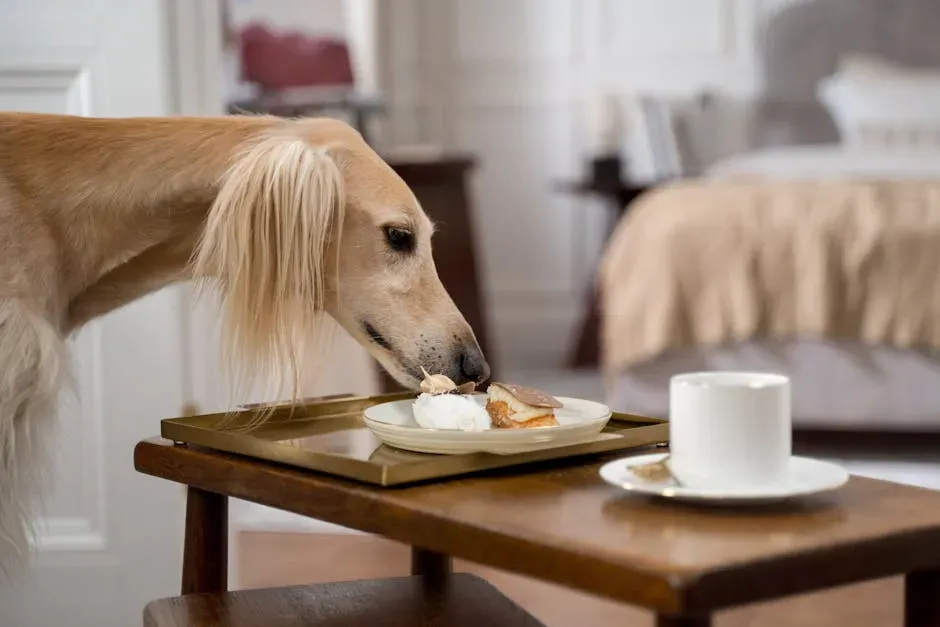
Dogs have an incredible sense of smell, and hiding treats around your home taps into their natural hunting instincts. Think of it like giving your dog their own personal treasure hunt, except the treasure smells absolutely incredible to them.
Start by showing your dog their favorite treat. Hide it in an easy-to-find location, such as under a table or behind a chair. Encourage your dog to find the treat using cues like “search” or “find it,” then gradually increase the difficulty by hiding treats in more challenging spots. The joy on their face when they finally sniff one out? Completely priceless.
Sniffing has been shown to not only decrease a dog’s heart rate, decreasing their stress, but it also releases dopamine, the “happy” brain chemical. So honestly, this isn’t just play. It’s therapy in the best possible way.
The Shell Game: Three Cups, One Treat, Zero Boredom
The Shell Game is a classic mental stimulation activity tailored for dogs that enhances their cognitive skills while providing ample entertainment. You’ve probably seen it played by street performers – and yes, your dog can absolutely play it too.
All you need are three cups and either a treat or play toy. Place the treat or toy under one cup and shuffle the cups around while your pup tries to follow which one holds the reward. Once you’re done shuffling, encourage your dog to choose a cup either with their paw or nose. If chosen correctly, they’ll be rewarded with the treat or toy that was under the cup.
The Shell Game is perfect for indoor play and can easily be adapted to different difficulty levels. With consistent practice, it helps build a smarter, more engaged canine companion. I think this one is genuinely more fun for the humans watching than they’d like to admit.
Hide and Seek: The Classic Game Your Dog Was Born to Play
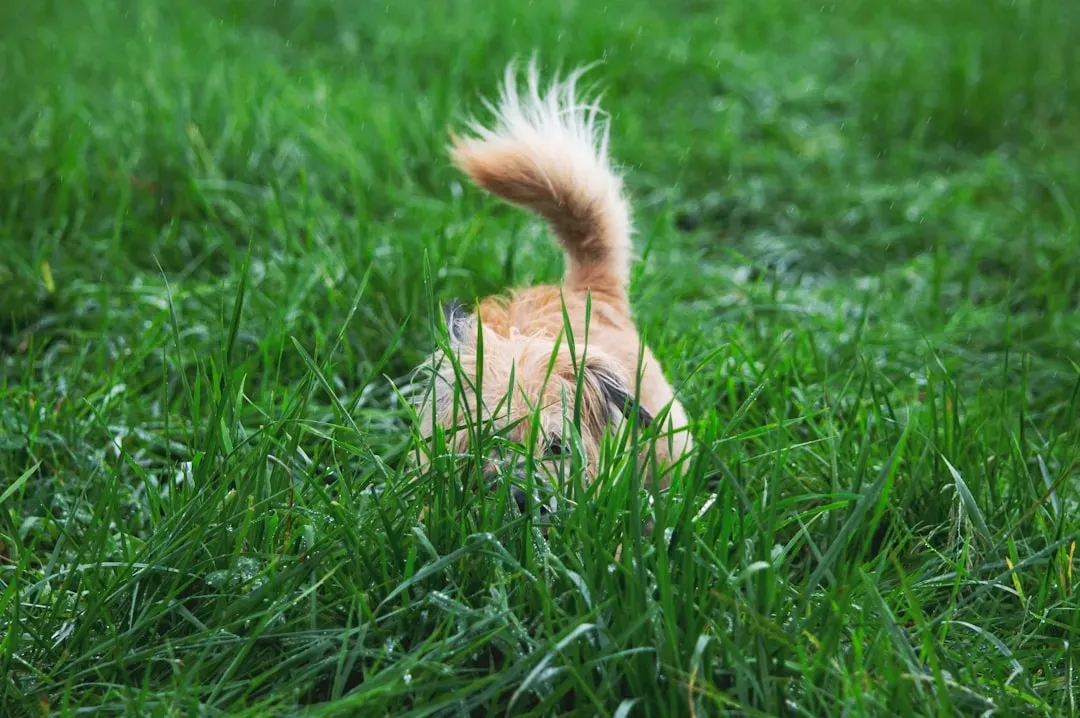
Hide and seek never gets old. It activates your dog’s natural hunting instincts while providing excellent mental stimulation. You’re not just playing a game – you’re speaking directly to something deep and ancient in your dog’s DNA.
Hide from your dog when they’re not watching, or tell them to sit and stay while you find a hiding spot. When you’re ready, tell them to “come.” It may take patience for your dog to find you, but they will enjoy releasing physical and mental energy throughout the process.
Simply hide in a different room or behind furniture and call your dog’s name. They’ll use their natural problem-solving skills and sense of smell to track you down. This game taps into their instincts and keeps their mind active, all while strengthening your bond and providing great exercise. When your dog finally rounds the corner and finds you, that tail wag is worth every second.
The Muffin Tin Puzzle: Your Kitchen Is a Brain Gym
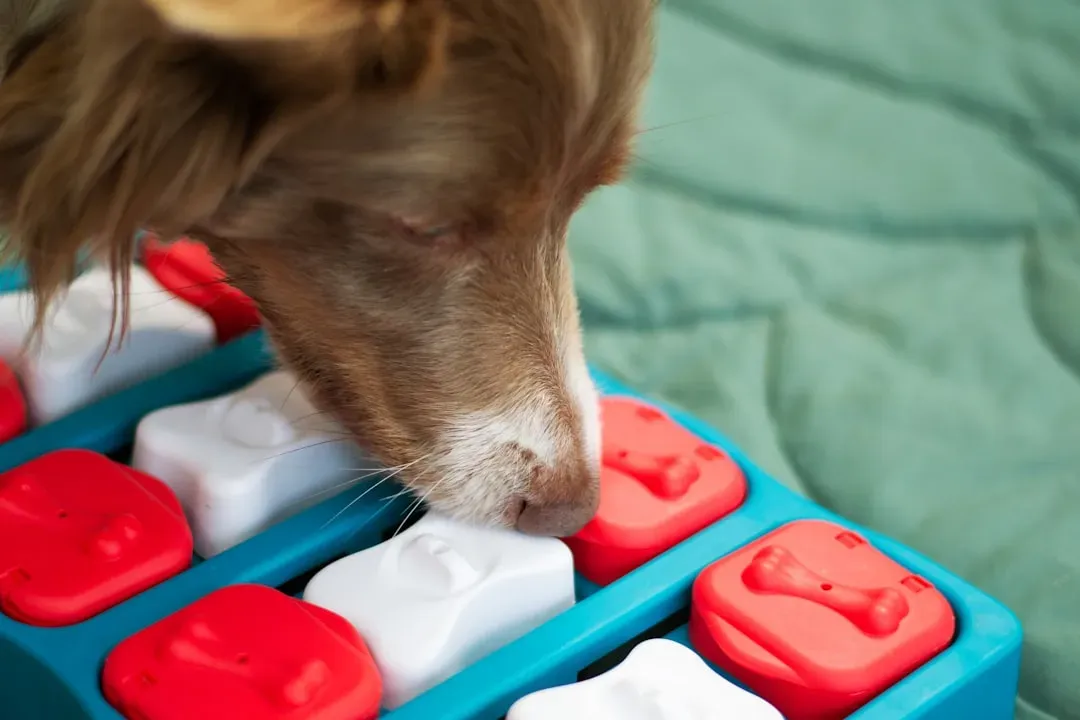
Use a muffin tin and tennis balls to create a DIY puzzle. These brain games require problem-solving and persistence. You literally need two items from your house and about 30 seconds to set up. That’s it.
Put the treats in the bottom of the pan and place the tennis balls over them. To get to the treats, the dog has to move the tennis balls. Sounds simple, right? Watch your dog go absolutely laser-focused the moment they realize something delicious is hiding underneath those fuzzy yellow balls.
A dog can be more tired after using its head for 10 minutes than after an hour-long walk. So if your pup seems restless even after exercise, this is why. Their brain needs a workout just as much as their legs do. Start easy, celebrate every win, and increase the challenge as they get better at it.
New Tricks Training: Short Sessions, Big Rewards
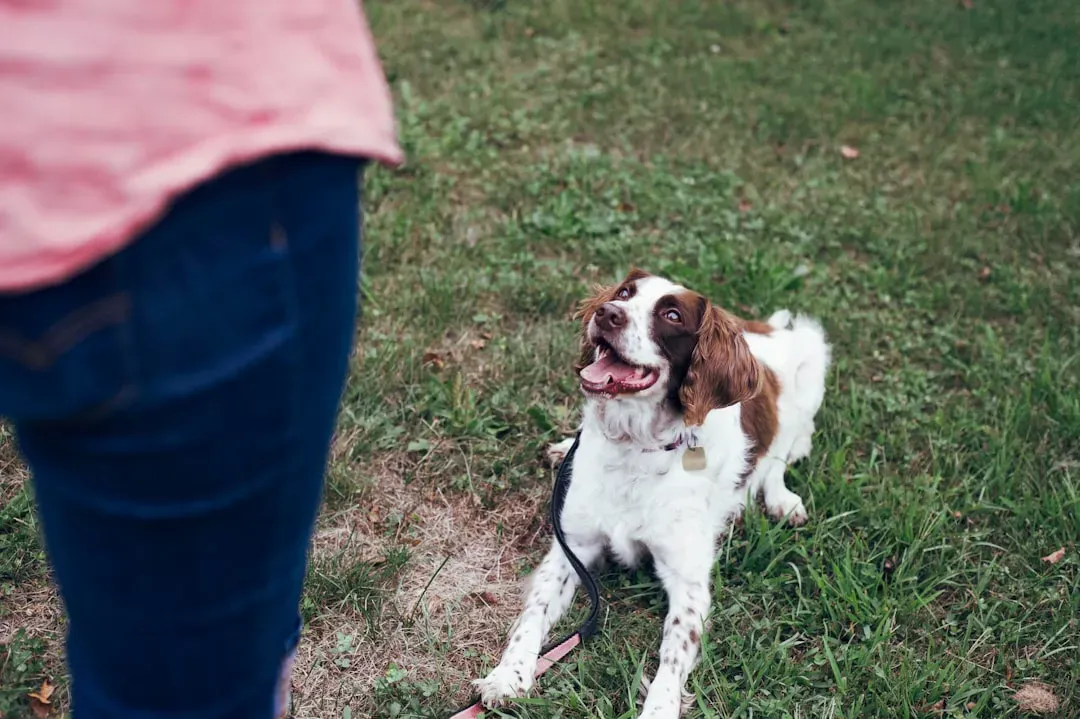
Winter and rainy days are the perfect time to teach your dog new tricks or reinforce basic commands. Training sessions challenge your dog’s brain, improve their behavior, and strengthen your relationship. Let’s be real, there’s something deeply satisfying about watching a dog nail a new trick for the first time.
Keep sessions short and focused, ideally 10 to 15 minutes. Use positive reinforcement, such as treats or praise, to reward good behavior. Start with simple commands like “sit,” “stay,” and “down,” then progress to more advanced tricks. Be patient and consistent, and always end on a positive note.
Puppies, adults, and seniors all benefit from mental stimulation, but the types and intensity of activities should be age-appropriate. Puppies need short, simple games; adults thrive on complex challenges; seniors benefit from gentle, low-stress puzzles that keep their minds sharp. Tailor what you teach to where your dog is in life, and you’ll always land on something that works.
The Snuffle Mat: A Foraging Fiesta in Your Living Room
A snuffle mat mimics foraging and is one of the easiest ways to turn a short session into a full mental workout. These mats are made from strips of fleece where treats or kibble are hidden, encouraging your dog to dig and snuffle to find them. It looks simple. It is not simple – at least not to your dog, whose nose is working overtime.
Snuffle mats are excellent for calming dogs down, especially in the evening or after a more stimulating activity. If your dog tends to rush meals, using a snuffle mat for feeding can also help slow them down. This makes it a brilliant double-duty tool for dogs who are both anxious eaters and bored out of their minds.
You can purchase one or make your own with a rubber sink mat and strips of old fleece or t-shirts. Honestly, the DIY version costs almost nothing and dogs love it just as much. It’s one of those rare wins where both your wallet and your pup come out happy.
The Indoor Obstacle Course: Turn Your Living Room Into an Adventure Zone
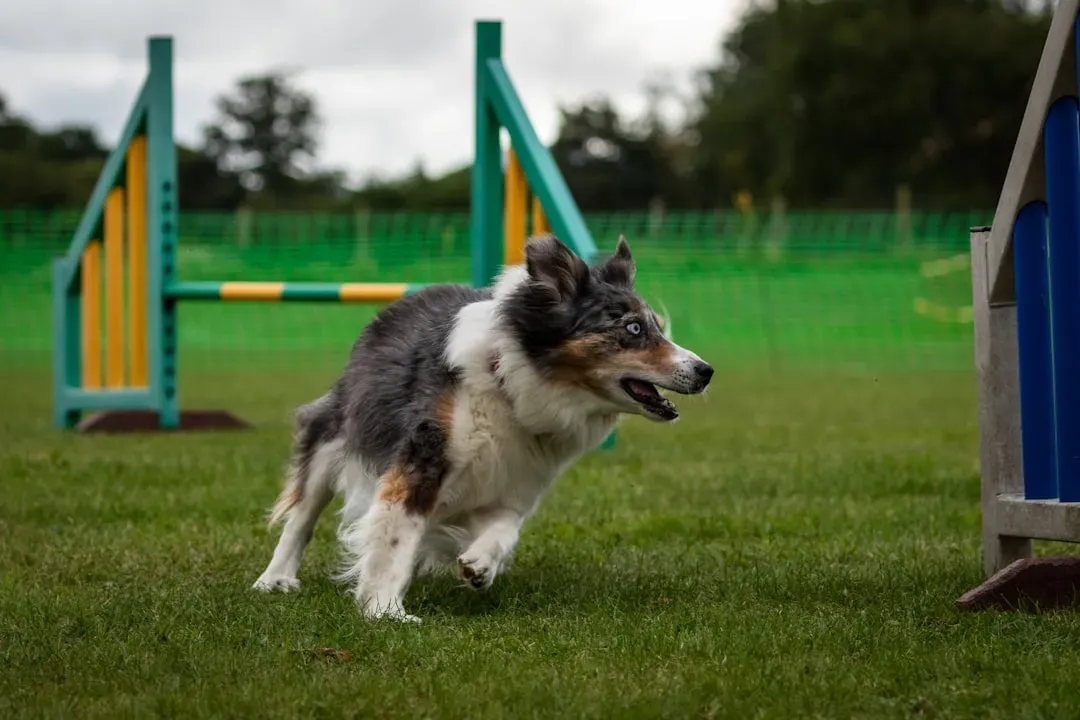
Creating an obstacle course is a fun way to challenge your dog’s agility and intelligence. You don’t need fancy agility equipment or a massive space. Your living room furniture is basically already a course waiting to happen.
Use household items like pillows, chairs, and boxes to create obstacles your dog can jump over, crawl under, or weave through. Teach your dog to navigate the course step by step, rewarding them for completing each section. Combine commands like “sit,” “stay,” and “come” to make the course more interactive.
As your dog navigates the course, they learn to overcome various challenges. This boosts their confidence and improves coordination. Start stupidly simple – one pillow to step over is enough to begin. Switch up the layout periodically to keep the experience fresh. The moment your dog clears a new obstacle for the first time, you’ll see that spark of pride in their eyes. Nothing like it.
A Happy Dog Is a Busy Dog
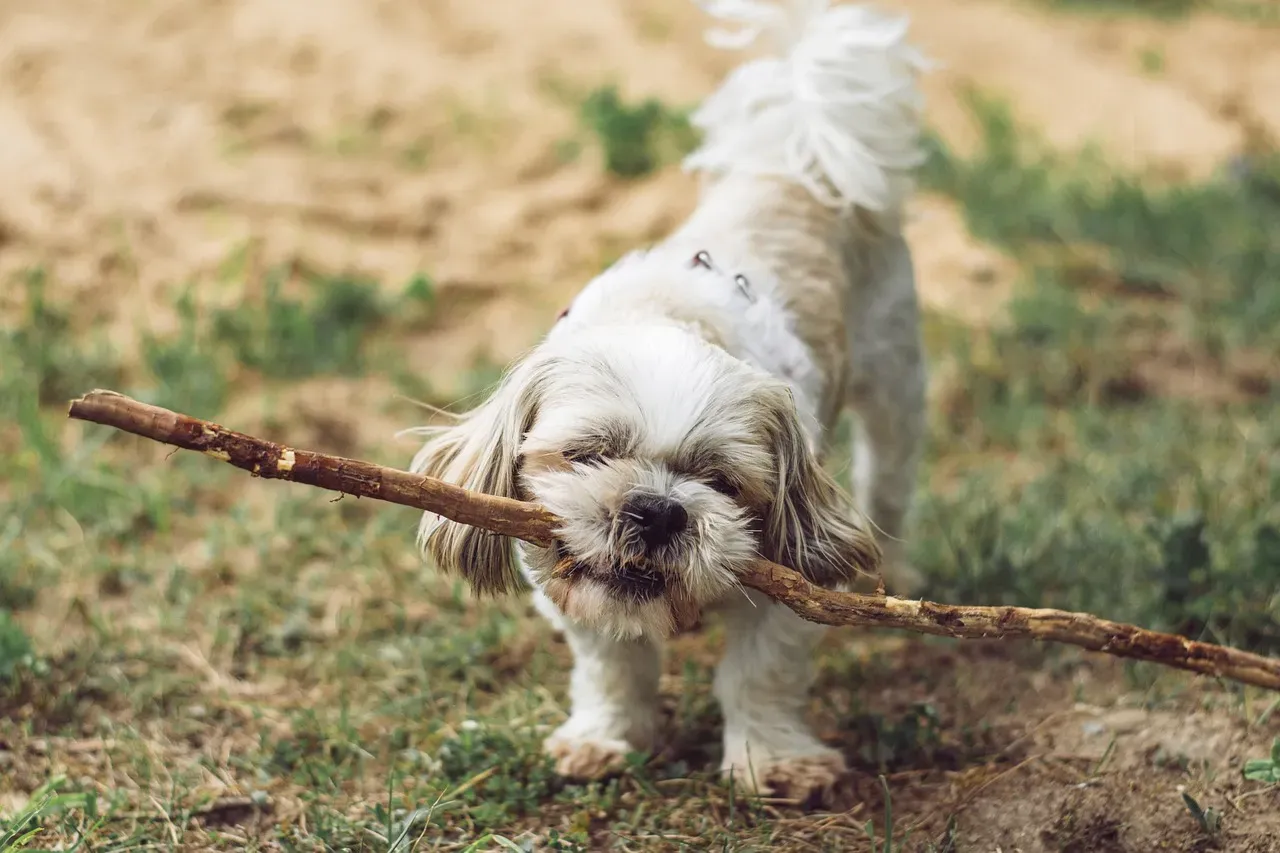
Here’s what it all comes down to. Dog mental stimulation goes beyond simple entertainment. It taps into your dog’s natural instincts to problem-solve, explore, and learn. The benefits are profound: reduced boredom, fewer behavioral issues, improved confidence, and even a slower cognitive decline as your dog ages.
You don’t need to do all seven games every single day. Pick one or two that feel natural and that your dog responds to, then build from there. Start with one or two activities and see what lights your dog up. The more you observe what they enjoy, the more you can fine-tune your enrichment routine.
Your dog is not asking for much. They want to use their nose, solve a small mystery, win a treat, and feel like they’ve done something meaningful alongside the person they love most. That’s you. And honestly, what could be more rewarding than that?
So the next time the rain is hammering the windows and your dog is giving you that look, you’ll know exactly what to do. Which game are you going to try first? Drop it in the comments – we’d love to hear how your pup gets on!


