You know that look your dog gives you when you pull into the parking lot at the vet’s office. That wide-eyed panic, the trembling, maybe even the refusal to budge from the car. It breaks your heart, doesn’t it? The truth is, vet visits don’t have to be a nightmare for either of you. With a few smart strategies and a little patience, you can transform those anxiety-filled trips into something far more manageable, maybe even pleasant. Let’s dive into some simple yet powerful hacks that can help your furry friend feel calmer, safer, and more at ease when it’s time for a checkup.
Start with Happy Visits, Not Just Sick Ones
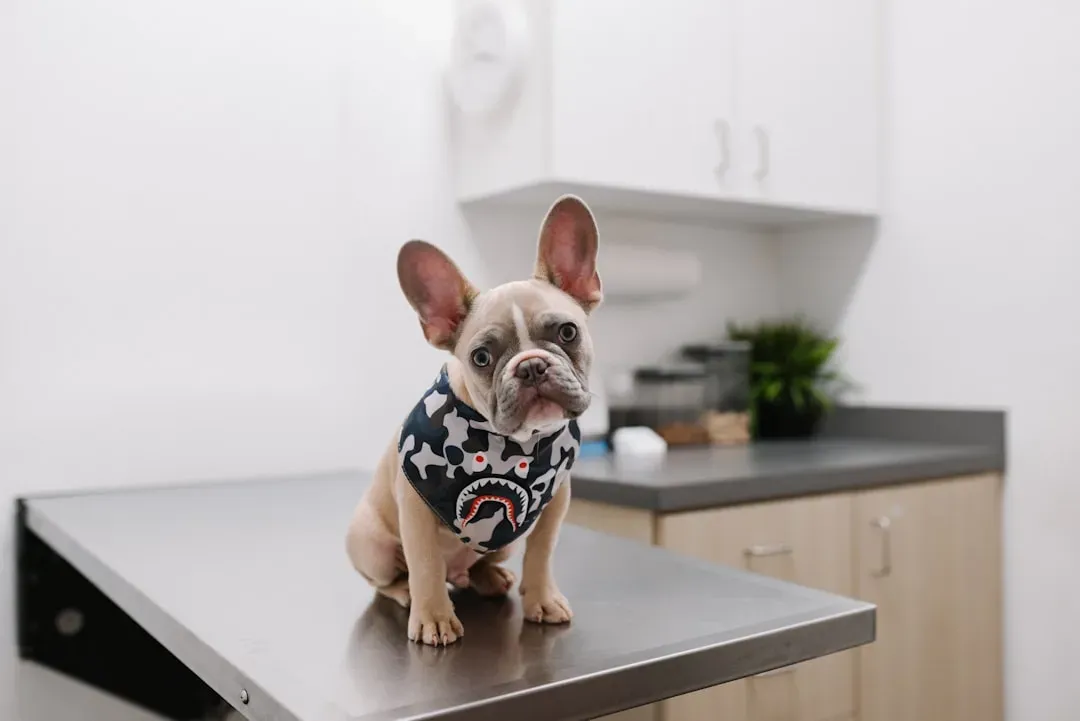
Here’s the thing about dogs: they’re incredibly good at making associations. If every single trip to the vet involves pokes, prods, and things that hurt, they’ll quickly learn that the clinic equals bad news. That’s why one of the smartest moves you can make is scheduling what I call “happy visits.” These are short, pressure-free trips where your dog simply walks into the lobby, gets greeted by the staff, receives some treats, and leaves.
Many dogs only see the vet for exams or when already feeling sick, so it doesn’t take long for them to develop a negative view of the office. Ask your vet if you can take your dog in just to say hi, have staff stroke your dog and feed treats, then sit in the lobby for a few minutes while feeding treats and letting your dog pair the food with the clinic’s sounds and smells. Repetition is key here. The more positive experiences your dog has at the clinic, the less frightening the actual appointments become.
Practice Mock Exams at Home
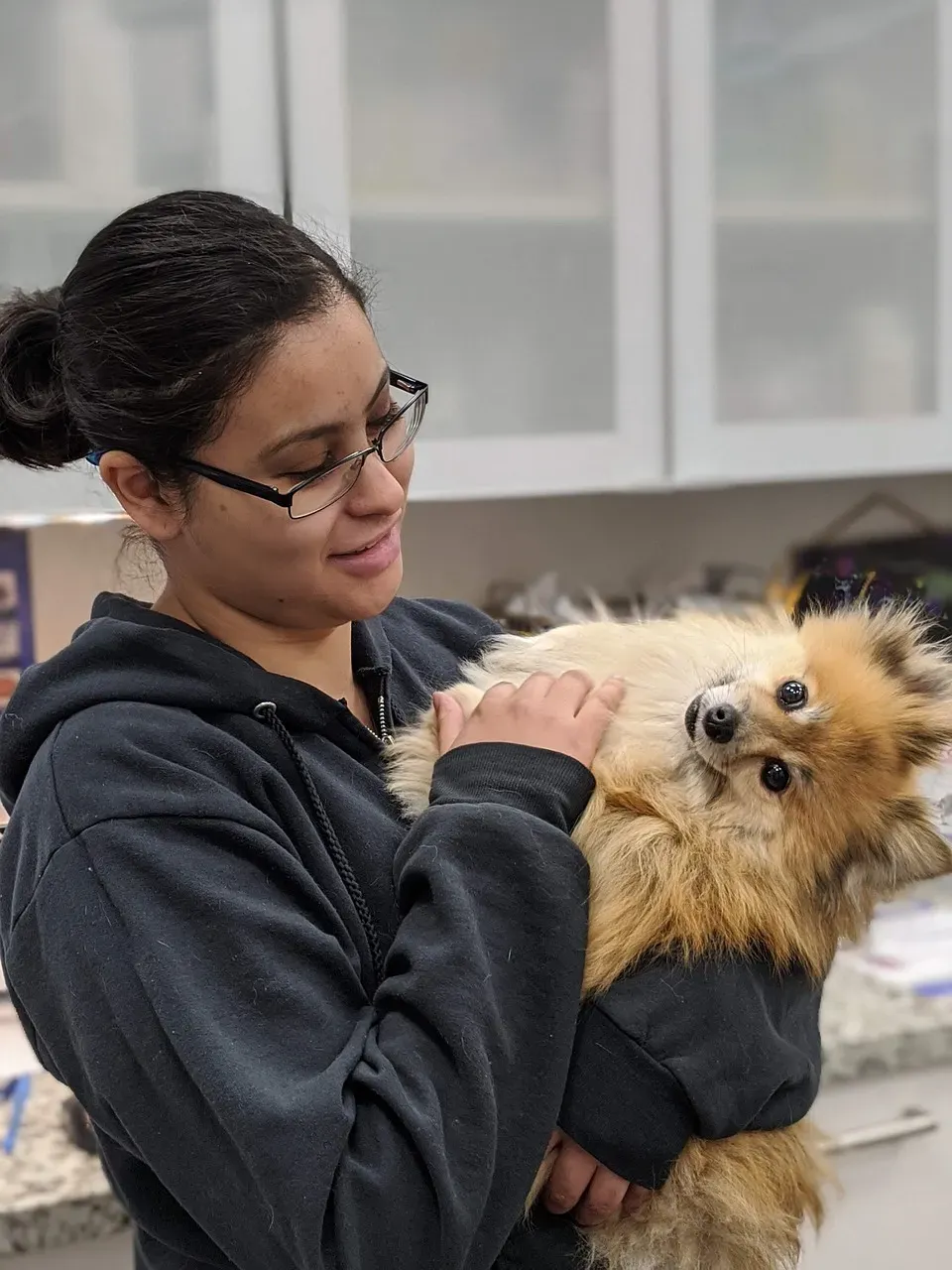
Think about what your dog experiences during a typical veterinary exam. Strangers touch their paws, look in their ears, open their mouth, press on their belly. None of this is normal in everyday life, which is exactly why it can feel so invasive and scary. The solution? Start mimicking these actions at home, gently and with lots of rewards.
General handling involves touching your pet’s feet and toes, looking inside the ears and opening the mouth – think about what your dog experiences during an examination and mimic that, devoting 5-15 minutes a day to general handling. Incorporate this into your daily routine. Touch their paws while you’re watching TV, peek into their ears before heading out the door. If your pet is used to having a daily exam, the real thing will be a walk in the park. You can even get family members and trusted friends involved to help your dog get comfortable with handling from different people.
Tire Them Out Before the Appointment
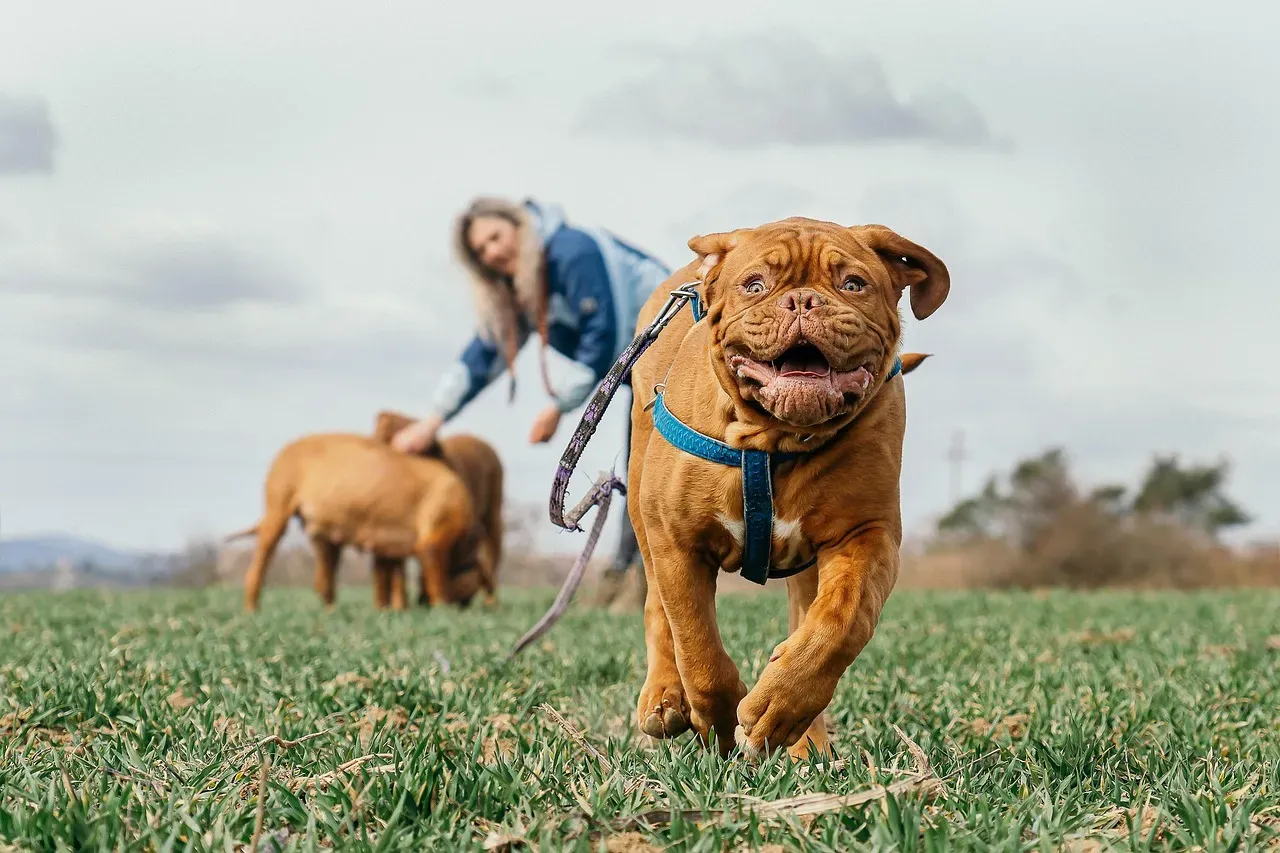
A tired dog is often a calmer dog. Physical activity can work wonders for reducing anxiety because it helps burn off that nervous energy that might otherwise manifest as stress at the vet. If possible, schedule some exercise before heading to the clinic.
When possible, schedule appointments so you can walk or exercise your dog prior to the appointment, as physical activity can help make dogs feel calmer and more relaxed. Even a brisk 20-minute walk or a game of fetch in the backyard can make a noticeable difference. Walking dogs outside the clinic before the appointment can help burn off excess energy and reduce stress. This hack is especially helpful for high-energy breeds or dogs that tend to get wound up easily.
Use Calming Pheromones

If you haven’t heard about pheromone products yet, you’re missing out on a genuinely helpful tool. Pheromones are natural chemicals released by animals that help members of the same species communicate, and pheromone diffusers, sprays, and other products mimic these chemicals to help keep pets calm and relaxed. Specifically, dog-appeasing pheromones replicate the comforting scent a mother dog releases to her puppies.
Pheromone sprays and other products can significantly reduce anxiety and stress during veterinary visits, as they release chemicals that mimic natural calming pheromones, helping to create a sense of security and calm. You can spray your dog’s carrier or blanket about ten minutes before you leave for the vet. Calming pheromone wipes or sprays are recommended when transporting pets or going on trips to the vet. These products are safe, drug-free, and won’t affect humans or other pets.
Keep Your Own Emotions in Check
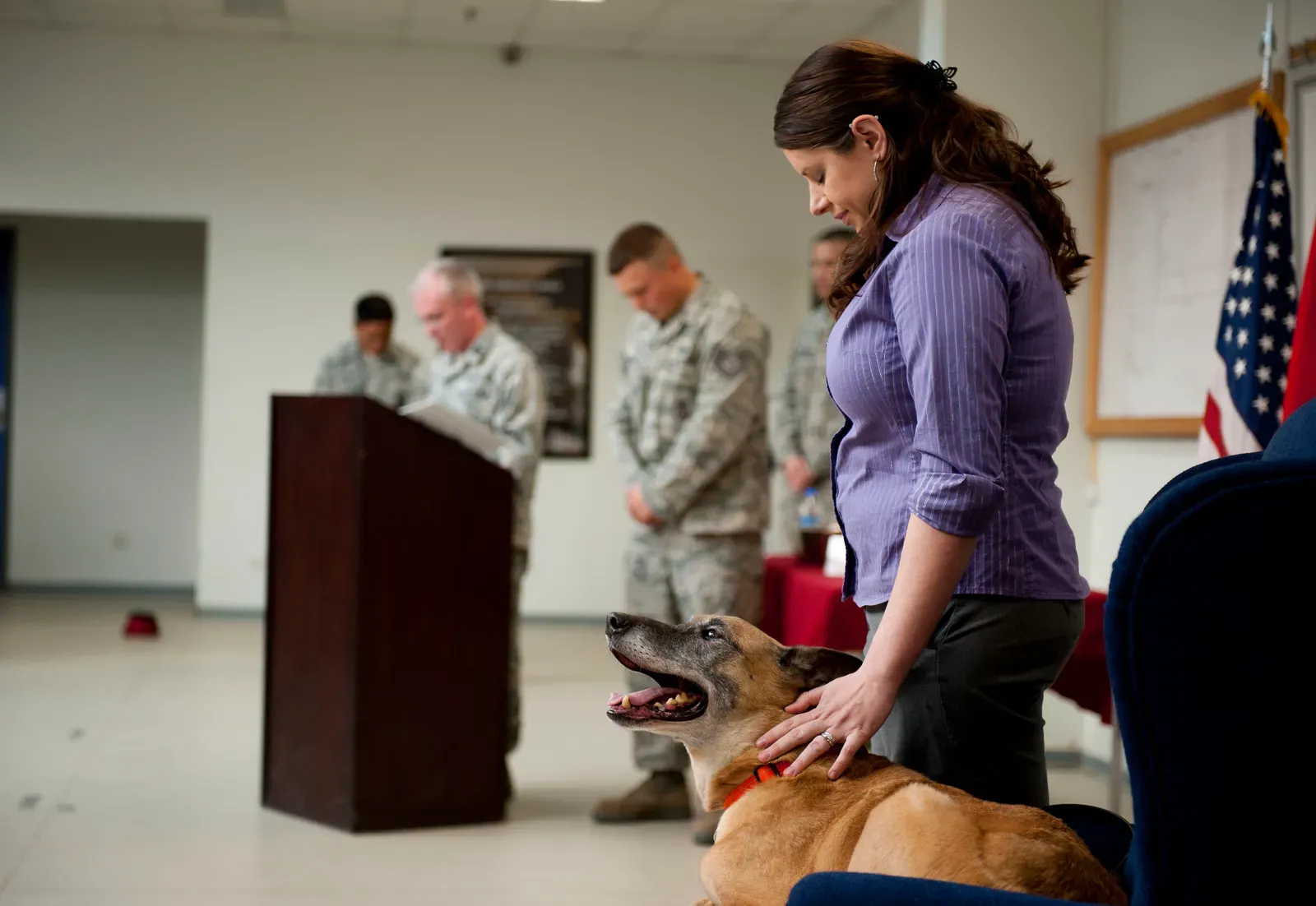
Dogs are masters at reading us. They pick up on the tiniest shifts in our body language, tone of voice, and energy. If you’re anxious or stressed about the vet visit, your dog will sense it immediately and mirror that anxiety right back at you.
Dogs are intuitive and can pick up on their owner’s stress and anxiety, so try to stay calm and confident before and during the visit – take deep breaths and move slowly. I know it’s easier said than done, especially if your dog has a history of difficult vet visits. Still, projecting a sense of calm confidence can genuinely help your dog feel safer. Think of yourself as their emotional anchor. Dogs are incredibly attuned to their owner’s emotions, and a nervous or anxious owner can inadvertently heighten a dog’s stress, so it’s important to project calmness and confidence.
Bring Comfort Items and High-Value Treats
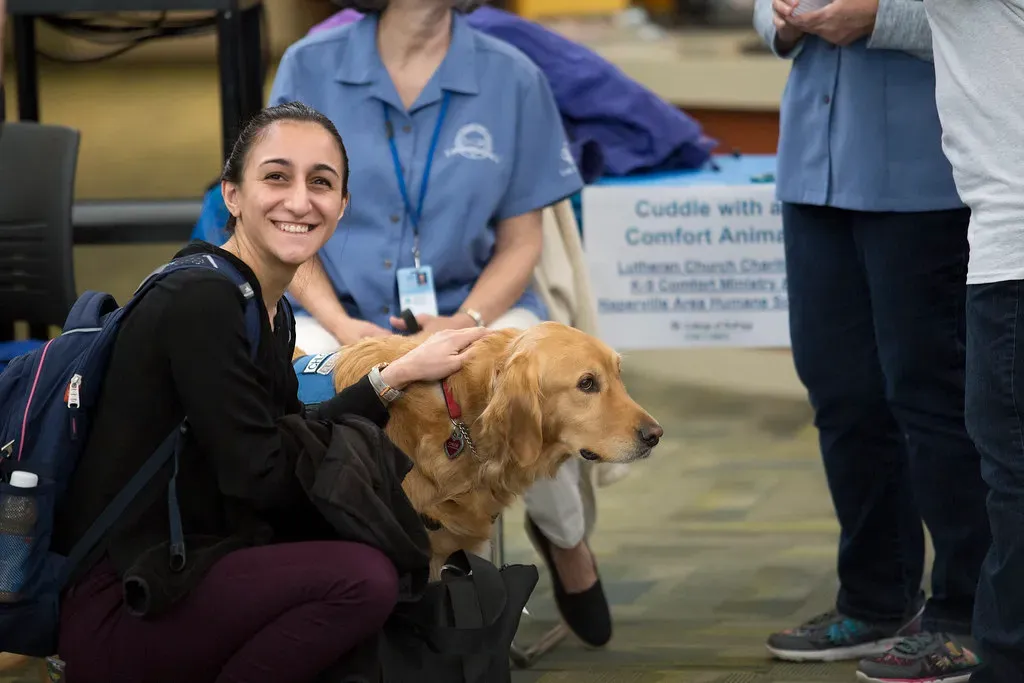
Familiarity can be incredibly soothing for an anxious dog. Bringing along your dog’s favorite blanket, toy, or even a piece of your worn clothing can provide a sense of security in an otherwise strange environment. Bringing a favorite blanket or toy can provide a sense of familiarity and comfort.
Equally important are treats – and not just any treats. We’re talking about the good stuff, the kind your dog would do backflips for. Opt for small, soft treats that can be broken into smaller pieces and given throughout the appointment, or bring a frozen treat dispenser filled with your dog’s favorite snacks for extra distraction, as enjoying tasty treats can help form a more positive association. Reward calm behavior throughout the visit. If your dog stops eating or refuses treats, it often indicates their stress levels are too high, which is a signal to slow down or take a break.
Gradual Desensitization Training
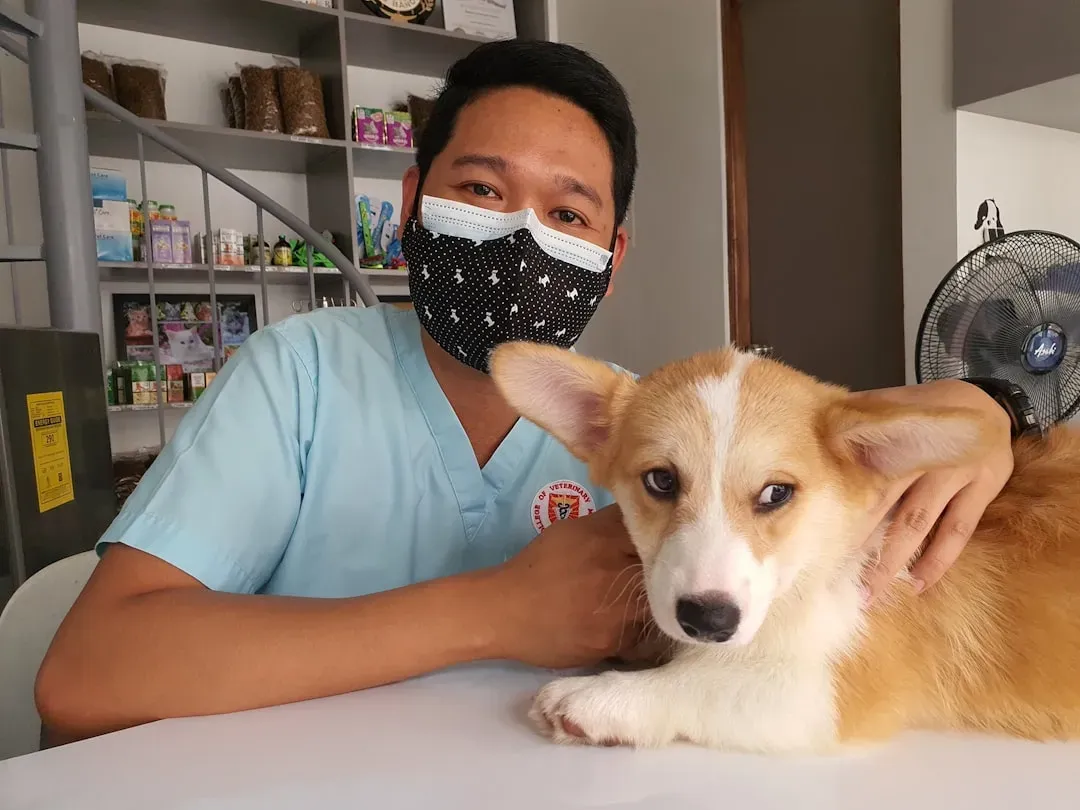
This one takes time, honestly, maybe even weeks or months, but it’s incredibly effective for dogs with serious vet-related fear. Gradually acclimating your pet to the veterinary clinic’s sights, sounds, and smells through desensitization – exposing your pet to the clinic environment in a controlled and positive manner – and pairing these experiences with treats or favorite toys can create positive associations through counter-conditioning.
Start by simply driving past the vet’s office, then progress to sitting in the parking lot, then walking near the entrance, and eventually entering the lobby. Gauge your pup’s threshold level as you approach or enter the office, backing up as soon as she starts showing signs of fear – you may need to start in the parking lot or front lobby, and in short 5- to 10-minute sessions, work your way inside. Fear scores for trained dogs lowered during the second examination, and a significant percentage of dog owners reported a reduction in their dog’s fear levels across the training period. The key is staying below your dog’s fear threshold and moving at their pace.
Conclusion
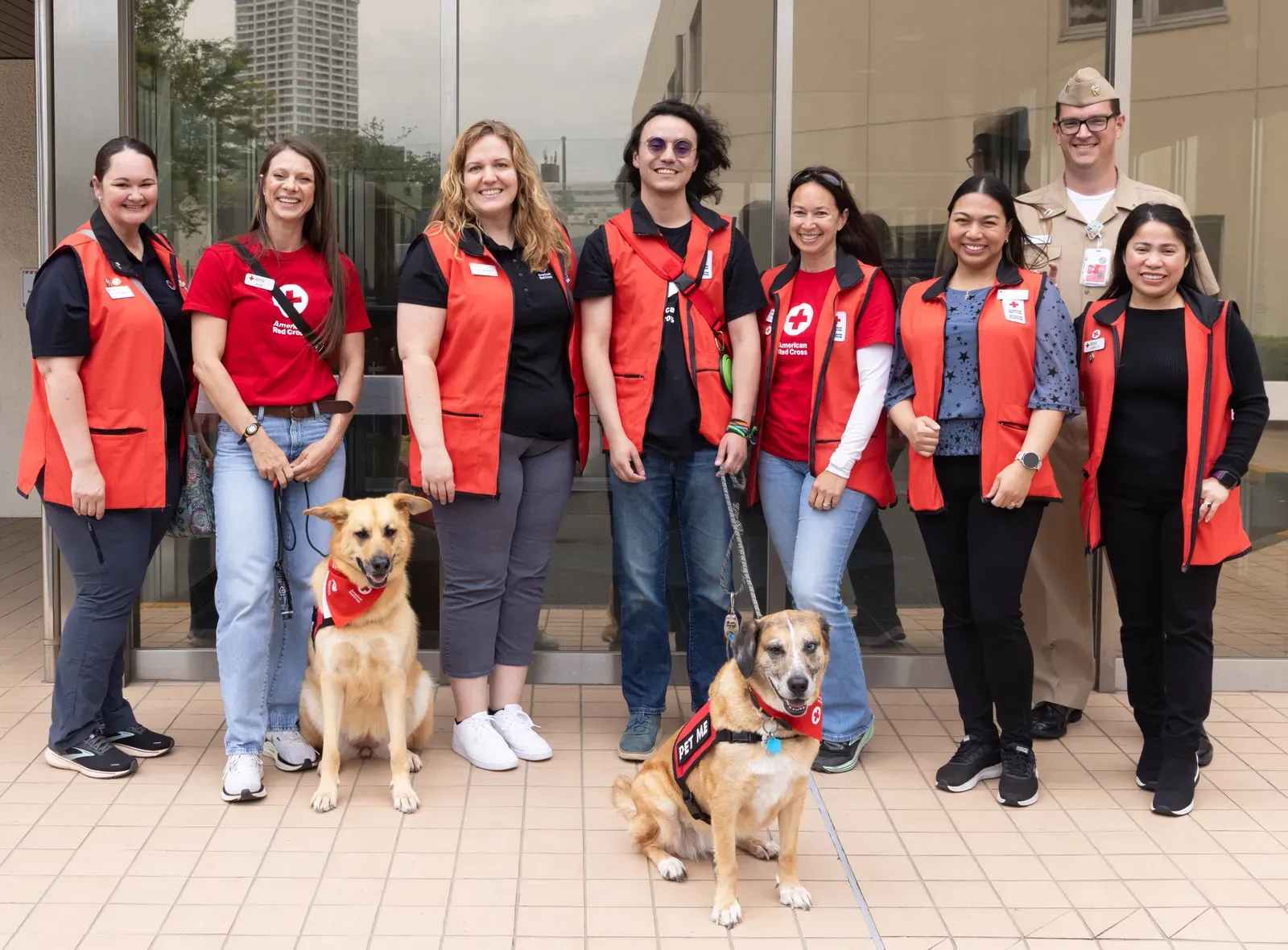
Vet visits will probably never be your dog’s favorite activity, let’s be real. Still, with these simple hacks, you can drastically reduce the stress and anxiety that often comes with them. From happy visits and mock exams at home to calming pheromones and gradual desensitization, each strategy gives your dog a better chance at feeling safe and secure.
Remember, every dog is different. What works beautifully for one might not work as well for another, so don’t be afraid to experiment and see what resonates with your furry friend. The effort you put in now will pay off in calmer appointments, better health outcomes, and a happier, more trusting relationship between you and your dog.
What’s worked for you when taking your dog to the vet? Have you tried any of these hacks, or do you have your own tricks up your sleeve? Share your experiences in the comments below.