
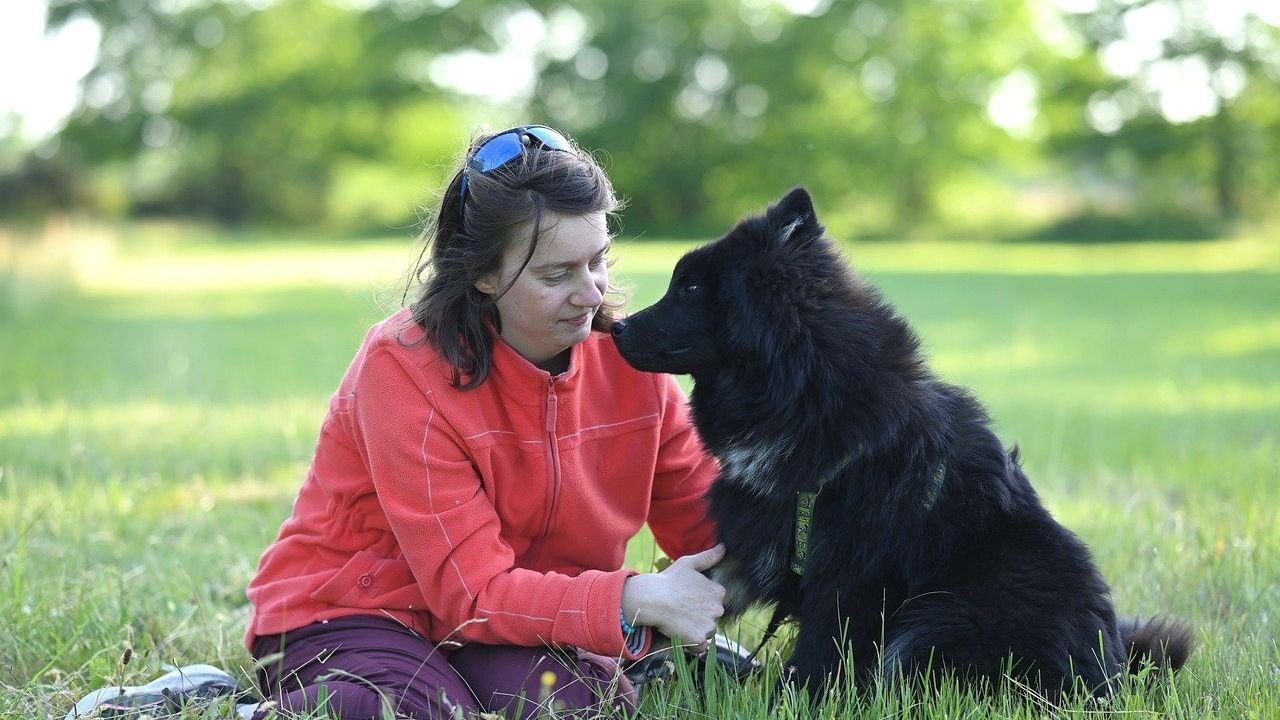
You know that feeling when your dog greets you at the door, tail spinning like a helicopter blade, pure joy radiating from every inch of their being? That’s the magic we’re chasing. But here’s the thing: keeping that spark alive takes more than just love and belly rubs. It takes intention, understanding, and a willingness to dig deeper into what our four-legged friends truly need.
Look, I get it. Life gets busy. Between work, family, and everything else competing for your attention, it’s easy to fall into autopilot mode with your pup. Same walk, same food bowl, same routine day after day. Your dog seems fine, right? Yet something might be missing. The reality is, dogs are incredibly good at hiding discomfort and masking boredom until it bubbles over into behavior we don’t understand. The good news? Small, thoughtful changes can transform not just your dog’s health, but their entire quality of life. Let’s explore seven straightforward steps that will help your canine companion thrive, not just survive.
Nourish Their Body With the Right Fuel
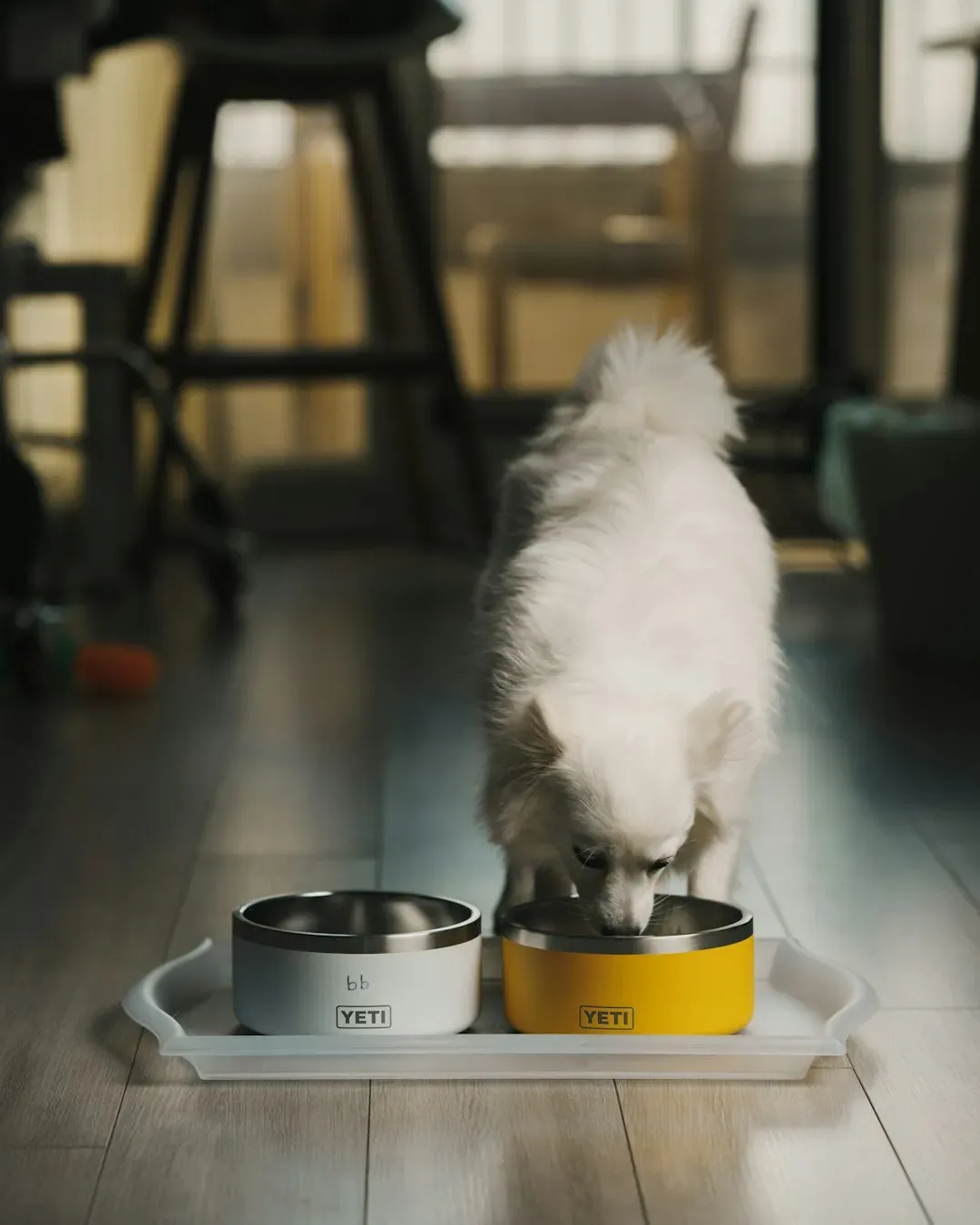
Think of your dog’s food as the foundation of everything else. Feeding your dog the appropriate amount of a well-balanced diet is vital to the maintenance of overall health and well-being, much like it is for us humans. Yet so many of us grab whatever bag looks appealing at the store without really understanding what’s inside.
Here’s what matters: Fresh food is more bioavailable, meaning your dog can absorb nutrients more efficiently, leading to better energy levels, improved digestion, and shinier coats. Your dog’s nutritional needs shift throughout their life. Puppies need more calories and protein to fuel their rapid growth, while senior dogs benefit from lower calorie content to prevent weight gain as their metabolism slows.
Many veterinary nutritionists recommend limiting your dog’s calories from treats to 10% of their total diet, especially if you’re working on weight management. Those pizza crusts and burger bites you slip under the table? They add up faster than you think. Instead, use low-calorie options like carrots or snap peas when you want to spoil your pup. Remember, a healthy weight isn’t about deprivation. It’s about longevity and keeping your dog comfortable in their own body for as many years as possible.
Move That Body Daily
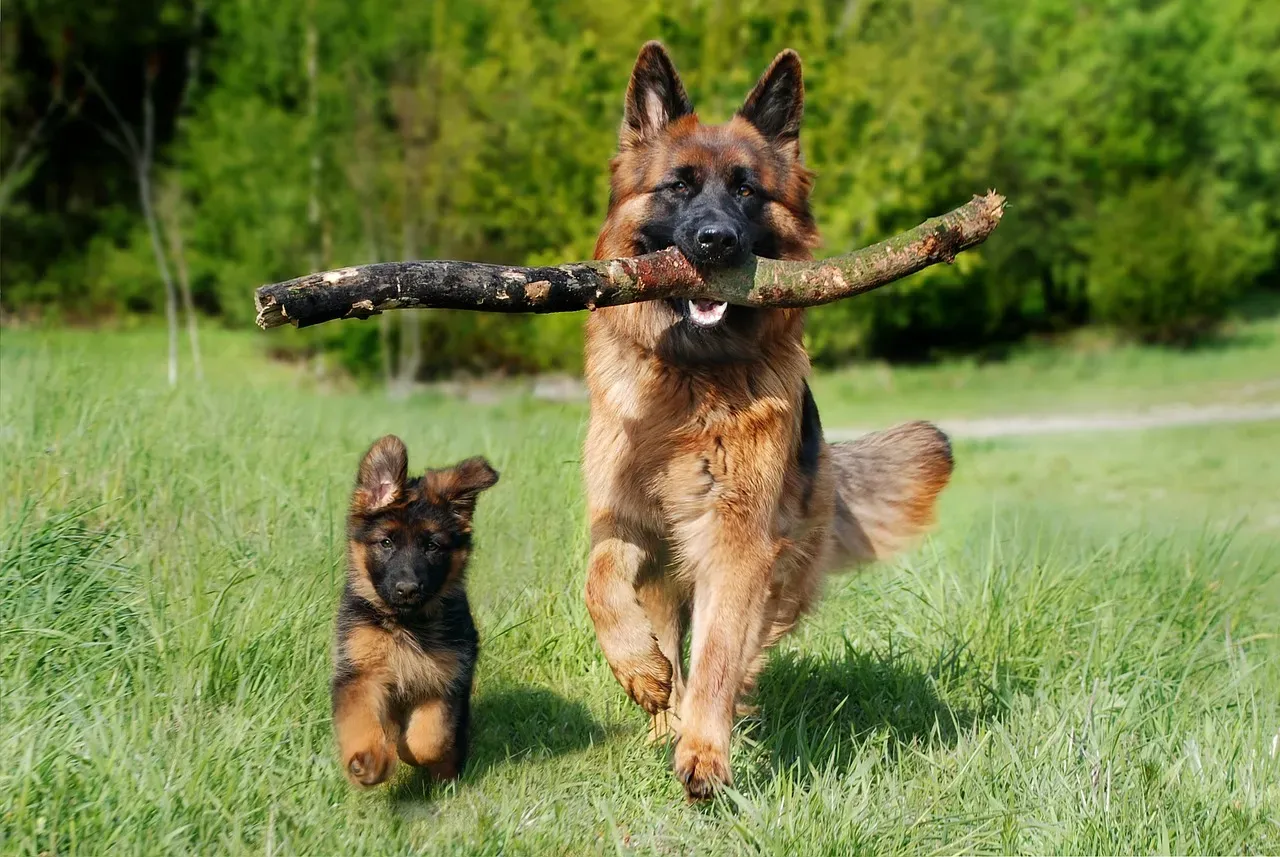
Dogs need at least 30 minutes to 2 hours of exercise daily, depending on the breed. Yet exercise isn’t just about burning calories or tiring them out so they don’t chew your couch. It’s about giving your dog a sense of purpose, an outlet for their natural instincts, and a way to explore their world.
Regular activity can prevent obesity and behavioral problems like anxiety. I’ve seen it countless times: a dog who seemed “hyperactive” or “destructive” becomes calm and content once they get adequate physical exercise. The type of activity matters too. A leisurely stroll around the block might work for a senior Chihuahua, but a young Border Collie needs something more challenging.
Mix things up. Try fetch in the park, a hike on a new trail, or even swimming if your dog enjoys water. Activities like fetch, agility training, or swimming can provide excellent outlets for high-energy breeds, while senior dogs may benefit from gentle walks or low-impact exercises to maintain joint mobility. The key is consistency. Your dog’s body craves regular movement, and honestly, so does yours.
Challenge Their Mind, Not Just Their Legs
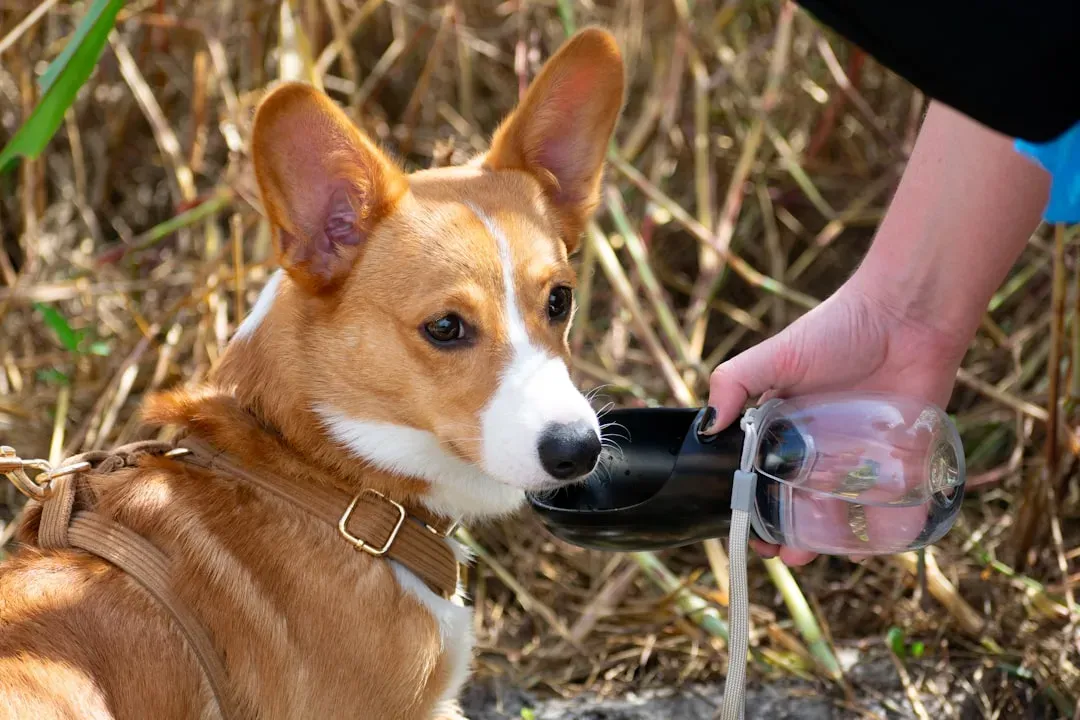
Mental stimulation is as important as physical activity for your pet’s well-being. This is where so many well-meaning dog owners miss the mark. You can walk your dog for hours, but if their brain isn’t engaged, they’ll still feel restless and unfulfilled.
It’s much more demanding for a dog to work mentally than physically, with 15 minutes of mental training equivalent to about an hour of walking. Let that sink in. A simple puzzle toy or training session can tire your dog out more effectively than a long walk. Sniffing has been shown to not only decrease a dog’s heart rate (decreasing their stress), but it also releases dopamine, the “happy” brain chemical.
Try scatter feeding, where you hide portions of their food around the house or yard for them to sniff out. Teach them new tricks. Rotate their toys weekly so they feel fresh and exciting. Dogs that are engaged and have ‘jobs’ tend to be healthier and happier, just like people who stay busy with activities they enjoy. Your dog’s brain needs a workout just as much as their body does.
Never Skip the Vet Visit
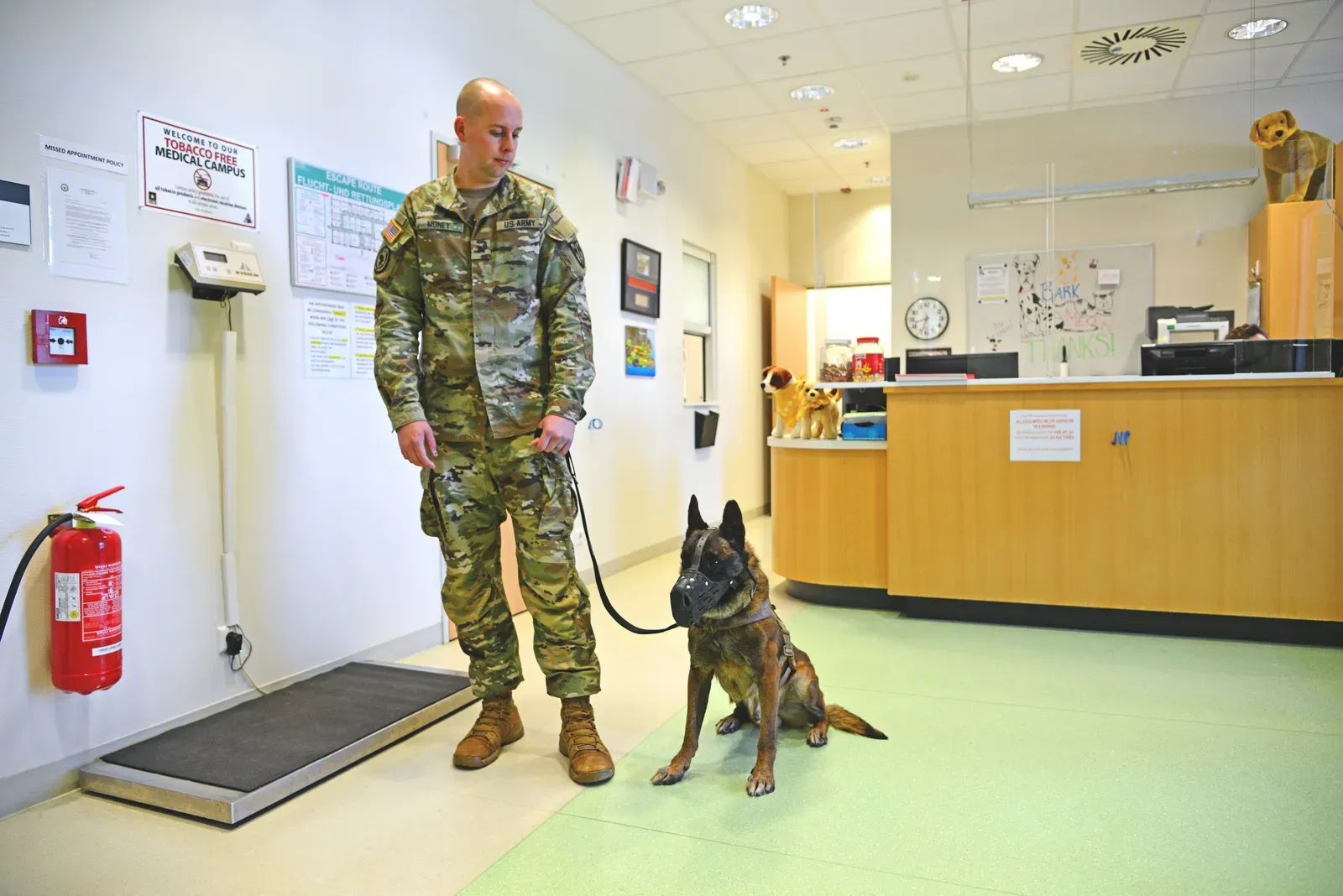
Let’s be real: nobody enjoys going to the doctor, and your dog probably doesn’t either. Yet an annual veterinary exam is equivalent to a human visiting the doctor every four to five years, and dogs’ rapid aging process makes preventive health care even more important. That puts things in perspective, doesn’t it?
By bringing your dog in to see their veterinarian, even when they appear to be perfectly healthy, you are allowing the vet to monitor your pet’s health and check for early signs of health problems, with conditions often most effectively treated in the early stages. Dogs are masters at hiding pain and illness. It’s an evolutionary survival instinct. They won’t complain about that achy joint or that slight change in their digestion until it becomes unbearable.
For the average adult dog, annual wellness examinations are the norm, while for middle-aged, senior, and geriatric dogs, twice-yearly examinations are recommended. Think of these visits as an insurance policy against bigger problems down the road. Regular checkups allow your vet to catch issues early when they’re easier and less expensive to treat. It’s not an unnecessary expense. It’s an investment in more quality years with your best friend.
Protect Them From Invisible Threats

Parasites might not be pleasant dinner conversation, but they’re a reality every dog owner needs to face. Dogs should be given medication to prevent heartworms all year long in endemic areas, with many heartworm medications also preventing or treating intestinal parasites, and some treating fleas and ticks. These aren’t optional luxuries.
Heartworm disease can be fatal, and treatment is difficult, expensive, and hard on your dog’s body. Prevention is straightforward: a monthly medication that often covers multiple parasites at once. Fleas and ticks aren’t just annoying; they can transmit serious diseases to both your dog and your family members.
Don’t forget about intestinal parasites either. In puppies, monthly fecal examinations are extremely important since many puppies have intestinal parasites. Even adult dogs can pick up parasites from sniffing contaminated soil or interacting with other animals. A simple fecal test at your vet visit can detect these before they cause problems. Protection from these invisible threats is one of the easiest ways to keep your dog healthy, yet it’s often overlooked or delayed.
Keep Those Teeth Sparkling

Here’s something that might surprise you: research data has shown a link between dental disease and other common health problems such as heart, liver, lung, and kidney disease. Your dog’s mouth isn’t just about bad breath. It’s a gateway to their overall health, and ignoring it can have serious consequences.
Dogs may need their teeth cleaned every one to two years, and regular dental assessments and treatments will keep your dog’s oral health in good condition. Professional cleanings are important, but what you do at home matters just as much. Brushing your dog’s teeth might feel awkward at first, but most dogs can learn to tolerate it with patience and positive reinforcement.
Dental chews and special toys can help reduce plaque buildup between cleanings. Watch for signs of dental problems: excessive drooling, difficulty eating, pawing at their mouth, or visibly inflamed gums. Dental disease is progressive, meaning it gets worse over time if left untreated. The earlier you address it, the better chance your dog has of avoiding pain and more serious health complications. Honestly, a few minutes of teeth brushing each week is a small price to pay for your dog’s comfort and longevity.
Build a Bond Through Quality Time
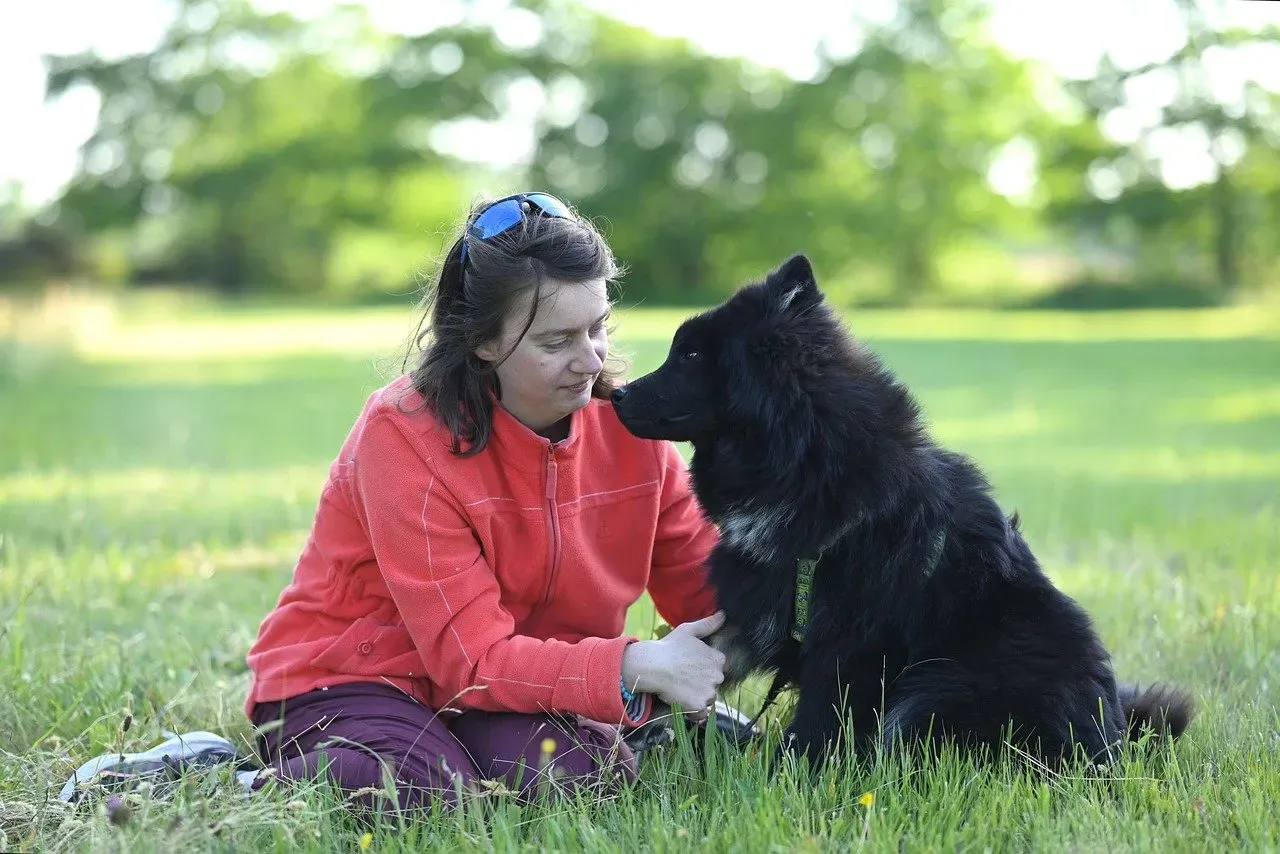
Mental stimulation fosters a deeper bond between dogs and their owners, with engaging activities like playing interactive games or teaching fun tricks strengthening your relationship, building trust and understanding. This isn’t just about going through the motions of care. It’s about truly connecting with your dog.
Put away your phone during walks. Let your dog set the pace sometimes. Notice what excites them, what frightens them, what makes their tail wag hardest. Play games together. Train new behaviors not because you need a perfectly obedient dog, but because the process of learning together creates an incredible bond.
Dogs are social creatures who thrive on interaction with their people. Many dogs enjoy socializing with other members of their own species, with safe playdates allowing your pet to burn energy and learn or practice appropriate canine manners. Yet nothing replaces the connection between you and your dog. That relationship is what makes all the other steps matter. When your dog feels seen, understood, and valued, their happiness radiates outward. They become more confident, less anxious, and more engaged with the world around them.
Conclusion

Creating a happier, healthier life for your dog doesn’t require perfection or an unlimited budget. It requires awareness, consistency, and a genuine commitment to understanding what your individual dog needs to thrive. Some days you’ll nail it, and some days life will get in the way. That’s okay. What matters is that you keep showing up and making intentional choices that support your dog’s wellbeing.
These seven steps work together like pieces of a puzzle. Good nutrition fuels their body for exercise. Exercise reduces anxiety and improves sleep. Mental stimulation prevents boredom and destructive behavior. Regular vet visits catch problems early. Parasite prevention protects their health. Dental care prevents pain and disease. Quality time strengthens your bond and makes everything else more meaningful. When you weave all these elements together, you create a life where your dog doesn’t just exist. They flourish.
Your dog gives you their whole heart, their unwavering loyalty, and their best years. They deserve your best effort in return. What small change will you make today to give your canine companion the life they deserve?


