
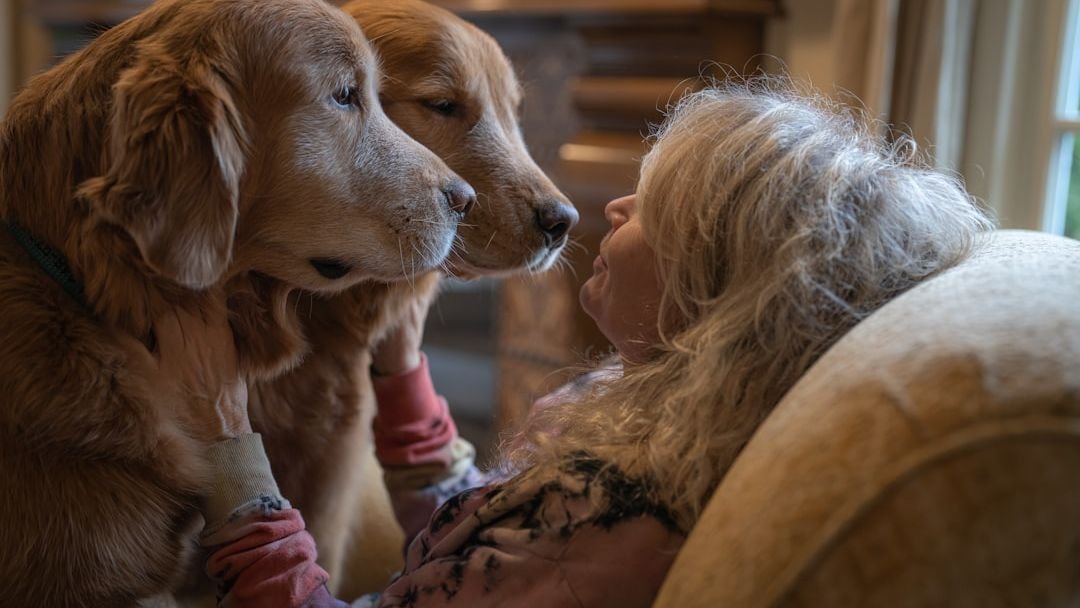
Have you noticed your faithful companion slowing down a bit lately? Maybe they’re taking longer to get up from their favorite napping spot, or that enthusiastic tail wag seems just a tad less energetic than it used to be. Welcome to the golden years. Here’s the thing: watching our dogs age can be emotional, even bittersweet. Yet these years can also be some of the most rewarding times you’ll share together. Your senior dog still has so much love to give, and with a few thoughtful adjustments to their care, you can help ensure these years are filled with comfort, joy, and plenty of those tail wags we all cherish. Let’s dive into how you can make every day brighter for your aging best friend.
Regular Vet Visits Become Your Best Defense
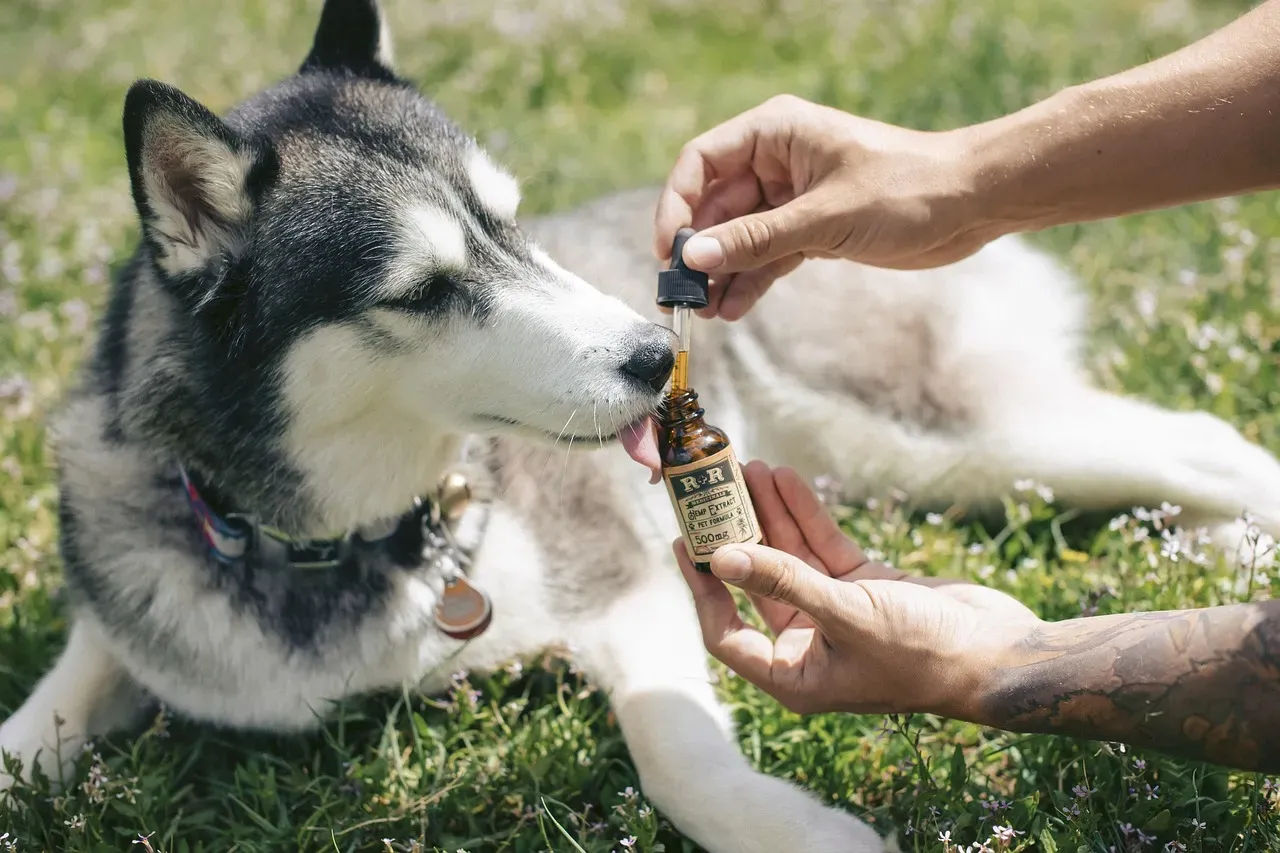
When your dog enters their senior years, those annual vet checkups just won’t cut it anymore. Most veterinarians recommend wellness exams every six months for healthy senior pets, and honestly, this is one change that can make all the difference.
During these visits, your vet can catch early warning signs you might miss at home. Twice-yearly vet visits with senior panel bloodwork can help catch issues early. Think of it like preventive maintenance for your car, except infinitely more important because we’re talking about your beloved companion.
These checkups typically include a physical exam, complete blood count, chemistry panel, and urinalysis. Your vet will monitor things like kidney function, liver health, and thyroid levels. They’ll also check your dog’s teeth, eyes, heart, and joints for any changes that need attention.
Let’s be real: nobody enjoys vet visits, least of all your dog. Yet staying ahead of potential problems means your pup can enjoy more comfortable, active years ahead.
Adjust Their Diet for Changing Nutritional Needs
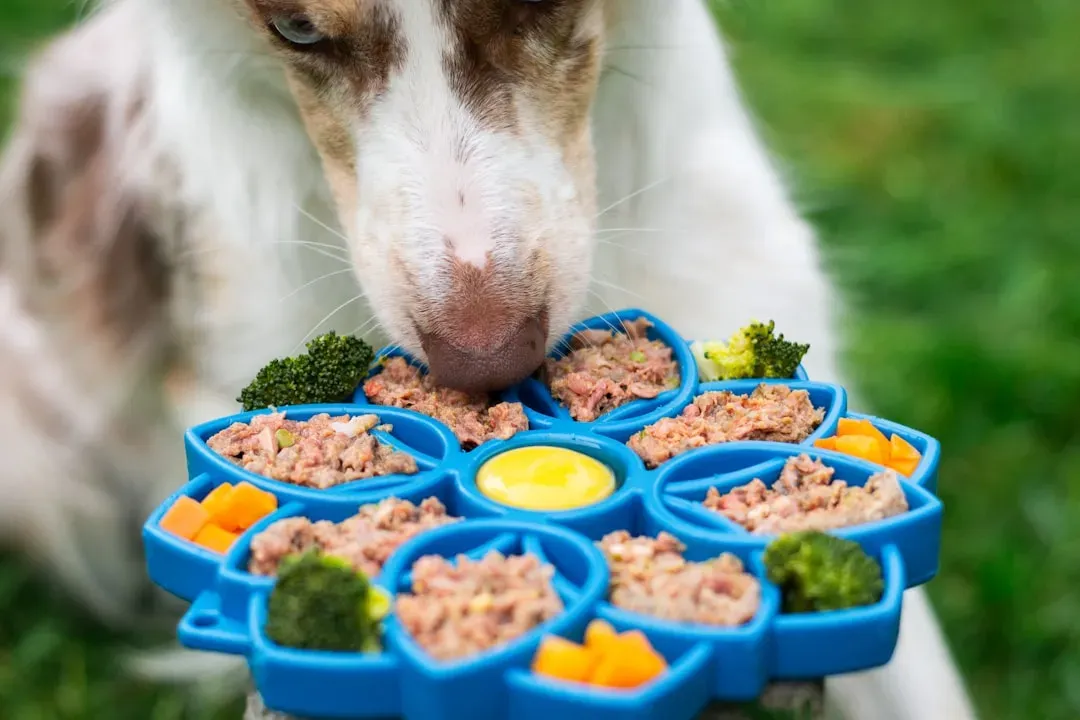
When a dog ages, their metabolism typically slows down, which makes weight management one of the most important aspects of maintaining their health. Your dog’s body isn’t burning calories the way it used to, which means sticking with their regular adult food could lead to unwanted weight gain.
Senior dogs need something different now. A healthy senior dog requires higher quality protein levels in his food than a younger adult dog. They also benefit from products that contain high-quality protein, and optimal levels of vitamins, antioxidants, natural prebiotic fibers, omega-3 fatty acids, and glucosamine.
I think one of the most overlooked aspects of senior nutrition is joint support. Adding ingredients like glucosamine and chondroitin can work wonders. Glucosamine, chondroitin, and green-lipped mussel may help protect cartilage in the joints, and could help dogs suffering from osteoarthritis return to normal functioning.
Talk to your vet about whether your dog needs a senior-specific formula. Every dog is unique, and what works for one might not work for another.
Keep Them Moving with Gentle, Regular Exercise
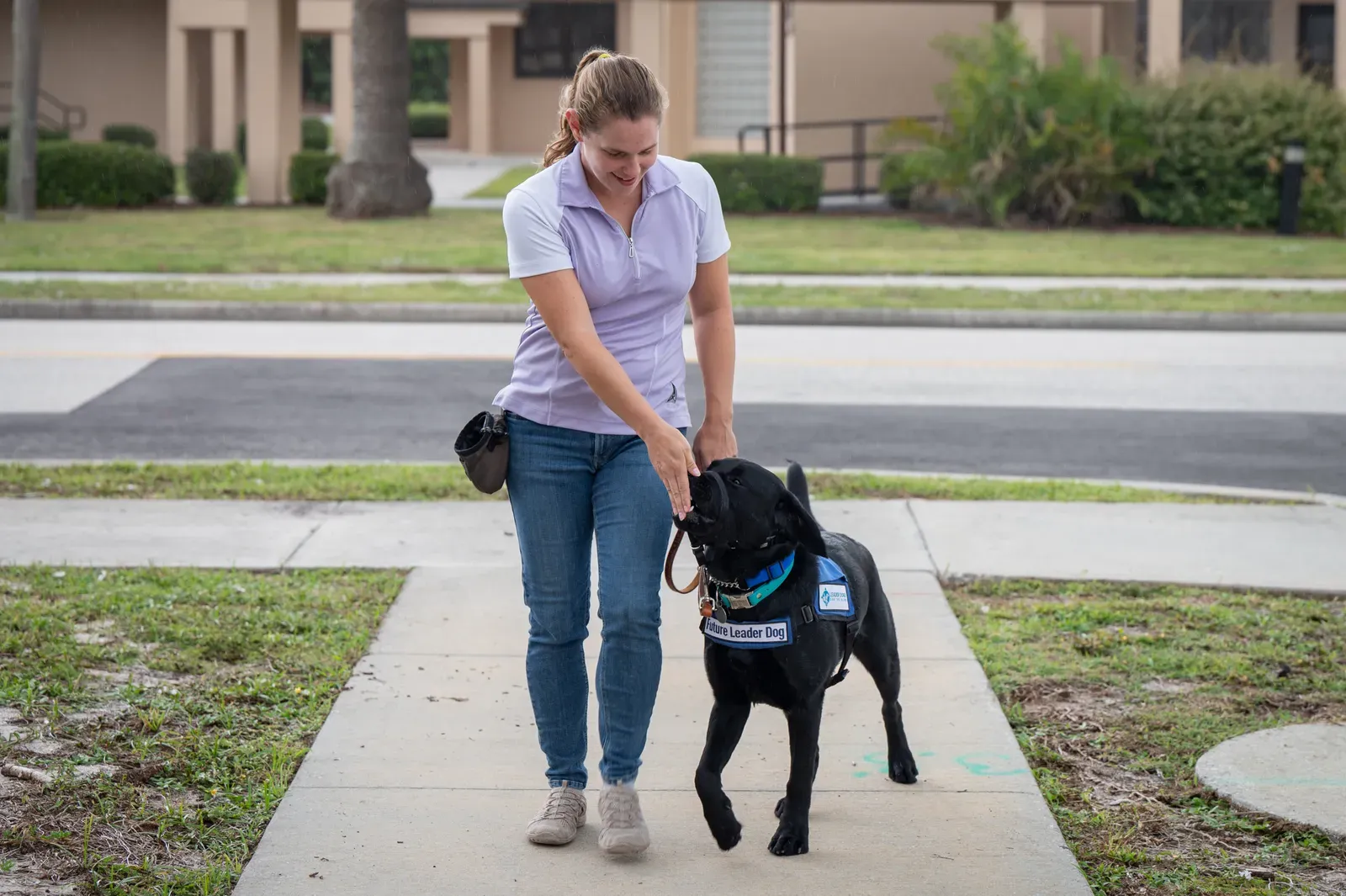
Your senior dog might not chase squirrels with the same reckless abandon anymore, but that doesn’t mean they should become couch potatoes. It’s generally recommended that senior dogs get at least 30 to 60 minutes of exercise daily, though the intensity needs adjusting.
Gentle walks, short play sessions, and low-impact activities like swimming can keep them active without straining their joints. Swimming is particularly brilliant for dogs with arthritis because the water provides resistance while supporting their body weight.
Here’s something I’ve learned: those walks aren’t just about physical exercise anymore. Think of your walks as “sniffathons”. Let your dog take their time exploring new smells and investigating every interesting scent along the way. This mental stimulation is incredibly valuable for keeping their brain sharp.
Watch for signs that your dog is overdoing it. If they’re panting excessively, limping, or showing reluctance to continue, it’s time to dial it back.
Stimulate Their Mind to Fight Cognitive Decline
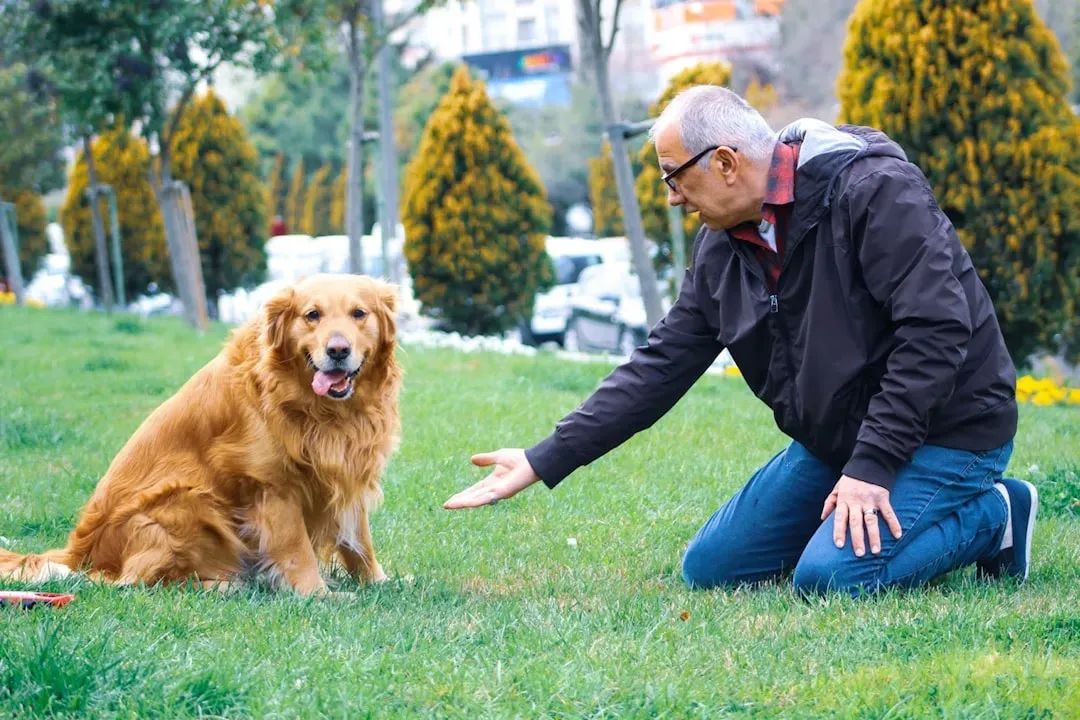
Did you know that 28% of 11-12 year old dogs, 48% of 14 year old dogs, and 68% of 16 year old dogs will show at least one marker of canine cognitive dysfunction? Those numbers are honestly pretty sobering. The good news is that mental enrichment can help delay these changes.
Puzzle toys and games help provide mental stimulation as dogs work to solve the puzzle to find and earn treats hidden inside, and some of these puzzles also provide physical activity. Food puzzles are especially great because they tap into your dog’s natural foraging instincts.
Old dogs can learn new tricks, though you should stick to simple tricks and always consider your dog’s current physical status. Teaching your senior dog to ring a bell when they want to go outside or to identify different toys by name keeps those neurons firing.
Scent work is another fantastic option. Scent work is easy to train and practice at home, and can be mentally and physically exhausting. Hide treats around the house and let your dog use their incredible nose to find them.
Make Your Home More Comfortable and Accessible
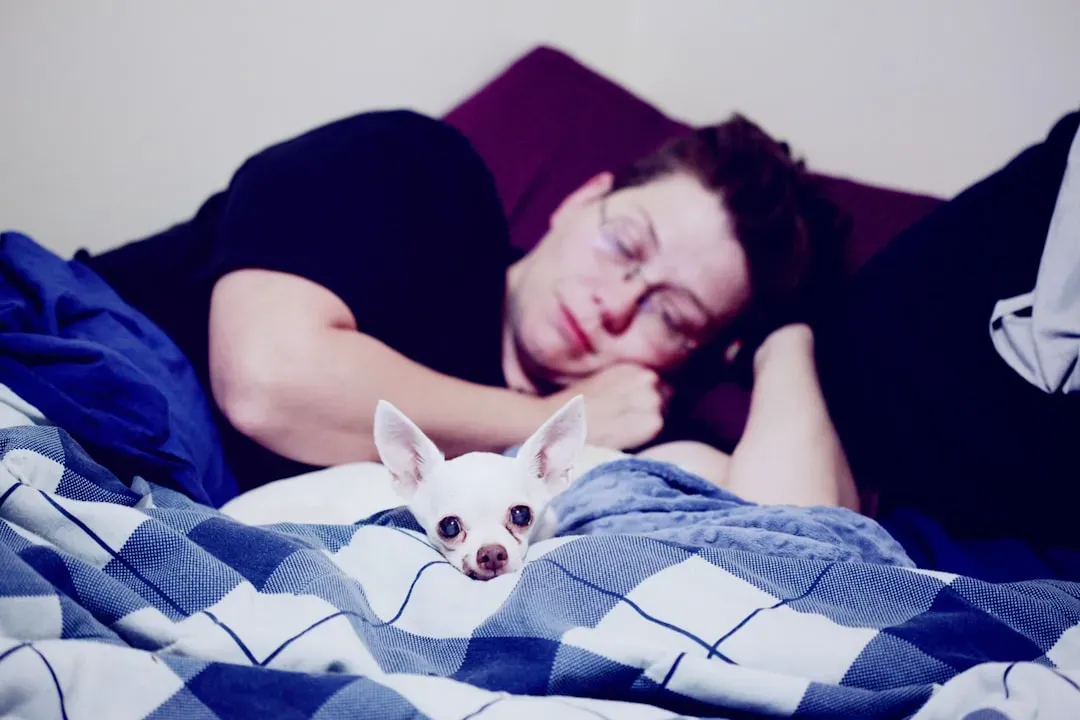
As joints stiffen and mobility decreases, navigating the home can become challenging for senior dogs. Small changes can make a huge difference in their daily comfort and confidence.
Start with their sleeping area. Orthopedic beds reduce pressure on joints, and honestly, your senior dog deserves a supportive, cozy place to rest those aging bones. Consider placing beds in multiple locations so they don’t have to travel far to find a comfortable spot.
If your dog struggles with stairs or getting onto furniture, pet ramps or steps are game changers. Use pet ramps or stairs to help prevent strain on hips and knees. You can find affordable options that fold up when not in use.
Think about flooring too. Slippery surfaces like hardwood or tile can be treacherous for dogs with joint issues. Adding non-slip rugs or yoga mats in high-traffic areas gives your dog better traction and confidence when moving around.
Stay Alert to Behavioral and Health Changes
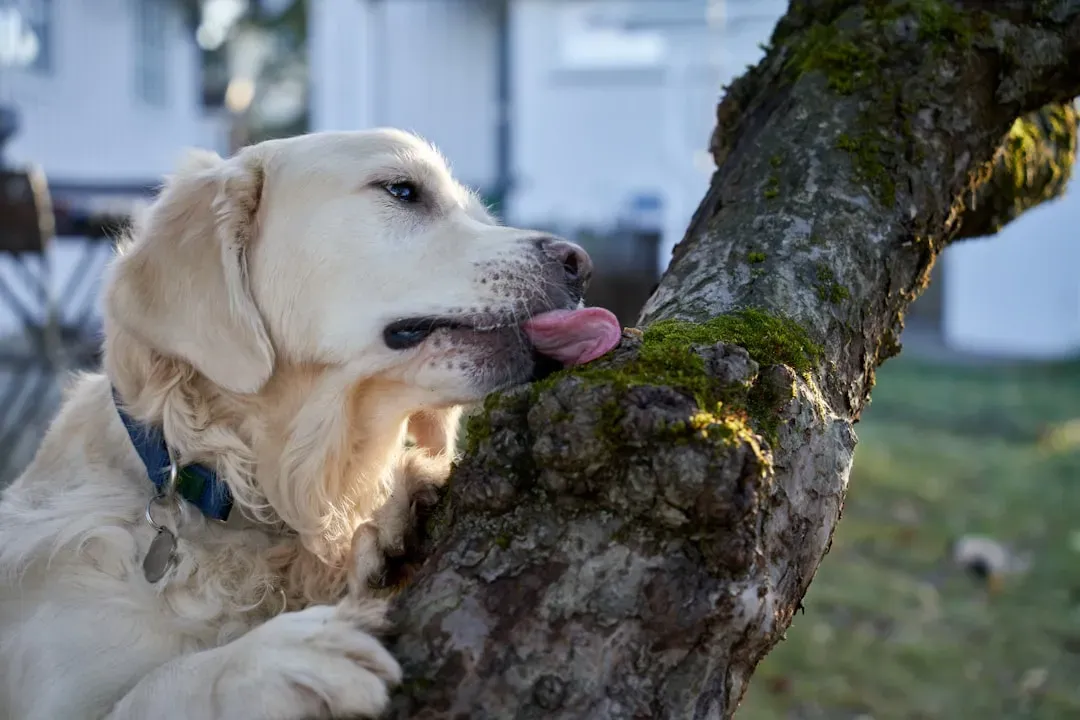
You know your dog better than anyone, and that makes you the first line of defense in spotting health problems. Some signs to watch for include hesitation to jump on the couch or take stairs, slower walks, stiffness after rest, limping, reluctance to be touched, or muscle loss.
Decreased appetite, slowness to rise from a sitting or lying position, sitting or lying in new positions, and hesitancy to jump or use the stairs can all signal pain or discomfort. Dogs are masters at hiding pain, so these subtle changes matter.
Cognitive changes deserve attention too. As dogs age, they may experience anxiety, confusion, or changes in temperament. If your once-housetrained dog starts having accidents or seems disoriented in familiar places, it’s time to consult your vet.
Keep a journal if you notice changes. Documenting when symptoms occur and their severity helps your vet make better treatment decisions. Sometimes patterns emerge that you might not otherwise notice.
Shower Them with Love and Patience
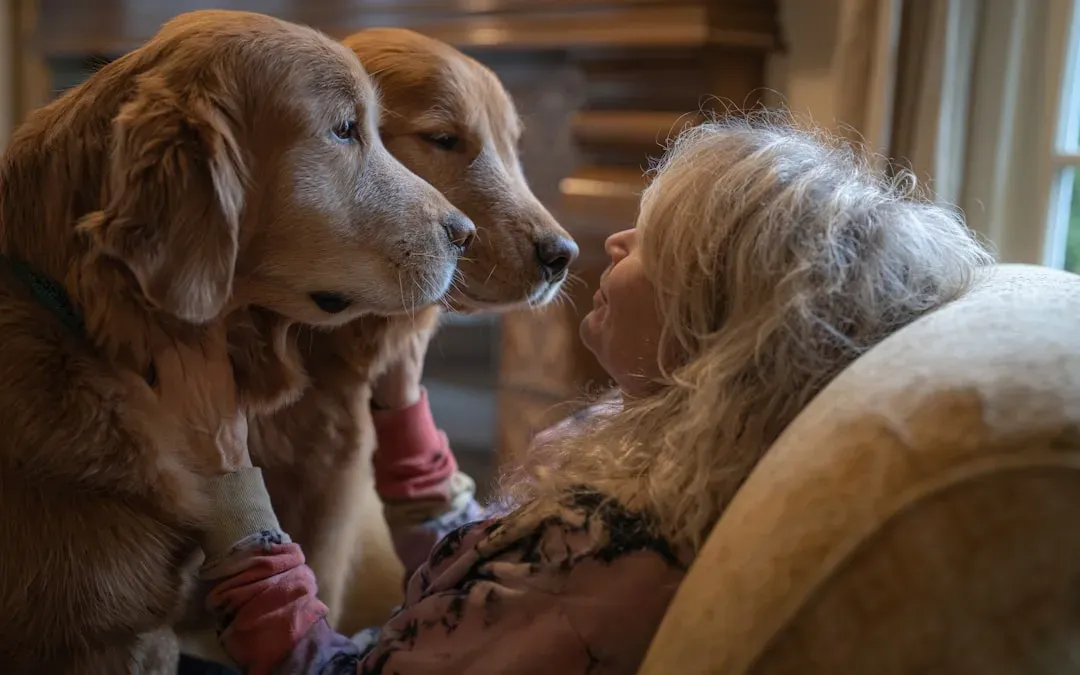
This one might seem obvious, but it’s worth saying: your senior dog needs your emotional support now more than ever. Continue to offer consistent affection, gentle routines, and lots of reassurance, and celebrate the small joys like tail wags, naps in sunbeams, or the way your dog still perks up at the sound of your voice.
Accidents will happen. Confusion might set in. Your dog may not respond as quickly to commands they’ve known for years. Frustration is natural, but remember: they’re not doing this on purpose. They need your compassion and understanding.
Spend quality time together doing things your dog still enjoys. Maybe it’s gentle massage sessions, quiet time cuddling on the couch, or just sitting together in the backyard watching the world go by. Massage can ease tension, enhance circulation, and promote relaxation in an older dog, with gentle pressure stimulating blood flow and reducing swelling around stiff joints while encouraging the release of endorphins.
These golden years are a gift. Yes, they come with challenges and sometimes difficult decisions. Yet they also offer a depth of connection that’s unlike any other stage of your dog’s life. Savor these moments, imperfections and all.
Conclusion
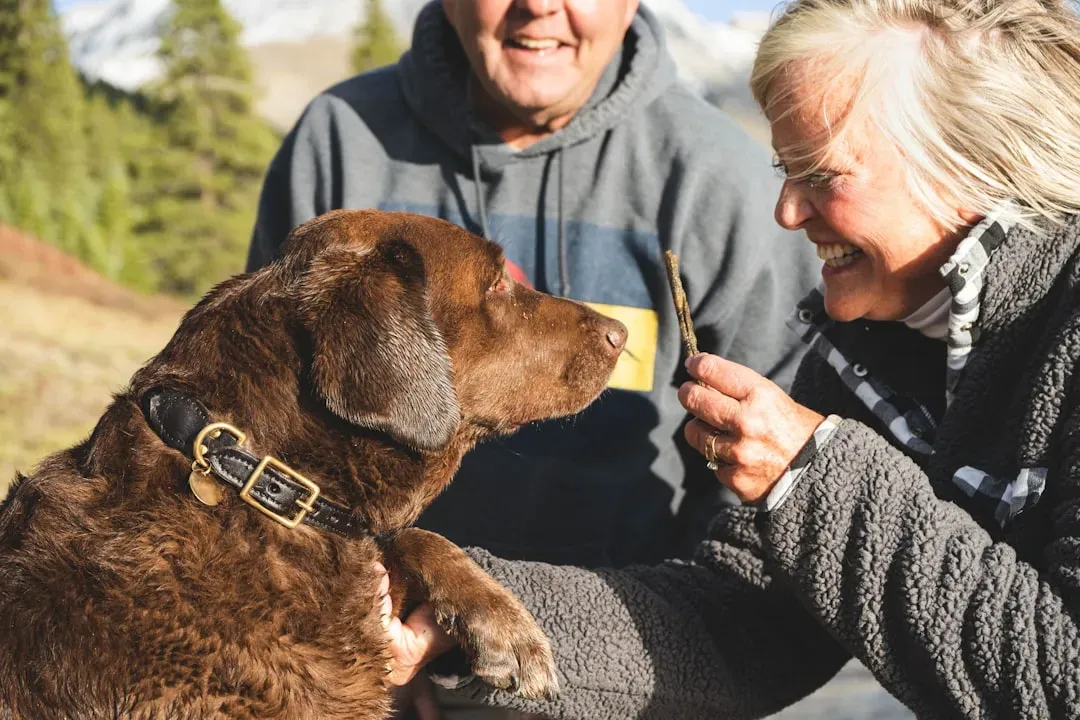
Caring for a senior dog isn’t always easy, I’ll admit that. It requires patience, extra vet visits, dietary changes, and sometimes difficult choices. Yet the reward is immeasurable: more precious time with the companion who’s been by your side through so much.
The steps we’ve covered – regular vet checkups, proper nutrition, gentle exercise, mental stimulation, home modifications, vigilant monitoring, and abundant love – form the foundation of quality senior care. Each one contributes to keeping your dog comfortable, engaged, and happy throughout their golden years.
Remember that every dog ages differently. What works perfectly for one might need adjusting for another. Trust your instincts, stay in close communication with your vet, and most importantly, treasure every tail wag and every moment together.
What special things do you do to keep your senior dog happy and comfortable? We’d love to hear your experiences and tips in the comments below.


