
Most dog owners will do absolutely anything for their pups. Special diets, daily walks, cozy beds, birthday treats. Yet somehow, dental care almost always ends up at the very bottom of the list. Sound familiar? You’re not alone in that.
Here’s the thing though: your dog’s mouth is quietly telling a story every single day, and for many dogs, it’s not a happy one. The good news is, it doesn’t have to be a battle. With a few smart, gentle tricks, you can transform something your dog dreads into something they genuinely enjoy. Let’s dive in.
Why Your Dog’s Teeth Matter More Than You Think
Let’s be real. Most of us assume our dog’s bad breath is just… normal dog stuff. Honestly, it’s not. Canine dental disease starts with unremoved plaque, a pale yellow film formed by bacteria adhering to tooth surfaces, which turns into tartar that eats away at teeth and gums, causing periodontal disease, oral pain, and tooth loss.
The stakes go far beyond stinky yawns. Poor oral hygiene doesn’t just cause bad breath. Bacteria from periodontal disease can actually enter your dog’s bloodstream, potentially damaging their heart, liver, and kidneys. That’s not a minor inconvenience. That’s a serious, life-shortening problem.
Even if your dog’s teeth look pearly white and clean, studies show that between 80 and 90 percent of dogs over the age of three have some component of periodontal disease. Think about that for a second. Periodontal disease is one of the most common health issues in dogs, and it can start as early as one to two years old, leading to bad breath, gingivitis, pain, and tooth loss if left unchecked.
Trick 1: Treat Brushing Like a Training Session, Not a Chore
I know it sounds crazy, but this mindset shift changes everything. Think of tooth brushing as a training session. You shouldn’t expect to brush their teeth from start to finish on day one. The goal is to break it down so that brushing becomes a daily routine they actually look forward to. That means short sessions, patience, and loads of praise.
It’s completely normal for dogs to resist at first. With regular practice, most dogs adjust to the routine. Think of it like teaching your dog to sit. Clumsy and awkward at first, then suddenly second nature. The key is not to rush it.
Trick 2: Start With Your Fingers Before You Even Touch a Brush
This one is genuinely underrated. Many dogs are head-shy or not used to having their mouth handled. The goal is for them to enjoy and participate in toothbrushing, not just tolerate it. Starting with finger contact sets the entire foundation for success.
Start by just rubbing your pup’s gums and teeth with a finger, then follow it up with praise and treats. Once your dog has accepted this, add some dog-safe toothpaste. Slowly work your way from a bare finger to a finger brush, then a proper dog toothbrush. It’s a gradual ladder of trust, and every rung counts.
Trick 3: Choose the Right Toothpaste and Make It Irresistible
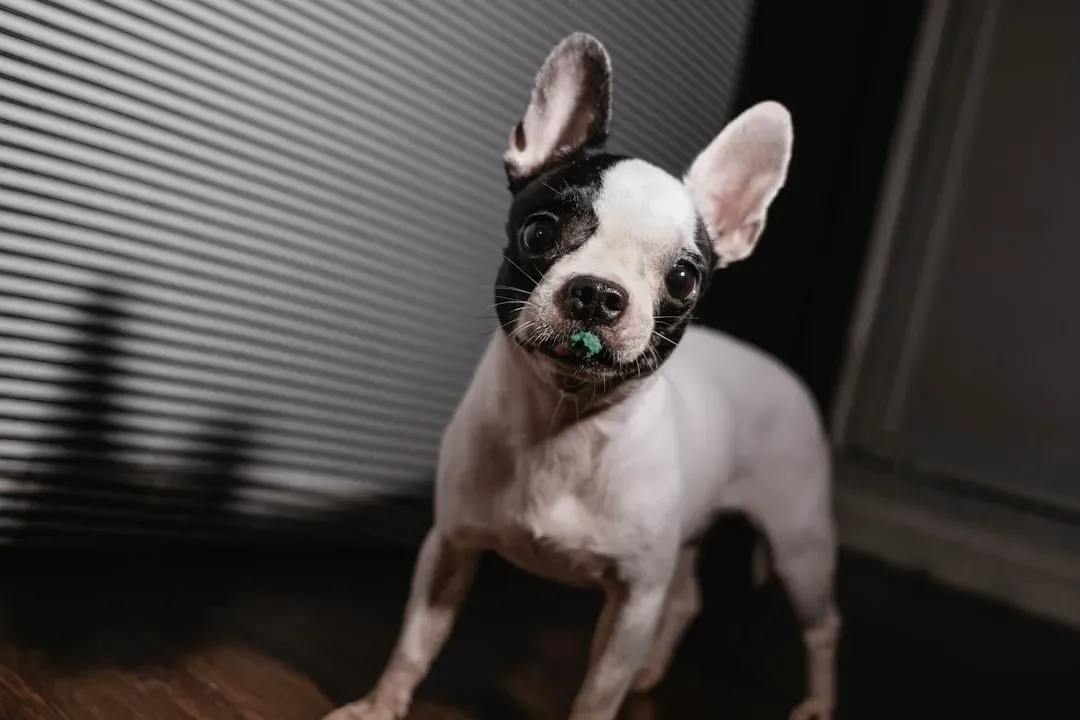
Here’s a secret weapon: flavored toothpaste. Some dogs truly enjoy having their teeth brushed because canine toothpaste is usually flavored to suit a dog’s taste buds. Chicken, beef, and peanut butter are the most popular flavors. When the “brush” suddenly tastes like a snack, resistance tends to melt away fast.
One thing you absolutely must never do? Use human toothpaste. Human toothpaste contains ingredients like fluoride that are toxic to dogs. Always use toothpaste formulated specifically for dogs. Also worth knowing: the best dog toothpaste is specifically formulated to be swallowed, so no rinsing is needed. Convenient, right?
Trick 4: Pick a Consistent Spot and Time Every Day
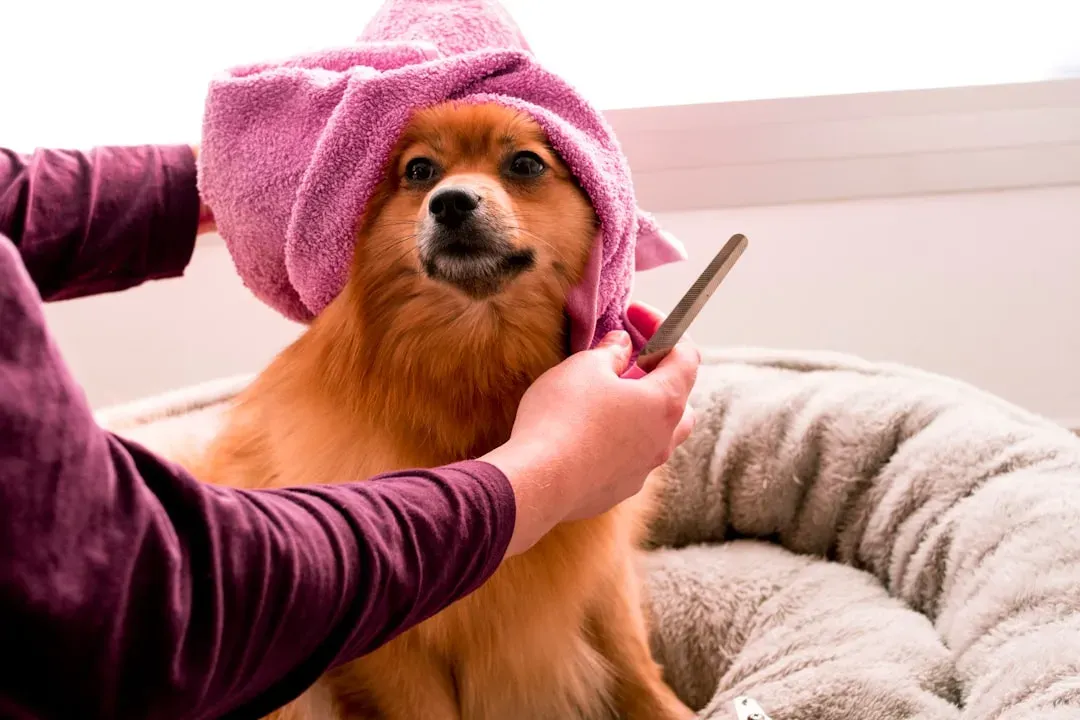
Dogs are creatures of habit in the most beautiful way. They thrive on predictability. Pick a consistent spot and time when you’ll brush your dog’s teeth. Keeping the toothbrush and toothpaste in one place, like the bathroom near your own, helps you remember. Using a mat or dog bed as a signal helps your dog recognize that it’s time for brushing.
Establishing a routine means picking a consistent time each day for dental care, such as after a walk or before bedtime. Consistency helps your dog know what to expect. Think of it like the walk routine. The moment you grab the leash, your dog is already spinning in circles. The same Pavlovian magic can happen with dental time.
Trick 5: Keep Sessions Short and Always End on a High Note
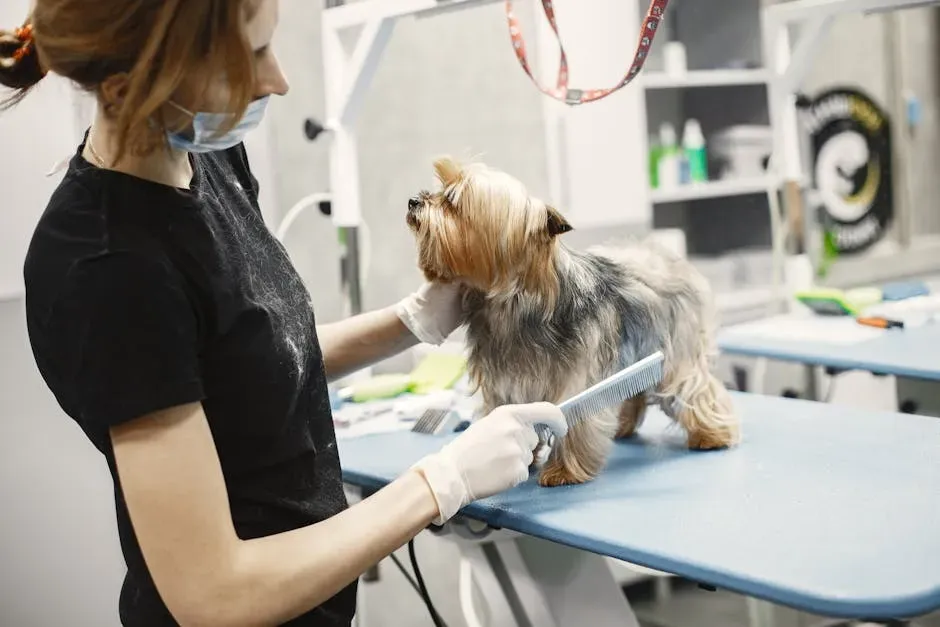
Especially in the beginning, aim for 30 seconds to one minute per session. That’s it. You’re not going for a full dental spa treatment. You’re building a positive experience, one brief moment at a time. Short and sweet wins every time.
Always end each brushing session on a positive note. Praise your dog with kind words, pets, or a healthy treat. This reinforces good behavior and encourages your dog to cooperate next time. It’s a bit like finishing a gym session with your favorite song. End well, and you’ll actually come back tomorrow.
Trick 6: Add Dental Chews and Water Additives as Backup
It’s hard to say for sure that any single product replaces brushing, but some genuinely do pull their weight. The Veterinary Oral Health Council is an independent group that reviews products and gives their seal of approval only if the product works and reduces plaque buildup by at least 20 percent. This is called the VOHC seal. Look for it on packaging when you shop.
There are several different water additives available for dogs. These oral solutions are tasteless. Based on the directions on the bottle, you add a certain amount to your dog’s water bowl daily. The solution helps freshen your dog’s breath and kills plaque-building bacteria. It’s honestly one of the easiest things you can add to your routine with zero extra effort.
Trick 7: Know the Warning Signs and Act Early
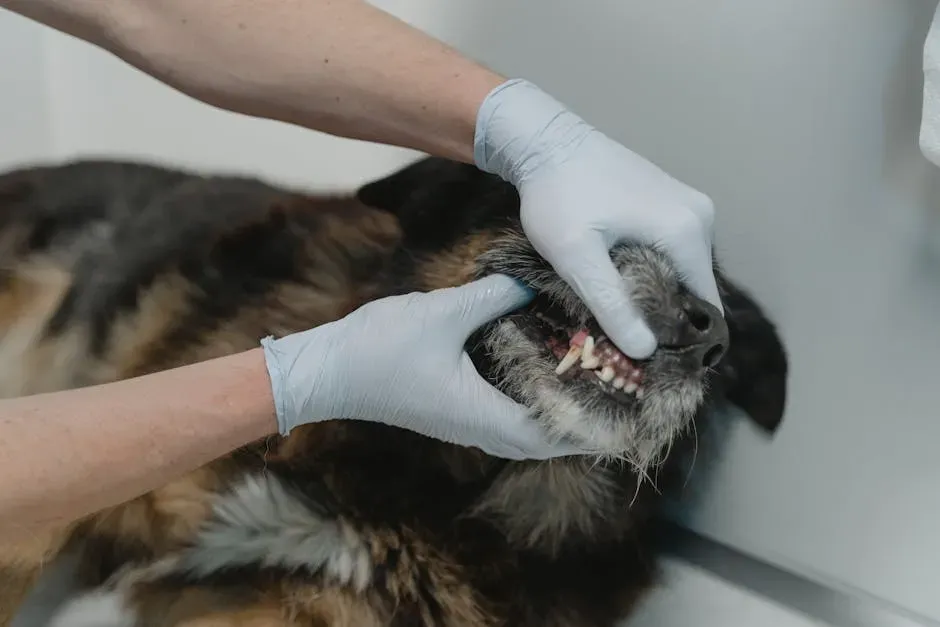
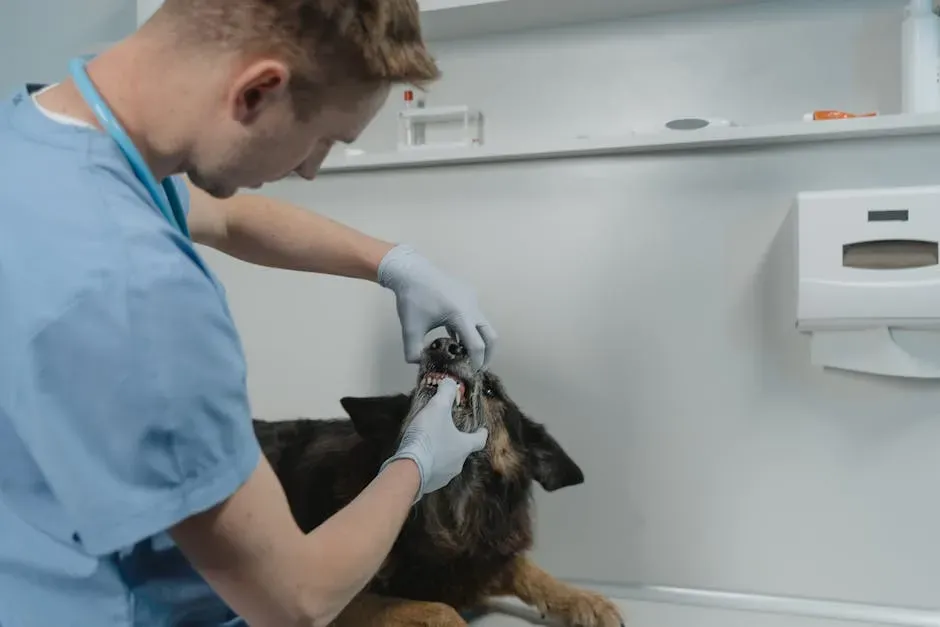
Even with the best home routine in the world, you still need to stay alert to what your dog’s mouth is telling you. Early signs of dental disease include bad breath, yellow or brown tartar buildup on teeth, and red and swollen gums. Catch these early, and you can often turn things around before they spiral.
Changes in eating habits, difficulty eating, dropping food, or avoiding hard foods can signal dental pain. Excessive face rubbing or pawing at the mouth may also indicate oral discomfort. Dogs often don’t show pain, so it may go unnoticed by owners. That makes your role as the watchful observer even more important. Your dog can’t speak up. So you have to speak up for them.
Conclusion: A Healthy Mouth Is a Happy Dog
Here’s the truth: building a dental routine for your dog doesn’t have to be a struggle. It just has to be consistent. Start slow. Use the right flavors. Build trust one session at a time. Celebrate tiny wins. Regular tooth brushing can save thousands in veterinary dental procedures while adding years of quality life.
Think of that for a moment. More years. More tail wags. More morning cuddles and park runs. All from a two-minute daily habit. Good dental health is more than a clean smile. It’s about keeping your pet comfortable, healthy, and happy for years to come.
Your dog trusts you completely. They hand over their wellbeing without a second thought. Giving them healthy teeth is one of the most loving things you can quietly do for them every single day. So, what’s one small step you’ll take this week to start your dog’s dental routine? Tell us in the comments!


