
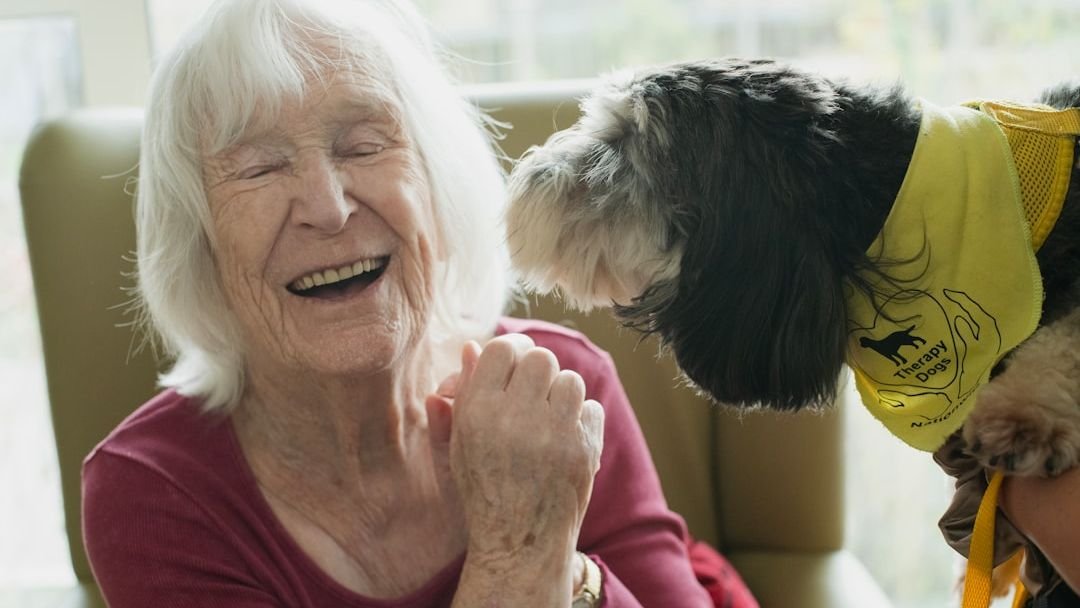
There’s something quietly breathtaking about watching a dog grow old. The way the muzzle goes grey. The way they move just a little more carefully, savoring each step like they know exactly how precious it is. If you share your life with an aging dog, you already know that love doesn’t shrink with age. Honestly, it tends to get bigger.
The good news is that with a few thoughtful changes, you can do so much more than just watch your dog age. You can help your pet live a happy, healthy, and active life in their senior years by providing for their physical, mental, and health care needs. That’s not just a nice idea. It’s very much within reach. Let’s dive in.
Know When “Senior” Actually Starts
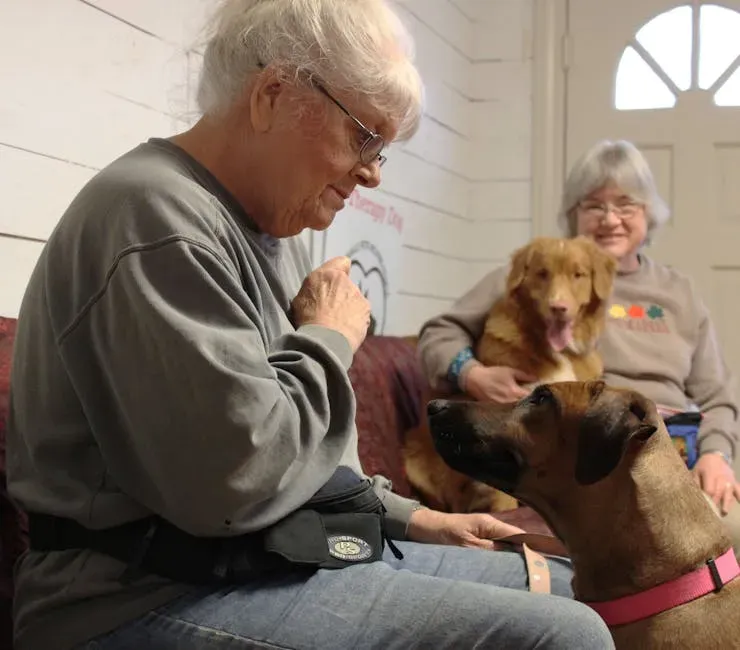
Here’s the thing a lot of dog owners don’t realize: “senior” isn’t a one-size-fits-all label. Dogs don’t have a universal age of seniority because of their wider variety in size. Larger breed dogs tend to have shorter life spans than smaller breeds, and experts suggest that dogs be considered “senior” when they reach the last 25 percent of the estimated life span for their breed.
To give you a clearer picture, small-sized dogs are considered seniors around 9 to 11 years, medium-sized dogs around 8 to 10 years, large-sized dogs around 8 or 9 years, and for giant breeds, around 6 years. That’s a pretty wide range. A Great Dane is already a senior at an age when a Chihuahua is still in its prime.
Age is not a disease. Knowing when your dog enters this life stage simply means you can start adapting their care before issues sneak up on you. Think of it like adjusting your route before the road changes, not after you’ve already hit a bump.
Schedule Vet Visits Twice a Year – No Exceptions
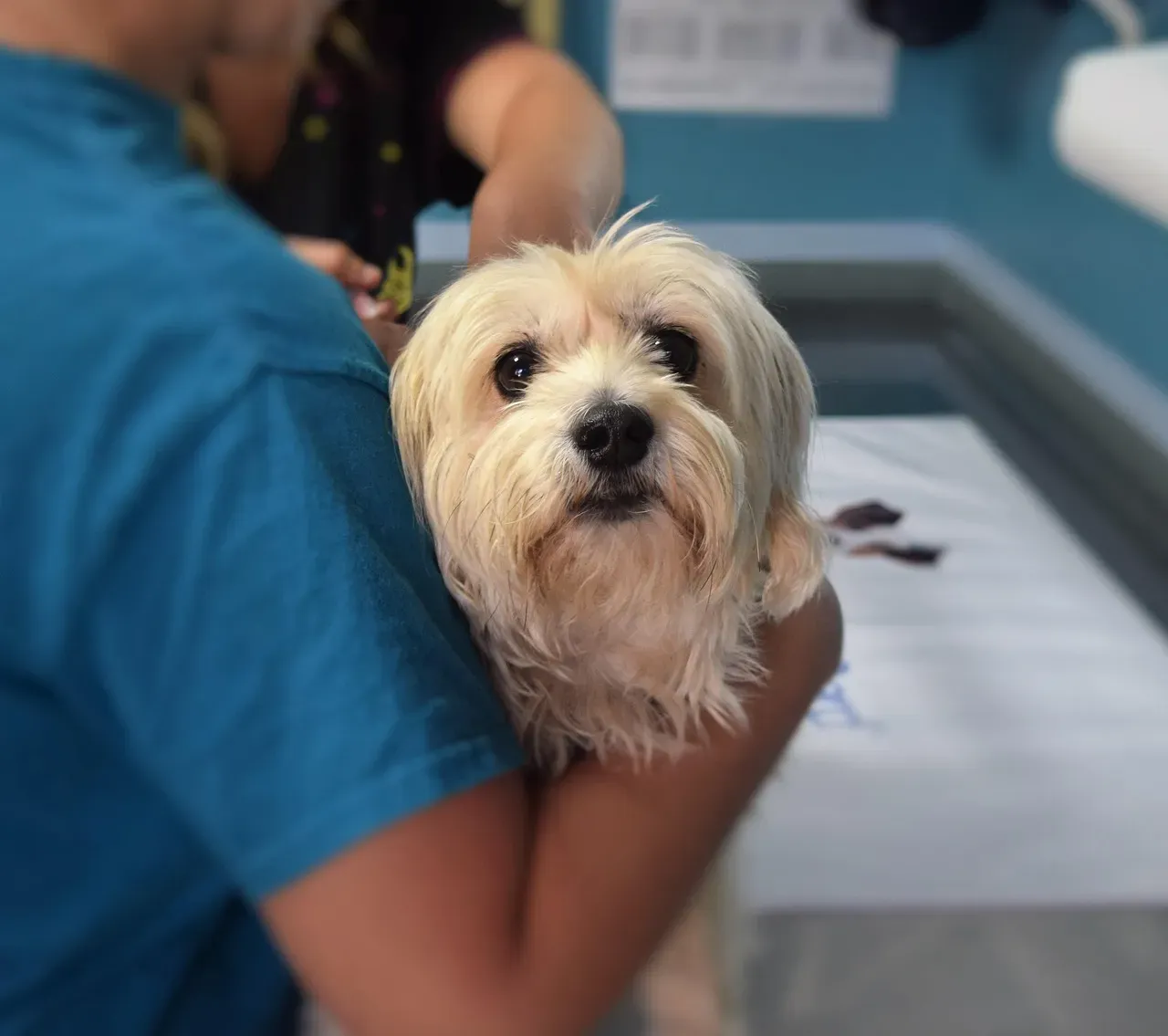
If there’s one thing I’d say with absolute confidence, it’s this: the twice-yearly vet visit is non-negotiable for senior dogs. Twice-yearly veterinary checkups are essential for senior pets. Because their health status can change rapidly, it is important for a veterinarian to assess your pet every six months.
This is one of the most important things you can do to keep your senior dog healthy. Regular vet visits and lab testing often allow you to catch health issues before they become clinically obvious, meaning they’re easier and less expensive to treat, offering a better prognosis for your dog.
Veterinarians are going to be paying attention to sudden changes in weight, dental health, changes in drinking or eating habits, your pet’s mobility, listening to changes in your pet’s heart, as well as monitoring lab tests that can detect changes to kidney or liver function. That’s a lot of ground to cover. Regular check-ins mean nothing gets missed. Routine wellness exams twice a year can help detect problems early, and it’s recommended that screenings always include a physical exam, complete blood count, chemistry panel, and urinalysis.
Upgrade Their Diet for the Chapter They’re In
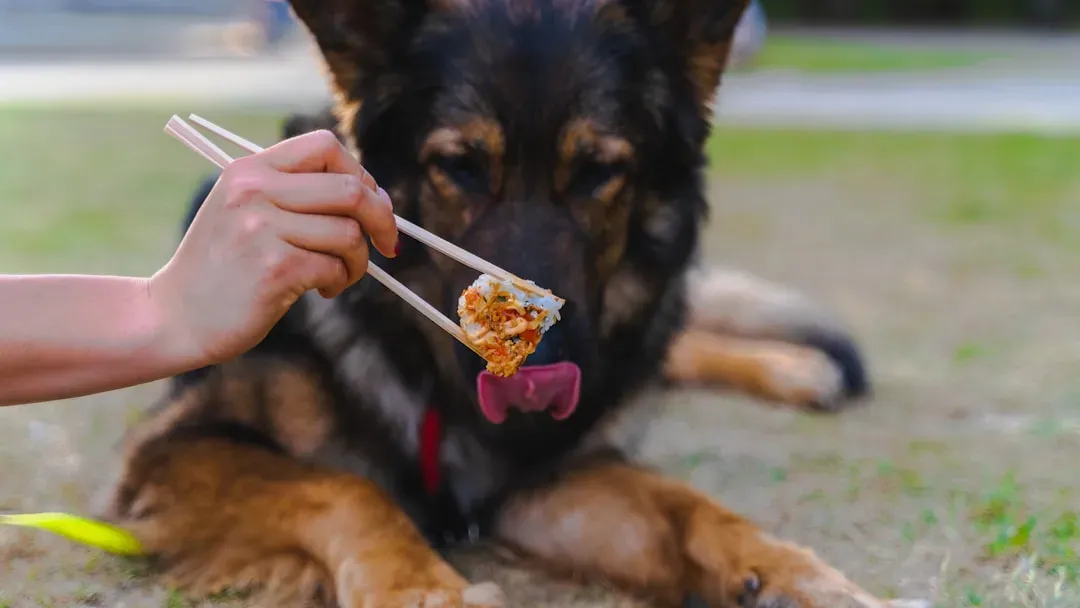
Senior dogs often need fewer calories but more nutrients to maintain muscle and support joint health. This might feel counterintuitive, but think of it like this: a retired athlete still needs high-quality fuel, just in different amounts. Although energy requirements decrease, protein requirements actually increase as the dog ages, and senior dog foods include higher protein content as well as highly digestible protein sources to deal with this.
Senior dogs require nutrient-dense food that supports joint function, digestion, and immune health. Choose formulas rich in omega-3 fatty acids, antioxidants, and moderate protein. Watch portions carefully too. Excess weight can cause added strain on joints and internal organs.
Some senior diets contain two supplements, glucosamine and chondroitin sulfate, to support mobility and joint health. This is especially helpful for dogs who have arthritis to prevent worsening of the condition. Always transition to a new food gradually to keep their digestive system settled and comfortable.
Keep Joints Moving With Gentle, Consistent Exercise

Gone are the days of marathon fetch sessions, and that’s completely okay. Like humans, when pets get older they tend to slow down and become less active. While this is natural, it is important to make sure they still get some age-appropriate exercise. Exercise can help minimize loss of muscle and strength, decrease weight gain and obesity, and can help with joint pain and stiffness.
Exercise keeps your dog fit, strengthens muscles, and supports joint health. However, intensity should match their age and condition. Opt for shorter, more frequent walks instead of long runs. Swimming is also an excellent low-impact activity. Consistency matters more than duration – regular movement keeps circulation strong and prevents stiffness.
Introducing supplements early, even before symptoms appear, can slow cartilage breakdown. Low-impact daily exercise keeps joints lubricated and muscles strong. I think of it like keeping a door hinge oiled. A little movement every day prevents the stiffness that comes from staying still too long.
Stimulate Their Mind – It Matters More Than You Think

Here’s something that surprises a lot of dog parents: roughly 28 percent of 11 to 12 year old dogs, nearly half of 14 year old dogs, and more than two thirds of 16 year old dogs will show at least one marker of canine cognitive dysfunction, also known as doggy dementia. This cognitive decline can manifest as disorientation, changes in social interactions, altered sleep-wake cycles, and other behavioral changes.
Just as important as nutrition is keeping your dog’s environment engaging. Research shows that enrichment activities can make a big difference for senior dogs, helping them stay more alert and connected. Practically speaking, examples of mental stimulation for senior dogs include short “sniffing walks” for both exercise and sensory experiences, interactive puzzle toys that challenge problem-solving skills, training sessions that reinforce old tricks or introduce new simple commands, and gentle games like hide-and-seek with healthy treats.
Research shows that giving older animals mental exercise in the form of new problem-solving experiences, as well as exposing them to richer and different environments, helps to offset the usual decline in mental efficiency in senior dogs. Stimulating the mind in this way changes the physiology of the brain, creating new connections between existing neurons in the cortex as a result of experience. So yes, you absolutely can teach an old dog new tricks. In fact, you should.
Create a Safe, Comfortable Home Environment
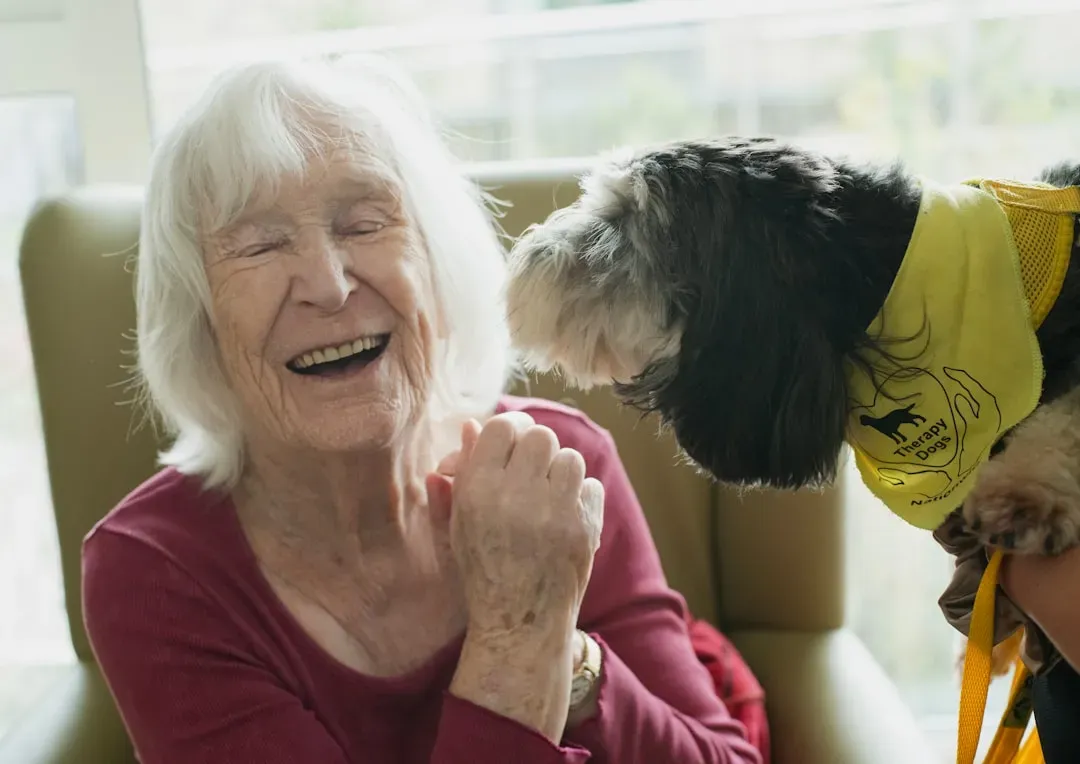
Your home, seen through the eyes of an aging dog, can suddenly feel like an obstacle course. Slippery floors, steep stairs, a food bowl that sits too low. These small details add up fast. As their mobility deteriorates, older dogs may struggle with their balance and can find hard, slippery floors stressful to walk on. Covering them with carpet, rugs, or mats helps to provide more grip so your dog can walk more easily.
Providing an orthopedic dog bed for your senior pet is a great idea to promote comfort. Since older pets tend to spend more time lying down, these beds provide additional support for their joints and prevent pressure sores on their elbows and legs. Also, senior dogs may not be able to bend down as easily to reach their food and water bowls, particularly taller dogs, so raising them to a more accessible height can make a real difference.
All dogs thrive on routine, but none more so than senior dogs. Particularly as their cognition begins to decline, predictability in their day-to-day life is incredibly important. It’s very comforting for them to get up, be fed, go for walks, and enjoy playtime at similar times each day. Whatever your routine, try to stick to it as best you can, and make changes slowly if needed to minimize stress for your golden oldie.
Watch for Dental Health and Sensory Changes
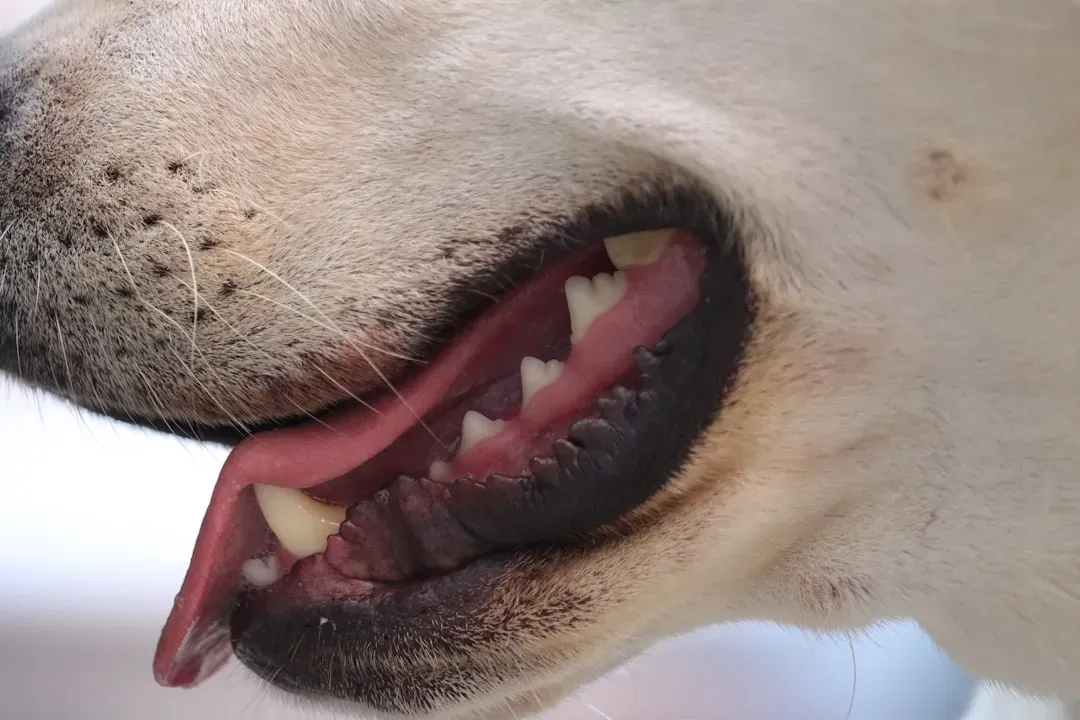
Dental health is honestly one of the most overlooked aspects of senior dog care, and it shocks me every time. Dental issues are common but often overlooked in senior pets. Plaque buildup can lead to gum disease, pain, and infections that affect internal organs. That means a bad tooth isn’t just a mouth problem. It can ripple through your dog’s entire body.
Maintain good dental hygiene by brushing your dog’s teeth every day to help prevent plaque buildup on their teeth. Senior dogs also benefit from once-yearly professional dental cleanings by your veterinarian, while those who are predisposed to dental issues may need twice-yearly cleanings. You can also ask your vet about dental chews or water additives for extra support.
Beyond teeth, it is normal for pets to lose some of their sight and hearing as they age, similar to people. Senior pets might develop cataracts affecting their vision, and they might not respond as well to voice commands. Older dogs may have poor hearing or eyesight, so ask your family to avoid sudden loud noises so that they don’t get startled. If your dog appears to be ignoring you, it could be because their hearing has deteriorated. These shifts deserve patience, not frustration.
Conclusion: Every Day Is a Gift Worth Celebrating

Caring for a senior dog is one of the most meaningful things you’ll ever do. It asks for patience, attention, and a willingness to slow down and really see them. The grey muzzle. The careful morning stretch. The way they still look at you like you hung the moon. Senior dog care isn’t just about managing health issues. It’s about helping your furry best friend enjoy comfort, connection, and quality of life during their golden years.
You don’t have to do everything at once. Start with one change. Book that vet visit. Swap out the old dog bed for something orthopedic. Add a ten-minute sniff walk after dinner. Small changes in your dog’s food, exercise, environment, and care can make a huge difference to their quality and length of life. That is absolutely something worth starting today.
Your dog has spent their whole life choosing you, every single day. These golden years are your chance to choose them right back, in every small and beautiful way you can. What’s the first change you’re going to make for your senior pup? Share it in the comments below – your experience might just inspire someone else to love their dog a little better too.


