
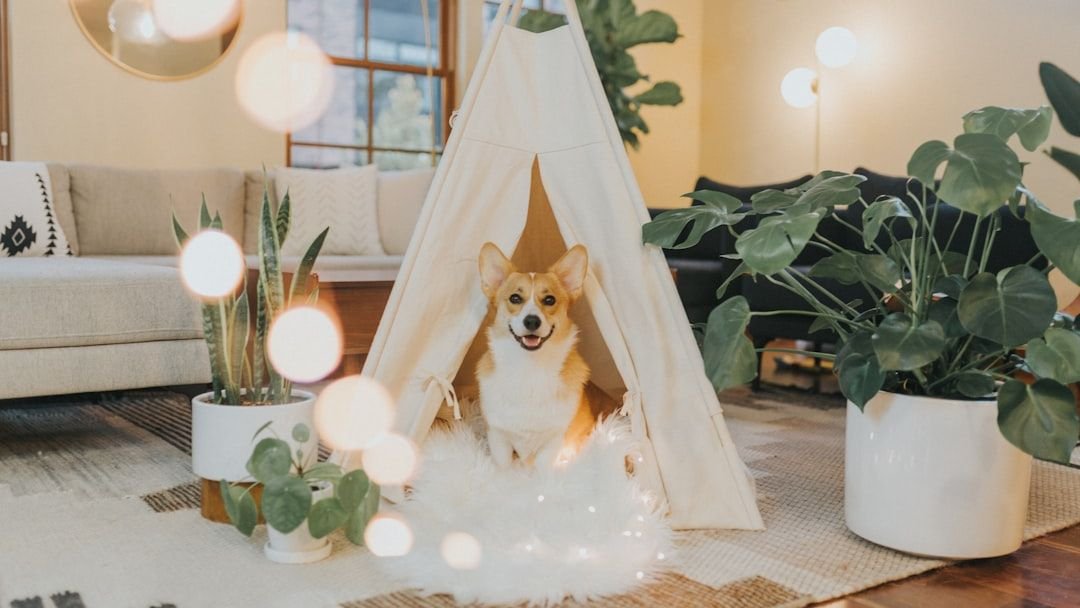
You know that look. The one where your dog suddenly seems just a little… off. Maybe their ears flick back for a split second, or they glance away when you reach out to pet them. These tiny moments are easy to miss when life gets busy, yet they’re your dog’s whisper before the shout.
Dogs talk to us constantly, but not with words. Their bodies tell stories we sometimes forget to read. The thing is, most people only notice the obvious signs of distress, like growling or cowering. By then, your pup has already been uncomfortable for quite a while. Learning to spot the quieter signals earlier can transform your dog’s daily experience from tolerable to truly peaceful. So let’s dive in and decode those subtle cues your furry friend is sending your way.
The Yawn That Isn’t About Being Sleepy
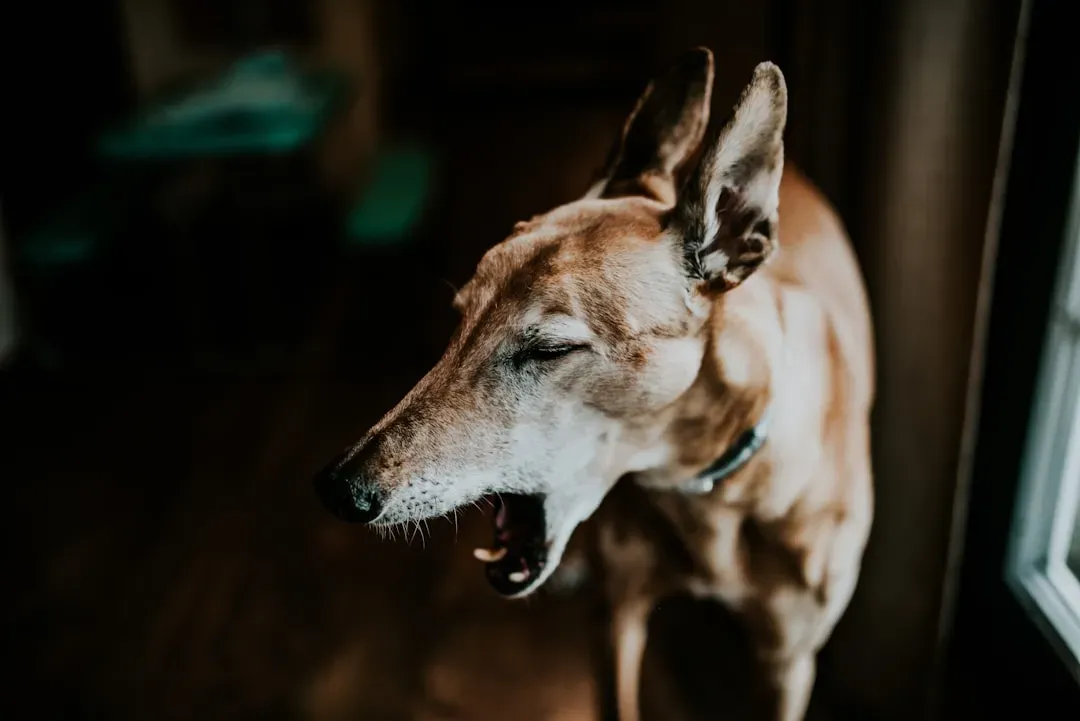
Yawns can indicate stress, especially if your dog yawns repeatedly in a noisy waiting room, during a training session, or while being hugged by a stranger. The key is context. If your dog stretches out on the couch at bedtime and yawns, they’re probably ready to snooze.
However, if they yawn during a vet visit or when a toddler rushes toward them, that’s a different story entirely. Dogs yawn when they’re stressed, and they use yawning to calm themselves in tense situations and to calm others, including their owners. Think of it as your dog trying to hit the emotional reset button. Next time you see that sleepy-looking mouth stretch in a tense moment, take a breath yourself and give your pup some space.
Whale Eye: When the Whites Say It All
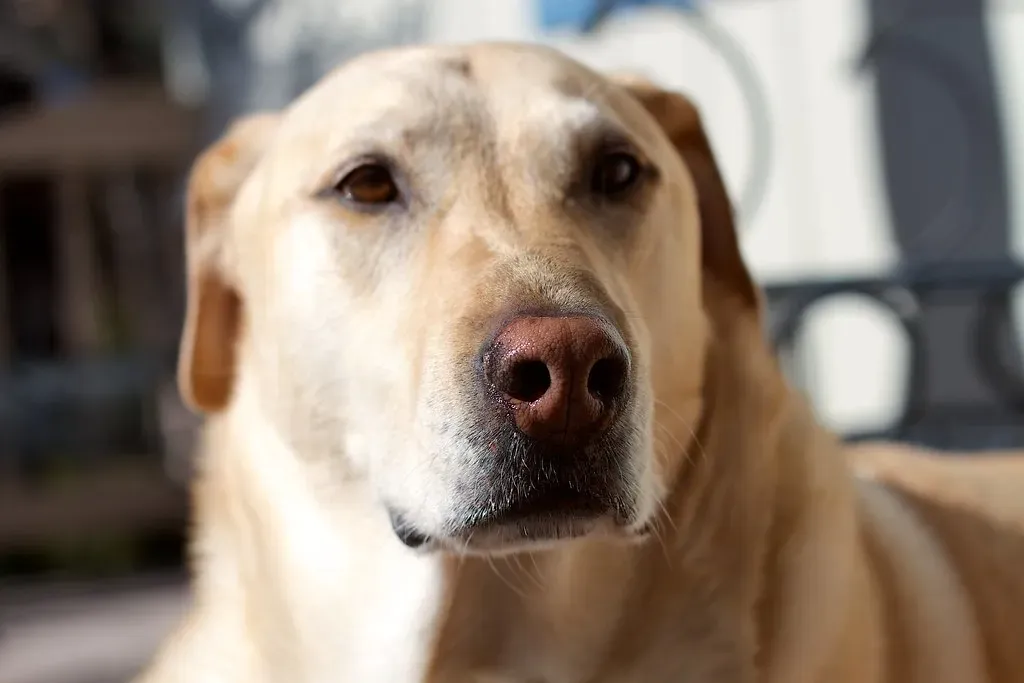
The ‘whale eye’ phenomenon, where the white part of a dog’s eye becomes visible, often signals stress or anxiety. You’ll see this when your dog turns their head away but keeps their eyes locked on whatever’s making them nervous. Their pupils might look wider than usual too.
When a dog shows the whites of the eyes, it’s a signal that they’re feeling anxious or stressed in a situation, and you might see them when you make your dog uncomfortable, like when you pat your dog on the head. Honestly, it’s one of those signs that once you know it, you can’t unsee it. Pay attention during interactions with strangers or other dogs, and you’ll start noticing this stressed-out stare more often than you’d think.
Lip Licking When There’s No Food Around
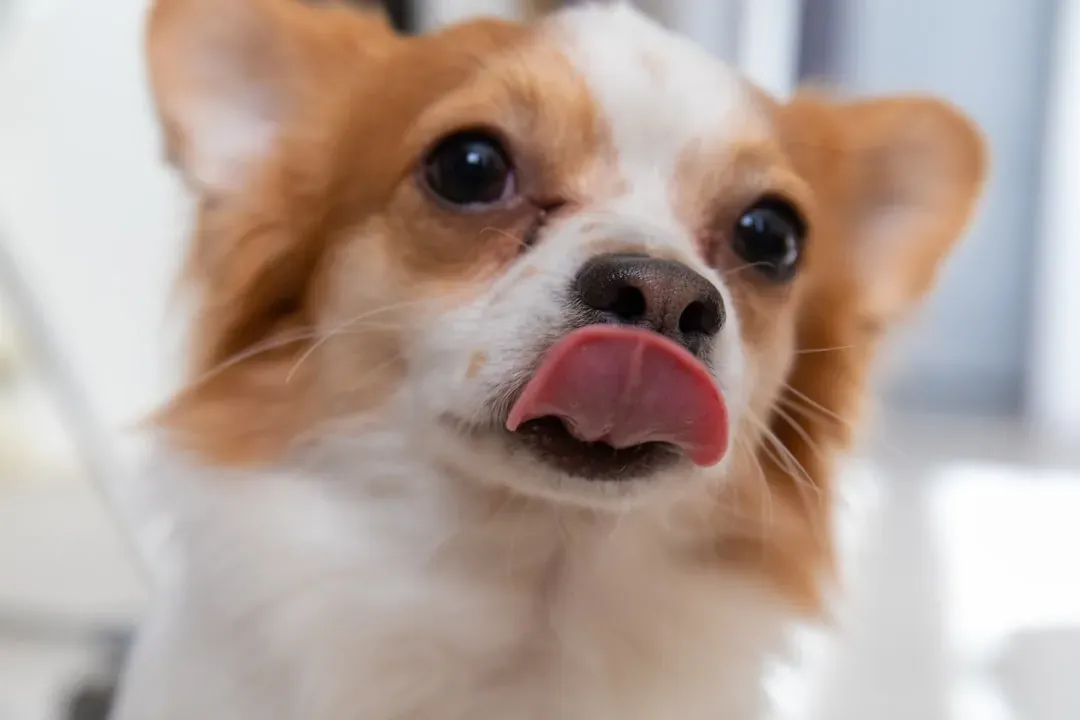
If a dog licks his lips when he’s not hungry, it can be a sign of stress or discomfort. Sometimes it’s a quick flick of the tongue that happens so fast you barely catch it. Other times it’s repeated licking that seems almost obsessive.
This behavior is what experts call a calming signal. If your dog is repeatedly licking when no food or water is around, it may be a way to self-soothe during a stressful moment. I’ve noticed this happens a lot when my own dog meets new people who get too enthusiastic too quickly. Watch for it during greetings, grooming sessions, or when your pup encounters something unfamiliar. It’s their way of saying they need things to slow down a bit.
Tucked Tail or That Weird Low Wag
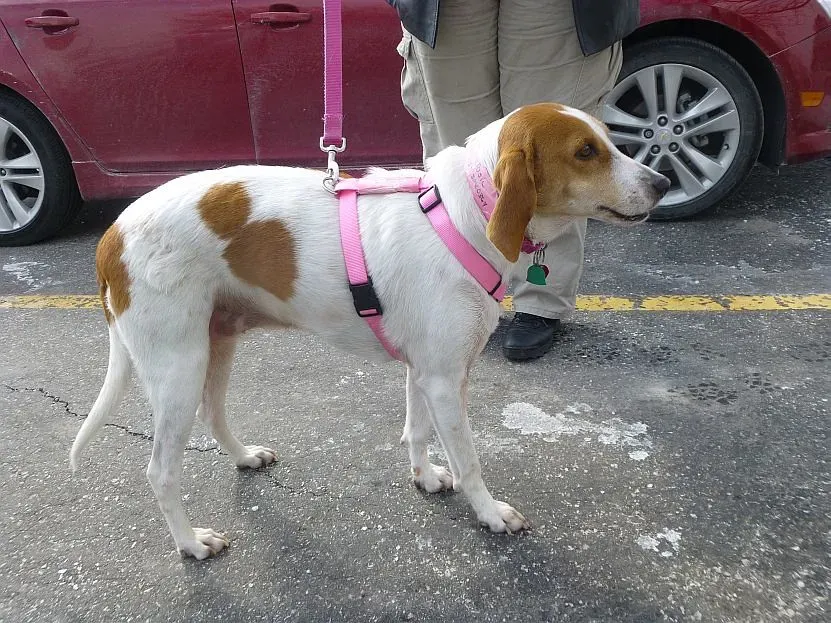
A tail tucked tightly between the legs is a classic stress signal. But here’s where it gets tricky: not all tail wags mean happiness. A low tail with a stiff, quick wag can also mean worry, not joy.
Let’s be real, most of us see a wagging tail and assume everything’s fine. That assumption can lead us to miss important signals our dogs are sending. A tucked or low, fast-wagging tail can mean: “I am scared or unsure”. The position matters as much as the movement. A loose, sweeping wag at mid-height or higher usually means genuine happiness, while that low, tight, rapid wag is your dog’s nervous energy showing through.
Panting Without the Exercise
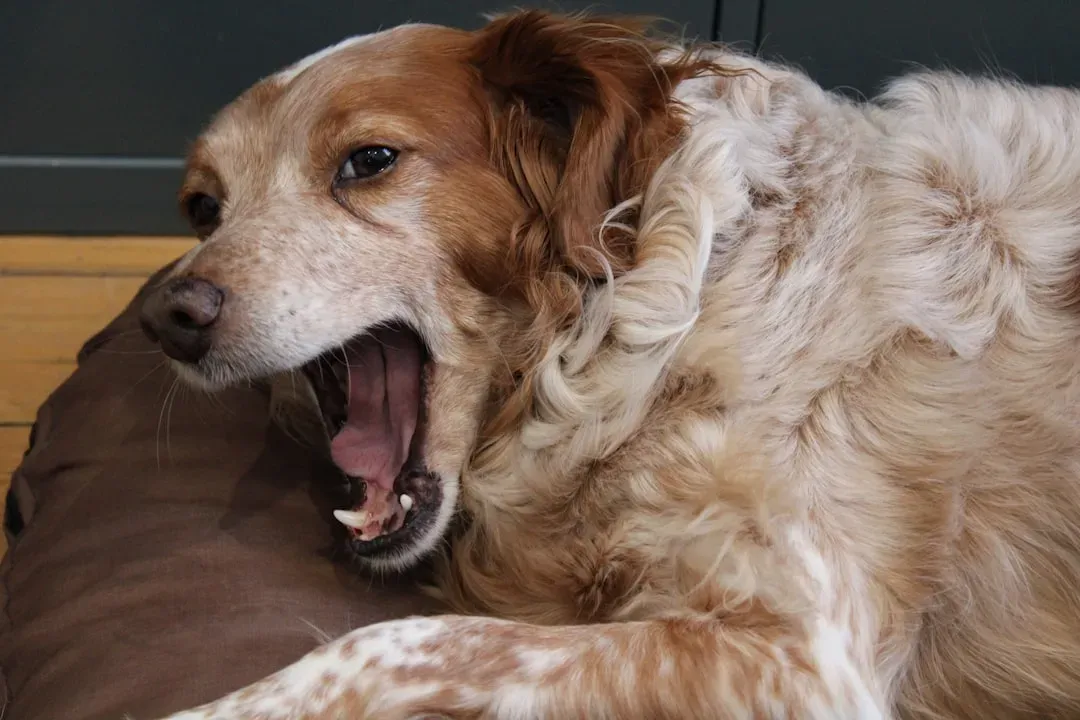
Dogs pant when hot, excited, or stressed, and if your dog is panting even though they have not exercised, they may be experiencing stress. You’ll often see this accompanied by wide eyes or a tense body posture. The panting might seem excessive for the situation.
Some dogs will start to pant completely unrelated to temperature or exercise, and unsure dogs might also tremble or shiver even when they aren’t cold. I think this is one of the easier signs to spot once you’re tuned in. If your dog suddenly starts panting heavily in the car, at the groomer, or when visitors arrive, take note. Their body is working overtime trying to manage that anxious feeling.
Freezing or Moving in Slow Motion
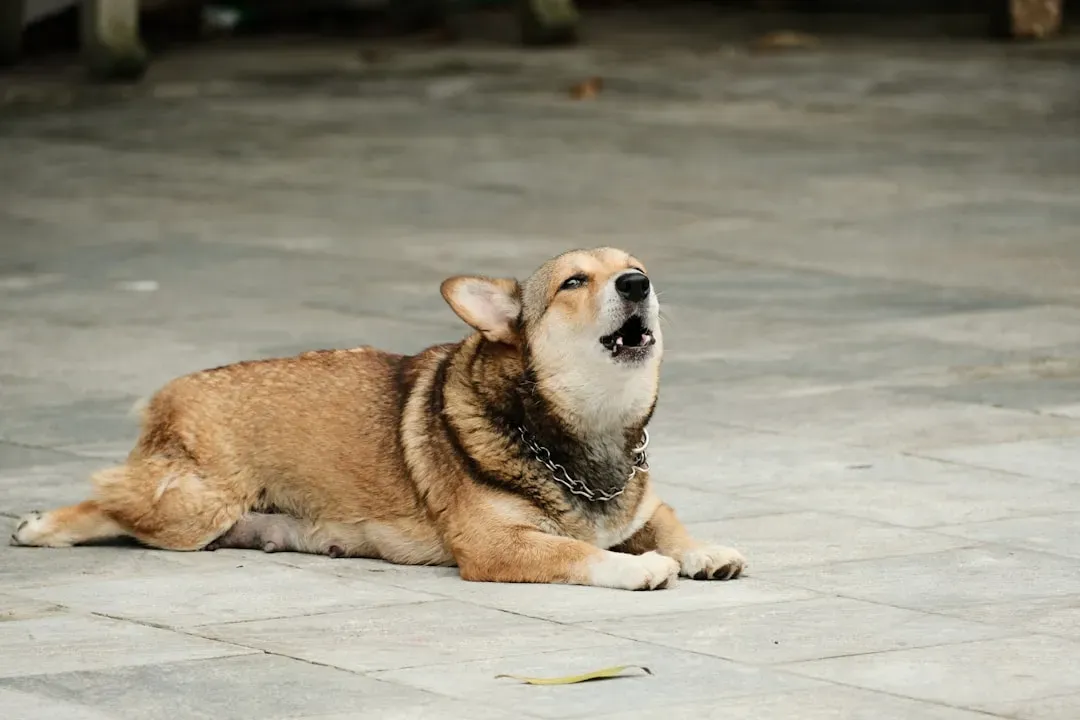
When your dog freezes or gets stiff, they’re often stressed about something they see, and in a training context, this can sometimes be seen as “submission,” but modern dog training practices tell us that the dog is actually shutting down. It’s hard to say for sure, but this frozen response often means your dog feels trapped or overwhelmed.
As dogs become unsure about something, they tend to slow down as they try to learn more about it. You might notice your normally bouncy pup suddenly moving like they’re wading through molasses. This cautious behavior is their way of buying time to assess whether something is safe. Never push a dog who’s gone still or slow, they’re telling you they’ve hit their comfort limit.
Avoidance: The Polite Escape
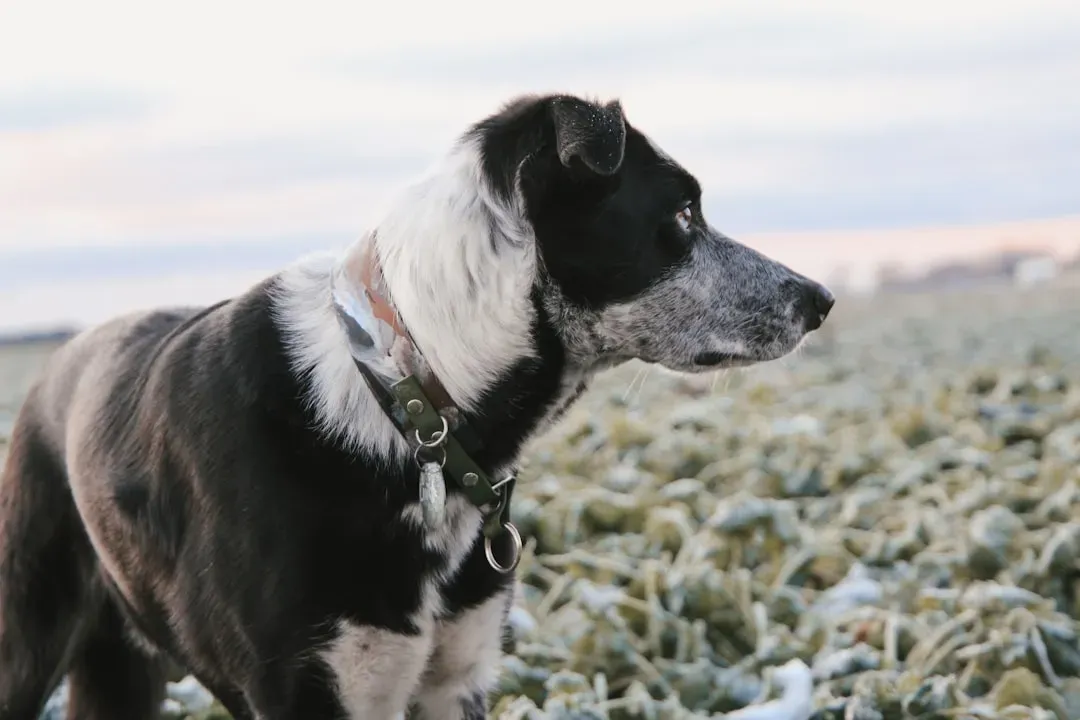
When faced with an unwelcome situation, dogs may “escape” by focusing on something else, and they may sniff or dig the ground, lick their genitals, or simply turn away. When dogs feel stressed, they’ll pointedly look away and avoid eye contact, and people often interpret this as their dog ignoring them or being stubborn, but the dog is expressing discomfort.
These displacement behaviors are your dog’s diplomatic way of saying no thank you. If your dog avoids interaction with other dogs or people, do not force the issue and respect their choice. Pushing a dog past these subtle avoidance signals can escalate their discomfort into something more serious, like growling or snapping. When your pup turns their head away or suddenly becomes fascinated with sniffing the ground, they’re asking for space.
Create a Consistent Daily Routine
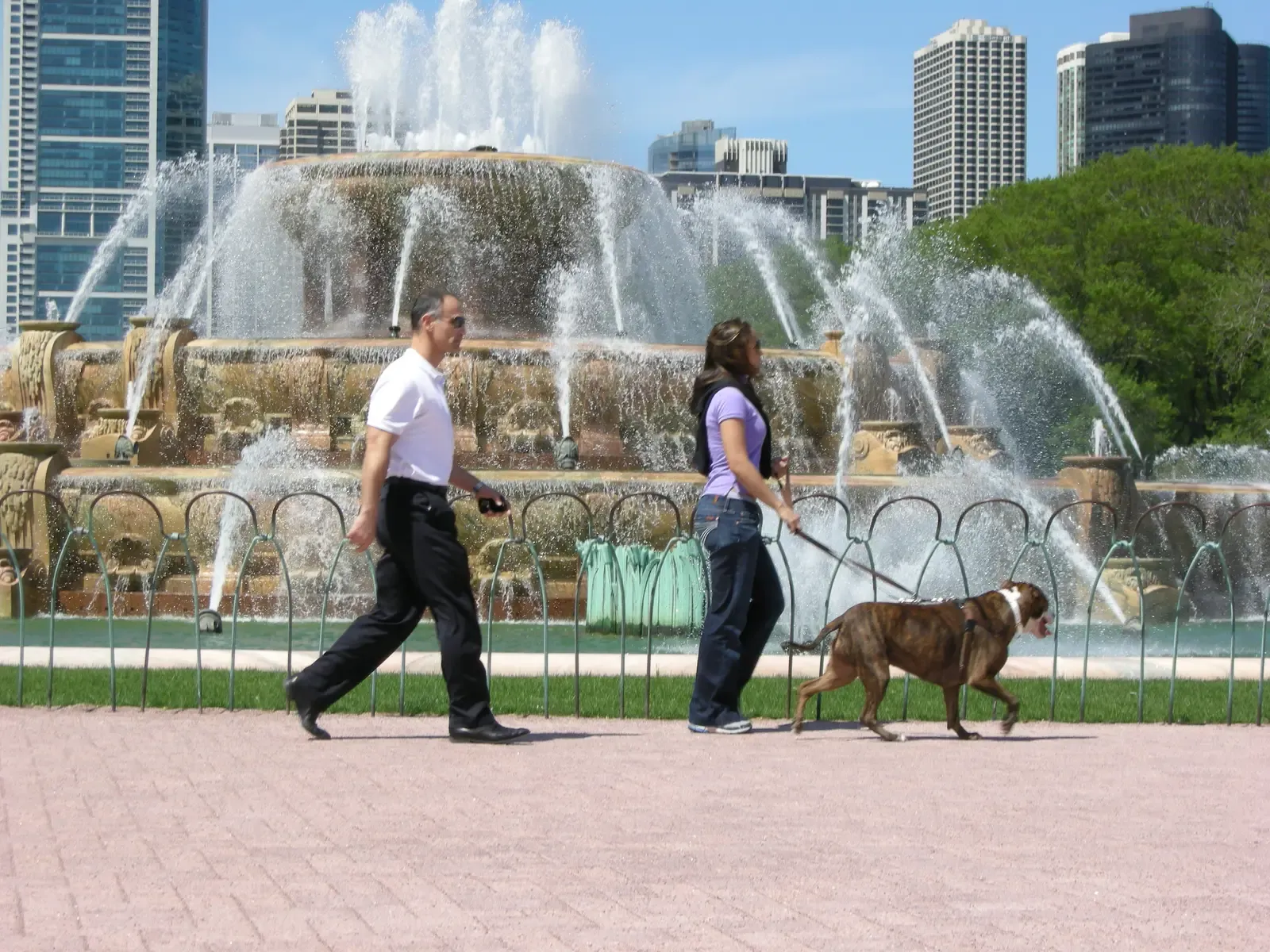
It’s essential to establish a routine for your dog so they feel comfortable and secure, as dogs are creatures of habit and thrive on predictability and structure, with feeding times, exercise times, playtimes, and sleep times all part of a routine. Consistency isn’t boring for dogs; it’s reassuring.
What seems to work best is predictability, and if dog does X, then Y happens. When your dog knows what to expect, their anxiety levels naturally decrease. Try keeping meal times, walks, and bedtime at roughly the same time each day. This simple change can work wonders for an anxious pup.
Designate a Safe Space Just for Them
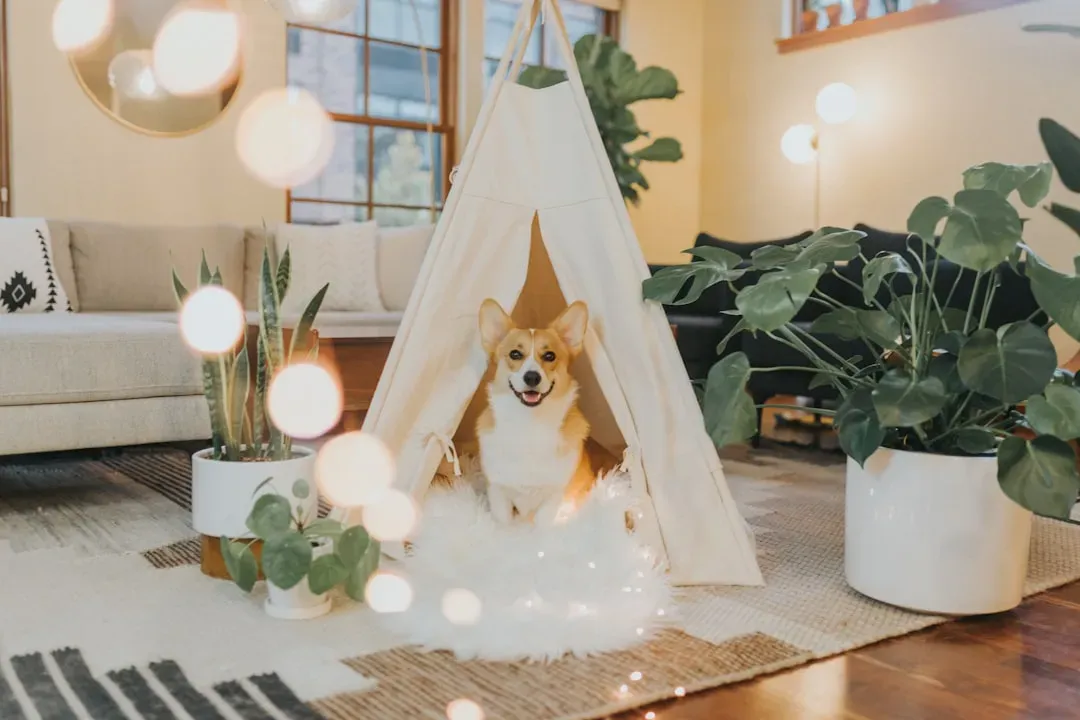
It is important to provide your dog with a safe place in the home where they can escape stimuli that trigger a stress response, as everybody enjoys a calm place to retreat. This could be a cozy crate with their favorite blanket, a quiet corner with a comfortable bed, or even a spot under your desk.
One of the most effective ways to soothe an anxious dog is by providing a designated safe space where they can retreat and feel secure, equipped with their favorite blankets, toys, and possibly an item with your scent, with the goal to create an environment where your dog feels protected from their anxiety triggers. Make sure everyone in the household knows this is your dog’s sanctuary and they shouldn’t be bothered there. Let your dog choose to go there on their own terms.
Use Calming Music or White Noise
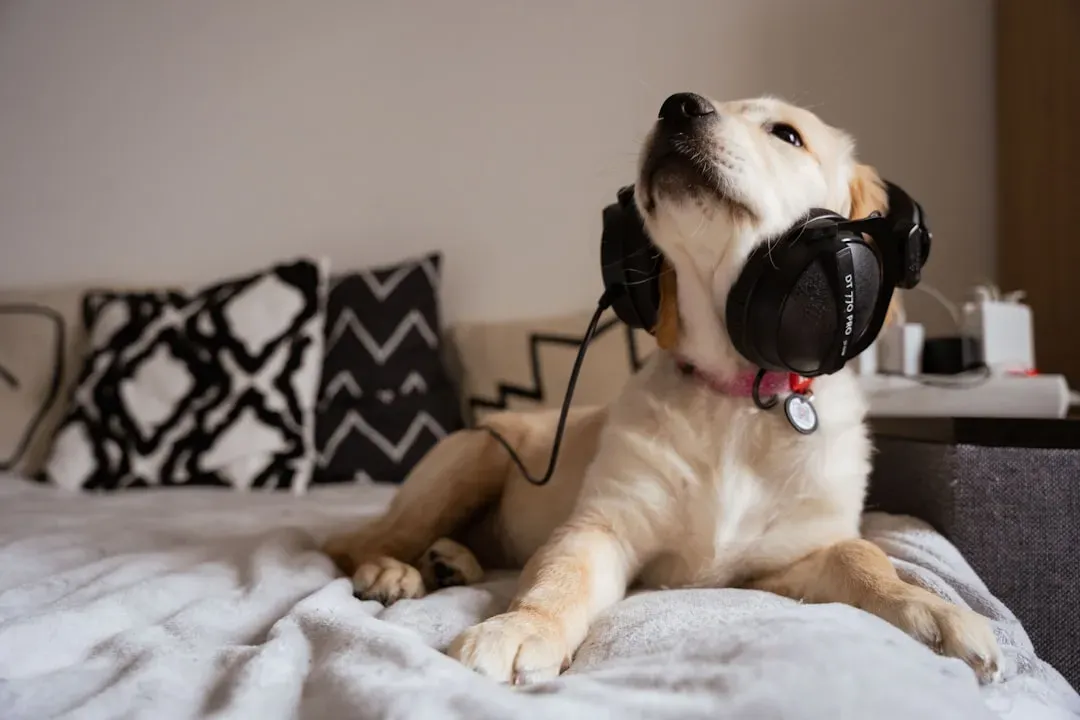
When dogs experience anxiety, music or white noise can help calm them down, as this provides a soothing and calming environment, and it can naturally reduce their stress and anxiety levels. White noise or music can also drown out the unpredictable noises from thunderstorms or fireworks that trigger anxiety.
Classical music seems to work particularly well, though there are playlists specifically designed for anxious dogs. Music can calm an anxious dog just as it calms people, as music helps block out noises from the outside that may stress out your dog, and if your dog gets anxious when you leave the house, try turning on classical music for them to listen to while you’re out. I’ve found this especially helpful during thunderstorms or when construction noise picks up in the neighborhood.
Try Gentle Touch and Massage
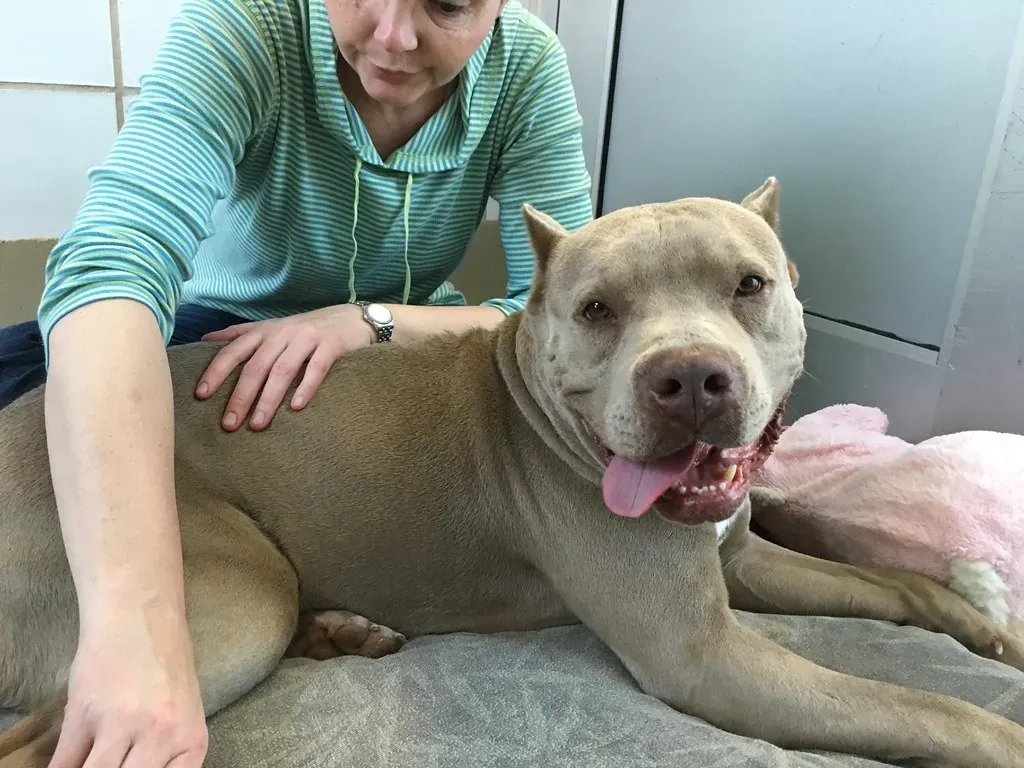
A massage will relax and calm even the most anxious human and it also works wonders with dogs, as anxiety often causes tensing of the muscles and massage therapy is one way to alleviate tension, starting at the neck and working downward with long strokes. Physical touch from a trusted person can be incredibly soothing.
Massage can be a great way to help calm an anxious dog, as not only does it feel good and help them relax, but it also provides a sense of physical and emotional closeness between you and your dog. Keep your movements slow and deliberate. Pay attention to how your dog responds; if they lean into your touch, keep going. If they move away, respect that boundary and try again later.
Increase Physical Exercise and Mental Stimulation
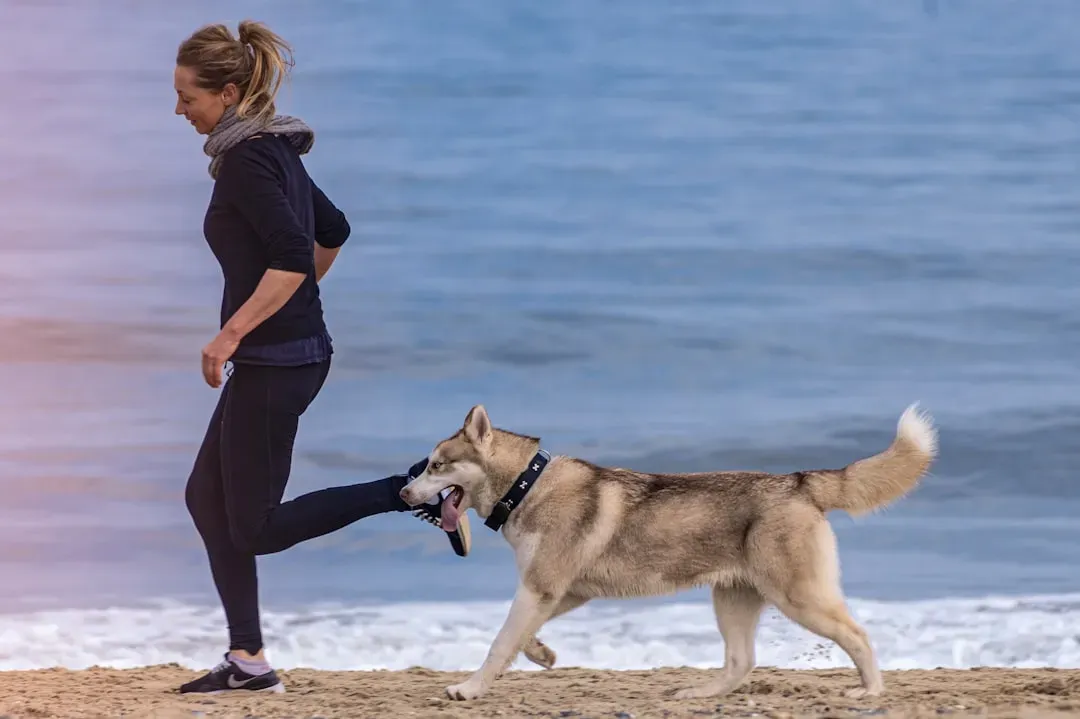
As with humans, exercise can be a great stress reducer, and for healthy dogs, physical activities such as walking or playing fetch may help both you and your dog release tension. A tired dog really is a calmer dog in most cases.
Physical activity and mental enrichment are crucial in reducing anxiety in dogs, as regular exercise helps burn off excess energy, which can lower stress levels, with daily walks, playtime, and engaging activities like fetch or agility training being highly beneficial. Don’t forget about mental exercise too. Puzzle toys, sniffing games, and training sessions can tire out an active brain just as effectively as a long walk tires out the body.
Consider Pressure Wraps or Anxiety Vests
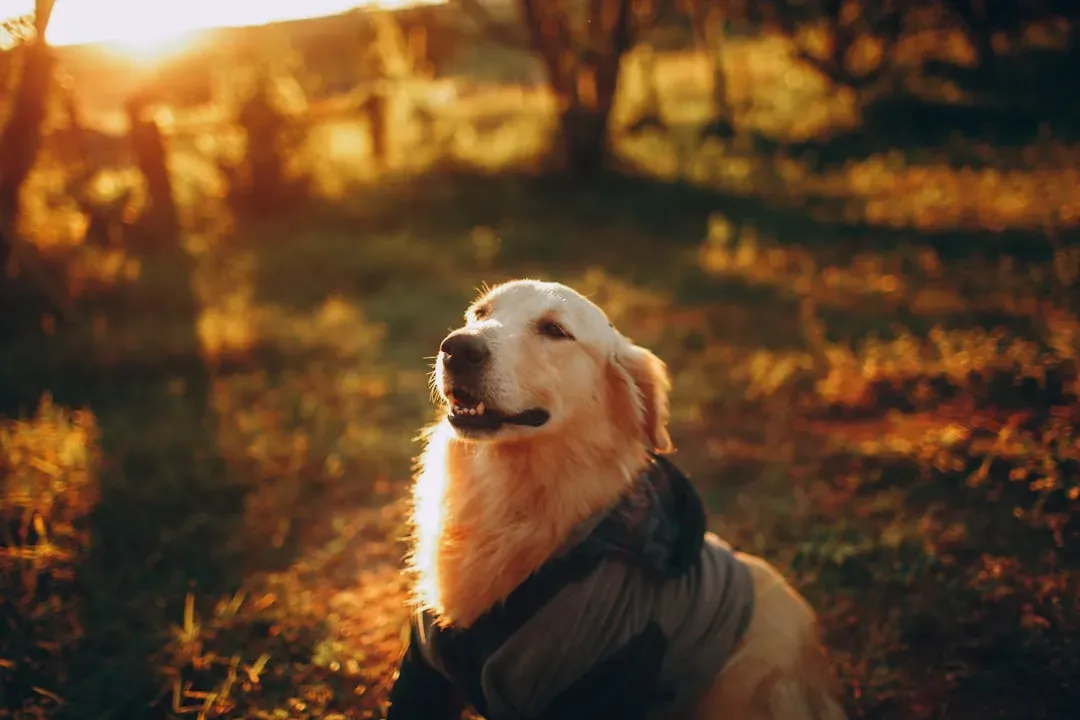
Thundershirts are garments that help dogs cope with many types of stressful situations, including thunderstorms, car rides, trips to the veterinarian, or fireworks, and a Thundershirt works by gently applying pressure to your dog’s body, which can make them feel hugged and soothe any anxieties. The gentle, constant pressure seems to have a naturally calming effect.
Calming coats and t-shirts apply mild, constant pressure to a dog’s torso, surrounding a dog much like a swaddling cloth on a baby, and it’s recommended for dogs with any type of anxiety induced by travel, separation, noise, or stranger anxiety. These products don’t work for every dog, but they’re worth trying, especially for situational anxiety like fireworks or vet visits. The pressure provides a sense of security that many dogs find comforting.
Practice Gradual Desensitization
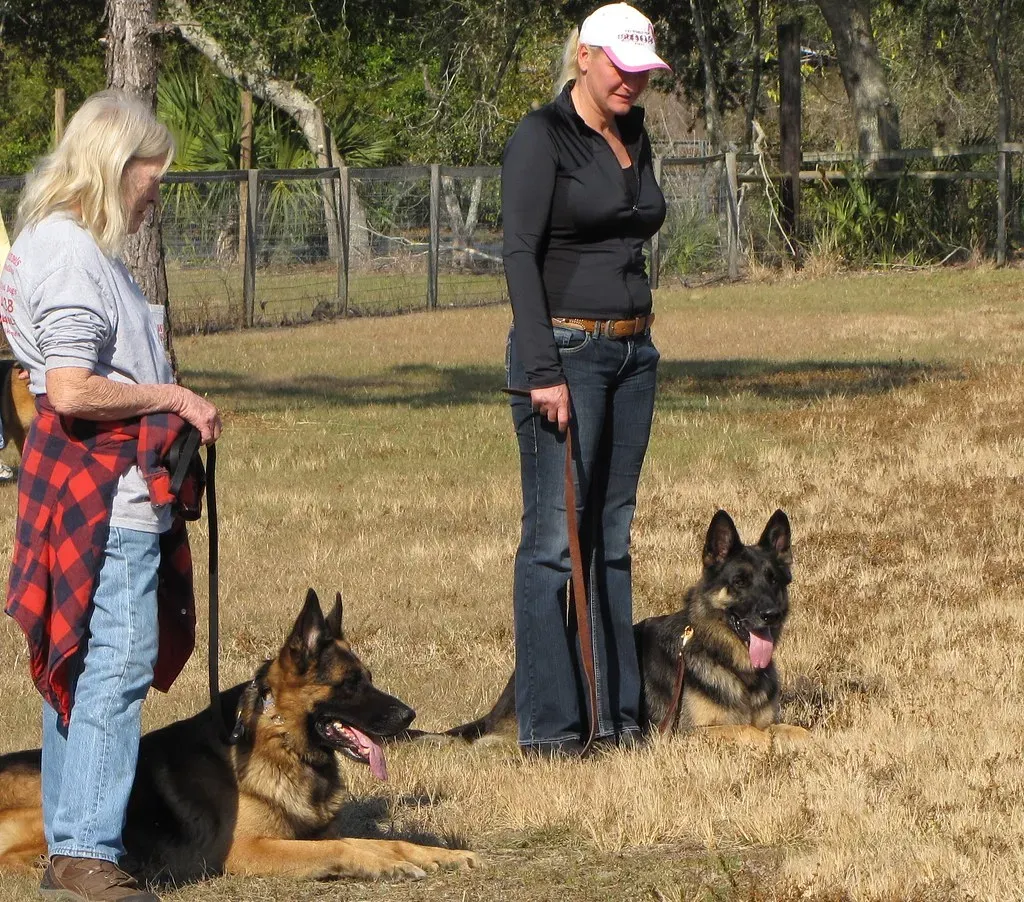
For dogs that are anxious about specific situations, gradual desensitization can be a highly effective technique, which involves slowly exposing your dog to the anxiety-inducing stimulus in a controlled and positive manner. The key word here is gradual. Rushing this process will backfire.
Another strategy to combat anxious or fearful responses to stimuli is to slowly expose your dog to various stimuli in a controlled manner, for example, if your dog is afraid of thunder, you could introduce thunder noise in a positive way by playing sounds of thunder at a low volume during positive events, like playtime or mealtime, and as he adjusts, you can slowly increase the volume of the sound, with the key being to keep the whole experience very positive with a lot of rewards and praise and to take baby steps to slowly build up to the exposure. Patience is everything here. This technique takes time but can genuinely change your dog’s emotional response to their triggers.
Conclusion: Listen to the Whispers
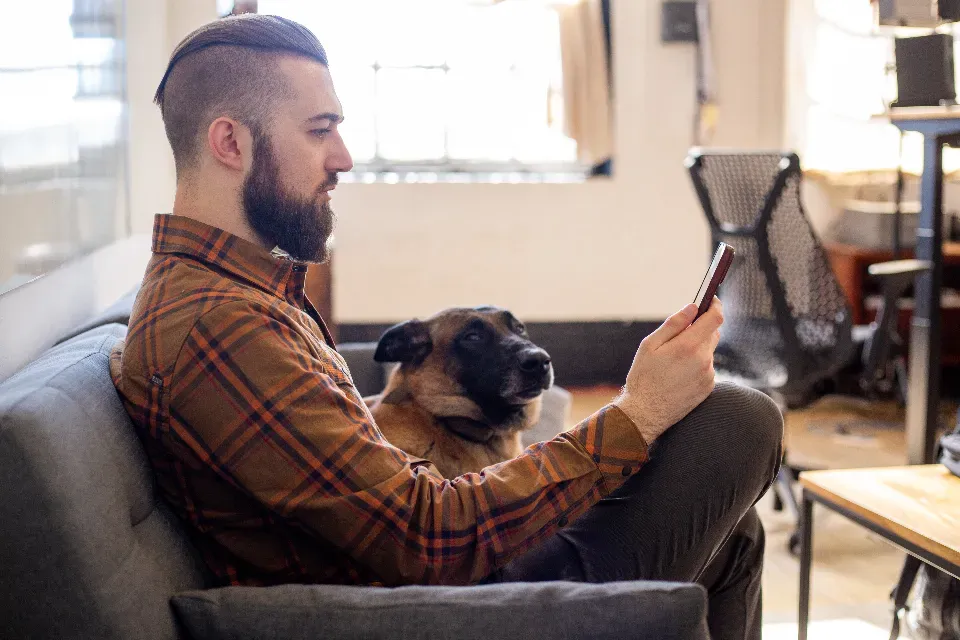
Our dogs are constantly communicating with us through their bodies, their eyes, their tails. The subtle signs they show when uncomfortable are gifts of trust, little warnings that say “I’m not quite okay right now.” If you can respond to their subtle signs of discomfort, your dog will be less likely to communicate by lunging, baring teeth, snarling, growling, snapping, or biting, and the more we can show our dogs that we understand and respect how they are feeling, the more they can trust us to help them.
By learning to read these quieter signals and responding with patience, consistency, and compassion, you’re giving your dog something invaluable: the confidence that you’ve got their back. Creating a safe environment isn’t just about physical comfort. It’s about emotional security, predictability, and trust. What changes will you make today to help your dog feel truly safe? Tell us in the comments.


