

You see your dog doing that familiar dance. The play bow, the wiggle, those eager eyes. They want to play, and honestly, you might think it’s just about burning off energy or keeping them busy. That’s part of it, sure. Yet what if I told you that those daily play sessions are doing something far more profound for your furry friend than you ever imagined?
Playtime isn’t just a fun distraction. It’s medicine, therapy, and enrichment all rolled into one tail-wagging package. From their beating hearts to their brilliant minds, play touches every aspect of your dog’s well-being in ways that might genuinely surprise you. So let’s dive in and discover what’s really happening when you toss that ball or hide those treats.
Your Dog’s Heart Gets Healthier With Every Game
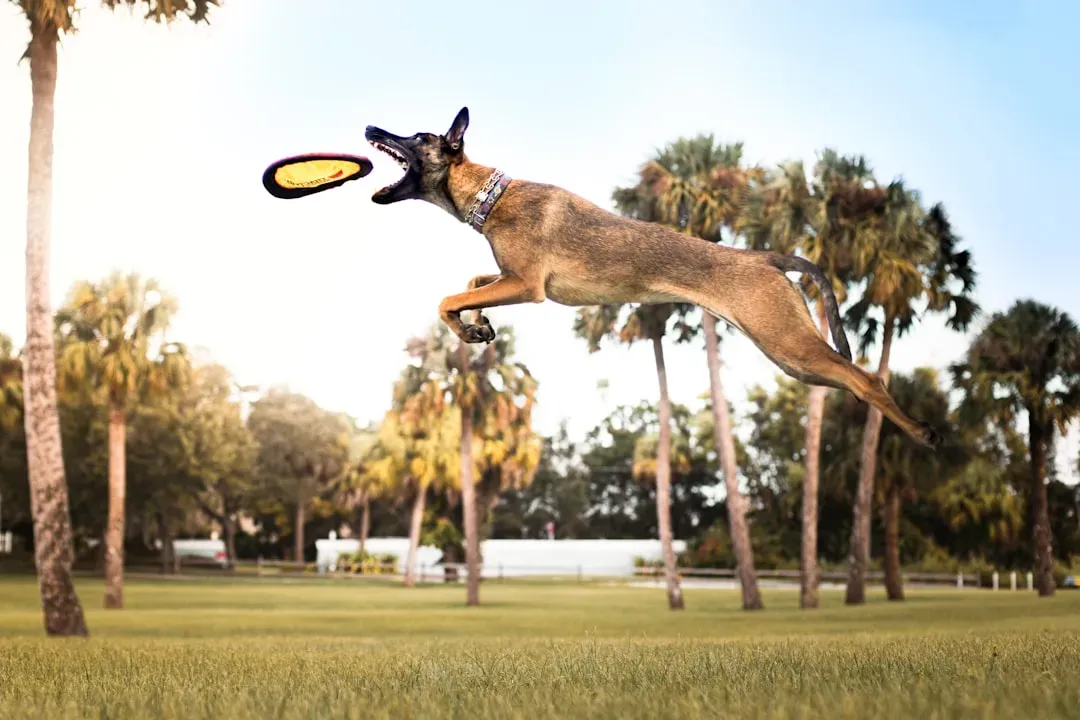
Play is a great way to provide any dog with mental stimulation and physical exercise. That physical component isn’t just about tired paws at the end of the day. Regular running, jumping, and active play sessions actually strengthen your dog’s cardiovascular system in remarkable ways.
Research shows that regular play and exercise can decrease blood pressure and reduce cholesterol levels. Think about it like this: every game of fetch is a mini workout for their heart, pumping blood more efficiently and building endurance. Keeping your pup active is important for maintaining its heart health as well. Exercise helps your dog’s heart pump with less effort, reducing the likelihood of conditions such as high blood pressure.
Here’s the thing we don’t always consider. As your pet ages, however, exercise becomes even more important to maintain a healthy weight and avoid increasing their risk of conditions such as heart disease, diabetes, and osteoarthritis. Carrying extra weight can seriously threaten your dog’s health and vitality. Those playful moments you share today are an investment in their golden years tomorrow.
Mental Sharpness That Beats Boredom and Anxiety
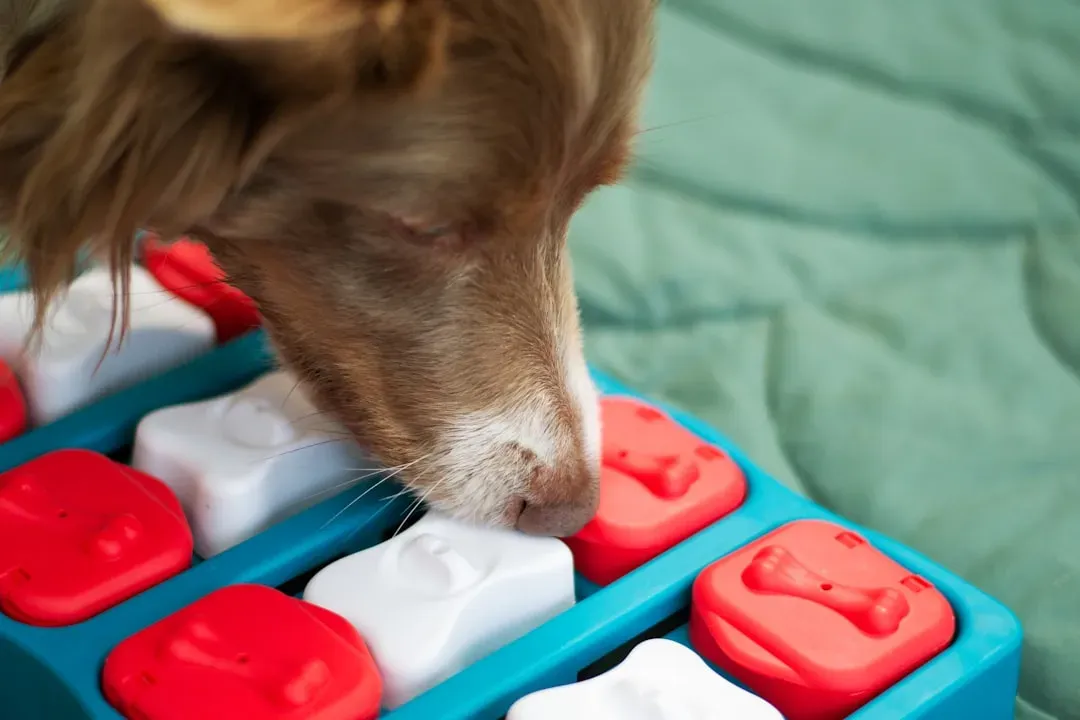
Ever notice how zonked out your dog seems after a training session, even more than after a long walk? Dogs are incredibly smart animals, so mental stimulation is just as important for them as physical exercise. Mental exercises can actually make dogs even more tired than physical exercise.
The cognitive workout that happens during play is genuinely fascinating. Mentally stimulating exercises also strengthen the communication and memory cells in your pup’s brain. Using puzzle toys and other brain games for dogs can reduce the occurrence of symptoms of dementia as your pet grows older. You’re literally helping build a healthier brain when you engage your dog in problem-solving games.
Are they displaying problem behaviors, like barking, or attention-seeking behaviors such as stealing things in the house? Then they might not be getting enough play and are trying to create games of their own. That shoe-stealing habit? It might just be your clever pup inventing their own version of fetch because they’re understimulated. Mental enrichment through play gives them an appropriate outlet for that brilliant canine brain.
Stress Melts Away During Play Sessions
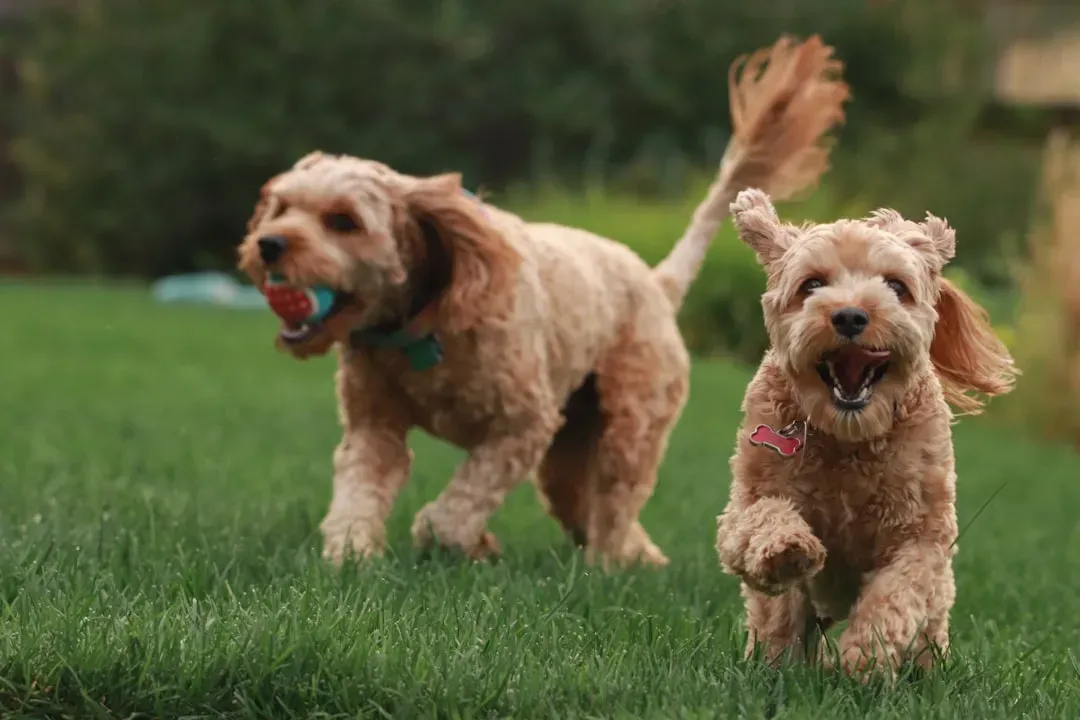
Let’s be real here. Dogs experience stress and anxiety just like we do. Whether it’s thunderstorms, separation, or just the general chaos of daily life, our furry friends carry tension. For dogs, play helps to release stress and pent-up energy, reducing behaviors like excessive barking, chewing, or digging.
The science behind this is pretty remarkable. Sniffing has been shown to not only decrease a dog’s heart rate (decreasing their stress), but it also releases dopamine, the “happy” brain chemical. Even something as simple as a sniff-focused walk or hide-and-seek game triggers those feel-good hormones.
Grooming, playing and gently massaging the dog was linked with strengthened beta-band oscillation, which is associated with heightened attention and concentration. Participants also felt significantly less depressed, stressed and fatigued after interacting with the poodle. What’s fascinating is that this works both ways – you’re both getting stress relief benefits from playtime together.
Destructive Behaviors Disappear When Needs Are Met
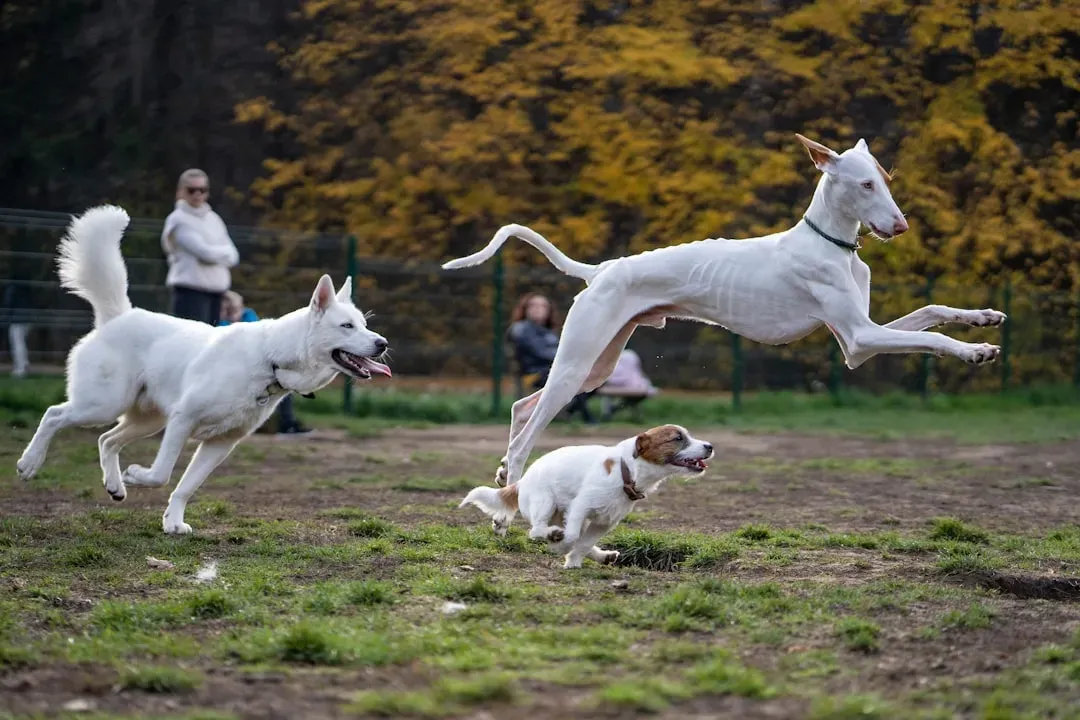
Play helps dogs expend physical and mental energy. That’s important because dogs with excess energy will look for their own outlets, which can lead to unwanted behaviors like destructive chewing or pulling on leash.
I’ve seen this transformation countless times. A dog who’s tearing up cushions or digging holes in the backyard often isn’t being naughty. They’re desperately trying to meet their own enrichment needs because they’re bored out of their minds. Bored dogs often focus on fun or mischievous antics, which can lead to a negative perception of them as ‘bad dogs.’ A tired dog is a good dog. If you want to maintain good behavior, keep your four-legged friend occupied with regular play sessions and plenty of toys that provide them with mental stimulation and fun.
Dogs who are regularly engaged in mentally stimulating play are less likely to develop destructive behaviors, which are often the result of boredom or excess energy. It’s that simple, honestly. Give them something appropriate to do with all that energy and intelligence, and suddenly those problem behaviors fade away. The couch survives another day.
Your Bond Deepens in Ways You Can Actually Feel
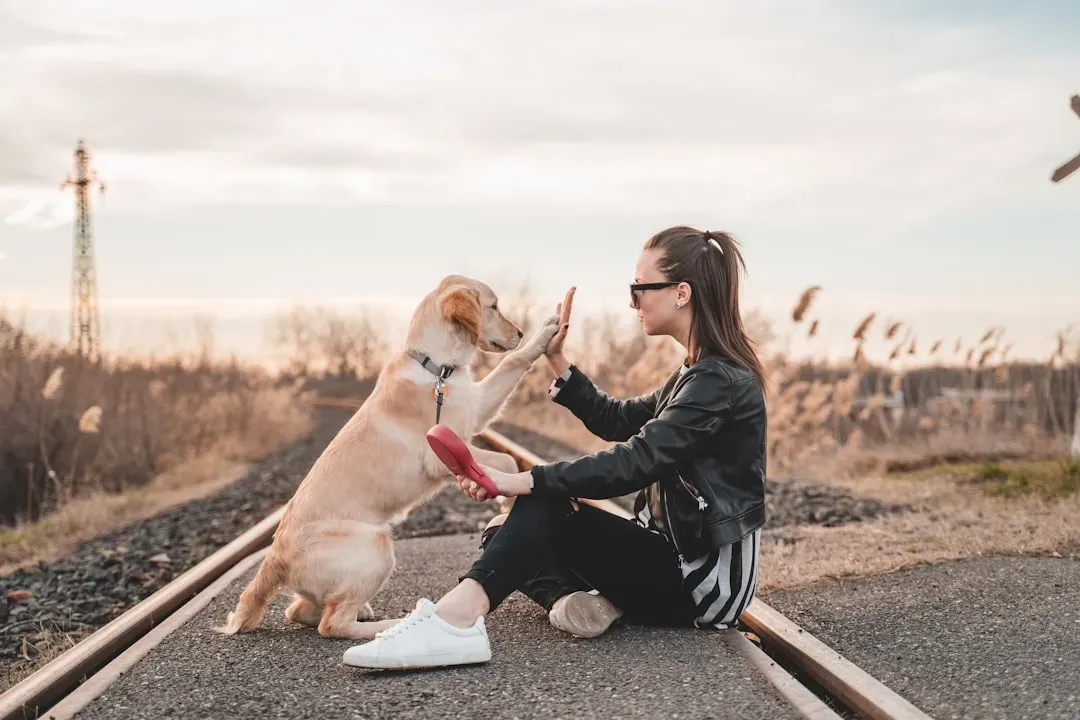
There’s something almost magical about the connection that happens during play. Science says that this playtime actually boosts a feel-good hormone called oxytocin in both of you. This is the same hormone that helps parents bond with their babies. Playing with your dog can create such a strong emotional link.
Every game of tug-of-war, every training session, every silly moment chasing each other around the yard – these aren’t just passing the time. Playing together strengthens the bond between you and your dog, building trust and affection. You’re speaking their language, entering their world, and showing them they can rely on you for joy and security.
Playtime is the ideal time for fostering a strong bond with your dog. These joyful times together allow you to focus on your relationship without distractions (like work). In our crazy busy lives, those ten or fifteen minutes of focused play become sacred connection time. Your dog feels seen, valued, and loved.
Social Skills Get Polished Through Interactive Play

Daily play supports puppies in learning social skills and coordination, helps adult dogs release energy and reduce stress, and keeps senior dogs mentally engaged and physically active. Social development through play isn’t just for puppies, though that’s when it’s most obvious.
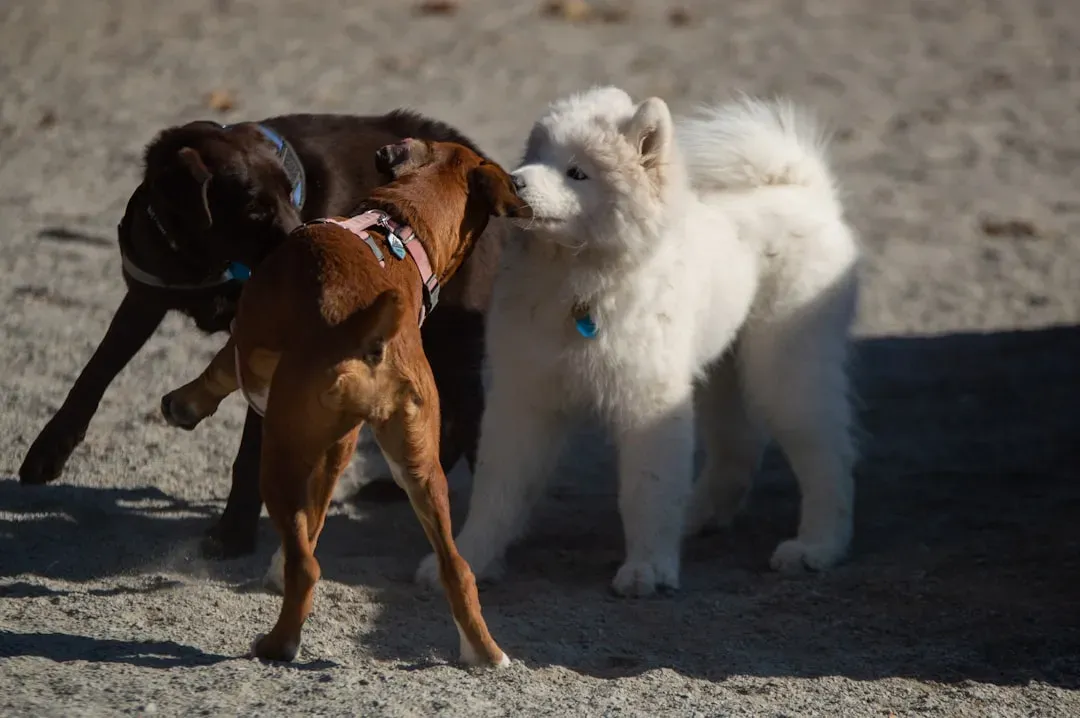
Group play sessions with other dogs can help improve social skills, teaching your dog about proper canine etiquette and reducing aggression and fear. When dogs play together appropriately, they’re constantly reading body language, practicing bite inhibition, and learning when to dial it up or tone it down. These are life skills.
Even if your dog isn’t big on other canine pals, play with you teaches communication and boundaries. Playing with your dog isn’t just about games – it’s a way to build trust and improve communication. Regular playtime helps in building trust with dogs and strengthening the bond between you and your furry companion. When you play with your dog, you’re showing them they can count on you for fun and security. They learn what behaviors earn rewards, what games you enjoy together, and how to read your cues.
Cognitive Decline Slows Down As They Age

This one genuinely surprises people. A recent Harvard Health article, “Dogs and Cats May Slow Cognitive Decline,” found that long-term pet ownership – especially dog ownership – was linked to slower rates of cognitive decline in older adults. The fascinating part? The benefit goes both ways when you play together.
Playtime is important for dogs to learn about the world and strengthen their brains. Encouraging different types of play in different environments and with different playmates helps them maintain sharp reflexes, reaction times, and memories. Variety matters here. Different games, different locations, new challenges – these all keep those neural pathways firing.
All of these studies point to the fact that ageing seems to be slowed by mental and physical stimulation, and thus stopping these activities might actually lead to faster ageing in dogs. Senior dogs especially need continued enrichment. However, playing may help prevent cognitive decline in adult and senior dogs. Just because they move slower doesn’t mean their minds should slow down too. Gentle, age-appropriate play keeps them sharp and engaged well into their golden years.
Conclusion
Those few minutes you spend playing with your dog each day create ripples far beyond the immediate joy and laughter. You’re building a healthier heart, a sharper mind, and a more balanced emotional state. You’re preventing problem behaviors before they start and deepening a bond that already means the world to both of you.
Recent behavioral studies show that playtime with dogs for just 15-30 minutes daily can significantly boost mood, reduce anxiety, and maintain cognitive function. Fifteen to thirty minutes. That’s all it takes to unlock these incredible benefits.
So next time your dog brings you that ball or does that adorable play bow, remember what’s really at stake. You’re not just playing – you’re caring for their heart, mind, body, and soul. What do you think? Will you look at playtime differently now? Tell us in the comments what your dog’s favorite game is.


