
You walk to the kitchen, and there they are. You head to the bathroom, and there’s that familiar scratch at the door. It doesn’t matter if you’re doing something thrilling like cooking dinner or something completely mundane like checking the mail – your dog is right there, tail wagging, eyes locked on your every move. If you’ve ever wondered what’s actually going on behind those devoted eyes, you’re not alone.
The truth is, this shadow-like behavior is one of the most talked-about quirks of dog ownership, and it runs a lot deeper than simple clinginess. There’s science behind it, evolutionary history behind it, and honestly, quite a lot of heart behind it too. Here’s what’s really driving your dog’s need to be glued to your side.
1. You’re Their Whole World – Literally
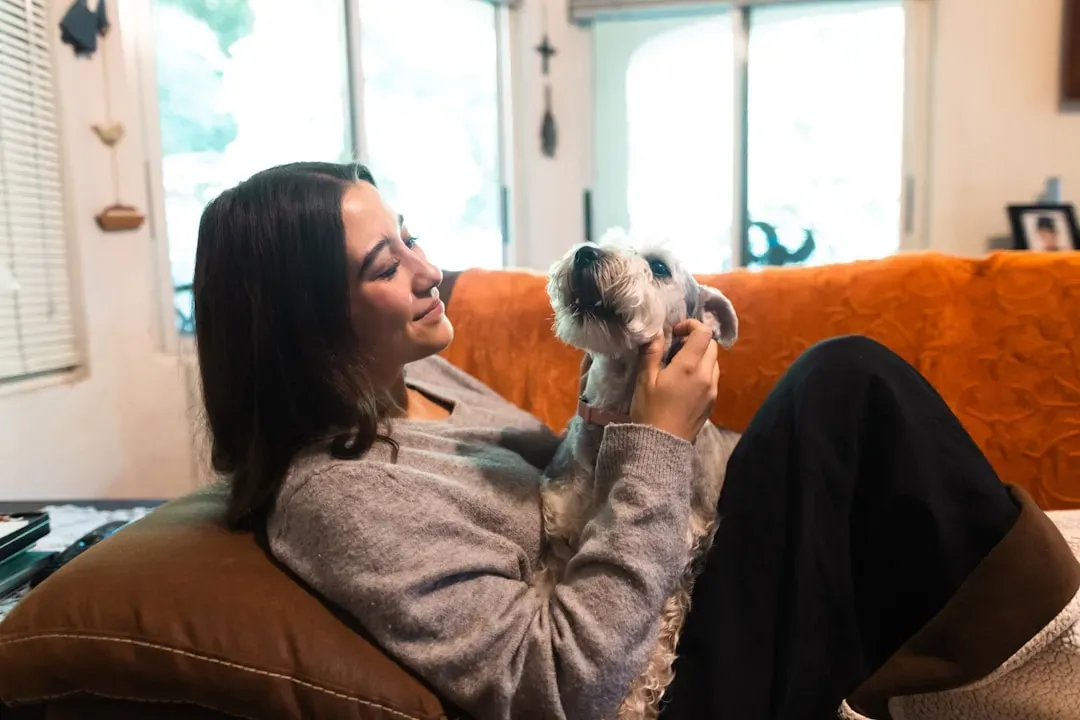
Dogs are incredibly social animals and love to spend time with their owners. You are your dog’s whole world, and being with you is a big part of their life. You make them feel happy, secure, and safe – and they genuinely enjoy spending time with their best friend. That’s not just poetic language; it’s the core of how dogs experience their domestic lives.
The most obvious reason is the sweetest: your dog loves you. It’s natural to want to be close to the companion you love most, and from a practical perspective, you are very important to your dog’s survival. You provide protection, love and affection, you are their key to being outside, and you give them food. As you consistently show care in this way, being with you is where they feel safest.
2. The Oxytocin Effect: Your Dog Is Getting a Hormone Rush
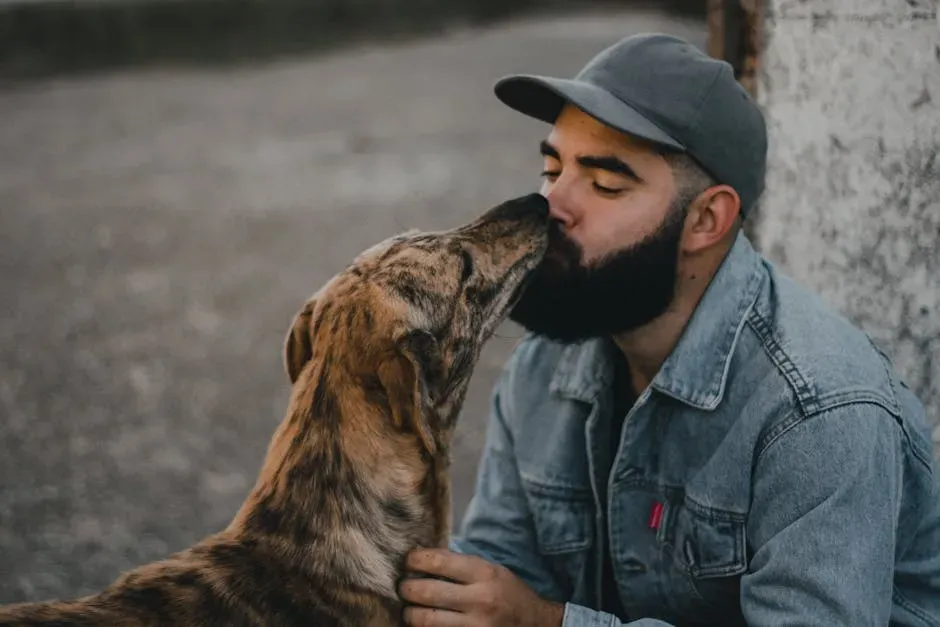
When dogs interact with someone they like, the hormone oxytocin is released. Oxytocin is often referred to as the “love hormone” and makes you feel that warm glow when you’re around someone you like. What’s remarkable is that this chemical reaction happens on both sides of the leash – for the dog and for you.
Being close to their owner boosts a dog’s mood – cuddling, sitting up against you, licking and looking into your eyes actually releases oxytocin, the bonding hormone that increases trust, for the human too. It is scientifically proven that the oxytocin hormone is released when dogs and humans come close, strengthening and deepening the bond. So the next time your dog follows you into the living room just to plop down at your feet, know that they’re essentially chasing a feeling of love.
3. Pack Mentality: An Ancient Instinct Still Running the Show
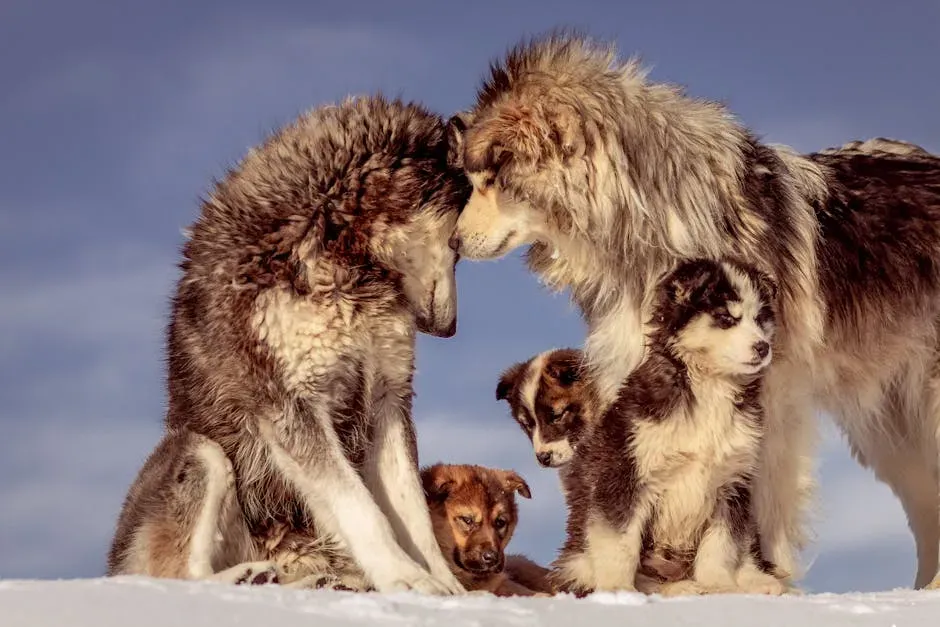
Dogs are descendants of wolves, animals that thrive in structured, social groups. This “pack mentality” is still very much alive in modern dogs. At home, your family becomes your pup’s pack. Staying close to you is a way for your dog to feel connected to their group and to participate in daily activities. Following you from room to room is instinctive – whether you’re cooking, working, or relaxing, your pup simply wants to be where their pack is.
Following around the “alpha” is a key survival instinct that comes from wolves traveling in packs. Your dog staying close to you means that, in their eyes, you are the leader. This isn’t about dominance in a rigid sense – it’s about comfort, belonging, and feeling like they’re exactly where they’re supposed to be.
4. You’ve Trained Them to Do It (Without Realizing It)
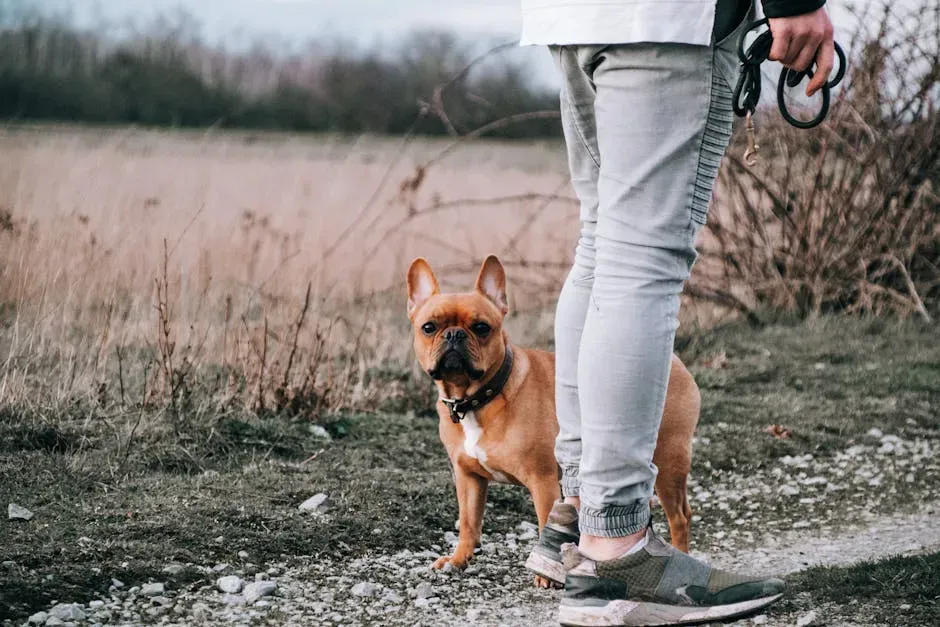
When your dog follows you around, how do you react? Do you tend to ignore them, or do you give them a pat, a cuddle, or maybe even a nibble of food? It’s possible that your dog has learned that if they follow you around, they get good things. Giving them reassurance, attention, and treats every time they follow you encourages them to keep doing it.
From words of affirmation, physical touch, and the odd tasty treat while they follow you around, your dog has learned that if they stay at your heels, love and treats are usually on the horizon. This means they’ll definitely keep doing it in the hope of more praise. It’s a feedback loop built entirely on affection – and honestly, you probably started it with one too many guilty glances back at their puppy eyes.
5. They’ve Chosen You as Their Favorite Person
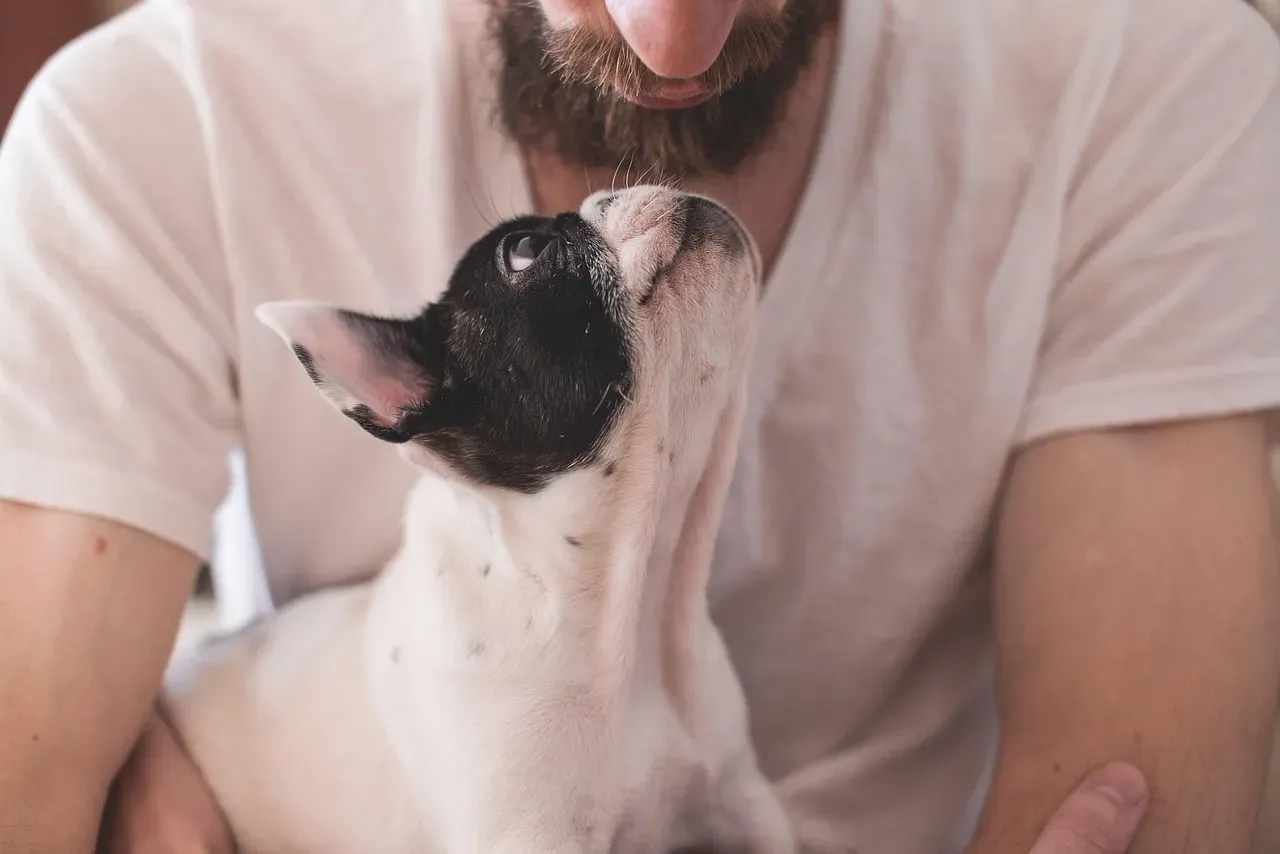
Does your dog only follow you and no one else? Some dogs form a strong attachment to one person and prefer that person over others. This is often due to that person spending more time caring for the dog. Dogs will usually pick one person in the family that they like to be around a bit more than others. Usually, this person is their primary caregiver and spends the most time with the dog. Oftentimes, the dog’s favorite person also matches their personality and energy level.
A dog’s breed can influence how strongly they bond with humans. One study found that some especially loyal breeds – like Labrador Retrievers, German Shepherds, and Toy Poodles – were more likely to seek out and stay close to their owners compared to other breeds. Though almost all dogs love to be near their owners, highly loyal dogs such as Vizslas, Golden Retrievers, Labradors, and Border Collies, as well as typical “lap dogs” like Chihuahuas, Shih Tzus, and Cavalier King Charles Spaniels, are definitely known to be among the most clingy.
6. They’re Picking Up on Your Emotions
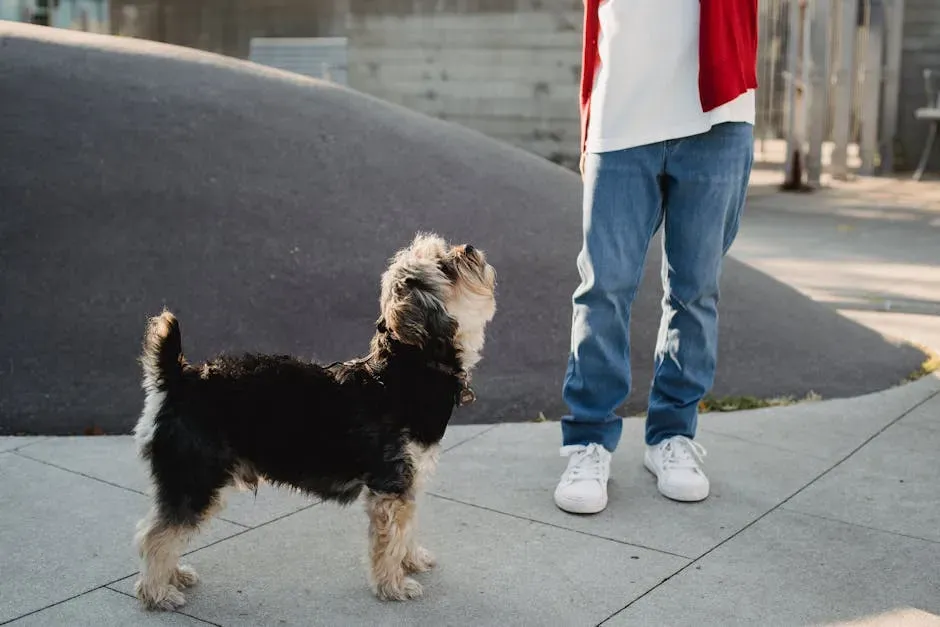
Dogs are far more emotionally perceptive than most people give them credit for. One key attachment behavior is proximity seeking, where the animal will seek out their attachment figure as a means of coping with stress. This works in reverse too – your dog often follows you more closely when they sense something is off with you emotionally.
Psychologists suggest that dogs are very attuned to their owner’s emotional states and may increase their following behaviors as a way to offer support. An emotionally attached dog will follow their human around the house from the moment they wake up, making sure they’re always within sight. Whether you’re brushing your teeth, washing the dishes, or doing a workout, your four-legged friend wants to be involved. It’s their version of checking in on you – quiet, steady, and completely unconditional.
7. Boredom, Old Age, or an Underlying Health Concern
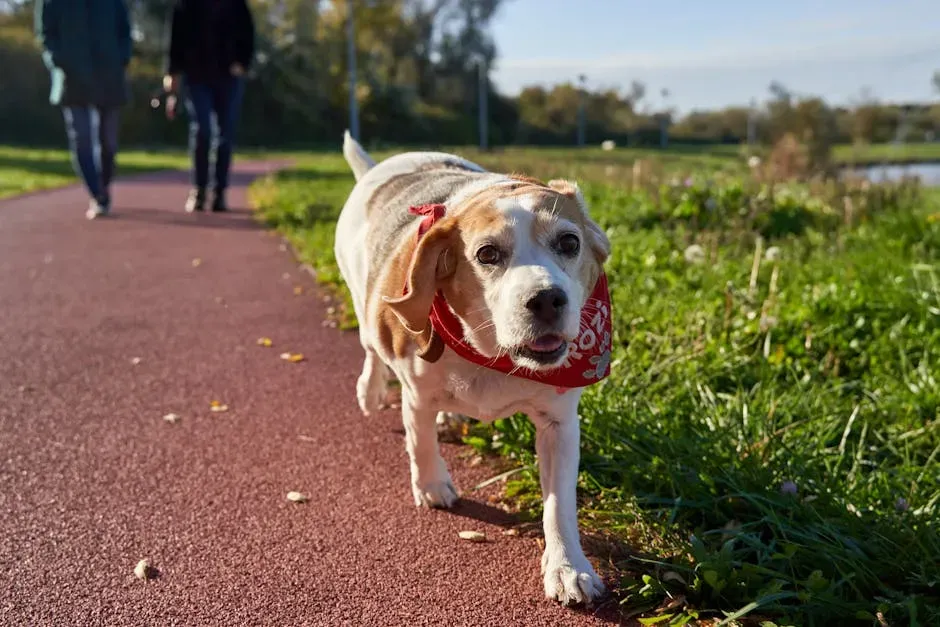
Some dogs follow their people simply because they’re not getting enough mental or physical activity. A bored dog is a dog in search of stimulation, and you’re the most interesting thing in the house by a wide margin. If you’ve been sitting or stationary for a long part of the day and your dog is somewhat bored or restless, they will follow you for mental stimulation or to get a change of scenery.
Older dogs, or dogs with health issues, may follow you around more often because they feel vulnerable. Conditions like vision or hearing loss, arthritis, or cognitive decline can make them feel less confident navigating the world on their own, so they’ll stay close to you for comfort and assistance. If you notice a sudden increase in your older dog’s shadowing behavior, a vet visit is always a good idea. In most cases, a dog following you is normal and even sweet – it’s a sign they love you, trust you, and want to be near you. However, if their behavior becomes obsessive or is accompanied by signs of stress or anxiety, you might want to consult with a veterinarian or a dog behaviorist.
When Following Becomes Something to Watch
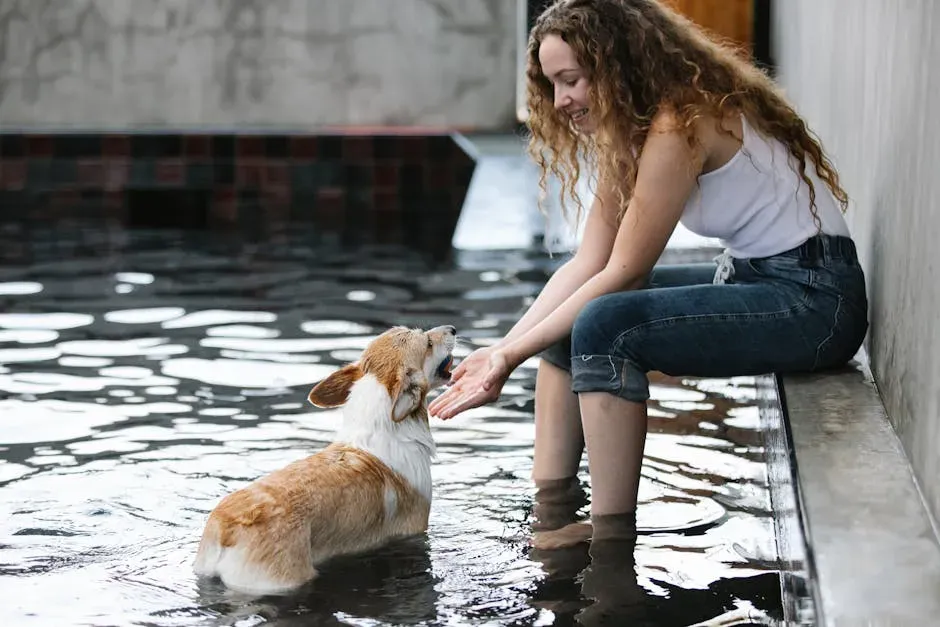
Most of the time, your dog’s devotion is genuinely just that: devotion. The difference between an anxious dog and a “Velcro dog” is anxiety itself. While Velcro dogs prefer to be glued to their owners, dogs with separation anxiety usually panic when they’re away from their owners. The distinction matters because one is a personality trait and the other is a welfare concern.
While following is often harmless, in some cases it can signal a deeper issue – separation anxiety. Dogs with separation anxiety may become distressed when they can’t see or be near their owner, leading to behaviors such as whining, pacing, or destructive chewing when left alone. If your dog’s shadowing feels excessive or is paired with signs of stress, it’s important to address it with structured training and gradual independence-building exercises.
Pay attention to body language: an anxious dog often has wide eyes, pinned ears, and increased stiffness as you prepare to leave. Dogs who experience anxiety about being left alone often refuse to play with their favorite toy or eat a treat when outside of the house. If your dog’s constant following becomes overwhelming, you can set some boundaries. Train them to stay in designated areas using commands, or give them toys and activities to engage their attention elsewhere.
A Final Thought
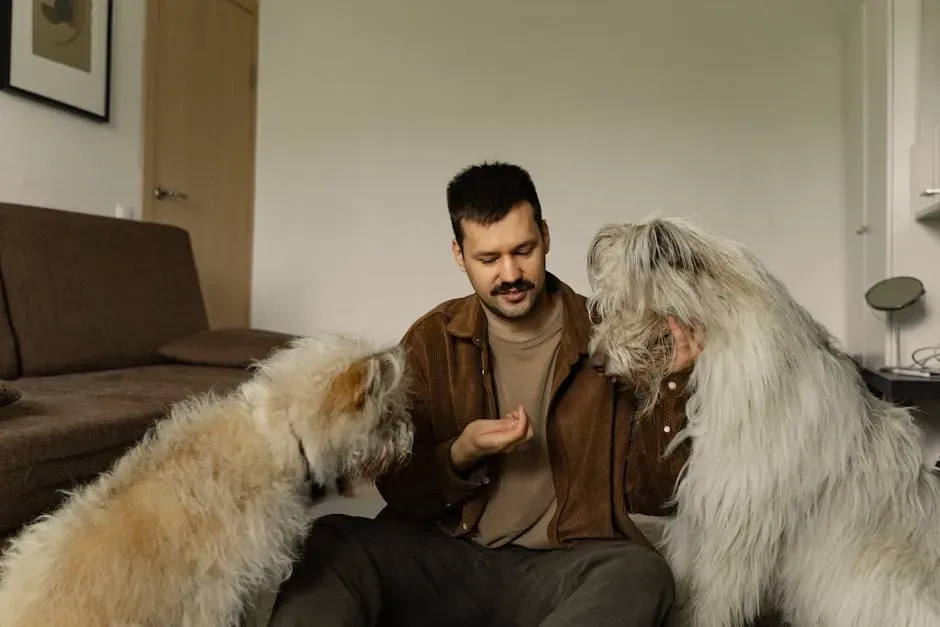
There’s something quietly extraordinary about a creature that genuinely chooses to be near you. Your dog isn’t following you out of habit or random impulse – they’re doing it because of a deep, biologically rooted bond shaped by thousands of years of living alongside humans.
Understanding why your dog shadows you doesn’t just satisfy curiosity – it changes how you respond to them. When you recognize that the behavior is mostly love, partly instinct, and occasionally a signal worth noting, you can show up for your dog with more patience and intention. Understanding why your dog follows you can enhance your relationship. It’s an opportunity to strengthen your bond through training and shared activities that reinforce their confidence and security.
The next time you feel that familiar presence padding behind you down the hallway, take a half-second to appreciate it. That little shadow? It chose you.


