

Your dog can’t text you when something’s wrong. They can’t grab you by the arm and say, “Hey, I really need your attention right now.” Yet they’re constantly communicating, sending you signals that can be easy to miss if you don’t know what you’re looking for.
Here’s the thing: dogs are remarkably good at asking for help, but they do it in ways that don’t always look like distress at first glance. Dogs may be good at communicating their everyday wants, but when something is wrong, their signals can be more subtle. Some behaviors we brush off as quirky or annoying are actually urgent messages. Let’s dive into the surprising ways your furry friend might be asking for your help, and more importantly, how you can respond with the love and care they deserve.
That Intense Stare Isn’t Always About Treats
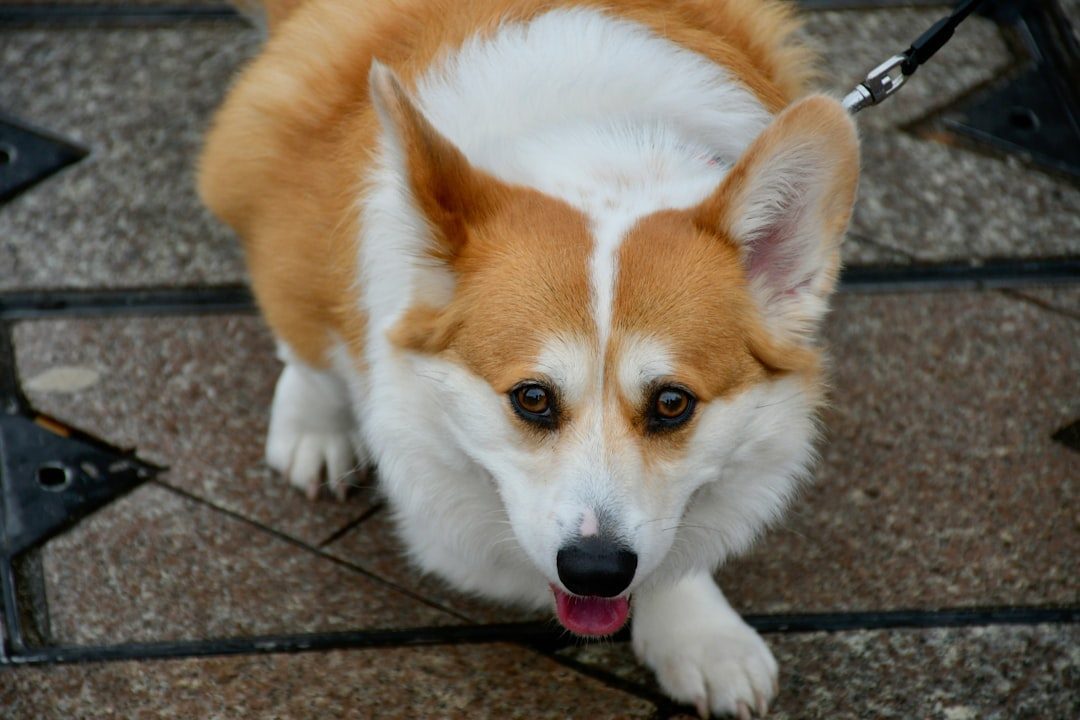
You glance up from your laptop and find your dog staring directly at you with an intensity that feels like they’re looking straight into your soul. Most of us assume they’re begging for food or hoping for a walk. Sometimes that’s true, but not always.
When dogs want something, they stare at you with the hope that you’ll understand what they are after. Yet this stare can signal everything from needing to go outside to feeling anxious about something in their environment. Pay attention to what’s happening around you when they stare. Is there a loud noise? Is someone new in the house? The context matters enormously. If your pup maintains that fixed gaze and seems tense rather than excited, they might be looking to you for reassurance or guidance in an uncertain situation.
Excessive Licking Can Mean More Than “I Love You”
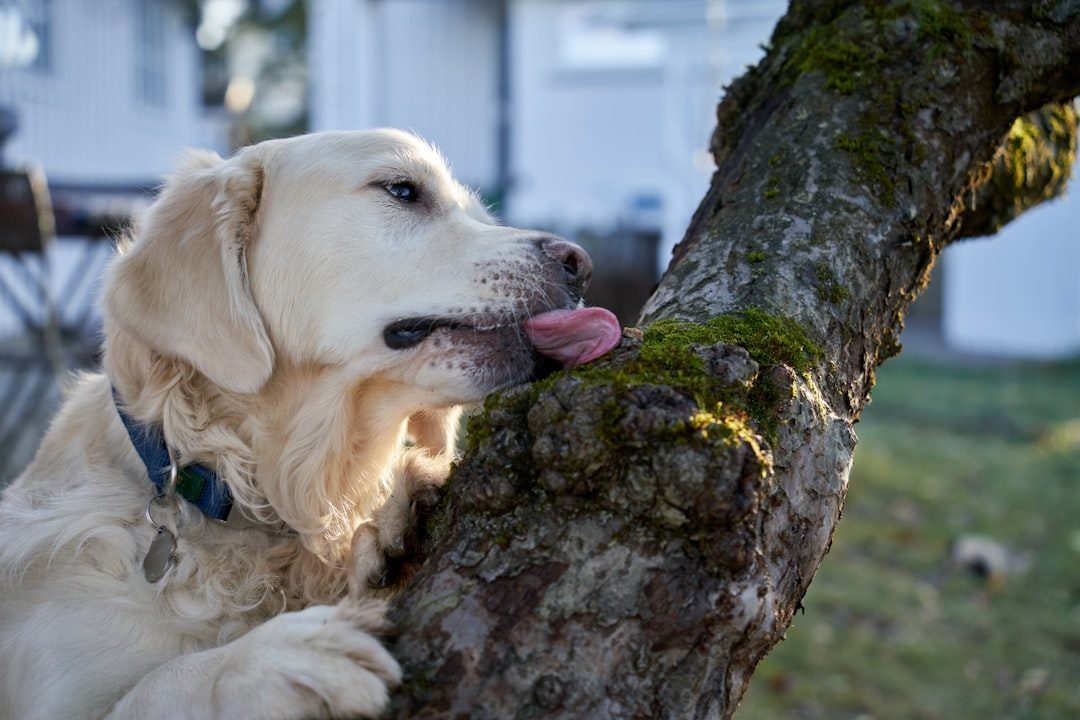
We all love those slobbery kisses, and occasional licking is perfectly normal canine behavior. However, when your dog starts licking excessively, whether it’s you, themselves, or random objects, something deeper might be going on.
Licking can be a sign of other issues. Lots of licks can indicate anxiety or, in extreme cases, can be a sign of compulsive behavior. Dogs licking their paws obsessively often signals allergies or skin irritation. A sign your dog is combating an allergy is through consistent licking and scratching behaviors. If you notice your dog can’t seem to stop licking a particular area, schedule a vet visit. It could be anything from environmental allergies to food sensitivities, and catching it early prevents your pup from suffering unnecessarily. The response here is straightforward: observe where and how often they’re licking, and get professional help if it persists for more than a day or two.
Destructive Behavior Often Screams “I Need You”

Coming home to shredded cushions or chewed-up shoes is frustrating. I get it. Your first instinct might be anger, but pause for a moment. Destructive behavior isn’t your dog being spiteful or poorly trained.
Adult dogs are often destructive to show their unhappiness. They are simply asking for help in the only way that they know how. Bored dogs, dogs that are stressed and dogs that are lonely/depressed may show their feelings through destructive behavior. Think about your dog’s daily routine. Are they getting enough mental stimulation? Enough of your time and attention? Rather than punishment, which only makes things worse, try increasing exercise, providing puzzle toys, or spending more quality time together. Sometimes a dog chewing your favorite pair of sneakers is really saying, “I’m lonely and I don’t know what to do with myself.”
Sudden Changes in Eating or Drinking Habits

Your dog has always been a reliable eater, then suddenly they’re skipping meals. Or maybe they’re drinking water like they just crossed a desert. These shifts are red flags that shouldn’t be ignored.
A sudden and unusual change in activity is one of the first signs that your dog isn’t feeling well and may need help. If your dog has lost its appetite, is suddenly ravenous or is drinking far more or far less water than usual, it’s time for a check-in. It could also be a sign of something more serious, such as Cushing’s disease, diabetes or kidney or liver disease. If the behavior continues beyond a full day, or if it comes with vomiting, diarrhea, or lethargy, you need to contact your veterinarian immediately. Even subtle changes in appetite can signal underlying health issues that are much easier to treat when caught early.
Pacing and Restlessness Signal Inner Turmoil
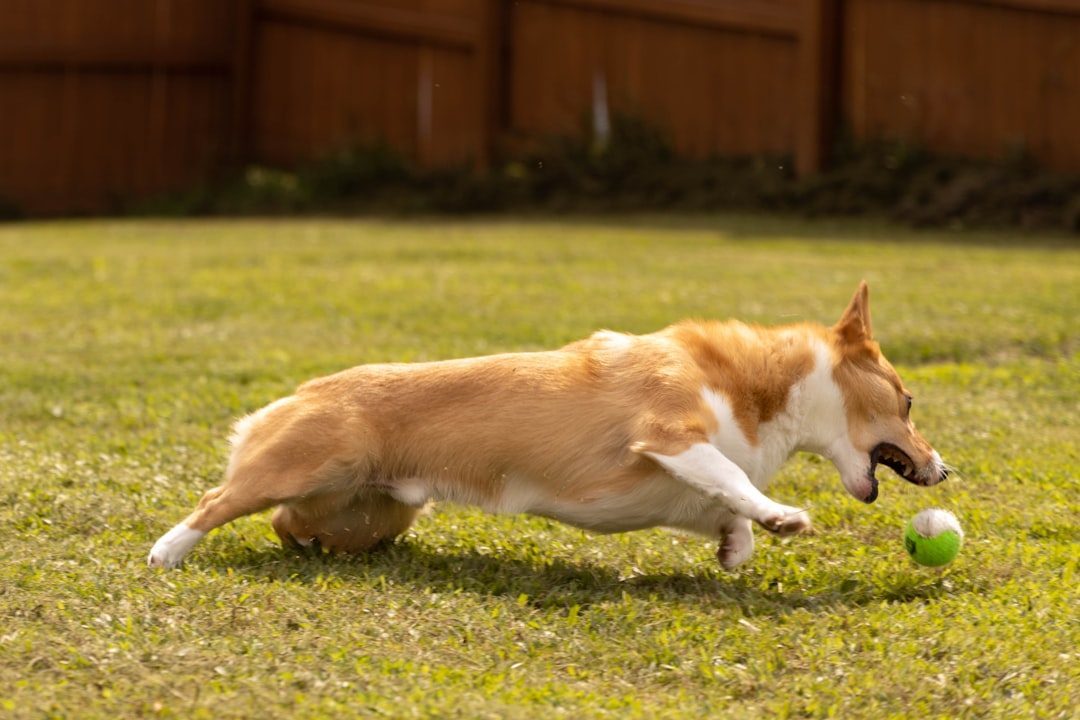
Picture this: your dog walks back and forth, seemingly unable to settle. They circle the room, lie down, get up again, repeat. Pacing is an anxious behavior in dogs. If they’re walking around in circles, they’re most likely feeling a little stressed.
Pacing is typically a sign of anxiety or stress. If your dog starts pacing out of the blue or if the pacing lasts for an extended period of time, it may be a sign of a serious problem. Short bursts of pacing while waiting for someone to come home are normal. What’s not normal is prolonged, aimless wandering that seems disconnected from any obvious trigger. First, try to identify what might be causing the distress. Is it a storm approaching? A change in routine? If the pacing doesn’t stop or happens frequently, consulting with your vet or a canine behaviorist is the right move. Sometimes underlying pain or cognitive decline in older dogs manifests as restless pacing.
Sudden Fear of Things They Used to Tolerate

Let’s say your dog has never had an issue with thunderstorms, and suddenly they’re cowering under the bed at the first rumble. Or maybe they’ve always been fine with the vacuum cleaner, but now they’re terrified. This isn’t them being dramatic.
Sudden fears: “Whenever someone tells me their dog suddenly became afraid of thunderstorms or suddenly has noise sensitivity, I tell them to go to their vet,” says Bender. When dogs develop new fears seemingly out of nowhere, it can indicate pain or an underlying health issue that’s making them more sensitive to their environment. Pain changes how dogs perceive the world around them. What they once tolerated becomes overwhelming when they’re not feeling well. Don’t dismiss these new anxieties as behavioral quirks. A thorough veterinary exam can rule out physical causes, and if everything checks out medically, you can work with a trainer on desensitization techniques.
Subtle Body Language Changes You Might Miss
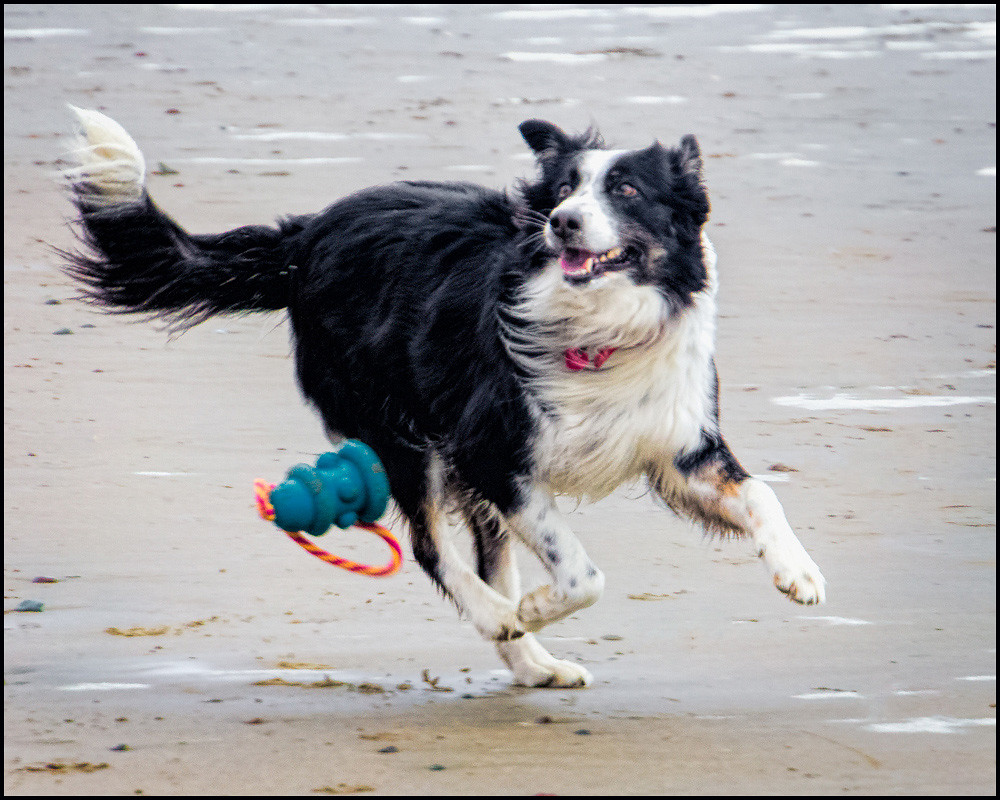
This one’s tricky because it requires you to really know your dog’s normal demeanor. Changes in gait or stride: Even things as subtle as walking with their head lower could indicate discomfort. Maybe they’re holding their weight differently, or their tail isn’t quite as high as usual.
If a dog is experiencing pain in one of their limbs or another body part, they will most likely present some sort of lameness, or they may yelp when touched in the affected area. But honestly, sometimes the signs are way more subtle than yelping. A dog who suddenly doesn’t want to be petted in their usual spot, or who tenses up during affection, is communicating discomfort. Watch for excessive yawning when they’re not tired, lip licking when there’s no food around, or a generally stiff posture. If your dog begins yawning during a visit without any apparent reason, she could be experiencing stress. However, if he begins to pant during a visit in the absence of physical exertion or heat, this is a very obvious sign of stress. These calming signals tell you your dog is uncomfortable and needs your intervention, whether that’s removing them from a stressful situation or getting them checked by a vet.
Conclusion
Dogs have been our companions for thousands of years, and they’ve gotten pretty good at communicating with us, even if they can’t use words. The key to being a great dog parent is paying attention to those subtle signals and responding with compassion rather than frustration.
Every behavior has meaning. Every stare, every lick, every moment of restlessness is your dog trying to tell you something important. When you learn to read their language, you don’t just prevent problems; you deepen the incredible bond you share. Trust your instincts, and when in doubt, consult professionals who can help you interpret what your furry friend is trying to say. What surprising signals has your dog sent you recently? Share your experiences in the comments.


