
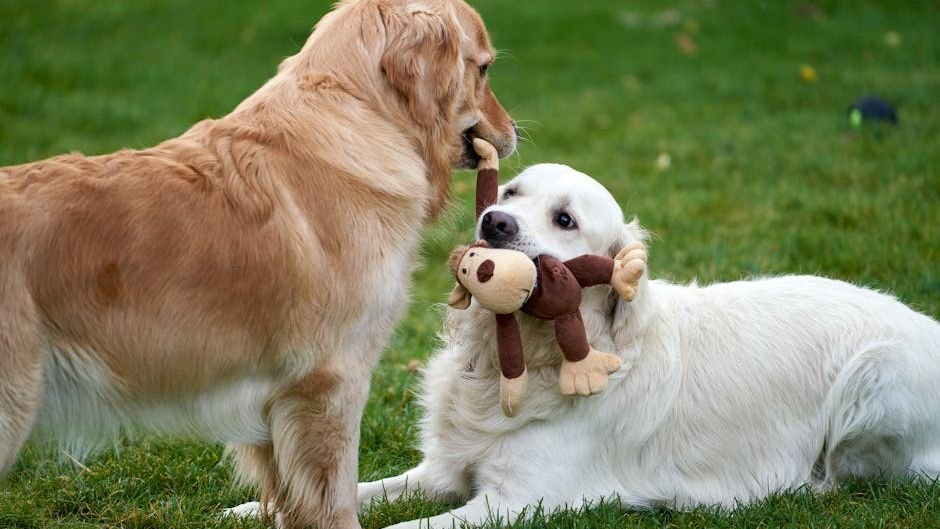
Have you ever watched your Border Collie obsessively herd the kids around the living room, or noticed your Basset Hound follow every single scent trail on a simple morning walk? Maybe you’ve wondered why your Bulldog is perfectly happy snoozing the afternoon away while your neighbor’s Jack Russell is bouncing off the walls. Here’s the thing – that’s not a coincidence, and it’s definitely not a training failure.
Your dog’s breed carries centuries of genetic programming, a kind of invisible blueprint that quietly shapes everything from how they sleep, eat, play, and even how they love you. The surprising part? Most dog owners don’t realize just how deep that influence runs. Let’s dive in and discover what your dog’s breed is really telling you about their everyday world.
1. How Much They Sleep (and When)
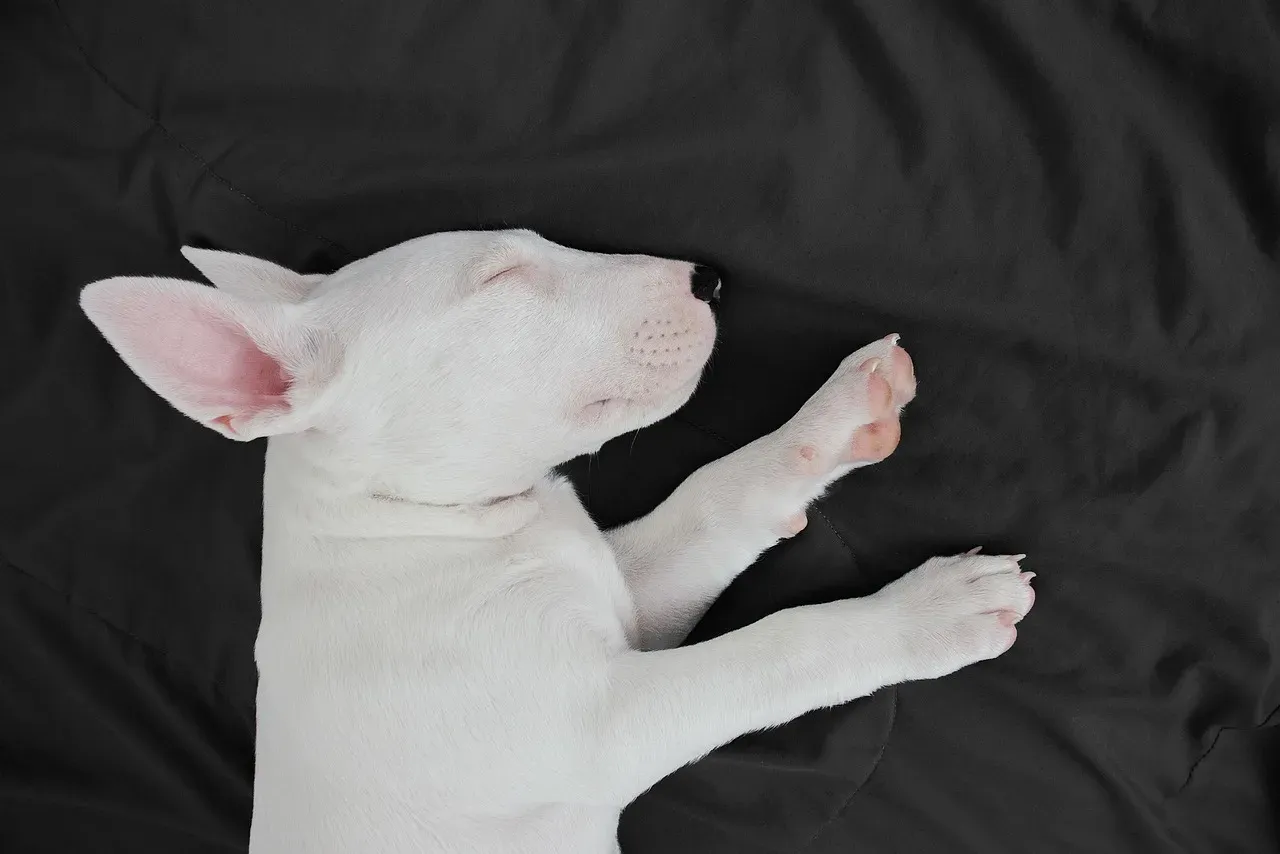
It might shock you to learn that your dog’s napping habits are not laziness – they’re breed destiny. Sleep patterns vary notably between small and large dog breeds, with larger breeds generally sleeping more than their smaller counterparts due to differences in energy expenditure, metabolic rates, and recovery needs.
Some breeds are just more prone to napping than others. Bulldogs, Mastiffs, Great Danes, and even some lapdog breeds like Shih Tzus tend to nap more, while working dog breeds like Retrievers or Border Collies tend to be more energetic. So if your Mastiff is clocking in enormous amounts of sleep every day, that’s completely normal.
Hypervigilance is especially prevalent in working breeds like Australian Shepherds, Border Collies, Belgian Malinois, and German Shepherds, which are genetically predisposed to higher levels of alertness due to their historical roles in herding, protection, and other demanding tasks. For these breeds, a lack of mental stimulation during the day can actually disrupt healthy sleep at night.
Watch for sleep changes as a health signal. Behavior can be an important indicator of health and welfare in companion dogs, and behavioral change can signal transitions in life stages, alert caretakers to potential illnesses or injuries. If your usually alert Shepherd is suddenly sleeping heavily, a vet visit might be warranted.
2. Their Exercise Needs Are Baked Into Their DNA

Here’s a truth that saves relationships between dogs and their owners: your dog isn’t “too much” or “too little.” They’re simply wired the way their breed was designed. Many dog breeds were originally developed for specific purposes such as herding, guarding, hunting, or companionship, and those roles continue to shape their behavior today. Border Collies, once bred for herding livestock, are known for their sharp focus and endless energy, while Basset Hounds, created for scent tracking, may appear calm and easygoing but still have an extraordinary sense of smell.
The most common cause of a dog’s destructive behaviour in the house is lack of exercise. Behavioral problems such as tail chasing, chewing, and excessive barking and whining can in most cases be traced to confinement for long periods of time without respite. I honestly think this single fact would prevent countless dogs from being surrendered to shelters every year if more people knew it.
Sporting dogs’ energy levels can be overwhelming without proper outlets, so long walks, games of fetch, or swimming sessions will keep them happy and healthy. Meanwhile, companion breeds like Shih Tzus or Pugs are quite content with shorter, gentler daily walks. Match the exercise to the breed, not to your preference.
3. The Way They Eat and How Much They Need

Feeding your dog seems straightforward until you realize that what’s perfect for a Labrador might actually be harmful for a Dachshund. Dogs that work require extra nutrients. Sled dogs, for instance, need to be fed a diet that is much higher in calories, one with a very different ratio of fat, protein, and carbohydrates compared to the diet of more sedentary dogs. Breed purpose really does drive nutritional requirements.
Bigger dogs also tend to be faster, more enthusiastic eaters, and this comes with its own risks. Large and deep-chested breeds like Great Danes and German Shepherds are more prone to bloat, a life-threatening condition where the stomach twists. Feeding smaller meals, twice a day, and avoiding exercise immediately after eating are simple but critical prevention habits for these breeds.
Dogs that eat a balanced diet of healthy food will develop and behave differently than dogs eating lower-quality foods. Dogs that eat foods with too many fillers and artificial ingredients might be more likely to have energy peaks like overexcitability and crashes like lethargy. So if your high-energy breed seems unusually hyper or moody, look at the food bowl first.
4. Their Emotional Attachment Styles
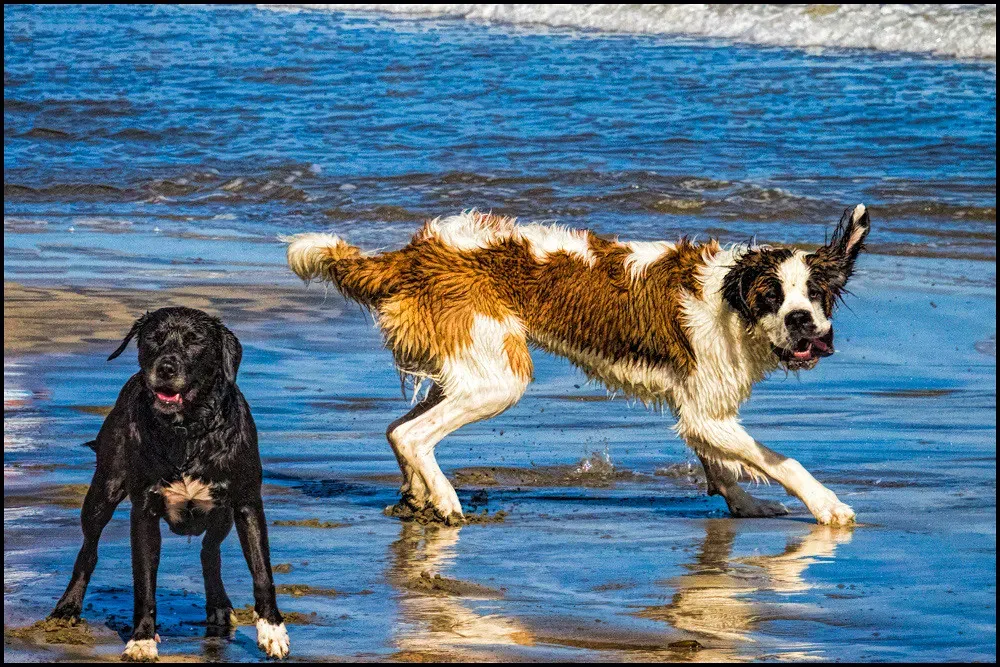
Some dogs shadow you from room to room. Others barely look up when you leave. Honestly, both are completely healthy – depending on the breed. Despite their size, breeds like Chihuahuas, Pomeranians, and Shih Tzus pack a punch when it comes to personality. They often develop strong bonds with their owners and may act as tiny watchdogs. These dogs are ideal for apartment living, but still require regular playtime and interaction – they’re often misunderstood as low-maintenance, but their emotional needs run deep.
On the flip side, some working and guardian breeds, like Chow Chows or Akitas, were bred to be more independent and can sometimes seem aloof even with their most beloved humans. That’s not rejection. That’s just breed personality doing its thing. Understanding this difference prevents so many heartbroken dog owners from feeling like their dog “doesn’t love them.”
Choosing a particular breed does not mean you’ll get a carbon copy of personality with each dog, but understanding their breed’s general tendencies can help guide the kind of training and support the breed will need. Think of it like a starting point, not a fixed destiny.
5. How They Communicate and Vocalize

If you live with a Beagle, you already know this section is going to be real. Beagles are small-to-medium-sized hounds known for their powerful sense of smell and distinctive vocalizations, originally bred in England for hunting small game. Their howling wasn’t a bad habit someone taught them. It was bred into them over generations to alert hunters in the field.
Herding breeds like Border Collies and Australian Shepherds tend to use barking as a control tool – to move things, manage situations, and express urgency. Meanwhile, Basenjis are sometimes called the “barkless dog” because they communicate with a unique yodel-like sound. The form of communication really does vary dramatically by breed.
Research has found that problematic behaviors increased with decreasing body size. Smaller breeds are often more vocal partly because they were historically bred to be alert companions and watchdogs in close quarters. Rather than scolding vocal breeds into silence, redirect that energy. Teach a “quiet” command and give them appropriate outlets – it’s far more effective than frustration.
6. Their Instinctive Daily Behaviors (Yes, Even the Weird Ones)

Ever seen your Husky start digging a hole in your garden bed on a hot afternoon? Or your Retriever carrying a shoe around the house, gently, like it’s precious cargo? These aren’t random quirks. Different dog breeds have been selectively bred for specific traits and purposes, and these breed-specific traits can greatly impact a dog’s behavior. Herding breeds may have a strong instinct to chase and control movements, while retrievers may have a natural inclination to fetch and carry objects.
Think of these instinctive behaviors as a dog’s internal to-do list. When you adopt or buy a dog, you’re not just bringing home a pet – you’re welcoming a personality, a set of instincts, and a unique behavioral blueprint. Each dog breed carries with it generations of specialized traits that influence how they think, play, and interact with people and other animals.
The mistake many owners make is trying to eliminate these behaviors entirely. Let’s be real – you will not train the prey drive out of a Greyhound or the digging instinct out of a Terrier. Instead, channel these behaviors constructively. Give Terriers a designated “dig zone” in the yard. Let your Retriever carry a toy when guests arrive. Work with the breed, not against it.
7. Breed-Specific Health Vulnerabilities That Shape Daily Routines
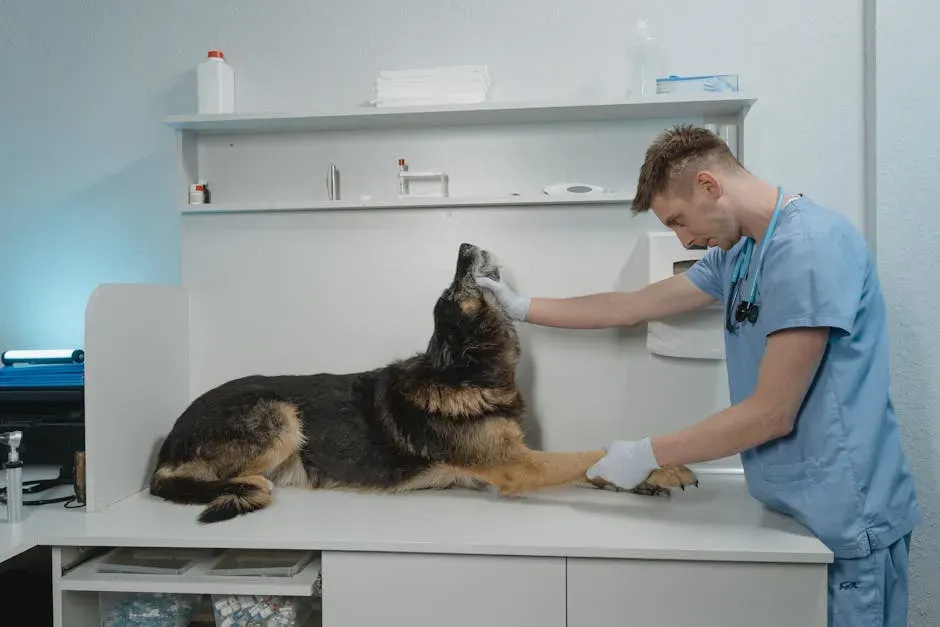
This is probably the most critical way breed influences daily life, and yet it’s the one most people discover only after something goes wrong. Understanding specific breeds’ unique health challenges is crucial for their well-being and longevity. Certain breeds are predisposed to particular health conditions, either because of faulty genes or a breed’s physical traits, which can influence their care needs.
Brachycephalic breeds such as Bulldogs and Pugs have short noses and large, round eyes, and their face shape means they are prone to brachycephalic obstructive airway syndrome, characterized by snoring, noisy or labored breathing, and heat intolerance. Owners can manage symptoms by avoiding strenuous exercise and hot environments. This directly changes your daily walk schedule, exercise intensity, and even where you let your dog rest.
Hip dysplasia is a malformation in the hip joint that leads to arthritis development at an early age, and while it was previously thought to primarily affect large dog breeds such as German Shepherds and Labrador Retrievers, the condition is also prevalent in many small- and medium-breed dogs. Signs include difficulty rising, reluctance to run or jump, and an abnormal gait. Catching this early, through regular vet checkups, can literally change your dog’s quality of life.
While genetics play a role in how long your dog will live and what health challenges they may face, regular veterinary check-ups and wellness care, including early detection screening tests, can help your dog stay happy and healthy throughout their lifetime. Knowing your breed’s specific risks isn’t scary – it’s empowering.
Final Thoughts: Your Dog Is Not a Mystery, They’re a Map

Once you start seeing your dog through the lens of their breed, so much suddenly makes sense. The relentless energy, the stubborn sniffing, the dramatic howling at 7 AM, the obsessive herding of your cat – it’s all part of a story that began long before your dog ever came home to you.
Your dog’s breed group influences their behavior, even in mixed breed dogs, and it’s important to note that just because a breed group is known for having particular characteristics, it doesn’t mean those characteristics are guaranteed. Every dog is still an individual, shaped by both genetics and their unique life experiences.
The most loving thing you can do for your dog is to truly understand them – not just who they are today, but who they were bred to be. That understanding changes everything: how you train them, feed them, exercise them, and comfort them. Your dog isn’t asking you to make them different. They’re asking you to meet them where they are.
So the next time your dog does something that drives you absolutely nuts, pause and ask yourself: is this their breed talking? You might just find that the answer changes everything. What has your dog’s breed taught you about them that you never expected? Drop your story in the comments below – we’d love to hear it.


