
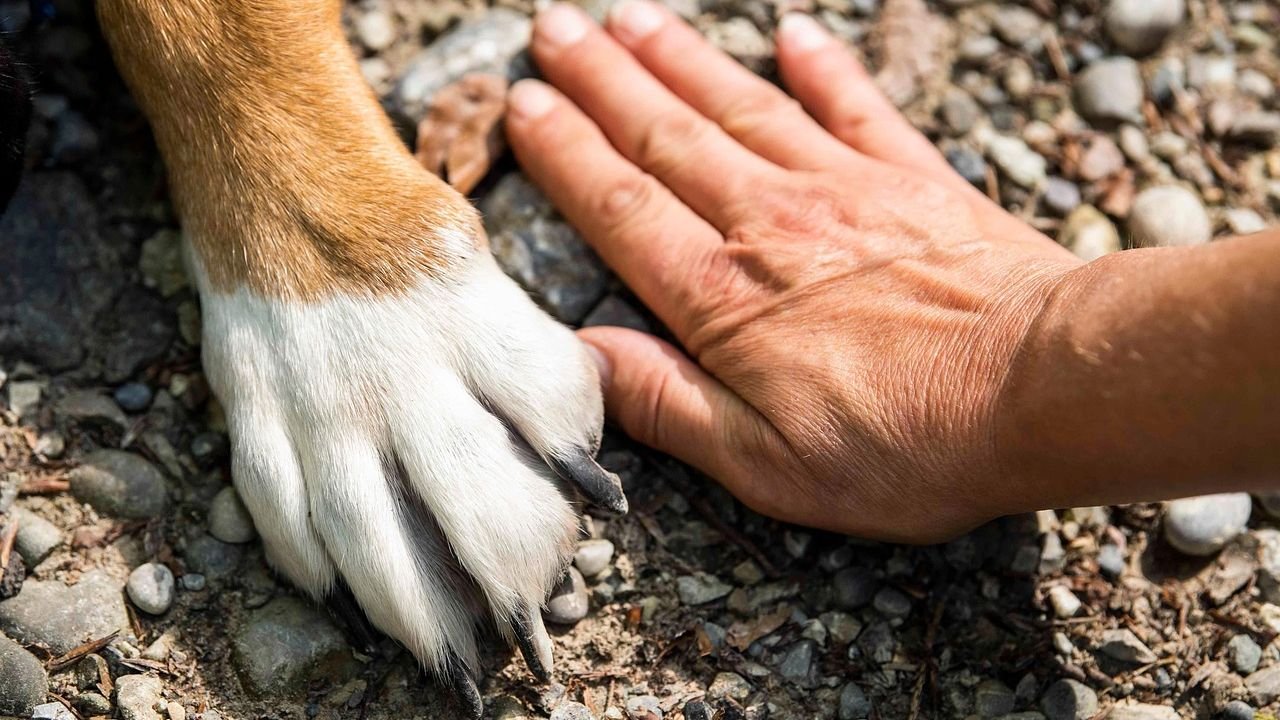
You glance down at your dog’s paws every single day, but are you really looking? Those adorable toe beans and cushioned pads aren’t just cute features. They’re actually broadcasting vital health information that most of us completely miss.
Think of your dog’s paws as a window into their overall wellbeing. Changes in color, texture, temperature, or behavior around their paws can reveal everything from allergies to systemic diseases. The problem is, we often overlook these subtle signals until something’s gone seriously wrong.
Let’s be real, most of us don’t inspect our dogs’ feet regularly. We’re busy. Life happens. So let’s dive into seven surprising ways those paws are trying to tell you something important about your furry friend’s health.
That Constant Paw Licking Isn’t Just a Habit

Excessive paw licking can indicate underlying issues, with moisture buildup from constant licking potentially causing secondary bacterial or yeast infections. While occasional paw licking is normal grooming behavior, frequent and intense licking suggests something is wrong.
Your dog might be dealing with food allergies, environmental sensitivities, or even anxiety. Allergies can trigger reactions throughout the body, with culprits including proteins like chicken or environmental factors like grass and pollen. Sometimes it’s pain from arthritis or an injury they’re trying to soothe through licking.
The tricky part? Some experts believe obsessive licking can be self-soothing behavior related to anxiety or boredom, though injury or joint pain can also trigger it. If your dog won’t stop when you call them or try to distract them, that’s your cue to dig deeper.
Color Changes That Demand Your Attention
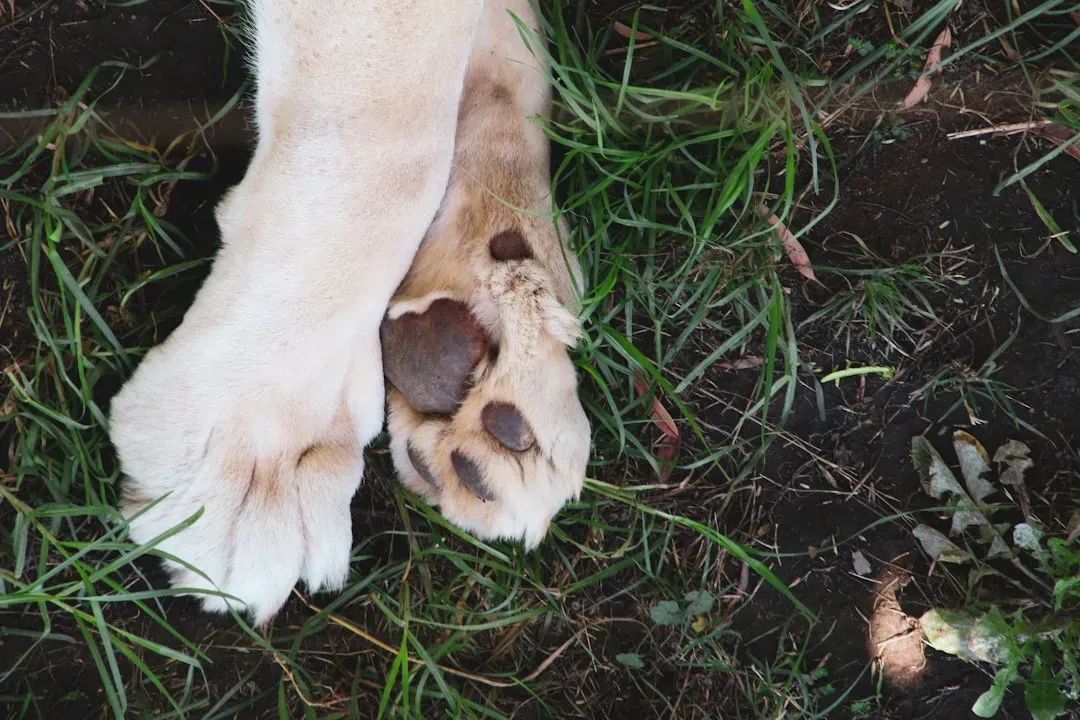
Paw pad color changes can signal frostbite, with black pads potentially turning gray or pale, and pink pads turning blue. Honestly, this one catches most people off guard. Environmental factors like harsh chemicals, hot pavement, or abrasive surfaces can lead to discoloration.
Increased walking on rough surfaces can cause irritation and redness in paw pads. If those normally black pads suddenly look pinkish, your pup might be experiencing irritation from new terrain or chemical exposure.
Blue discoloration can indicate poor circulation, bruising, or oxygen deprivation. That’s not something to ignore. Temperature matters too – cold pads combined with color changes might mean circulation problems that need immediate veterinary attention.
Cracked Pads Reveal More Than Dry Skin
Sure, sometimes cracked paws just mean your dog needs moisturizer. Wear and tear is one of the most common causes, with exposure to rough surfaces and hot pavement being typical culprits. Extreme heat or cold can cause paws to dry out and crack, especially with exposure to de-icing salts.
Here’s where it gets interesting. Hormonal imbalances like Cushing’s disease and hypothyroidism can cause chronic dryness and cracking, and hyperkeratosis – abnormal keratin growth – is a common cause in senior dogs. These hormonal conditions can lead to persistent cracking, and certain liver diseases may prevent proper healing of injured paw pads.
Dogs with liver disease, diabetes, or Cushing’s disease may develop hepatocutaneous syndrome, causing dry, cracked, ulcerated, and thickened foot pads. The texture of those pads tells a bigger story about what’s happening inside your dog’s body.
Temperature Tells Tales You Can Feel

Cold paw pads that feel brittle may indicate serious frostbite due to dying skin tissue. Touch your dog’s paws regularly so you know what normal feels like. Unusually hot pads after a walk might seem obvious, but chronically warm paws could signal inflammation or infection brewing beneath the surface.
Dog paws help regulate body temperature, protect against various terrains, offer stability, and provide insight into overall health. When that regulation system isn’t working properly, you’ll feel it in the temperature of the pads themselves.
Cold extremities can indicate circulation issues or shock. Hot, swollen paws accompanied by redness might mean infection taking hold. Your hands are diagnostic tools – use them.
Nail Growth Speed as a Health Barometer
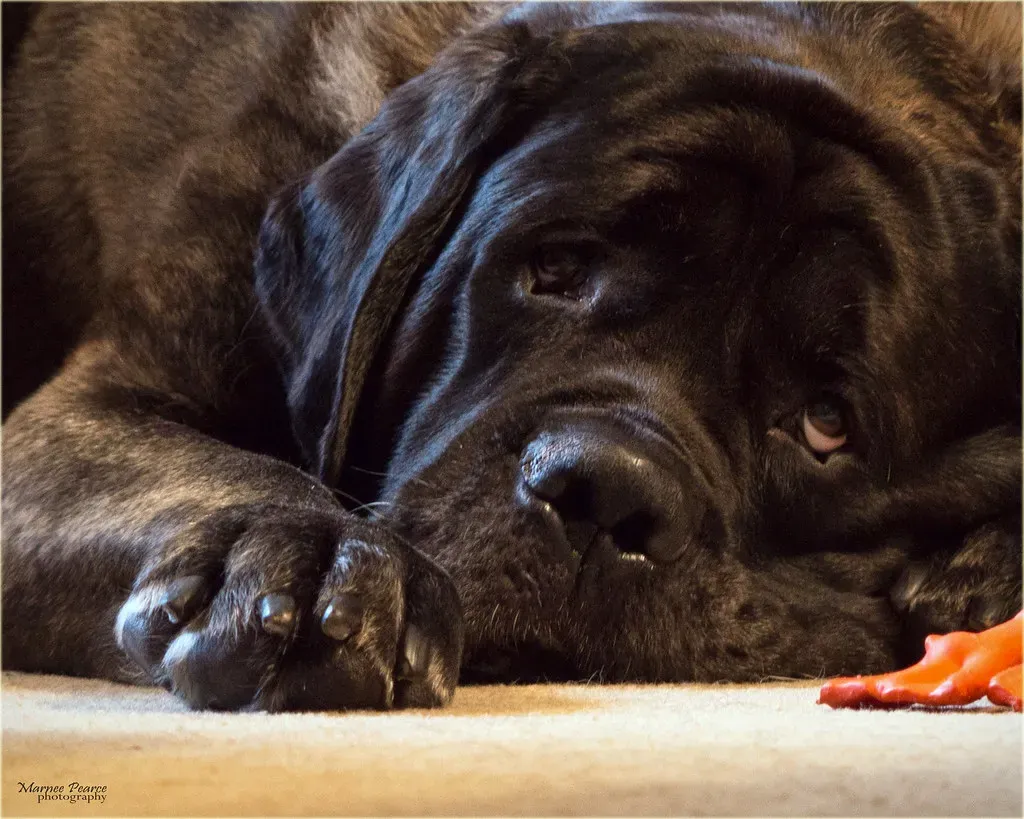
Nail growth rate in dogs has been estimated at approximately 0.8 to 1.9 mm per week. While average growth is 2 to 3 mm per month, active dogs may need trimming every 4 to 6 weeks, while indoor or small breeds may need it every 2 to 3 weeks. If your dog’s nails suddenly seem to grow faster than usual, pay attention.
Unusual nail growth might indicate dietary imbalances, hormonal issues, or other health matters requiring veterinary attention. Sometimes reduced activity means less natural wear, making growth seem faster than it actually is. Lifestyle and gait differences affect how efficiently dogs wear down their nails naturally.
Nail growth rate decreases by half over the lifespan in both dogs and humans, with beagles showing a rate of decrease five times faster than humans. Changes in that expected pattern deserve investigation.
Between the Toes: The Forgotten Zone
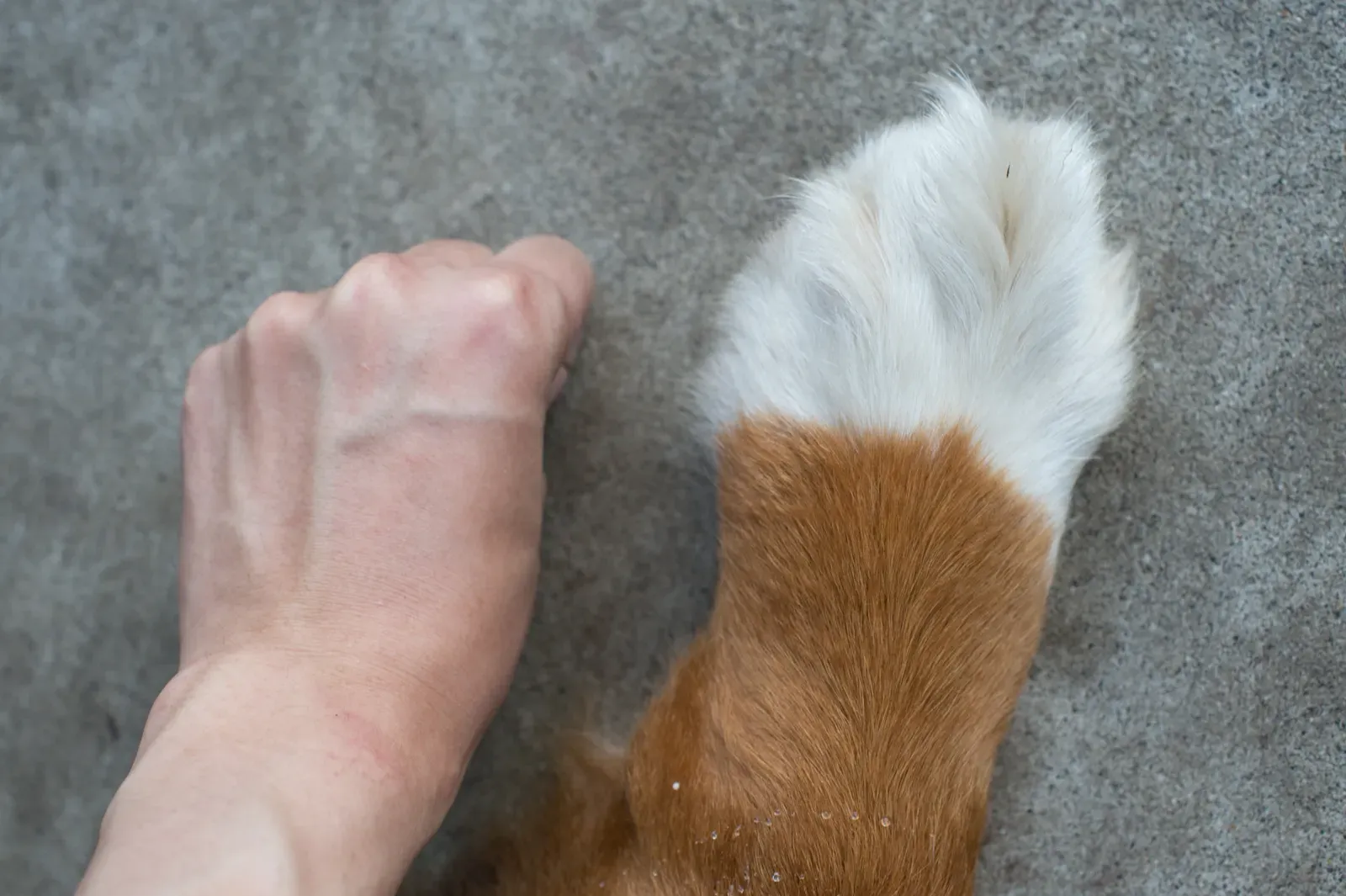
Spreading toes apart to inspect between paw pads and toes for injuries, foreign objects, swelling, or discoloration is essential. Most people never look there. Parasites like ticks hide between toes and can transmit diseases if not removed promptly, especially after time in wooded areas.
A sweet, musty smell with dark-brown or black greasy residue indicates yeast infection, commonly caused by Malassezia that naturally lives on dog skin but can overgrow in warm, damp conditions. That distinctive smell is your early warning system.
The warm, moist environment between toes can lead to yeast overgrowth, causing redness, inflammation, itching, and discomfort. Regular checks of this hidden area can catch problems before they spiral into painful infections requiring aggressive treatment.
Walking Pattern Changes Start at the Paws

Long nails can alter how dogs walk and lead to pain or injury. Limping, reluctance to walk, or favoring one paw are strong indicators of paw pain. If your dog’s gait looks different, check those feet first before assuming it’s a hip or leg issue.
Dogs with injuries might stop walking, refuse to bear weight on either foot, spend more time resting and licking paws, and even lose appetite. The paws bear the weight of their entire world – literally. When something’s wrong there, their whole body compensates, potentially causing secondary problems in joints and spine.
Watch for subtle shifts. Maybe they’re suddenly walking more on grass than pavement, or they hesitate before jumping off the couch. Paw pads absorb shock and pressure on joints from standing, walking, and running, making them prone to injury and infection. Those small behavioral changes often trace back to paw discomfort that’s been quietly building.
Taking Action for Healthier Paws
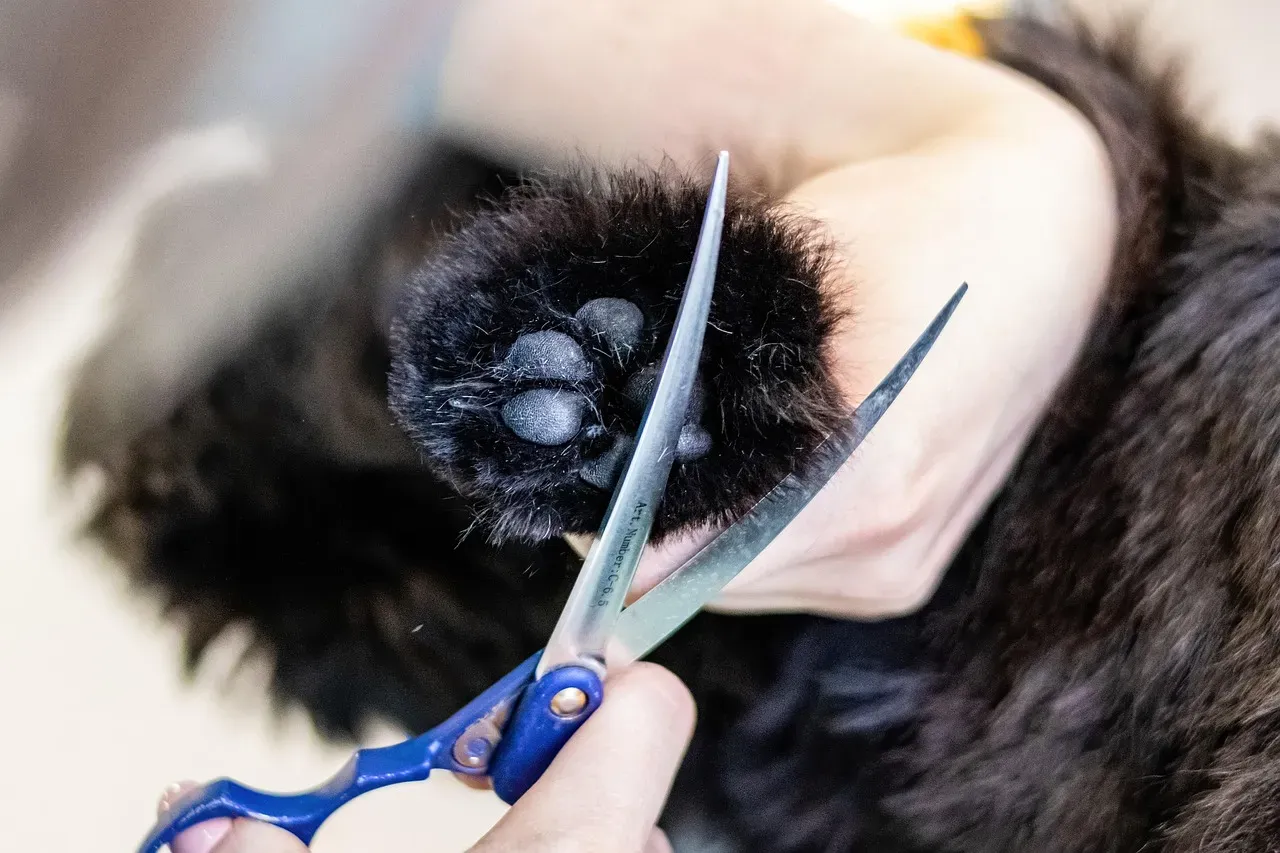
Your dog’s paws work harder than you probably realize, and they’re remarkably good at communicating when something’s not right. The challenge is that we need to pay closer attention to what they’re saying.
Paw pads serve as an early warning system, signaling health issues that might otherwise go unnoticed, and recognizing changes can lead to prompt diagnosis and treatment of underlying problems. Regular inspection should become part of your routine, just like feeding and walking. Look between those toes, feel for temperature changes, watch their behavior around their feet.
Prevention matters too. Testing pavement temperature with the back of your hand for 7 seconds helps determine if it’s too hot for your dog to walk on. Small protective measures can prevent larger problems down the road.
What surprising paw health signals have you noticed in your own dog? Sometimes the smallest observations lead to the biggest health discoveries.


