Owning a dog is like having a forever friend who never tires of your company. But, life gets busy, and sometimes, training your furry friend can take a back seat. This shouldn’t be the case! Dogs need guidance to thrive and be well-behaved companions. Let’s dive into seven practical tips to help you master basic commands for your dog, even when your schedule is packed.
Consistency is Key
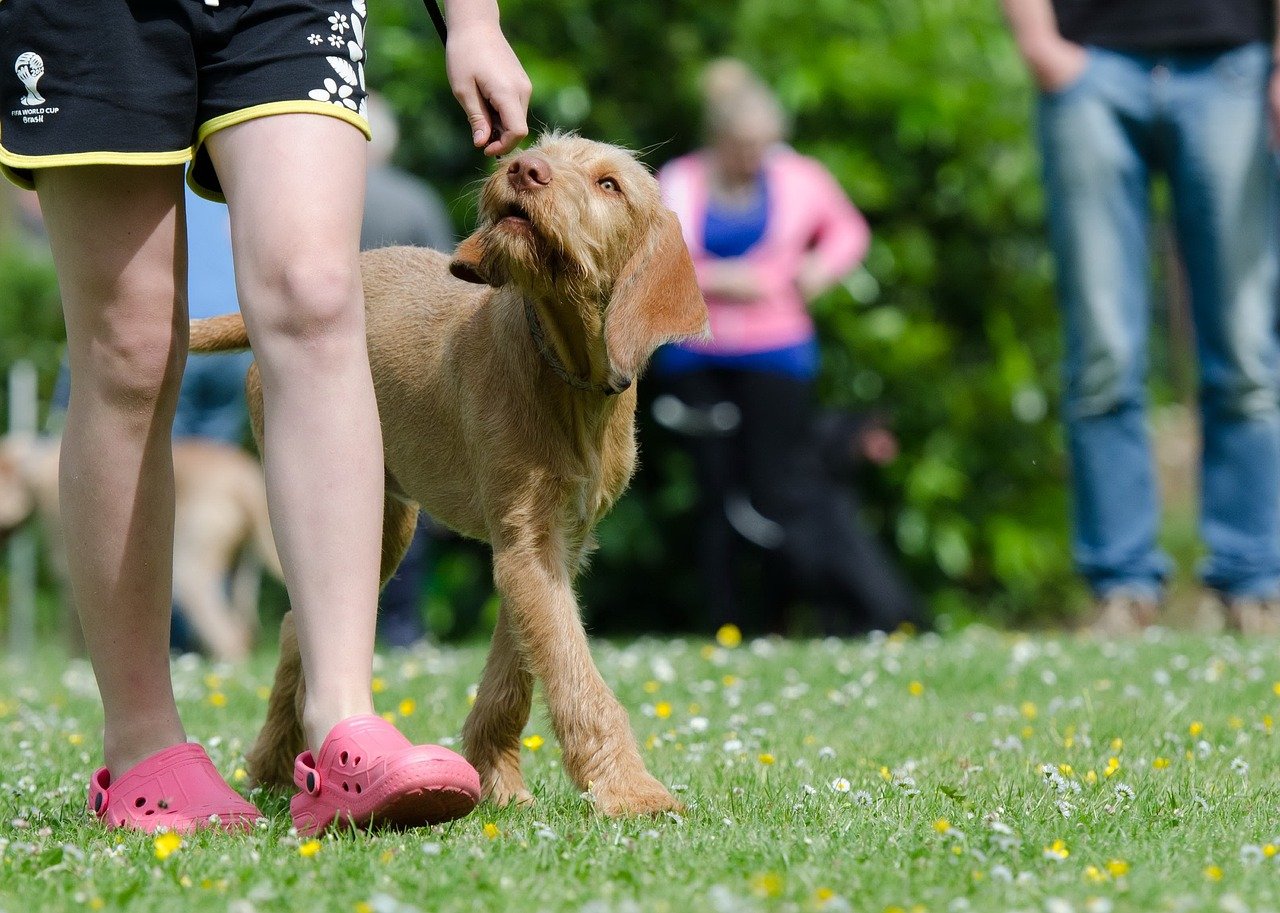
Consistency is like the heartbeat of successful dog training. It’s important to use the same word for each command, whether it’s “sit,” “stay,” or “come.” Imagine teaching a child; if you use different words for the same action, it would confuse them, right? The same principle applies to dogs. Consistent commands help your dog understand what is being asked of them. Try to set aside a specific time each day for training. Even if it’s just ten minutes, this routine will become a part of your dog’s day, and they’ll look forward to it. Remember, the more consistent you are, the quicker your dog will catch on.
Use Positive Reinforcement
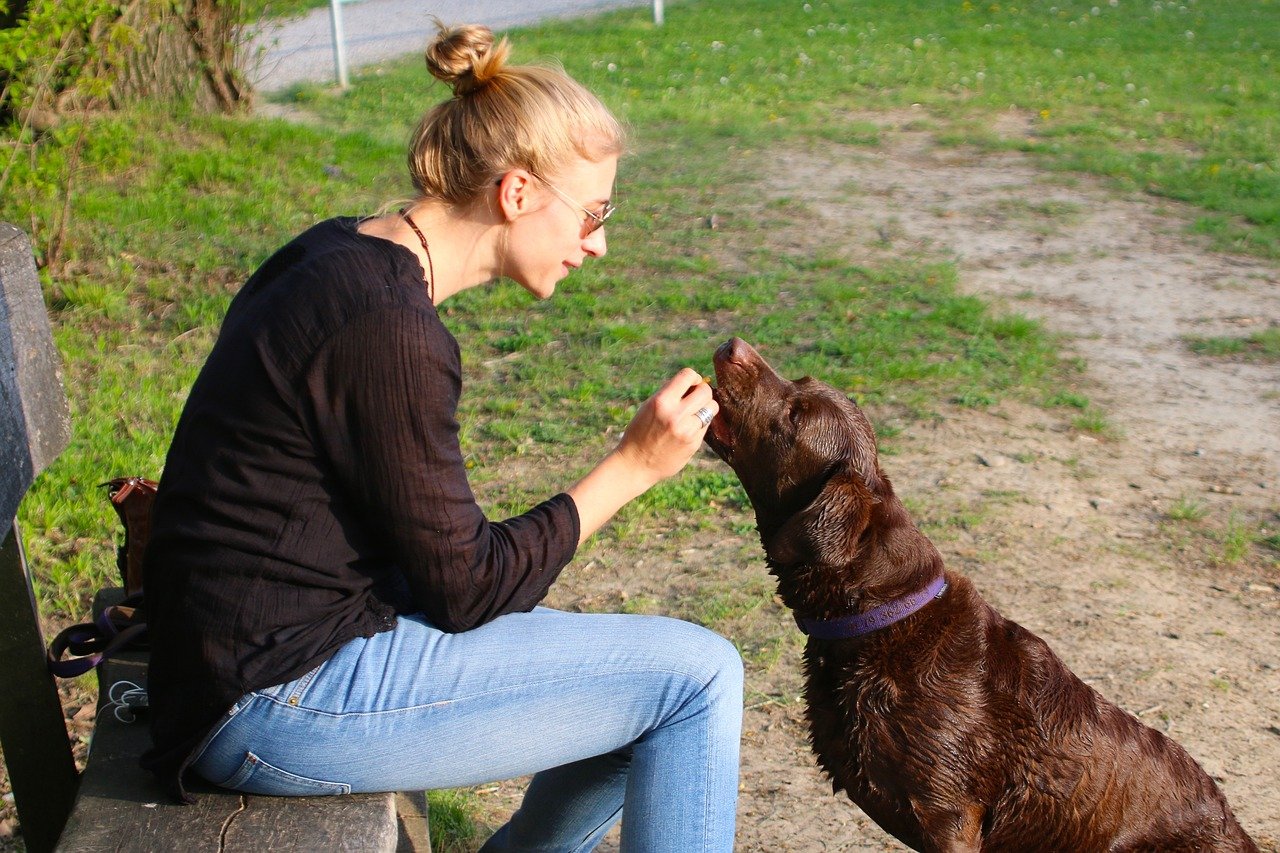
Dogs respond incredibly well to positive reinforcement. Think of it as praising a child for good behavior. When your dog follows a command correctly, reward them with a treat or a loving pat. It reinforces the idea that they did something right. This method builds a positive association with the command. Keep treats handy during training sessions, and remember to reward immediately after the correct action. Over time, your dog will associate the command with the positive outcome, making them eager to listen and obey.
Keep Commands Short and Clear
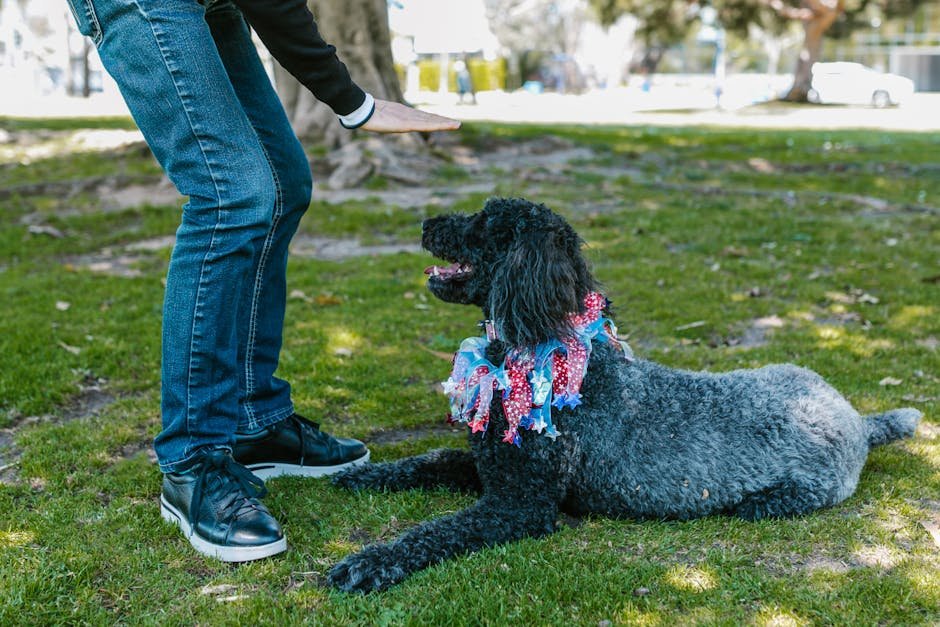
When issuing commands, brevity is your best friend. Dogs have an easier time understanding short, clear words. Instead of saying, “Please sit down now,” simply say “Sit!” This straightforward approach eliminates confusion and helps your dog focus on what you want them to do. Practice using a firm, yet friendly tone, as dogs can pick up on the emotional cues in your voice. The clearer the command, the quicker your dog will respond.
Incorporate Commands into Daily Activities
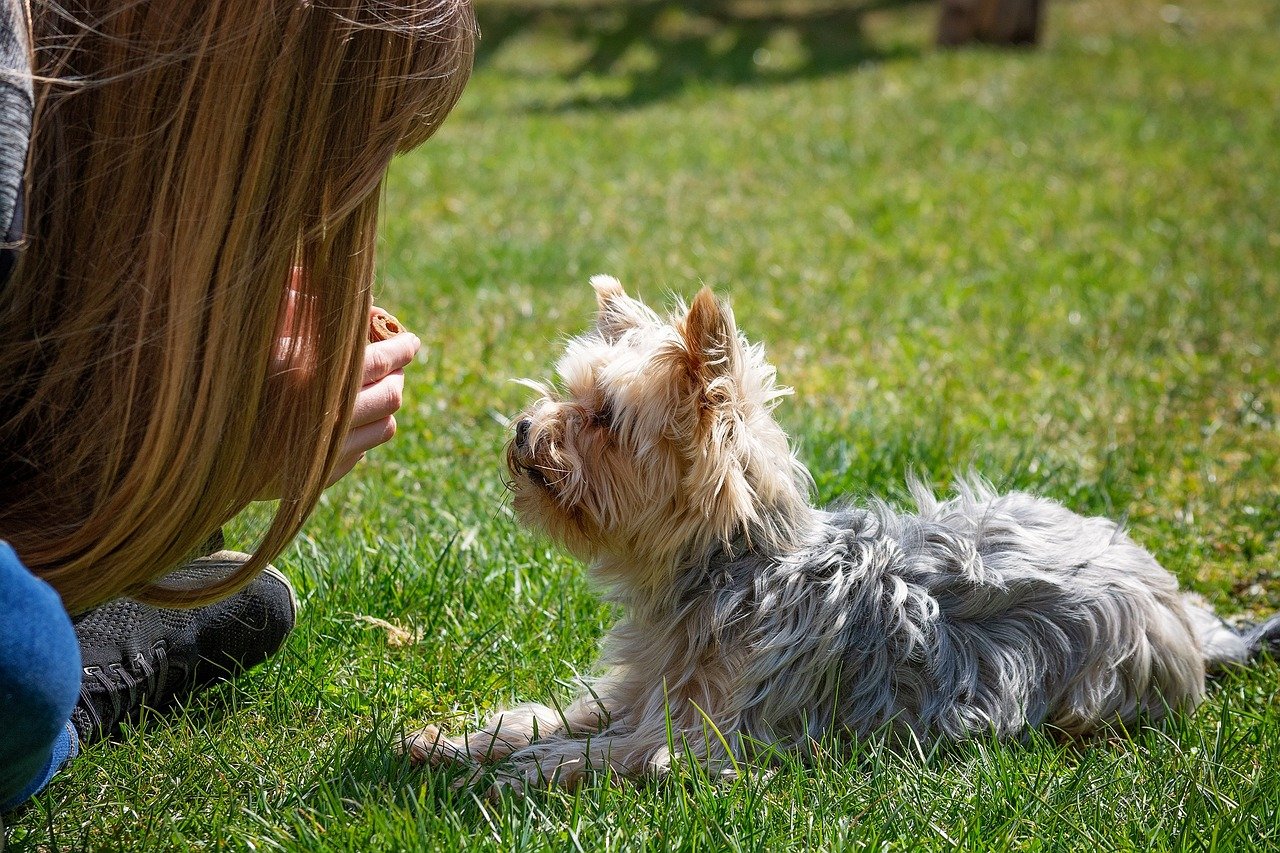
Incorporating commands into daily life is a fantastic way to reinforce training. For example, ask your dog to “sit” before giving them their meal or “wait” before you open the door for a walk. These everyday situations provide excellent opportunities for practice. When commands become a part of the routine, your dog will start to see them as a regular part of life. This continuous practice ensures that commands are not only learned but also retained.
Be Patient and Understanding

Patience is a virtue, especially in dog training. Not every dog learns at the same pace, and that’s perfectly okay. Some dogs might grasp a command quickly, while others take their time. Avoid getting frustrated or angry, as dogs can sense these emotions, which may hinder their learning. Instead, maintain a calm and encouraging demeanor. Remember, training is a journey, and every small step is progress. Celebrate the little victories and be patient with setbacks.
Use Technology to Your Advantage

In today’s digital age, technology can be a valuable ally in dog training. There are numerous apps and online resources designed to help busy dog owners. From training videos to interactive apps that track progress, technology can make training more accessible and organized. You can set reminders for training sessions or use apps to learn new techniques. Embrace these tools to make your life easier and your dog’s training more effective.
Seek Professional Help When Needed

Sometimes, even with the best intentions, training can hit a roadblock. When this happens, seeking professional help is a wise decision. Dog trainers offer expert guidance and personalized techniques to address specific issues. They can provide insights that you might not have considered. Don’t hesitate to reach out to a trainer if you’re feeling overwhelmed. They can help you and your dog get back on track, ensuring a harmonious relationship.
Incorporating these tips into your busy life can make a significant difference in your dog’s training journey. With consistency, positive reinforcement, and patience, your furry friend will master basic commands in no time. Embrace the process, and enjoy the rewarding bond that develops between you and your faithful companion.