

Dog hair on your couch, clothes, and car? You’re definitely not alone! Shedding is a normal part of dog life, but managing it doesn’t have to be overwhelming. Regular brushing, using the right grooming tools, and a balanced diet can make a huge difference in keeping that fur under control. Keep your home cleaner by investing in lint rollers, washable covers, and even an air purifier. Bathing your pup with deshedding shampoos can also help loosen excess hair. But if the shedding seems excessive or sudden, it might be time to check in with your vet—it could be a sign of allergies or other health concerns. A little routine care goes a long way in keeping both your dog and your home happy!
Tip 1: Regular Brushing – The Power of Consistency

Brushing your dog might sound simple, but it’s honestly the single most effective way to cut down on loose fur in your home. Every breed benefits from regular brushing, whether your pup is a sleek-coated Greyhound or a fluffy Samoyed. Brushing doesn’t just remove loose hair—it distributes natural oils, keeping your dog’s coat shiny and healthy. Plus, it’s a great bonding time! Aim for daily brushing during heavy shedding seasons, like spring and fall, and a few times a week otherwise. Use the right brush for your dog’s coat type; slicker brushes work wonders for long-haired breeds, while rubber curry brushes are amazing for short hair. If you make brushing a routine, you’ll notice a big difference in the amount of fur you find on your clothes and furniture. For many dog owners, this simple habit can feel like magic.
How to Make Brushing a Positive Experience

Some dogs love brushing, but others might run for cover at the sight of a brush. To make it enjoyable, start with short sessions and lots of treats. Let your dog sniff and inspect the brush before you begin. Use gentle strokes and praise your pup often. If you hit a tangle, don’t yank—work it out slowly or use a detangling spray. Over time, most dogs will come to see brushing as a special treat, especially if you pair it with a favorite snack or cuddle. Remember, patience is key. Your calm energy will help your dog relax, turning grooming into a moment you both look forward to.
Tip 2: Bathing Techniques – Less Is Sometimes More

Bathing your dog helps loosen and wash away dead hair, but the trick is not to overdo it. Most dogs only need a bath every month or two, unless they get into something seriously messy. Too much bathing can dry out the skin and actually make shedding worse. Use a dog-specific shampoo—human products can irritate their sensitive skin. During bath time, gently massage your dog’s coat to lift out loose fur. A rubber grooming mitt works great for this and can even feel like a massage! After rinsing, towel-dry thoroughly and give your pup a quick brush while the coat is still damp. This will help catch even more stray hairs before they end up on your floor.
Choosing the Right Shampoo and Tools

Not all shampoos are created equal, especially when it comes to shedding. Look for formulas labeled as “deshedding” or those with added omega fatty acids and moisturizers. If your dog has sensitive skin or allergies, try hypoallergenic or oatmeal-based products. Some people swear by deshedding conditioners that help release the undercoat. Tools matter too—a rubber curry brush or a shedding blade can make a world of difference in loosening fur during bath time. If you’re unsure, ask your groomer or vet for recommendations tailored to your dog’s breed and coat type.
Tip 3: Diet and Nutrition – Healthy Coat from the Inside Out

A shiny, healthy coat starts with what goes into your dog’s bowl. Poor nutrition can lead to dry, brittle fur and excessive shedding. Look for dog foods rich in high-quality protein, healthy fats, and essential vitamins. Omega-3 and Omega-6 fatty acids, found in fish oil or flaxseed, are especially important for skin and coat health. You might notice less shedding and a softer, shinier coat within a few weeks of improving your dog’s diet. If your pup is a picky eater or has allergies, talk to your vet about the best options. Sometimes, simple changes in nutrition create dramatic results.
Supplements and Special Treats for Coat Health
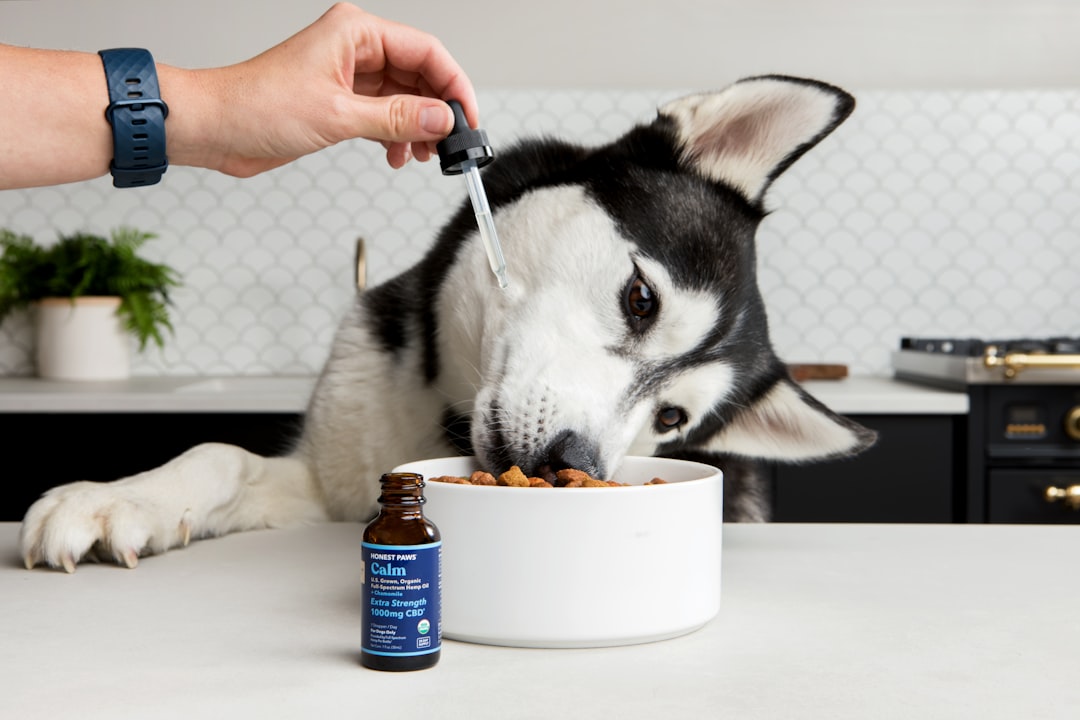
Some dogs need a little extra boost, especially if they’re prone to dry skin or heavy shedding. Supplements like fish oil, coconut oil, or specially formulated skin and coat chews can help. Always introduce new supplements slowly and watch for any changes in digestion or behavior. Treats containing salmon, sweet potato, or flaxseed are not just tasty—they pack a nutritional punch for fur health. Remember, though, treats and supplements aren’t a magic fix. They work best as part of a balanced diet and regular care routine.
Tip 4: Hydration – The Overlooked Secret

Dehydration doesn’t just make your dog thirsty—it can actually worsen shedding. When your dog is well-hydrated, their skin stays supple and less likely to flake, which means less fur flying around. Make sure your pup has constant access to fresh, clean water. If your dog isn’t a big drinker, try adding a splash of low-sodium broth to their bowl or offering ice cubes as a fun treat. Wet dog food can also boost hydration if your dog tends to ignore the water bowl. Keep an eye out for signs like dry nose, sunken eyes, or lethargy, which can indicate dehydration—not just for coat health, but for their whole well-being.
Creating Water-Friendly Habits
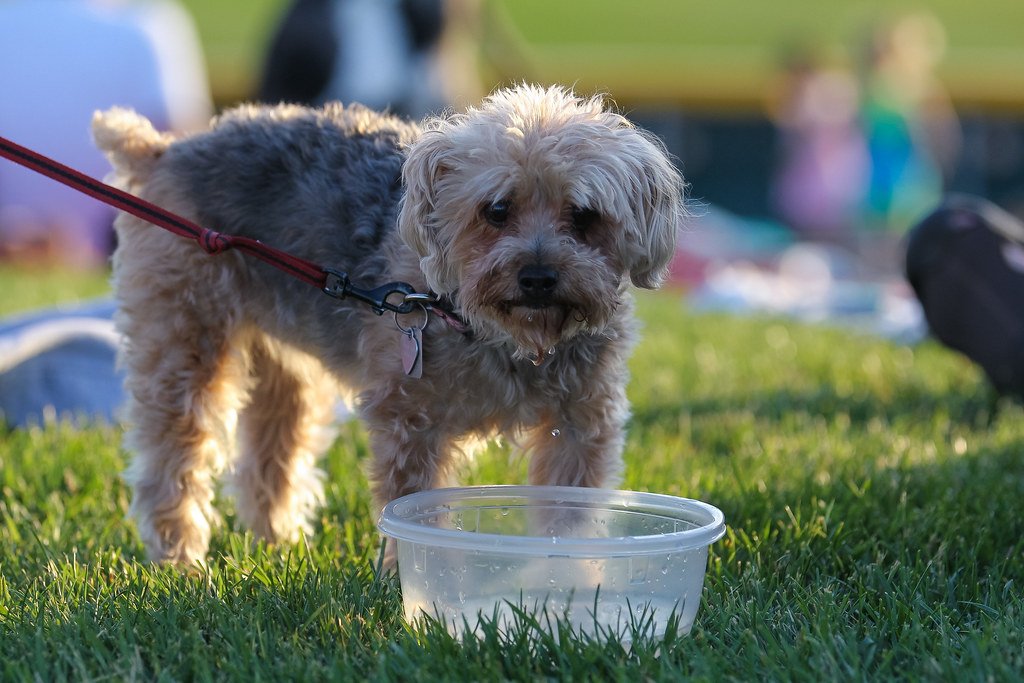
Some dogs seem to ignore their water bowl unless they’re panting after a walk. To encourage drinking, place more than one water bowl around your home, especially in favorite hangout spots. Clean the bowls daily—dogs can be picky about stale or dirty water. If you notice your dog prefers running water, a pet fountain might be an enticing solution. Just like with people, a well-hydrated dog is a healthier, happier companion, and you’ll likely see a difference in their coat and skin.
Tip 5: Controlling the Environment – Less Stress, Less Shedding

Did you know that dogs can shed more when they’re stressed? Changes in routine, loud noises, or new people and pets can trigger extra hair loss. Even boredom can play a role. To help your pup feel secure, stick to a predictable schedule for meals, walks, and playtime. Create a cozy, quiet space where they can retreat if things get hectic. Regular exercise is a fantastic stress-buster and keeps your dog’s coat in top shape. If your home is dry, especially during winter, consider using a humidifier—dry air can make shedding worse and lead to itchy skin.
Reducing Allergens and Dust in the Home
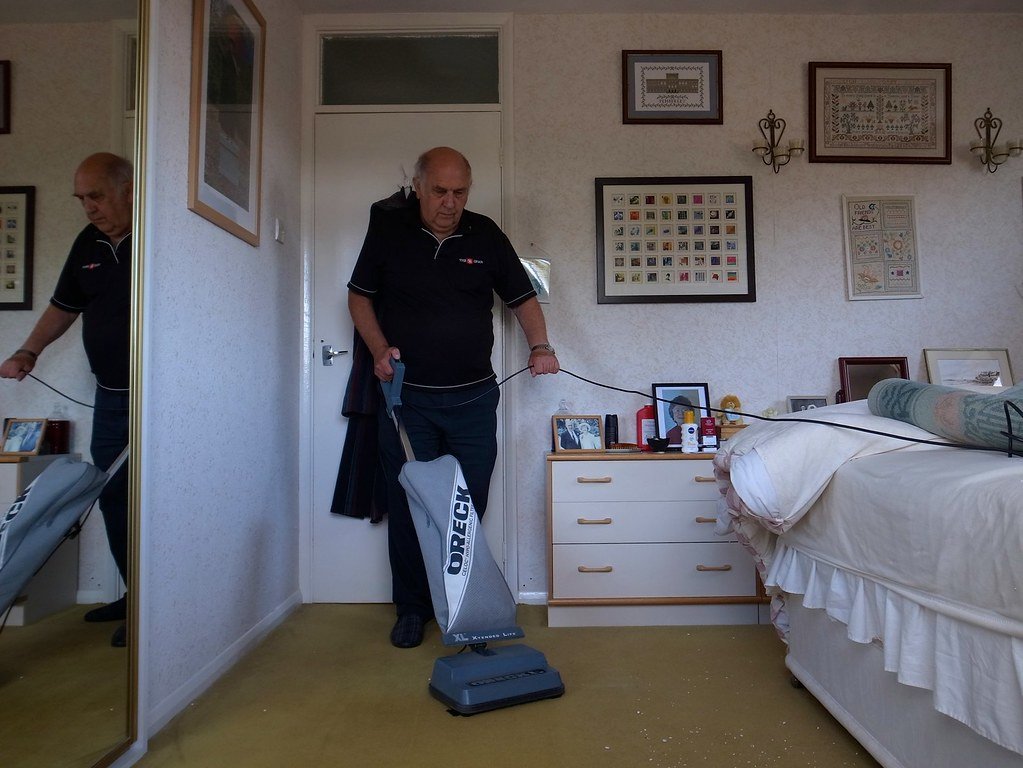
Dog hair isn’t just unsightly—it can trap dust, dander, and allergens. To keep things under control, vacuum frequently (daily if possible) and use a vacuum with a HEPA filter. Wash your dog’s bedding, blankets, and favorite toys every week. Consider using washable slipcovers on furniture. Air purifiers can help, especially for people with allergies. Every little bit helps when it comes to keeping the air—and your home—cleaner and more comfortable for both you and your furry friend.
Tip 6: Professional Grooming – A Helping Hand

Sometimes, managing shedding feels like an uphill battle. That’s where professional groomers come in. A skilled groomer has the right tools and techniques to remove massive amounts of loose fur in a single visit. Many offer special deshedding treatments, which can keep shedding under control for weeks. Groomers can also spot skin problems or abnormal shedding early, giving you peace of mind. Even if you prefer to do most grooming at home, an occasional trip to the pros can be a game-changer—especially during the heavy shedding seasons.
Grooming Tools and How to Use Them Safely

Not all grooming tools are created equal, and using the wrong one can actually damage your dog’s coat or skin. For undercoats, a rake or deshedding tool is ideal, while bristle brushes work better for short hair. Always use gentle pressure and check for any signs of irritation or discomfort. Keep grooming sessions calm and positive, and reward your pup afterward. If you’re unsure about which tools to use, ask your groomer for a quick tutorial—they’re usually happy to help dog owners get it right.
Tip 7: Recognizing When Shedding Is Not Normal

Most shedding is completely normal, but sometimes it can be a sign of health issues. Watch for bald patches, red or inflamed skin, excessive scratching, or sudden changes in the amount of shedding. These can signal allergies, parasites, hormonal imbalances, or even underlying medical conditions. If you notice anything unusual, it’s time to call your vet. Don’t wait—early intervention can make a big difference and prevent small problems from becoming big ones. Trust your instincts; you know your dog better than anyone.
How to Prepare for a Vet Visit About Shedding

If you’re concerned about your dog’s shedding, make a note of when it started, any changes in behavior or appetite, and whether your dog is scratching or licking more than usual. Take pictures of any bald spots or rashes to show your vet. Bring a list of foods, supplements, and medications your dog is taking. This information helps your veterinarian diagnose the problem faster and more accurately. Remember, your vet is your partner in keeping your dog healthy and happy.
Shedding might be part of the dog parent package, but it doesn’t have to take over your life—or your furniture! With a few smart habits, like regular brushing and keeping an eye on their diet and health, you can manage the fluff with ease. And remember, if the shedding suddenly spikes or your dog seems uncomfortable, a quick vet visit can give you peace of mind. A little attention goes a long way in keeping your pup comfy and your home fur-free.


