
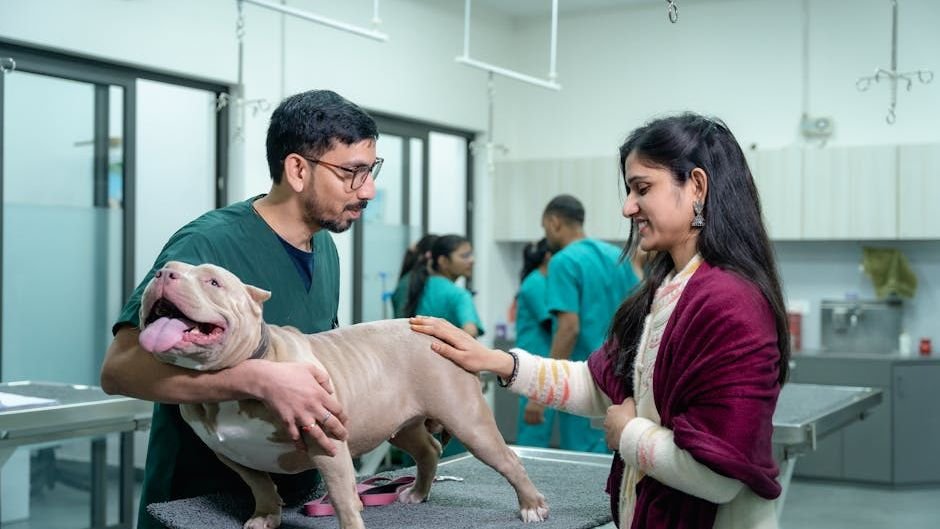
Picture this: you clip the leash on, and your dog – who was happily snoozing five minutes ago – suddenly transforms into a trembling, wide-eyed bundle of nerves the moment you reach the car. Sound familiar? You are not alone, and honestly, you are not doing anything wrong. Vet visits can feel like a lot for our dogs: unfamiliar smells, strange sounds, and hands touching places they’d rather protect.
The good news? There is so much you can do about it. With the right preparation and a little patience, vet visits can shift from dreaded ordeals to manageable, even positive, experiences. Here is everything you need to know, tip by tip.
Learn to Read Your Dog’s Stress Signals Before You Even Arrive
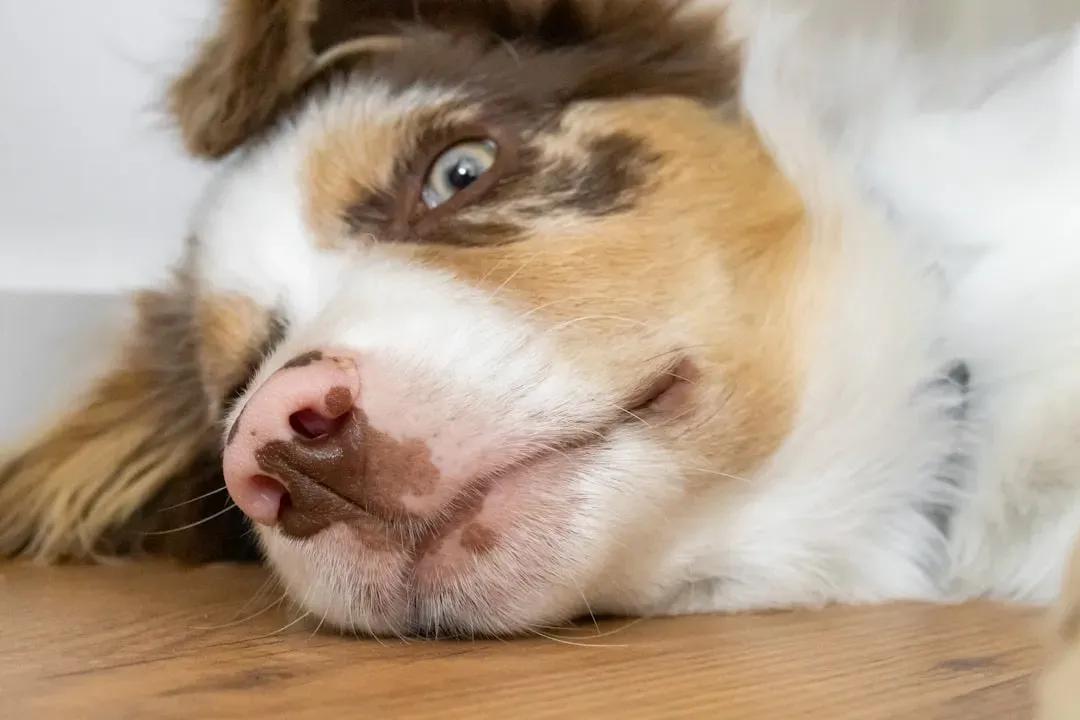
Here’s the thing – your dog is telling you how they feel all the time. Most people recognise obvious signs like shivering or cowering, but many miss more subtle cues of anxiety, like yawning, lip licking, or leaning backwards. Knowing the difference is genuinely powerful.
A wrinkled brow can indicate concern, and if your dog is panting, salivating, or licking their lips more than usual without any apparent physical reason, they are likely nervous. These are the body’s quiet alarm bells, and catching them early means you can intervene before stress escalates.
Looking or moving away, a wrinkled forehead with ears to the side, and a refusal to take treats are other important signs. That last one is particularly telling. If your normally treat-obsessed pup suddenly ignores their favourite snack, their stress levels are likely through the roof.
Start at Home: Practice Handling Every Single Day

Dog owners can practice similar handling techniques used by veterinarians and groomers at home. The goal is for dogs to learn to be comfortable with this type of handling in a stress-free environment, so practice touching your dog’s paws, ears, mouth and other body parts while offering treats as rewards. Think of it like rehearsing for a play – when the real performance comes, it all feels familiar.
Puppyhood is the ideal time to teach comfort with handling, but dogs can learn at any age. Never force your dog to accept touch or handling – always allow them to walk away if they are uncomfortable. That willingness to walk away is actually useful data. It tells you where to slow down and be more gradual with your approach.
If you have a toothbrush, nail trimmer, or even a soft towel, let your pet sniff and experience them so vet tools aren’t as scary later. Keep sessions short and fun – a minute or two is enough – and always end on a positive note with playtime, cuddles, or a favourite activity.
Make the Car Ride Part of the Fun, Not the Fear
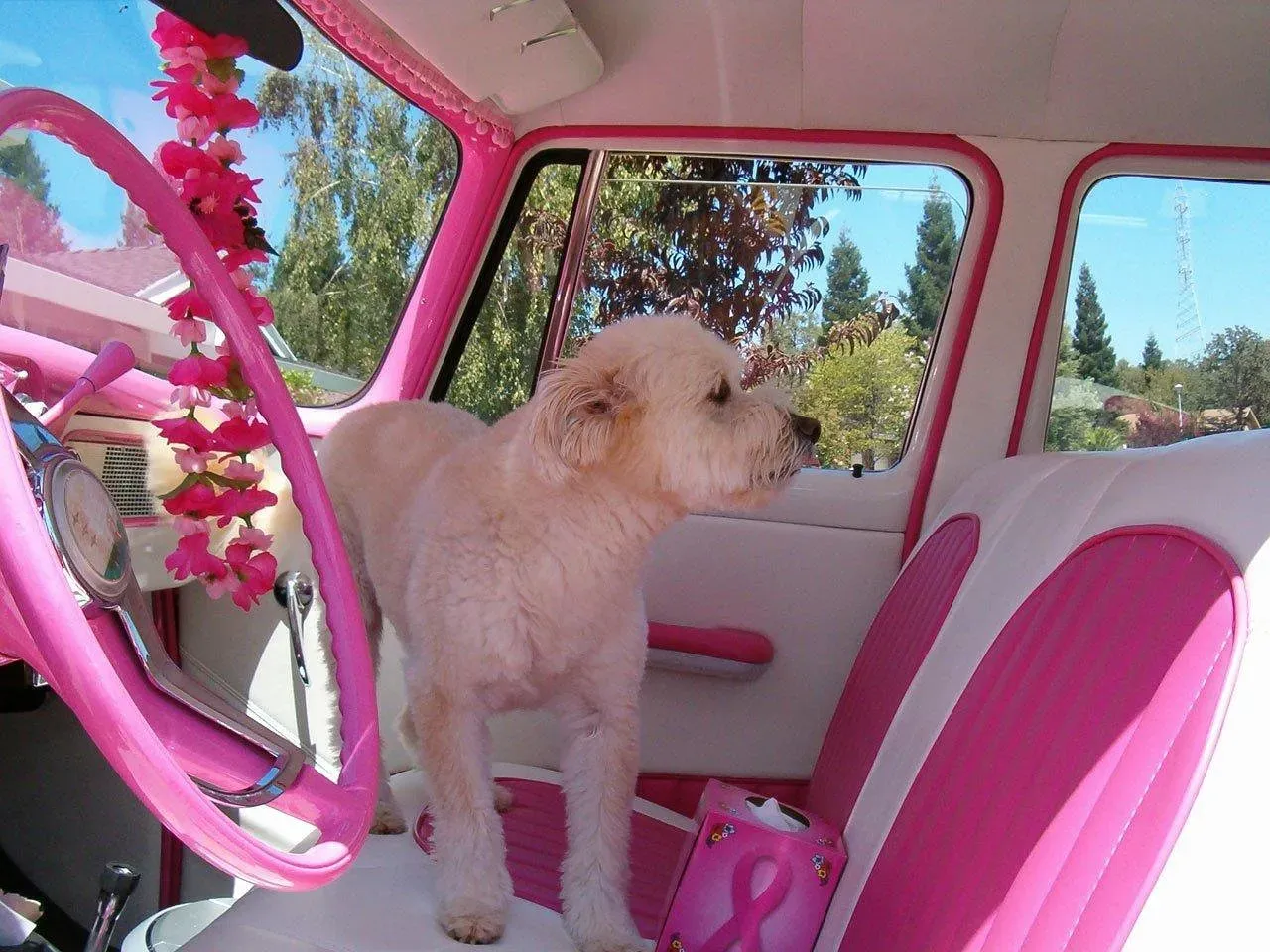
Let’s be real – for many dogs, the anxiety starts way before they set a paw inside the clinic. If your dog gets in the car only when they are heading to the veterinarian and has had previous stressful visits, they will soon learn that transport equals a frightening event. When they see the car, their anxiety kicks in long before they arrive at the clinic.
The fix is surprisingly simple. Take short, positive car rides that don’t always end at the vet – like going to the park or a favourite drive-thru. Over time, the car stops being a predictor of something scary and starts being just… a car. For dogs with car anxiety, gradually increase trip length as your dog becomes more comfortable with rides.
Do “Happy Visits” to the Clinic Before Any Real Appointment
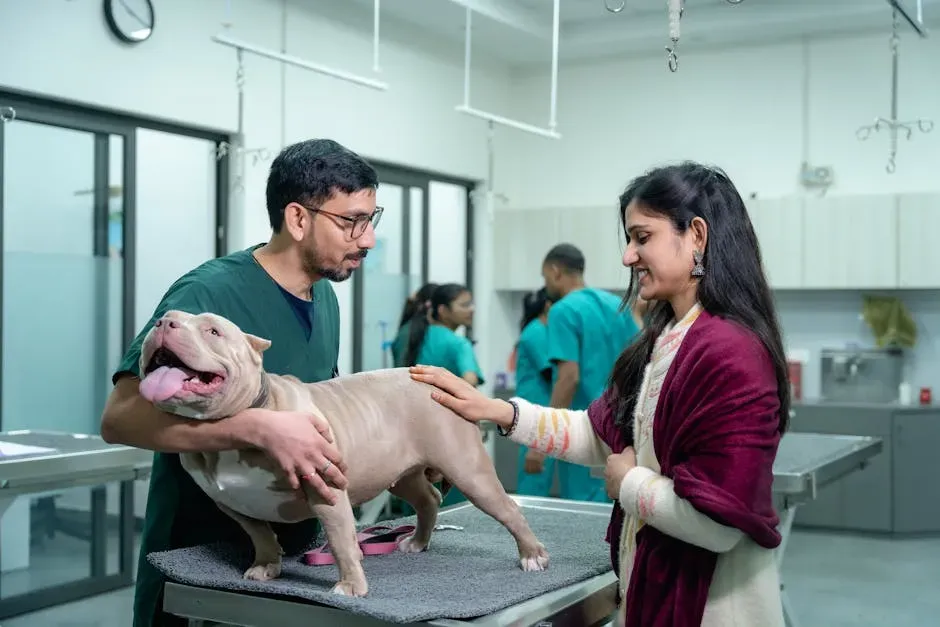
This tip is one I think is genuinely underused, and it can make a world of difference. Happy visits to your veterinarian’s office focus on helping your pet replace past negative memories with positive associations. During a happy visit, your pet will greet team members, receive lots of attention, and explore the hospital while receiving high-value treats – no poking, prodding, or needles.
According to a study published in Veterinary Sciences, puppies that were fearful during an initial visit were more likely to experience fear as adults. That early impression really does stick. So take that no-stakes visit seriously – it is an investment in every future appointment.
Call ahead to ensure the clinic isn’t too busy, and ask if a staff member can greet your dog with treats outside. Gradually work toward bringing your dog inside the building to continue rewarding them with treats. Moving at your dog’s pace helps reinforce that positive experiences occur when they visit the clinic.
Pack a Comfort Kit and Arrive Prepared
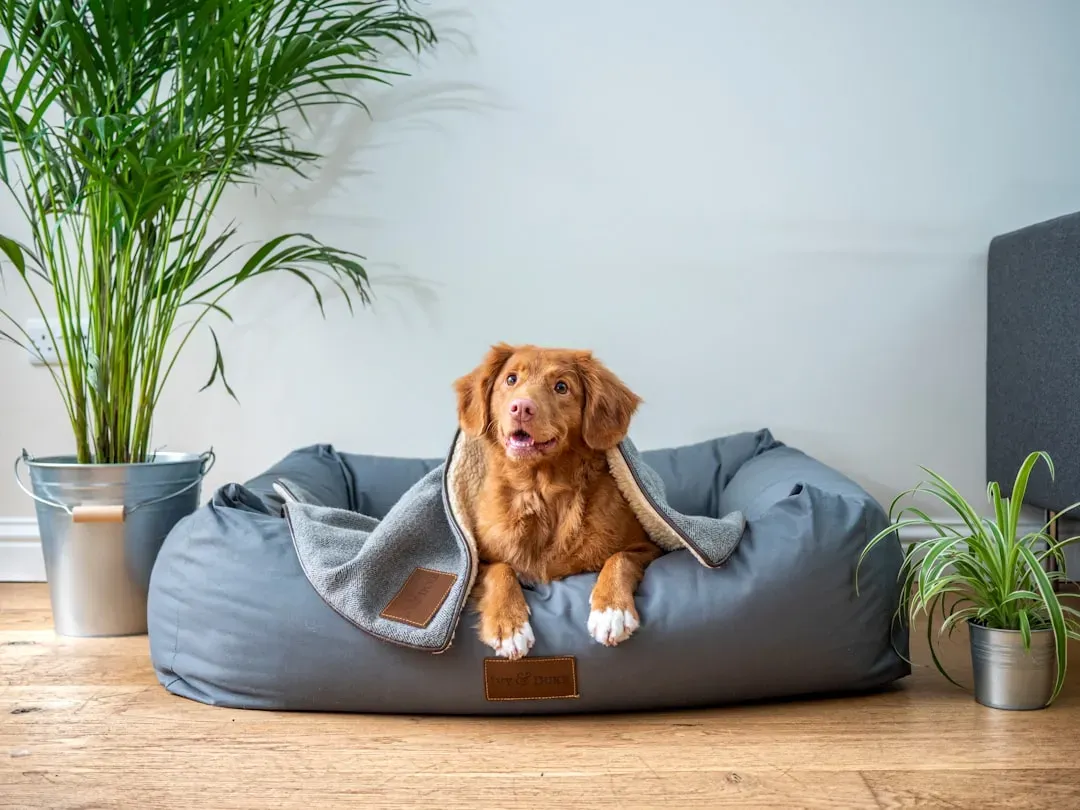
Think of this as your dog’s version of a hospital bag. On the day of your veterinary visit, bring your dog’s favourite treats from home – opt for small, soft treats that can be broken into smaller pieces and given throughout the appointment. You might also consider bringing a frozen treat dispenser or a flat rubber textured mat filled with spreadable snacks for extra distraction.
Bringing comfort items from home, such as a favourite blanket or toy, can give your pet a sense of security during their veterinary visit. Having something familiar to snuggle with can help reduce stress and help your pet relax. It’s a small gesture with a surprisingly big emotional payoff.
Unless otherwise instructed, avoid feeding a large meal right before the appointment. Pets are often more responsive to treats when they’re a little hungry. Timing your dog’s hunger strategically means their favourite snacks carry far more motivational power during the exam itself.
Manage the Waiting Room Like a Pro

If a loud, crowded waiting room ramps up your nervous dog’s anxiety, ask the front desk staff to place you and your dog in an exam room as soon as you arrive. If a room is not available, consider waiting in your car or going for a short walk so your dog can release some nervous energy. I honestly wish more people knew they could ask for this – most clinics are very accommodating.
The unfamiliar smells, sights, and sounds that come with new faces and spaces can be overwhelming for pets. Try to stay away from other owners and animals while at the clinic, as unwanted attention can cause additional stress. Give your dog space to breathe and decompress. They are not being antisocial – they are just overwhelmed.
Stay Calm Yourself – Your Dog Is Watching You Closely
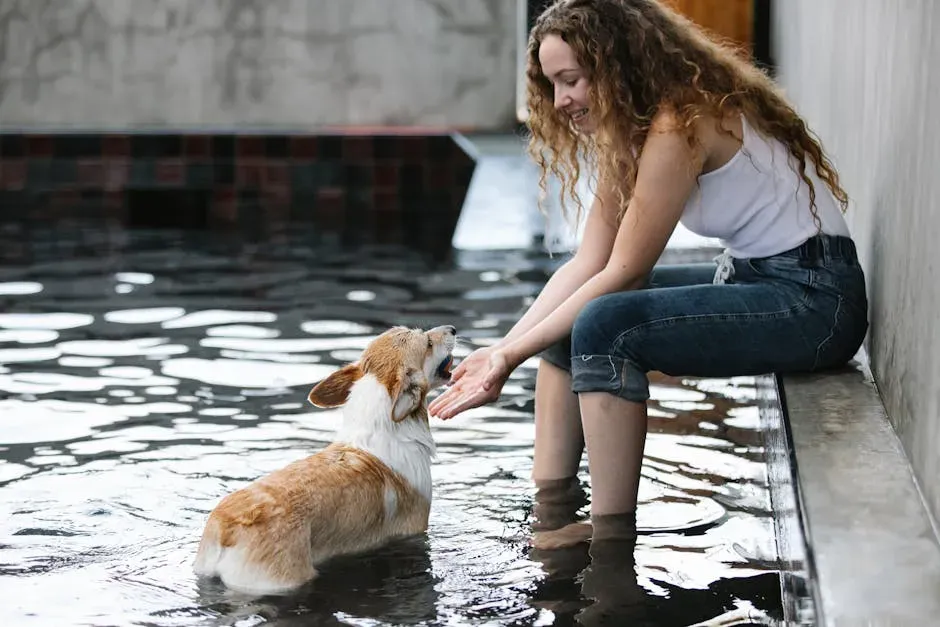
Here is something that surprises a lot of dog owners: your emotions are contagious. Pets are incredibly tuned into their owners’ emotions and look to them when feeling uncertain. If you’re worried about your pet’s behaviour at the veterinary hospital, you might put off an anxious, unsure vibe that your pet will notice.
Pets are sensitive to their owners’ emotions – if you feel anxious or stressed, your pet may sense that energy and become more anxious themselves. By staying calm and confident, you create a peaceful environment that helps your pet feel secure. Take some deep breaths in the car park. Shake out your shoulders. Your dog needs to see you unfazed.
For dogs whose anxiety runs deeper, do not hesitate to talk to your vet. For dogs with pre-existing fear or anxiety, anti-anxiety medications can be beneficial when given at home a few hours before a veterinary visit. High levels of fear and stress can negatively affect your dog’s overall health and hinder your veterinarian’s ability to conduct a proper examination. A dog’s welfare and behaviour can significantly improve by giving anti-anxiety medications before stressful events. There is zero shame in exploring that option if your dog truly needs it.
A Final Thought Worth Taking With You
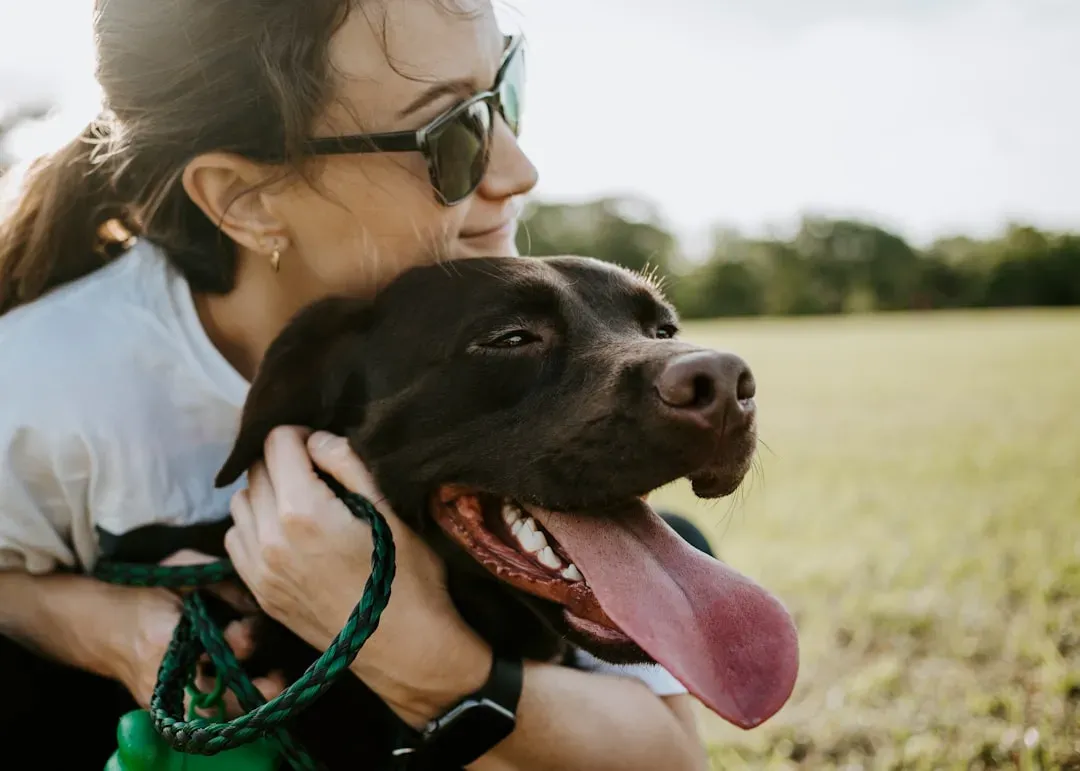
Every dog deserves to feel safe, seen, and cared for – even at the vet. The steps above are not complicated, but they do require consistency and empathy. Think of it less as “training your dog for the vet” and more as building a relationship of trust, one small moment at a time.
The effort you put in at home pays forward in every appointment for years to come. A calmer dog means a more accurate exam, a less stressed vet team, and honestly, a much easier morning for you too. It really is a win all around.
So start small. Touch those paws tonight. Drive past the clinic this weekend. Bring those high-value treats. Your dog is counting on you, and you clearly already care enough to be here reading this. That says everything. What step will you try first with your pup?


