
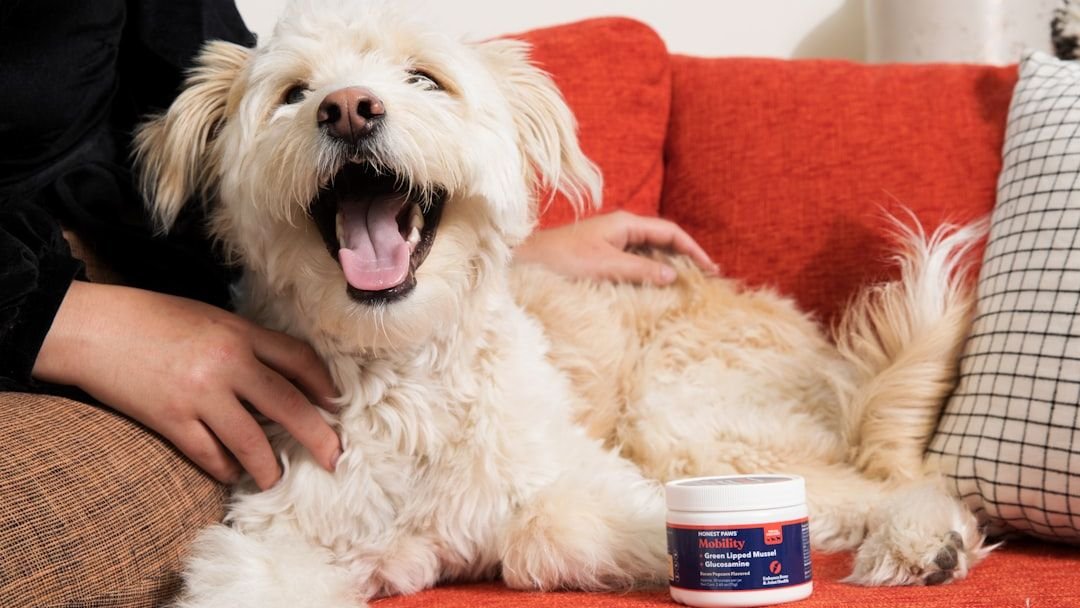
You’ve probably noticed that moment when your dog fixes those soulful eyes on you and releases a soft whine that seems to tug straight at your heartstrings. It’s one of the most puzzling aspects of dog ownership, honestly.
Whining is one of many forms of canine vocal communication, and dogs most commonly whine when they’re seeking attention, when they’re excited, when they’re anxious or when they’re trying to appease you. Here’s the thing, though. Each whine carries its own unique message, like a secret code waiting to be cracked. Understanding what your furry friend is trying to tell you can transform your relationship and help you respond with exactly what they need. So let’s dive into the fascinating world of canine whines and learn how to become fluent in your dog’s emotional language.
The Attention Seeker: When Your Dog Just Wants You
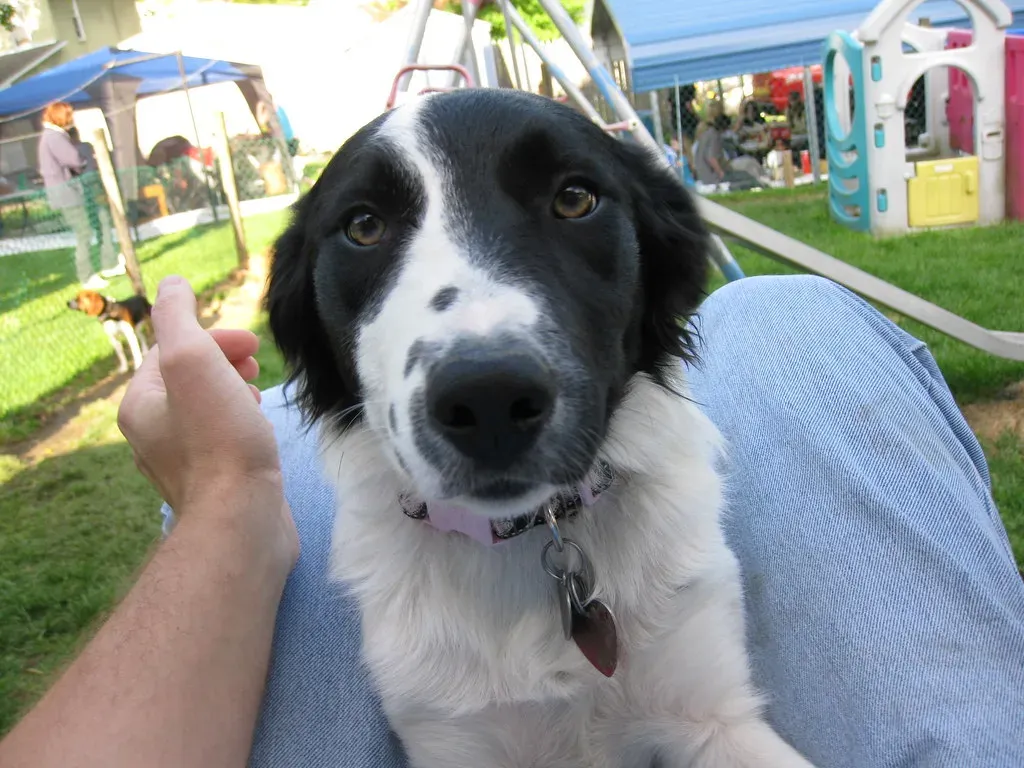
Whining can be a dog’s method of getting your attention, just like a child might tug on a parent’s sleeve, and dogs can use vocalizations to express their desire for interaction, whether they may be trying to engage you in play, ask for a cuddle, or simply get more of your time and affection. Think of it as your dog’s way of saying, “Hey, remember me?”
This type of whine often happens when you’re busy with something else. Your dog might position themselves near you, make eye contact, and let out those plaintive sounds that are hard to ignore. Behaviors that are constantly rewarded will persist, so if you attend to your dog each time they whine in non-critical situations, they’ll learn that whining is the best way to get what they want.
The key is learning to distinguish between genuine need and learned behavior. Wait for a quiet moment before offering attention, and reward silence instead of noise. Over time, your dog will understand that calm behavior earns better results.
The Pain Signal: When Something Hurts
Dogs often whine in response to pain or a painful condition, and if you notice that your dog vocalizes frequently or has suddenly started to vocalize, it’s important to take her to the vet to rule out medical causes. This is perhaps the most critical whine to recognize because your dog is genuinely suffering.
When whining is a response to physical pain, look for additional signs such as panting when not overly exerted or hot, limping or favoring an area of the body, wincing when touched, growling or baring teeth at another animal or person getting close when they usually would not, a hunched posture, and inappetence. These clues paint a fuller picture of what’s happening beneath the surface.
Whining could be an indication that your dog is in some kind of physical distress, and if they whine every time they try to go up the stairs or jump on the couch, your dog may have joint pain because of arthritis. Let’s be real, older dogs are especially vulnerable to joint issues that manifest through vocalization. Never ignore sudden changes in whining patterns, and schedule a veterinary visit promptly if you suspect pain.
The Anxiety Anthem: Fear and Stress Responses
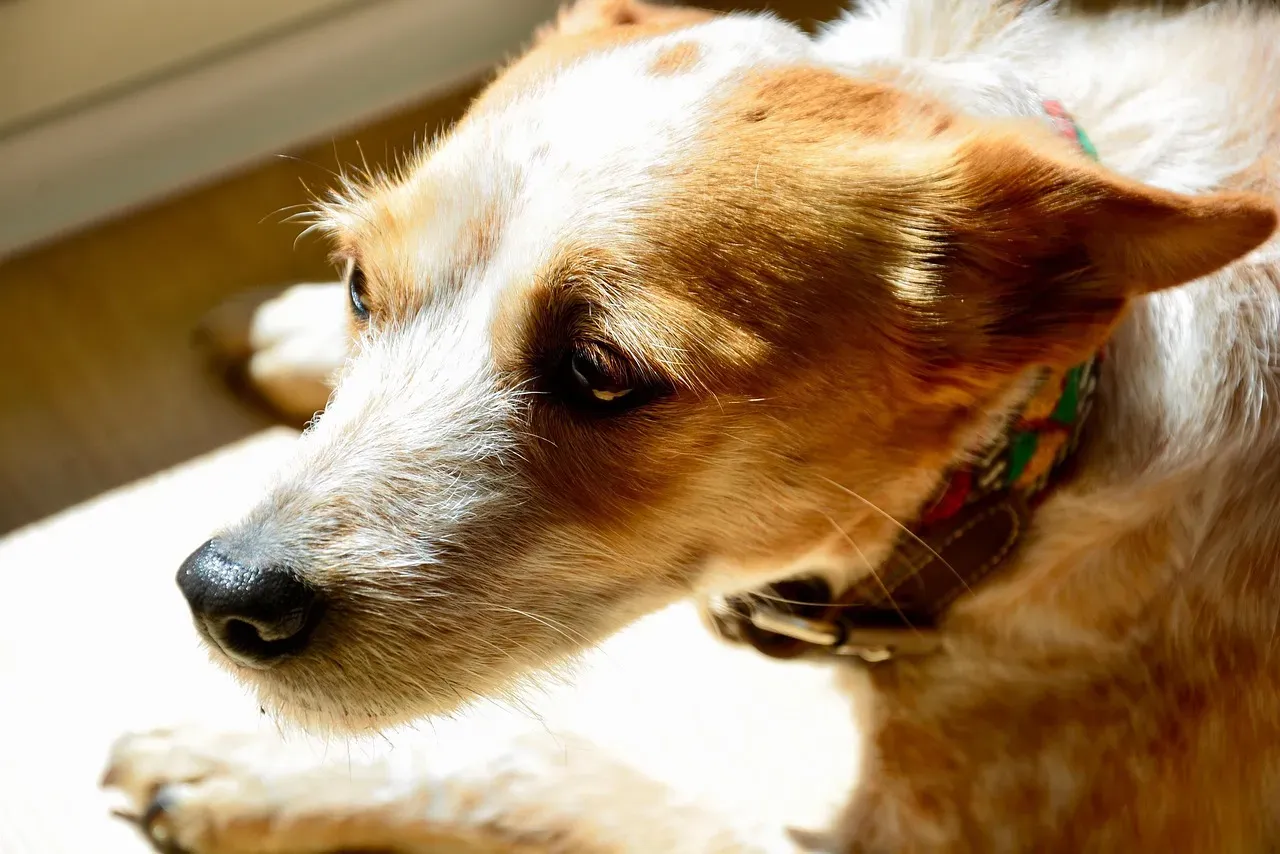
Whining can be your dog’s way of saying that they’re feeling scared or anxious, and if your dog is also pacing, trembling, or panting while whining, they are likely fearful or anxious about something. It’s hard to say for sure sometimes, but anxiety whines have a distinct, higher pitched quality that sounds almost frantic.
New situations, loud noises, or changes in routine can trigger this response. Anxiety can stem from various sources, such as separation anxiety, fear of loud noises like fireworks, unfamiliar environments, or certain triggers. Your dog might pace back and forth, refuse to settle, or follow you from room to room while vocalizing their distress.
Creating safe spaces helps tremendously. A cozy corner with familiar blankets and toys can become your dog’s sanctuary during stressful moments. Consistency in daily routines also provides the predictability anxious dogs crave.
The Excitement Overflow: Pure Joy in Motion
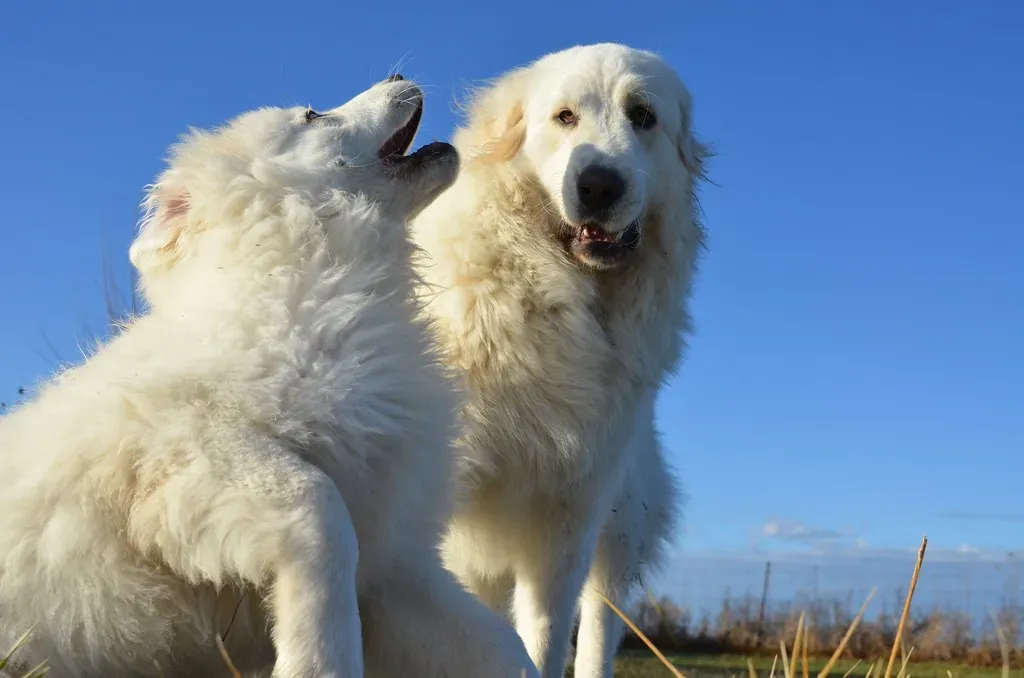
Not all whining is a sign of distress; sometimes, a dog will whine out of sheer excitement or anticipation, which could happen when they watch you prepare their meal or reach for their leash. I know it sounds crazy, but some of the most intense whining comes from dogs who are simply bursting with happiness.
This whine usually accompanies tail wagging, jumping, and an overall exuberant body posture. Dogs often whine to greet as a way of expressing their excitement, happiness, and anticipation when encountering their owners or other animals, and greeting whines are typically accompanied by wagging tails, jumping up, and overall exuberant body language. It’s their way of saying they can barely contain their emotions.
While endearing, excessive excitement whining can become problematic. Teaching calm greetings by withholding attention until your dog settles helps manage this behavior. Downplay arrivals and departures to reduce the emotional intensity.
The Appeasement Plea: Canine Apologies

Dogs can try to appease people or other dogs when they perceive a threat or aggression being directed at them, and appeasement behaviors include holding the ears back, tucking the tail, crouching or rolling over on the back, avoiding eye contact or turning the body sideways to the perceived threat. This submissive whine stems from your dog’s ancestral pack behavior.
You might notice this after scolding your dog for mischief. Whining can be a submissive behavior, a way of saying “You’re the boss,” and when you scold your dog for chewing your shoes or tipping over the trash can, they might whine as part of their apology. The posture is typically lowered, with a tucked tail and averted gaze.
Acknowledging the apology quickly and moving forward works best. Prolonged reprimands only increase your dog’s stress and reinforce the fearful response. Building confidence through positive reinforcement training reduces appeasement whining over time.
The Boredom Broadcast: Understimulated Minds

Sometimes dogs whine just because no one is paying attention to them, similar to how little kids whine when they’re bored, and your dog wants someone to play with or something to occupy them. Mental and physical stimulation are absolutely essential for canine wellbeing.
Dogs, particularly active breeds, require a certain amount of mental and physical stimulation each day, and when these needs are not met, they may communicate their boredom or frustration through whining. This whine often occurs during predictable times, like late afternoon when the household energy dips.
Puzzle toys, nose work games, and regular exercise dramatically reduce boredom whining. Even a brief training session engages your dog’s mind and satisfies their need for interaction. Some dogs need far more stimulation than others, depending on breed and temperament.
The Separation Struggle: Alone Time Anxiety

If your dog becomes extremely anxious when you’re about to leave or while you’re gone, they might whine excessively, and this behavior, called separation anxiety, is a manifestation of their fear of being left alone and their desire for constant companionship, commonly accompanied by other behaviors such as pacing, destruction, and inappropriate elimination. This is one of the more challenging whining issues to address.
The whining typically starts the moment you pick up your keys or put on your coat. Situational anxiety, such as separation anxiety, is often accompanied by panting and even drooling in between whine breaks until the dog is either exhausted, works themselves up into a panic state, or the cause for the anxiety is alleviated. It’s genuinely heartbreaking to witness.
Gradual desensitization helps tremendously. Practice short departures, gradually increasing duration while remaining calm during arrivals and departures. Professional behavioral training may be necessary for severe cases, as separation anxiety can significantly impact your dog’s quality of life.
Conclusion

Decoding your dog’s whines transforms you from a puzzled owner into a compassionate interpreter of their deepest needs. Each vocalization carries meaning, whether expressing pain, seeking connection, or simply celebrating the joy of dinner time. Body language plays a significant role in discovering the context of whining. By paying attention to the whole picture, including posture, timing, and circumstances, you become remarkably skilled at understanding your furry companion.
Remember that sudden changes in whining patterns deserve veterinary attention, while behavioral whining often responds beautifully to training and environmental adjustments. Your dog trusts you to listen, understand, and respond appropriately. What’s your experience with decoding those mysterious whines? Share your stories in the comments below.


