
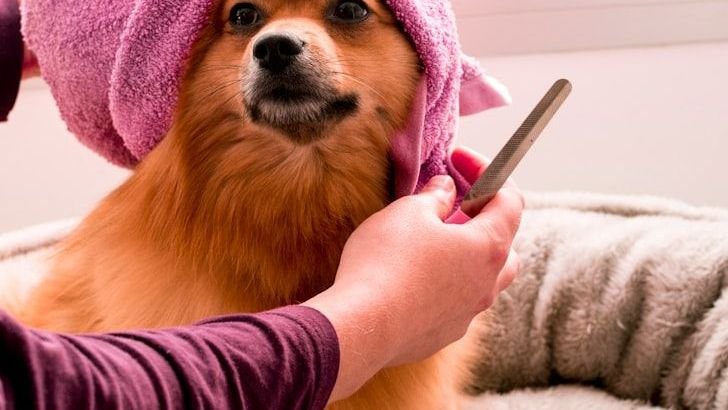
Every dog owner knows that sinking feeling when it’s grooming time and your furry friend starts hiding under the bed. That trembling, the desperate escape attempts, the general drama that unfolds can break your heart. Your beloved companion shouldn’t have to endure grooming as if it’s some medieval torture session.
The truth is, grooming doesn’t have to be a battle of wills. With the right approach, patience, and understanding, you can transform those stressful sessions into bonding moments your dog actually looks forward to. Your pup deserves to feel comfortable, safe, and maybe even pampered during their spa time.
Start with Exercise Before Grooming Sessions

Think about how you feel after a good workout. Your body is relaxed, your mind is clear, and you’re generally more cooperative. Dogs work exactly the same way.
Taking your dog for a vigorous exercise session before their grooming appointment can help them be much calmer and more relaxed when in new or stressful situations. Whether it’s a long walk around the neighborhood, a game of fetch in the backyard, or a romp at the dog park, burning off that excess energy works wonders.
Engaging them in vigorous exercise like long walks, running, playing fetch with a ball, or letting them interact with other dogs at the park creates a natural sedative effect without any medication. Grooming becomes a relaxed and straightforward process once your dog has expended their energy.
A tired dog is a happy dog, so take some time to play with your pet each day. This isn’t just about the grooming session either. Regular exercise improves your dog’s overall well-being and makes them more adaptable to various situations.
Practice Handling at Home Regularly

Many dogs experience high anxiety levels when taken to a dog groomer because they aren’t used to being handled by other people. The best way for owners to help their dogs relax during grooming is to handle them regularly.
Desensitization can help your dog remain relaxed with different types of touching. Try working with your dog at home to get them used to being handled before you take him to the groomer and reward your dog with a treat during or immediately after giving the cue.
Start simple if you’re new to this. Begin with basic things like brushing their coat while lying down. As your dog becomes more comfortable with these interactions, gradually increase your handling until you can touch all parts of their body.
If your dog is sensitive in areas like the ear or paws, start by touching them on an area where it’s less sensitive, like the shoulder, and gradually move toward the paw with a gentle touch. Reward your dog with a treat during or immediately after giving the cue and handling the area.
Use Positive Reinforcement and Treats

Dogs learn through association, and you want grooming to be linked with good things in their minds. Be sure to follow up with lots of treats, so that your dog learns to associate the groomers with good things.
Using positive reinforcement proves effective in training your dog to remain calm and relaxed during grooming. Teach your dog good grooming manners by offering treats and praise when it sits still for brushing or allows you to clip a nail.
The key here is timing. Stay calm, positive, and patient, even if it involves clipping just one nail at a time; taking it slow is key. Sometimes progress means celebrating small victories, like your dog allowing you to touch their paw for just a few seconds.
Consider using special high-value treats that your dog only gets during grooming sessions. Some groomers suggest putting some peanut butter on a silicon wall mat near where you’re working so they can put their attention there. This creates a positive distraction while you work.
Create a Calm Environment
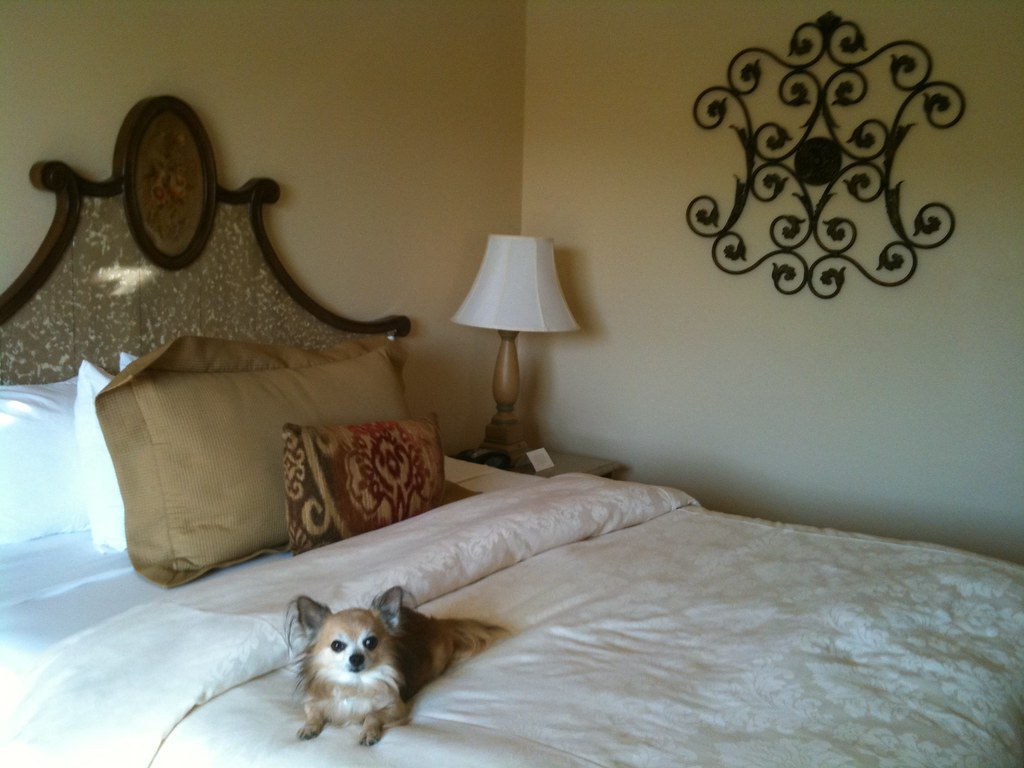
Your grooming space should feel like a spa retreat, not a veterinary clinic. Altering your dog grooming environment can work wonders in helping your furry friend feel relaxed and comfortable. Pick a quiet room where you can bathe and tend to your dog without distractions or loud noises.
Avoid areas with high foot traffic or other pets, as these can cause additional stress. Keep your grooming area free from clutter and things that might wind your dog up. Remove toys, food bowls, and anything else that might grab their attention.
Lighting matters more than you might think. Bright lights can be harsh and unsettling for some nervous dogs. Opt for soft, natural lighting or use a dimmer switch to adjust the brightness as needed.
Create a calming environment by playing soft music or white noise and placing favorite toys or comfort items nearby. Some dogs respond well to aromatherapy too, though introduce new scents gradually to avoid overwhelming them.
Schedule Strategic Training Visits
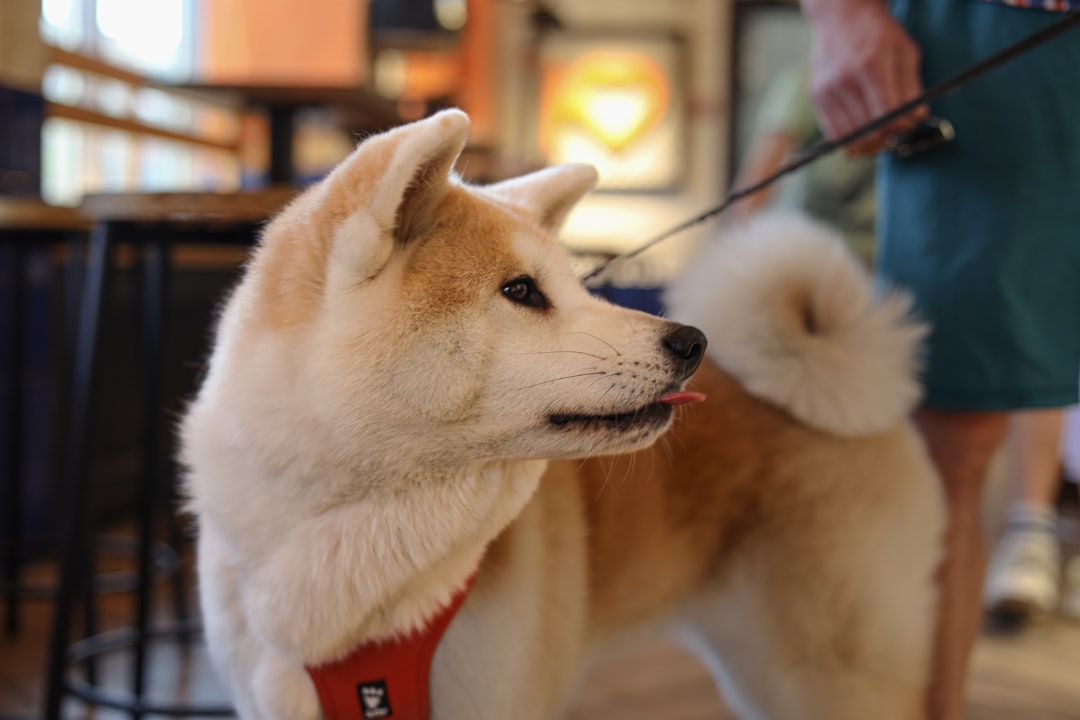
This is one of the most overlooked tips that can make a huge difference. Ask your groomer if it’s possible to do a training visit without any grooming being done. Instead, pair being in the parking lot or lobby with events your dog likes, such as play, treat training, or going on a walk.
After finding a groomer you and your dog are comfortable with, ask if you can schedule a training visit. On this visit, you can walk around with your dog and help them slowly adjust. This removes the pressure of actual grooming while building positive associations.
Use the visit to accustom your dog to the sights and sounds of the groomer, including the noise of clippers or dryers, and to practice being lifted on and off the grooming table. This also presents an opportunity for your dog to meet the groomer. A principled groomer will take the time to meet your dog and help her to relax.
Many professional groomers are happy to accommodate these visits because they understand that a comfortable dog makes their job easier too. It’s a win-win situation that requires just a small time investment upfront.
Choose the Right Tools and Introduce Them Gradually
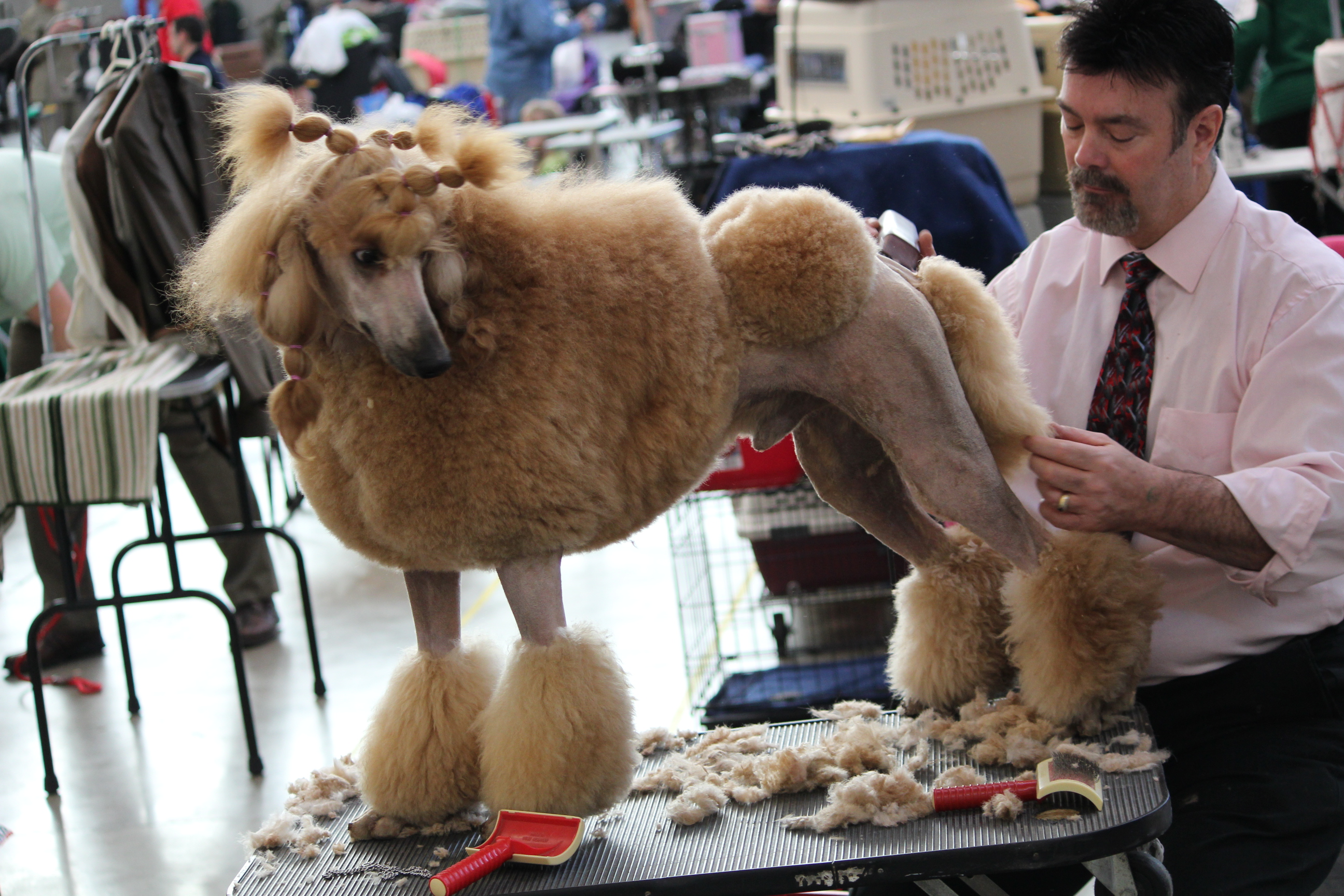
Not all grooming tools are created equal, and the right equipment can make a world of difference. Investing in a clipper with minimal vibration noise can greatly reduce stress for your pet during grooming. The sound and vibration of cheap clippers can terrify dogs who are already nervous.
Sometimes, tools like shavers, scissors, nail clippers, and blow dryers are the scariest part of getting groomed. If your dog seems uncertain about these kinds of tools, introduce them gradually to lessen their anxiety. Begin by simply showing your dog the grooming tools without using them.
Run a set of clippers next to your dog so they get used to the noise of the clippers. This will get your dog used to the sound of clippers and being handled so they are less anxious at professional grooming appointments.
Speak to your dog calmly and let your dog safely sniff and explore tools such as brushes and clippers. Wait until your dog is calm before beginning grooming, and have treats handy to reward good behavior. Let them investigate each tool at their own pace, rewarding curiosity with treats and praise.
Know When to Take Breaks and Seek Professional Help
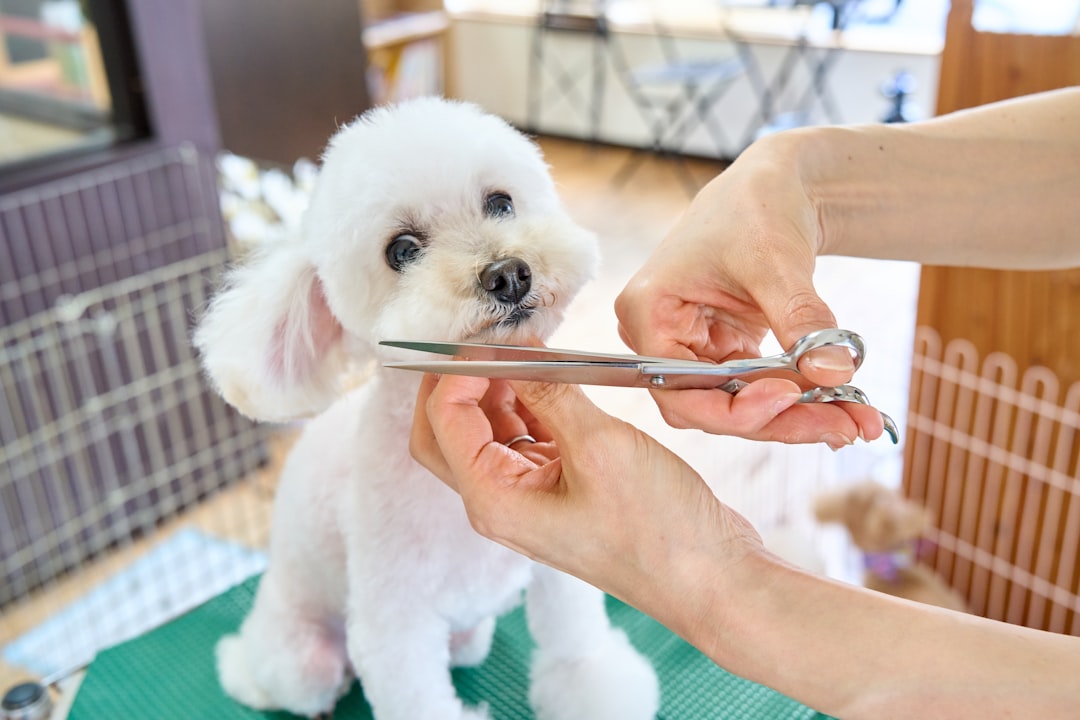
If your dog starts to show signs of anxiety or discomfort during grooming, don’t hesitate to take breaks. Offer them water, treats, or a short walk to help them relax before resuming the grooming session.
When you’re stressed out, it helps to take a step away, right? The same concept applies to your pet, so don’t rush through grooming in one sitting if they seem uncomfortable. Taking breaks can make the process more enjoyable for everyone.
Recognize your limitations and your dog’s stress signals. These strategies may not work for every dog. If training is failing to make a dent in your dog’s anxiety levels, or if your dog is reacting aggressively to any attempts to groom him, seek your veterinarian’s guidance about professional training.
Pet parents should try to find a dog groomer who will accommodate an anxious pet. Some groomers are more experienced with anxious or aggressive dogs than others. Don’t be afraid to shop around until you find someone who understands your dog’s specific needs and works with patience and expertise.
Conclusion
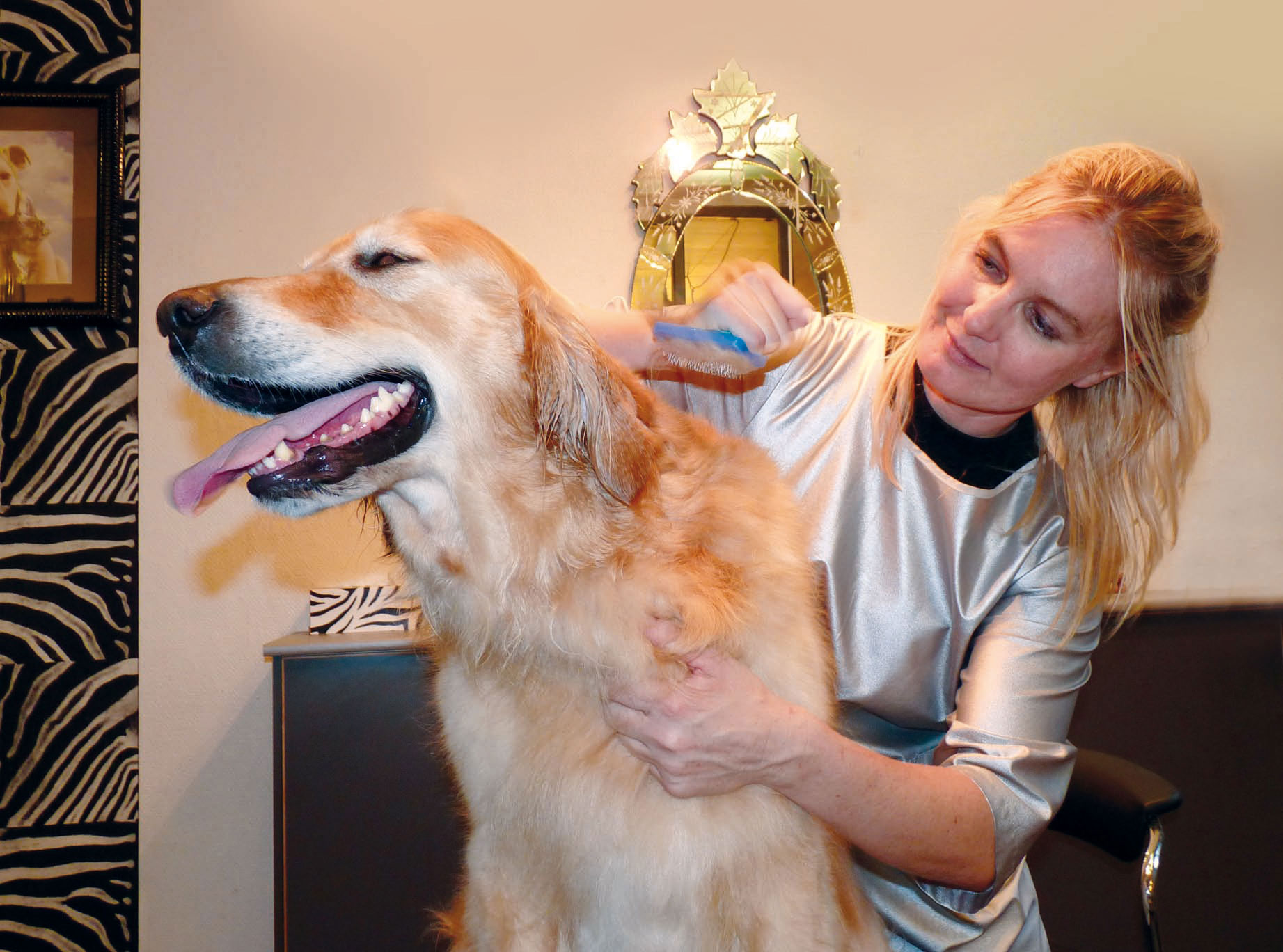
Remember that every dog is unique, and what works for one might not work for another. The journey to stress-free grooming takes patience, consistency, and lots of love. Start implementing these tips gradually, celebrating small victories along the way.
Just as humans feel better after a good shower or haircut, dogs also benefit emotionally from grooming. Dogs thrive on routine, and grooming can be a calming, predictable experience if introduced gently and consistently. The act of grooming also strengthens the bond between pet and owner, giving dogs a sense of security and trust.
What’s your biggest grooming challenge with your furry friend? Have you tried any of these techniques? Tell us in the comments how these tips worked for your pup.


