
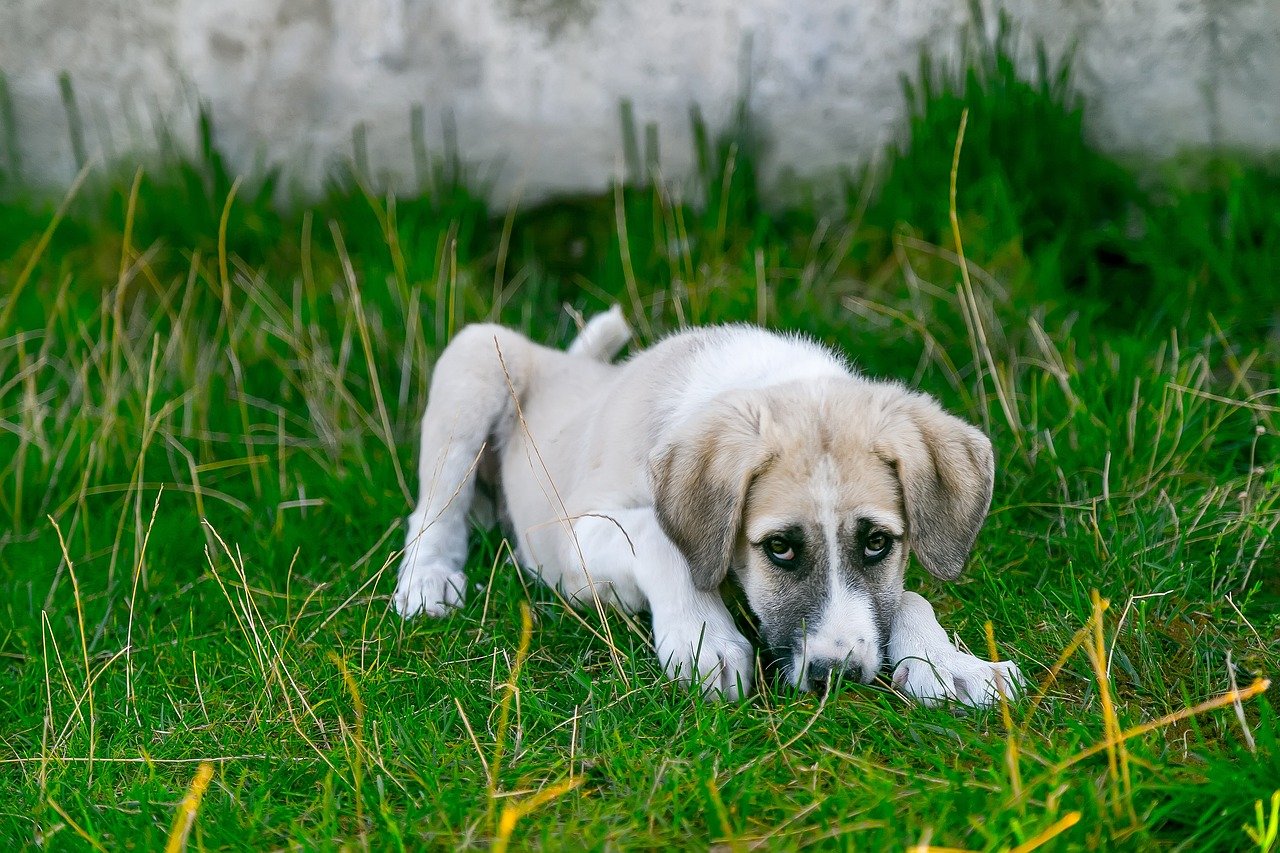
Have you ever wondered why your sweet, calm dog suddenly transforms into a bundle of chaos? It can feel shocking, even heartbreaking, when your loyal companion growls, barks, or chews up your favorite shoes without warning. Dogs, just like people, have their reasons for acting out. Sometimes those reasons are obvious, but many times, the trigger is hiding in plain sight. If you’ve ever found yourself at a loss, scratching your head with confusion, you’re not alone. Deep down, every dog lover wants to understand their furry friend better. Let’s take a heartwarming journey through the seven most common triggers that can make your dog behave in ways you never expected — and discover how understanding them can bring you and your pup even closer.
Sudden Loud Noises
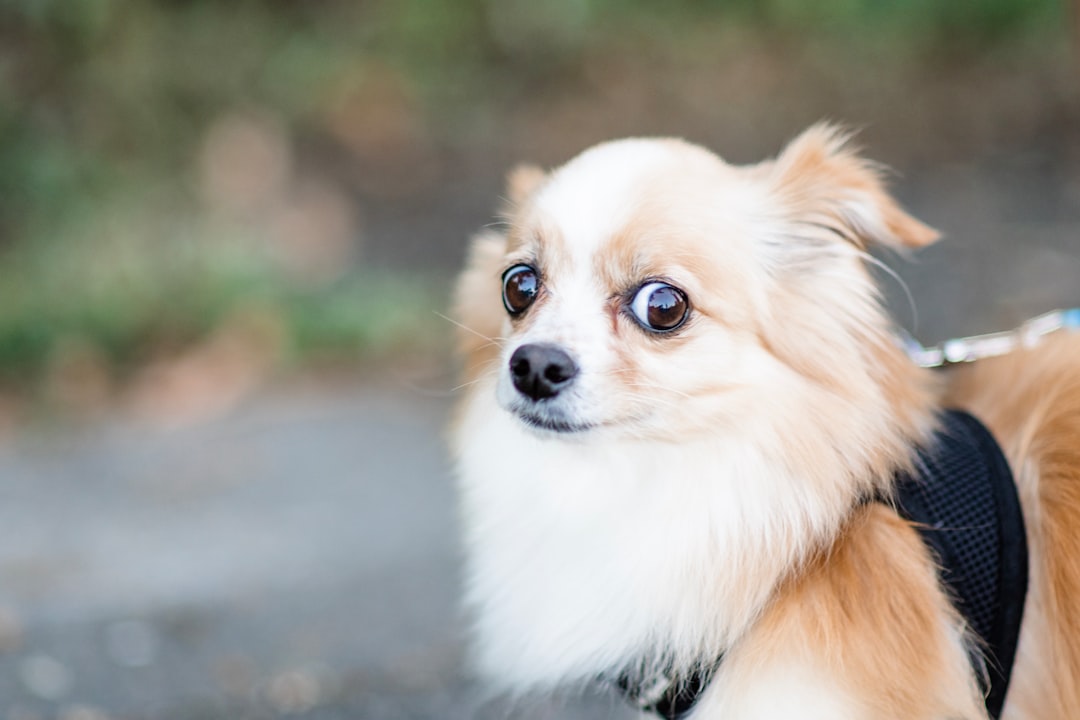
Unexpected sounds like fireworks, thunderstorms, or even a dropped pan can send your dog into a tailspin. These noises can be terrifying for dogs, who often hear far better than humans do. A dog’s keen sense of hearing means what’s just a rumble to you might feel like an explosion to them. When startled, your dog might bark frantically, hide under the bed, or even attempt to escape the house. It’s their way of coping with a world that just got way too loud, way too fast.
What’s surprising is how even “normal” household sounds—like the vacuum cleaner or blender—can trigger anxiety. Dogs don’t always understand the source or reason for these noises, making them feel out of control. In these moments, your furry friend could act out by pacing, whining, or acting clingy. If you notice these behaviors, try offering a comforting touch or a familiar toy. Sometimes, just being near their favorite human can soothe their frazzled nerves.
Changes in Routine
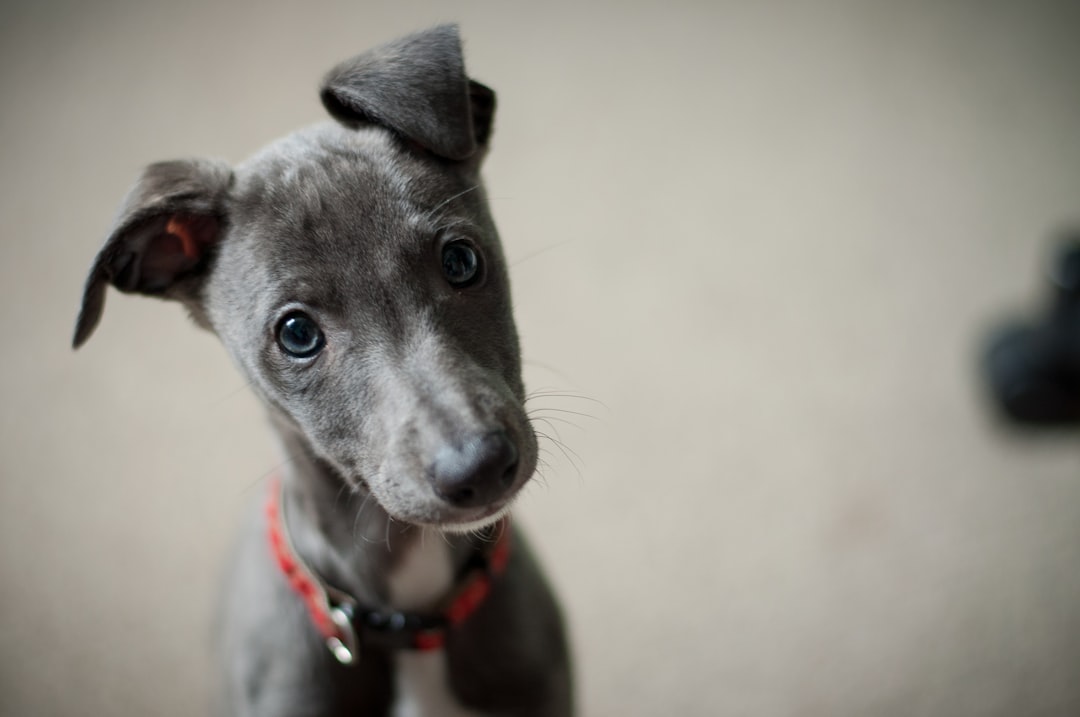
Dogs are creatures of habit. A simple shift, like a new feeding time or a different person coming to walk them, can throw them off balance. Imagine if your daily routine suddenly changed with no explanation—you’d feel confused, right? That’s exactly how dogs feel when the pattern of their days gets disrupted. They might react by refusing to eat, becoming overly excited, or engaging in destructive behaviors like chewing or digging.
Unexpected changes, such as a family member moving out or a new pet arriving, can also be overwhelming. Dogs thrive on predictability, and when their world tilts, they often act out as a way to express their confusion or frustration. Consistency is comfort for dogs, and when it’s taken away, their anxiety can bubble up in surprising ways.
Lack of Physical or Mental Stimulation

A bored dog is a mischievous dog. When dogs don’t get enough exercise or mental challenges, their energy builds up with nowhere to go. This pent-up energy can explode in the form of barking, digging, or even aggressive behaviors. It’s not mischief for mischief’s sake—your dog is just desperate for something to do, much like a child left in a room with nothing but blank walls.
Mental stimulation is as important as physical play. Puzzle toys, scent games, or learning new tricks can transform your dog’s mood and behavior. Without these outlets, dogs may invent their own entertainment—often at your expense. If you notice sudden bad behavior, ask yourself: When was the last time your pup had a good workout or a brain-teasing activity?
Separation Anxiety
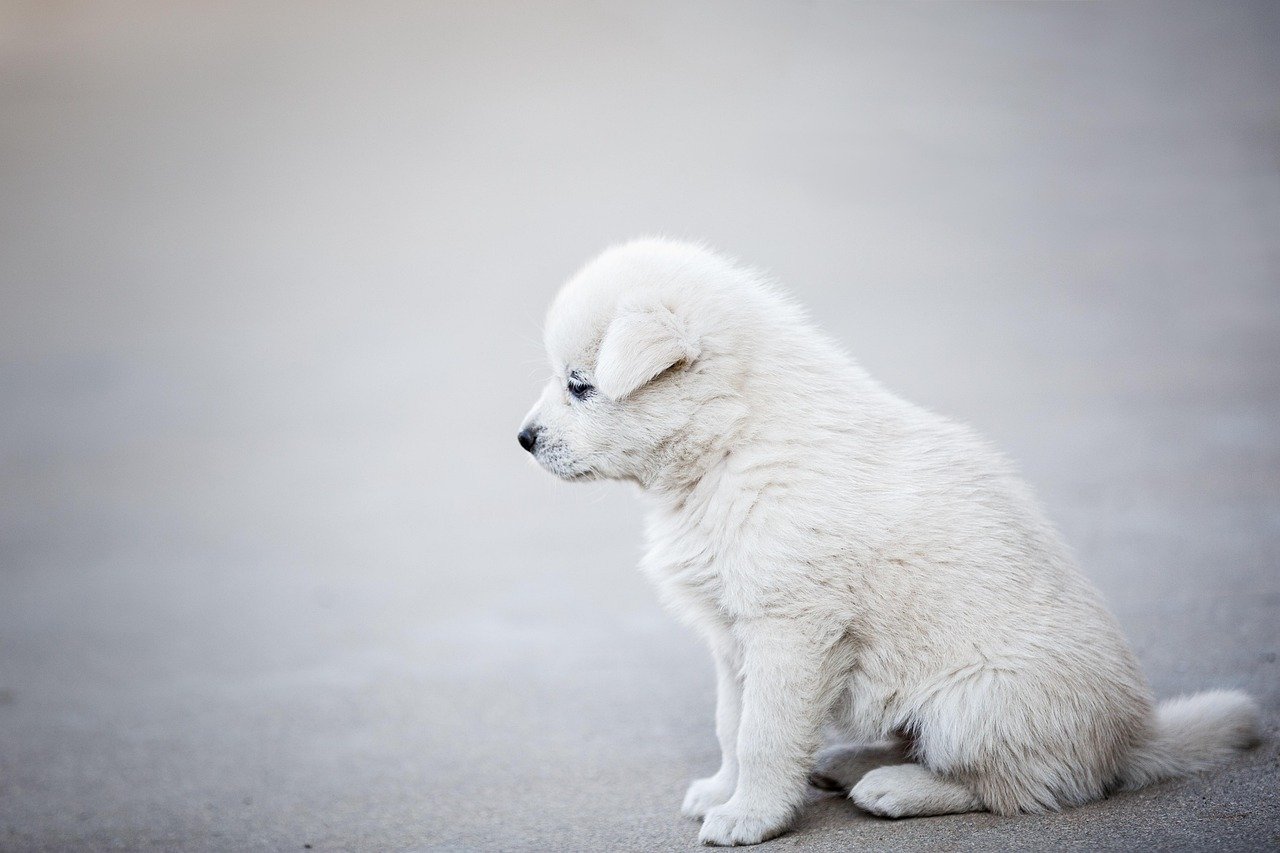
Some dogs can’t stand being alone. When you leave the house, even for a short while, your dog might howl, scratch at doors, or destroy furniture. This isn’t spite, but a sign of deep distress. Dogs with separation anxiety feel genuinely panicked when their favorite person is gone. It’s heartbreaking to imagine, but in their eyes, every goodbye might feel like the last.
Separation anxiety can be triggered by changes in your schedule, a recent move, or even after you’ve spent extra time together (like during a vacation). Dogs are social animals, wired to be part of a pack. When left alone, their fear can transform into desperate attempts to bring you back, leading to unexpected and sometimes dramatic behavior.
Unfamiliar People or Animals
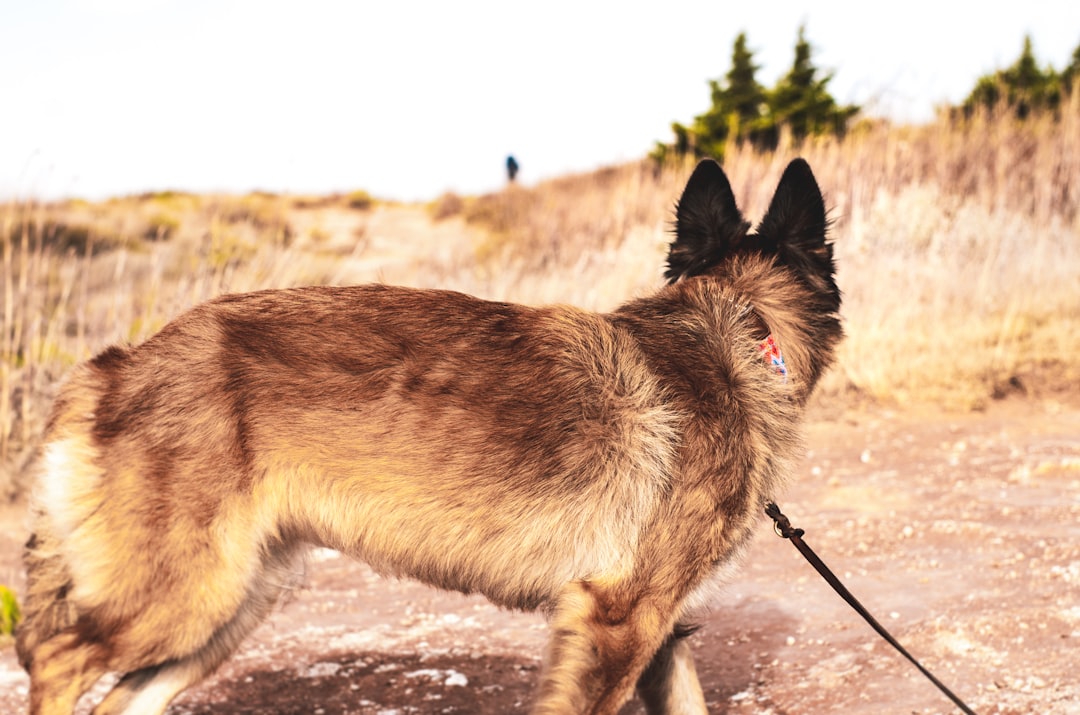
Meeting new faces—human or animal—can be both exciting and frightening for dogs. Some pups are social butterflies, but many are cautious or even defensive when confronted with strangers. If your dog suddenly growls, barks, or hides, it’s often because they feel threatened or unsure about the newcomer. They might not know if this new person or pet is friend or foe.
Even well-socialized dogs can react unpredictably when a stranger enters their territory. Your home is your dog’s safe place, and new arrivals disrupt that security. Dogs use body language to communicate comfort or discomfort, and when they feel overwhelmed, their actions can surprise even the most attentive owner. Taking introductions slowly and offering reassurance can help ease their nerves.
Pain or Health Issues
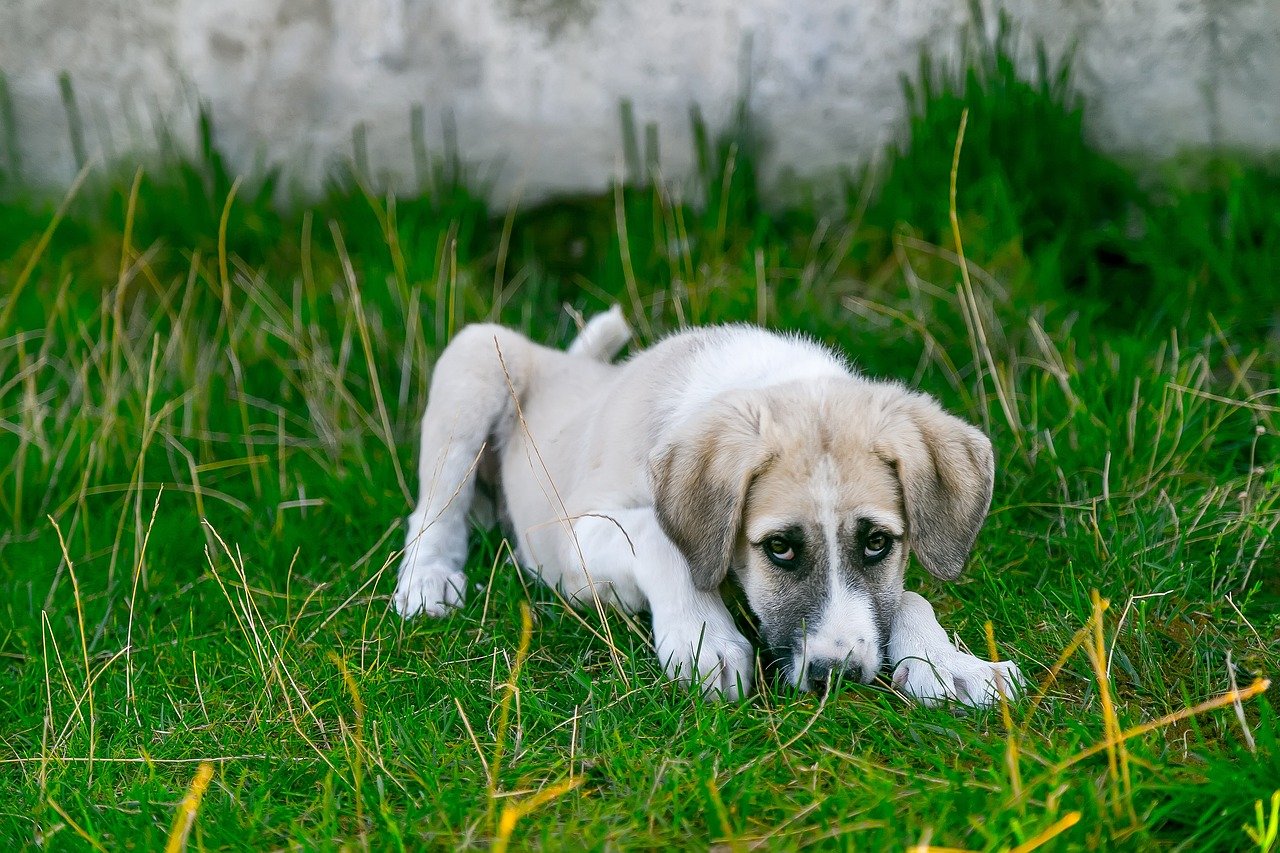
Sometimes, a dog’s sudden bad behavior is a silent cry for help. Dogs are notorious for hiding pain, but when discomfort becomes too much, it can change their personality. A normally gentle dog might snap, whine, or avoid being touched if they’re hurting. Common sources of pain include dental problems, arthritis, or even a hidden injury.
Health issues can also impact a dog’s mood. An upset stomach or a urinary tract infection might lead to accidents in the house or grumpiness. Changes in behavior are often the first sign that something’s wrong. If your dog suddenly acts out, a visit to the vet might reveal an underlying issue. Always trust your instincts—if something feels off, it probably is.
Lack of Socialization
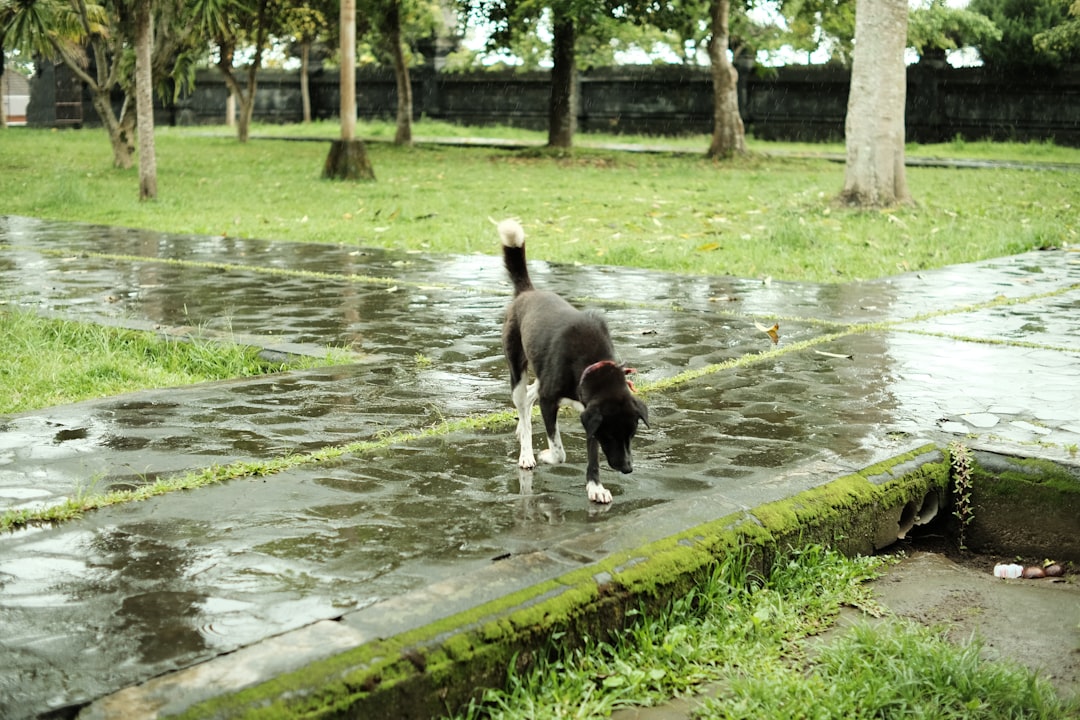
Dogs need social experiences to feel confident and safe. Puppies who miss out on meeting new people, dogs, or places during their critical development stages often grow up to be anxious or reactive adults. This lack of early exposure can make everyday experiences—like a walk in the park or a visit to the vet—a source of stress and unpredictable behavior.
Even adult dogs can struggle if they’re not regularly socialized. Without these positive experiences, your dog might bark excessively, lunge, or refuse to cooperate in new situations. Socialization isn’t just about play; it’s about teaching your dog that the world is a safe, interesting place. The more positive encounters they have, the less likely they are to act out when faced with something new.
What would you have guessed was your dog’s biggest trigger?


