
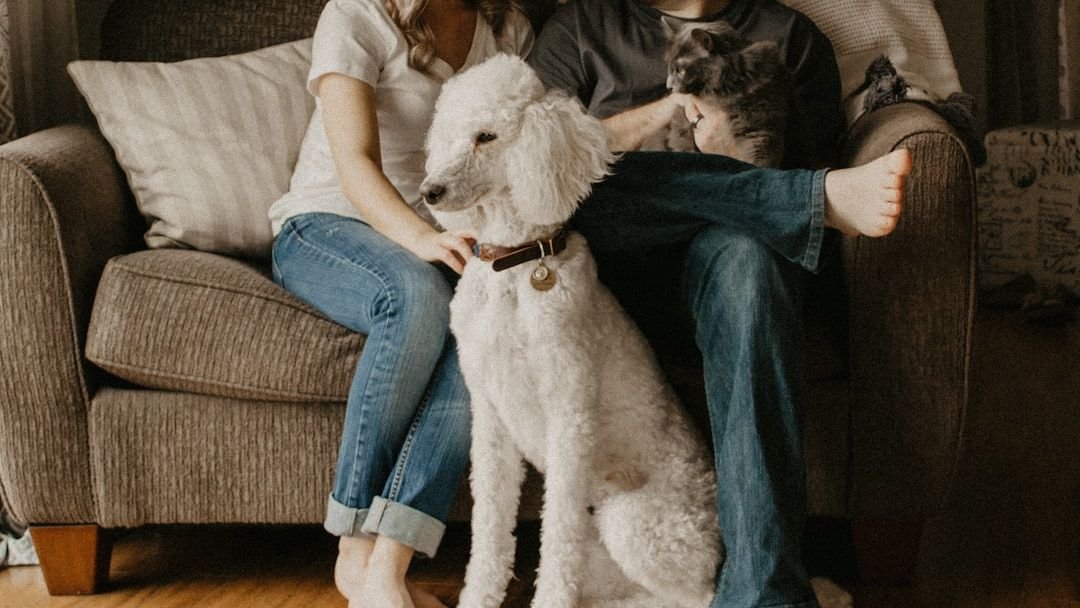
You probably know that thunderstorms send your dog under the bed. Fireworks? Absolute nightmare. Strangers at the door? Total chaos. But here’s the thing – the most common anxiety triggers are actually the ones we talk about the least. Some of the everyday things happening right inside your home, or even in your own behavior, could be quietly unsettling your dog in ways you’d never suspect.
Dogs tend to mask their discomfort through subtle cues, which can make it shockingly difficult for owners to recognize when something is wrong. Ethological studies suggest that roughly one quarter to one half of pet dogs exhibit some form of anxiety-related behavior – and much of it goes completely unnoticed. That’s a lot of stressed-out pups walking around looking totally fine on the outside. Honestly, it’s both eye-opening and a little heartbreaking. So let’s pull back the curtain on the unexpected things that could be making your best friend anxious – and more importantly, what you can actually do about it.
1. A Disrupted Daily Routine

Here’s something most dog owners don’t immediately think about: your dog’s internal clock is basically a finely tuned machine. Think of it like a toddler who misses their nap – the world suddenly becomes a very scary place.
Dogs thrive when they know what to expect. Maintaining a consistent daily routine for feeding, exercise, and playing can provide real stability and significantly reduce anxiety. When that routine gets thrown off – even by something as simple as your new work schedule – your dog genuinely feels it.
Changes in daily routines, such as altered feeding times or exercise schedules, can unsettle some dogs quite deeply. So if you switched jobs, moved to a hybrid work model, or even just started sleeping in on weekends, your pup may be reading those shifts as something threatening.
The fix? Consistency is your superpower. Stick to regular feeding, walk, and playtimes as much as humanly possible. You can change your dog’s anxiety levels significantly by adding consistency and predictability to their life. A predictable world is a safe world, in your dog’s eyes.
2. Certain Visual Stimuli You’d Never Suspect
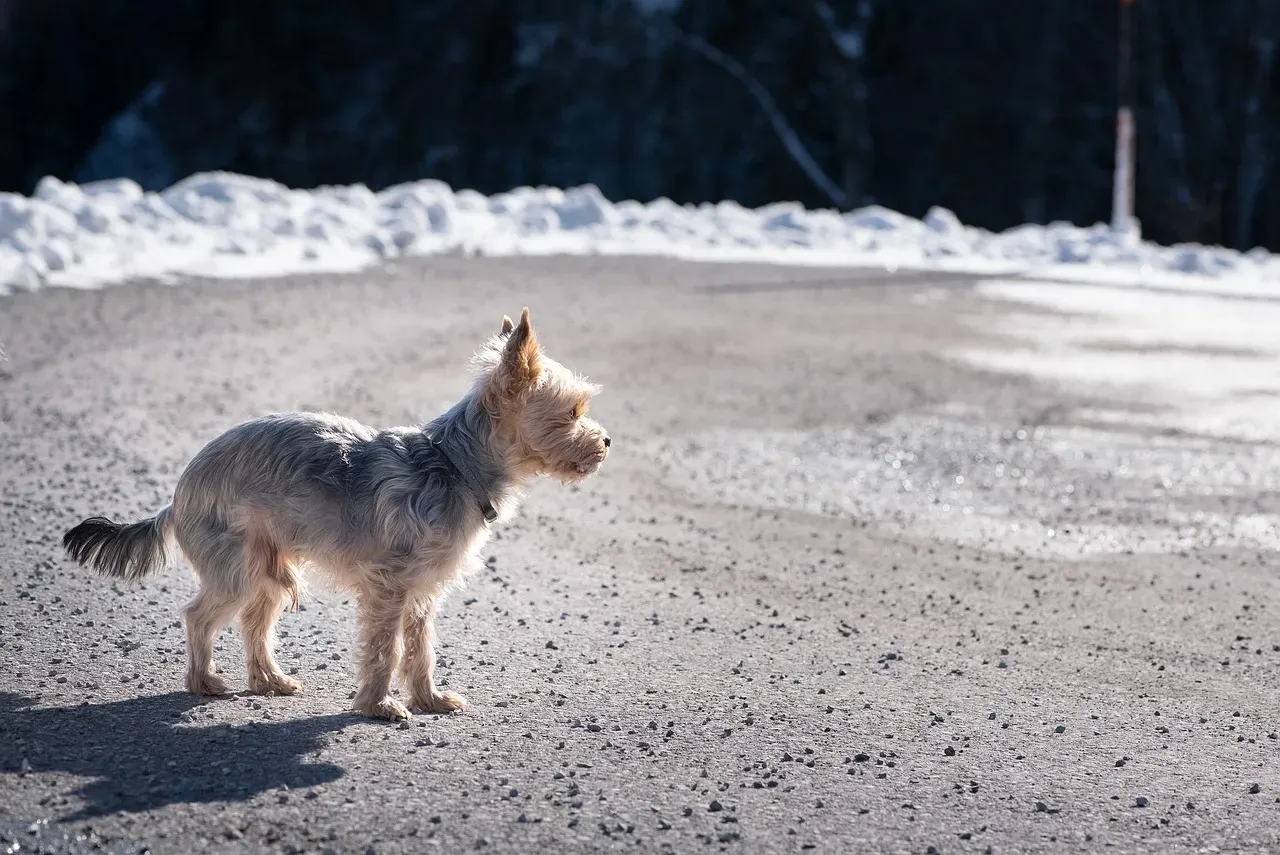
I know it sounds crazy, but your dog might genuinely be freaked out by something like an umbrella or a person wearing a hat. It’s not drama – it’s real, and it’s more common than you’d think.
Fear-related anxiety in dogs can be caused by visual stimuli like hats or umbrellas, new or strange environments, and specific situations – even surfaces like grass or wood floors. What looks completely ordinary to us can look like a threat to a dog seeing it for the first time.
Sudden movements, such as bicycles, skateboards, or even children running, can trigger anxiety in some dogs. Things like large vehicles, umbrellas, or unfamiliar animals can also provoke a fearful response. It’s all about novelty and lack of prior exposure.
Prevention matters here. Gently and gradually introducing your dog to new visual stimuli – paired with treats and praise – is the gold standard approach. Gradually exposing your dog to an anxiety-triggering stimulus at a low intensity and pairing that exposure with positive experiences like treats or play can make a remarkable difference over time.
3. Your Own Emotional State
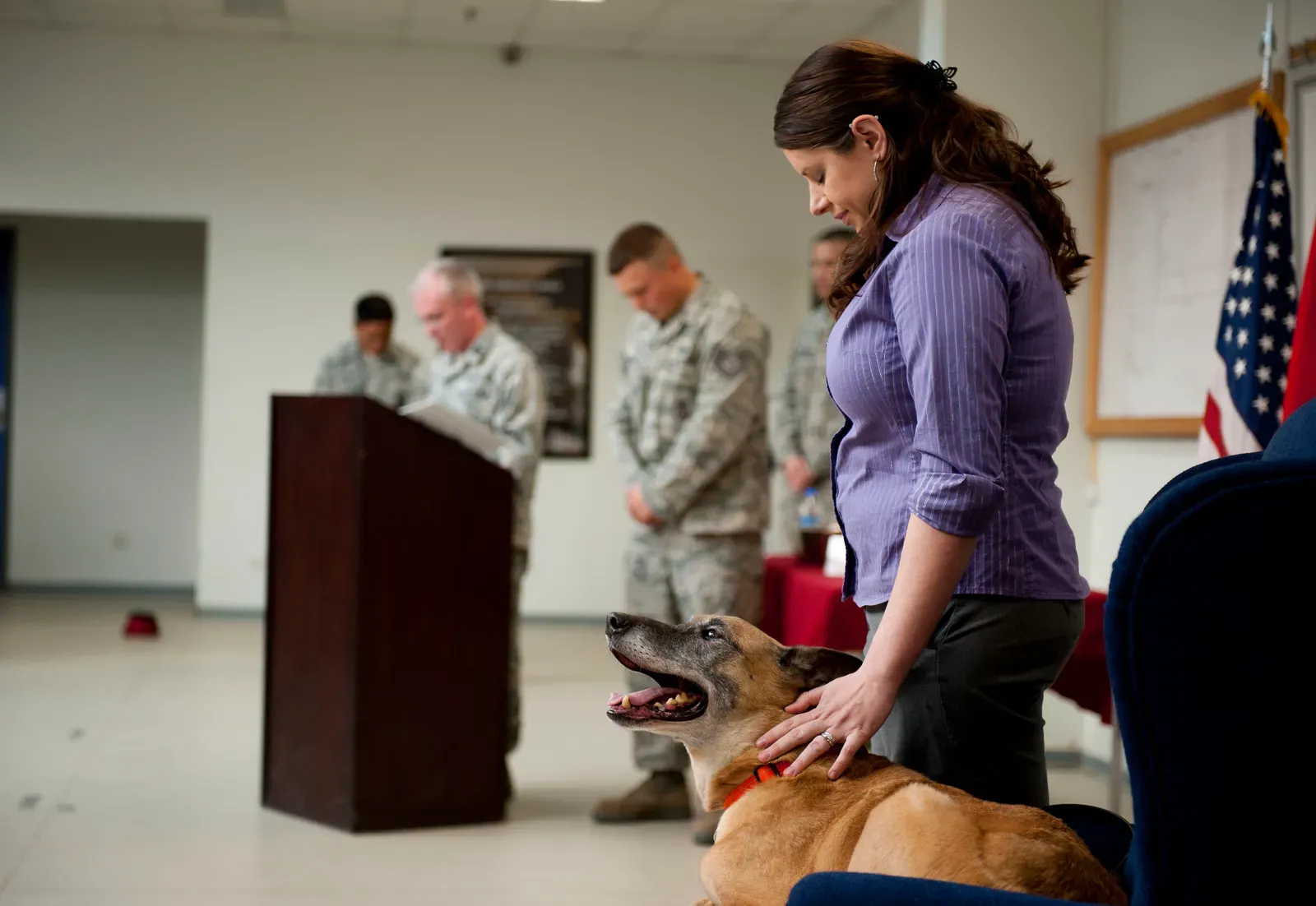
This one might sting a little – but stay with me. Dogs are remarkably tuned into human emotions. They’re not just guessing; they’re reading micro-cues in your body, scent, voice, and posture. When you’re anxious, stressed, or overwhelmed, your dog absorbs that energy like a sponge.
It’s a bit like being in a house where the adults are tense but nobody’s talking about it – even kids pick that up. Dogs are no different. To differentiate stress signs from normal behavior, you must be familiar with your dog’s regular demeanor and pay close attention to the context. Context includes you – the human on the other end of the leash.
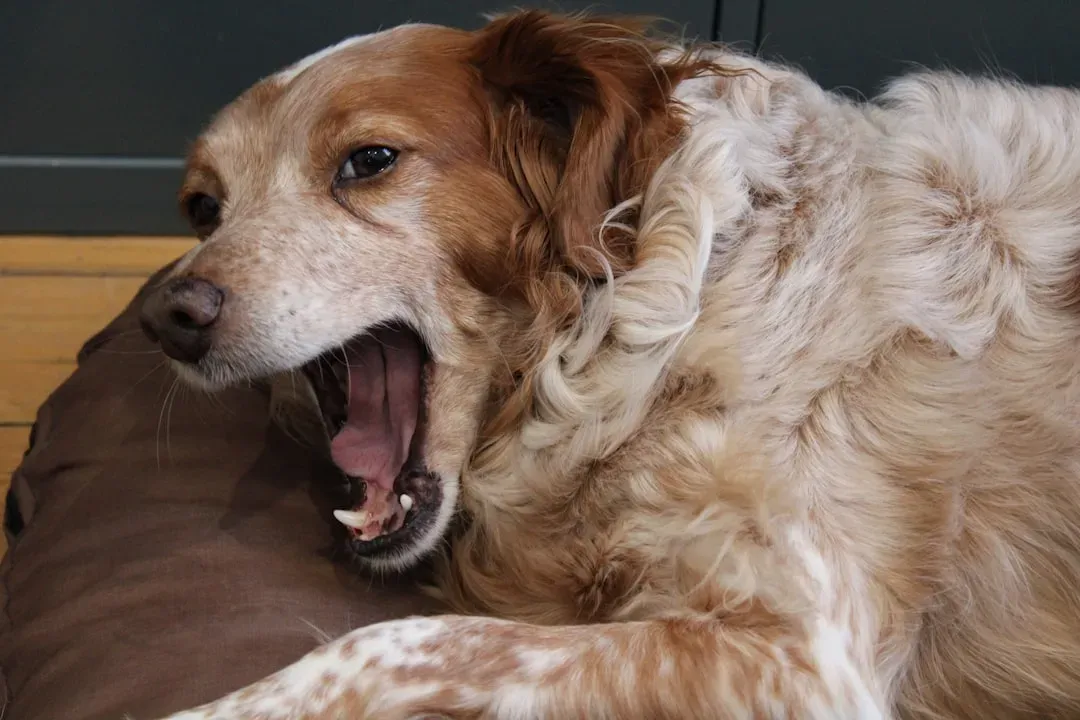
If you’ve been going through a stressful season at work, relationship tension, or even just a bout of anxiety yourself, watch your dog closely. Are they clingier than usual? Pacing? Yawning excessively? Those can all be mirrored responses to your own emotional state.
Try practicing calm, grounded energy around your dog. Almost all anxious dogs benefit from positive reinforcement training and increased predictability and consistency in their routine and in interactions. Your calm is contagious – in the best possible way.
4. Overstimulating Environments (Yes, Even Fun Ones)

You planned a big playdate at the dog park. You brought all the treats. You were so proud. Your dog, however, was quietly losing their mind. Here’s the surprising truth: fun can actually be overwhelming.
Overstimulation isn’t “bad behavior” – it’s a nervous system response. Busy dog parks, loud homes, chaotic playdates, overuse of high-arousal games, or even a jam-packed training session can push a dog from excited to overwhelmed in minutes.
Sensory overload occurs when dogs get overwhelmed by external stimuli. It can cause a whole cascade of other problems like hyperactivity, reactivity, compulsive behaviors, and even aggression. So that dog who goes wild after a big park session? May not be “happy tired.” They might just be maxed out.
Watch for the signs: excessive panting, frantic behavior, an inability to settle down, or sudden snapping. Decompression matters. Sniffy walks on a long line, gentle foraging, and quiet chews help reset the nervous system after excitement. When you see the signs, shift from “more activity” to a nervous system downshift.
5. Changes in the Household or Family Dynamic
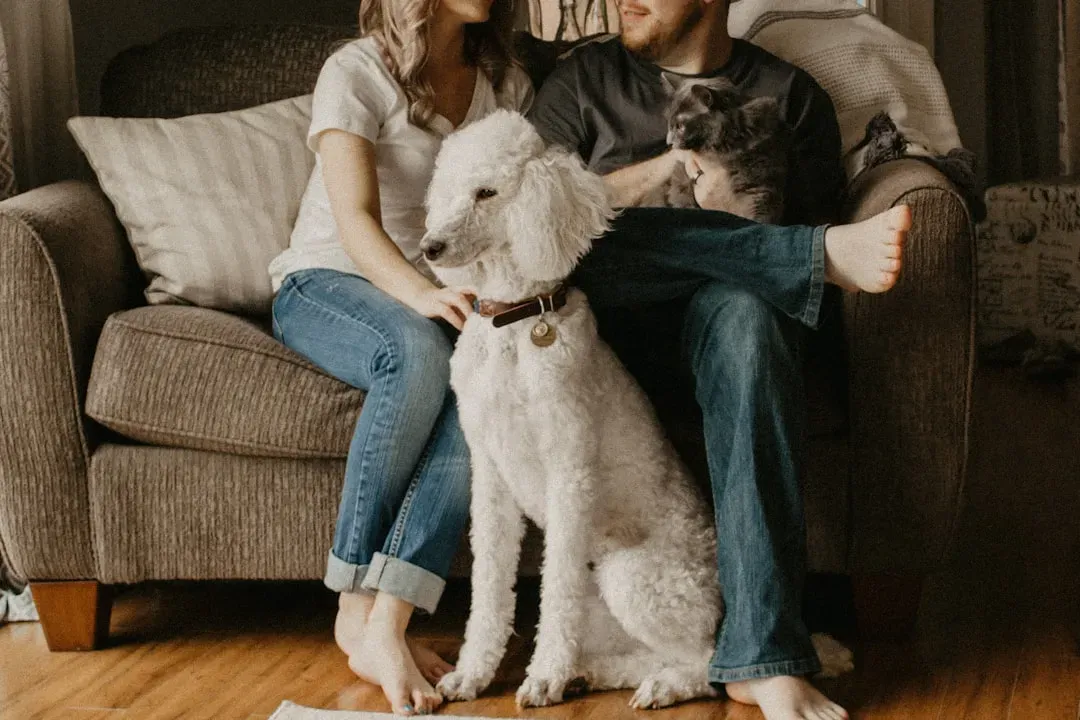
A new baby. A family member moving away. A new roommate. Even rearranging the living room furniture. These changes might seem small to you, but to your dog, they can signal that the world has fundamentally shifted – and not necessarily for the better.
Moving to a new house can be stressful for dogs as they adjust to unfamiliar surroundings. The arrival or loss of a new pet or family member can provoke anxiety. Even changes in daily routines – like altered feeding times – can unsettle some dogs.
Separation anxiety can occur due to changes in the family, home, or routine – so even positive life events, like welcoming a new partner or a new pet, can temporarily spike anxiety in your dog. They’re not being difficult; they’re just recalibrating.
Give your dog extra reassurance during major transitions. Maintain their routine as closely as possible, offer a familiar safe space, and use positive reinforcement to help them form good associations with the new element in their life. Patience goes a long, long way here.
6. Hidden Pain or an Underlying Medical Condition
This one is perhaps the most overlooked trigger – and it’s incredibly important. If your dog was once relaxed and calm, and then suddenly becomes anxious seemingly out of nowhere, please don’t brush it off. Pain is a silent driver of anxiety.
Anxiety and fear reactions in dogs can be caused by illness or disease. This type of anxiety usually comes on suddenly in a dog that was not normally anxious. Dogs with illness-induced anxiety may be sensitive to touch or noise, have night terrors, and seem scared of everyday objects.
Dogs in pain or discomfort due to health issues may exhibit anxiety. Conditions like arthritis, dental pain, or gastrointestinal problems can lead to increased anxiety levels. Think about it – if you had a toothache and couldn’t tell anyone, you’d be on edge too.
Pain, itching, illness, and discomfort can all lower a dog’s threshold for anxiety and should be ruled out before assuming the issue is purely behavioral. If your gut says something’s off, trust it and get your dog checked by a vet. It’s always the right first step.
7. Loud or Unusual Household Sounds
We’re not just talking about thunderstorms here. The vacuum cleaner. The blender. A phone notification at 2am. The creaking of pipes. These everyday sounds we barely register can absolutely send certain dogs into a spiral – and we often don’t connect the dots.
Individual dogs may find different sounds scary, including the noise of objects falling, phones beeping or ringing, cars idling, and noisy traffic. While most dogs might be startled by an unexpected sound and then move on, a sound-sensitive dog does not recover from that initial reaction.
Noise aversion is the most common symptom many pet owners notice in their dogs. The vacuum cleaner, doorbell, and washing machine are a common nemesis in the house. It helps to know that this isn’t stubbornness or silliness – it’s a deeply ingrained sensitivity.
Help your dog by creating a cozy, sound-buffered safe space they can retreat to. Weighted blankets and anxiety wraps like Thundershirts can provide a calming effect for anxious pets. Soothing music or white noise can also reduce environmental stress triggers – and honestly, both of these are worth trying before jumping to heavier interventions. Small changes, big difference.
Conclusion: Your Dog Is Telling You – Are You Listening?
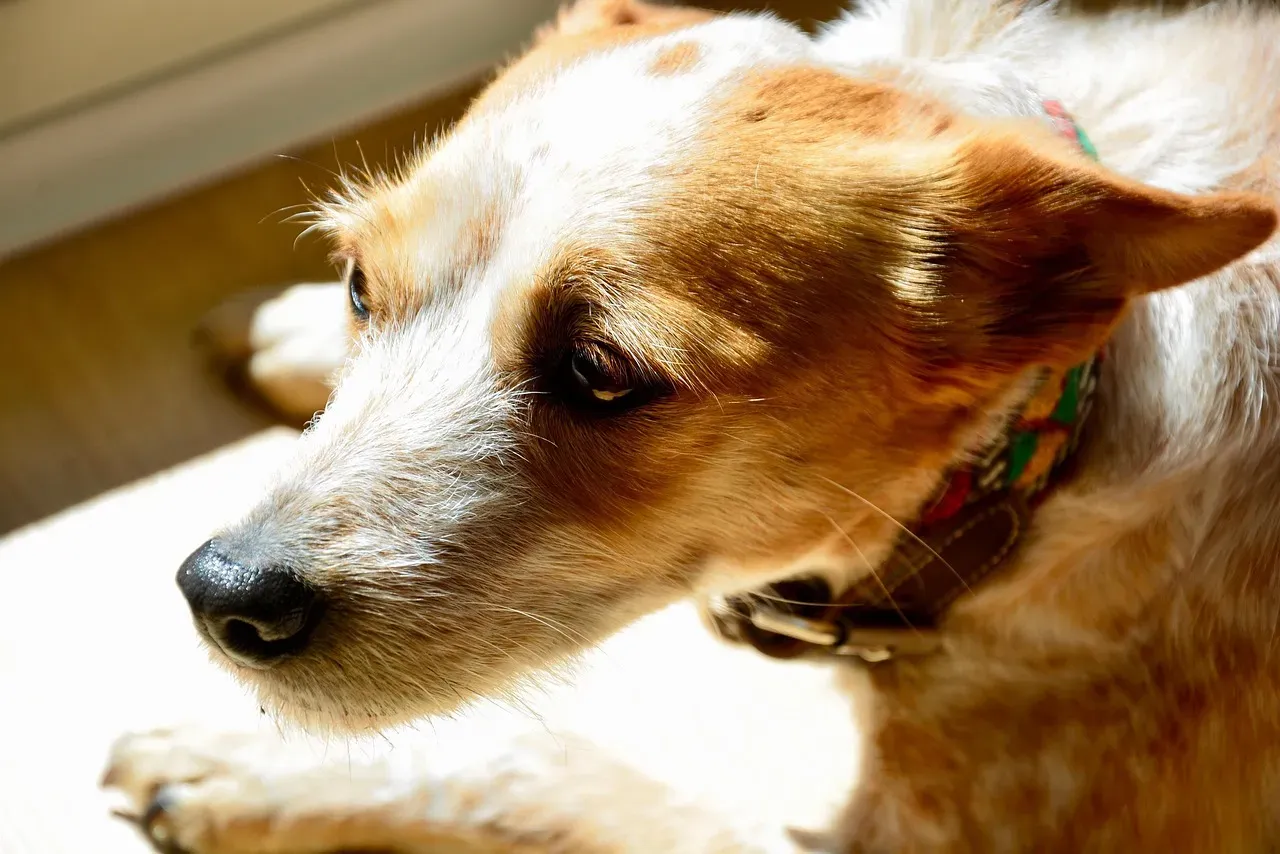
The beauty of understanding your dog’s anxiety is that it deepens the bond between you. Once you start seeing the subtle signals – the whale eye, the excessive yawning, the frantic energy – you can’t unsee them. Your pup may not “tell” you they are anxious, but their body language speaks volumes. Spotting these signs early can prevent long-term problems and keep your best friend happy, secure, and thriving.
Let’s be real: none of us get it perfect all the time. Some days the routine falls apart, the house is chaotic, or we’re just too frazzled to notice the signs. That’s okay. What matters is that you keep paying attention, keep learning, and keep showing up for your dog the way they always show up for you.
Almost all anxious dogs benefit from positive reinforcement training and increased predictability and consistency in their routine and in their interactions. You already have the most important tool – your love and presence. Now you just have a few more pieces of the puzzle. Which of these triggers surprised you the most? We’d love to hear your thoughts in the comments below.


