
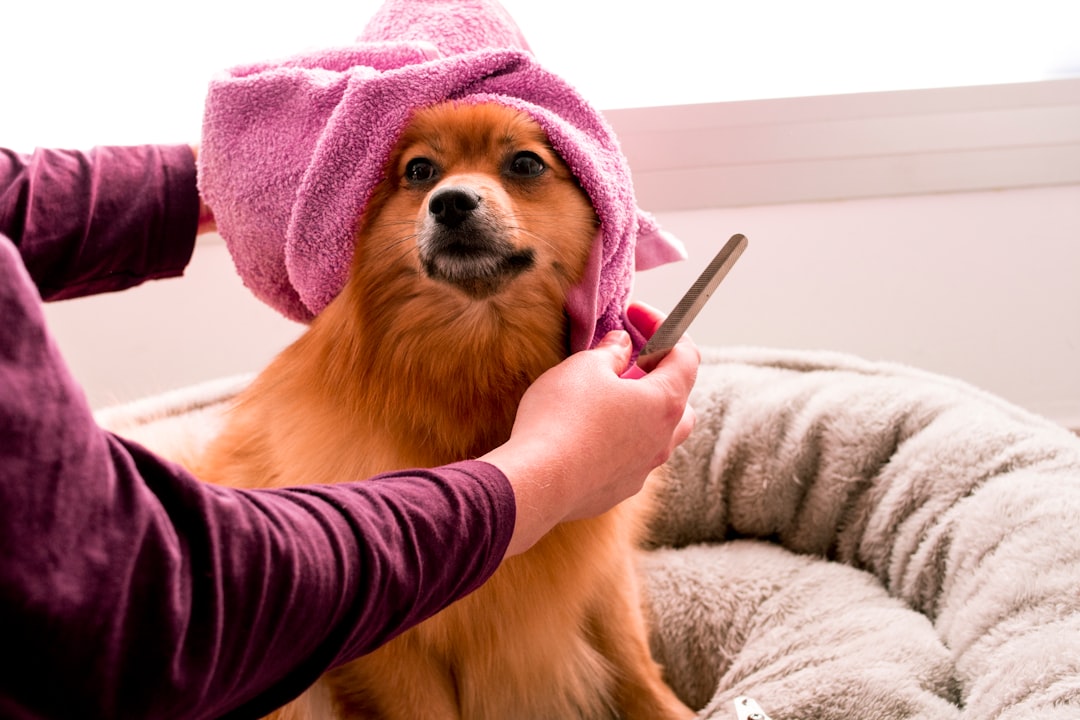
Have you ever noticed your dog scratching just a little too much after a romp in the sun? If you have, you’re not alone. Fleas love the warmth of summer just as much as our furry friends do, and they can turn a happy home into an itchy nightmare. The good news? You don’t have to surrender your summer to these tiny troublemakers. With a little know-how and some practical steps, you can keep fleas at bay and let your pup enjoy every sunbeam without a worry.
Watch for the Subtle Signs of Fleas Early
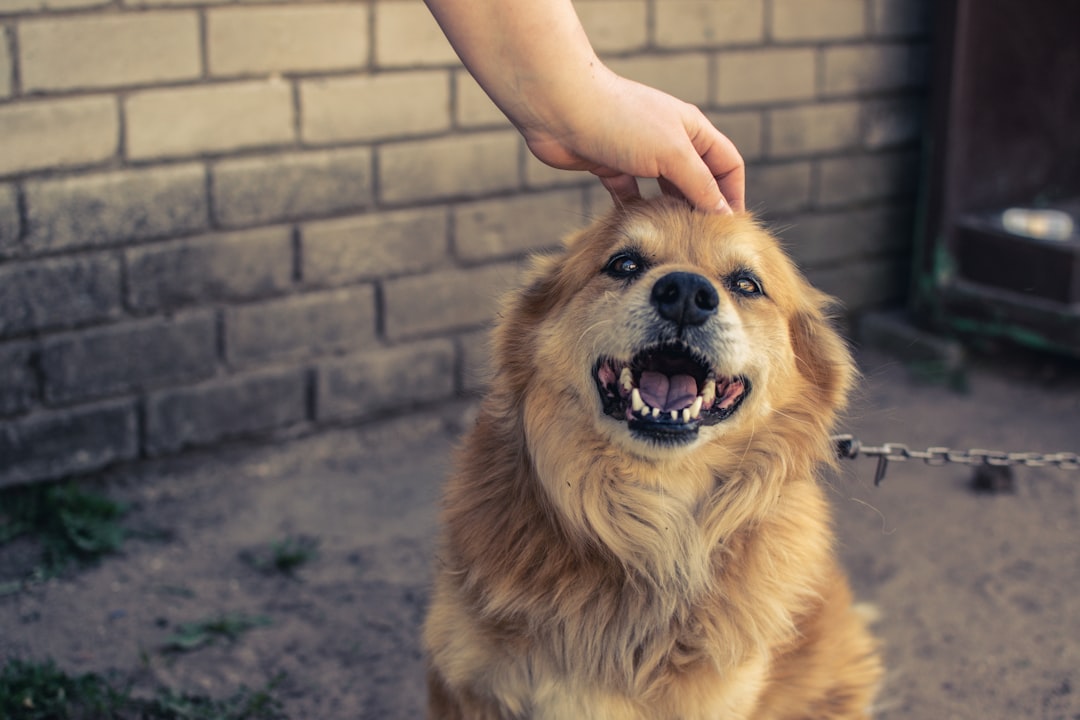
Fleas are sneaky. Sometimes, the first clue is just a little more scratching than usual or your dog suddenly chewing at their tail. You might also spot tiny black dots—flea dirt—on your pet’s skin or bedding. Catching these signals early can save your dog a lot of discomfort and your home a major headache.
Don’t ignore subtle changes in behavior, like restlessness or licking paws more than normal. If you part your dog’s fur and see small, fast-moving critters or red, irritated skin, it’s time to act. Trust your gut—no one knows your dog like you do.
Stay Consistent with Vet-Recommended Flea Preventatives

Summertime isn’t the season to skip your dog’s flea medication. Vets recommend using flea preventatives year-round, but summer is when diligence really pays off. There are lots of options: topical drops, tasty chewables, and even collars. Your vet can help you pick the best fit for your pup’s age, size, and lifestyle.
I always set a calendar reminder for my dog’s monthly pill—life gets busy, and it’s easy to forget! Consistency is key because if you miss a dose, even for a week, fleas can sneak in and multiply fast. Prevention is so much easier (and less stressful) than trying to get rid of a full-blown infestation.
Keep Your Home Spotless—Vacuum Often, Wash Regularly
Fleas don’t just hang out on your dog—they love your home, too. Vacuum carpets, rugs, and furniture at least twice a week during summer. Pay extra attention to places your dog naps or plays. Empty the vacuum immediately, so any sneaky fleas don’t escape back into your house.
Wash your pet’s bedding, blankets, and favorite toys in hot water every week. I even toss my dog’s plush toys in the wash—better safe than sorry! Clean, clutter-free spaces give fleas fewer places to hide and break their life cycle before it gets out of control.
Groom and Check Your Pup After Every Outdoor Adventure
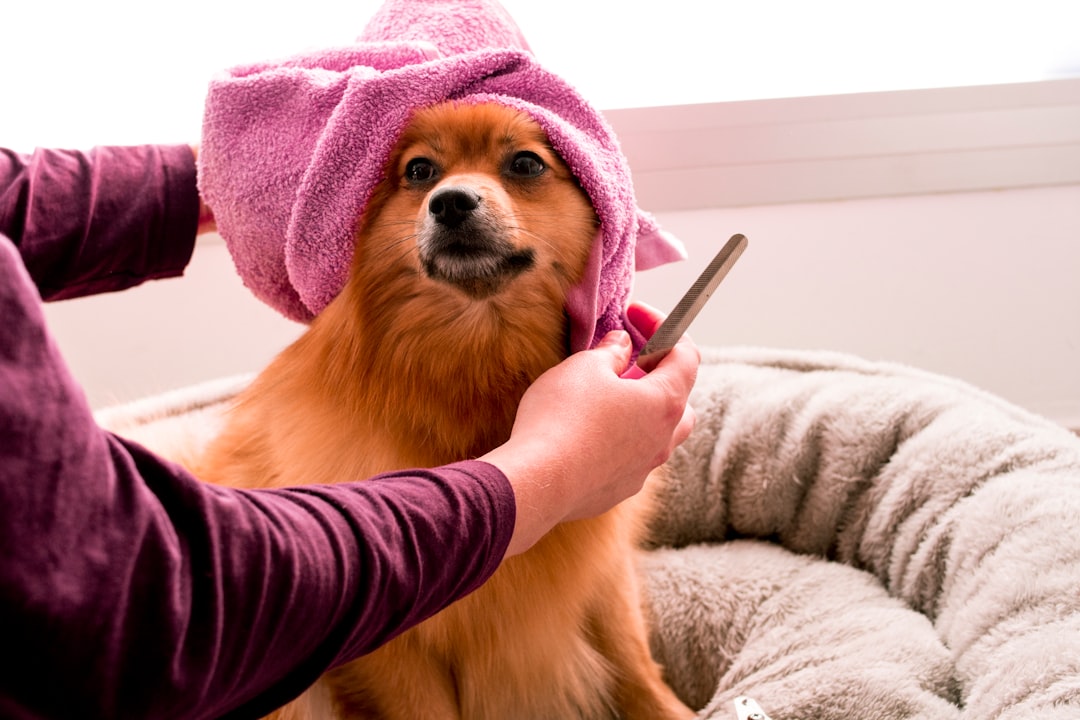
After a romp in the park or hike through tall grass, give your dog a good once-over. Fleas are clever hitchhikers and can latch on during the briefest walk. Use a fine-toothed flea comb, especially around the base of the tail and behind the ears, where fleas love to hide.
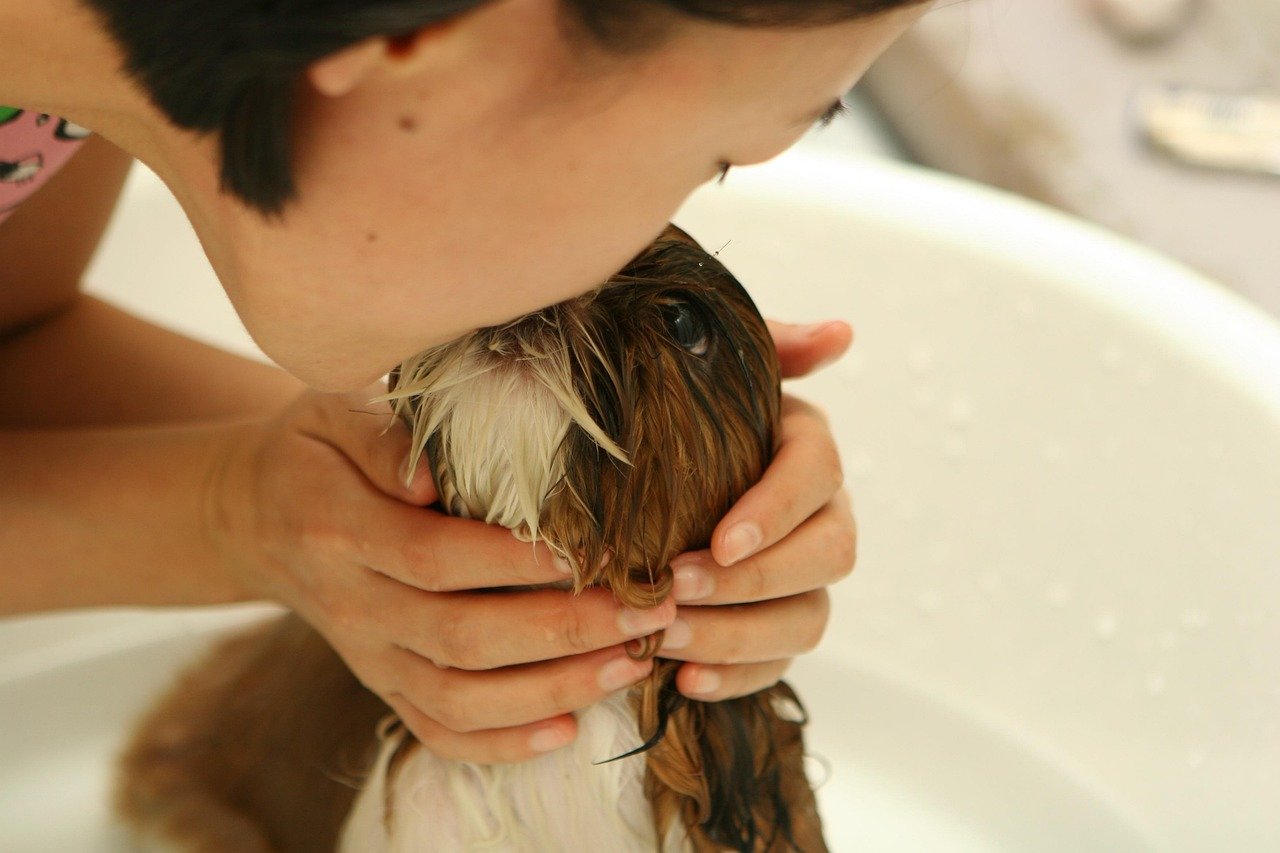
Regular baths with a mild, vet-approved shampoo can make a world of difference. Not only will your dog smell fresh, but it’s also a chance to spot any pests before they settle in. Plus, grooming is a special bonding time—I always find my dog’s tail wagging just a little more after a good brushing.
Protect Your Yard—The First Line of Defense
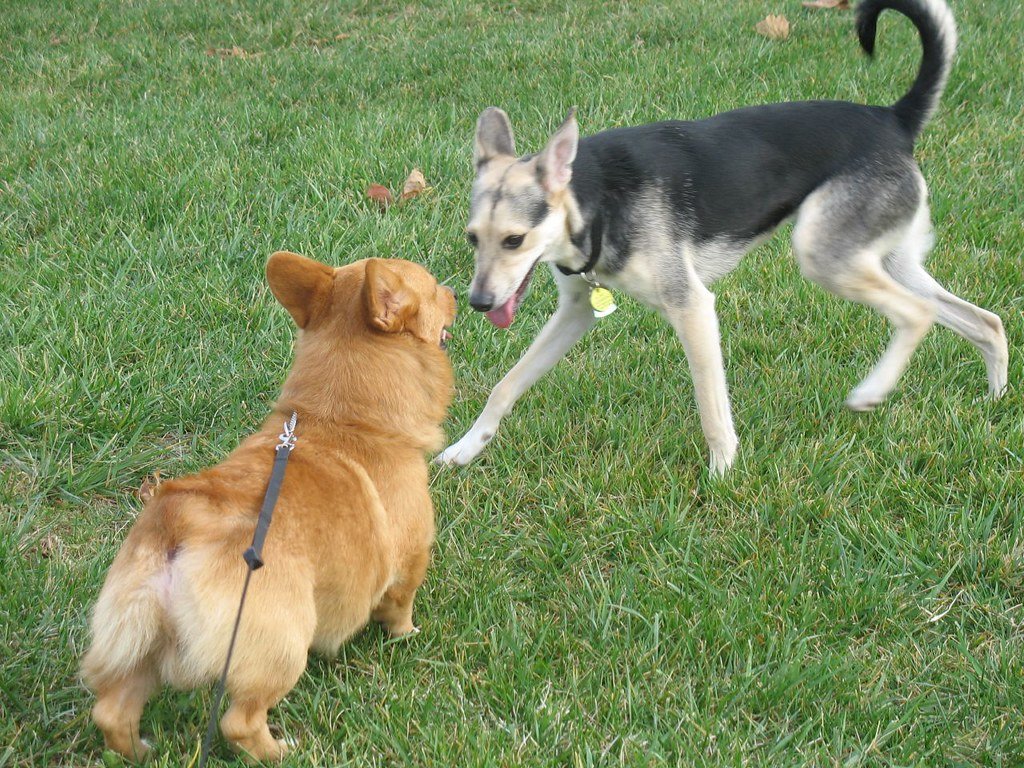
Fleas often begin their attack from your own backyard. Keep grass trimmed short and clear out leaf piles or debris where fleas might breed. If you have shaded, damp areas, those are flea hotspots—try to keep your dog from lounging there too long.
Consider using pet-safe yard treatments if you live in a high-risk area. There are natural options with essential oils or diatomaceous earth, but always check with your vet before applying anything new to your garden. A tidy yard is less inviting to fleas and way more fun for fetch.
Know When to Call in the Professionals
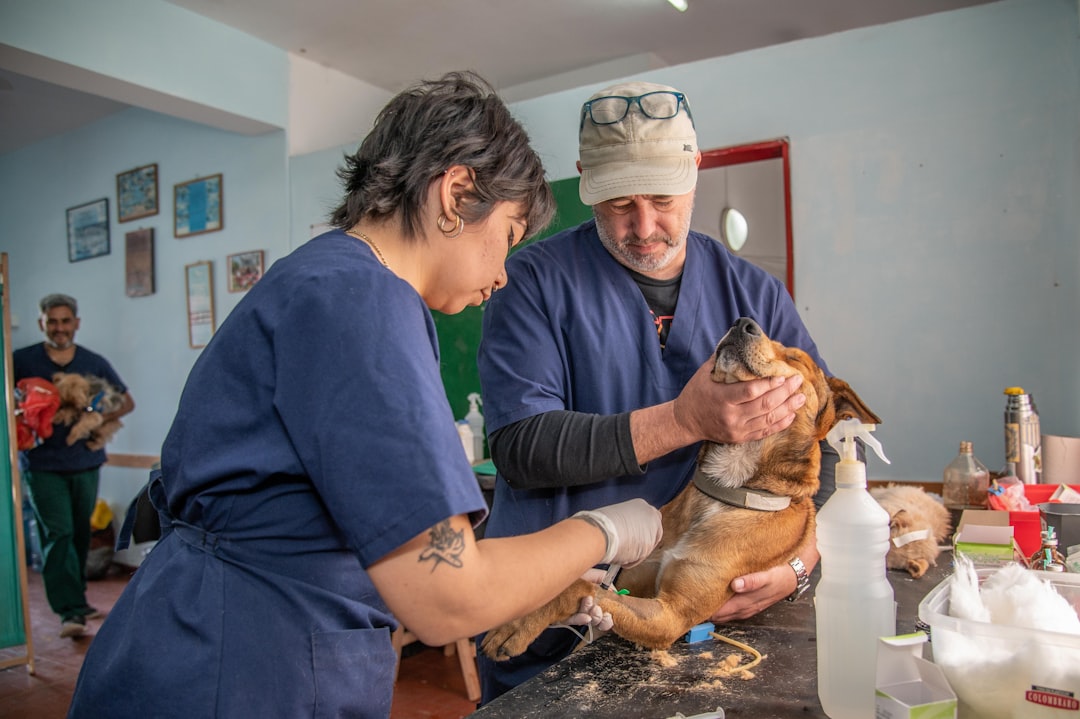
Sometimes, no matter how vigilant we are, fleas can dig in their heels. If you’re seeing fleas despite your best efforts, don’t hesitate to reach out for help. Pest control experts can treat your home safely, and your vet can recommend extra measures for your pet.
It’s not a sign of failure—fleas are relentless, and it can happen to anyone. Acting quickly can spare you and your dog weeks of discomfort, and you’ll be back to enjoying summer together in no time.
Don’t Forget About Flea Allergies and Other Pets

Some dogs develop flea allergy dermatitis, meaning even a single bite can trigger intense itching and misery. If your dog seems more sensitive than others or develops red, inflamed skin, talk to your vet about allergy management and soothing treatments.
And remember, cats and other furry family members need protection, too! Treat all pets in the household, even if only one seems affected. Fleas don’t discriminate, and a united front is the best way to keep everyone comfortable and happy.


