
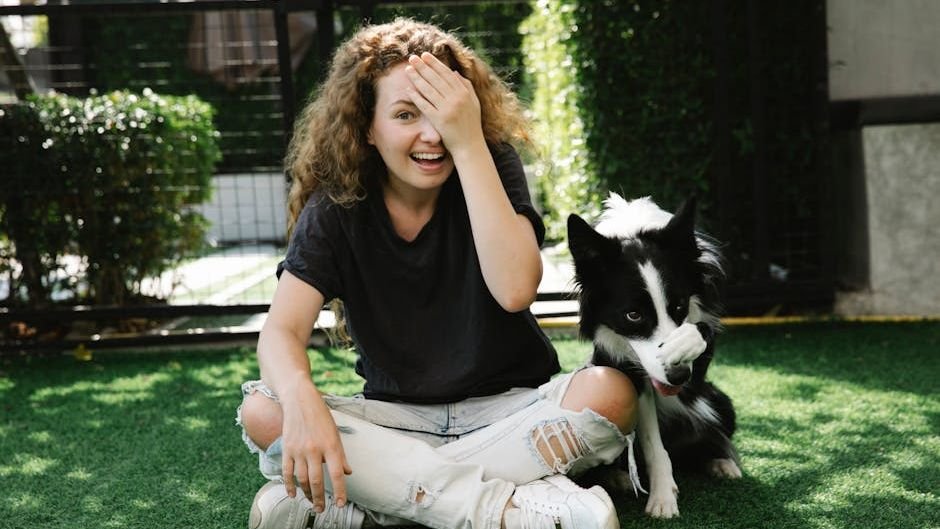
There is something almost magical about the moment a dog looks at you like you are their entire world. It does not matter if your pup is a bouncy eight-week-old puppy or a silver-muzzled senior who barely leaves the sofa. That connection, that deep, wordless understanding between you and your dog, is one of life’s most genuine gifts.
The truth is, though, that a truly unbreakable bond does not just happen automatically. It is built. Brick by brick, walk by walk, quiet moment by quiet moment. Whether you have just brought home a new rescue dog or you have lived with your best friend for a decade, there is always more you can do to deepen that relationship in ways that matter.
Ready to make your dog feel more loved, understood, and secure than ever before? Let’s dive in.
1. Make Eye Contact Your Secret Love Language
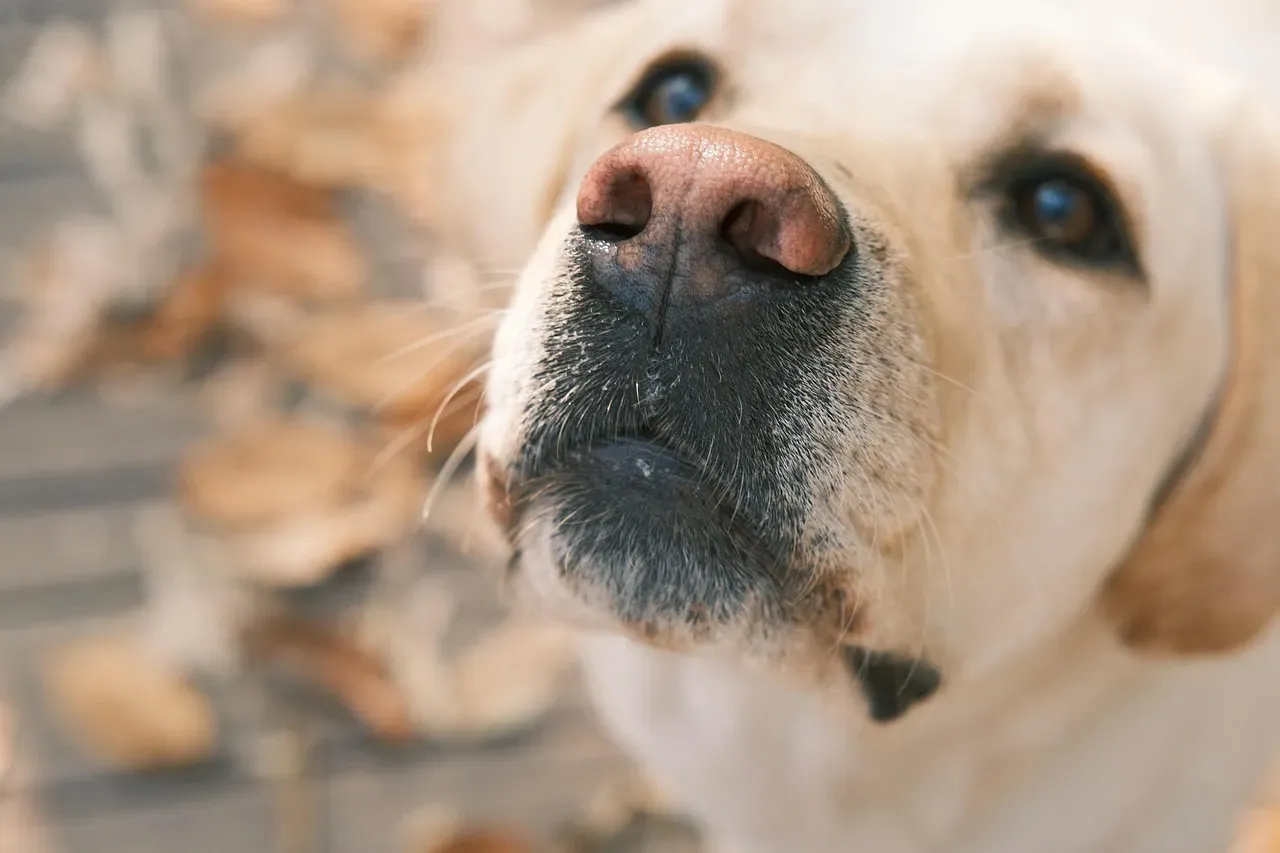
Here is something that honestly blew my mind the first time I learned about it. Research published in the journal Science found that mutual gazing increased oxytocin levels in both dogs and their owners. That is right, something as simple as looking into your dog’s eyes is a scientifically documented act of love.
Among pairs that spent the greatest amount of time looking into each other’s eyes, dogs experienced a rise of around 130% in oxytocin levels, while their owners experienced an even more striking increase. Think about that the next time your dog catches your gaze across the room.
One important note: context matters enormously here. Eye contact is complex, nuanced, and context-dependent. While gazing into the eyes of a dog who loves you can create a tender moment, staring into the eyes of an unknown or unfriendly dog can be perceived as threatening and scary. So keep it soft, warm, and relaxed, never a hard stare.
2. Learn to Actually Speak Dog
Understanding your dog’s body language is one of the most powerful ways to strengthen your bond. Dogs communicate how they feel through their posture, tail movements, ears, eyes, and overall behavior. Honestly, most of us are only catching about half of what our dogs are saying to us.
A confident and alert dog holds their ears forward, head up, and tail up. When a dog has their ears turned to the side, head lowered, avoids eye contact, and has their tail lowered or tucked between their legs, they are conveying a message of fear, anxiety, and potentially stress. Spotting these signals early means you can step in before your dog feels overwhelmed.
Watch for signals like yawning, lip licking, or turning away. These often mean your dog is feeling overwhelmed. A dog who trusts you knows you will notice these signs. Being that person for your dog is everything.
3. Use Touch as a Daily Ritual
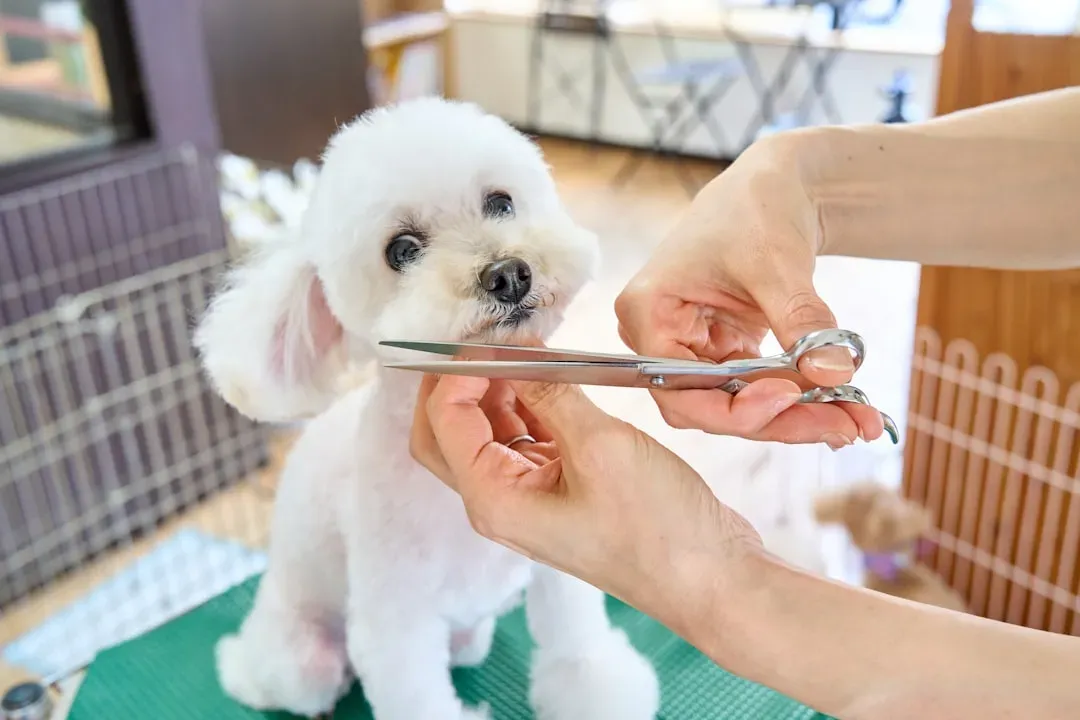
Think of touch not as a luxury, but as a language. Studies have shown that activities like brushing, petting, or cuddling your dog increase oxytocin levels in both dogs and humans, fostering trust and emotional connection. You are quite literally creating a biological loop of love every time you reach out for a slow, deliberate stroke.
Grooming a dog can strengthen the human-animal bond if it’s done right and makes your dog feel good. Brushing your dog’s coat two or three times a week removes dirt, debris, and loose fur, and it can be very soothing to many dogs. It also gives you a chance to check for lumps, skin irritation, or anything unusual, which is a genuine health benefit.
Not every dog loves being touched the same way, and that is completely normal. Most dogs do not want to be pet on their head. Your pup might prefer a good chin or chest scratch, a scratch at the base of the tail, some long strokes on the back or sides, a belly rub, or simply just leaning against you. Pay attention to which touch makes your dog lean in versus lean away. Your dog is always telling you something.
4. Train Together With Positivity, Not Pressure
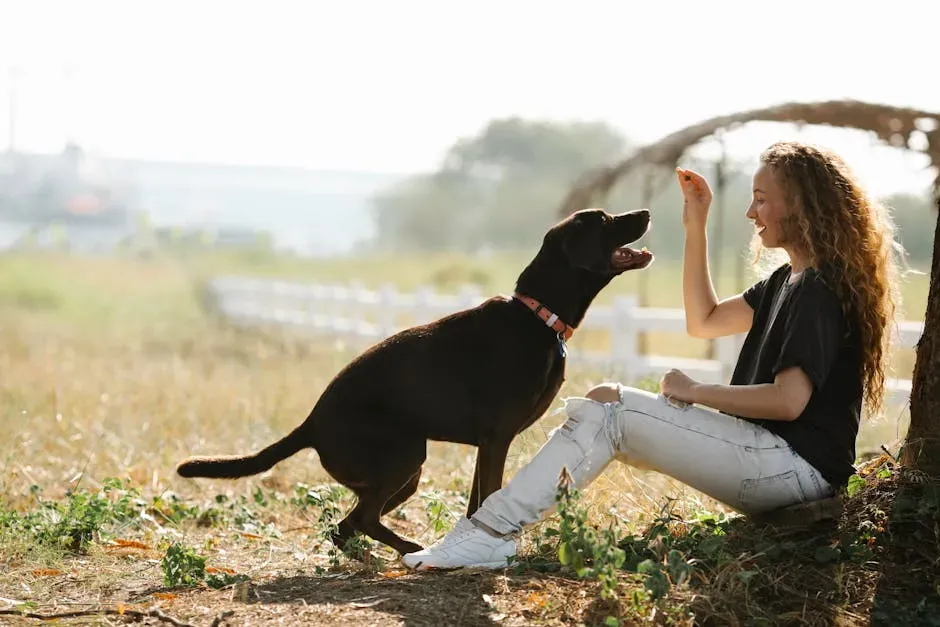
Let’s be real. Training is not just about a well-behaved dog. It is one of the single most powerful bonding tools you have. Positive reinforcement enhances the human-animal bond by fostering a common language that pet parents can use to interact with their dog. With it, a dog learns to listen and perform the behavioral cues they were taught, which builds up a dog’s confidence and trust in their pet parent.
On the flip side, the research on punishment-based methods is genuinely troubling. Using punitive techniques, such as spraying your dog with water when they bark, can increase a dog’s fear and anxiety and even lead to aggressive behavior toward the pet parent and family members. The goal is a dog who wants to engage with you, not one who is simply trying to avoid something bad happening.
Trick training at home can create memories and shared warm feelings, much like when we have fun with friends or family. Teaching your dog to shake or roll over can be a playful way to engage their mind and keep their attention focused on you. Keep sessions short, fun, and full of celebration. It is a two-way relationship, after all.
5. Build Consistency Into Every Single Day

Dogs are creatures of routine in a way that goes far deeper than most people realize. Dogs thrive on routine. Predictable mealtimes, walks, play, and rest help your dog feel safe and secure, especially if they’re new to your home. When your pup feels safe and like they can count on you to follow through with their routine, it’ll be easier for them to trust you.
Inconsistency, on the other hand, creates a kind of quiet anxiety that slowly chips away at trust. Dogs and pet parents can love one another, but that doesn’t always translate into the strongest bond, which is one of absolute trust. The biggest barrier to that is inconsistency. Think of your dog as someone who is always trying to predict what comes next. The more predictable you are, the more relaxed and bonded they become.
6. Play Like You Mean It
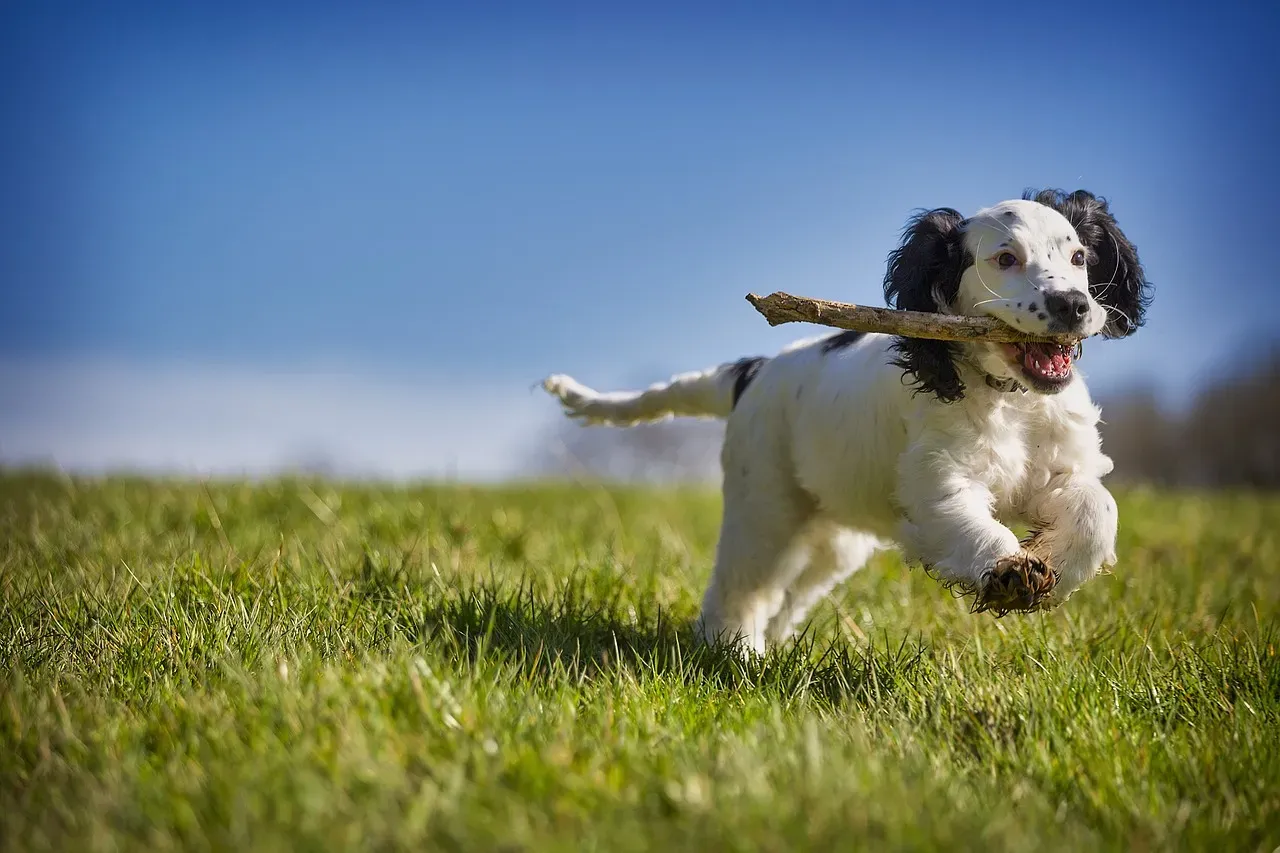
Play is not frivolous. It is fundamental. Interactive games like fetch, tug-of-war, or hide-and-seek aren’t just fun. They’re scientifically proven to build trust and improve your dog’s confidence. Tug-of-war, for example, has been shown to enhance cooperation without increasing aggression when played fairly.
Here is the thing, though. The key word is “with.” Tossing a toy and scrolling your phone is not the same as being genuinely present. Figure out what your dog’s favorite activity is and engage with them fully. Actively participate in fetch or tug-of-war and your dog will feed off of your excitement. Your energy is contagious to them, for better or worse.
It is also worth mixing things up to keep your dog’s brain engaged. Building a simple agility course at home with items like cushions, chairs, or broomsticks can provide your dog with both mental and physical stimulation. Research suggests that problem-solving activities, like navigating an agility course, can reduce stress and increase your dog’s trust in you. Think of it like a shared adventure, however small the backyard.
7. Be Your Dog’s Safe Person in a Scary World
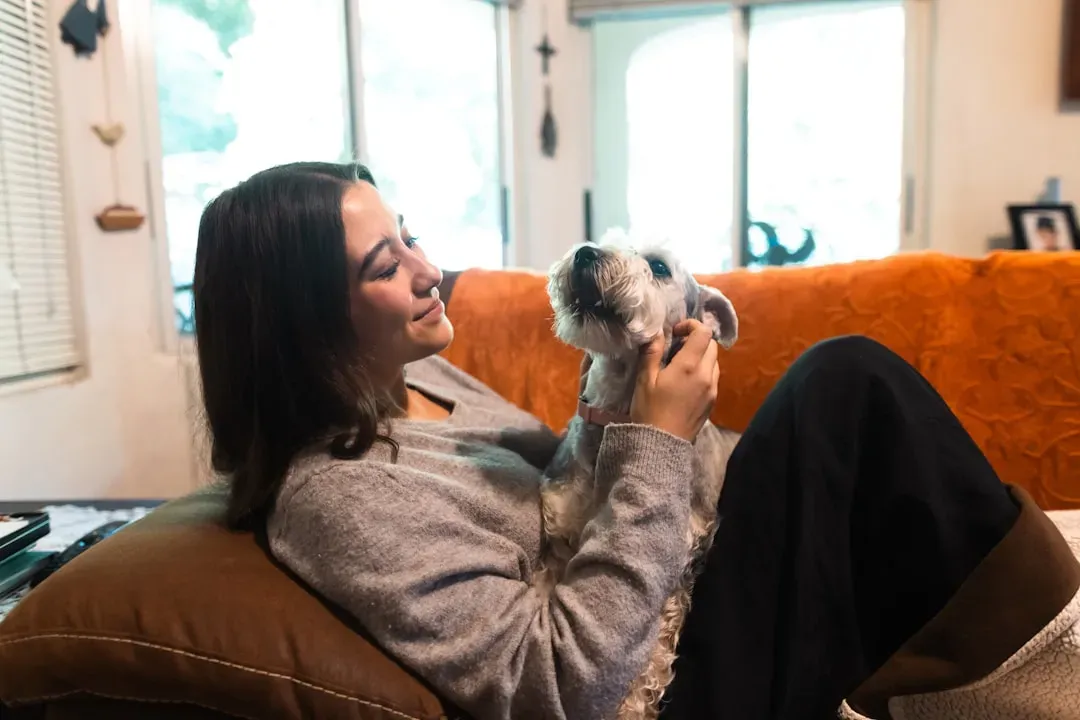
There will be thunderstorms. There will be strangers who move too fast, loud trucks, fireworks, and vet visits. In every single one of those moments, your dog is looking to you for one thing. Reassurance. A strong bond doesn’t just feel good. It also supports your dog’s health and happiness. Dogs are more likely to be emotionally balanced when they feel safe and content, and that emotional well-being contributes to their physical health.
Advocate for your dog in new or stressful situations, and don’t force them into uncomfortable interactions with people or other animals. Pay attention to what makes your dog uneasy, and step in to protect their emotional and physical wellbeing. This is what being a safe person looks like in practice. It is not dramatic. It is just consistent, quiet, reliable presence.
However, it is worth knowing that too much of a good thing can tip into unhealthy territory. A strong bond can sometimes lead to unwanted behaviors like separation anxiety or aggression due to overprotectiveness. Consulting your vet, a veterinary behaviorist, or a qualified trainer is advisable if the bond seems excessive or problematic. A healthy bond gives your dog roots and wings, not just one or the other.
Conclusion: The Bond You Build Is the Life You Share
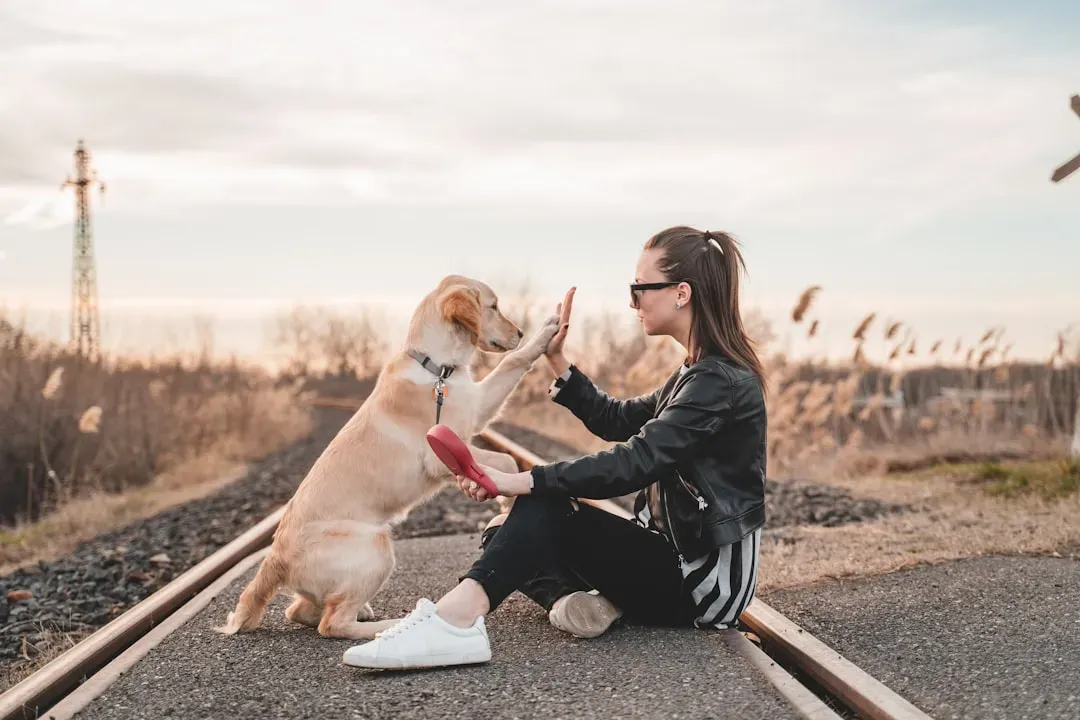
Building an unbreakable bond with your dog is not about grand gestures. It is not about buying the fanciest toys or spending every waking hour together. It is about showing up, paying attention, and choosing your dog every single day in a hundred small, deliberate ways.
Research consistently demonstrates that when dogs and their humans spend time together, engage in shared activities, and practice their communication, this builds trust and deepens their relationship. These activities also improve your dog’s mental and physical health while fostering a sense of security and joy.
Your dog already thinks you are the best thing that ever happened to them. The question is simply whether you are giving that bond the attention it deserves. So here is a thought to leave you with: if your dog could tell you one thing they wish you understood about them, what do you think it would be? Share your answer in the comments, your fellow dog lovers would love to know.


