
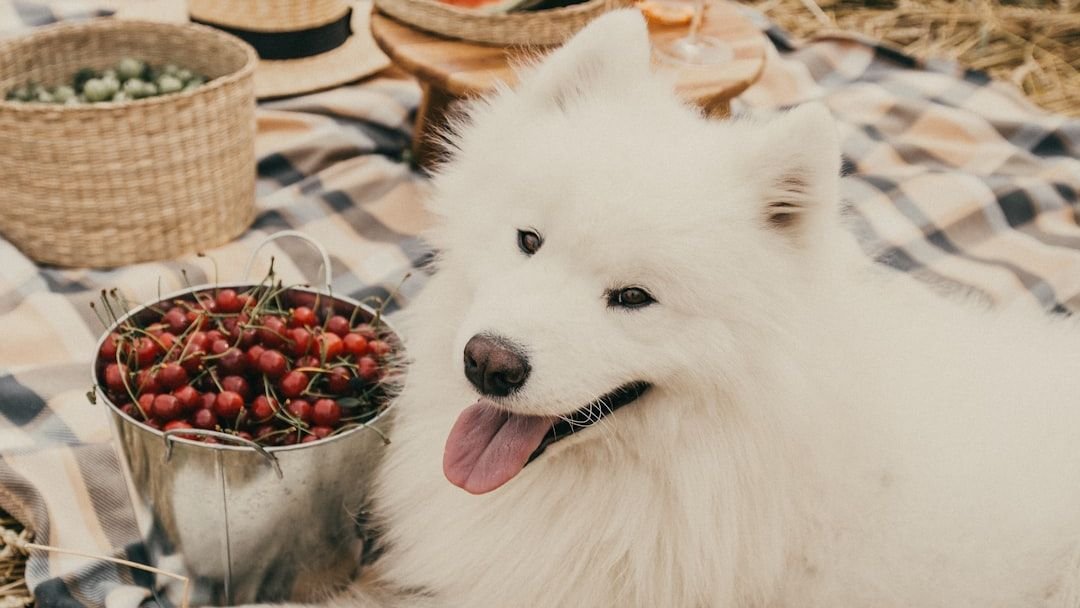
You know that feeling when your dog looks at you with those big, trusting eyes? They’re counting on you to keep them healthy and happy. What if I told you that one of the most powerful things you can do for your pup is something you might not even think about every day? Their gut health.
Let me be honest, I used to think gut health was just a trendy buzzword. Then I learned the truth. Seventy percent of a dog’s immune system is associated with their gut. That statistic stopped me in my tracks. The microscopic world inside your dog’s belly is basically their health headquarters, influencing everything from their mood to their ability to fight off illness. So let’s dive into the seven practical ways you can support your furry friend’s digestive ecosystem.
Feed a Species-Appropriate, High-Quality Diet
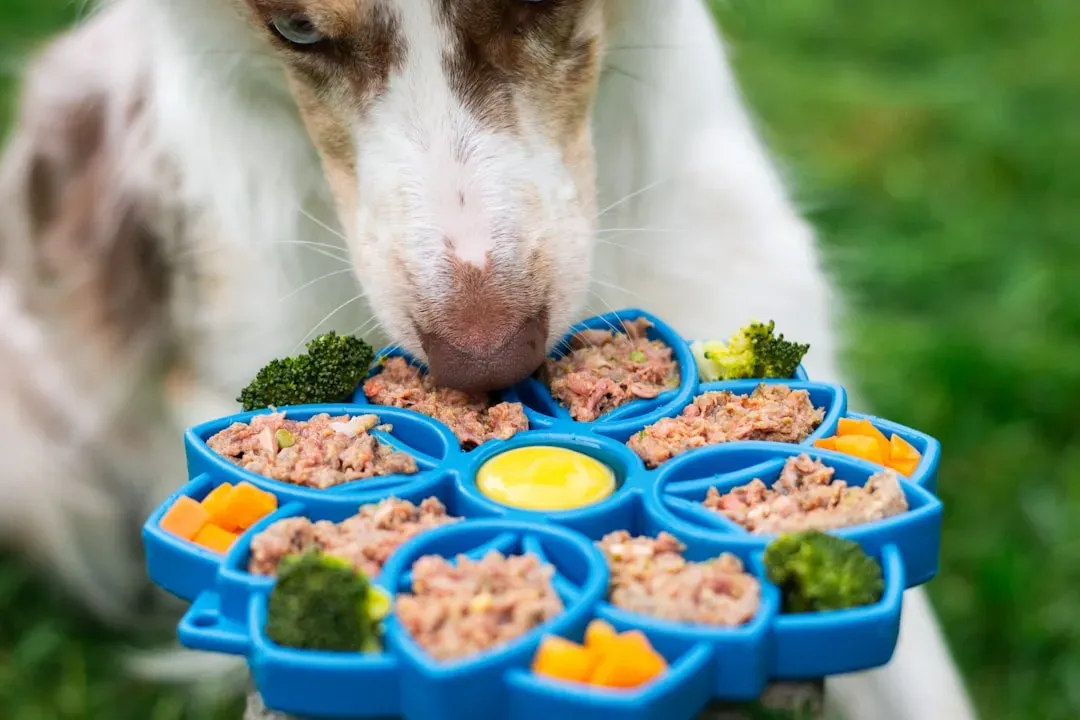
Think about what your dog’s ancestors ate. They weren’t crunching on heavily processed kibble filled with fillers and mystery ingredients. The canine gut microbiome plays a vital role in overall health and well-being by regulating various physiological functions, including digestion, immune responses, energy metabolism, and even behavior and temperament.
What you put in your dog’s bowl matters more than you might realize. The gut microbiome is a functional organ, and dietary substrates are converted by different intestinal bacteria to metabolically active compounds that influence the host. Butyrate, for example, can be produced from either fiber or protein, suggesting that both increased fiber and increased protein in the diet may bring similar benefits and have the largest impact on the intestinal microbiome and metabolome composition. Choose foods with real, recognizable ingredients. Look for quality protein sources listed first, and avoid unnecessary fillers like corn and wheat by-products that offer little nutritional value. Fresh or gently cooked options can be easier for dogs to digest and may provide more bioavailable nutrients compared to heavily processed alternatives.
Add Probiotics to Support Beneficial Bacteria
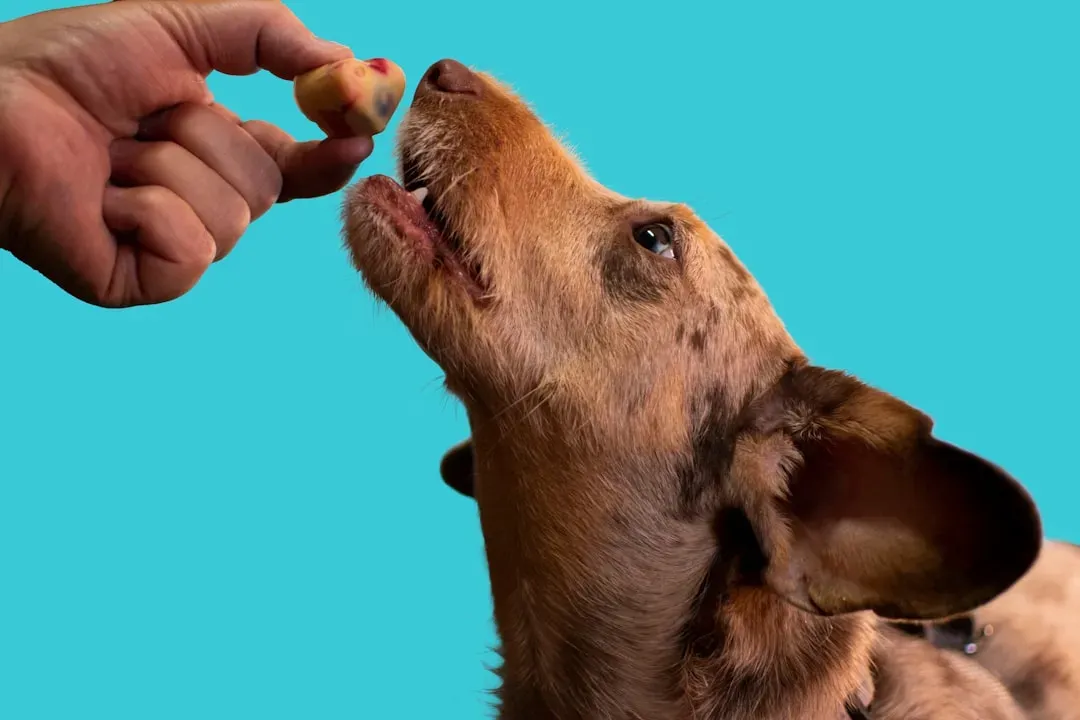
Here’s the thing about probiotics. They’re not just trendy supplements. Probiotics are beneficial microorganisms that live in the digestive tract. Billions of these bacteria (and some yeast) live in the gastrointestinal system of many animals, including dogs. These healthy gut microbes balance the internal environment to prevent disease and promote health.
Probiotics boost the healthy gut bacteria that help digest food. They are a well-known therapy for diarrhea and gastrointestinal upset. More recently, they’ve been found to counter urinary tract infections, immune system disorders and even anxiety. Think of probiotics as reinforcements for your dog’s internal army. When choosing a probiotic, look for products formulated specifically for dogs with strains like Lactobacillus and Bifidobacterium. Probiotics can play a helpful role in supporting your dog’s digestive health, especially during times of stress – like when they’re taking antibiotics. In a 2019 study, dogs given a probiotic blend alongside antibiotics had fewer digestive issues – such as diarrhea, vomiting, and loss of appetite – compared to dogs who didn’t receive probiotics. And in a separate study with healthy pets, probiotics were shown to be safe when given as directed and were detected in the stool, indicating they were moving through the digestive system as intended.
Include Prebiotic Fiber in Their Meals
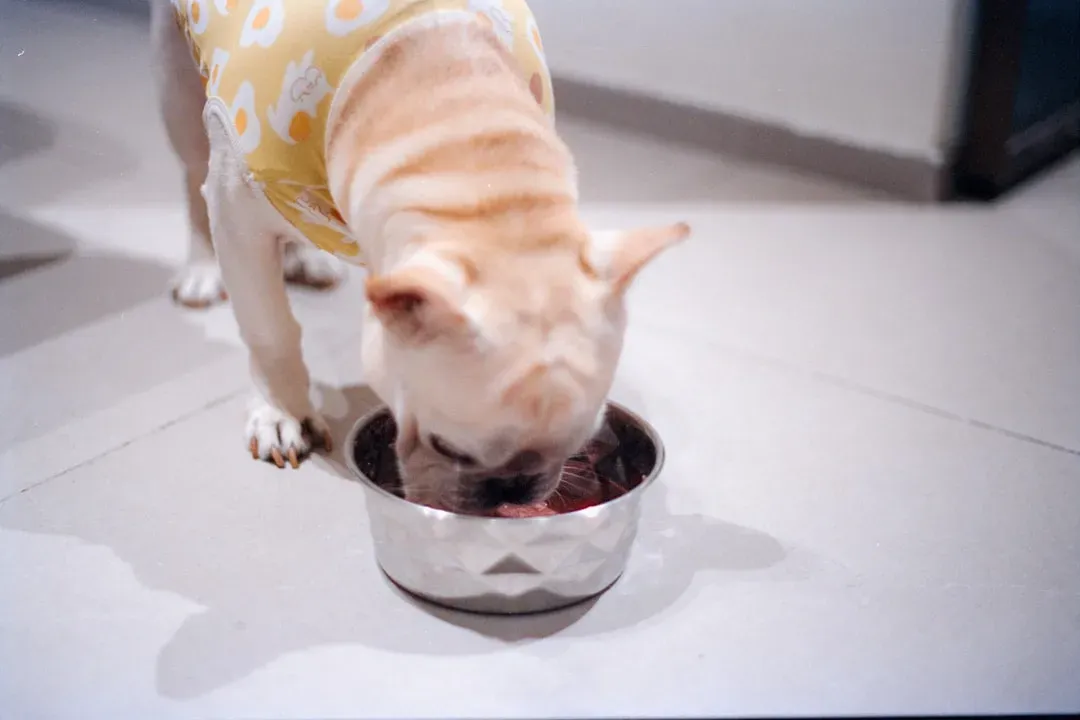
Prebiotics might sound confusing at first. Let me simplify it for you. Prebiotics are types of fiber that nourish and promote the growth of good bacteria already living in the colon. In other words, prebiotics feed probiotics. It’s like setting out a buffet for the beneficial bacteria in your dog’s gut.
Prebiotics are food stuffs that provide nutrients to gut bacteria, and fiber is the prebiotic most familiar to people. The metabolism of fiber generates lots of different substances that keep the microbes and the cells of the intestinal tract in our dogs’ guts happy · Research also shows that high-fiber diets have been associated with greater diversity and number of gut bacteria in people, which in turn are associated with positive health benefits. Good sources include pumpkin, sweet potatoes, and certain vegetables like carrots and green beans. Don’t go overboard though. Too much fiber too quickly can cause gas and discomfort, so introduce these foods gradually.
Minimize Stress and Anxiety
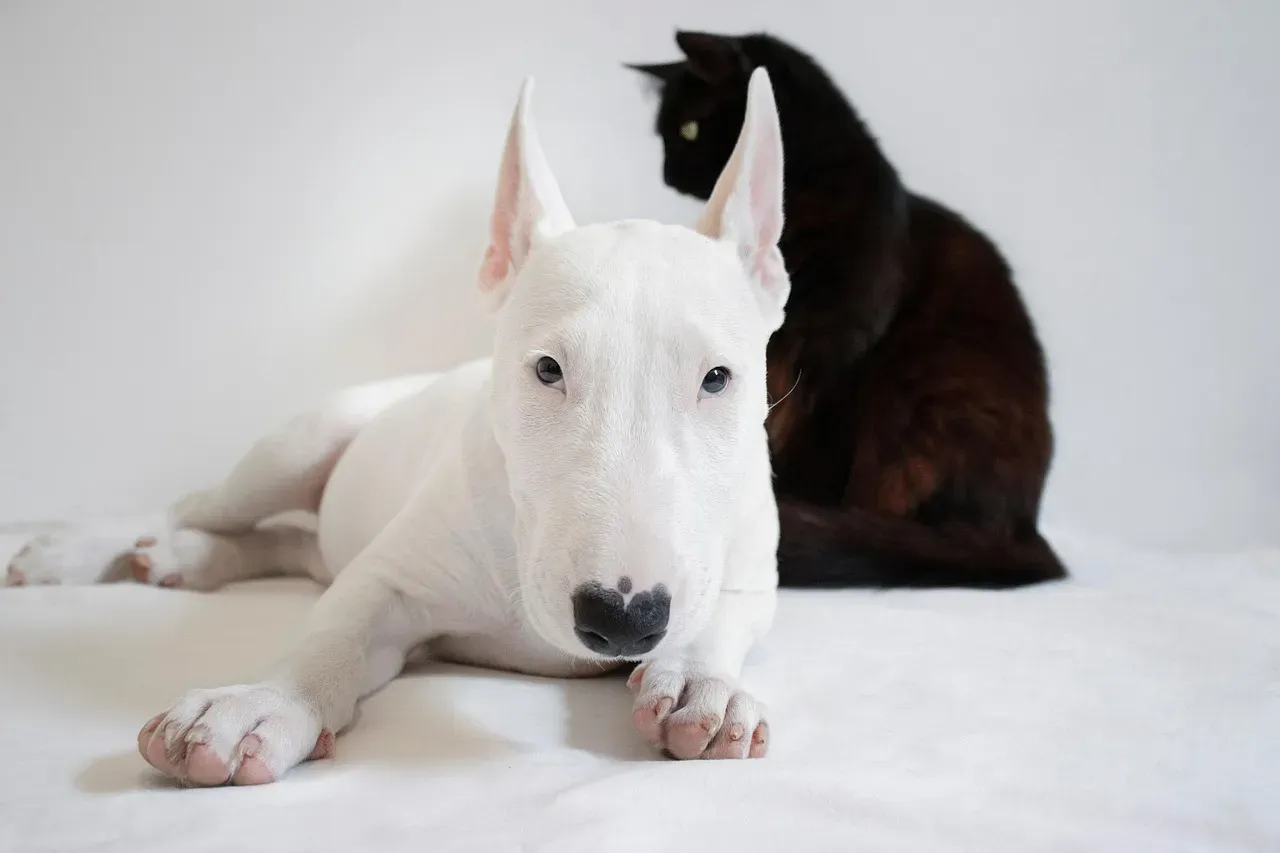
This one surprised me when I first learned about it. Your dog’s emotional state and their gut health are deeply connected. Stress doesn’t just affect a dog’s behavior – it can directly impact digestion through the gut-brain axis (Cornell University College of Veterinary Medicine). Changes in routine, separation anxiety, loud environments, or unfamiliar situations can disrupt how a dog’s digestive system functions, often leading to symptoms like loose stools, loss of appetite, or stomach upset.
The bottom line is, stress wreaks havoc on your dog’s GI tract and since 80% of their immunity is in their gut, this can cause the development of chronic illness and disease. Pay attention to what stresses your dog out. Maybe it’s thunderstorms, being left alone, or trips to the vet. Create safe spaces for them at home, consider calming supplements if needed, and maintain consistent routines. Research(*) suggests that gut microbiota plays a crucial role in the gut-brain axis and significantly influences the animal’s response to stress. So, a pet with poor gut health may have a heightened stress response. Taking care of their emotional well-being is taking care of their gut.
Be Cautious with Antibiotics and Medications

Antibiotics save lives. Nobody’s arguing that. They’re absolutely necessary sometimes. The issue is that they don’t just kill the bad bacteria. Our knowledge of the gut microbiome and how medications, including antibiotics, affect the overall diversity within the microbiome is growing exponentially by the day.7–9 Knowing the extent of elimination of the native gut bacteria caused by broad spectrum antibiotics allows veterinarians to make more educated decisions on therapy options that better align with antimicrobial stewardship principles.
When your dog needs antibiotics, talk to your vet about supporting their gut during and after treatment. Probiotics can play a helpful role in supporting your dog’s digestive health, especially during times of stress – like when they’re taking antibiotics. Giving probiotics alongside medication may help maintain some balance in their microbiome. Always follow your veterinarian’s guidance, but don’t be afraid to ask questions about gut support during medical treatments. Recovery takes time, and sometimes the gut needs longer to heal than the initial symptoms suggest.
Keep Your Dog at a Healthy Weight

Weight and gut health create a cycle that can work for you or against you. Dogs carrying extra pounds often have different gut bacteria compositions compared to lean dogs. Let’s be real, it’s hard to say no to those pleading eyes at dinner time.
Maintaining a healthy weight through proper portion control and regular exercise supports a diverse, balanced microbiome. Obesity – Probiotics reduce glucose levels to help your dog maintain a healthy weight. Probiotics can strengthen your dog’s immune system, improve digestion, and help to maintain a healthy weight. The good news is that improving gut health can actually help with weight management by optimizing digestion and metabolism. It’s a positive feedback loop. Ask your vet what your dog’s ideal weight should be and work together to create a realistic plan.
Avoid Sudden Diet Changes and Food Triggers

Your dog’s gut microbiome is adaptable, sure. That doesn’t mean you should shock it with abrupt changes. While age, diet, and environmental factors may play a significant role in the maintenance of a healthy microbiome, the alterations they cause pale in comparison with the alterations found in diseased animals. When switching foods, take at least seven to ten days to gradually transition by mixing increasing amounts of the new food with decreasing amounts of the old.
Pay attention to what doesn’t agree with your dog. Some dogs have sensitivities to certain proteins, grains, or ingredients. If you notice chronic loose stools, excessive gas, or other digestive symptoms, keep a food diary and work with your vet to identify potential triggers. The study found that although all dogs showed clinical improvement by 8 weeks, their gut microbiome was still significantly altered. It wasn’t until one year after treatment began that the microbiome resembled that of healthy dogs. Gut healing takes patience and consistency.
Conclusion

Supporting your dog’s gut health isn’t complicated, though it does require some intention. Think of these seven strategies as a toolkit rather than a rigid rulebook. Every dog is unique, and what works perfectly for one might need tweaking for another. The beautiful thing is that small, consistent changes can create powerful results over time.
Your dog’s gut is their health foundation. When you nurture that microscopic ecosystem, you’re investing in their energy, their immunity, their mood, and ultimately, the quality and length of their life. That’s a pretty incredible return on something as simple as choosing better food, managing stress, and adding some beneficial bacteria to their routine.
What changes will you try first with your pup? Remember, you don’t have to do everything at once. Start with one or two adjustments and build from there. Your dog’s tail wags and bright eyes will tell you when you’re on the right track.


