
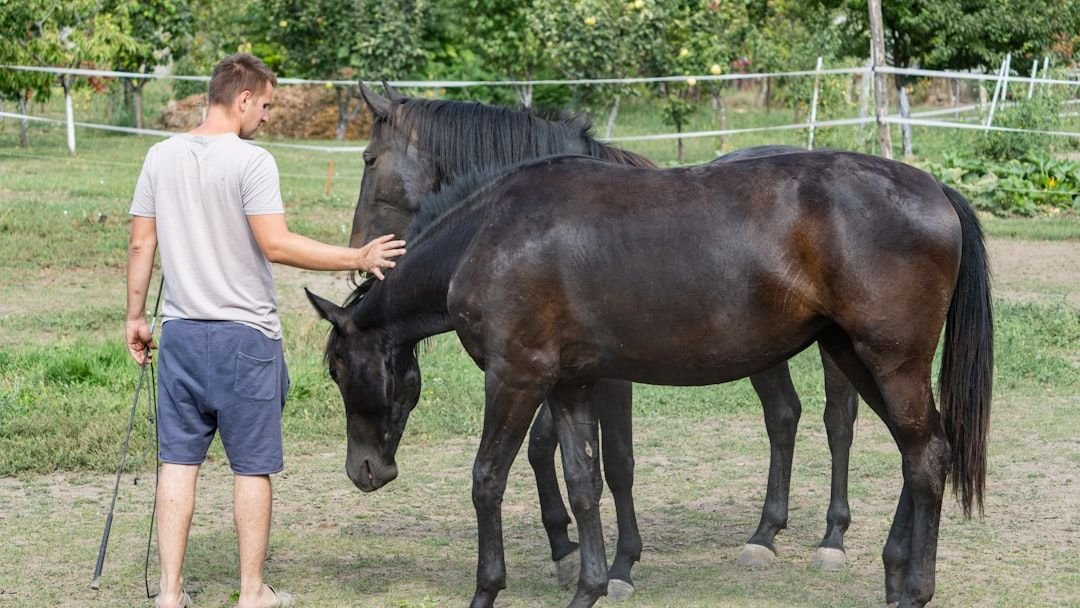
There’s something raw and honest about the way horses respond to their environment. They don’t hide their feelings or pretend everything’s fine when it isn’t. If something’s off, they’ll show you through their body language, their energy levels, or even subtle changes in behavior. Maybe your horse seems a little flat lately, or perhaps you’ve noticed they’re not quite themselves during grooming or turnout.
Here’s the thing: horses are sensitive creatures with complex emotional needs that go far beyond just food and shelter. They thrive when their mental, physical, and social needs are met in ways that align with their natural instincts. The good news is there are practical, simple steps you can take right now to lift your horse’s spirits and support their overall wellbeing. Let’s dive in.
Give Them More Time with Other Horses
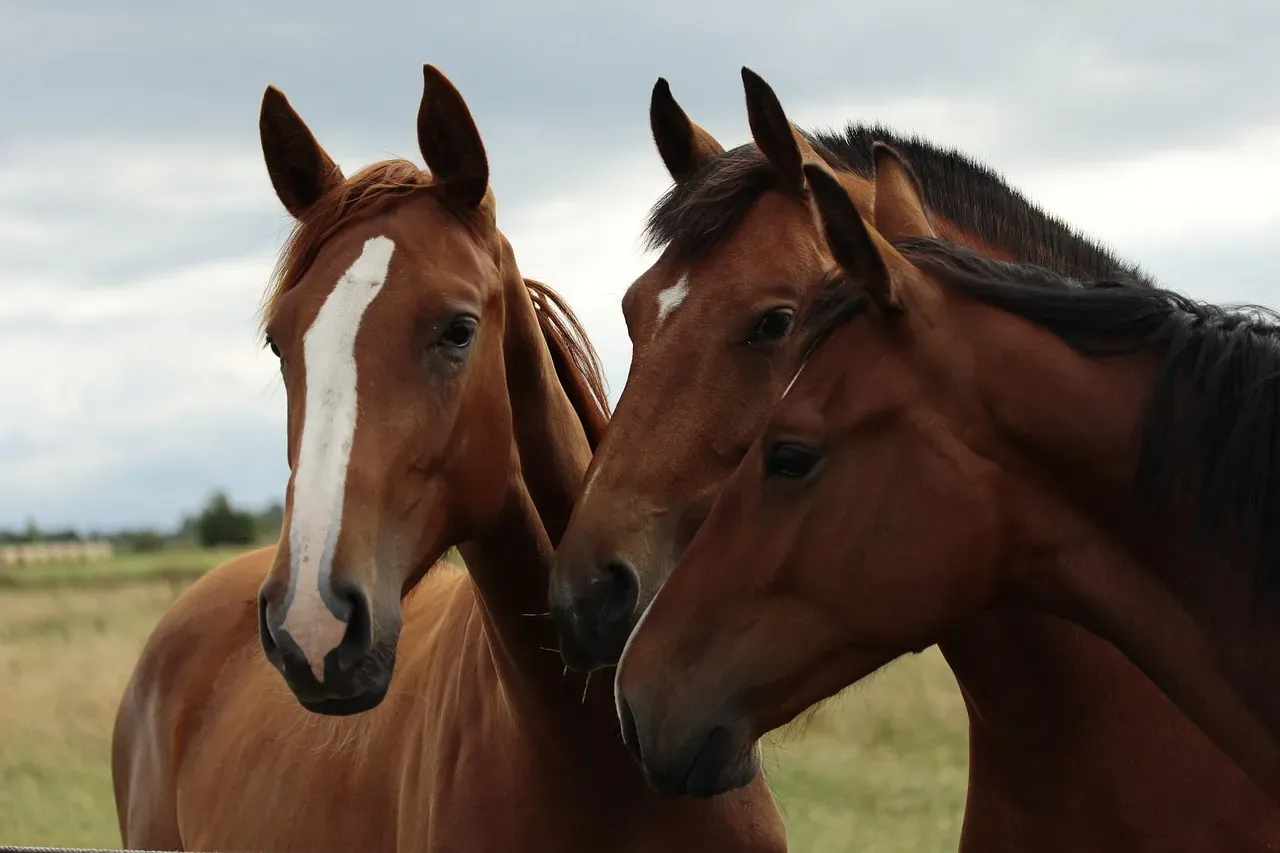
Horses need a comfortable living environment and mental stimulation to prevent boredom, with adequate shelter, access to pasture, interaction with other horses, and enrichment activities positively impacting their mood. Social isolation can be devastating for these herd animals. Think about it: in the wild, horses spend virtually all their time in groups, communicating through subtle cues and building bonds.
Social isolation is one of the leading causes of stress for social animals like horses. When a horse is kept alone or separated from companions for extended periods, they can develop anxiety and even depression. I’ve seen horses transform overnight when given the chance to spend quality time with a pasture buddy.
The solution doesn’t have to be complicated. If full turnout with other horses isn’t possible, even having a companion visible from a stable can help. Horses are often at their happiest when they’re roaming and grazing with friends, and they should feel safe and comfortable resting and sleeping with their herd.
Sometimes two horses just click, while others need time to establish their relationship. Watch how they interact and give them opportunities to develop natural friendships. Social enrichment can be provided by ensuring horses always have direct company of another equine with opportunities for natural interaction to occur, and human interaction through massage or grooming can also help create trusting bonds and promote relaxation.
The emotional payoff is immediate. A horse that feels part of a herd is a horse that feels secure. They’ll be calmer, more confident, and generally more willing to engage with you and their work.
Slow Down Their Feeding and Make Them Forage
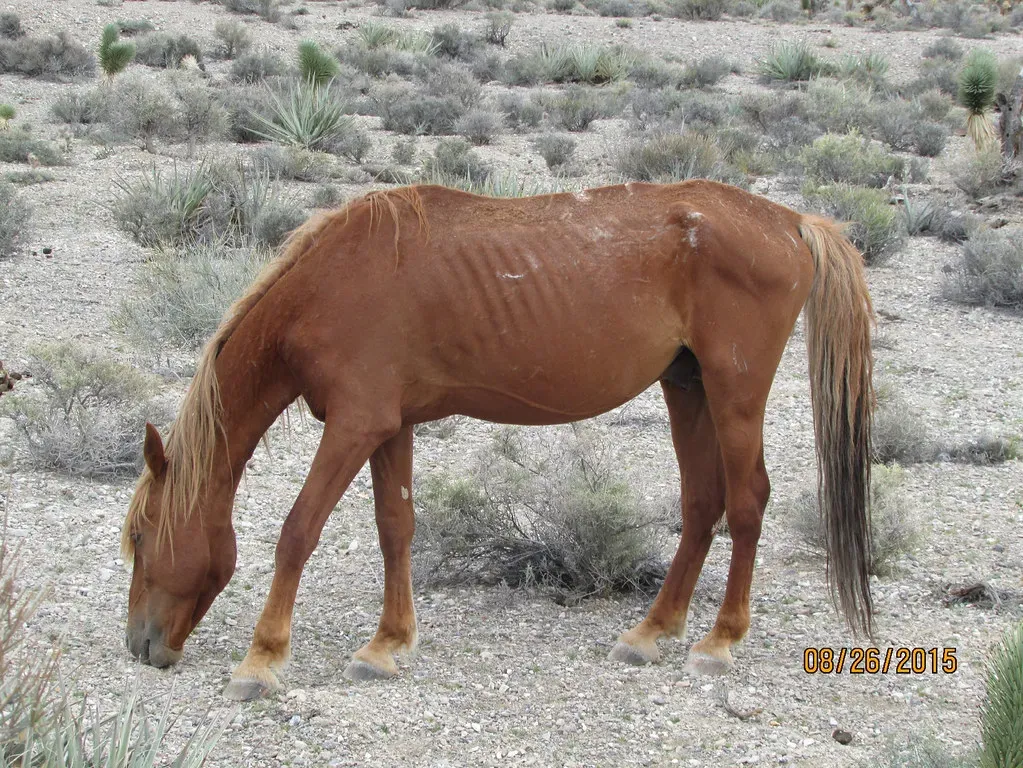
Horses have an intense drive for foraging which is often limited by modern management practices. In their natural state, horses spend roughly 16 to 18 hours a day grazing and moving slowly across terrain. That’s a lot of time, and our modern feeding routines often don’t come close to replicating this.
When horses finish their hay in an hour or two, they’re left with nothing to do for the rest of the day. Boredom sets in quickly. It is unnatural for a horse to stand still in front of a pile of hay all day, and with enrichment, we can encourage natural movement so the horse does not spend long periods of time standing in front of the main feeder.
Slow-feed hay nets are a simple fix that can dramatically improve your horse’s day. They make hay last longer, keep horses occupied, and mimic the natural trickle-feeding behavior they’re designed for. Placing hay or oat straw in lots of small handful size piles around a horse’s field encourages them to move around more, helps hay last longer, and reduces poached areas in the field.
Another trick? Scatter feeding. Hide small portions of forage or safe treats around their paddock or stable. Placing fresh herbs, veggies, and fruits throughout a horse’s living space allows them to go on a scavenger hunt, encouraging movement and natural behaviors. It’s surprisingly effective at boosting mood because it taps into their instinct to seek and explore.
Don’t underestimate the power of keeping their mouths and minds busy. A horse that’s engaged in foraging is a horse that’s content.
Create a Consistent Routine They Can Trust
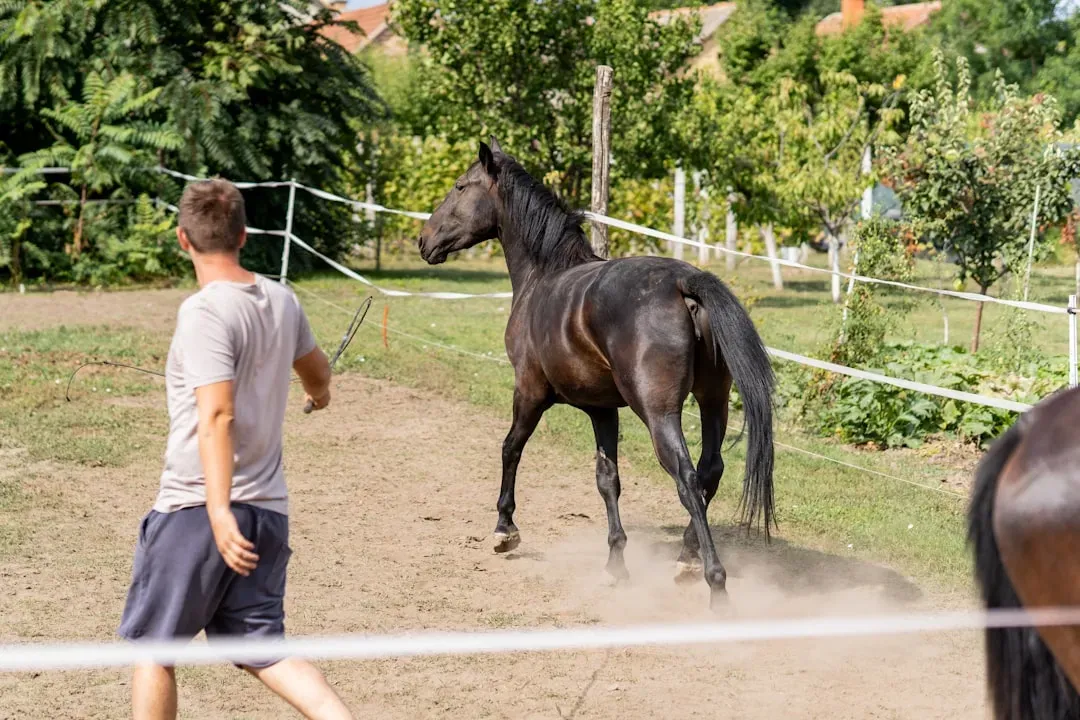
Mares, like many animals, thrive on consistency and routine, and establishing a predictable schedule for feeding, turnout, exercise, and other activities can provide stability and reduce stress. Honestly, all horses do. They’re prey animals at heart, which means predictability equals safety in their world.
Horses are prey animals who like consistency, safety, and clear communication. When feeding times change unpredictably or their daily schedule gets disrupted, it can trigger stress. Over time, that stress compounds and affects their mood, digestion, and even their willingness to work with you.
Setting up a routine doesn’t mean rigidity. It just means your horse knows roughly when they’ll be fed, when they’ll get turnout, and when they’ll spend time with you. That sense of order makes them feel more secure. Horses are remarkably good at reading patterns, and they relax when they know what’s coming next.
Maintaining a calm and quiet environment in the barn and pasture can help minimize triggers for mood swings. Little things matter, like keeping the barn atmosphere low-stress and avoiding sudden loud noises or chaotic energy. Your horse picks up on all of it.
When you build trust through consistency, your horse starts to see you as a source of stability. That bond deepens, and their overall wellbeing improves because they’re not constantly on edge wondering what’s going to happen next.
Support Their Gut Health to Support Their Mood
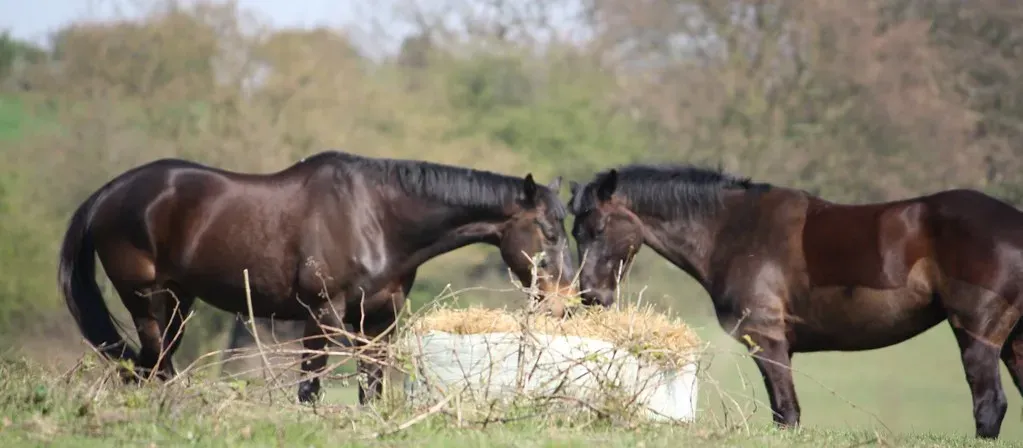
Your horse’s digestive system does a lot of heavy lifting, from nutrient absorption to immune function to mood. This connection between gut and mood isn’t just a human thing. Horses feel it too. A horse with digestive discomfort is rarely a happy horse.
Allergies, joint and muscular pain, gastrointestinal issues, and nervous system disorders can all contribute to your horse’s mental health. Gastric ulcers, in particular, are incredibly common in performance horses and can lead to irritability, reluctance to work, and general grumpiness. If your horse seems off, digestive health should be one of the first things you investigate.
Diet plays a crucial role in the overall health and behavior of horses, and some mares may benefit from a diet low in sugar and starch, as excessive carbohydrates can contribute to mood swings and behavioral issues. The same applies to all horses, not just mares. High-sugar diets can cause spikes and crashes in energy, leading to unpredictable behavior.
Free access to forage helps buffer stomach acid naturally. Horses produce stomach acid continuously, whether they’re eating or not. Without constant access to fiber, that acid can irritate the stomach lining. It’s hard to feel good when your stomach hurts.
Talk to your vet or an equine nutritionist if you suspect digestive issues might be affecting your horse’s mood. Sometimes a small adjustment in diet makes all the difference. A happy gut really does equal a happier horse.
Introduce Enrichment Activities and Mental Stimulation
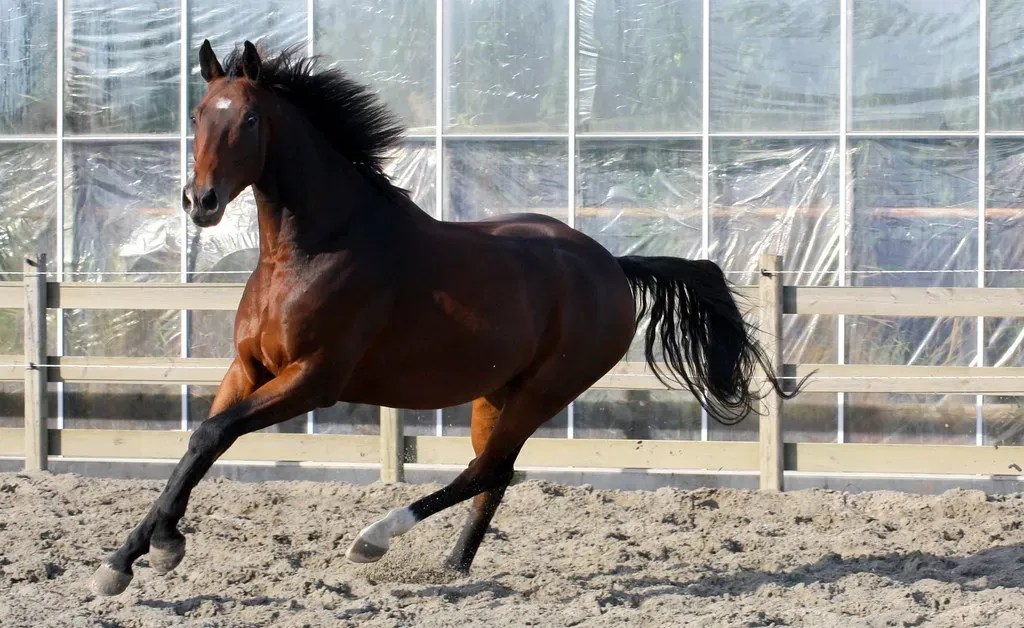
Horses are intelligent, social animals who need more than just food, water, and exercise to thrive, and enrichment provides them with the mental and physical stimulation they need to stay engaged, reduce stress, and prevent behavioural issues. Let’s be real: a bored horse is not a happy horse.
Environments that lack enrichment can affect the horses’ physiological and behavioural states, resulting in boredom and stereotypic behaviours, and by adding enrichment, we help to reduce stereotypic behaviour and minimize stress while encouraging movement and natural foraging behaviours. Cribbing, weaving, and other vices often stem from mental understimulation.
Enrichment doesn’t have to be expensive or elaborate. Simple DIY options work wonders. Many horses love to interact with cardboard, and you can fill an empty box with hay or treats and let your horse enjoy tearing it apart. It’s messy, sure, but watching them problem-solve and engage is worth the cleanup.
Consider investing in horse enrichment toys, such as treat balls, hanging jolly balls, or large rubber feeders, which provide mental stimulation and encourage physical activity as your horse pushes, nudges, or rolls them around to dispense treats or grains, helping prevent boredom-related vices such as cribbing or weaving. Even something as simple as hanging vegetables from a rope can keep a horse entertained for ages.
Introducing new scents such as basil, chamomile, and lavender can encourage a more positive perception of the horse’s environment, and when you introduce a new smell, you might witness your horse displaying the flehmen response, an indication that they are exploring and evaluating the new or unusual smell. Sensory enrichment taps into their natural curiosity and keeps their minds active.
Increase Turnout Time and Freedom to Move
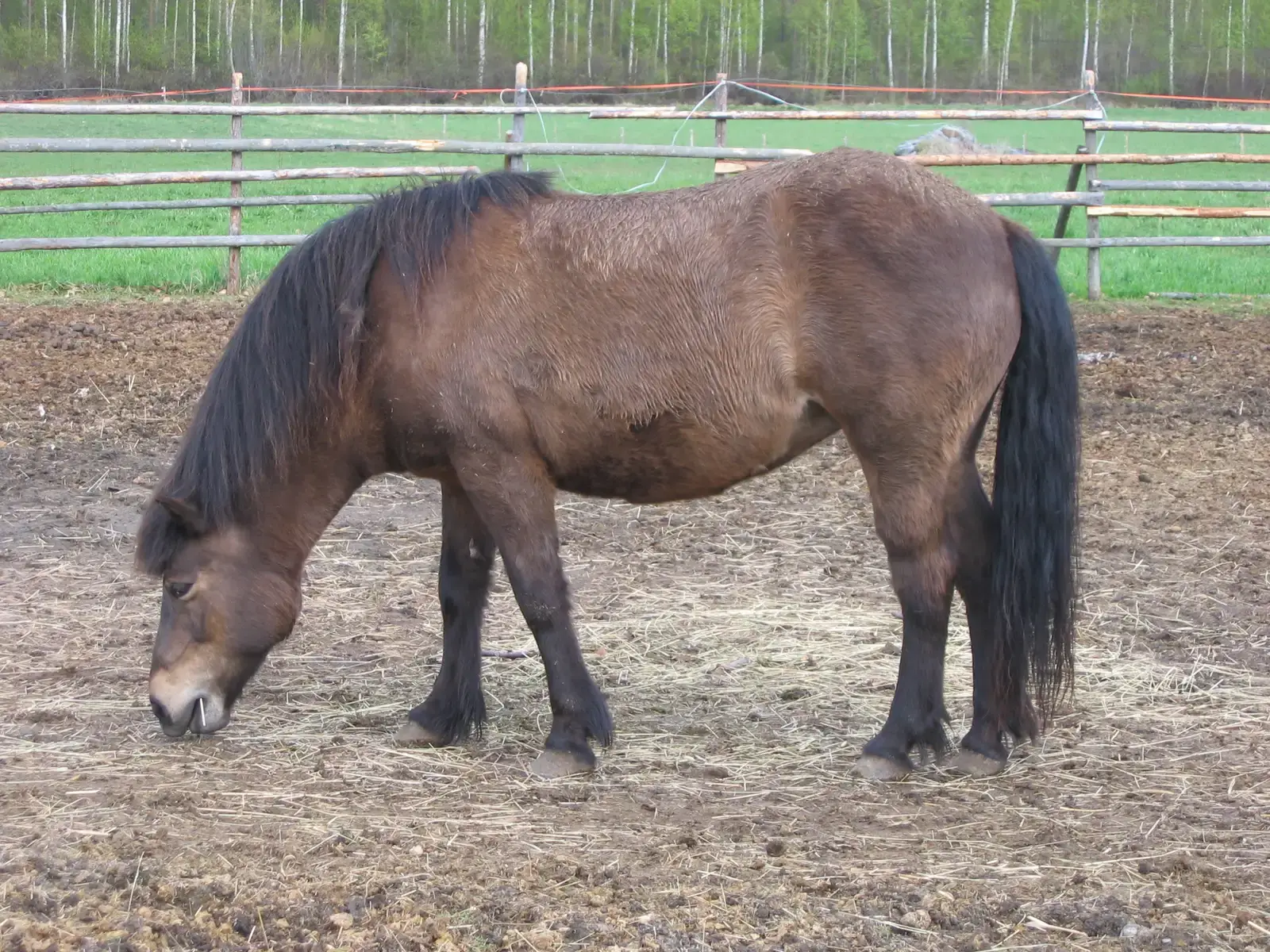
Adequate exercise and turnout contribute significantly to a mare’s mental and physical well-being, reducing stress levels and promoting a more balanced temperament. Movement is medicine for horses. They’re designed to cover miles each day, not stand in a stall.
A horse living alone or stabled for long periods is likely to become chronically stressed and highly susceptible to stress-related illnesses and depression, as confinement is another leading cause of depression in horses since it is unnatural for them to be alone in a small area. Extended stabling can lead to frustration and behavioral problems that ripple through every aspect of their life.
Access to adequate grazing is key to a horse’s physical and mental health, as grazing allows natural foraging behavior, promoting digestive health and reducing stress. Even if your horse can’t be on full pasture turnout, giving them access to a paddock or arena where they can move freely makes a huge difference.
Some horses become calmer and more focused in their work simply because they’ve had time to stretch their legs and be a horse. A great and simple way to provide environmental enrichment is to increase the time your horse spends in the field each day and only stabling for limited periods when absolutely necessary.
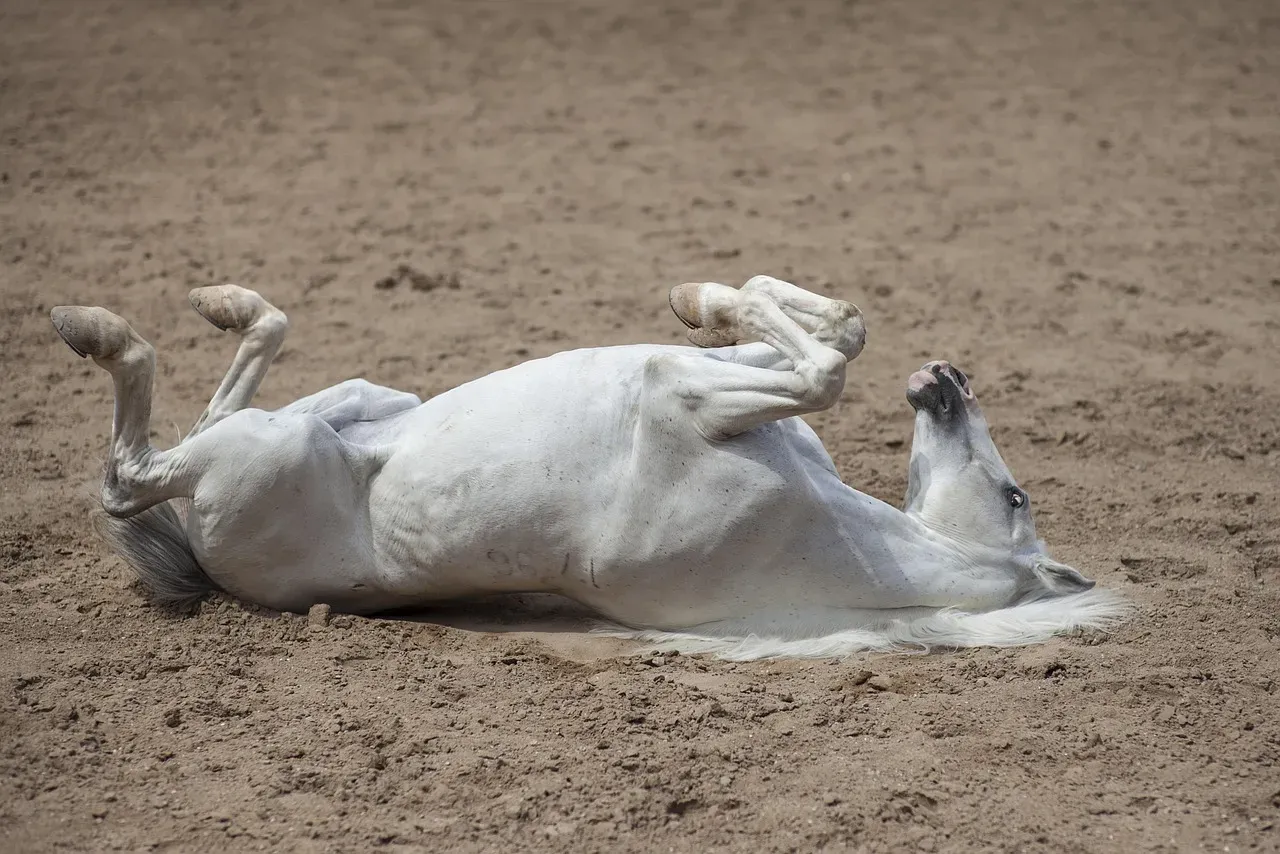
If weather or health conditions limit turnout, get creative. Hand-walking, lunging, or even just letting them roll and explore in a safe space can provide the movement and mental break they desperately need. Freedom of movement isn’t a luxury for horses – it’s a necessity.
Build Trust Through Positive Interactions and Training
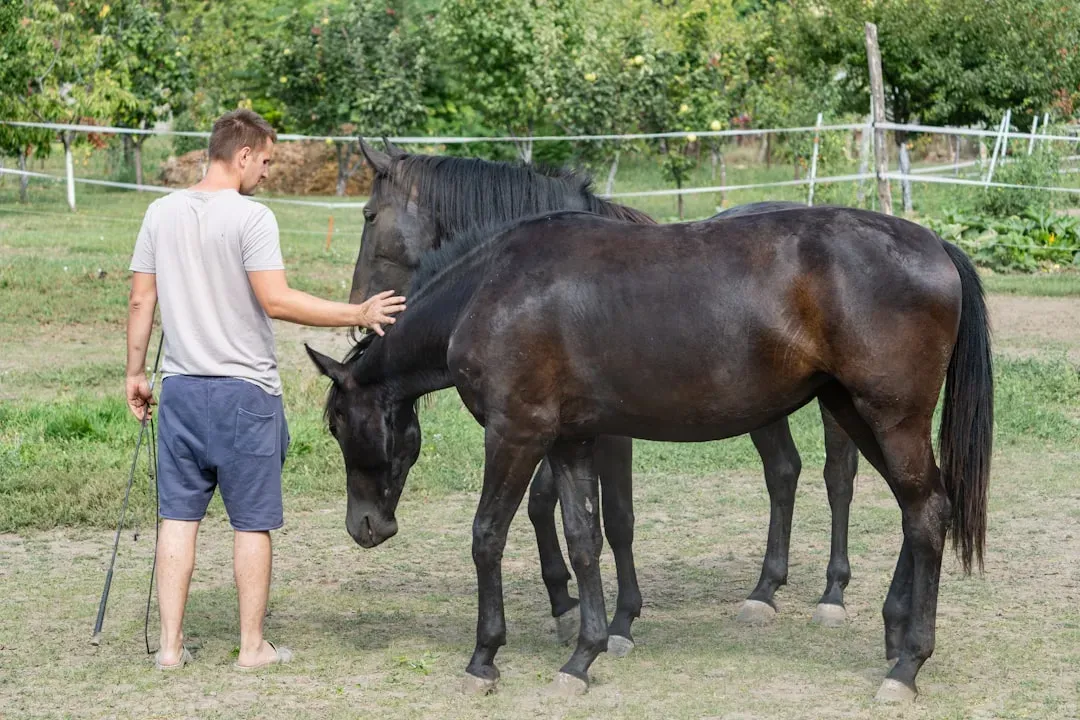
Positive reinforcement training techniques can be highly effective in managing moodiness and improving behavior in mares, as rewarding desirable behaviors with treats, praise, or scratches encourages repetition, and focusing on positive reinforcement rather than punishment builds trust and confidence. This approach works for all horses, regardless of gender.
Horses respond beautifully to gentle, reward-based training. When they understand what you’re asking and feel safe during the process, they become more willing partners. By engaging in activities such as grooming, feeding, and leading horses, individuals can experience emotional healing and build confidence, and this therapeutic approach helps develop essential skills like trust, patience, and emotional regulation.
Grooming is often underestimated as a bonding tool. It’s not just about keeping your horse clean. The practice of caring for horses can be therapeutic, with the calming, repetitive nature of grooming, the physical and distracting qualities of mucking stalls, and the connection of walking alongside a horse while exercising them creating trust with each stride.
Spending time with your horse without an agenda – no riding, no drilling, just being together – can strengthen your relationship in ways that translate to better cooperation and a happier horse overall. Let them sniff things on a walk, allow them to show curiosity, and reward their calm behavior.
Training sessions should feel like a conversation, not a battle. When your horse trusts you and understands that good things happen when they’re with you, their mood lifts. They become more engaged, more responsive, and genuinely seem to enjoy their time with you.
Conclusion
Improving doesn’t require drastic changes or expensive interventions. It’s about understanding what they truly need as animals and meeting them where they are. Social connection, mental stimulation, consistent routines, digestive support, freedom to move, enriching environments, and positive training all work together to create a horse that’s not just physically healthy but emotionally thriving.
The beauty of these strategies is that they benefit you as much as they benefit your horse. A happier horse is easier to work with, more enjoyable to be around, and forms a deeper bond with you. Start with one or two changes and build from there. Watch how your horse responds. You’ll likely notice shifts in their demeanor, their willingness, and their overall energy.
What changes have you made that improved your horse’s mood? Have you tried any enrichment activities that really made a difference? Share your experiences in the comments – we’d love to hear what’s worked for you and your equine companion.


