
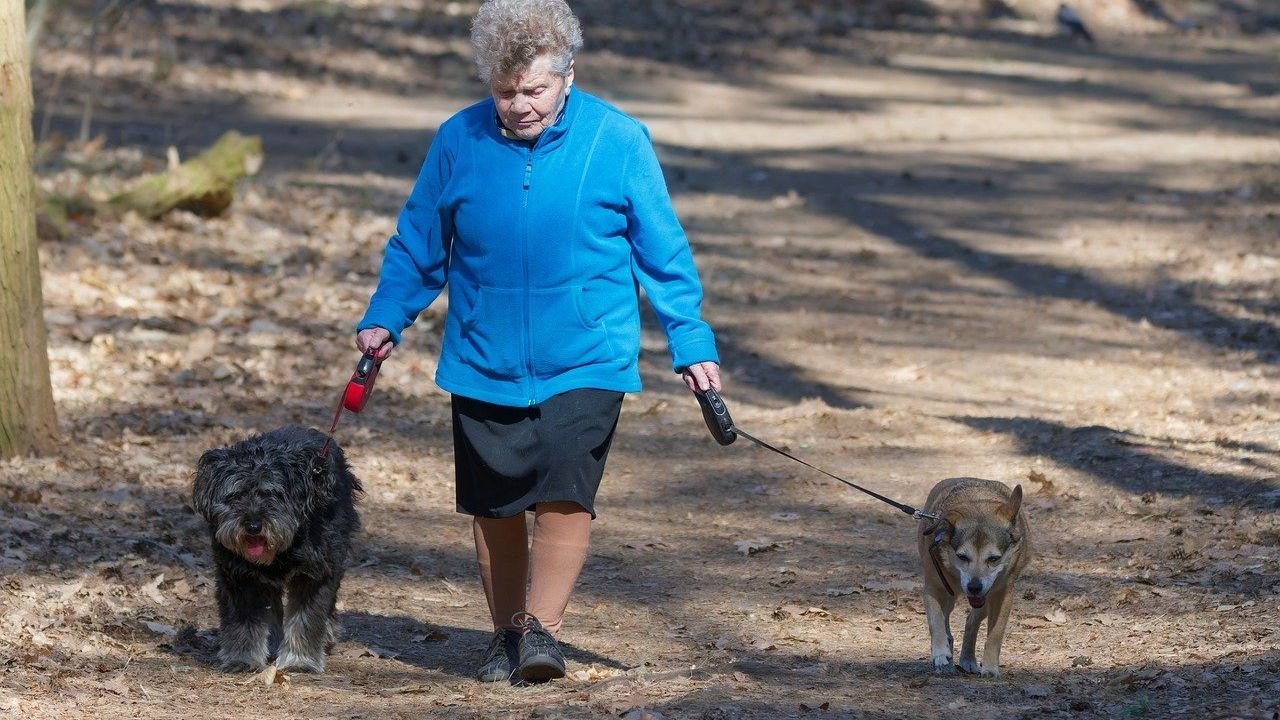
There’s a moment most dog owners recognize. Maybe your golden retriever hesitates at the bottom of the stairs. Maybe your beagle sleeps through the walk he used to sprint on. It’s a quiet, bittersweet shift. Your dog is getting older, and honestly, it catches you off guard every single time.
The good news? Aging doesn’t have to mean suffering. Senior dogs may slow down, sleep more, or experience joint stiffness, but with the right care, they can still enjoy vibrant, fulfilling lives. Aging doesn’t mean decline; it means adjusting how we nurture and support our loyal companions. So let’s talk about the real, practical, heartfelt things you can do to honor every golden year they have left.
1. Schedule Vet Visits Twice a Year, Not Once
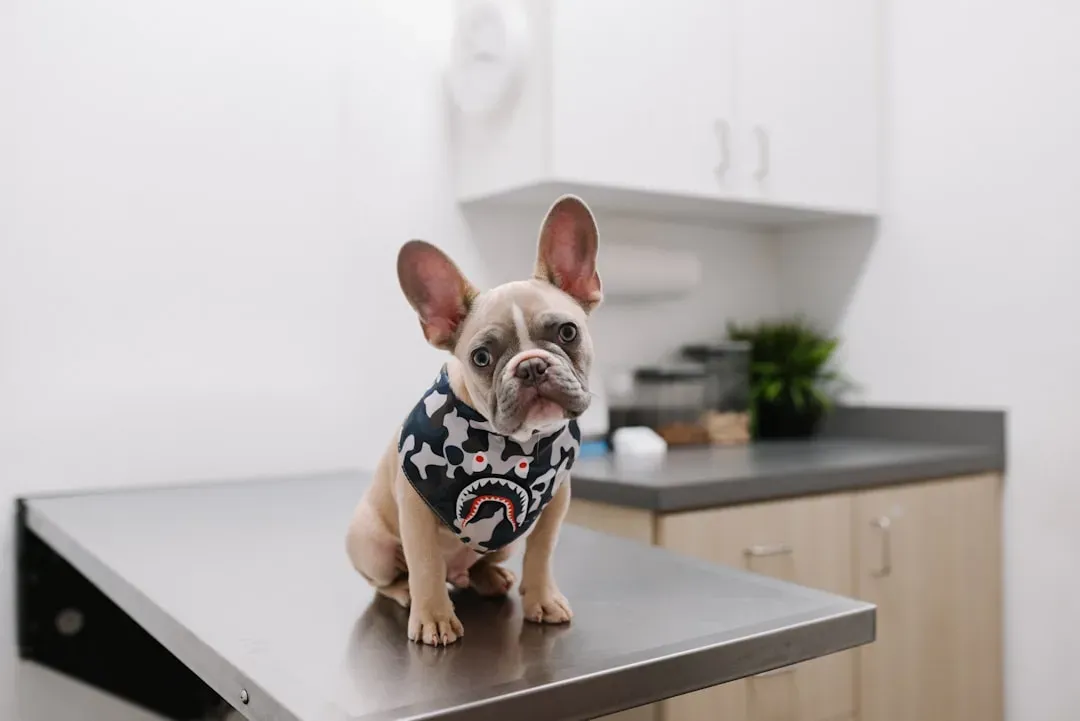
Here’s the thing most dog parents don’t realize until it’s too late: your dog ages much faster than you do. Dogs age much more rapidly than humans. A 12-year-old dog who gets a vet visit annually is comparable to a 75-year-old person who only sees their physician about every three years. That framing stops me every time I think about it.
Senior dogs are more prone to age-related conditions such as arthritis, diabetes, heart disease, and dental problems. Frequent wellness exams allow your veterinarian to detect changes early, update vaccinations, and recommend lifestyle adjustments. Catching something early is almost always cheaper, less stressful, and more effective than treating it later.
Regular vet visits and lab testing often allow you to catch health issues before they become clinically obvious, meaning they’re easier and less expensive to treat, offering a better prognosis for your dog. For healthy senior dogs, wellness visits at least once every six months with yearly lab work are recommended. Think of it as investing in more tail wags.
2. Rethink What Your Senior Dog Eats
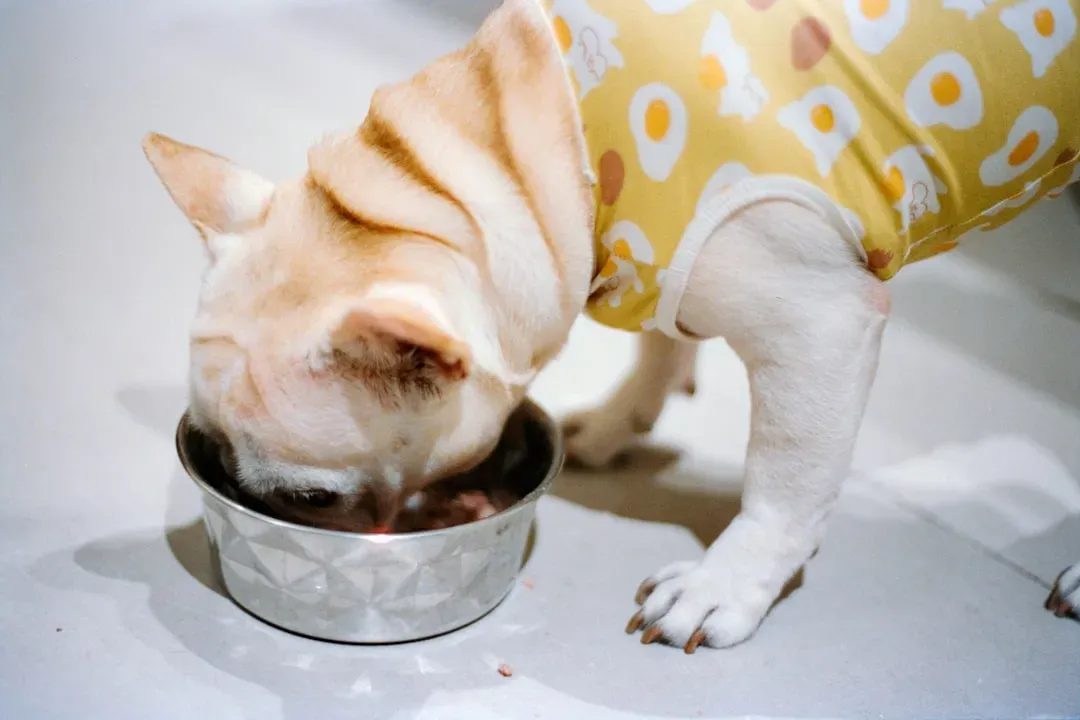
Senior dogs often need fewer calories but more nutrients to maintain muscle and support joint health. Talk to your vet about switching to a senior-specific formula. It sounds simple, but so many owners keep feeding the same food for years without adjusting for their dog’s changing body.
Choose a high-quality senior dog food that’s lower in calories but rich in nutrients like fiber, antioxidants, and omega-3 fatty acids. These nutrients help with joint function, heart health, and digestion. Additionally, be sure to feed measured portions to avoid unwanted weight gain, which can lead to arthritis and other health issues.
Avoid free feeding; instead, feed controlled portions twice a day to manage metabolism and prevent obesity. Think of it like seasoning a dish. The right ingredients in the right amounts make all the difference. Too much of even something good creates a problem.
3. Keep Moving, Just Move Differently
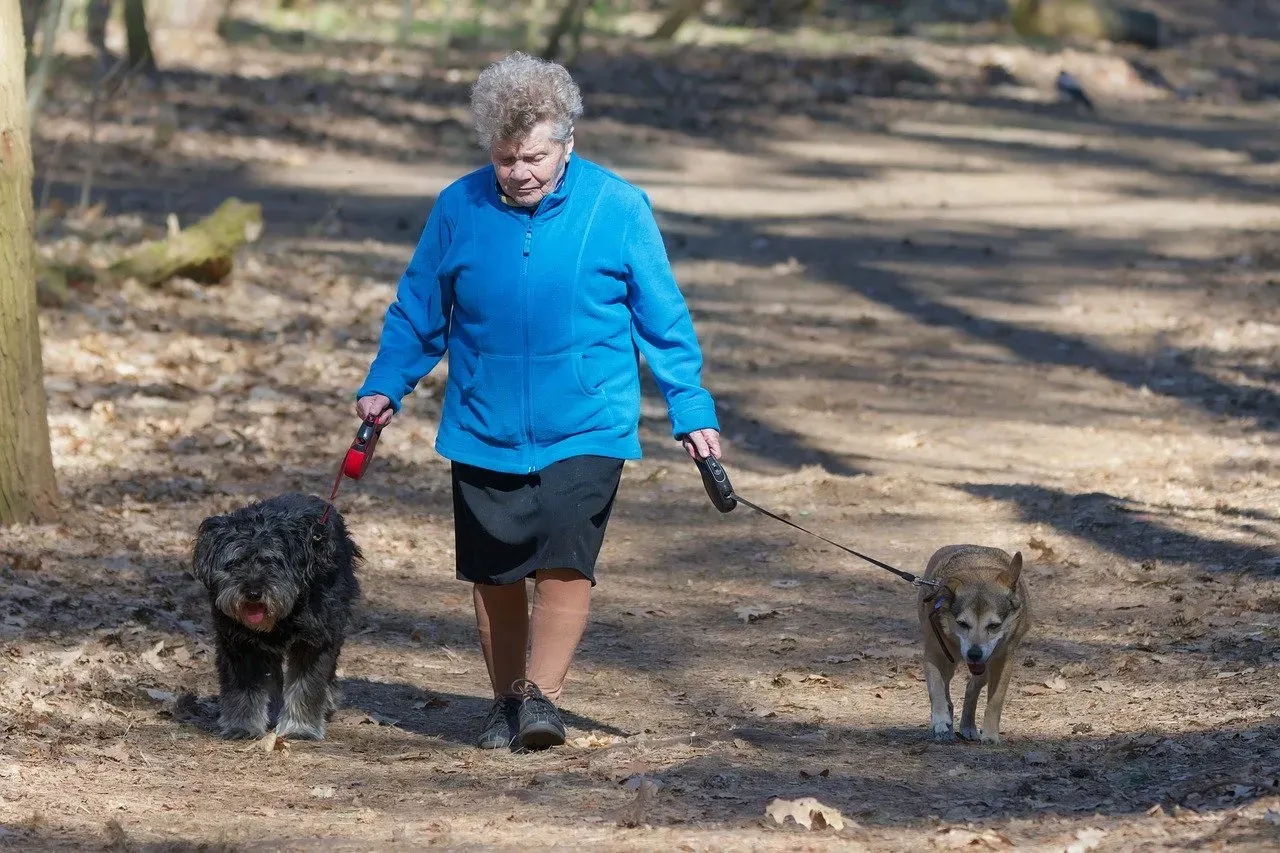
Your senior dog doesn’t need to run marathons. Truly, I think we sometimes feel guilty when they can’t keep up with their younger selves, and we either push too hard or give up on exercise altogether. Both are mistakes.
While exercise requirements may decrease compared to younger years, it’s still important to provide daily opportunities for movement. Low-impact exercises such as walking, swimming, or gentle play can help maintain muscle tone, joint flexibility, and overall wellbeing. Always be mindful of your dog’s limitations and adjust the intensity and duration of exercise accordingly.
Instead of taking one 30 to 40 minute walk per day, try walking 15 to 20 minutes twice a day. Regular activity preserves muscle tone, enhances circulation, and helps prevent weight gain. Short, consistent movement beats one long exhausting outing every time.
4. Build a Home That Works for Their Aging Body
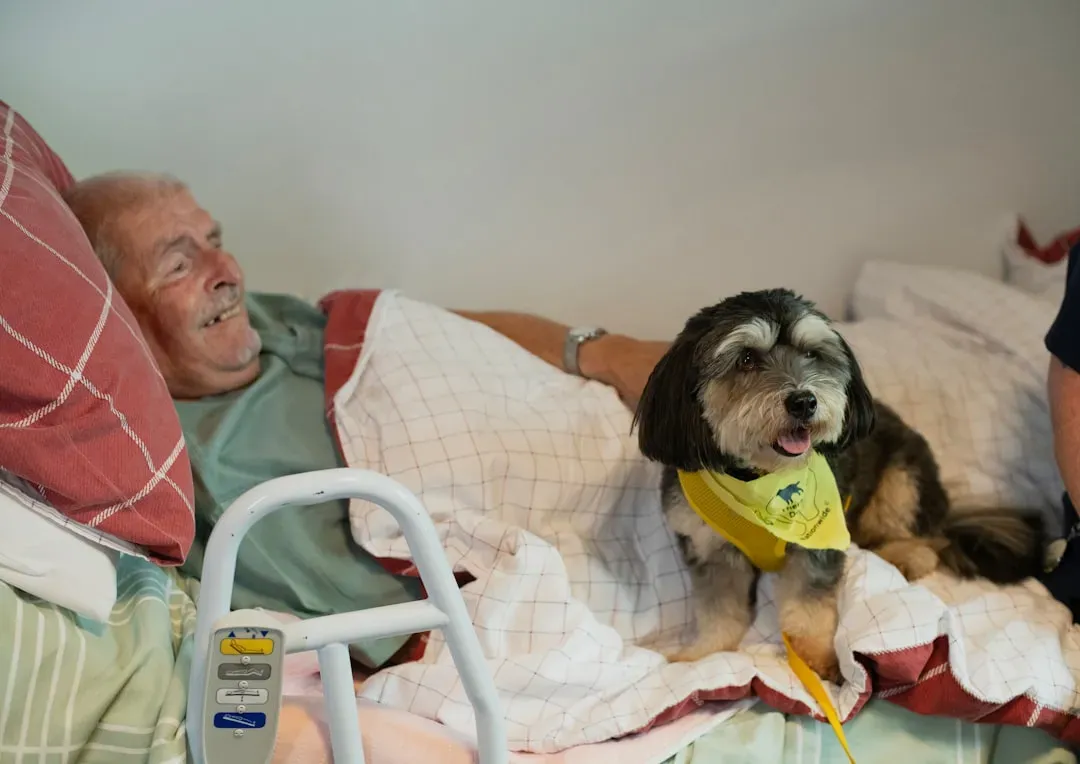
Imagine waking up with stiff hips and being expected to climb slippery stairs just to get to your water bowl. Not fun, right? You might find that your older dog has developed a few new health issues they didn’t have when they were younger. As a result, everyday tasks have the potential to become new hazards.
Orthopedic dog beds offer added comfort, especially for pets with arthritis or hip dysplasia. Place their bed in a quiet, draft-free corner of your home. Keep water bowls close, and consider adding ramps if stairs are a challenge. These are small adjustments that make a massive daily difference.
Properly clipped toenails are also essential. Long toenails may cause your dog to stand or walk abnormally, resulting in pain or accelerating arthritis. It’s one of those overlooked details that quietly affects your dog’s comfort every single step they take.
5. Protect Their Mind, Not Just Their Body
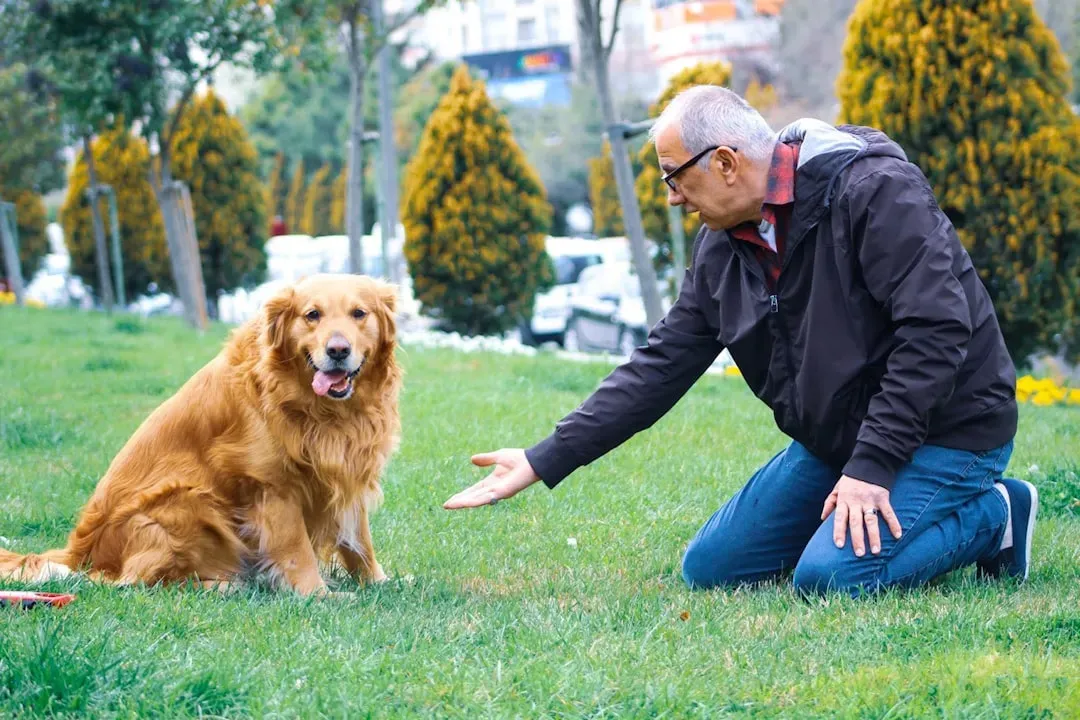
Did you know that cognitive decline in senior dogs is more common than most people realize? According to studies, 28 percent of dogs at 11 to 12 years old and as much as 68 percent of dogs at 15 to 16 years old have at least one sign of mental decline. That is genuinely shocking.
Providing mental stimulation for senior dogs is essential to keeping their minds sharp and preventing cognitive decline. Engage them in activities that challenge their problem-solving abilities and encourage curiosity. Try interactive games like “Three Cups,” where they must find a hidden treat under one of the cups, or “Hide and Seek.” Puzzle toys and snuffle mats also offer great enrichment by hiding treats they must work to access.
All dogs thrive on routine, but none more so than senior dogs. Particularly as their cognition begins to decline, predictability in their day-to-day life is incredibly important. It’s very comforting for them to get up, be fed, go for walks, and enjoy playtime at similar times each day. Routine is their emotional anchor.
6. Watch for Behavioral Changes That Signal Something Deeper
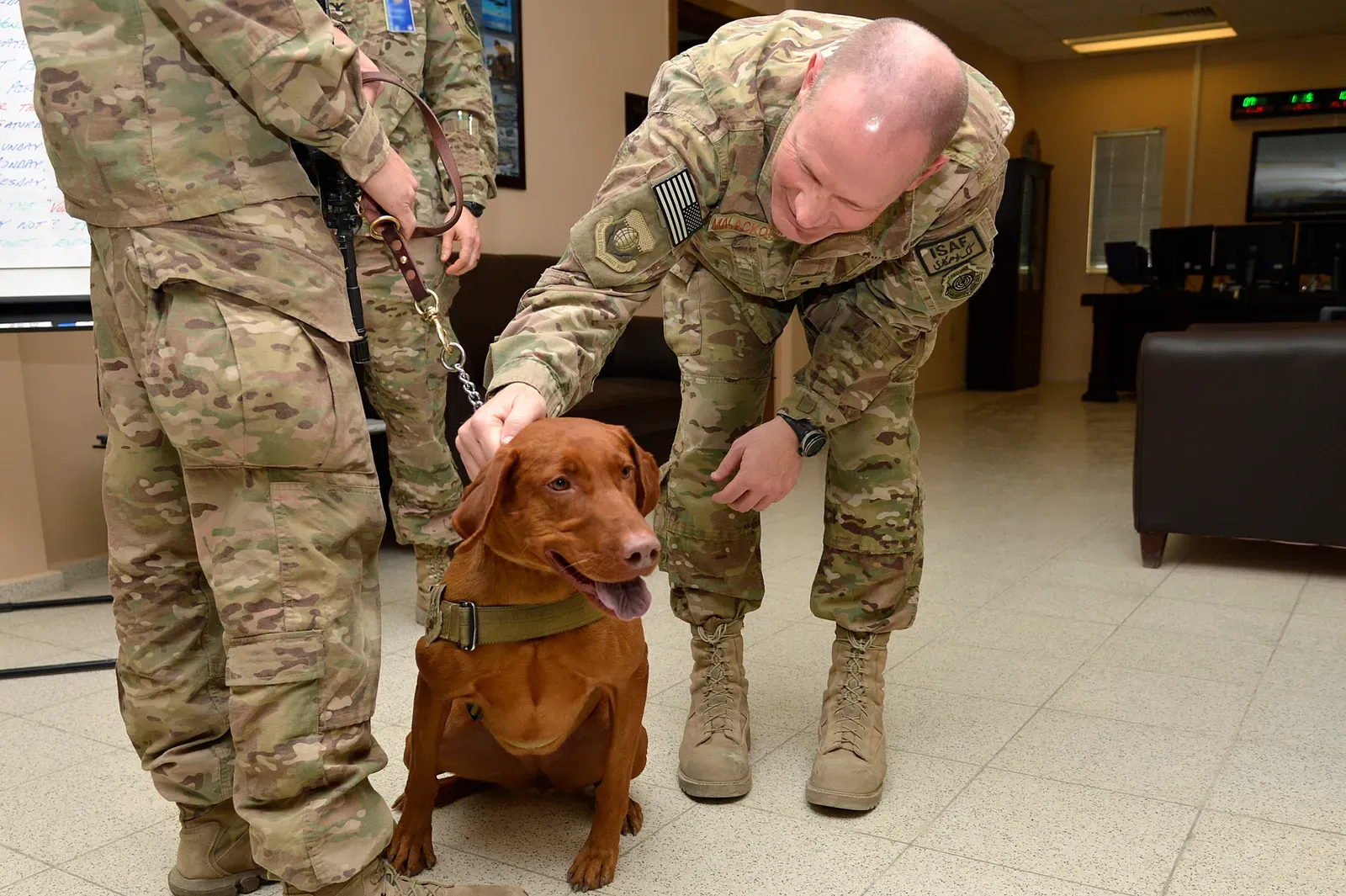
This one matters more than most people realize. Your dog cannot tell you when something hurts. Their behavior is their voice. Senior dog behavior changes might indicate underlying health issues, such as pain, cognitive decline, or sensory impairments, such as vision or hearing loss.
Normal behavior changes in older dogs include mild decreases in activity levels, minor changes in appetite, and occasional forgetfulness. However, behavior changes such as sudden aggression, excessive lethargy, persistent anxiety, drastic changes in appetite or water intake, and disorientation warrant prompt veterinary attention. Don’t write these off as “just getting old.”
Dogs suffering from hearing loss may become startled more easily, and even the friendliest dogs may snap when scared. To prepare for any potential hearing loss, you could teach your dog hand signals to go with spoken commands such as “come,” “sit,” and “stay,” to ensure you retain communication as their hearing diminishes. It’s a small act of love that keeps you connected.
7. Never Underestimate the Power of Emotional Connection
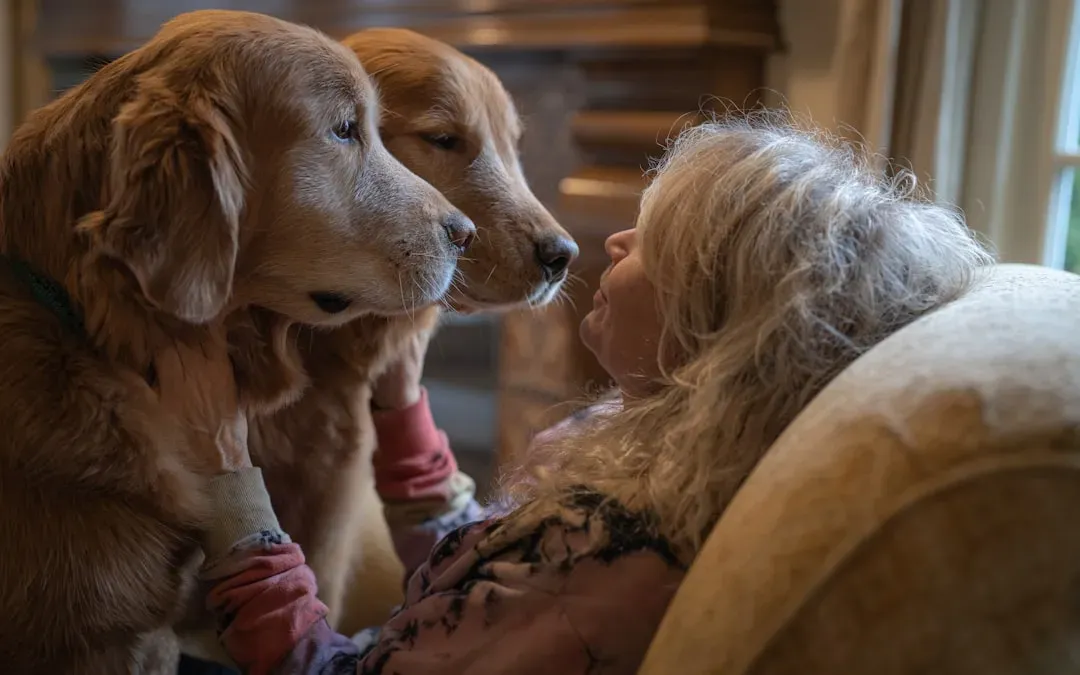
Here’s something I feel really strongly about: the emotional bond between you and your aging dog is not a soft, secondary concern. It is medicine. Regular sessions of physical interaction may lead to improved flexibility and range of motion, making day-to-day activities more comfortable. Beyond physical advantages, tactile contact can reinforce trust between dog and caretaker, building confidence and emotional well-being for a happier, healthier senior companion.
Senior dogs are generally friendly and affectionate. At the end of the day, all your dog wants to do is be with you and spend time with you. Pay special attention to your pet and ensure that they feel loved and safe. It really is that simple, and that profound.
The number one thing you can do to help your dog is to simply continue to show them love and patience. Your dog might be struggling with old age, but that doesn’t mean they stopped loving you or your affection. Presence is the greatest gift you can give them.
A Final Thought on Growing Old Together
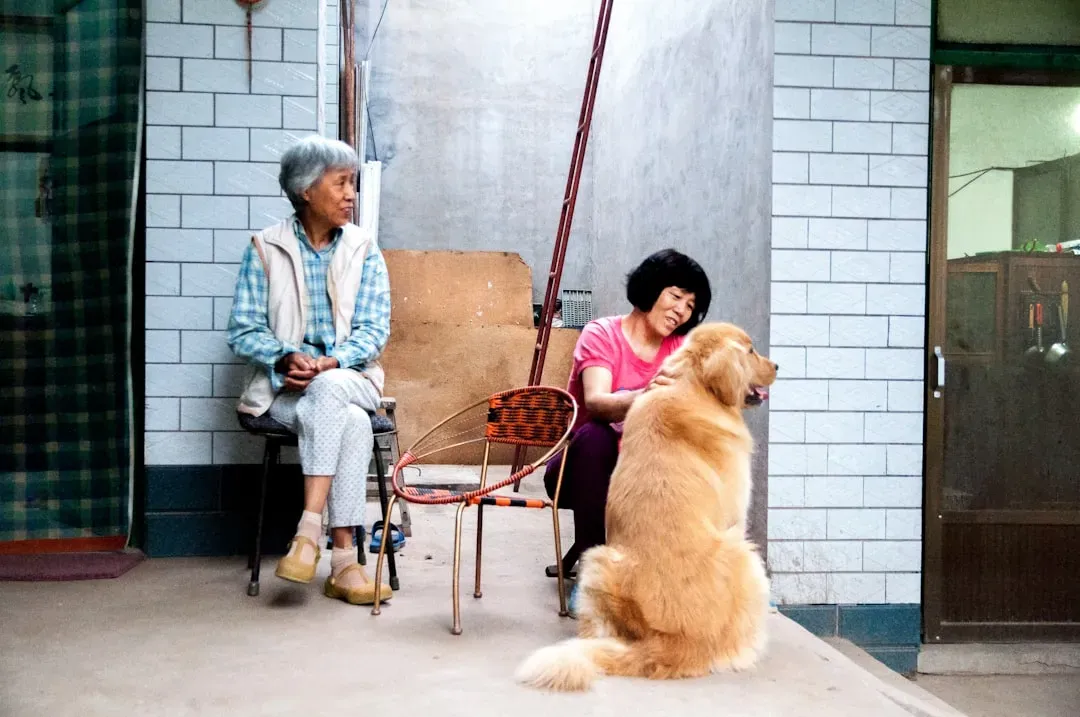
Caring for a senior dog isn’t always easy. There are vet bills, sleepless nights, and moments that break your heart a little. Still, it is also one of the most rewarding chapters of a life shared with an animal who has given you everything they had.
The seven ways above are not just tips. They are acts of love translated into daily action. Adjust the food. Shorten the walk. Buy the orthopedic bed. Learn the hand signals. Show up for the vet appointments. Sit with them a little longer on the couch.
Your dog has spent their whole life choosing you. These golden years are your chance to choose them right back, in every small, imperfect, beautiful way you can. What one change will you make for your senior dog starting today?


