

Watching your dog age is bittersweet. One day they’re chasing squirrels with boundless energy, and the next, you notice them taking a bit longer to rise from their bed in the morning. Maybe those daily jogs have turned into leisurely strolls, or perhaps your once playful companion seems less interested in their favorite toys. Here’s the thing, though: senior dogs still crave activity and stimulation just like their younger selves. They simply need us to meet them where they are now.
Honestly, I think many of us assume older dogs just want to sleep the day away. Sure, they need more rest, but keeping them active and engaged makes a world of difference to their physical health and mental sharpness. The good news? You don’t need intense workouts or complicated routines. Just a willingness to adapt and a bit of creativity to keep that tail wagging well into their golden years. Let’s dive in.
Embrace Gentle, Shorter Walks
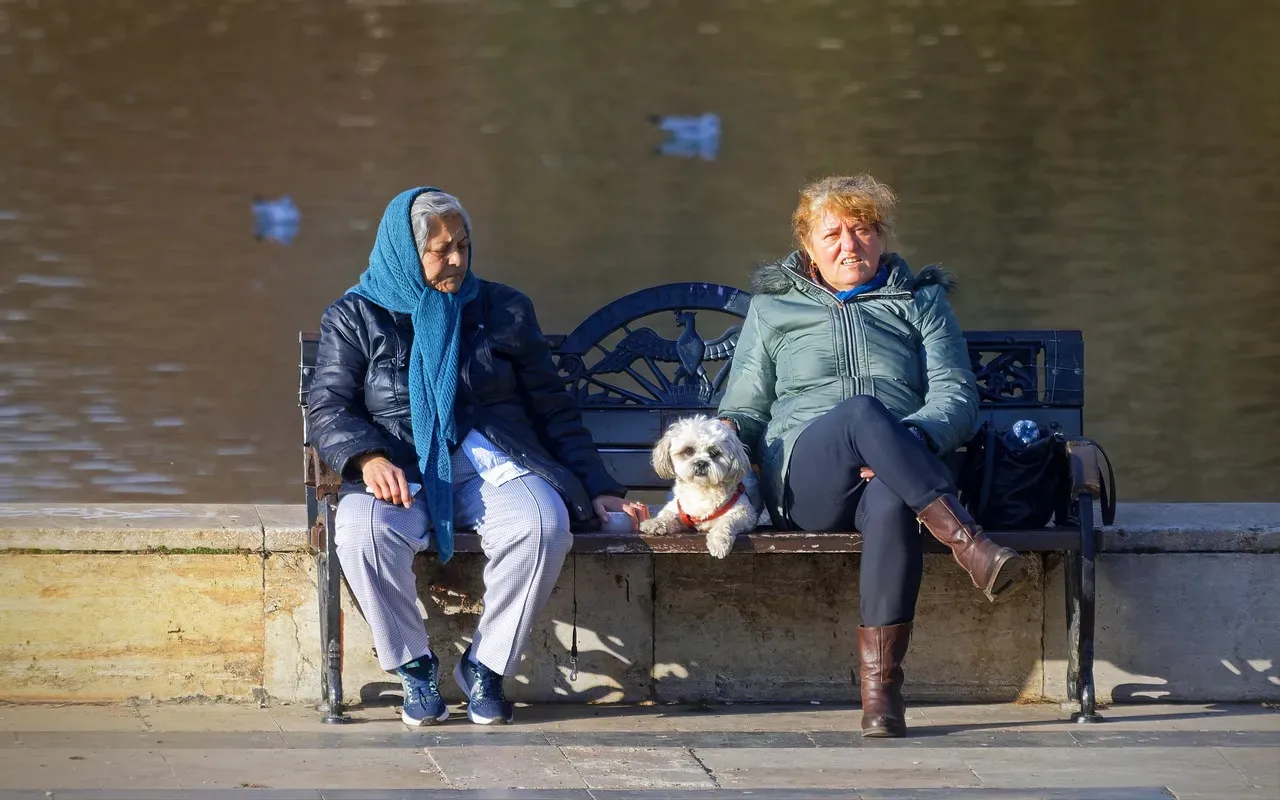
Senior dogs generally need at least 30 to 60 minutes of exercise daily, yet the way you approach those minutes matters enormously. Shorter, more frequent walks are often better for older dogs than long excursions. Think three or four brief outings instead of one marathon trek around the neighborhood.
Pay close attention to your dog’s body language during walks. Keep an eye on your dog’s body language to determine if they’re getting tired and need a break. If they start lagging behind or sit down unexpectedly, that’s your cue to slow down or head home. Walking is one of the simplest and best senior dog exercises, providing both physical movement and mental enrichment through all those fascinating scents along the way.
Mix Up Their Walking Routes
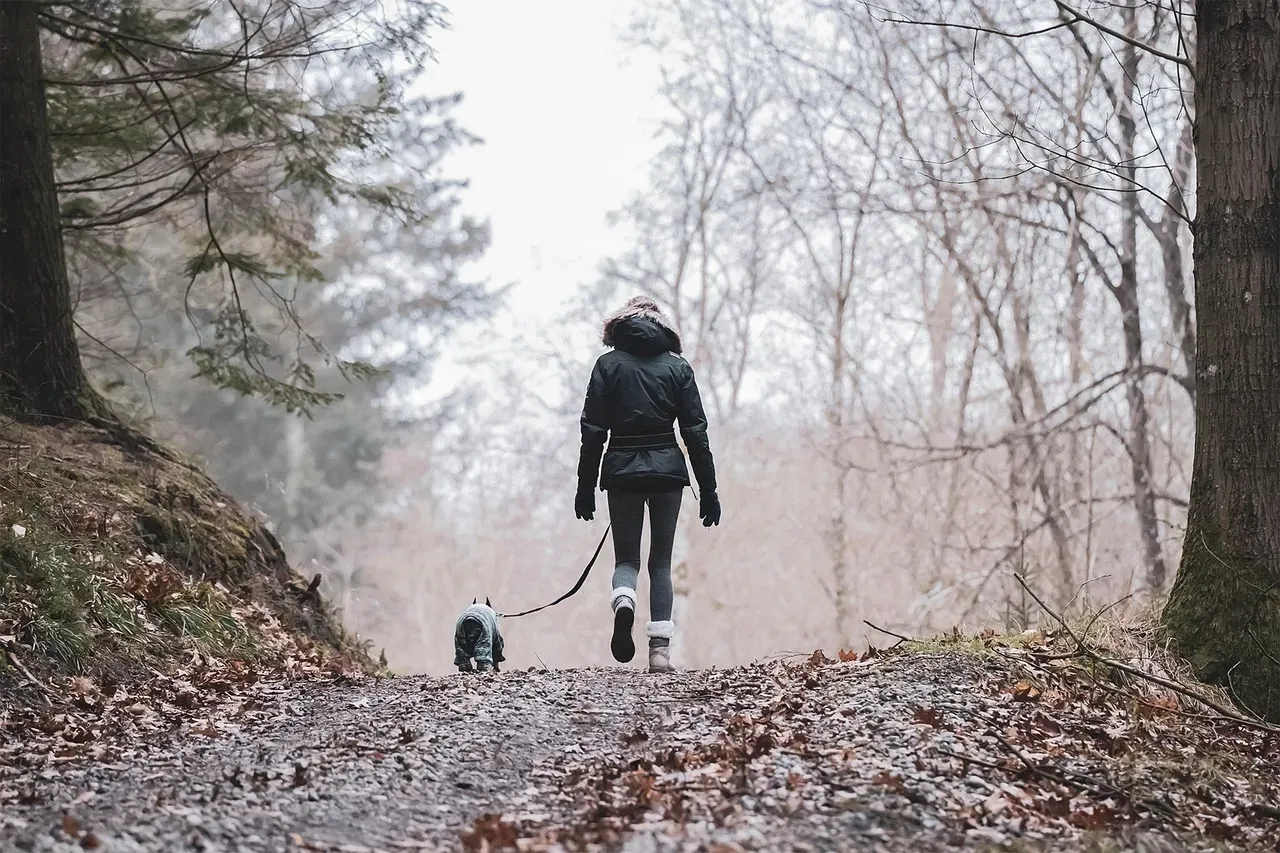
Let’s be real, we all fall into routines. Same path, same time, same mailbox to sniff. The problem is, routine can dull a senior dog’s mind.
Try switching up their usual route to explore a new trail or walk in a new neighborhood, and take your time on these walks, letting your dog sniff every new smell they can find. Exposing your dog to new environments, smells, and experiences can help to stimulate his or her senses and maintain cognitive function. You might be surprised how a simple detour down an unfamiliar street can light up their eyes and perk up their ears.
Sometimes the smallest changes make the biggest impact. Taking a different route engages their brain in ways the same old sidewalk never will.
Introduce Puzzle Toys and Scent Games
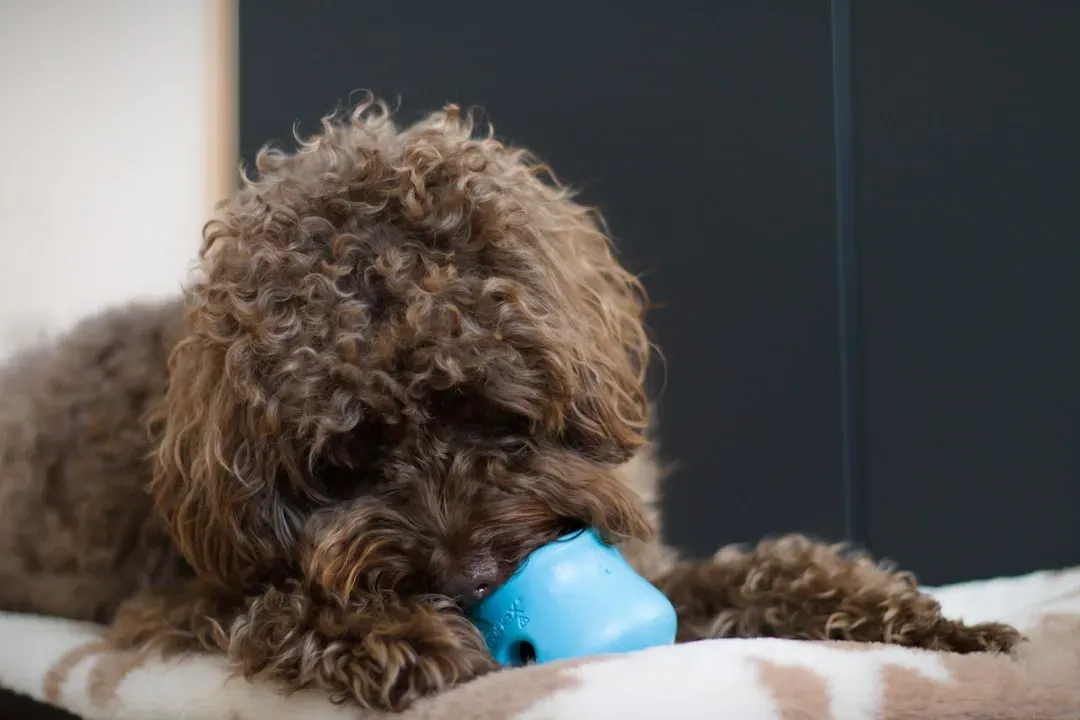
Working out the brain can be just as exhausting as physical activity. This is incredibly important for senior dogs who might not be able to handle long physical sessions anymore. Puzzle toys challenge your dog to think and problem-solve, keeping their cognitive function sharp.
A puzzle toy can serve as a great activity without asking too much of their mobility, and there are a lot of puzzle toys to choose from with different degrees of complexity. Start simple and gradually increase difficulty as they master each level. Put your dog’s nose to work through scent or sniffing games by hiding treats or their favorite toys around the house or backyard and encouraging them to find them by sniffing around.
These activities aren’t just fun. They’re mental workouts that help stave off cognitive decline and keep your dog feeling purposeful and engaged.
Keep Training Sessions Short and Sweet
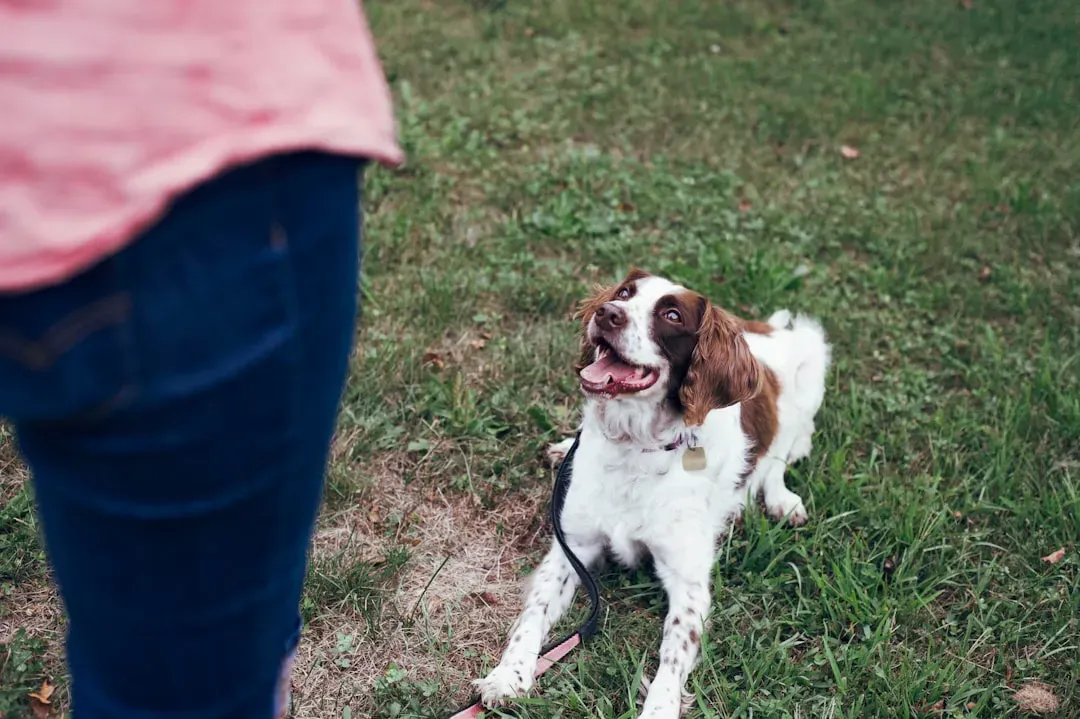
You absolutely can teach an old dog new tricks. The key to slowing cognitive decline in your senior dog is teaching them new tricks. Training sessions don’t have to be lengthy or complicated either.
Obedience and recall training can help keep your senior dog moving, stimulate their mind, and keep their sight and smell senses active by having your dog practice sit, stay, come, down, and other commands using positive reinforcement training methods. Learning a new trick takes mental focus and challenges your dog’s brain, and one 15-minute training session can leave your dog feeling more tired than a 30-minute walk.
Even refreshing old commands keeps their mind engaged. Make it fun, use treats sparingly, and always end on a positive note. The bond you strengthen through these sessions is worth its weight in gold.
Try Low-Impact Water Activities
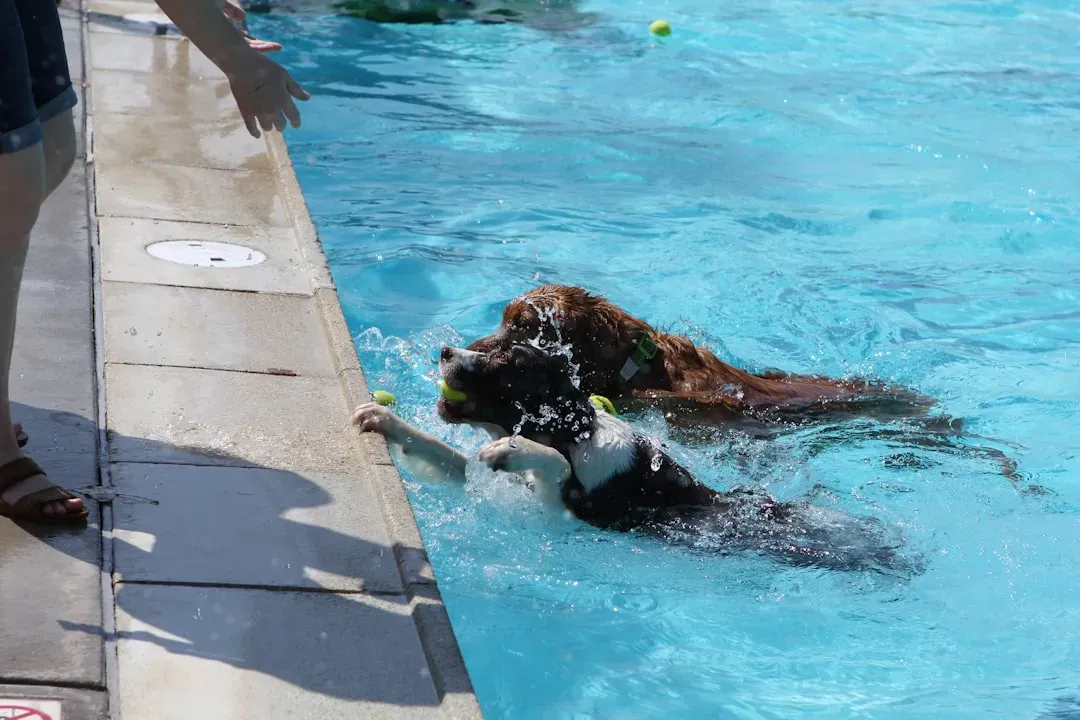
Swimming is an excellent total-body exercise for your senior pup. Swimming is another excellent low-impact exercise, especially for dogs with joint issues, as the buoyancy of water reduces stress on joints, making it a comfortable way for your senior dog to exercise.
Not all dogs are natural swimmers, so start slow and always supervise. Some communities have canine hydrotherapy facilities or indoor pools specifically designed for dogs. If you have access to a safe body of water, let your senior dog wade in at their own pace.
Water therapy can work wonders for dogs dealing with arthritis or muscle loss. It allows them to move freely without the pain that sometimes accompanies land-based activities. Just make sure the water isn’t too cold, especially for older pups who get chilled more easily.
Incorporate Gentle Stretching and Massage
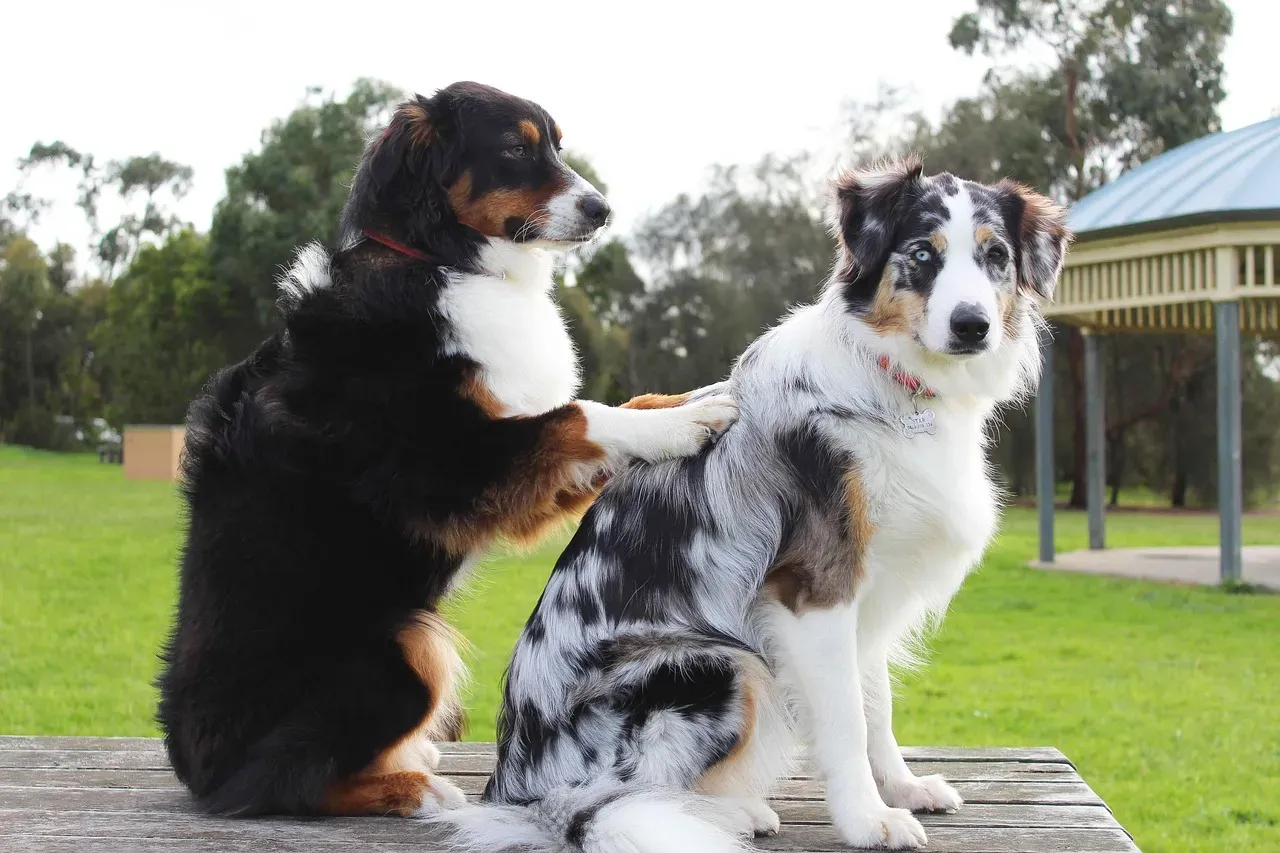
For some senior pups, especially those with stiff joints from arthritis and other conditions, stretching prior to exercise can be beneficial. You can help your dog gently stretch their limbs through simple range-of-motion exercises before and after walks.
Canine massage can increase circulation, reduce inflammation, and help manage joint pain, and it also has the added benefit of promoting bonding between you and your pup. Start with gentle pressure along the back, shoulders, and legs. Watch for signs that your dog is relaxed, like soft eyes and slow breathing.
These hands-on moments aren’t just therapeutic for their body. They offer comfort and reassurance, reminding your senior companion that they’re loved and cared for. Even five minutes of gentle touch can make a noticeable difference in their mobility and mood.
Create a Comfortable, Accessible Environment
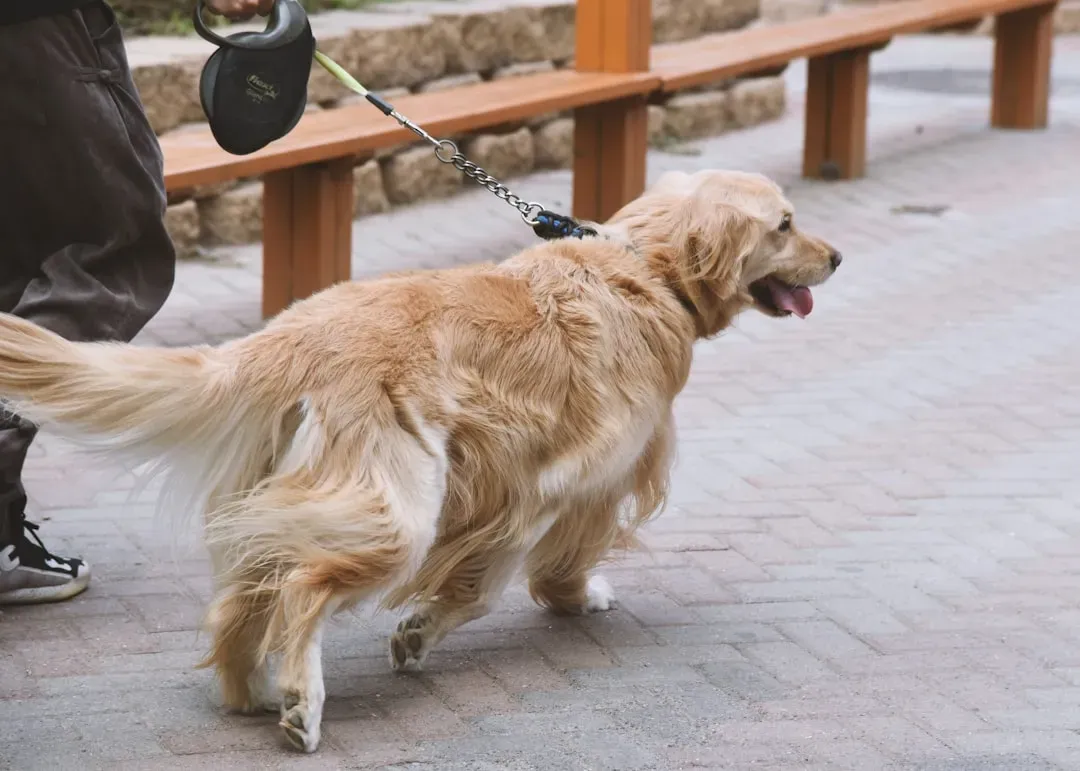
Sometimes keeping your senior dog active means making their world easier to navigate. Providing non-slip surfaces, ramps, and orthopedic bedding can make your home more comfortable for a senior dog with mobility issues.
Simple modifications like placing rugs on slippery floors or adding ramps to furniture they love can prevent injuries and encourage movement. If your pooch finds it hard to lower themselves to their food bowl, elevate the bowls so your dog can eat without straining, and you can also install ramps where your dog is used to stepping or jumping.
A well-padded orthopedic bed provides crucial support for aging joints. When your dog feels comfortable and pain-free at rest, they’re more likely to stay active during their waking hours. It’s about creating an environment that supports their changing needs while still encouraging engagement and movement.
Conclusion
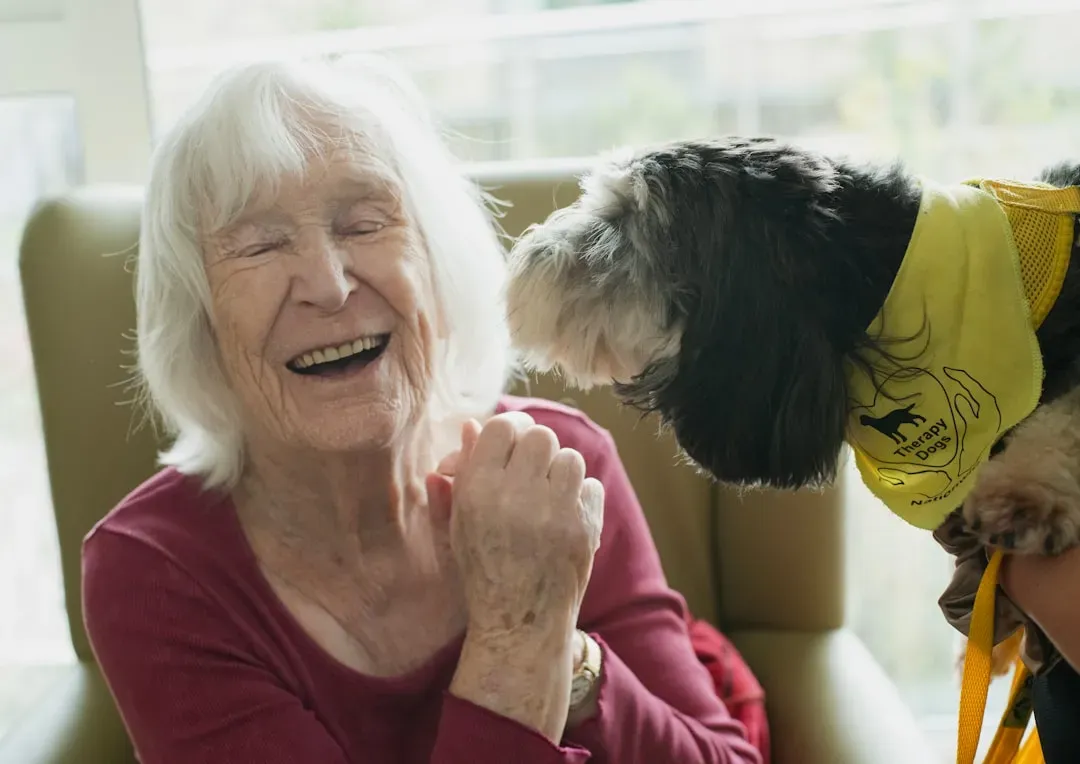
Your senior dog has given you years of unconditional love, loyalty, and companionship. Now it’s your turn to adapt and provide the care they need to thrive in their golden years. Keeping them active and engaged doesn’t require grand gestures or expensive equipment. It simply takes thoughtfulness, patience, and a willingness to meet them where they are.
Age alone isn’t a reason to stop exercising, and keeping your senior dog moving can be key to happier, healthier golden years. Every short walk, puzzle game, and gentle massage adds up to a better quality of life. These moments matter more than you might realize.
What small change will you make today to brighten your senior dog’s day? Share your experiences and let’s celebrate the joy of caring for our aging companions together.


