
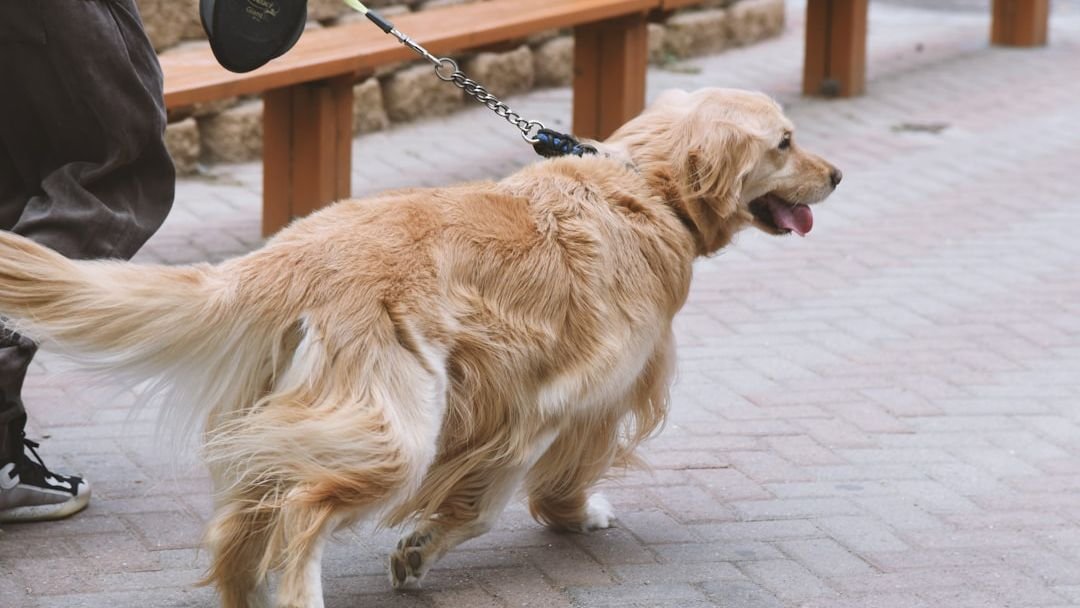
There’s a moment every dog parent dreads a little. You call your dog’s name and instead of that wild, bounding sprint toward you, there’s a slower, gentler trot. Maybe a slight hesitation before climbing the stairs. Maybe more naps, fewer zoomies, and a muzzle that’s started to frost over like morning snow. It’s bittersweet, honestly. Your dog is growing older, and the world is asking you to love them differently.
Here’s the beautiful truth though: the senior years can actually be some of the most tender, deeply connected years you’ll ever share with your dog. With the right care, a little knowledge, and a lot of heart, you can make this chapter genuinely joyful for both of you. Ready to give your old pup the golden years they deserve? Let’s dive in.
Upgrade Their Sleeping Space to Something Truly Supportive
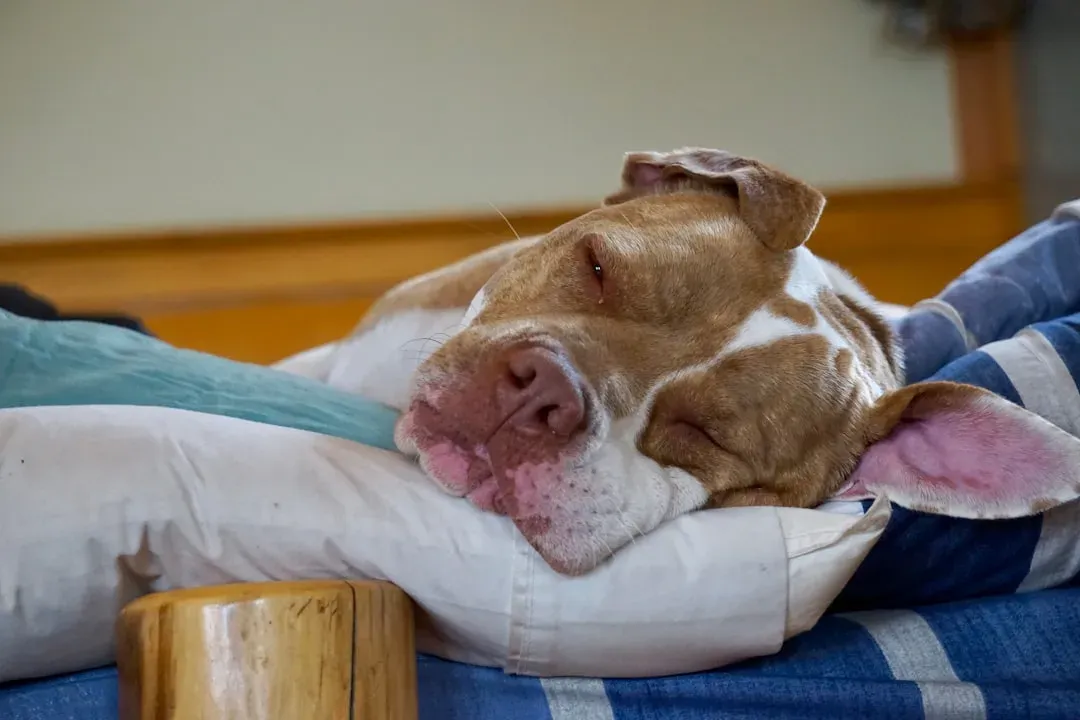
Think about how you feel after a night on a bad mattress. Your hips ache, your back protests, and even getting out of bed feels like a project. Now imagine that every single night. That’s the reality for many senior dogs sleeping on old, flat beds that offer zero cushioning for aging joints. It matters more than most people realize.
Older dogs need extra rest, so providing a quiet, cozy space where they can relax without disturbance is essential. Orthopedic or memory foam beds help cushion joints and regulate body temperature. Place the bed somewhere easily accessible, away from drafts and cold floors. A warm, stable sleeping spot is genuinely one of the simplest upgrades you can make.
Maintaining your home at a steady, comfortable temperature is also important. As dogs age, they begin losing large amounts of hair and their bodies are more sensitive to temperature fluctuations. Avoiding wide temperature variations and keeping the humidity consistent increases their comfort significantly.
Simple additions like orthopedic pet beds, raised feeding platforms, and pet stairs and ramps can transform your home into a genuinely senior-friendly space. Think of it as aging-in-place design, but for your dog. Small tweaks, huge impact.
Switch to a Smarter, Senior-Specific Diet
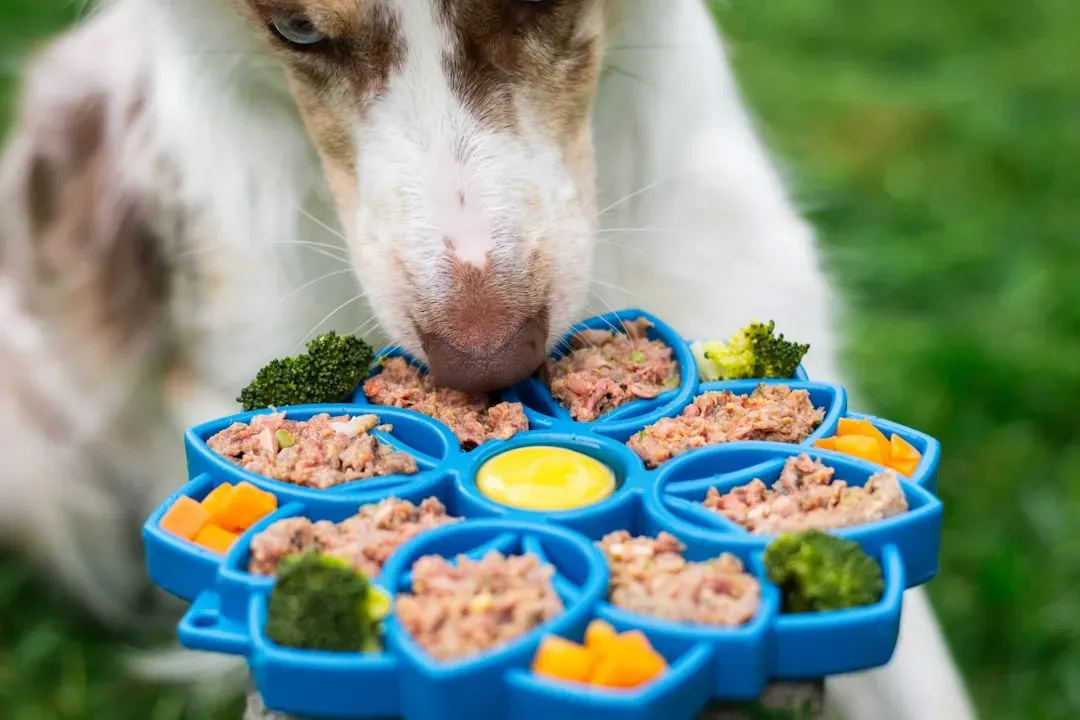
Nutrition is one of those areas where a lot of well-meaning dog owners are still running on outdated information. Feeding a seven-year-old Lab the same food as a two-year-old Lab is a bit like making a marathon runner and a retired grandparent eat identical meals. The needs are just different.
Senior dogs often need fewer calories but more nutrients to maintain muscle and support joint health. Talk to your vet about switching to a senior-specific formula. Senior dogs require nutrient-dense food that supports joint function, digestion, and immune health. Choose formulas rich in omega-3 fatty acids, antioxidants, and moderate protein.
Omega-3 fatty acids, found in sources like fish oil and flaxseed, are known for their anti-inflammatory properties. Dogs with arthritis can benefit from omega-3 supplements as part of their diet to reduce joint pain and stiffness. These fatty acids not only lower inflammation but also improve overall joint flexibility.
Older dogs burn fewer calories, so reducing excess fat intake helps prevent obesity, a major cause of mobility and heart issues. Transitioning gradually to a senior diet keeps their digestive system stable and ensures they enjoy their meals. Let’s be real, a dog who enjoys mealtime is a happier dog overall.
Keep Them Moving With Low-Impact Exercise
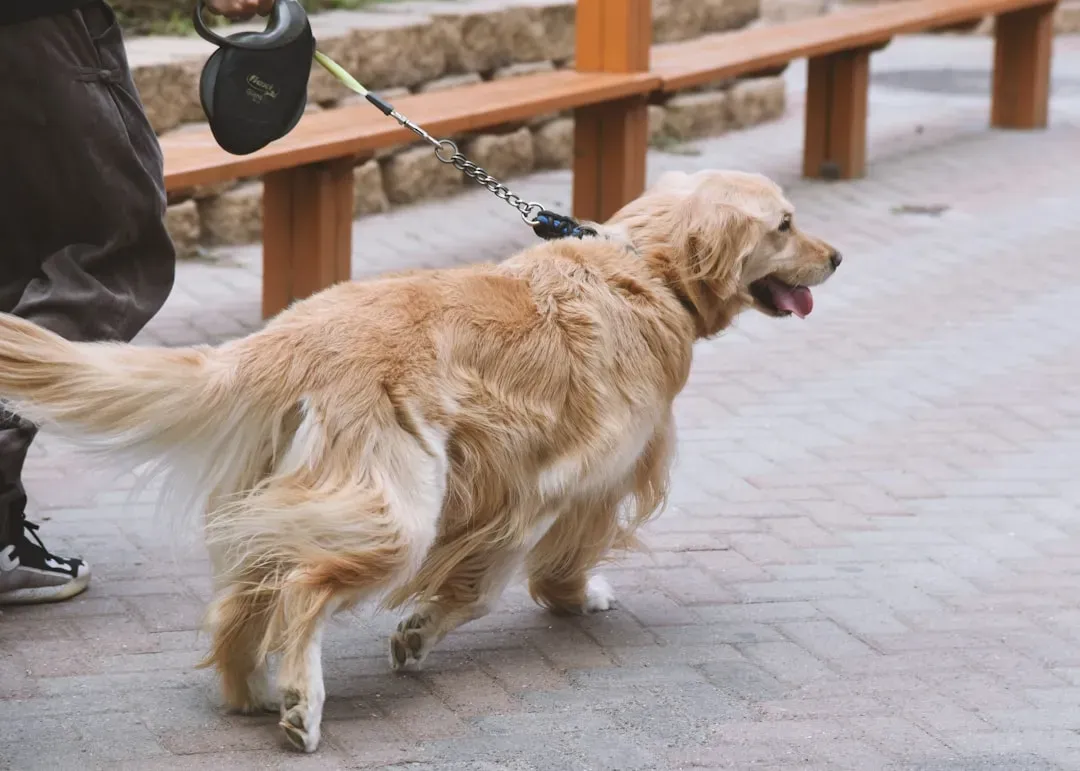
Here’s a myth that needs to go: senior dogs don’t want to exercise. Not true at all. Many people think that when a dog becomes older, they’ll no longer want to play or might not have the energy. This couldn’t be further from the truth. Their relationship with their owner becomes even more important to them, and time spent interacting through age-appropriate play becomes vital for keeping them healthy and happy.
Low-impact exercises such as walking, swimming, or gentle play can help maintain muscle tone, joint flexibility, and overall wellbeing. Always be mindful of your dog’s limitations and adjust the intensity and duration of exercise accordingly. For example, instead of taking one 30 to 40-minute walk per day, walking 15 to 20 minutes twice a day is a gentler option many senior dogs handle beautifully.
Low-impact exercises like gentle walks, swimming, and stretching help to keep joints lubricated without placing too much strain on them. Swimming, in particular, is a fantastic option because it’s easy on the joints and allows for full-body movement. If your dog has access to a safe, shallow body of water or a canine hydrotherapy pool, it’s worth trying.
Support Their Joints Proactively, Not Reactively
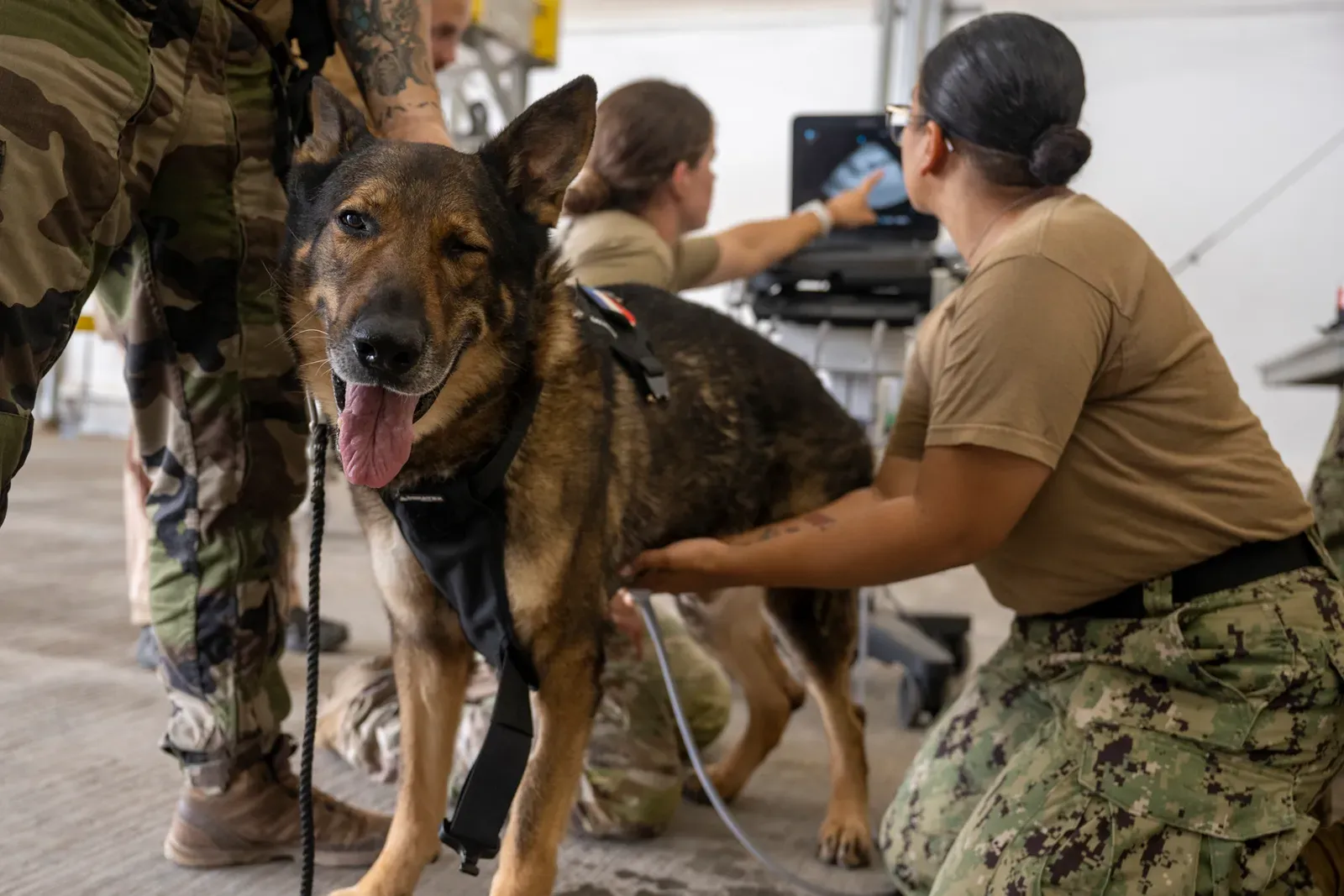
Most dog parents don’t think about joint health until their dog is already limping or struggling to stand up. I get it, you’re busy and your dog isn’t complaining out loud. Stiffness, slow movement, or difficulty getting up can be early signs of arthritis or discomfort that are easy to miss until the problem is more advanced. Watch for these subtle shifts.
Natural supplements like glucosamine and chondroitin can improve joint health in dogs. Taken regularly, they may alleviate inflammation and promote healing and health in your dog’s joints, reducing the severity of osteoarthritis. Introducing supplements early, even before symptoms appear, can slow cartilage breakdown.
Glucosamine supplements, orthopedic bedding, and ramps can make a huge difference in comfort and mobility for dogs who are already experiencing stiffness. You can also raise food and water bowls slightly so your dog doesn’t have to strain their neck and shoulders during meals. These tweaks are small but they add up in a big way.
Prioritize Dental Health Before It Becomes a Crisis
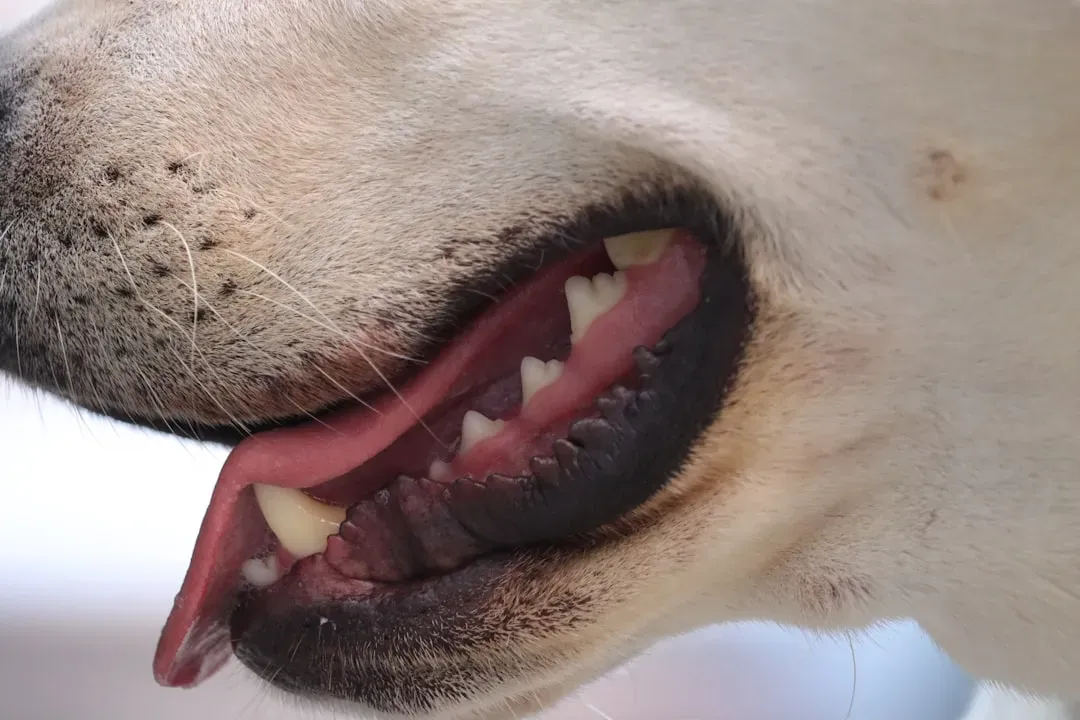
Dental care is probably the most overlooked aspect of senior dog health, and that honestly surprises me every time. Dental issues are common but often overlooked in senior pets. Plaque buildup can lead to gum disease, pain, and infections that affect internal organs. Yes, your dog’s teeth can affect their heart and kidneys. That’s not a small thing.
Older dogs are still prone to dental and periodontal disease, so dental care remains extremely important as they age. Left untreated, it can lead to gum inflammation, tooth loss, or infections that affect overall health. Watch out for warning signs like bad breath, excessive drooling, bleeding gums, or a sudden change in eating habits.
Brush your dog’s teeth regularly using pet-safe toothpaste, and schedule professional cleanings when necessary. Dental treats can also reduce tartar buildup while providing a tasty reward. Even brushing just a few times a week is far better than never. Think of it as an investment in their whole-body health.
Stimulate Their Mind to Slow Cognitive Decline
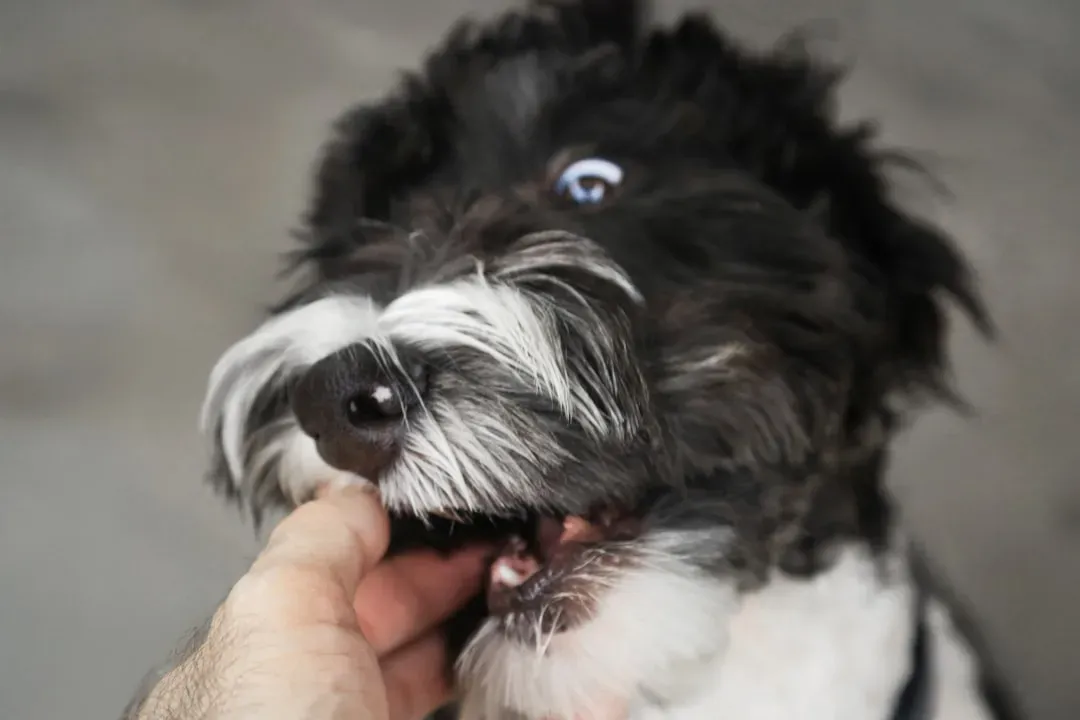
Did you know dogs can develop something very similar to dementia? A dog forgetting routines or wandering aimlessly could be showing signs of Canine Cognitive Dysfunction (CCD), sometimes likened to doggy dementia. Medications and enrichment activities can help. It’s more common than most people expect, and early mental stimulation can genuinely make a difference.
Keeping your dog’s brain active is just as important as physical exercise. Puzzle toys, scent games, and new tricks keep cognitive functions sharp and prevent boredom. Interactive play strengthens your bond and encourages curiosity. Even a daily change of scenery, like a new walking route, can offer fresh mental stimulation.
Dogs have about 300 million olfactory receptors in their noses. Even in their senior years, their sniffer is still their superpower! Scent-based games like hiding small treats around the house or using snuffle mats are genuinely excellent mental workouts for older dogs. Simple, fun, and completely free.
Schedule More Vet Visits and Stay Ahead of Problems
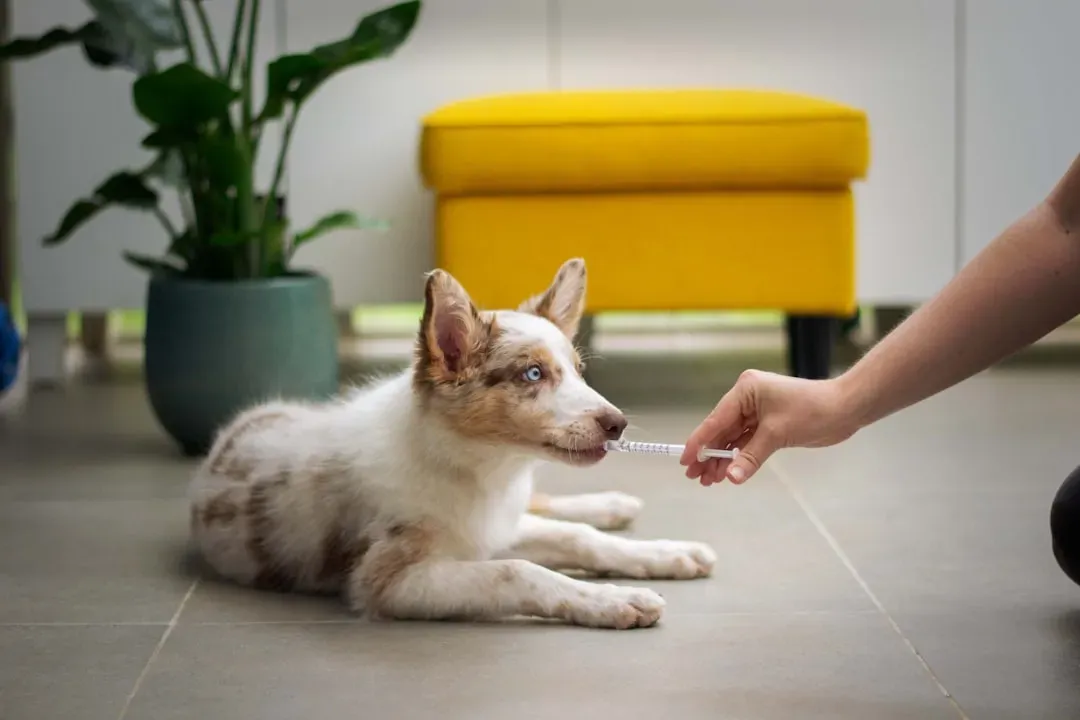
Here’s the thing about senior dog health: the issues that matter most often sneak up quietly. Blood work to assess organ function becomes increasingly important as kidney and liver issues often develop silently in aging dogs. By the time visible symptoms appear, the condition is often already advanced. Regular screenings change that story entirely.
Veterinarians recommend scheduling check-ups twice yearly for senior dogs, rather than the annual visits sufficient for younger dogs. These bi-annual veterinary visits serve as crucial prevention tools. Senior dogs are more prone to age-related conditions such as arthritis, diabetes, heart disease, and dental problems. Frequent wellness exams allow your veterinarian to detect changes early, update vaccinations, and recommend lifestyle adjustments.
Monitor behavior changes since subtle signs may indicate health concerns. Provide extra affection and patience, as older dogs may become more anxious. You know your dog better than anyone. Trust your gut. If something feels off, even if you can’t quite name it, it’s always worth a call to your vet.
Conclusion: Love Them Differently, Love Them Deeply
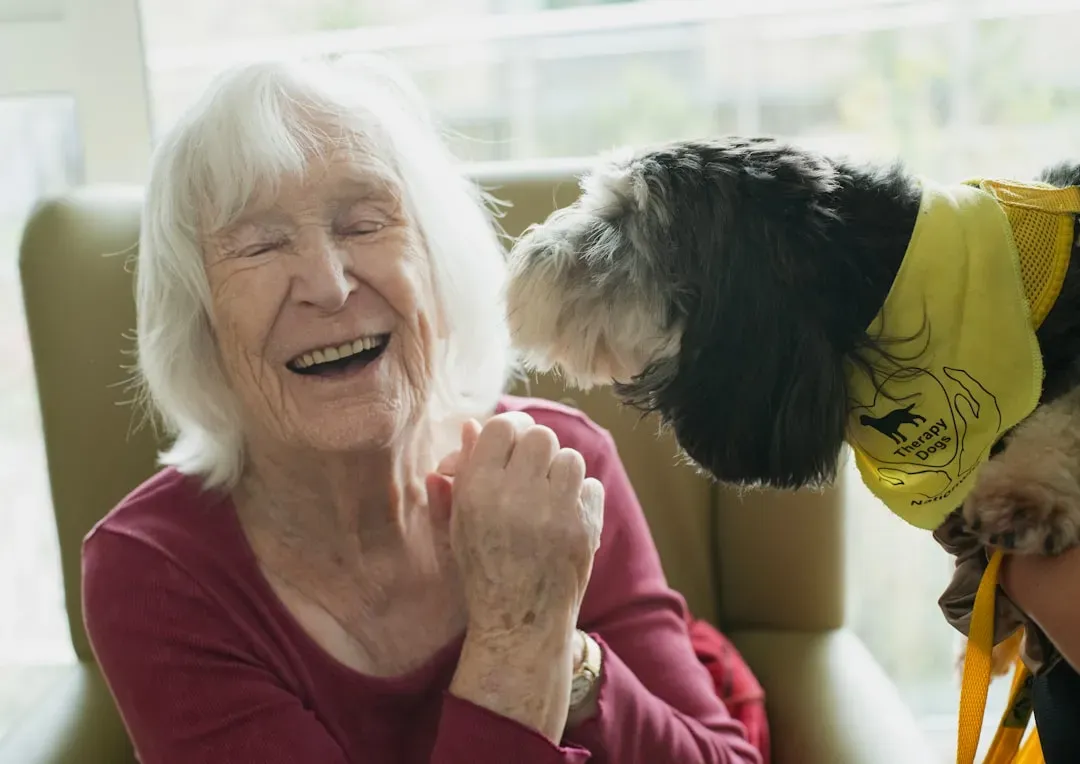
Caring for a senior dog isn’t about dreading the clock. It’s about leaning into one of the most meaningful relationships in your life with even more intention and tenderness. Caring for a senior dog is a journey rich with meaningful rewards. By tuning into their evolving needs, including gentler exercise, cozy home modifications, and ongoing mental stimulation, you create opportunities for comfort and joy.
The gray muzzle, the slower pace, the extra naps – none of that means the joy is gone. It means your dog is trusting you to meet them where they are. Age is not a disease. Although senior pets may develop age-related problems, you can help your pet live a happy, healthy, and active life in their senior years by providing for their physical, mental, and health care needs.
So whether your dog is just entering their senior chapter or well into their golden years, every small change you make matters enormously. They’ve given you years of unconditional loyalty. Now it’s your turn. What’s the first change you’re going to make for your senior pup today?


