

There’s something bittersweet about watching your dog grow older. Those boundless puppy years feel like yesterday, yet here they are with a graying muzzle and a slower gait. The truth is, aging doesn’t mean the end of the good times. It just means the good times look a little different now.
Senior dogs are special. They’ve earned their place on the comfiest spot on the couch. Yet they still deserve more than just rest. They deserve joy, comfort, connection, and purpose. Getting older doesn’t mean life gets boring for your pup. In fact, with the right approach, you can make these years some of the most fulfilling yet.
So let’s dive into the ways you can transform your dog’s golden years into something truly wonderful.
Keep Those Vet Visits Coming More Often Than You Think
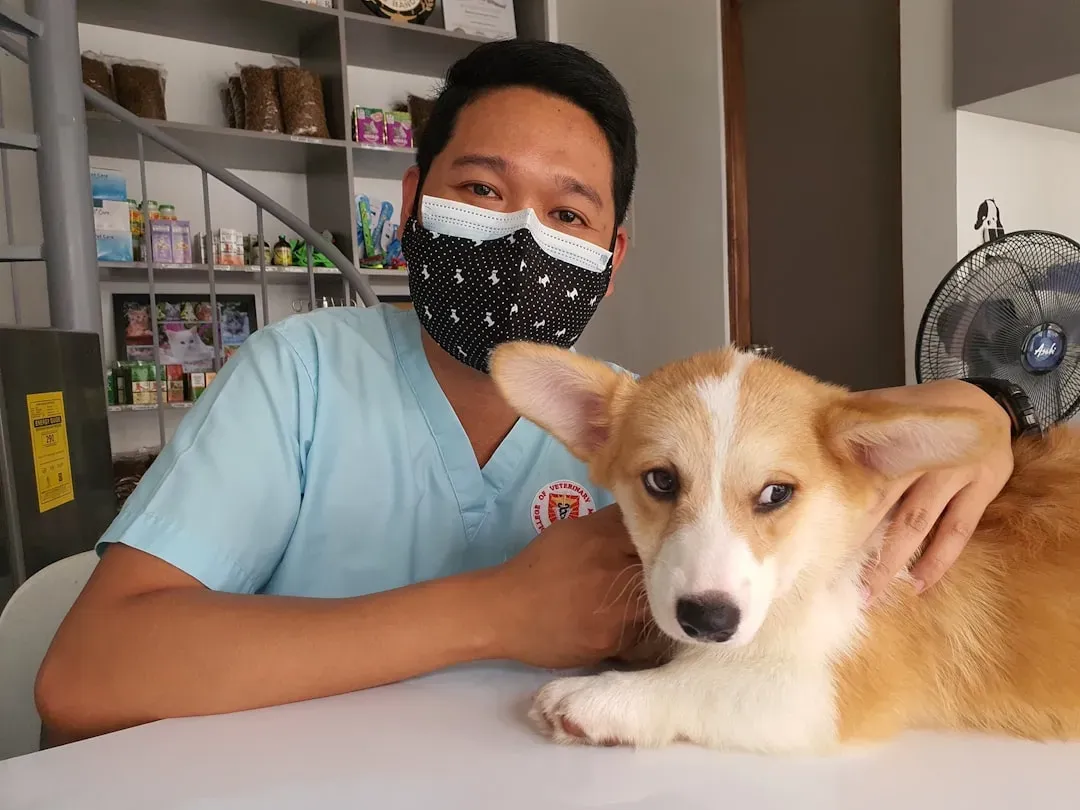
Twice-yearly veterinary checkups are essential for senior pets since their health status can change rapidly, making it important for a veterinarian to assess your pet every six months. Think about it this way: six months in a senior dog’s life is like several years for us. Things can shift fast.
Senior pets need to see a veterinarian twice a year or more so signs of illness can be found early, and these exams may include dental care, bloodwork, and specific checks for aging-related diseases. These aren’t just quick check-ins. Your vet is looking for subtle signs of kidney disease, heart issues, arthritis, or even cognitive changes that you might not notice at home. Catching these early isn’t about extending life at any cost. It’s about preserving quality of life.
Let’s be real, most of us don’t want to take our dogs to the vet that often. It can feel like overkill when they seem fine. Yet so many conditions sneak up quietly. Your dog won’t complain about the dull ache in their joints or the exhaustion from an underactive thyroid. Regular checkups act as your safety net, giving your pup the best shot at comfortable, happy years ahead.
Feed Them Like the Wise Elder They Are
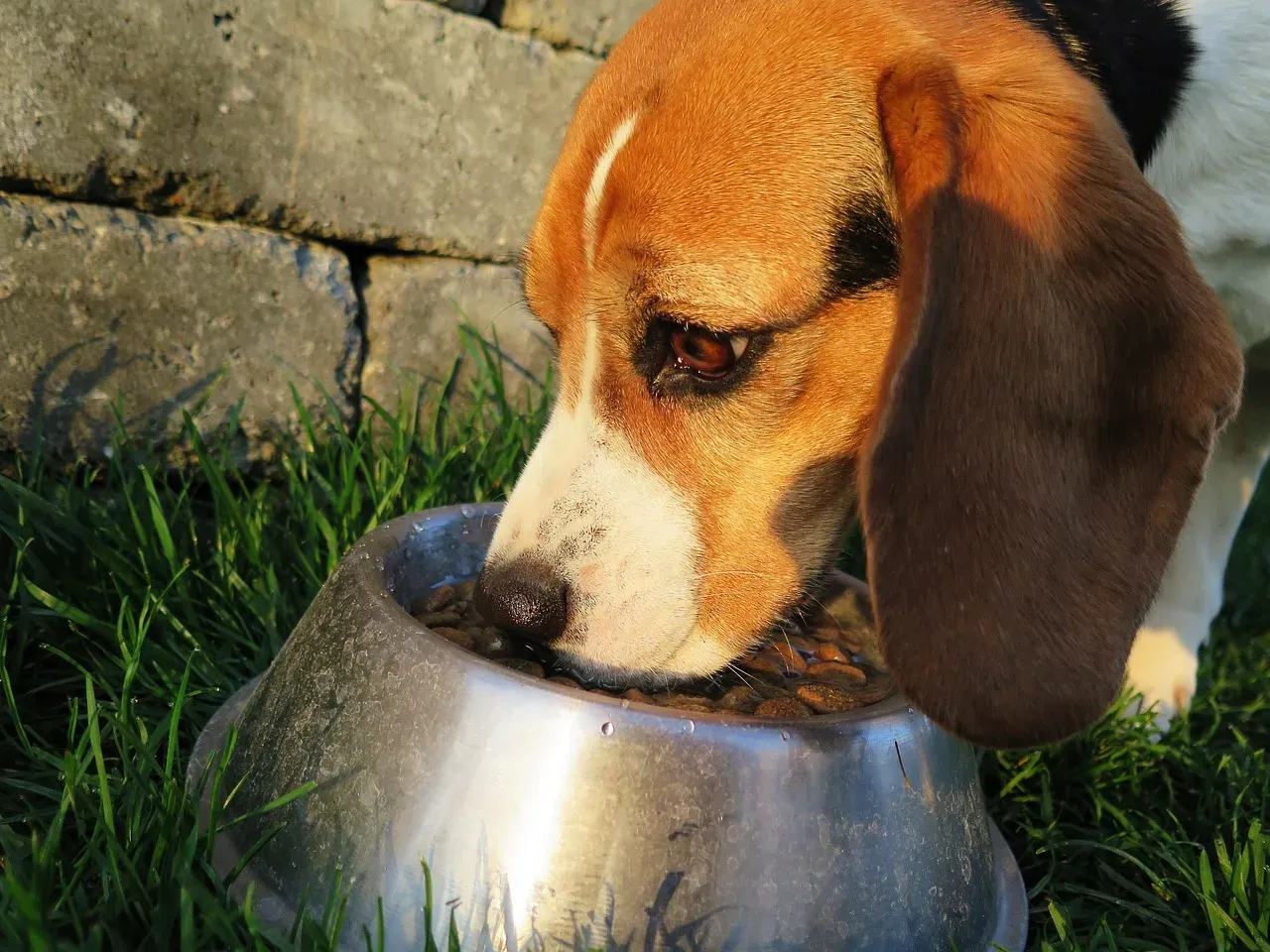
Senior pets often need foods that are more easily digested, provide different energy levels and ingredients, and contain anti-aging nutrients. Your dog’s metabolism slows down as they age, which means they don’t burn calories like they used to. Continuing to feed them the same portions or the same food formula from their younger days can lead to unhealthy weight gain.
There is no true reason to feed a senior diet unless there are noted problems such as lean body wasting, arthritis or obesity, since these conditions all require different approaches to nutrition. Talk to your vet about whether a senior-specific food is right for your dog. Some dogs maintain muscle mass beautifully and don’t need much adjustment. Others might need higher protein to combat muscle loss or joint-supporting ingredients like glucosamine and chondroitin.
I think one of the smartest things you can do is pay attention to your dog’s body condition. Can you feel their ribs easily but not see them sticking out? That’s the sweet spot. Treats still matter, so swap out the fatty snacks for low-calorie options like carrots or green beans. Your dog won’t mind, honestly. They just want to be included in snack time.
Move Their Bodies Gently but Consistently
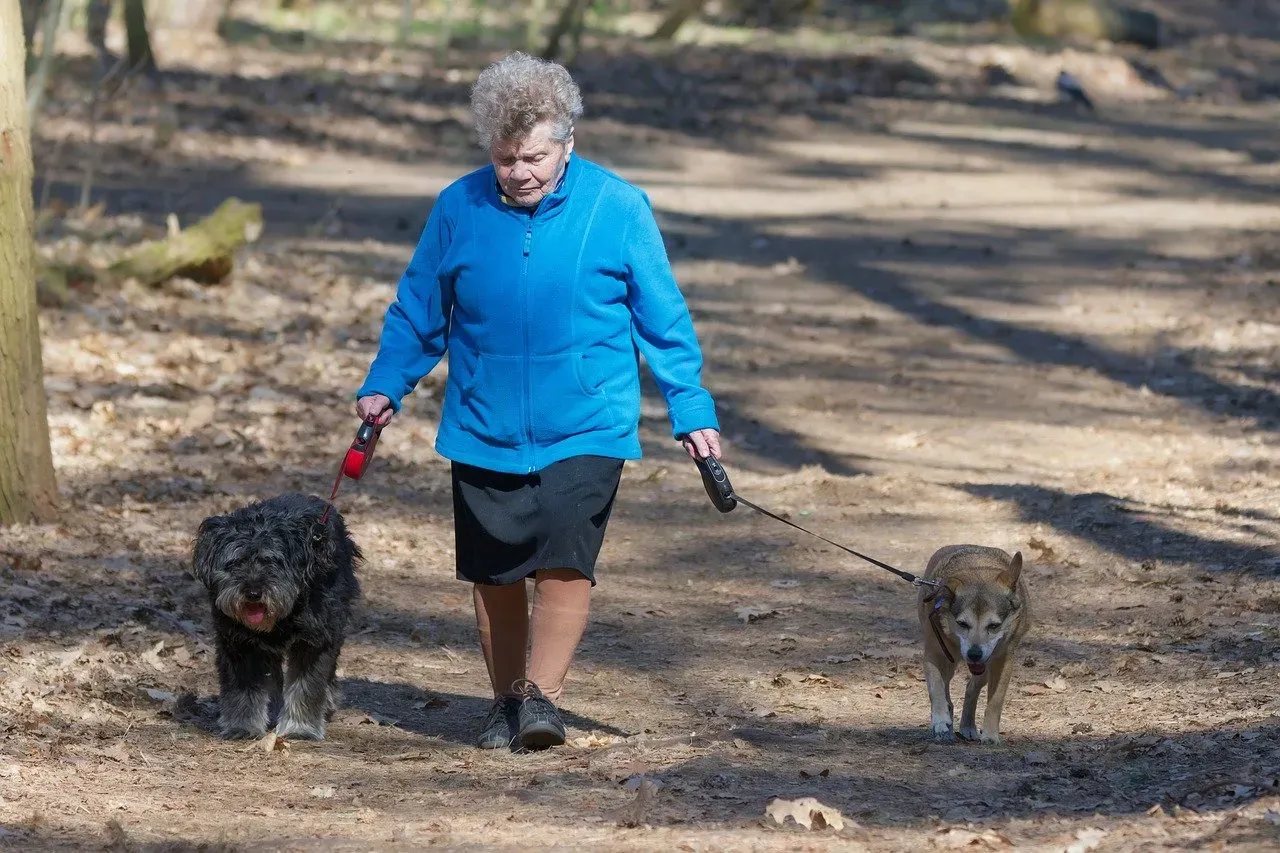
Dogs with hip arthritis that exercised for more than 60 minutes per day had lower lameness scores than dogs that exercised less than 20 minutes per day, supporting an active lifestyle for dogs with arthritis. Exercise isn’t optional for senior dogs. It’s medicine. Movement keeps joints flexible, muscles strong, and minds sharp.
Low-impact exercises such as walking, swimming, or gentle play can help maintain muscle tone and joint flexibility, and instead of one long walk, try splitting it into two shorter walks like 15 to 20 minutes twice a day. Swimming is a gift for arthritic dogs because the water supports their weight, making movement almost effortless. If your dog loves the water, make it a regular part of their routine.
Here’s the thing: you have to watch your dog closely. Some days they’ll feel great. Other days, not so much. Adjust accordingly. Short, frequent walks beat one exhausting trek. Avoid high-impact activities like jumping or rough play at the dog park. Those quick twists and turns can wreak havoc on aging joints.
Make Home a Haven for Aching Joints
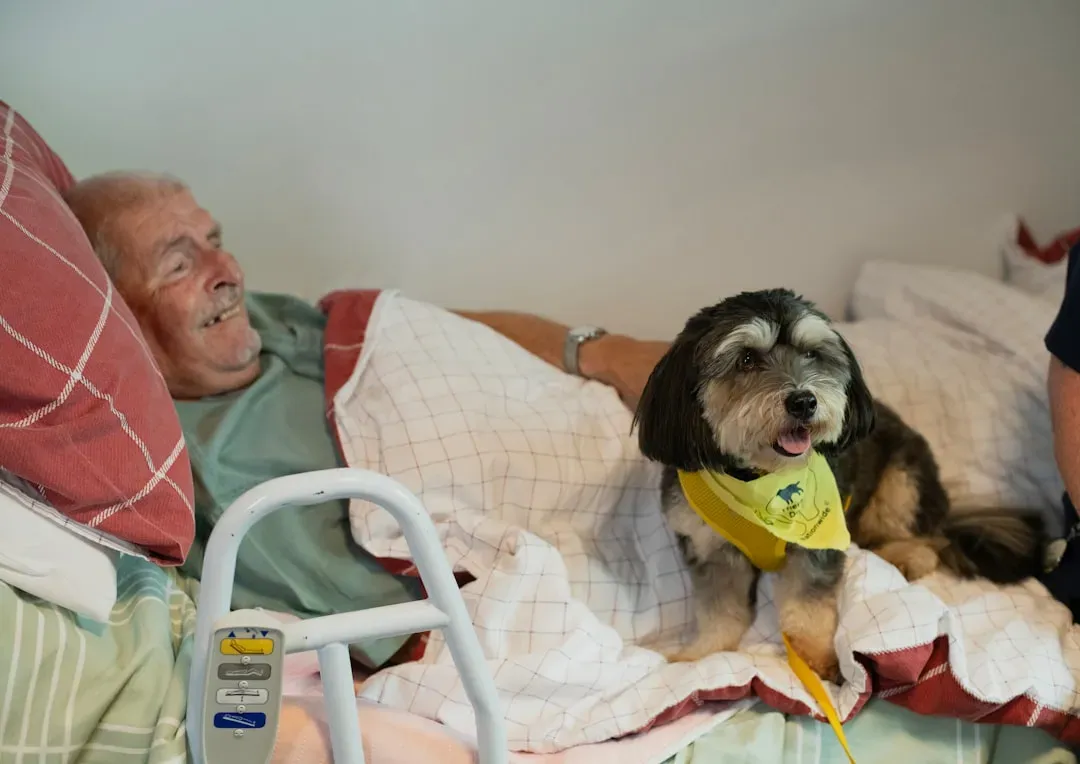
Senior dogs deal with stiffness, soreness, and reduced mobility. Simple changes around your home can make a world of difference. Orthopedic beds are worth every penny. They cushion joints and provide support that a regular bed just can’t match.
Seniors, particularly those with arthritis, may find it difficult or painful to climb stairs. If your dog struggles with stairs, consider using ramps or blocking off access to prevent injury. Non-slip rugs on hardwood or tile floors give them confidence to walk without slipping. Elevated food and water bowls reduce strain on their neck and shoulders during meals.
Think about temperature too. Senior dogs may struggle more than younger ones to regulate their temperature, so it’s important to take extra care on very cold or very hot days. A cozy sweater in winter or a cooling mat in summer keeps them comfortable. Little adjustments add up to big improvements in daily comfort.
Keep Their Brains Buzzing with Purpose
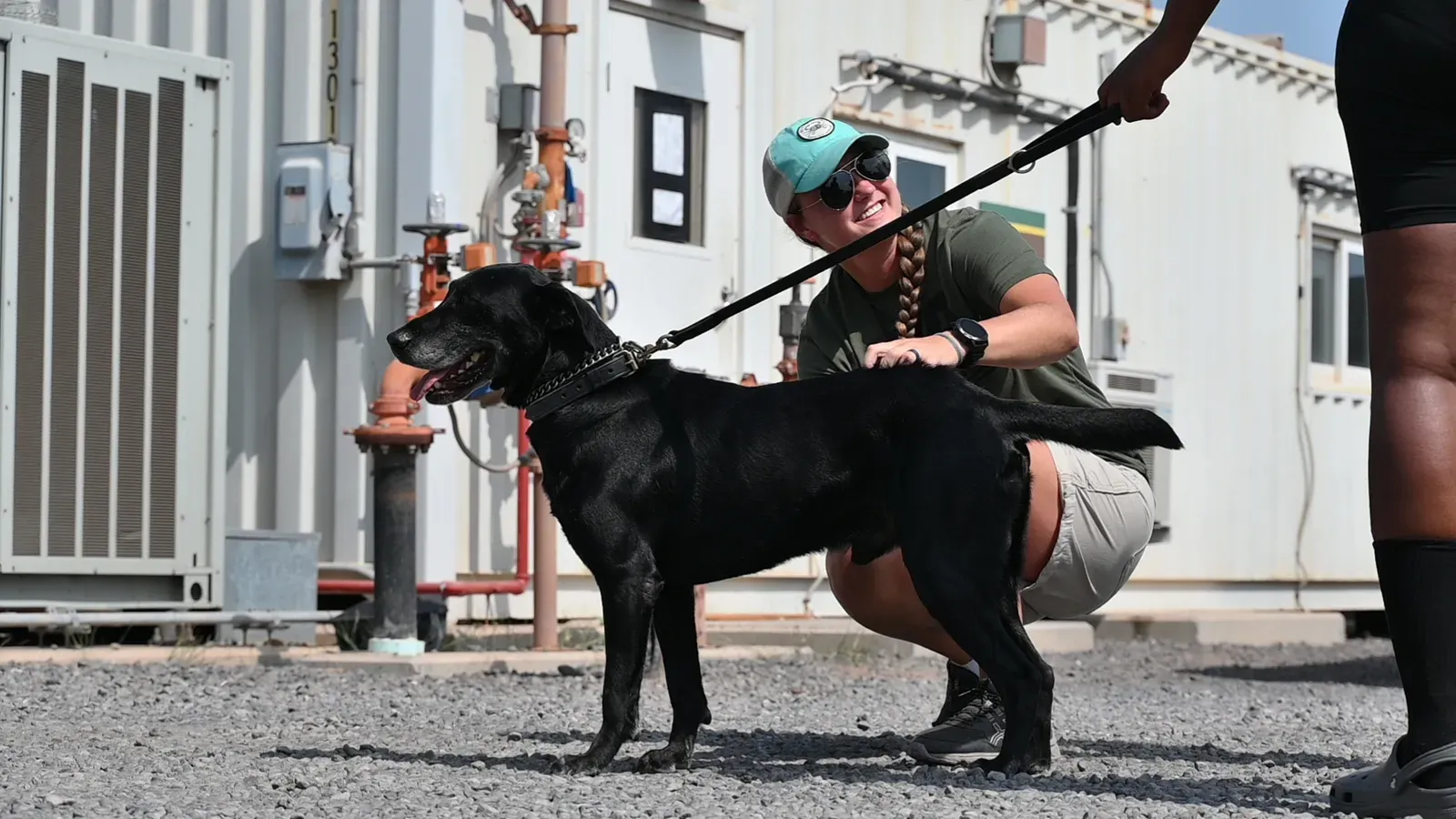
Senior dogs are at the highest risk for developing cognitive dysfunction, with 28% of dogs aged 11 to 12 affected, and 68% of dogs 15 to 16 years old showing signs. Mental decline is real, yet it’s not inevitable or irreversible in every case. You can slow it down.
Cognitive enrichment may improve your dog’s brain function, consisting of exercise, social interactions, providing new toys, and teaching new commands. Yes, you can teach an old dog new tricks. In fact, you should. Learning keeps neurons firing and brains engaged. Try puzzle toys, sniff games, or even just hiding treats around the house for them to find.
Routine matters, yet so does novelty. Keep meal times and walks predictable, but toss in new experiences too. A different walking route exposes them to fresh scents and sights. Honestly, their nose is their superpower. Let them sniff to their heart’s content. It’s mentally stimulating and deeply satisfying for them.
Watch for the Quiet Signs of Cognitive Decline

Research shows that over 60% of dogs older than 11 years show at least one sign of cognitive decline, yet many families assume these symptoms are just old age. Recognizing the signs early helps you intervene sooner. Look for changes like confusion, disorientation, pacing at night, or forgetting familiar people or routines.
The DISHAA assessment guide helps track symptoms of declining mental capacity, covering disorientation, interactions, sleep-wake cycles, house soiling, activity, and anxiety. If your dog starts having accidents indoors after years of being housetrained, or wanders aimlessly without purpose, these could be red flags. They might stare blankly at walls or get stuck in corners.
Drugs like selegiline may improve cognitive function by increasing dopamine levels, and diets rich in antioxidants, omega-3 fatty acids, and MCT oils support brain health. Treatment options exist. They won’t cure dementia, but they can slow progression and improve quality of life. Night lights help confused dogs navigate in the dark. Keeping them in familiar, smaller spaces reduces anxiety. Your patience and understanding become their anchor.
Spoil Them with Love and Presence
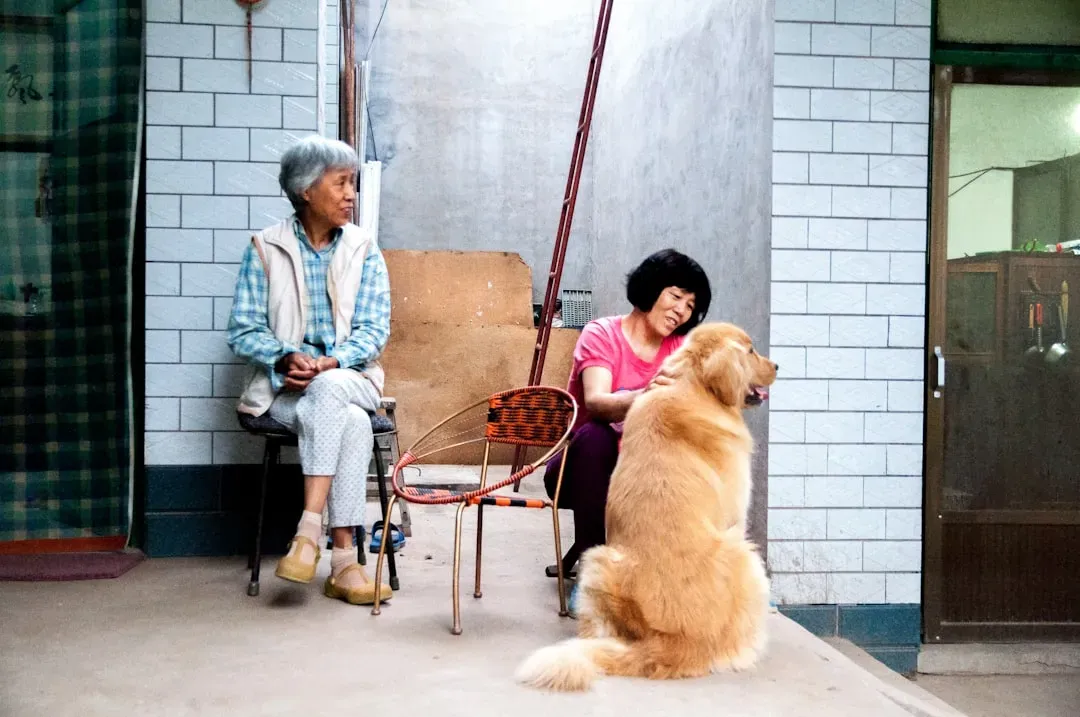
Even when your old dog doesn’t respond physically to your touch, voice, or presence, they need your companionship and attention for mental health and emotional well-being. Your presence matters more than you realize. Senior dogs crave connection. They want to be near you, even if they can’t play like they used to.
Gentle grooming sessions become bonding moments. Massage can ease stiff muscles and show them they’re still cherished. Spend time just sitting together. Let them rest their head on your lap. Those quiet moments mean everything to a dog who has given you years of loyalty and love.
Adjust your expectations without lowering your devotion. They might not fetch the ball anymore, but they’ll still light up when you walk through the door. They might sleep more, but they’ll still lean into your touch. Keep including them in family activities. Take them on car rides even if it’s just to the drive-through. Life is shorter for them now. Make every moment count.
Conclusion
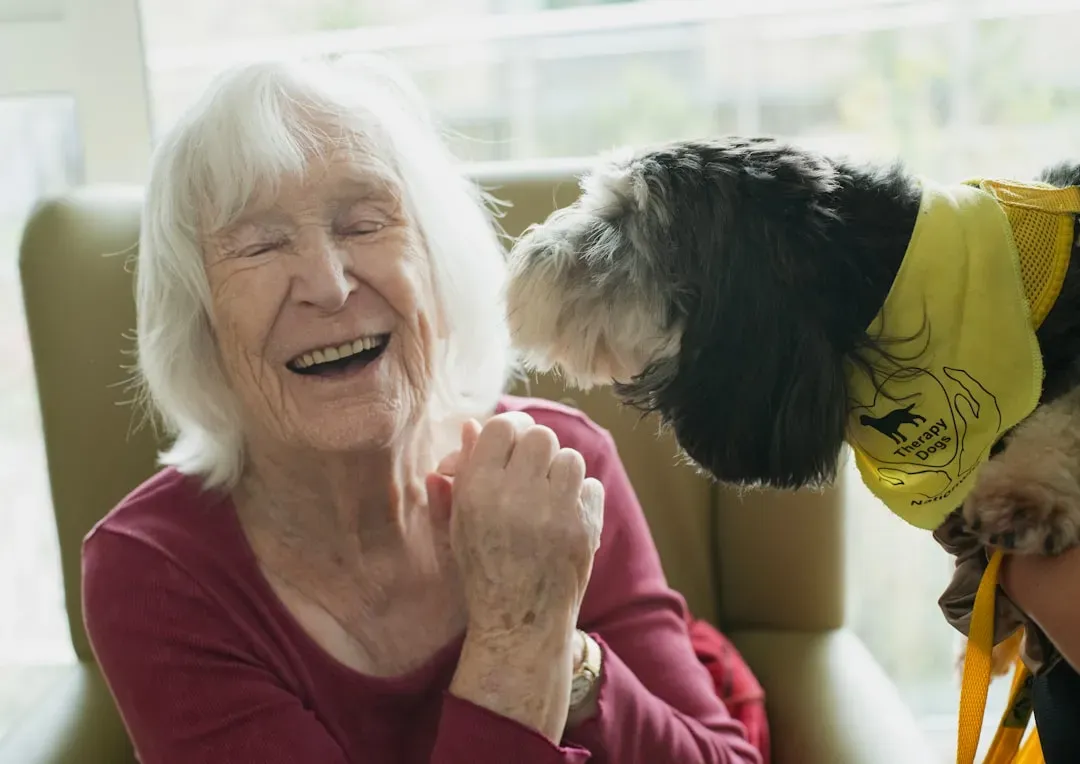
The senior years don’t have to be a slow fade into the background. With thoughtful care, your dog can thrive in ways that honor their age without diminishing their spirit. Regular vet visits, proper nutrition, gentle exercise, a comfortable home, mental stimulation, and your unwavering love create the foundation for a beautiful chapter.
These years are precious. Your dog has been there through so much of your life. Now it’s your turn to show up for them in the ways they need most. What small change will you make today to brighten your senior dog’s world?


