
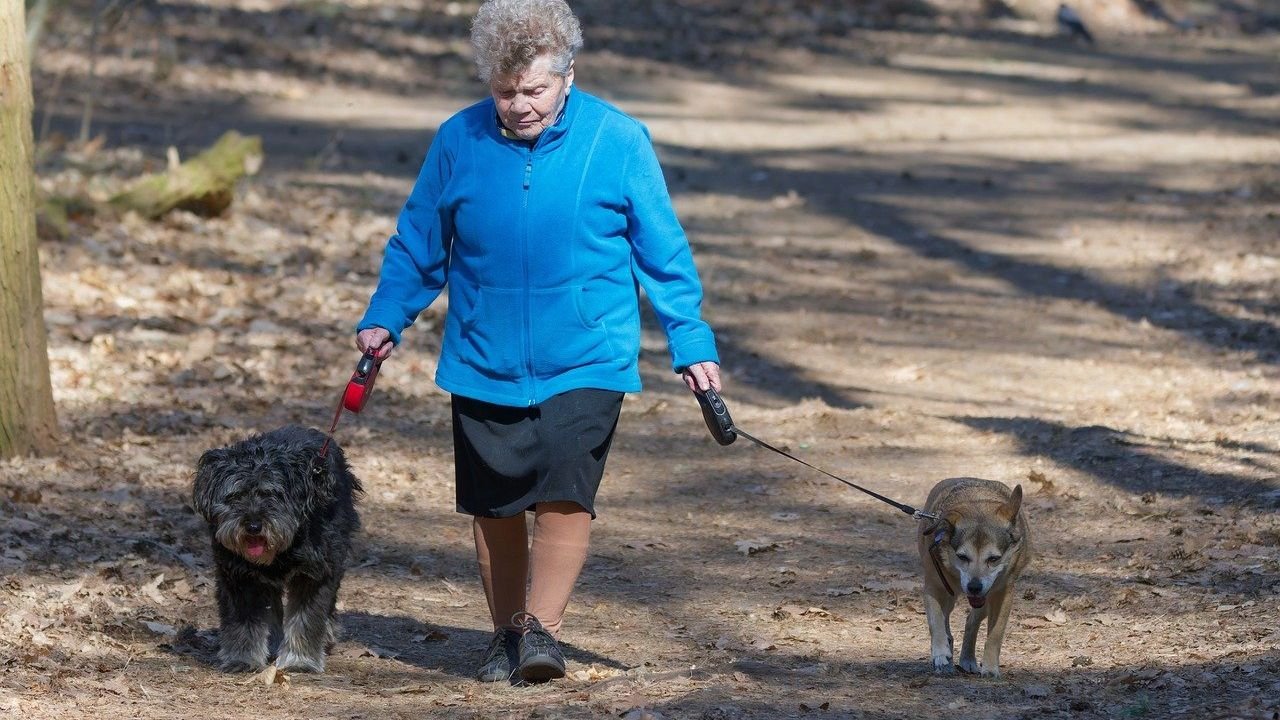
There’s something beautifully bittersweet about watching your dog grow older. The muzzle that slowly turns gray, the gentle slowness in getting up from their favorite sunny spot. These changes aren’t just milestones, they’re gentle reminders that your best friend needs you more than ever.
Maybe you’ve noticed your dog hesitating at the stairs or not chasing the ball quite as enthusiastically. Perhaps they’re sleeping more, or those bright eyes seem a little less sharp. It’s easy to feel helpless, isn’t it? The good news is that getting older doesn’t mean your dog’s best days are behind them. In fact, with the right care and attention, their senior years can be absolutely wonderful. Let’s dive into how you can make that happen.
Schedule Those Vet Visits Like Clockwork
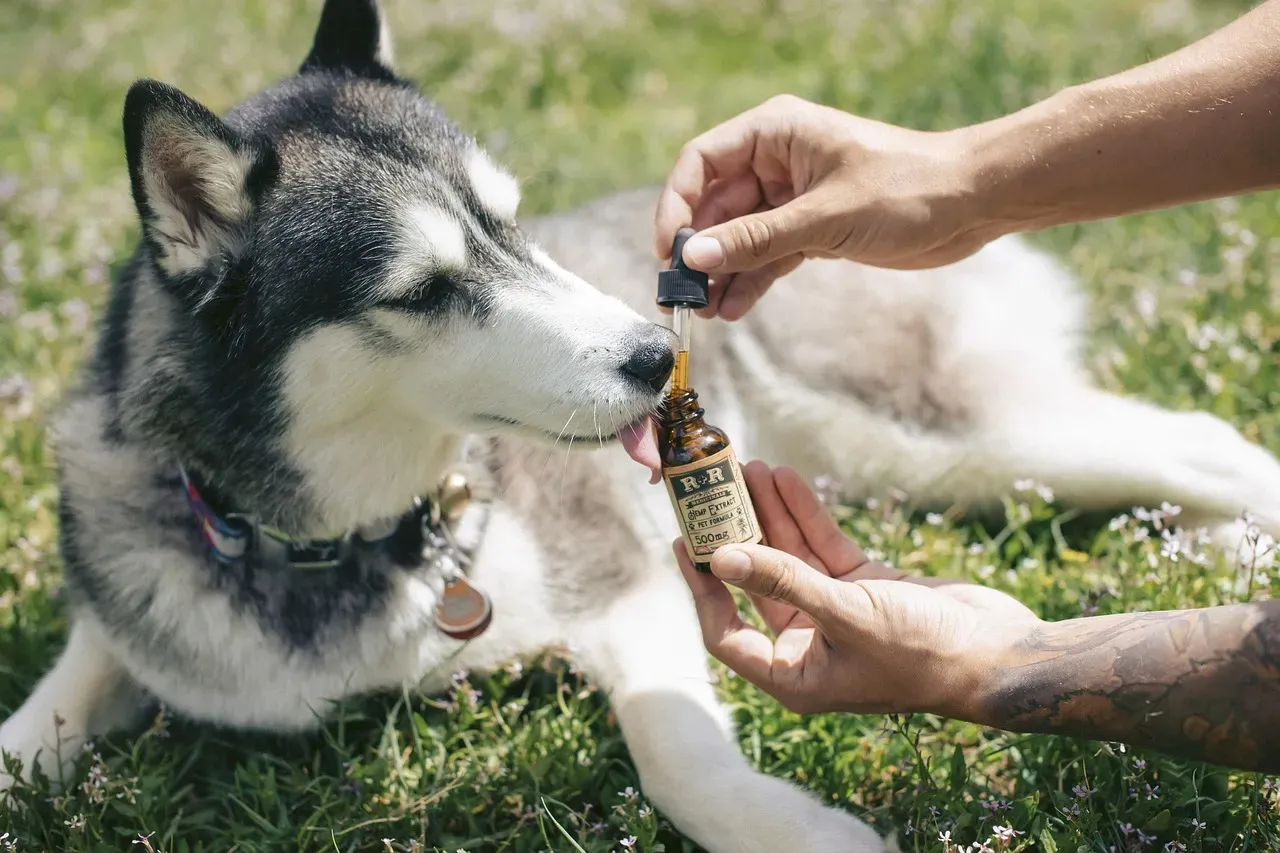
Senior dogs should see a veterinarian at least twice a year, and dogs over 10 years may benefit from quarterly visits for early disease detection. I know it sounds excessive, especially if your dog seems fine. Here’s the thing, though: dogs are masters at hiding discomfort.
Veterinarians monitor sudden changes in weight, dental health, changes in drinking or eating habits, your pet’s mobility, heart changes, and lab tests that can detect changes to kidney or liver function. These checkups catch problems before they become serious. Think of it this way: catching arthritis early means managing it with gentle interventions instead of dealing with chronic pain later. Early detection truly can extend your dog’s life and improve those extra years significantly.
Rethink Their Diet and Watch Their Weight
Senior dogs require 20 to 30 percent fewer calories than their adult counterparts due to decreased metabolism and activity levels. It might break your heart to cut back on treats, but trust me on this one. Studies show that even modest weight loss, just 6 to 8 percent of your dog’s body weight, can significantly reduce lameness and improve quality of life.
Extra pounds aren’t just about appearance. Body fat secretes inflammatory and pro-inflammatory hormones that contribute to chronic inflammation and painful joints. Consider switching to senior-specific food formulas that provide proper nutrition without excess calories. Diets rich in omega-3 fatty acids, specifically EPA and DHA, can help modify chronic joint inflammation and are great for older dogs with arthritis or cognition problems. Your vet can help you find the right balance, because some older dogs actually need more calories if they’re losing muscle mass or have a thin coat.
Keep Them Moving With Gentle, Regular Exercise
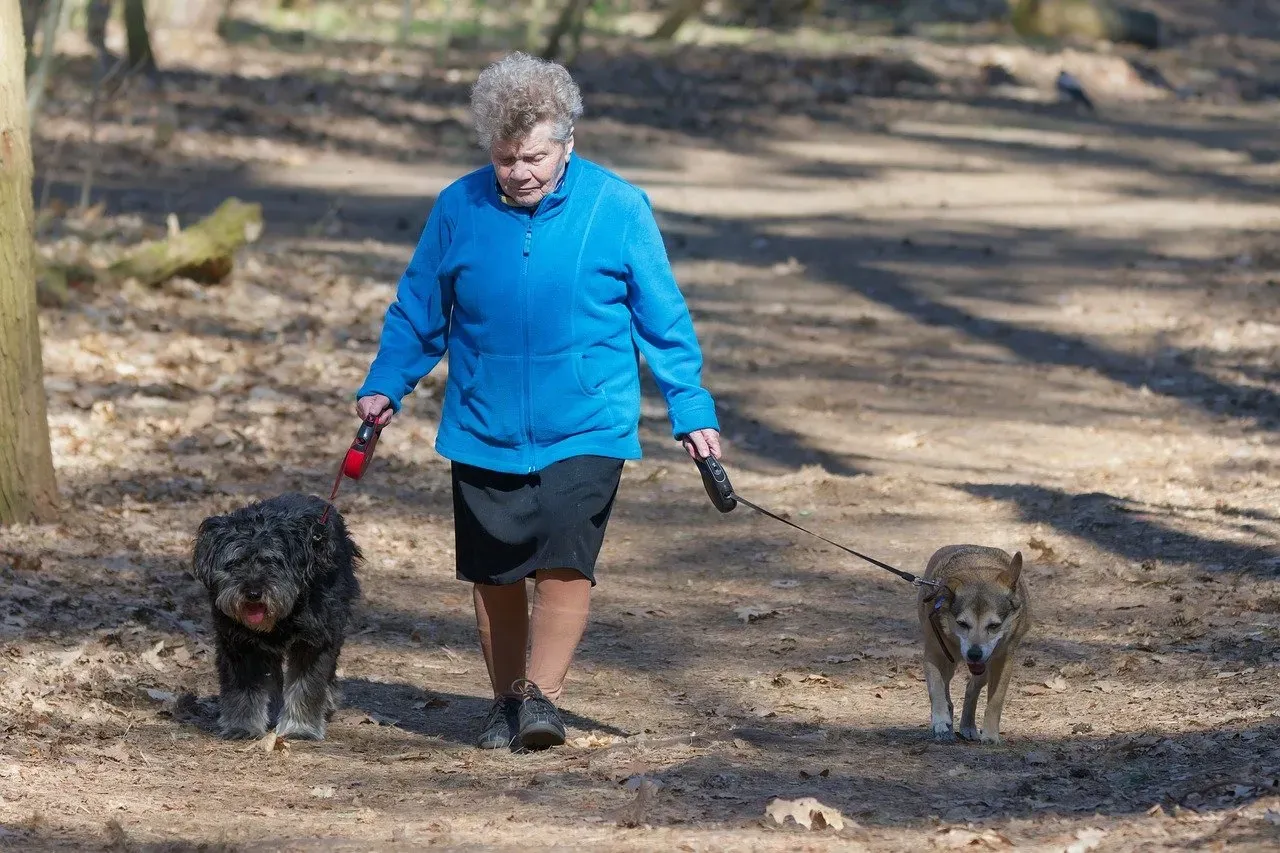
Let’s be real: your 12-year-old Labrador probably isn’t going to sprint after frisbees anymore. That’s okay. Exercise can help minimize loss of muscle and strength, decrease weight gain and obesity, and can help with joint pain and stiffness. The key word here is gentle.
Short, leisurely walks are perfect. Swimming is even better because the water takes pressure off aging joints while still providing resistance for muscle maintenance. Aim for at least 30 minutes of moderate-intensity exercise, which could include brisk walks or gentle jogs. Watch for signs of fatigue like excessive panting or slowing down. Some days will be better than others, and that’s completely normal. The goal isn’t to wear them out but to keep them engaged and physically active within their comfort zone.
Challenge Their Brain to Keep It Sharp
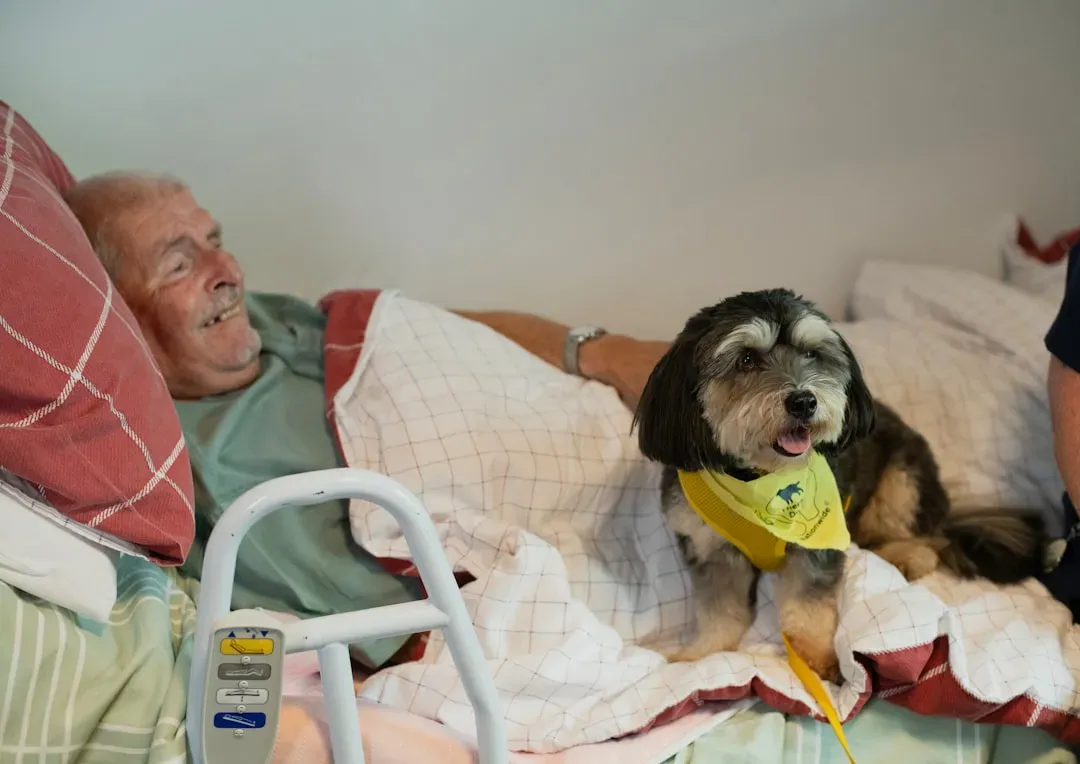
Nearly half of 14-year-old dogs and roughly two-thirds of 16-year-old dogs will show at least one marker of canine cognitive dysfunction. That’s a staggering number, honestly. Studies found that higher levels of physical activity were associated with better cognitive outcomes in dogs.
Engaging your dog’s mind can slow cognitive decline, keep them mentally alert, and interactive toys and games are a fantastic way to provide mental stimulation. Puzzle feeders that dispense treats are wonderful. Teaching new tricks works too, even for old dogs. Yes, you really can teach an old dog new tricks. Try varying your walking routes so they encounter new smells and sights. Hide treats around the house and let them sniff them out. Even 15 minutes of mental exercise can tire them out more than a 30-minute walk because it requires so much concentration.
Support Their Joints Before Pain Takes Over
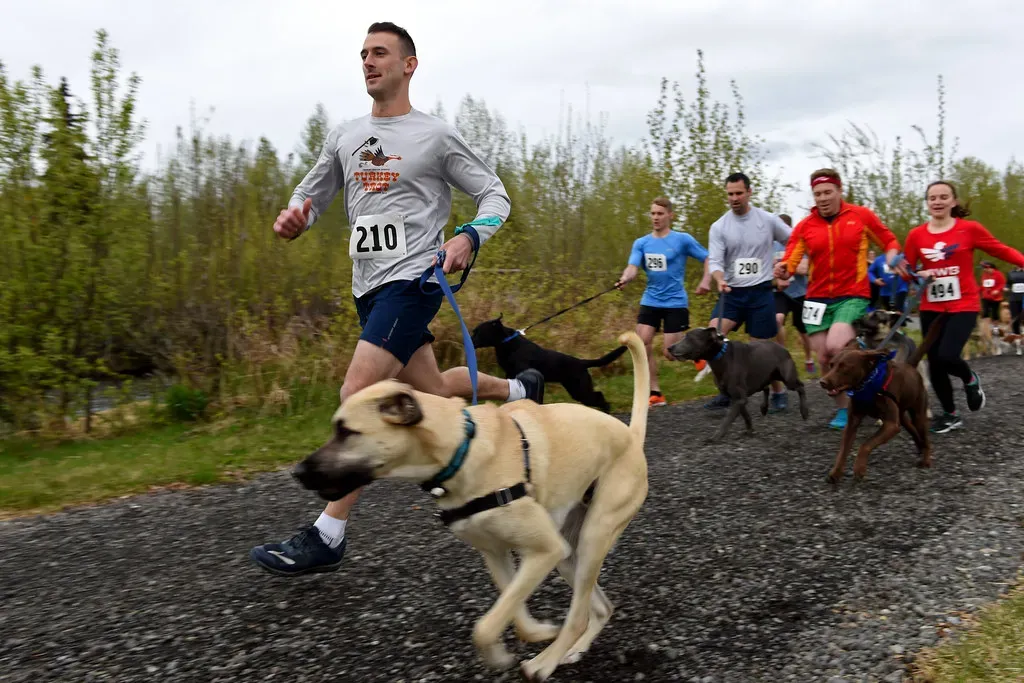
Approximately 40 percent of dogs up to four years of age have evidence of osteoarthritis on X-rays in one or more joints, though many dogs don’t show clinical signs of pain until they are older. This means joint problems have been developing silently for years. Glucosamine, chondroitin, and green-lipped mussel may help protect cartilage in the joints, and adding a joint supplement with these ingredients could help dogs return to normal functioning and are safe for long-term use in most patients.
Consider making physical changes around your home too. Orthopedic beds reduce pressure on joints. Pet ramps or stairs help them get on furniture or into the car without straining their hips and knees. Elevated food dishes can make eating more comfortable, especially for larger breeds. Keep their nails trimmed because long nails affect posture and movement. These small adjustments add up to major improvements in their daily comfort.
Don’t Neglect Those Pearly Whites
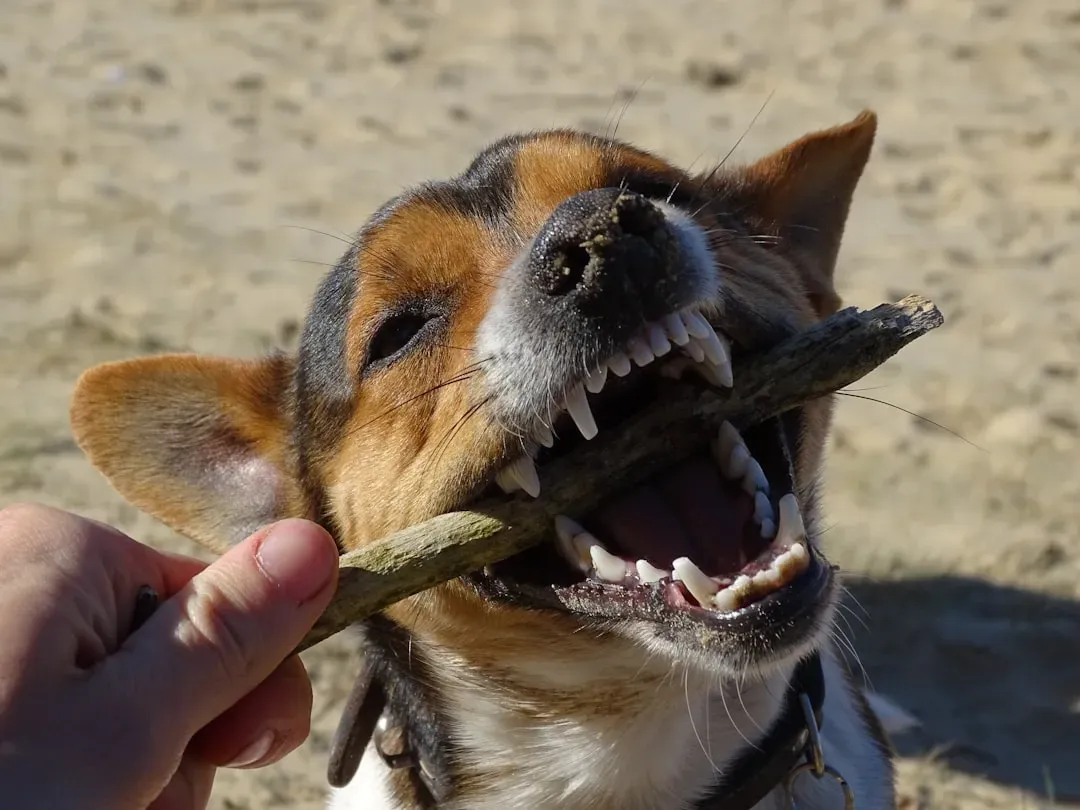
Senior dogs frequently experience dental problems, which can have a big effect on your pet’s quality of life. Bad breath isn’t just unpleasant, it’s a warning sign. Regular dental care, including brushing your dog’s teeth and dental cleanings under anesthesia, are important for keeping your dog comfortable and healthy, and dental disease and pain can be very subtle and difficult to determine without routine visits to your veterinarian.
Daily brushing is ideal, but even a few times a week makes a difference. Use dog-specific toothpaste and toothbrushes. Dental chews and water additives approved by your vet can help slow plaque buildup. Untreated dental disease causes pain that affects eating, mood, and overall health. It’s hard to say for sure, but I suspect many behavioral changes we attribute to aging are actually caused by dental pain that goes unnoticed.
Create a Comfortable, Adapted Environment
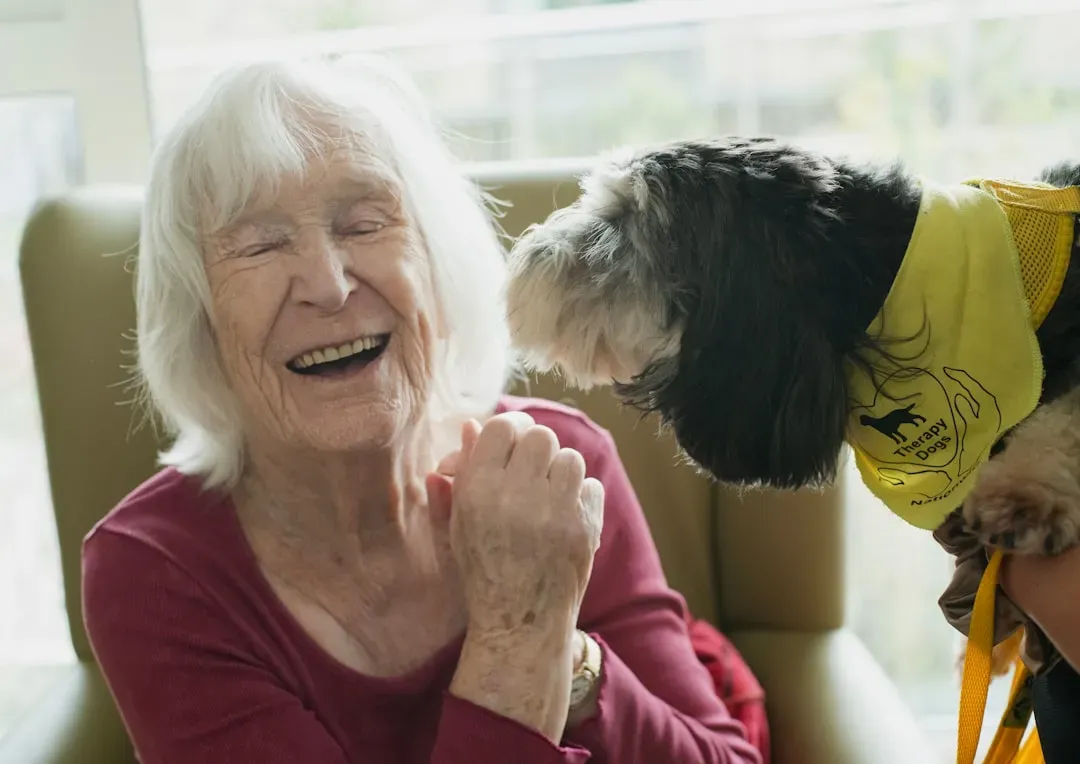
Older canines are more prone to heat and cold than younger ones, and if their fur is thin, they may need a jacket when it gets cold, plus their bed shouldn’t be in a drafty area in winter or in bright sunlight in summer. Small environmental tweaks can dramatically improve their quality of life.
Older dogs may have poor hearing or eyesight, so avoid sudden loud noises that startle them, and if your dog appears to be ignoring you, it could be because their hearing has deteriorated. Keep furniture arrangements consistent so they don’t bump into things if their vision is failing. Leave night lights on for dogs with poor eyesight. Give them a quiet resting spot away from household chaos where they can sleep undisturbed. These changes respect their changing needs and help them feel secure and comfortable in their own home.
Conclusion: Every Day Is a Gift
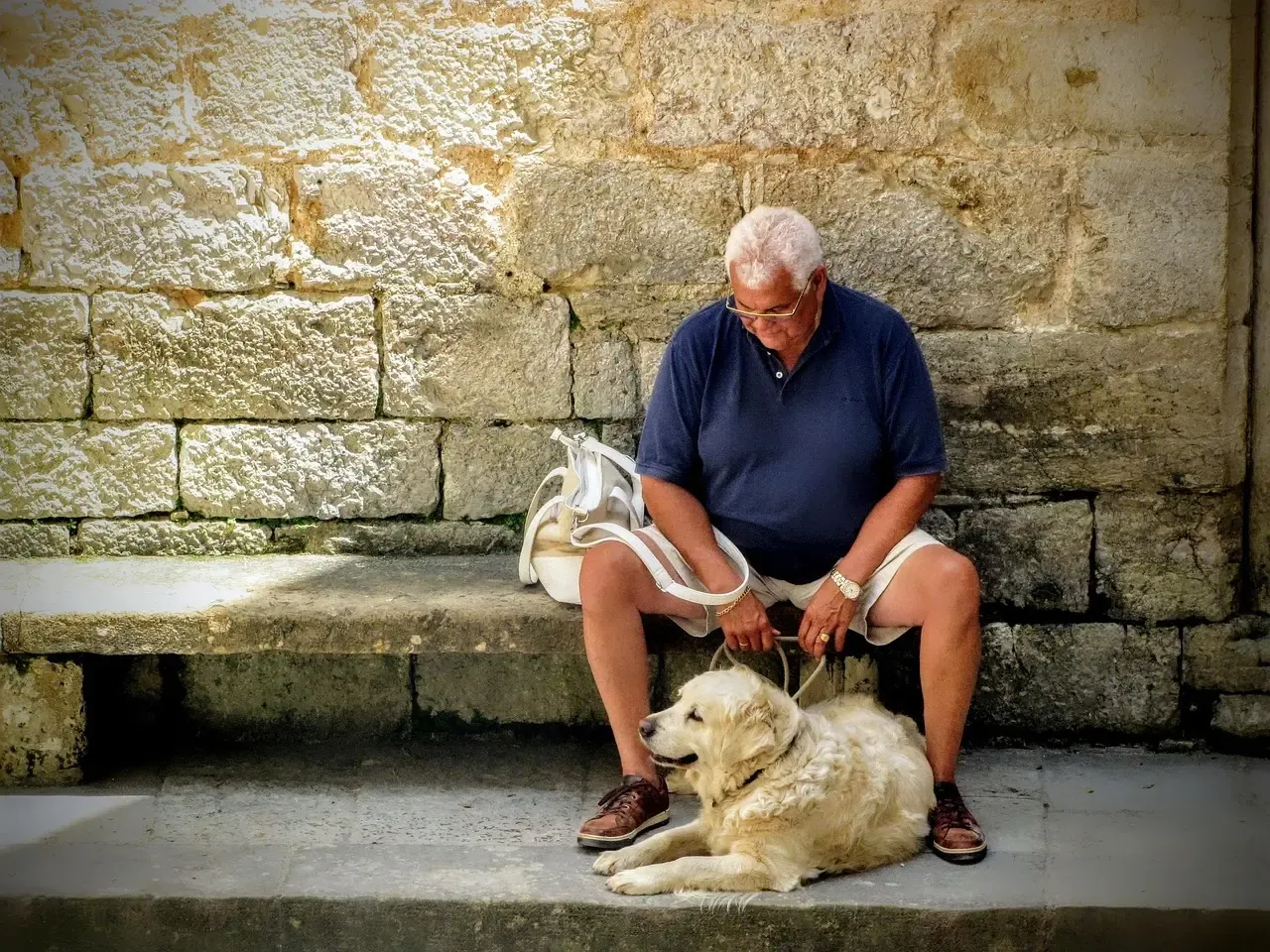
Watching our dogs age can be tough. Those gray whiskers and slower steps remind us that time is precious. Yet these senior years offer something special: a deepening of the bond you’ve built over a lifetime together. Your dog has given you years of unconditional love, boundless enthusiasm, and unwavering loyalty.
Now it’s your turn to give back. With regular vet care, proper nutrition, gentle exercise, mental stimulation, joint support, dental care, and a comfortable environment, you can make these golden years truly shine. Your senior dog deserves to feel loved, comfortable, and happy every single day. What changes will you make today to help your aging companion thrive? Tell us in the comments.


