

You know that moment when you catch your dog struggling to get up from their favorite spot, or when they hesitate before the stairs they used to bound up without a second thought? It hits different, doesn’t it? Watching our beloved companions slow down can feel heartbreaking. But here’s the thing I’ve learned after years of working with aging dogs: those golden years can still be absolutely beautiful. They just require a bit more intention, a lot more understanding, and some smart adjustments to keep our furry friends not just surviving, but truly thriving. Let’s talk about seven practical, genuinely helpful ways to make these precious years as comfortable and joyful as they deserve to be.
Create a Pain-Free Haven With the Right Sleeping Spot

A comfortable and supportive place to rest becomes even more important as dogs age, especially since most grey-muzzled canine patients have some degree of arthritis pain. Think about it like this: if you had achy joints, would you want to sleep on a hard floor? Exactly.
Providing a comfy bed, particularly orthopedic beds for older dogs, offers the added support they desperately need. Memory foam options work wonders because they contour to your dog’s body, taking pressure off those sore hips and shoulders. Maintaining your home at a steady, comfortable temperature matters too, since dogs losing large amounts of hair become more sensitive to temperature fluctuations, and avoiding wide variations increases their comfort. Position the bed away from drafts in winter and out of direct sunlight in summer. Your dog will thank you with better rest and less morning stiffness.
Make Movement Easier With Smart Home Modifications
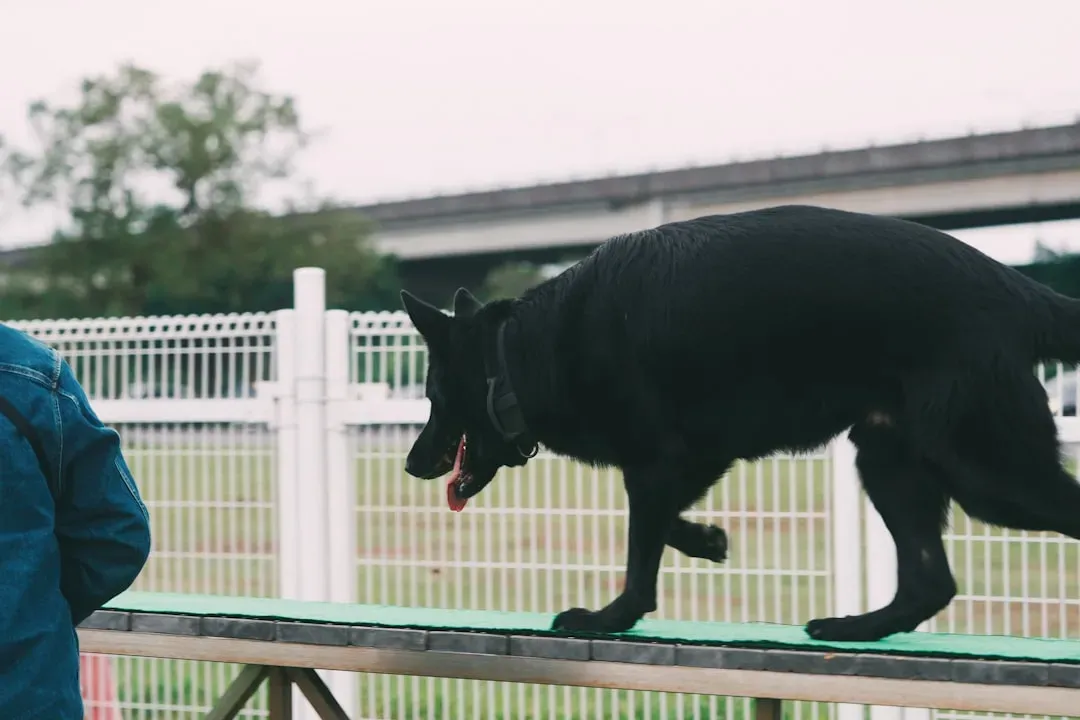
Honestly, the simplest changes can make the biggest difference. Non-slip flooring via rugs, yoga mats, or traction aids like toe grips reduces the risk of falls. Slippery floors become genuinely scary for dogs dealing with weakened legs or balance issues.
Simple changes like orthopedic pet beds, raised feeding platforms, and pet stairs and ramps can help arthritic pets feel more comfortable. Ramps work especially well for getting into cars or onto furniture they’ve always loved. I’ve seen dogs regain their confidence entirely just from having secure footing and easier access to their favorite spots. Pet ramps or steps can be incredibly useful, particularly if your pet has difficulty climbing stairs or getting in and out of the car. It’s not about babying them; it’s about removing unnecessary obstacles that cause pain.
Adjust Exercise to Match Their New Pace
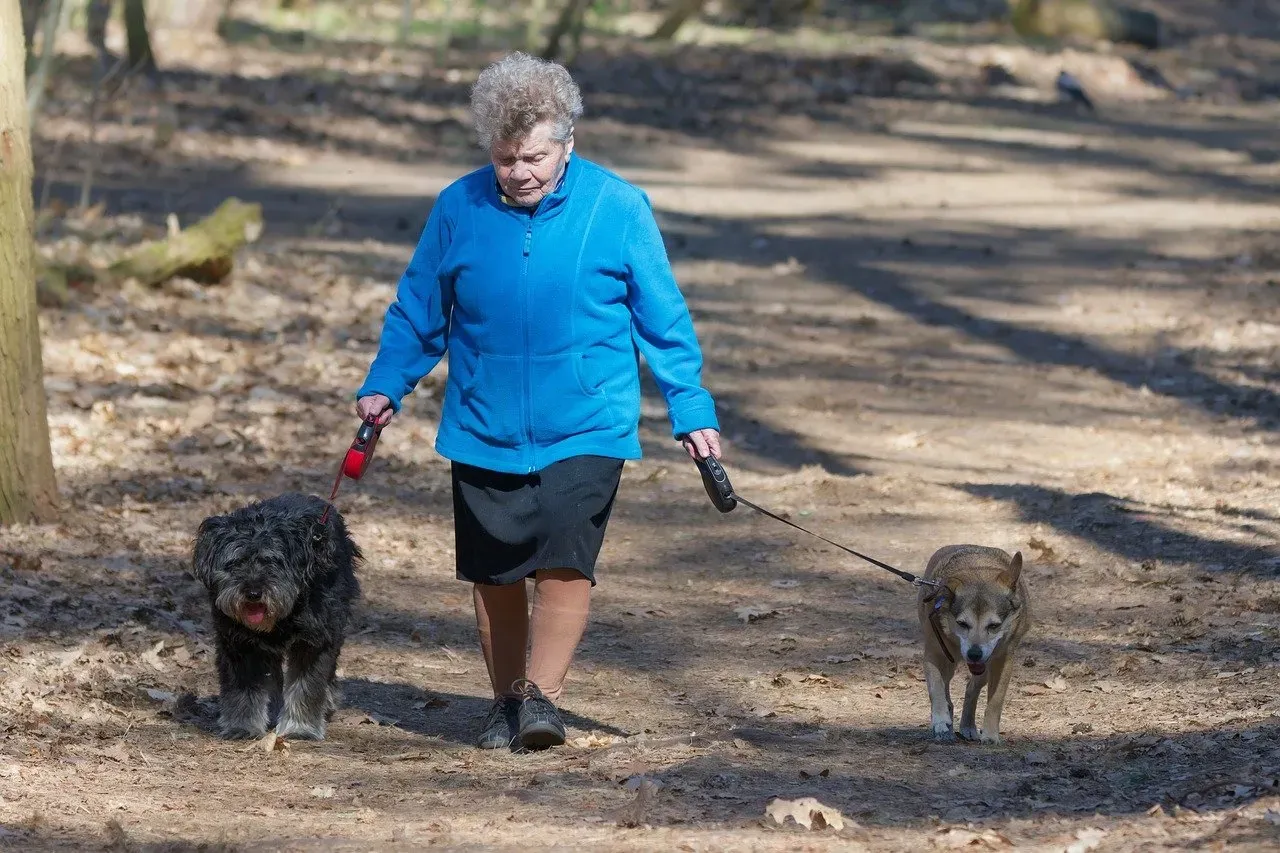
Senior dogs often need special attention to mobility and diet, with exercise adjusted to low-impact activities like swimming or short walks. The key word here is adjust, not eliminate. Movement keeps joints lubricated and muscles strong, but pushing too hard causes more harm than good.
Daily walks maintain strength, and swimming can help stretch muscles and joints. Swimming is genuinely magical for arthritic dogs because the water supports their weight while they move freely. Short, frequent walks beat one long exhausting trek. Pay attention to your dog’s signals: if they’re lagging behind or lying down mid-walk, it’s time to head home. Keeping exercise fun and varied helps dogs enjoy it, and the more they move, the more flexible their joints will stay. Some days will be better than others, and that’s perfectly okay.
Keep Their Weight in Check for Joint Health
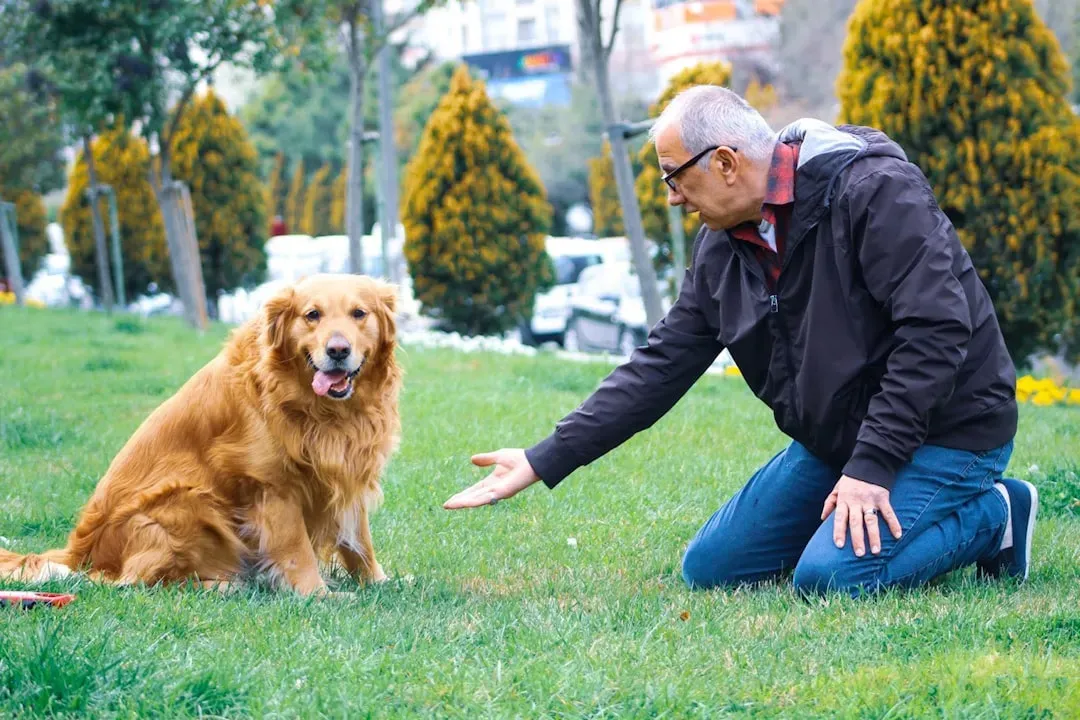
Let’s be real: this one’s tough but critical. Excess weight can have a major effect on senior pet health, with obesity linked to increased risk of arthritis, difficulty breathing, insulin resistance or diabetes, heart disease, high blood pressure, skin problems, cancer, and other conditions. Extra pounds aren’t just cosmetic; they’re literally grinding down already compromised joints.
Diet plays a crucial role in maintaining health as dogs age, with senior dogs requiring nutrient-dense food that supports joint function, digestion, and immune health, choosing formulas rich in omega-3 fatty acids, antioxidants, and moderate protein. Work with your vet to determine the right caloric intake. Sometimes switching to a senior-specific formula helps. In dogs that are overweight and suffering from arthritis, losing even a few pounds can reduce stress on joints and alleviate symptoms. The difference can be remarkable, turning a dog who barely moved into one who rediscovers playtime.
Prioritize Regular Vet Visits and Pain Management
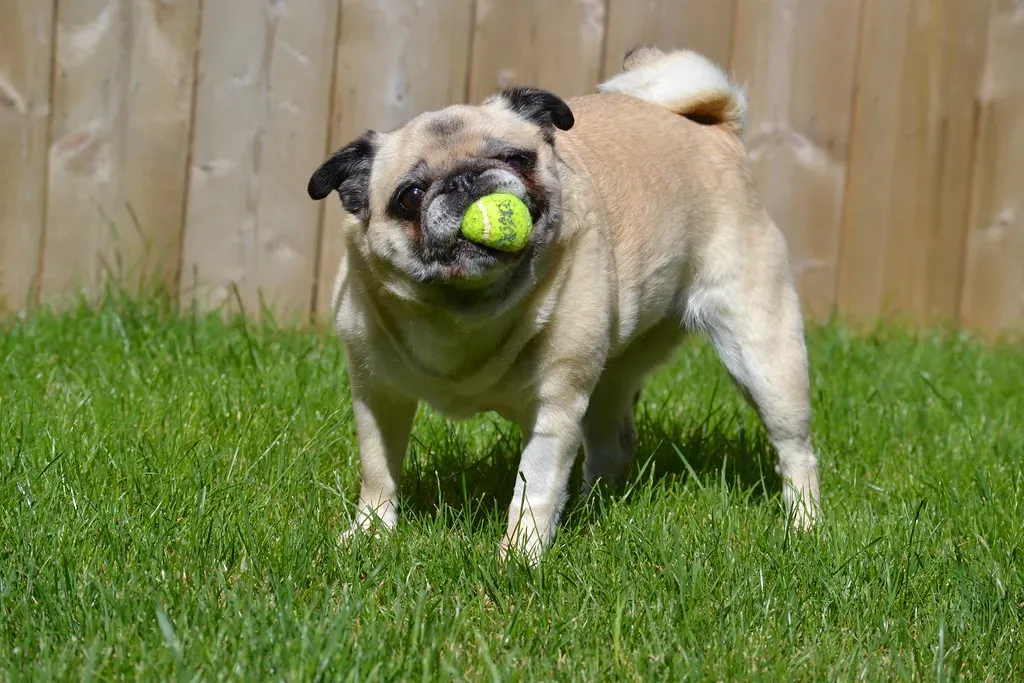
Twice-yearly vet visits with senior panel bloodwork can help catch issues early, with routine wellness exams recommended to detect problems early. I know vet bills aren’t fun, but catching problems early saves money and suffering in the long run. Senior dogs can hide pain incredibly well; it’s a survival instinct from their wild ancestors.
Veterinarians can recommend nutraceuticals such as fish oil, glucosamine, MSM, or prescribe daily pain medication to keep dogs comfortable, with a number of drugs available for pain relief. There’s absolutely no reason for any dog to endure arthritis-related aches unnecessarily. Options like pain medications, joint supplements, physical therapy, laser therapy, and acupuncture can help relieve arthritis pain, with the most effective relief often coming from a multimodal approach using several options together. Each dog responds differently, so finding the right combination takes patience but pays enormous dividends in quality of life.
Stimulate Their Mind to Keep Them Sharp
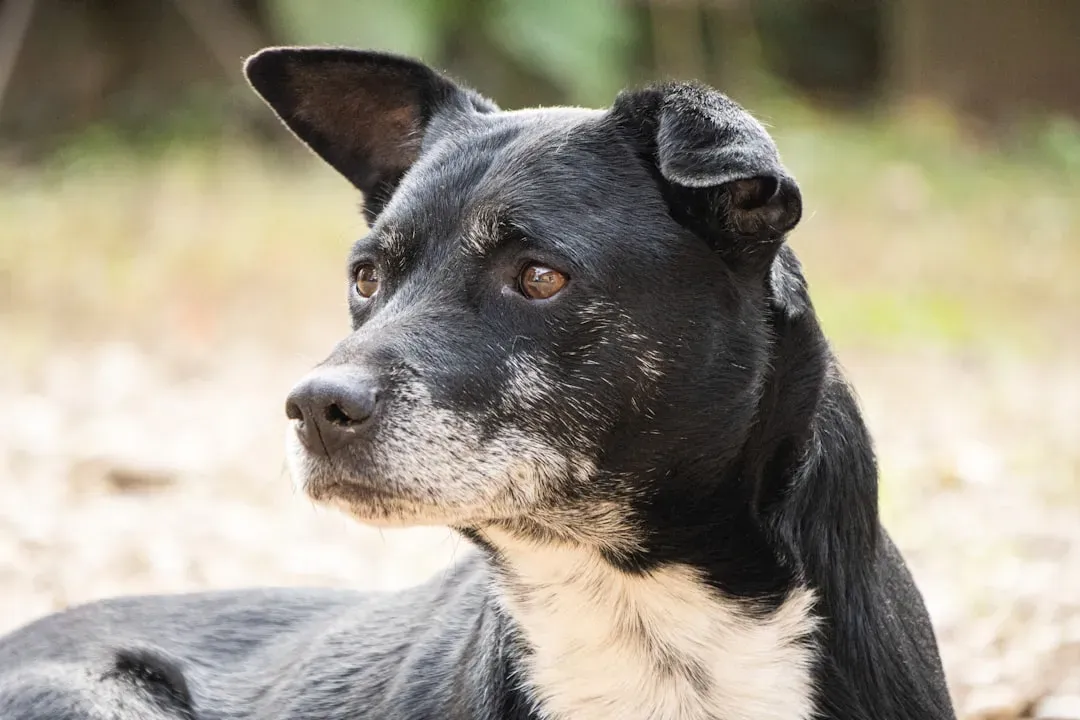
Enrichment is essential for older pets, with cognitive decline, mobility challenges, and anxiety often emerging during senior years, which can be moderated with structured cognitive, physical, sensory, and emotional enrichment. Just because their body is slowing down doesn’t mean their mind should go dormant.
Sensory enrichment leverages senses that remain strong into old age, especially olfaction, with sniff walks, snuffle mats, and scatter feeding allowing dogs to practice scent exploration. Honestly, watching an older dog perk up during a slow sniff walk can bring you to tears. Puzzle feeders, new toys rotated regularly, and even teaching simple new tricks keep their brain engaged. Emotional enrichment is vital, with predictable routines, regular social interaction, and consistent human connection helping reduce anxiety, particularly for pets experiencing cognitive dysfunction. Mental stimulation truly matters as much as physical activity for senior dogs.
Show Patience and Shower Them With Love
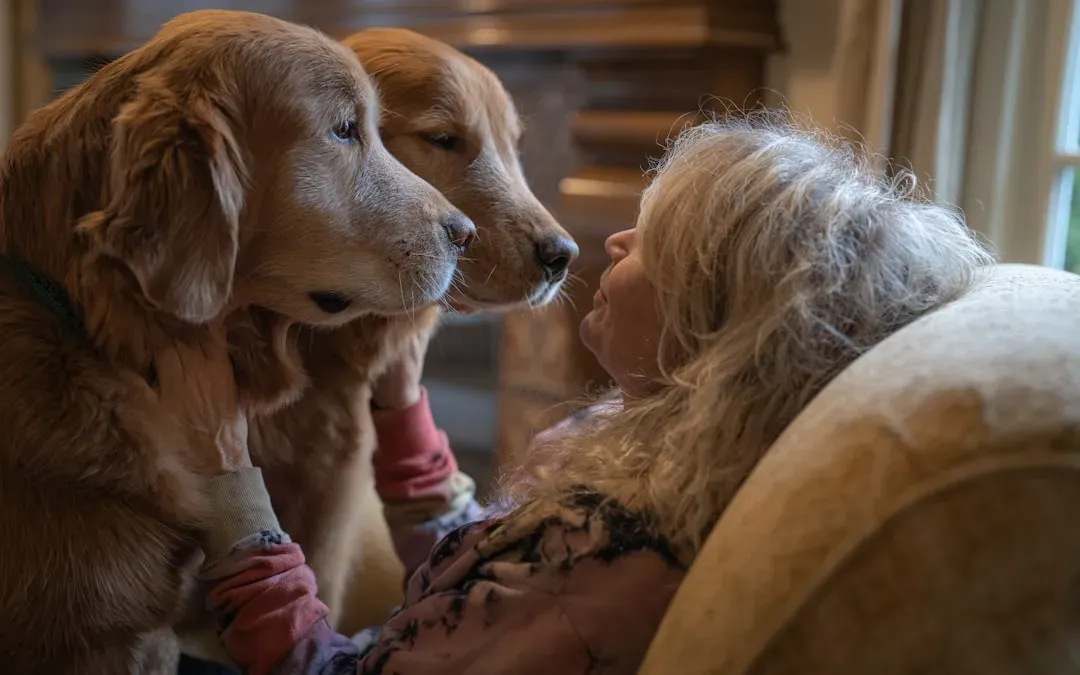
Having patience is crucial as vision loss, mobility limitations, hearing loss, and other conditions make senior dogs slower, with accidents possibly happening as dogs become incontinent. This stage tests our patience, no question. But remember: they’d never give up on you.
Love is the greatest comfort a senior dog can receive, with emotional well-being directly influencing physical health. Speak gently, especially if their hearing is fading. Give them extra time to respond. Clean up accidents without frustration. Make sure your pet feels loved and safe. These years go faster than you think, and every moment you spend being kind and understanding creates memories you’ll treasure forever. Our senior dogs have given us years of unconditional love; now it’s our turn to return that devotion when they need it most.
Conclusion
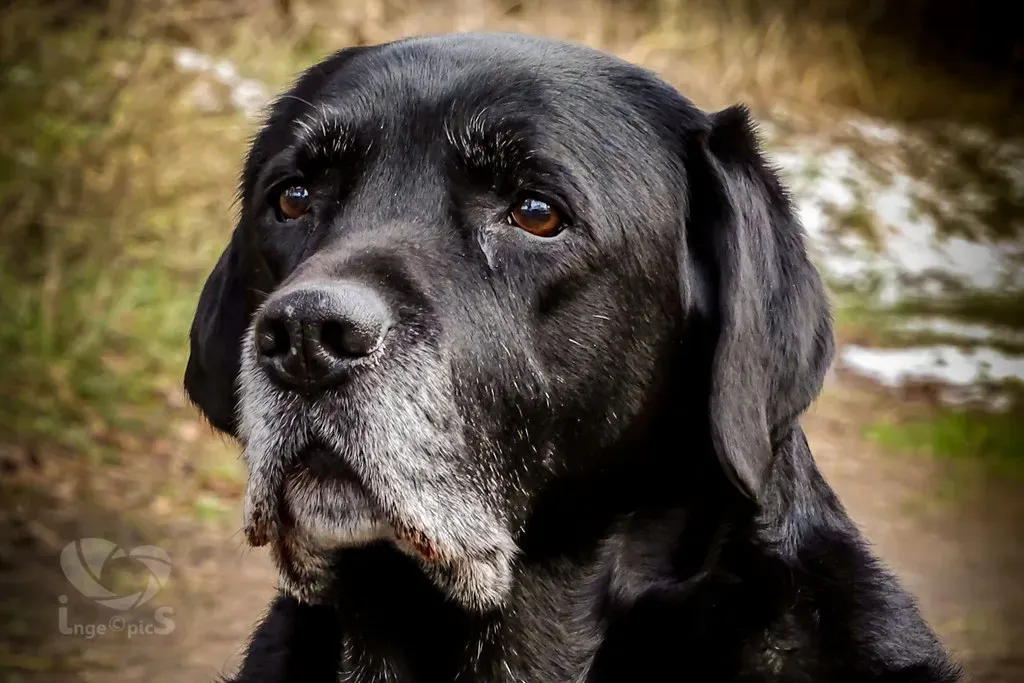
Caring for a senior dog isn’t always easy, but it’s one of the most meaningful things you’ll ever do. These seven approaches – from creating comfortable sleeping spaces to maintaining mental stimulation – work together to give your aging companion the dignity, comfort, and joy they deserve. Every dog ages differently, so stay observant, communicate with your vet, and adjust your approach as needed. The rewards are immeasurable: more tail wags, more peaceful rest, and more quality time with the friend who’s been by your side through everything. What small change will you make today to brighten your senior dog’s life? Trust me, they’ll notice, and the gratitude in their eyes makes every effort worthwhile.


