
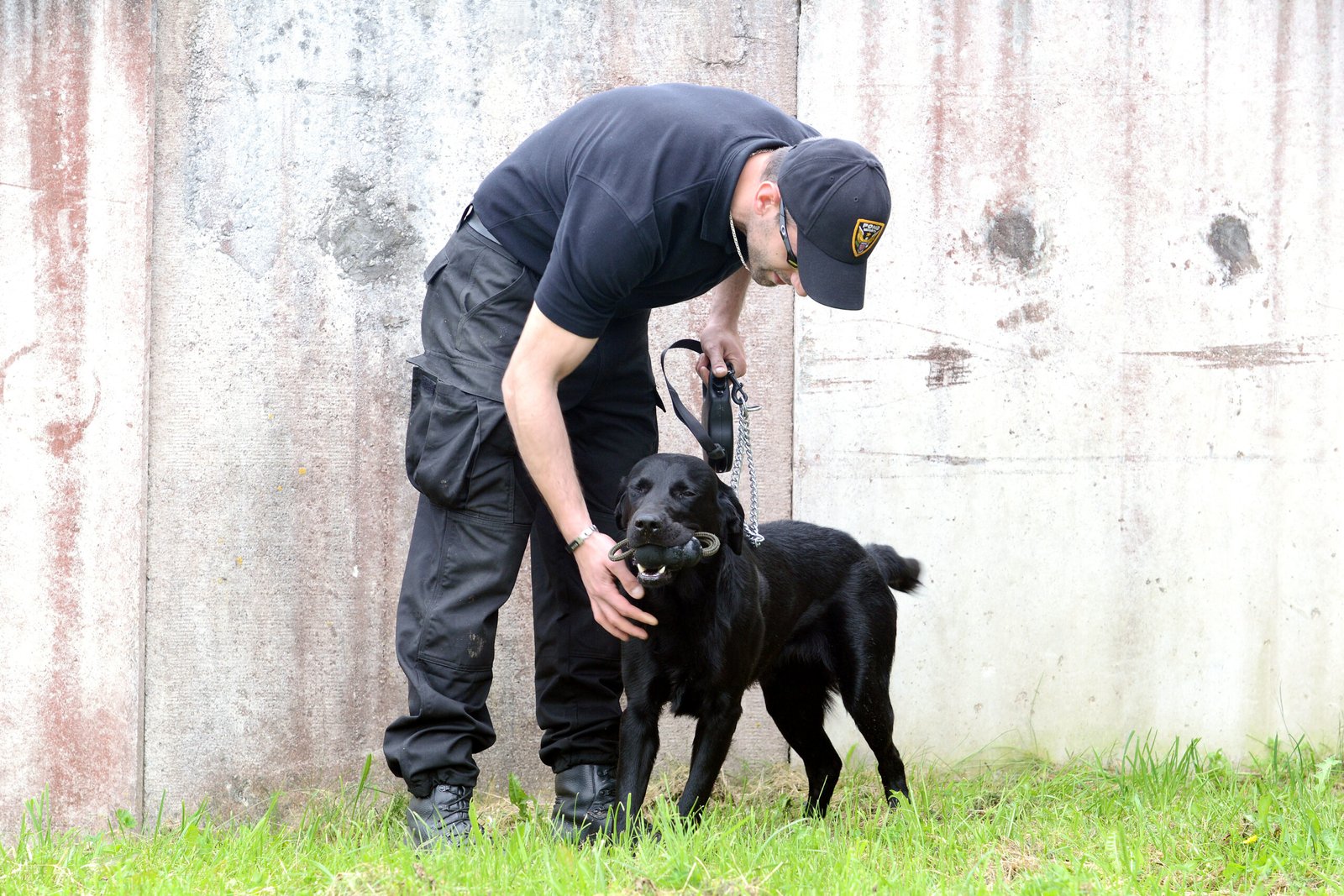
Ways to Teach Your Dog to Alert You During a Crisis
For dog lovers, the bond between a furry friend and their human is unbreakable. Dogs are not only loyal companions but can also be trained to assist us in times of need. Teaching your dog to alert you during a crisis can be a life-saving skill. Whether it’s a medical emergency or another type of crisis, having a well-trained dog can make all the difference. Here’s a guide to help you transform your pet into a vigilant sentinel.
Understanding the Nature of Your Dog

Before you begin training, it’s crucial to understand the nature and temperament of your dog. Every dog is unique, with its personality traits and instincts. Some breeds are naturally more alert and responsive, such as German Shepherds and Border Collies. However, even the most laid-back breeds can be trained to respond during emergencies. Spend time observing your dog’s behavior and note how they react to different stimuli. This will give you insights into their natural alertness and how you might tailor your training approach.
Start with Basic Commands
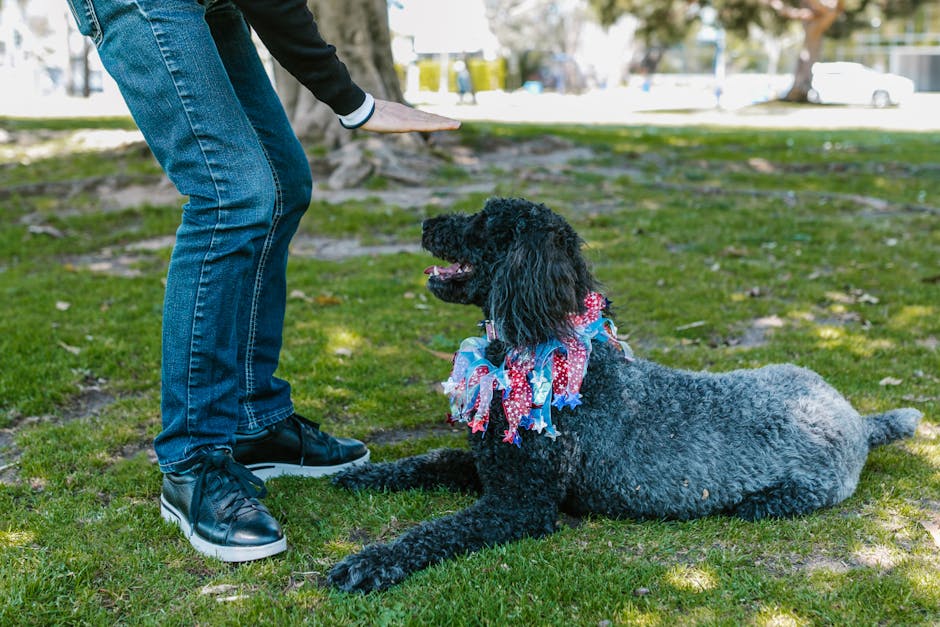
Before diving into crisis-specific training, ensure your dog is well-versed in basic commands such as “sit,” “stay,” “come,” and “leave it.” These foundational commands are essential as they form the basis of more advanced training. A dog that can follow basic commands is more likely to respond accurately during a crisis. Use positive reinforcement techniques, such as treats and praise, to encourage your dog. Training sessions should be short and consistent, ensuring your dog remains engaged and attentive.
Introduce the Concept of Alerting
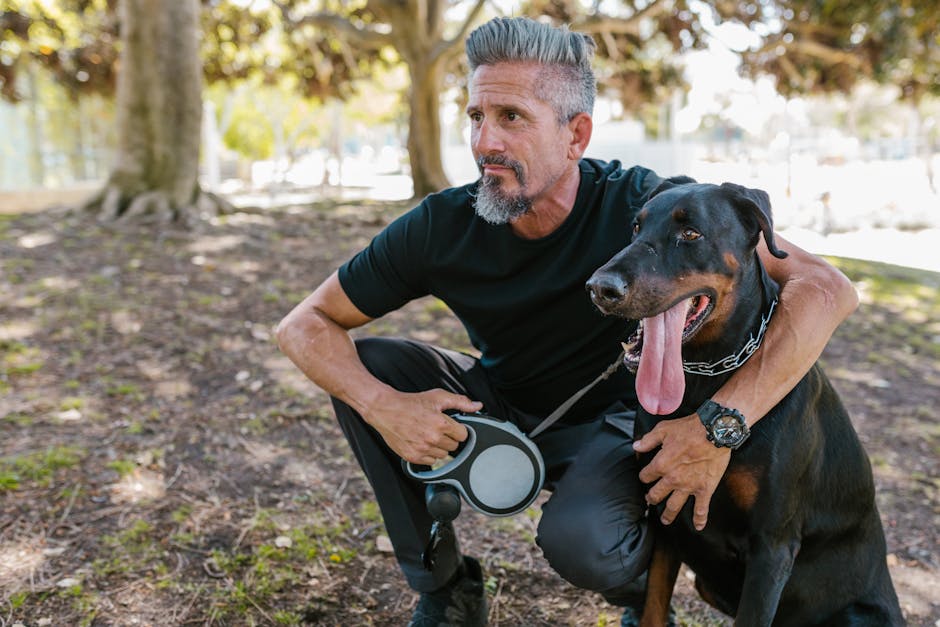
Once your dog is comfortable with basic commands, introduce the concept of alerting. This involves teaching your dog to recognize specific signals that indicate a crisis. For instance, you can use a distinct sound or gesture that your dog associates with an emergency. Start by making the signal and rewarding your dog when they react. Gradually increase the complexity of the alert by introducing distractions and ensuring your dog remains focused on the signal.
Use Scent Training for Medical Alerts

For those with medical conditions such as diabetes or epilepsy, scent training can be invaluable. Dogs have an extraordinary sense of smell, and with the right training, they can detect changes in your body chemistry. Begin by introducing your dog to the scent associated with your condition, such as a sample of your sweat during a hypoglycemic episode. Reward your dog for recognizing and responding to the scent. Over time, your dog will learn to alert you when they detect the scent, providing an early warning of a potential crisis.
Simulate Crisis Scenarios

Training your dog to alert you during a crisis requires simulating real-life scenarios. This helps your dog understand what constitutes an emergency and how they should respond. Start with simple simulations, such as pretending to faint or using a specific word that signals distress. Reward your dog when they react appropriately. Gradually introduce more complex scenarios, ensuring your dog remains calm and focused. Remember, patience is key, and it’s important to make these simulations as realistic as possible without causing stress to your dog.
Reinforce and Reward Positive Behavior
Reinforcement is a critical aspect of training. Regularly practice the alerting techniques you’ve taught your dog, and always reward them for positive behavior. This not only reinforces the training but also strengthens the bond between you and your dog. Use a variety of rewards, from treats to playtime, to keep your dog motivated. Remember, consistency is essential, and regular practice will ensure your dog remains vigilant and responsive.
Seek Professional Training Assistance
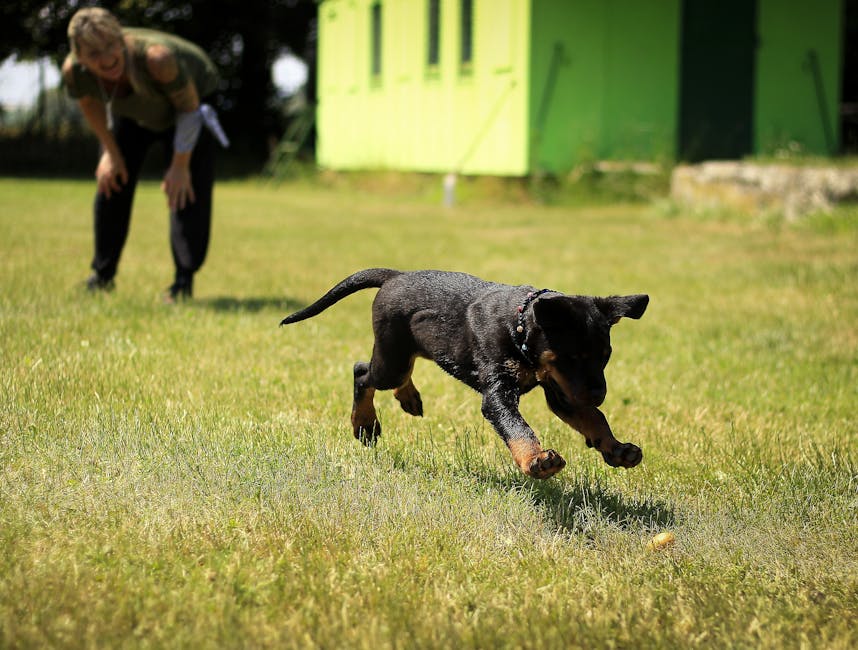
If you find the training process challenging or if your dog isn’t responding as expected, consider seeking professional assistance. Professional trainers have the experience and expertise to tailor training programs to your dog’s unique needs. They can provide valuable insights and techniques that you might not have considered. Additionally, some trainers specialize in training dogs for specific crisis situations, offering specialized programs that can enhance your dog’s alerting abilities.
Ultimately, training your dog to alert you during a crisis is a journey that requires patience, consistency, and love. With the right approach, your canine companion can become an invaluable ally, providing you with peace of mind and security.


