You know that moment when you walk through the door and your dog greets you like you’ve been gone for years, even though it’s only been twenty minutes? That pure, unfiltered joy is unmistakable. Yet sometimes, figuring out what’s really going on in your dog’s heart and mind can feel like trying to solve a puzzle with half the pieces missing. Dogs speak to us constantly, not with words, but through every wag, wiggle, and soft-eyed glance.
Understanding whether your dog is truly happy or just making do with their surroundings can be challenging, but veterinarians say there are certain behaviors and patterns that can indicate if your dog is living a happy, content life. Recognizing these signs matters more than you might think. It’s the difference between simply caring for your dog and truly connecting with them on a deeper level. So let’s dive into the telltale ways your furry friend shows their happiness, along with the subtle clues that they might need a little extra love and support.
That Wiggle When Their Whole Body Wags
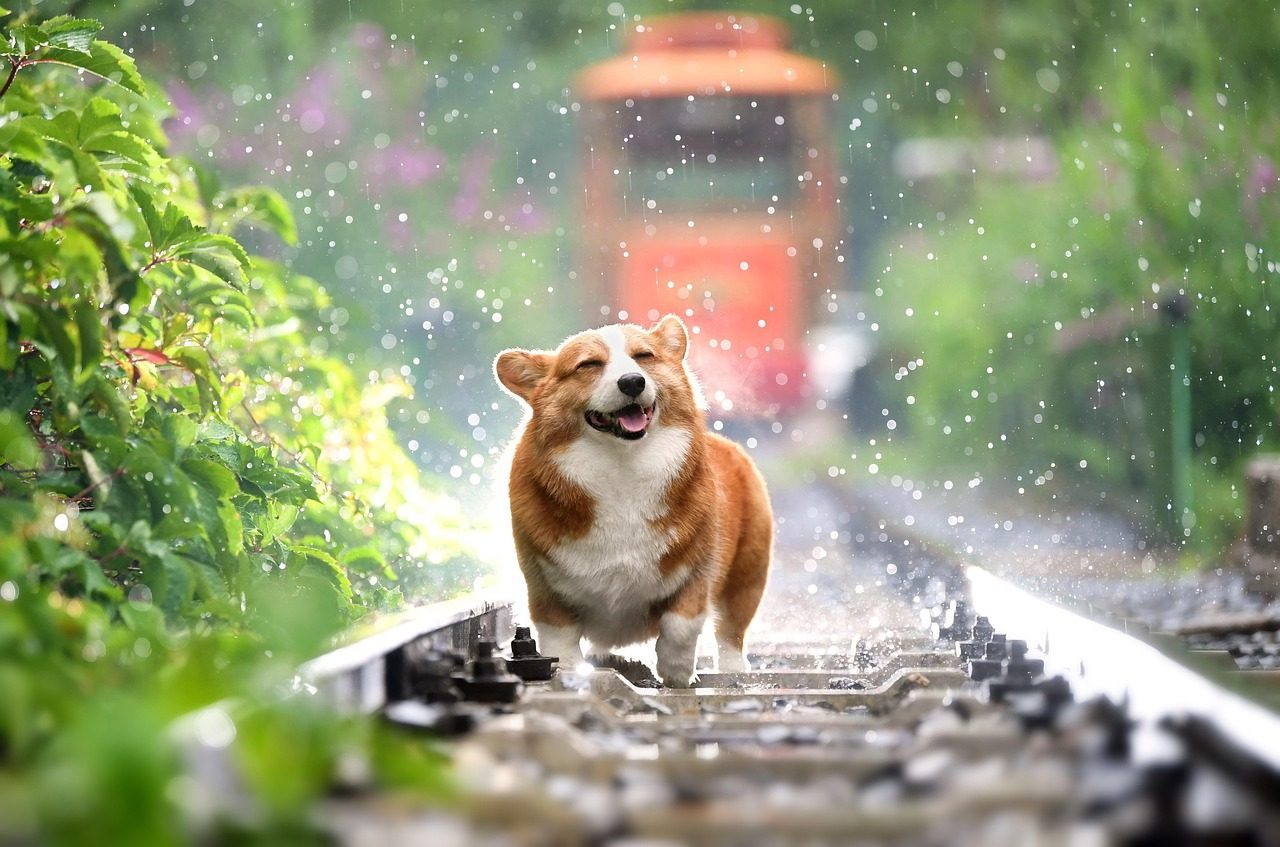
When a dog is happy, their whole body and tail will look relaxed, and they quite often wiggle as a happy dog’s whole body can wag along with their tail. It’s not just the tail going back and forth. Their hips sway, their shoulders bounce, and honestly, it looks like they might just wiggle right out of their own skin.
This full-body celebration is one of the purest expressions of canine joy. Happy dogs should have very loose body language without any tension. Picture your pup when you pull out the leash for a walk or when their favorite person comes to visit. That loose, noodle-like movement? That’s happiness in its most honest form.
The Classic Play Bow
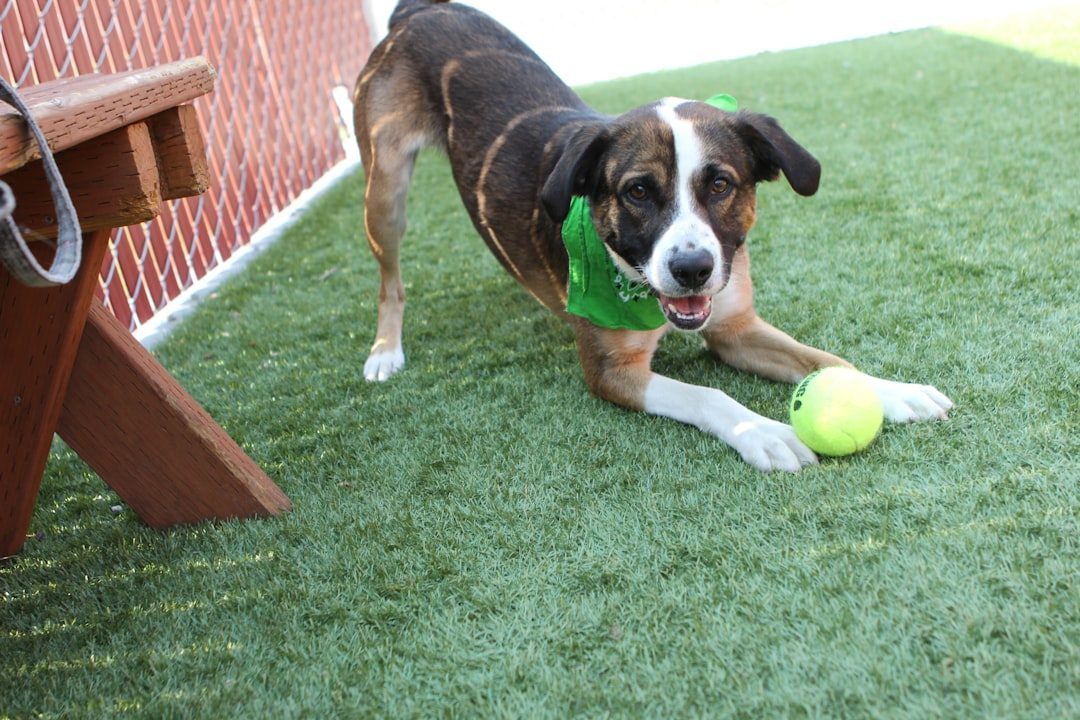
The play bow is a signal used to invite another dog, person, or animal to engage in play. You’ve probably seen it a thousand times. Your dog drops their front end low to the ground, chest nearly touching the floor, while their rear end stays up in the air with tail wagging enthusiastically.
This iconic posture is your dog’s way of saying they’re ready for fun and feel comfortable enough to let loose. The dog’s play bow posture is a clear sign that the dog is displaying happy, friendly arousal. When your dog offers you a play bow, they’re not just inviting a game – they’re showing trust and contentment with their world.
Soft, Relaxed Eyes That Melt Your Heart
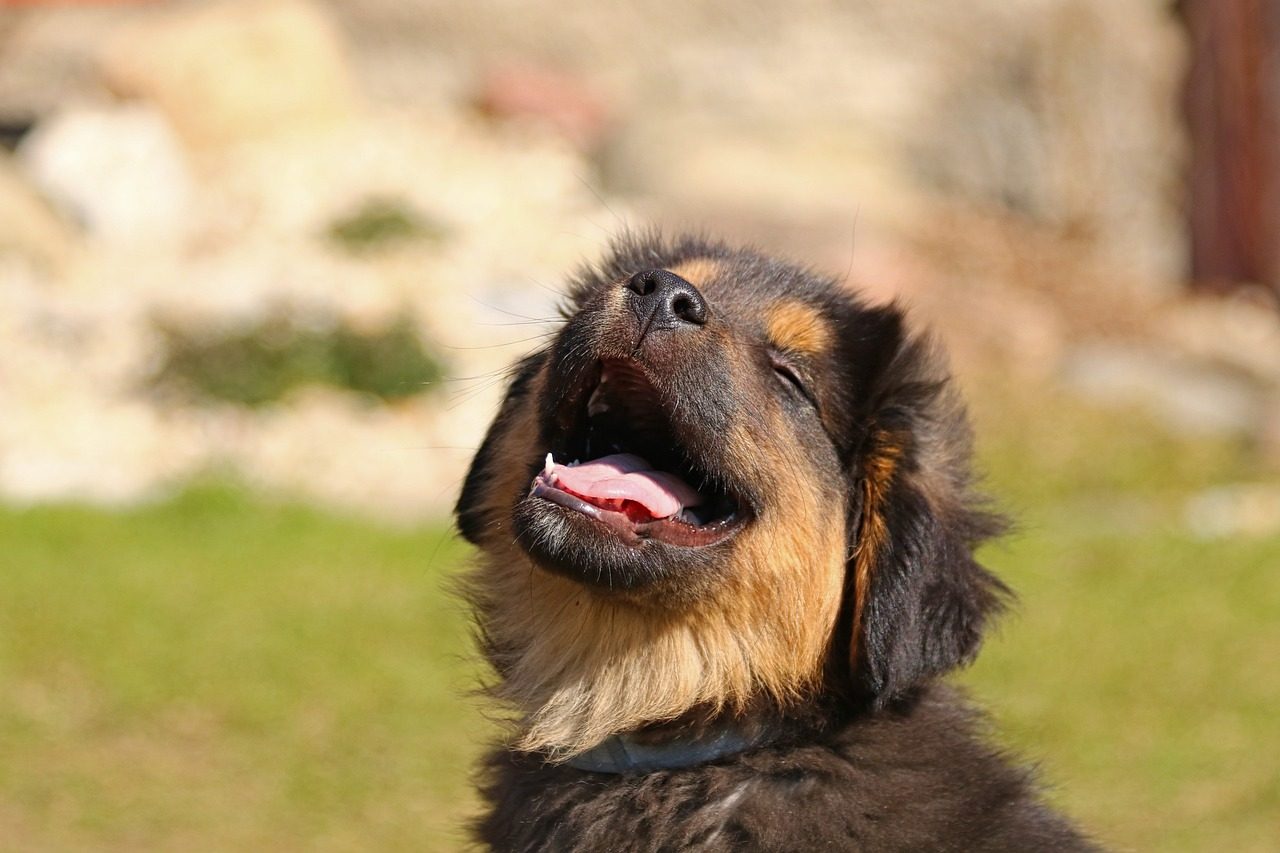
When a dog is happy, their eyes and eyelids will be open and relaxed, their gaze will be soft, and they will blink often. There’s something almost magical about catching your dog gazing at you with those gentle, half-moon eyes. It’s like they’re saying “I’m at peace” without making a sound.
Happy dogs have soft, relaxed eyes where instead of staring intensely or looking away nervously, their eyelids may droop slightly and sometimes blink slowly, a quiet sign of comfort and trust. Next time you’re snuggled on the couch with your pup, pay attention to their eyes. That softness speaks volumes about how safe and loved they feel.
A Healthy Appetite and Mealtime Enthusiasm
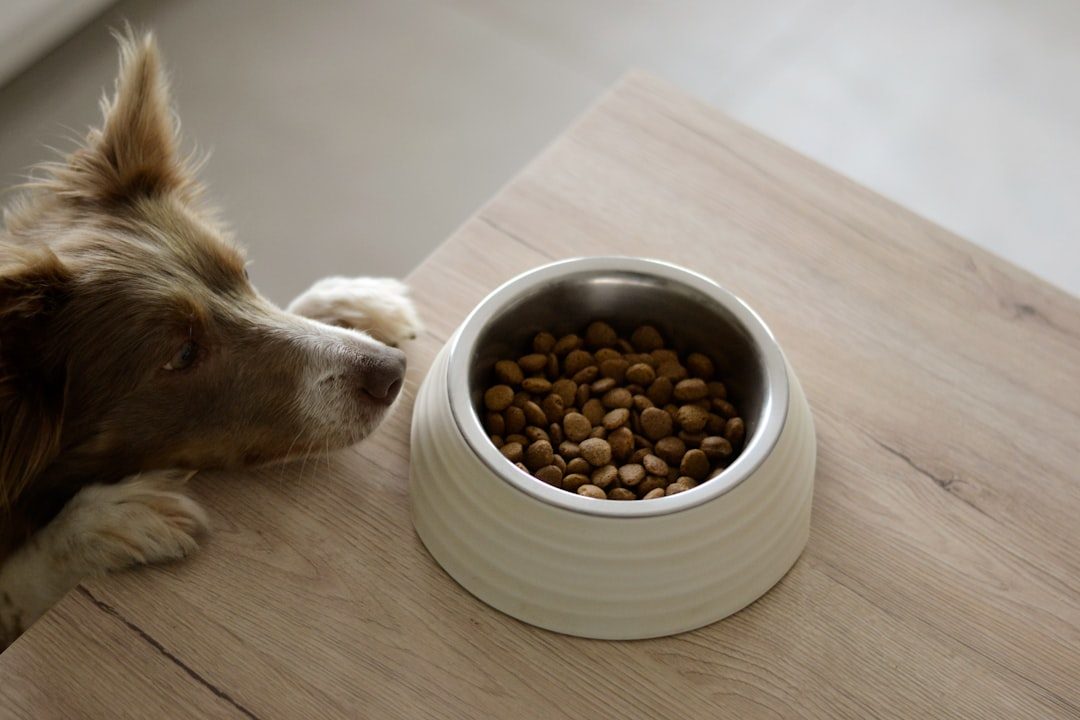
A happy dog has a good appetite and will eagerly chow down at mealtime, as dogs feel better and are less grouchy when their belly is full. Whether your dog does a little happy dance before dinner or simply trots over to their bowl with purpose, that consistent interest in food is a great sign.
A happy dog looks forward to mealtime by showing interest through wagging, sniffing the bowl eagerly, or sitting patiently before eating, and this eagerness points to comfort and satisfaction with their environment. Of course, every dog has their own style – some are grazers, others inhale their kibble like it might disappear. What matters is the consistency and enthusiasm they show.
Quality Sleep Without Restlessness
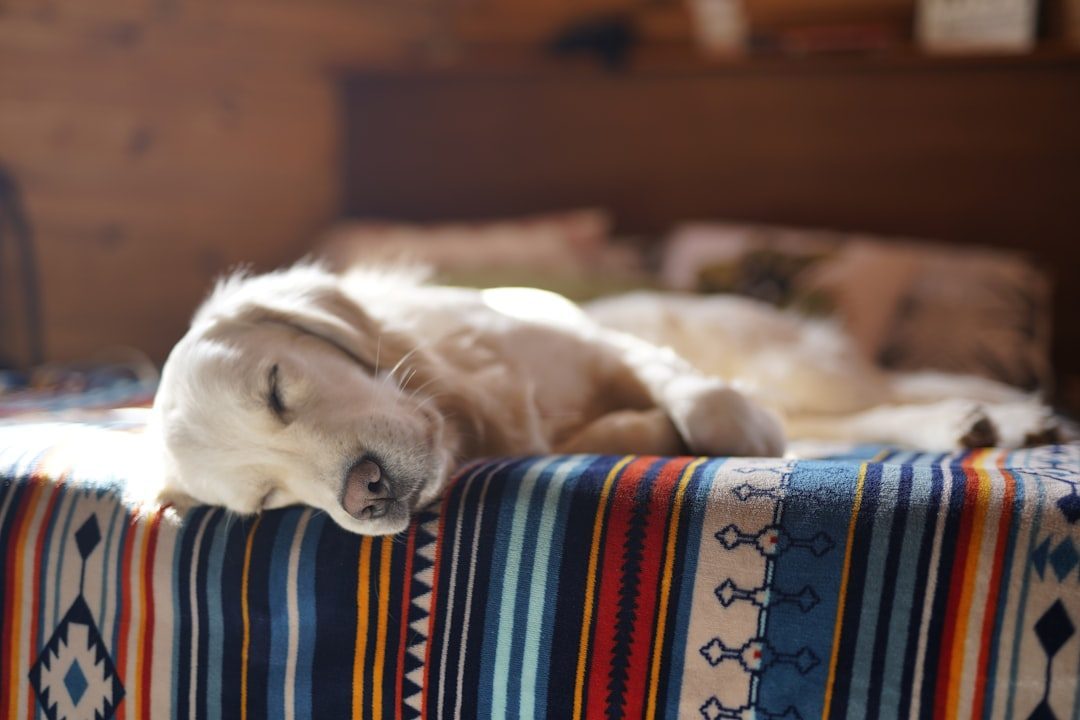
Healthy, happy adult dogs usually sleep 12 to 14 hours a day. If your dog can stretch out in a sunny spot, roll onto their side, and drift into a deep, snoozy slumber, that’s contentment right there. Happy dogs know how to rest.
Dogs laying out in the yard in the sun, just laying on their side with their body all relaxed, is a sign of a happy or content dog, and a calm, relaxed look across your dog’s face means they’re in a good mood. When dogs feel safe and secure, they can truly let their guard down and recharge.
Seeking Out Contact and Closeness
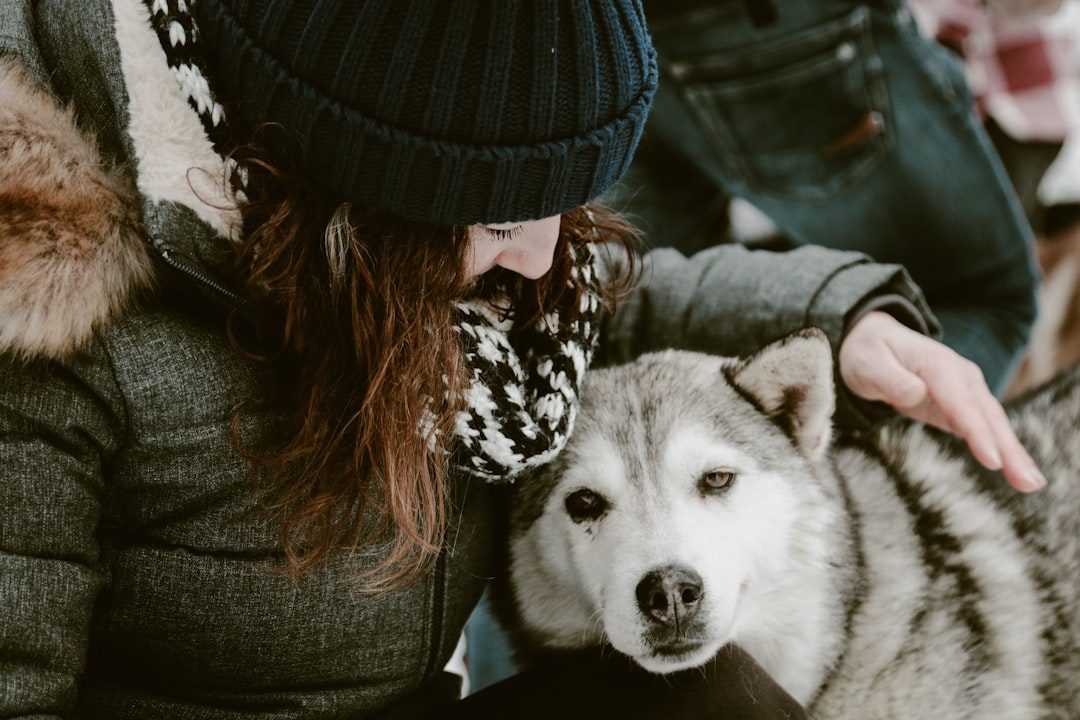
Happy dogs make a lot of body contact, and if your dog reacts, stays close, or even leans in toward your hand during petting, they’re enjoying the contact. That gentle nudge with their nose, the way they press their head into your palm, or how they curl up right against your leg – these are all signs your dog is happy to be near you.
Dogs are social creatures by nature. They thrive on connection, and physical closeness is one of their favorite ways to express trust and affection. If your dog actively seeks you out for cuddles or just to be in the same room, it’s their way of saying you’re their safe place.
Playfulness and Curiosity About the World
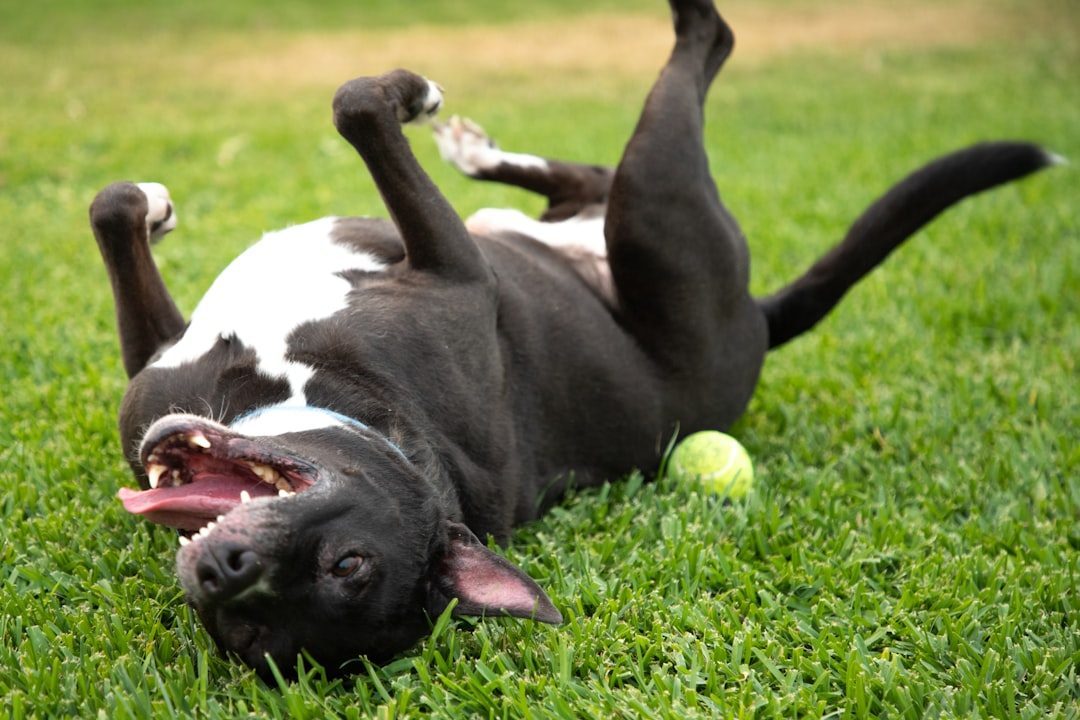
Happy dogs love to play and should enjoy their playtime, seek it out, and be ready to engage in playful activities. Whether it’s chasing a ball, tugging on a rope toy, or simply running zoomies around the backyard, play is a language of happiness for dogs.
Play says a lot about a dog’s mood, as joyful pups often invite interaction with play bows, chasing toys, or gentle nips during a game with energy that is lively but not frantic or tired. When dogs engage with their environment and invite you into their fun, it’s a clear sign they’re feeling good about life.
Tucked Tail or Low Tail Position
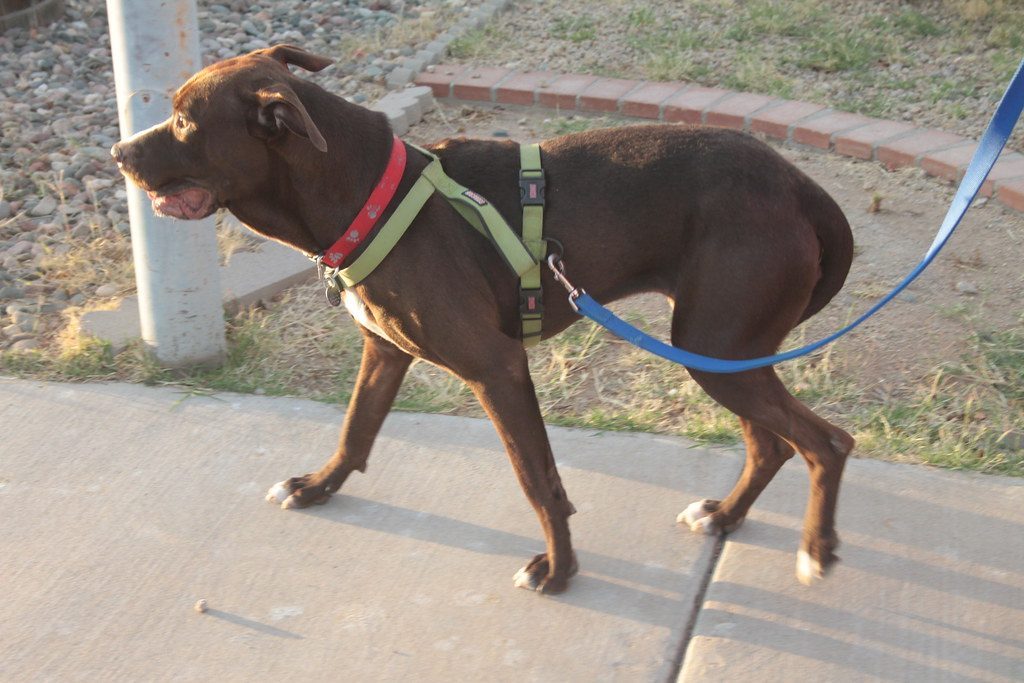
A tail pinned under the body is a strong sign of fear. If your dog’s tail is consistently low, tucked between their legs, or pressed tight against their belly, they’re telling you something isn’t right. This posture signals insecurity, nervousness, or even outright fear.
A tail held low or between the legs often expresses fear or sadness. It’s important to pay attention to when this happens. Is it around certain people? In specific locations? Understanding the context can help you support your dog and build their confidence back up.
Pinned Back Ears and Tense Face
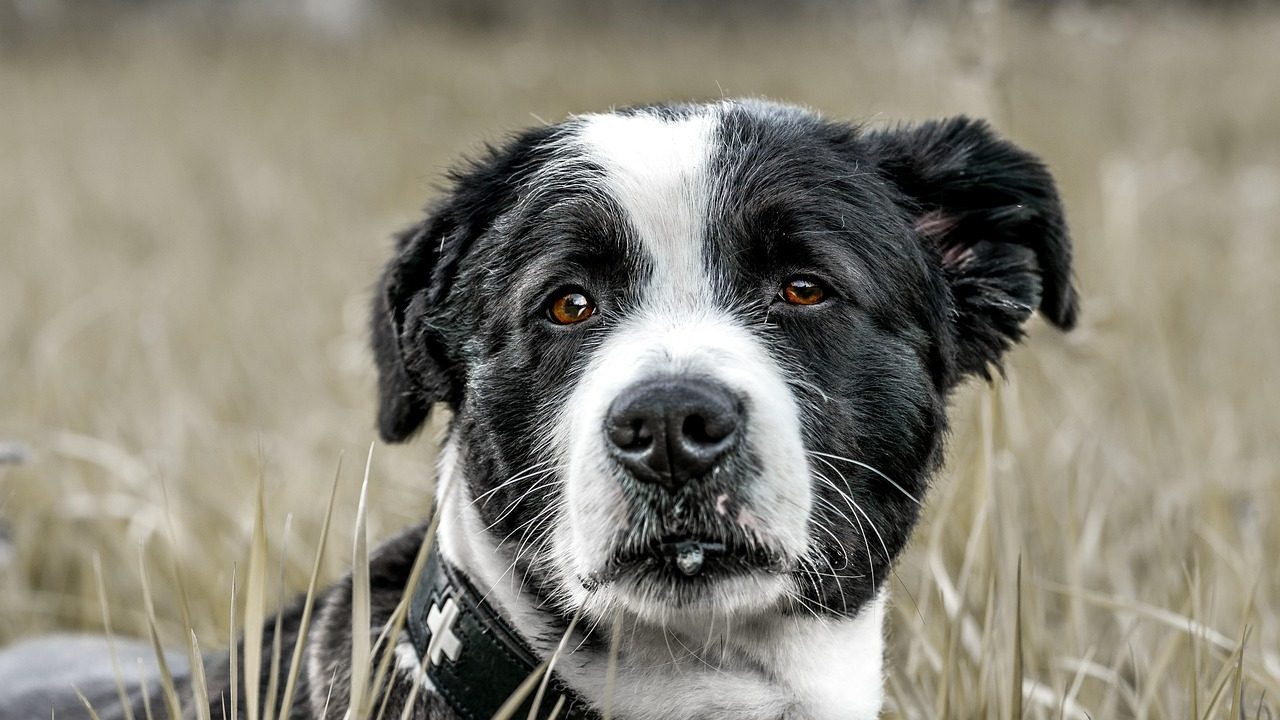
If their ears are pulled back or stiff with hyper-alertness, this is usually a sign of a stressed or fearful pooch. Dogs wear their emotions on their faces, and when those ears flatten against their head, it’s often a red flag that they’re uncomfortable.
Pinned back ears can signal discomfort, anxiety, or submissiveness. Combine that with a furrowed brow or tense mouth, and your dog is practically begging for relief from whatever’s bothering them. Recognizing this early helps you step in before their stress escalates.
Excessive Pacing or Restlessness
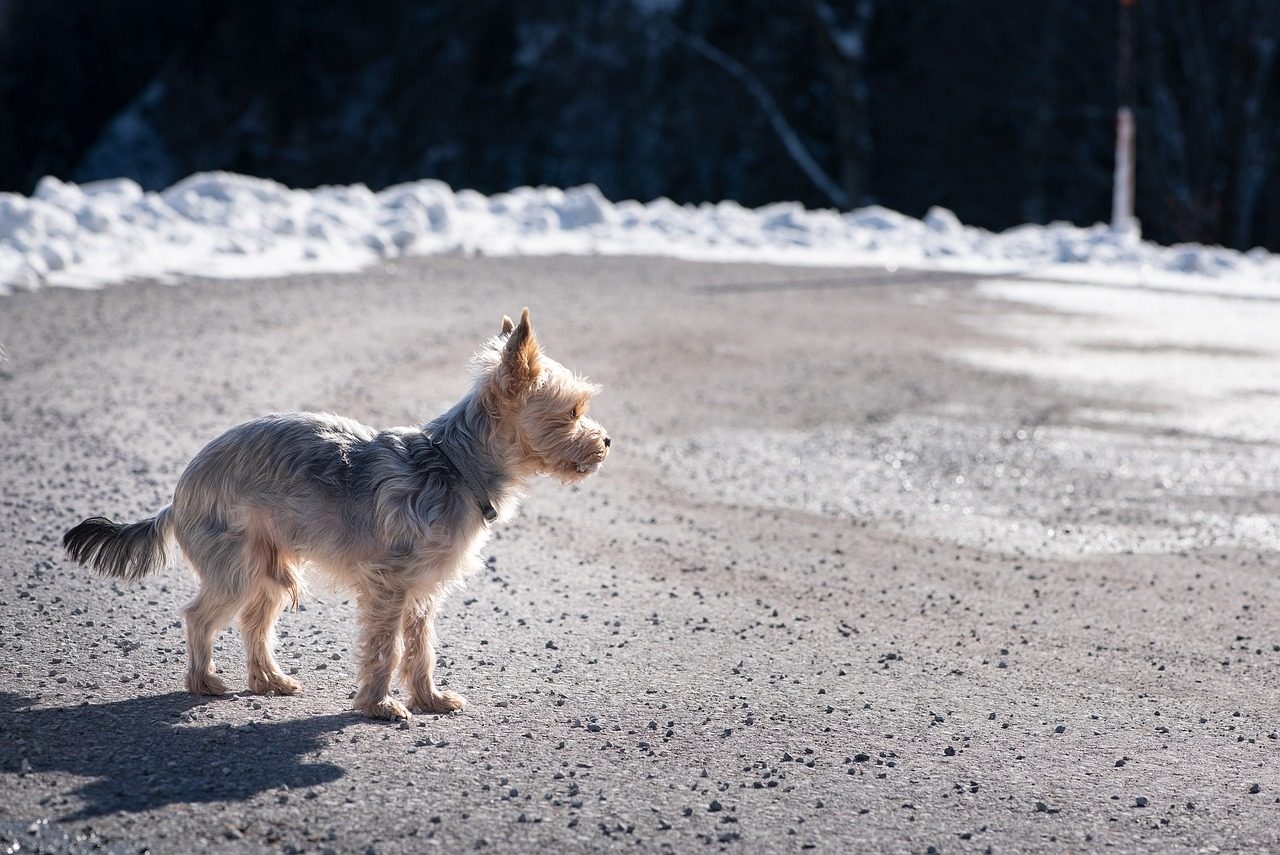
Pacing or shaking can indicate stress, and some dogs pace when they are agitated or frightened. If your normally settled dog suddenly can’t seem to sit still and keeps walking back and forth, they’re trying to tell you something.
When dogs are pacing back and forth, it’s a sign they can’t settle down because something is stressing them, and noticing when your dog engages in this behavior can give you clues as to what’s triggering their anxiety. Pacing might seem harmless, but it’s often a dog’s way of trying to cope with feelings they can’t shake.
Avoidance or Hiding Behavior
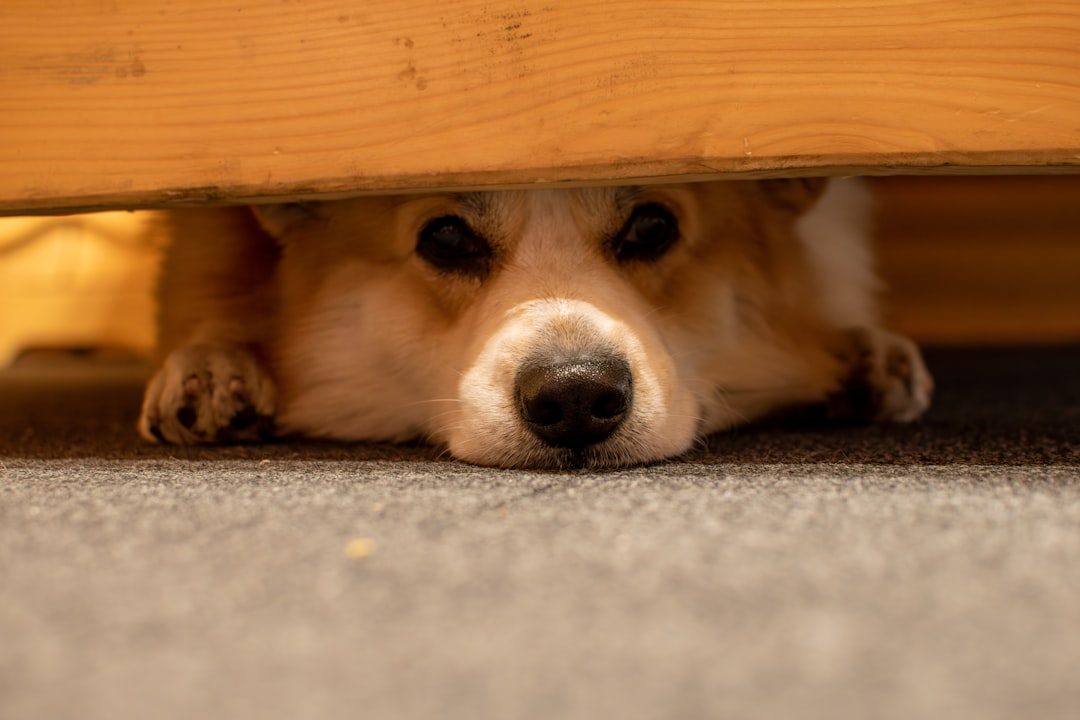
An unhappy dog might avoid attention, hide in corners, or separate themselves from the family. When your usually social pup starts retreating to quiet spots or ducking behind furniture, that withdrawal speaks volumes about their emotional state.
Dogs might move away or actively try to avoid whatever is worrying them, and some dogs will try to hide or withdraw from a situation. This isn’t stubbornness or bad behavior – it’s a cry for help. Your dog is telling you they need space, reassurance, or a change in their environment.
Loss of Appetite or Disinterest in Food
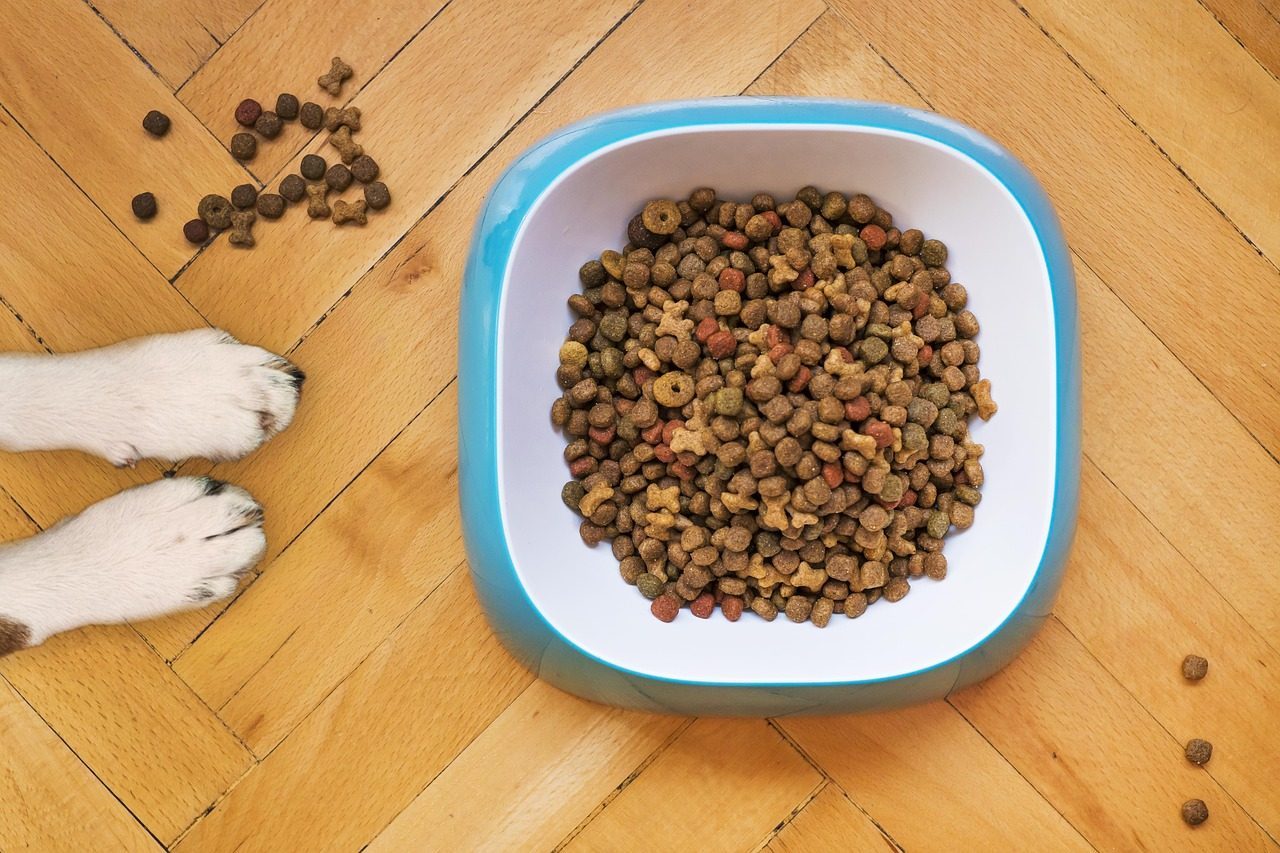
Loss of appetite and reduced interest in food or treats can be a sign of both emotional and physical discomfort. If your dog who normally devours their meals starts picking at their food or skipping meals altogether, take notice.
A reduced appetite or refusal to eat could signal a physical or emotional health issue that warrants attention. Dogs live in the moment, and when something disrupts their world enough to kill their appetite, you know it’s serious. A vet visit is always a good idea if this behavior persists.
Destructive Behavior or Excessive Chewing
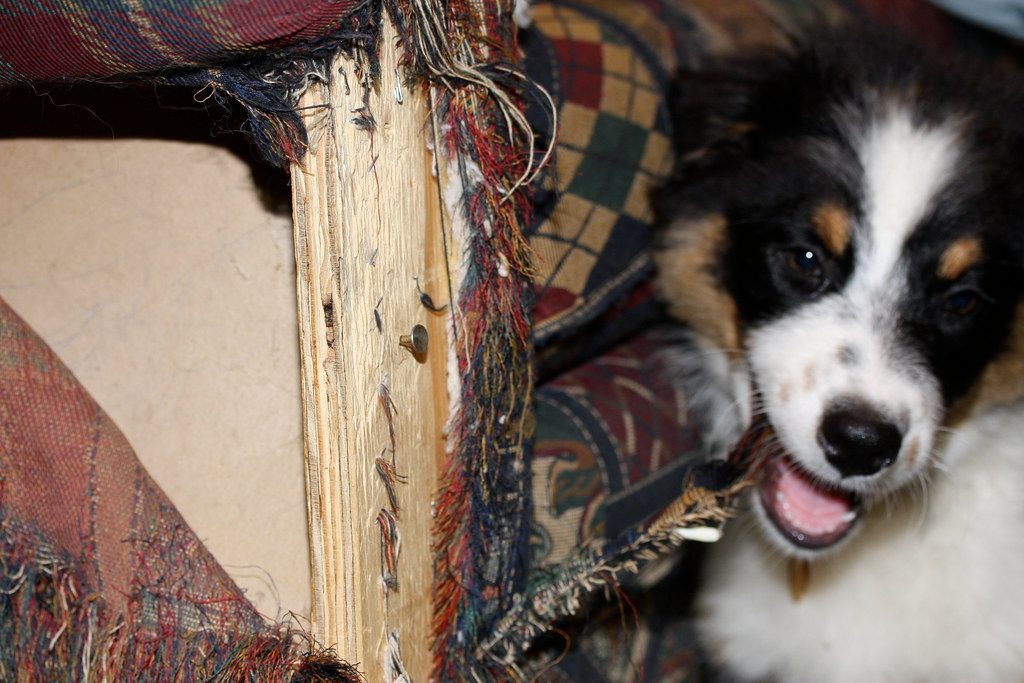
Excessive chewing or destructive behavior, particularly in an adult dog, could be a sign of stress or boredom. Sure, puppies chew because they’re exploring the world, but when your adult dog suddenly starts tearing up couch cushions or gnawing on furniture, it’s often a symptom of deeper unrest.
Chewing furniture, excessive digging, or scratching can signal frustration or anxiety. A bored dog can often lead to a stressed, unfulfilled dog, especially in working breeds, and a dog without a job or purpose can lead to them coming up with their own work which often includes destructive habits. Your dog isn’t trying to punish you – they’re trying to cope.
Changes in Sleeping Patterns
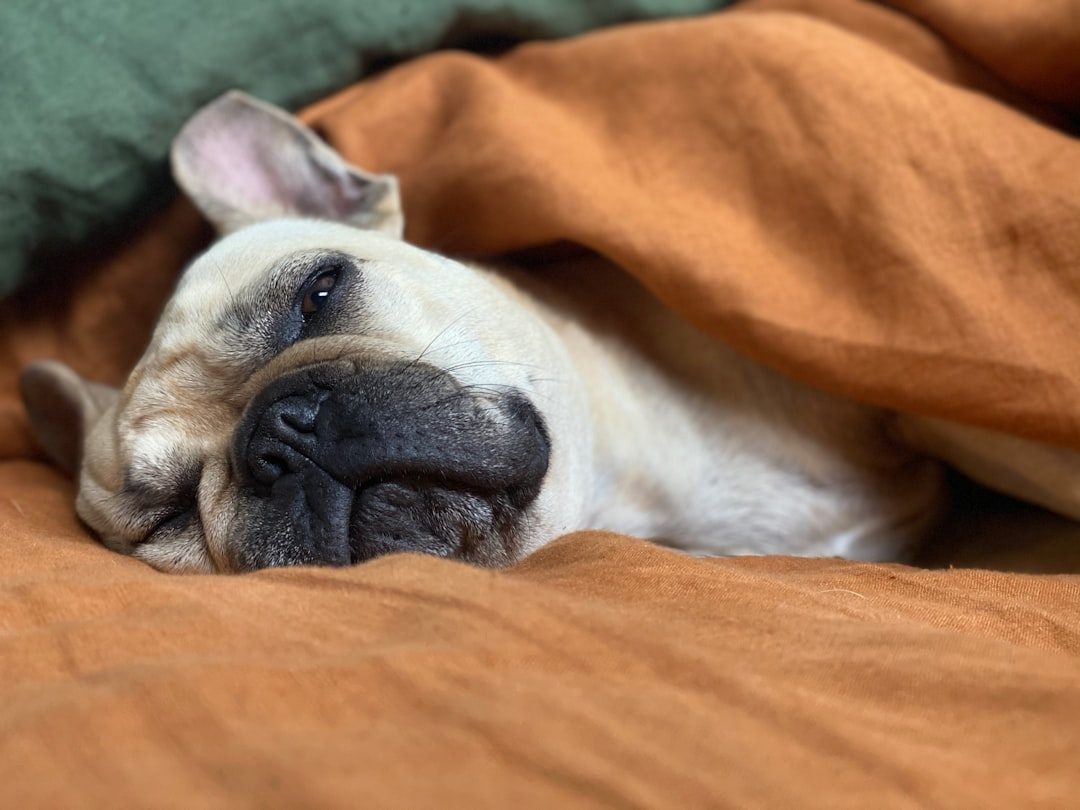
Either sleeping excessively or experiencing disrupted sleep can reflect emotional distress. While we mentioned earlier that happy dogs sleep well, dogs who need a boost might sleep too much as a form of escape or struggle to settle at all.
If your dog is sleeping much more or less than usual, it could be a sign of stress or illness. Sleep disruption is one of those subtle signs that’s easy to overlook but incredibly telling. Just like us, dogs need restorative rest, and when their sleep goes haywire, their whole world feels off balance.
Wide Eyes Showing the Whites (Whale Eye)
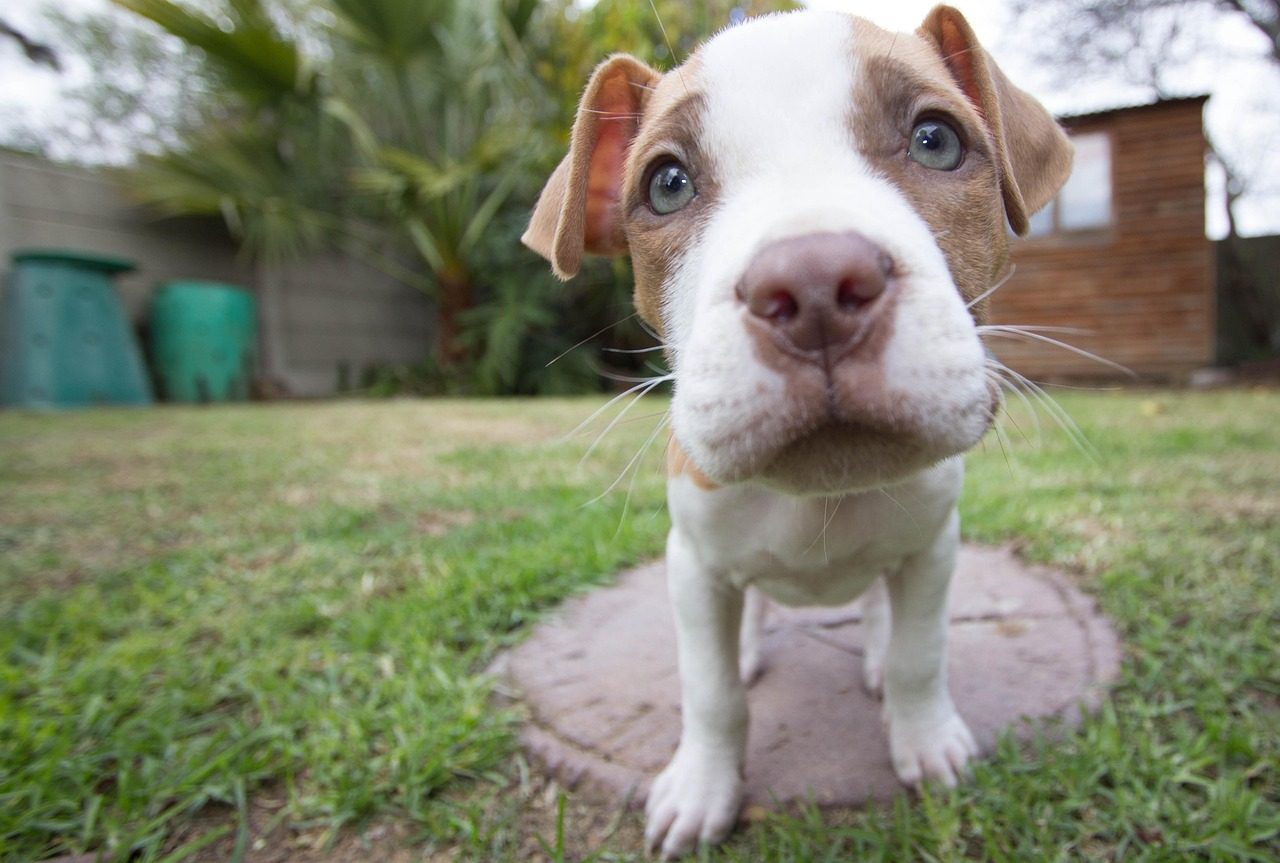
Wide eyes, particularly if the whites are showing, could mean your dog is frightened. This “whale eye” look – where you can see the white part of your dog’s eye more than usual – is a classic stress signal that many people miss.
Stressed dogs may have dilated pupils and blink rapidly, and they may open their eyes wide and show more sclera (white) than usual, giving them a startled appearance. If you catch this expression on your dog’s face, they’re feeling overwhelmed and need your help to feel safe again.
Conclusion: Reading the Language of Love
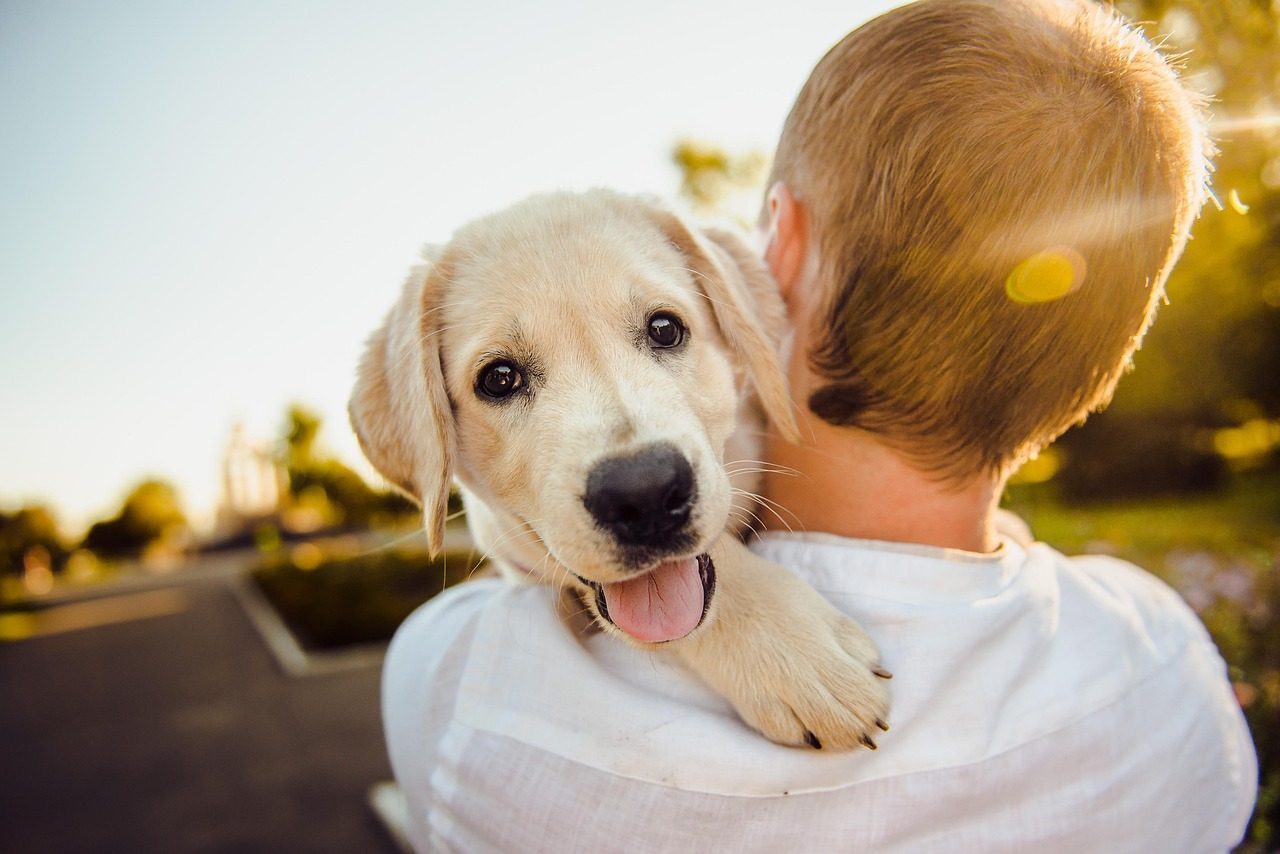
Honestly, dogs give us so much more than we probably deserve. They offer unconditional love, endless loyalty, and constant companionship. The least we can do is pay attention to what they’re trying to tell us. Dogs have rich interior lives and are capable of experiencing a wide range of emotions, and when a dog is stressed, depressed, or sad, their behavior changes.
Dogs like things to be predictable, and it’s important to stick to a routine as much as possible with your pet and to establish a new routine when change has to happen. Whether your dog is bouncing with happiness or quietly struggling, your awareness makes all the difference. By tuning into their body language, respecting their needs, and responding with patience and care, you’re giving them the life they truly deserve.
What signs have you noticed in your own dog? Have you spotted any subtle shifts that told you they needed a little extra love? Every dog is unique, and learning their personal language deepens the bond you share in ways that are truly irreplaceable.