

You’ve seen it countless times. Your dog tears up the garden with enthusiastic digging, barks at every passing squirrel, or jumps on guests with unbridled excitement. In those moments, it’s easy to feel frustrated, maybe even a little embarrassed. Here’s the thing though, what looks like misbehavior is often just your dog being, well, a dog.
These habits we label as bad are frequently rooted in ancient instincts passed down through generations. These instincts are passed down through genetics and are usually a result of what their breed is genetically-engineered to do. Understanding this changes everything. Instead of fighting against your dog’s nature, you can learn to work with it, redirecting those powerful drives into behaviors that work for both of you. Let’s explore these misunderstood habits together and discover how to honor your dog’s natural instincts while creating harmony at home.
Digging Up the Yard
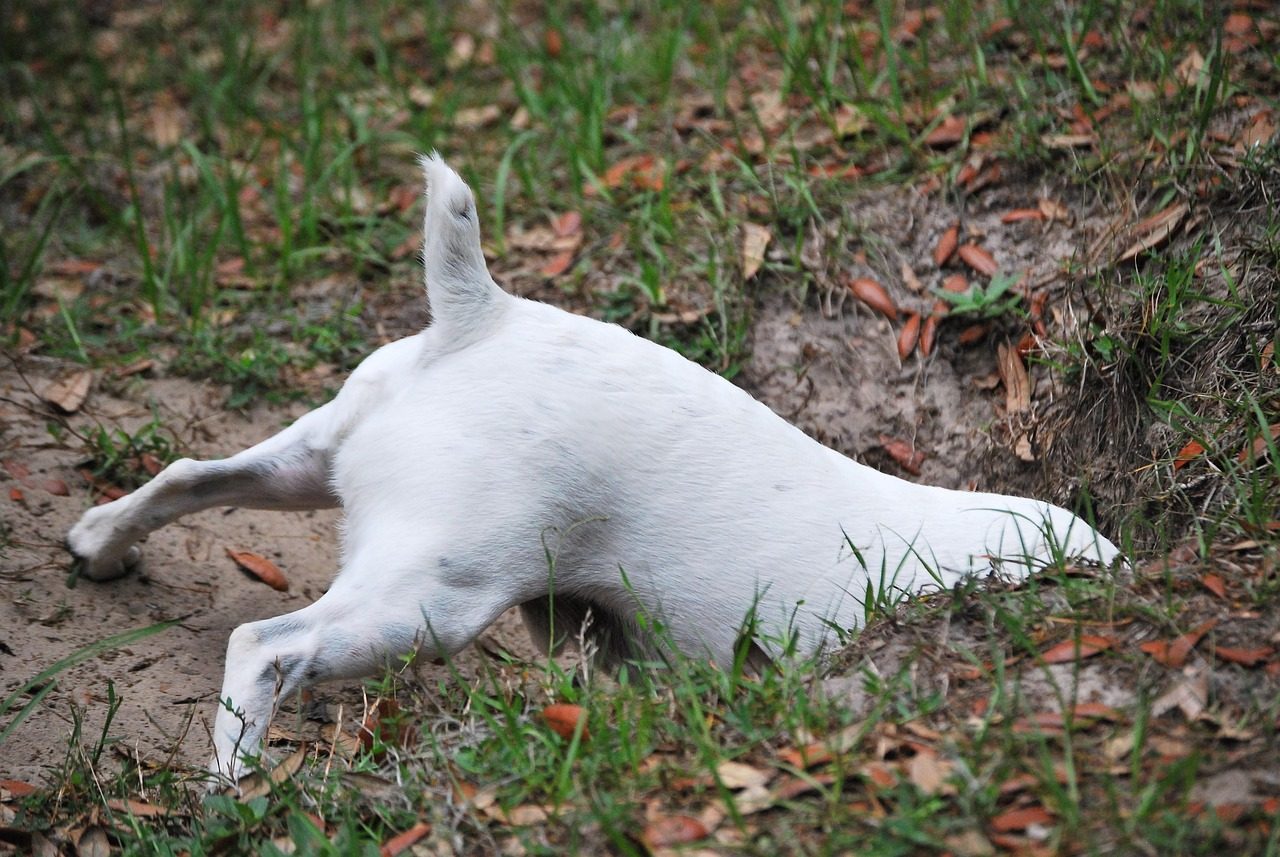
That freshly dug crater in your flower bed might look like deliberate destruction, but your dog sees it completely differently. Dogs historically dig to carve out a good place to sleep or to bury their treasures, and in hot climates, moving the topsoil exposes underlying earth that is cooler to sleep on. It’s honestly one of the most natural things they can do.
According to the American Kennel Club, dogs may dig just for fun, because they are stressed, bored, or to relieve anxiety. Rather than punishing this behavior, try creating a designated digging zone. Half-bury old bones, plastic bottles, and other “treasures” in a part of the garden you earmark for digging. This gives your dog an approved outlet while protecting the rest of your landscaping. The key is redirection, not suppression.
Barking at Everything
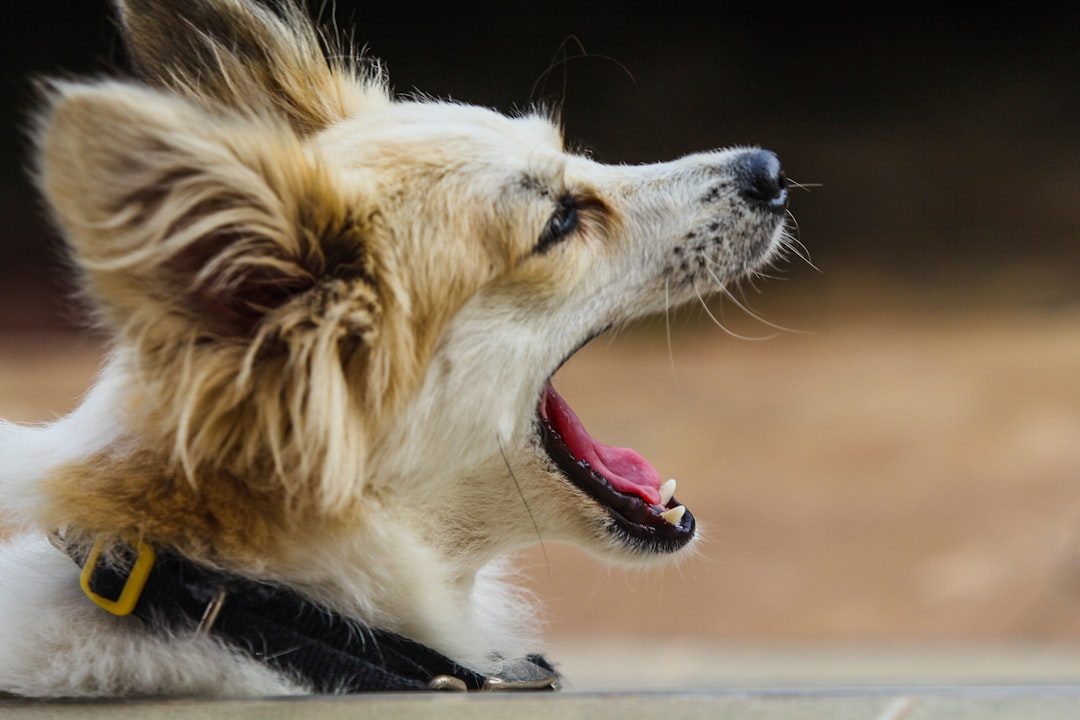
The constant barking can drive anyone up a wall. Your dog alerts you to the mailman, the neighbor’s cat, a leaf blowing across the street. It feels excessive, right? Dogs may bark to alert humans of potential threats, to express excitement or anxiety, or simply because they heard something intriguing. They’re literally just talking to you in the only language they have.
If your dog barks when someone knocks on the door, he is instinctively guarding his territory. Teaching a “quiet” cue becomes essential here. Start by acknowledging what they’re telling you, then redirect their attention to a calm behavior like sitting or going to their bed. Reward the silence generously. Some breeds are naturally more vocal, so realistic expectations matter. You’re not eliminating the instinct, just managing when and how it gets expressed.
Chewing on Your Favorite Things

Chewing is natural for all dogs as they examine the world with their mouths and may gently chew an object out of curiosity. Puppies especially need to chew when they’re teething, though adult dogs continue this behavior for stress relief and mental stimulation. Your shoes aren’t targeted out of spite, they just smell like you and are conveniently located.
The solution isn’t to eliminate chewing but to redirect it appropriately. You need to supply her with plenty of her things that she can chew, and large bones she really has to stand on and fight with are the very, very best and most popular chew toys. Puzzle feeders and frozen treats also work wonderfully. Keep tempting items out of reach and make approved chew toys more interesting than forbidden objects.
Jumping on People
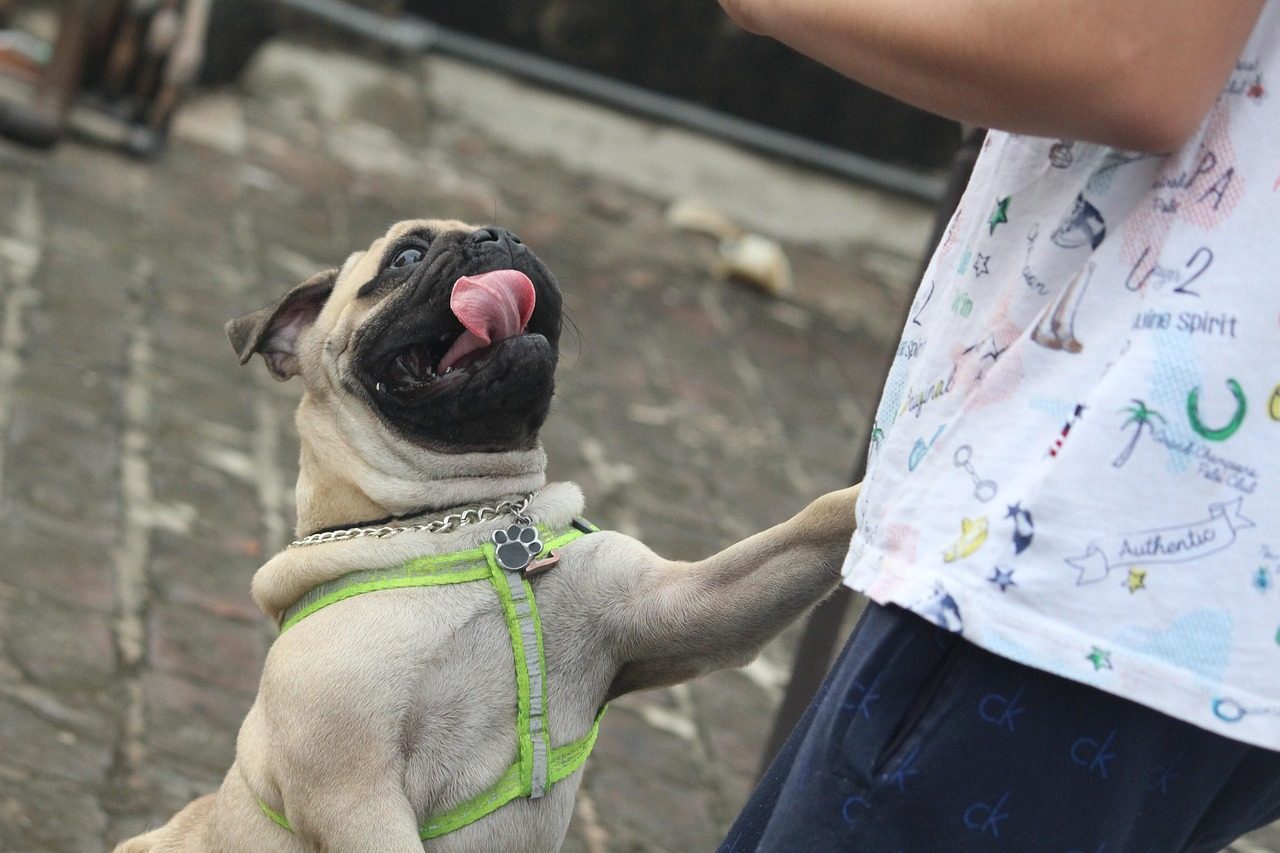
When your dog wants to play with you, they naturally engage in nipping and jumping, the type of rough and tumble behavior that can be tiresome at best and painful at worst. This greeting style comes from how dogs interact with each other, reaching up to sniff faces and show enthusiasm. In dog society, this is completely normal social behavior.
Training an alternative greeting makes all the difference. Praise and reward appropriate calmer greetings to strengthen the desired response, for example, if the dog is rewarded for sitting in front of you as opposed to jumping all over you, in time the sit behavior will become stronger. Ask guests to ignore your dog until all four paws are on the ground. Consistency from everyone is crucial. Your dog will learn that calm behavior gets attention, while jumping gets nothing.
Chasing Squirrels, Cars, or Anything That Moves
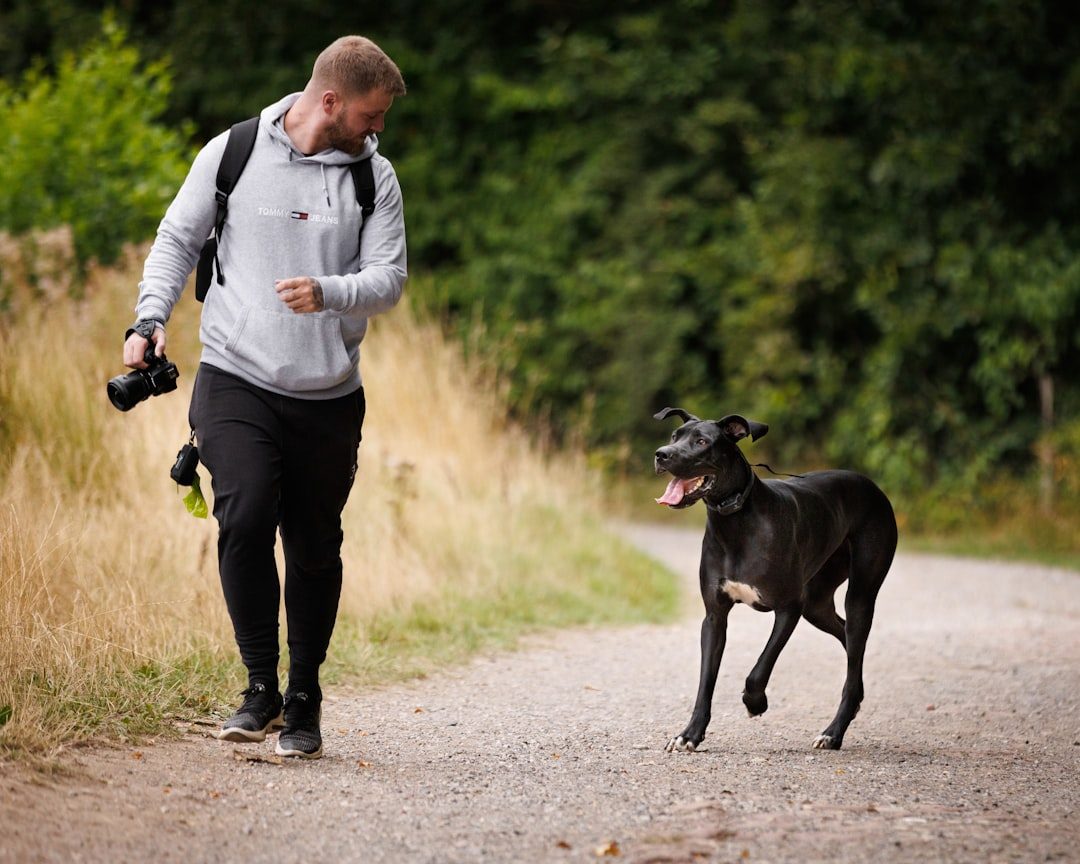
That explosive burst of energy when your dog spots a squirrel? Predation is an instinctive, natural behavior, and it’s found in all dogs to a certain extent. The chase itself releases dopamine and feels incredibly rewarding. Chasing is fun for a dog and triggers the pleasure centers of their brains. This makes it one of the hardest behaviors to control because it’s literally self-rewarding.
There’s a method called Predation Substitute Training that helps trainers understand and channel the dog’s prey drive into another outlet, and you suddenly see the world through your dog’s eyes. Instead of trying to stop all chasing, provide appropriate outlets through games like fetch, flirt poles, or structured activities. Regular play with the flirt pole gives dogs an outlet for their very strong chasing instincts, making recalls off prey animals easier. Work on impulse control and a rock-solid recall command for safety.
Burying Food or Toys
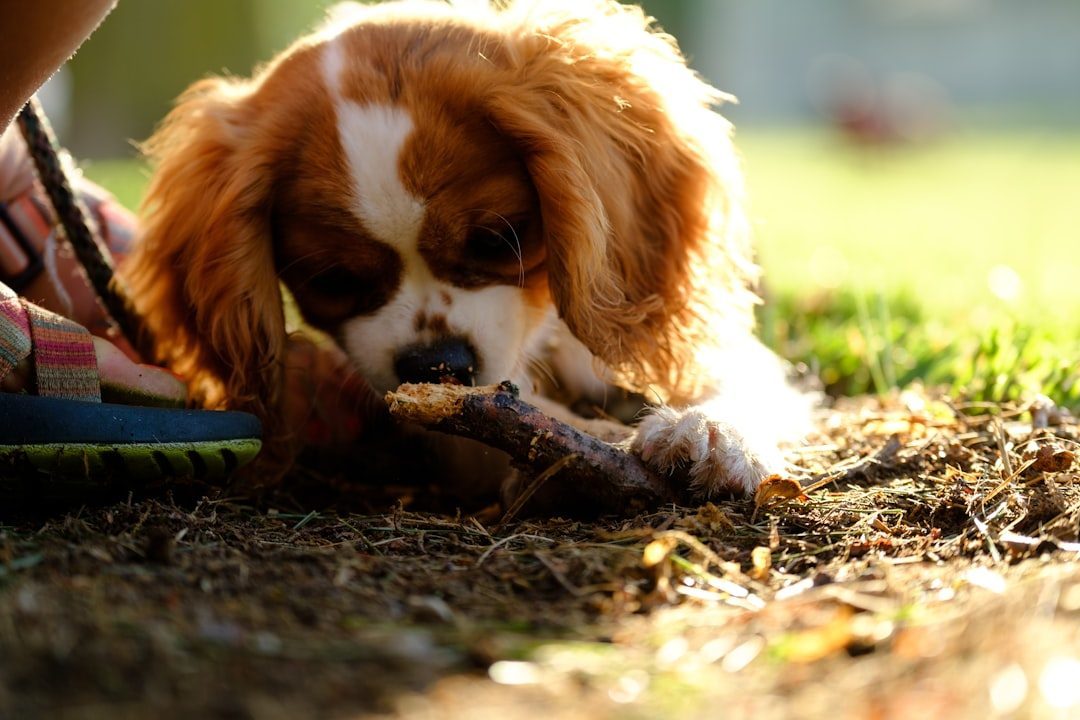
Finding half-eaten treats hidden in couch cushions or toys buried in the backyard seems odd. Why would a well-fed dog do this? The reason dogs bury bones and other items is likely a holdover from their days in the wild, because wolves don’t always know where their next meal is coming from and will sometimes bury leftover food underground. It’s food security programming that runs deep.
This behavior is actually pretty harmless and kind of endearing when you understand it. If it becomes excessive, ensure your dog feels secure about their food supply. Multiple small meals throughout the day can help. Provide appropriate items for burying like toys in a designated digging area. The instinct to cache resources served their ancestors well, and honestly, it’s just your dog being prepared.
Spinning Before Lying Down

You’ve probably watched your dog circle their bed multiple times before finally settling. It looks a bit obsessive, doesn’t it? There is no scientific consensus on the reasons behind this behavior, but some think it’s related to dogs living as pack animals in the wild and the spinning allows them to take one last look for predators or missing pack members before sleeping, while others suggest it’s a way to access cooler earth or create a little nest for a more comfortable sleep.
The spinning allows dogs to lay in a protective position to defend themselves from attacks and curl into a warm ball to preserve body heat, and they would spin in circles trampling down leaves, twigs, and grass to make those objects more comfortable. This behavior is completely normal and requires no intervention. Let your dog have this little ritual, it’s their way of creating the perfect sleeping spot, even on a plush dog bed.
Resource Guarding Their Bowl or Toys
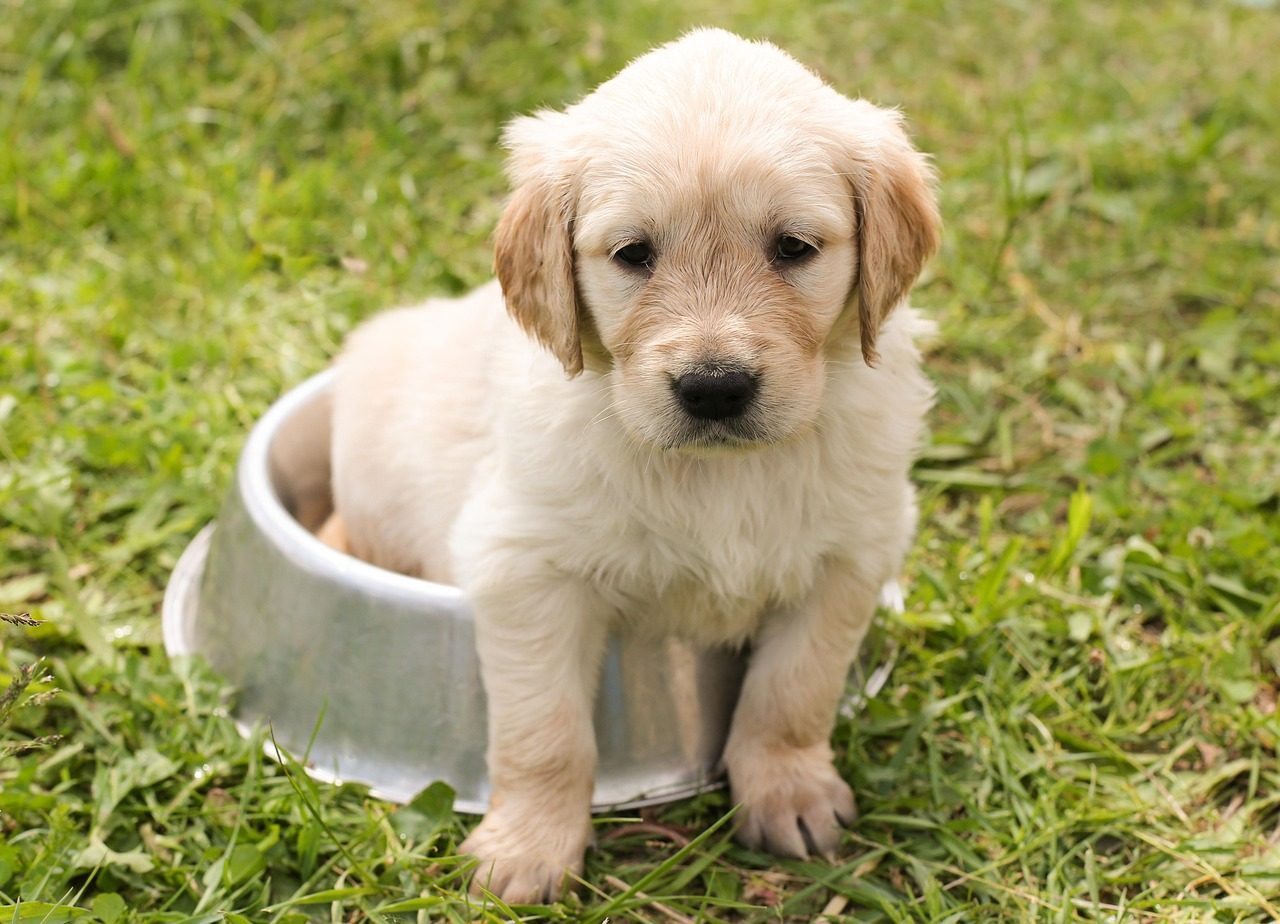
Dogs developed a natural instinct to protect things they see as valuable, particularly food, and how they express this instinct may vary through growling, barking, stiffening, or lunging. In the wild, protecting resources meant survival. A dog who didn’t guard their food might starve, so this protective behavior is deeply wired.
Managing resource guarding requires patience and understanding. Never punish a guarding dog as it escalates the behavior. Instead, teach them that human presence near their resources predicts good things. Drop high-value treats near them while they eat. Trade items rather than taking them. If you can accommodate natural inclinations by giving your dog an outlet for them, they can all be modified without taking the dog’s enjoyment and basic needs away from him. For severe cases, consult a professional trainer who uses positive methods.
Conclusion
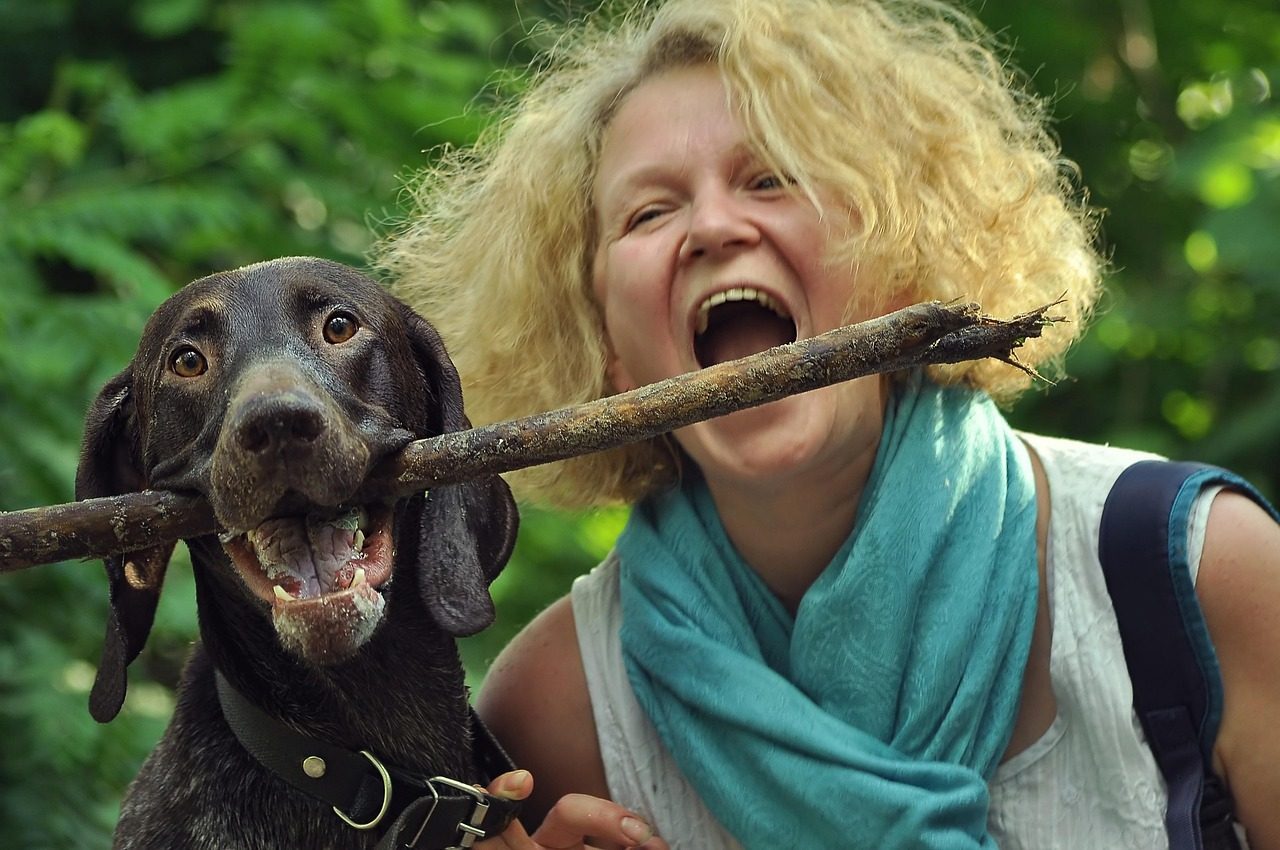
Here’s what I’ve learned after years of loving dogs, those behaviors that frustrate us most are often the ones most deeply connected to who our dogs truly are. Dogs don’t just act out for no reason, many of their seemingly random behaviors are deeply ingrained instincts that help them self-regulate, and instead of trying to suppress these behaviors completely, we can understand their natural functions and provide appropriate enriching alternatives, working with our dogs’ instincts rather than against them to help them live happier, more balanced lives.
The beautiful thing about understanding these instincts is how it transforms your relationship. You stop seeing your dog as stubborn or badly behaved and start seeing them as the incredible animals they are, carrying ancient wisdom in their DNA. Redirecting these behaviors takes time, consistency, and genuine empathy for your dog’s perspective. What habit has your dog shown that you now understand differently? Tell us in the comments.


