

You know that look. The one where your Dachshund burrows under every single blanket on the couch, leaving just a tiny nose poking out. Or the moment when they plant themselves firmly on the sidewalk and refuse to budge, staring you down with those soulful eyes. If you share your life with a Doxie, you’ve probably chuckled, sighed, and occasionally thrown your hands up in loving exasperation at these antics.
These quirks aren’t random. They’re woven into the very DNA of this remarkable breed, shaped by centuries of breeding for a very specific job. Understanding these behaviors isn’t just about laughing at your pup’s funny habits. It’s about seeing the world through their eyes and giving them the life they deserve. Let’s dive into the wonderfully weird world of Dachshund behavior.
The Shadow That Follows You Everywhere

Dachshunds are often called shadow dogs because they follow humans around the house and into the bathroom. Seriously, privacy becomes a distant memory when you bring a Doxie home. They often bond with a specific family member and become their number one loyal companion.
This isn’t just affection, though it’s certainly part of it. Dachshunds are intensely loyal and often pick a favorite person to whom they form a deep attachment, usually wanting to be where their favorite human is. If you’re that chosen one, congratulations. You’ve got yourself a furry stalker who will watch you make coffee, take a shower, and fold laundry with equal fascination.
Burrowing Under Blankets Like Their Life Depends On It

Walk into any Dachshund owner’s home and you’ll spot lumpy blankets with mysterious wiggles underneath. Dachshunds love to burrow under blankets to create their own little cozy forts. It’s adorable, yes. It’s also deeply instinctual.
These pups were designed to dig into badger holes and rabbit burrows, with their long, low bodies and strong paws making it easy to crawl through tight underground tunnels. If they had to survive in the wild, they would have dug small holes to sleep in to protect them from weather and other animals. So when your Doxie disappears beneath three layers of fleece, they’re not being dramatic. They’re feeling safe and warm, just as nature intended.
Stubbornness That Could Rival a Mule
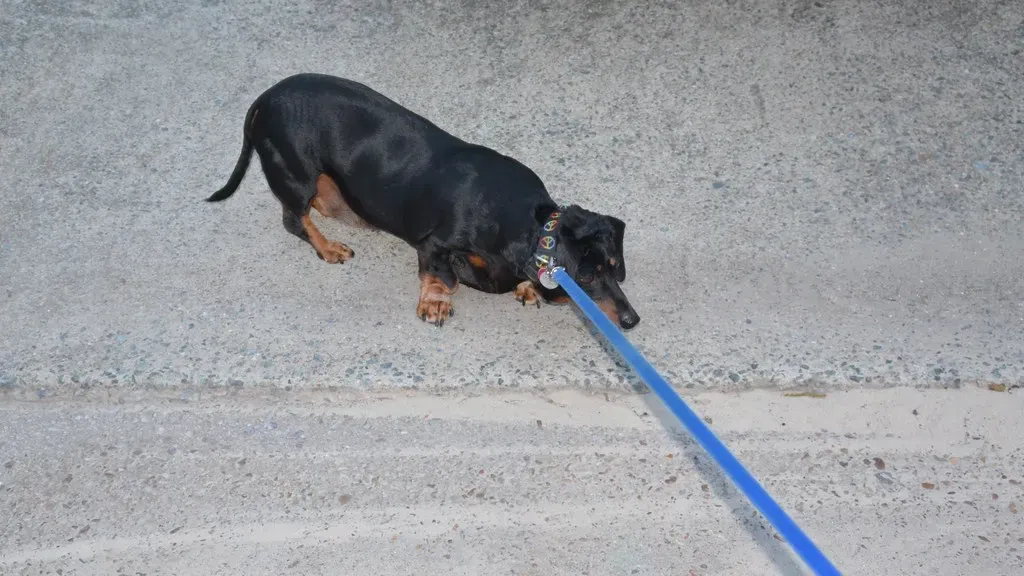
Let’s be real. Training a Dachshund can feel like negotiating with a tiny, furry lawyer who knows exactly what loopholes to exploit. These dogs have strong willpower and are independent thinkers, a product of their hunting roots where they were bred to think and act independently underground without direct human command.
They were bred to solve problems on their own, so if there is a will, there is a way is engrained into their psyche. This means that when you ask your Doxie to come inside and they’d rather sniff that one particular bush for the seventeenth time, they’ve made a calculated decision. Consistency and patience are your best friends here, along with high-value treats and a sense of humor.
Digging Up Your Garden With Zero Remorse
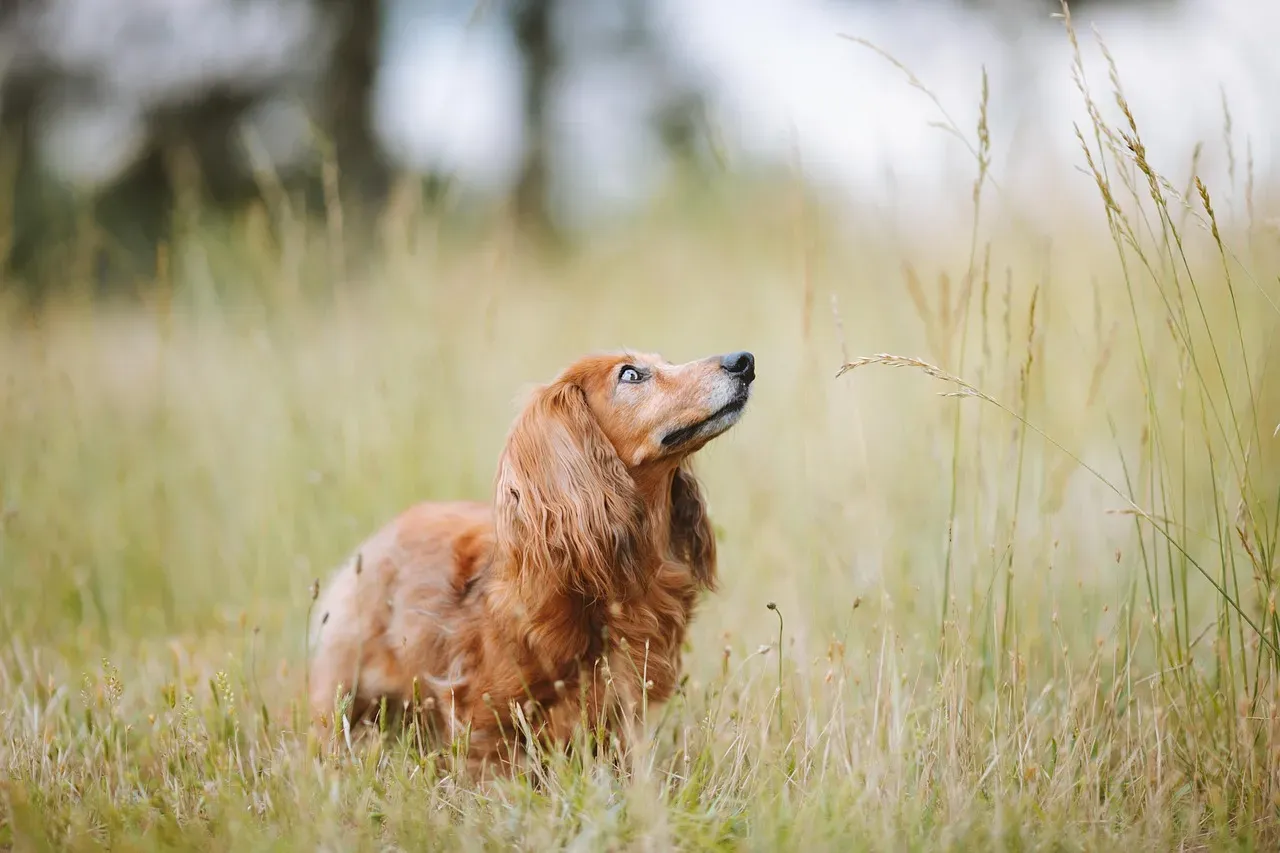
Dachshunds were originally bred for hunting badgers and possess an innate desire to dig, a behavior deeply embedded in their DNA as a remnant of their history where their physical attributes were honed for burrowing into dens. Your flower beds never stood a chance. Dachshunds were bred as hunters so it’s no surprise that many of them like to dig.
Some Doxies will excavate impressive trenches while others prefer to dig at their beds or sofas. In the absence of sufficient physical and mental stimulation, dachshunds often resort to digging as an outlet to burn off excess energy or alleviate boredom. Creating a designated digging zone, like a sandbox in the yard, can redirect this energy. Honestly, it’s hard to stay mad when you remember they were literally designed for this.
Barking at Absolutely Everything

Dachshunds are renowned for their loud, persistent barking, a trait prized for alerting hunters to prey location. The mailman, a leaf blowing past the window, a dog three blocks away. All potential threats requiring immediate vocal assessment. Dachshunds have a loud bark for their size and aren’t afraid to use it.
This trait makes them excellent watchdogs, even if your neighbors don’t always appreciate the enthusiasm. In general, they are a noisy breed, but some lines are more noisy than others. Training a quiet command and rewarding calm behavior can help, though you’ll probably never have a completely silent Doxie. Part of the package deal involves accepting that your ten-pound dog thinks they’re a ninety-pound guard dog.
The Paranoia About Their Backs That’s Actually Necessary

Jumping on to and off of furniture puts a tremendous strain on a dachshund’s back. Every Dachshund owner learns to cringe when they see their dog launch themselves off the couch or attempt the stairs. Due to their long torso, spinal disease and back injuries occur more frequently in dachshunds than in any other breed, with IVDD being the most common condition affecting the breed.
Dachshunds are ten to twelve times more likely to have IVDD than any other breed, with the condition affecting approximately twenty five percent of all doxies. This isn’t about being overprotective. Ramps become essential furniture, baby gates guard staircases, and you develop ninja reflexes to catch your dog mid-leap. It only takes being overweight by ten percent of their ideal body weight to cause extra strain on their bodies, which for a fourteen pound Dachshund is only 1.4 pounds. Prevention is everything here.
Hoarding Toys Like a Tiny Dragon Guarding Treasure

Dachshunds often display a hoarding behavior, gathering toys, treats, and even small items of clothing into their beds or designated spaces, behavior that may be related to their instinct to collect and protect resources. Your socks, their favorite squeaky toy, that random tennis ball from the park. All must be collected and protected.
This behavior is equal parts endearing and mildly annoying when you’re searching for your missing shoe and find it buried under their blanket fort. They’re not being naughty. They’re following ancient hunting dog instincts to secure valuable resources. Providing a special spot where they can keep their treasures can satisfy this urge while keeping your belongings slightly safer.
The Dramatic Grumbling and Whining Communication Style
When a Dachshund whines or grumbles, they are usually trying to tell you they want something. It’s not quite a bark and not quite a whimper. It’s a uniquely Dachshund vocalization that sounds like they’re complaining about the state of the world in general.
Maybe they want you to lift the blanket so they can burrow. Perhaps they’re offended that dinner is three minutes late. They may desire something they can’t have, so this one is not easily solved by giving them what they want, and the best course of action is to ignore them or redirect their attention to something else. Learning to distinguish between genuine needs and theatrical demands becomes an essential skill. Sometimes your Doxie is just expressing opinions, and honestly, they have a lot of them.
Final Thoughts

Living with a Dachshund means embracing a dog with opinions, quirks, and an unwavering belief in their own importance. These behaviors aren’t flaws. They’re features, carved into this breed through generations of purposeful breeding. From their shadow-like devotion to their engineering-level digging projects, every quirk tells the story of a courageous little hunter who still lives inside your pampered couch potato.
Understanding these behaviors helps you meet your Doxie’s needs while protecting their vulnerable backs and channeling their energy appropriately. They’re stubborn because they were bred to make independent decisions. They’re vocal because hunters needed to locate them underground. They burrow because tight spaces mean safety. What do you love most about your Dachshund’s unique personality? Tell us in the comments.


