
There’s a moment every dog parent knows. You’re sitting on the couch after a long day, your dog ambles over, flops down right beside you, lets out a deep sigh, and just… melts. No barking, no demanding, just pure, quiet trust. It’s one of the most beautiful things in the world. Yet so many of us still wonder, deep down, “Does my dog actually feel loved? Am I doing enough?”
Honestly, it’s a fair question. Dogs can’t say the words, after all. What they can do is show us, constantly, through a language made of wiggles and gazes and little nudges. The trick is knowing how to read it. So let’s dive into the eight behaviors that are your dog’s way of saying, “I feel safe. I feel loved. I’m home.”
1. That Full-Body Wiggle When You Walk Through the Door
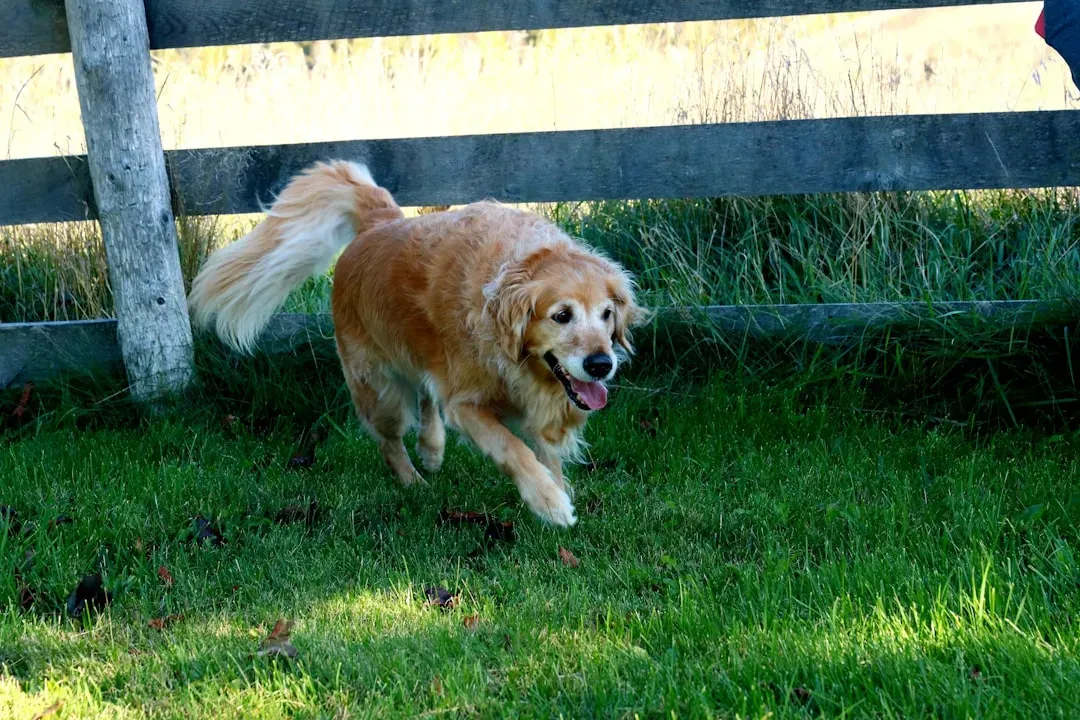
You know the one. The tail starts going, then the whole back end joins in, and suddenly your dog is basically a wiggling, spinning tornado of joy. Dogs wear their hearts on their sleeves, and a full-body wiggle is a telltale sign that your pup is head-over-heels happy. They simply can’t contain their excitement. It’s not performance. It’s pure, unfiltered emotion.
Wide, full-body wags indicate genuine happiness and excitement, and when paired with soft eyes and a loose posture, you’re looking at a dog who genuinely looks forward to your presence. Think of it like a child running to the front door to greet a parent. The feeling is the same. The love is absolutely real.
2. Sleeping Deeply and Peacefully Near You
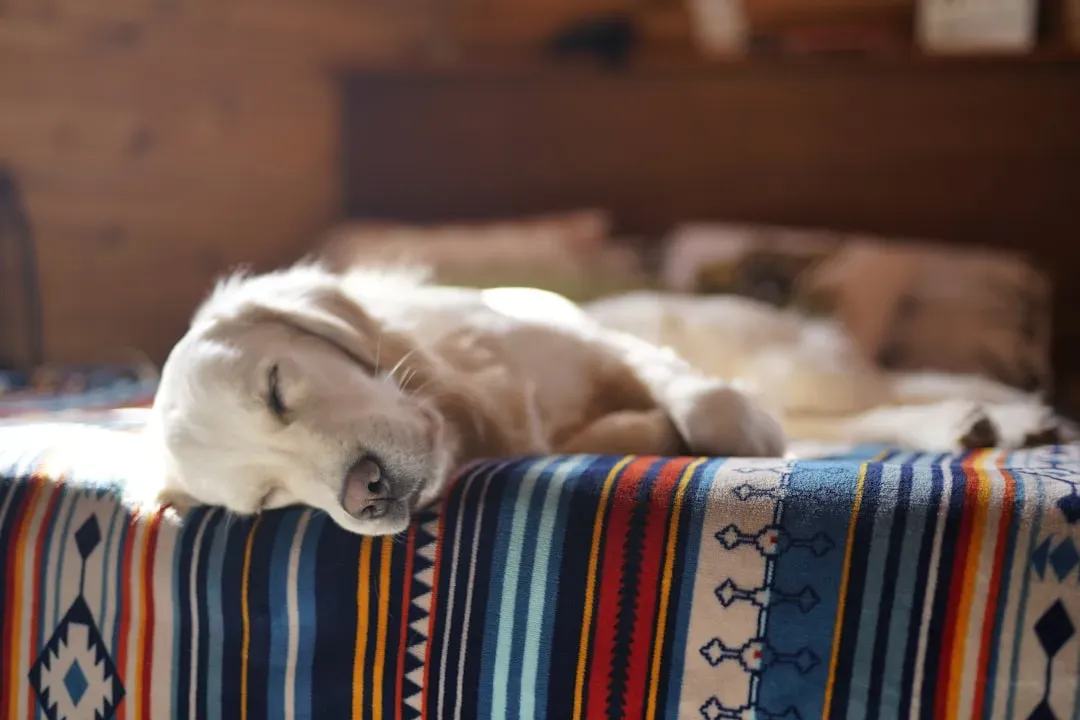
Sleep is a vulnerable time for any animal, but your dog doesn’t feel that way when curled up next to you. Studies indicate that dogs who have a secure relationship with their humans sleep better when they’re close. A dog who snoozes deeply in your presence is basically handing you the highest compliment in the canine world.
You might also catch your dog dreaming, those adorable paw twitches or quiet yips are signs they’re in REM sleep, which means they feel secure enough to fully relax. Dogs who feel safe and content usually have regular, restful sleep, and they may nap with their bodies relaxed, stretched out, or curled in a comfortable position. If your dog is sleeping like that regularly? You’re doing something very right.
3. Loose, Relaxed Body Language Around the House
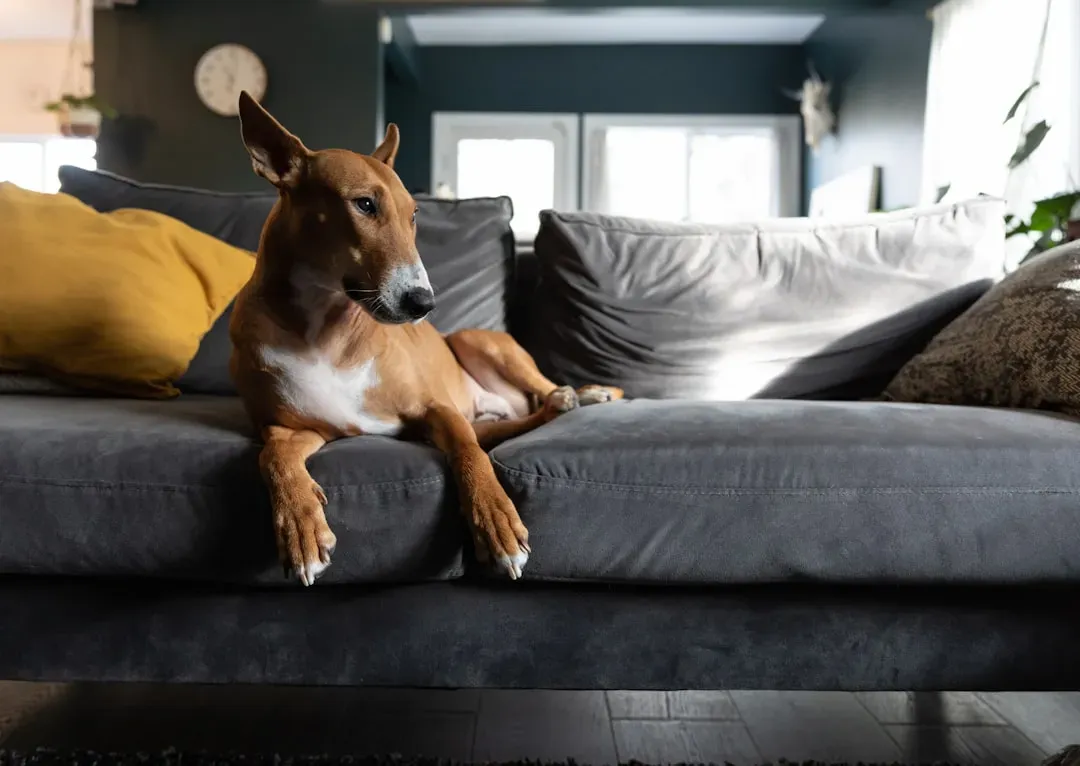
Here’s the thing about body language: it doesn’t lie. When your dog trusts that you have their back, you’ll see loose body language, soft eyes, and comfortable positions, like rolling onto their side or back. A dog stretched out belly-up on the living room floor is essentially saying, “I have zero worries right now.”
If your dog seems relaxed in their posture and not tense or stiff, this is a good indication they are feeling good. Loose shoulders, soft eyes without a fixed gaze, and a dose of ‘wiggliness’ or pure ‘flopped-outness’ are all clues that your dog’s feeling super chill. Watch for floppy ears too. Relaxed, floppy ears that rest naturally against your dog’s head are a clear sign of happiness and comfort.
4. Following You Around (the Healthy Kind)
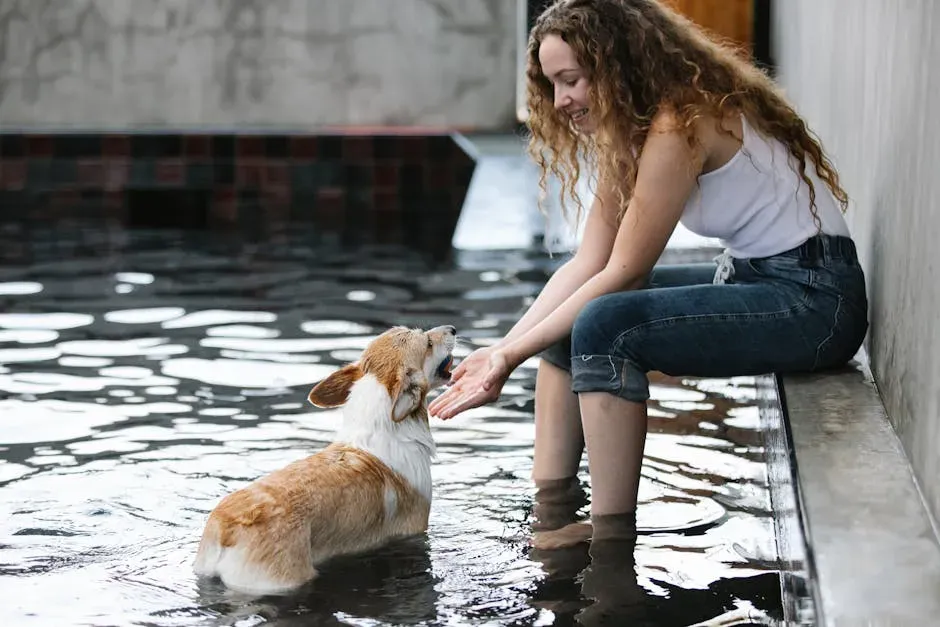
Some people roll their eyes at their “velcro dog.” I think it’s secretly one of the sweetest things. Dogs will naturally gravitate toward their human when they feel safe and bonded. If your dog follows you everywhere you go, it’s a sign of their love and attachment to you. They want to be near you and be a part of your life. Following you is also a way for your dog to feel secure and protected.
The key distinction is this: a contented dog will follow you calmly and settle happily when you stop moving. Following behavior typically indicates attachment and happiness. Dogs that feel secure and bonded with their owners often seek proximity as a way of maintaining connection. This behavior usually reflects contentment rather than anxiety, especially when accompanied by relaxed body language. If the following comes with panting, whining, or distress when you close a door, that’s worth addressing with a trainer or vet.
5. Bringing You Their Favorite Toy
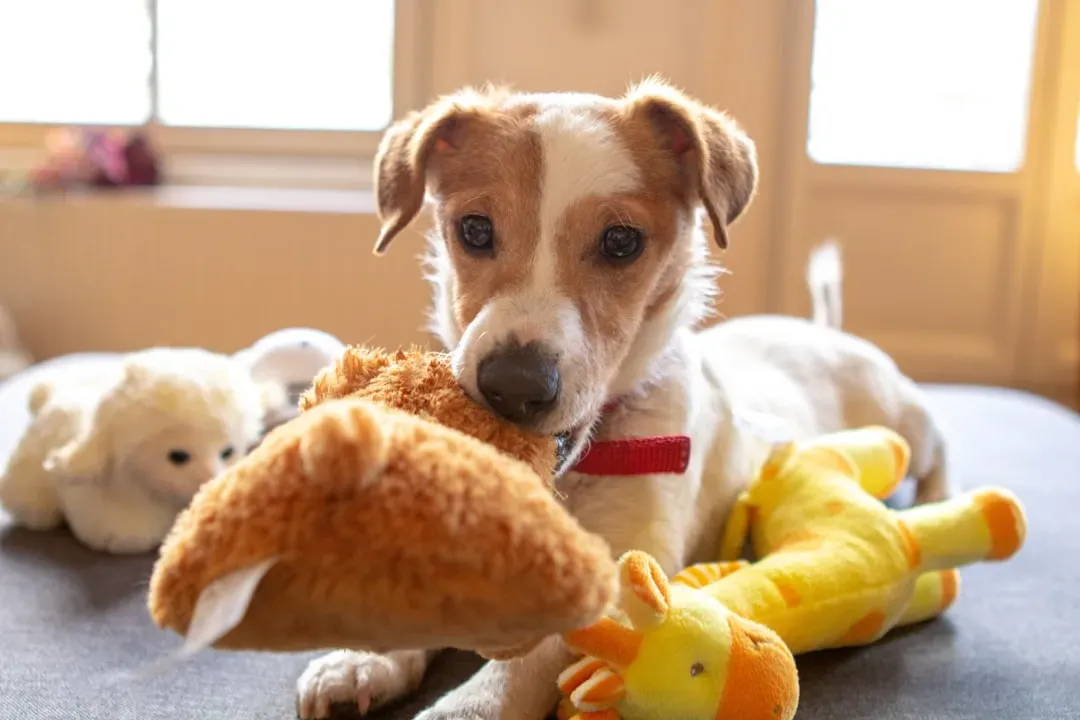
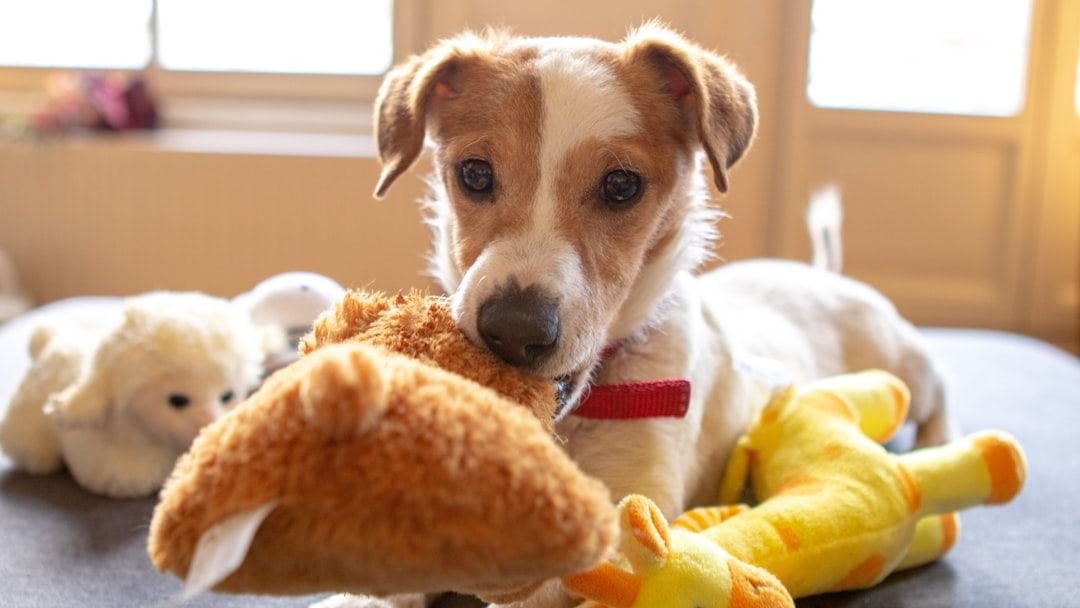
There’s something so genuinely touching about a dog who trots over with their most prized squeaky toy and drops it at your feet. You know your dog loves you if they bring you their favorite toy. This behavior is an invitation to play and a sign of affection. It shows they trust you with their prized possessions, and they enjoy spending time with you.
In canine culture, sharing prized possessions shows trust and affection. Your dog expresses their concern and wants you to join in with the pleasure they feel when they drop their favorite squeaky toy at your feet. It’s more than just a game. It’s your dog saying, “You’re my person, and I want to share what I love most with you.” That’s pretty hard to top, honestly.
6. Leaning Against You
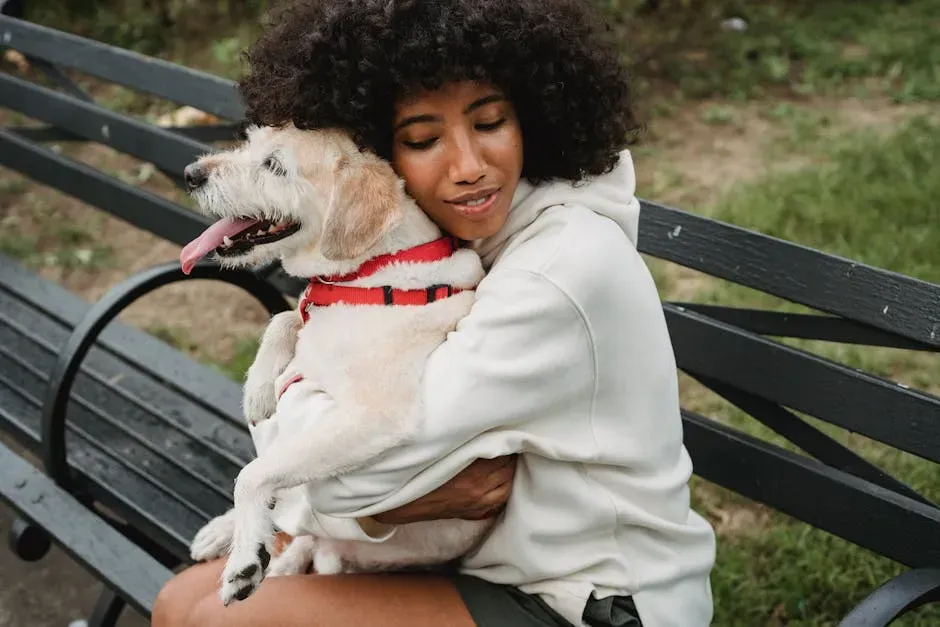
That warm, heavy pressure of a dog leaning their whole body against your legs? It’s not clumsiness. It’s a deliberate, tender act. Dogs lean on you for two major reasons: closeness and reassurance. Leaning can mean “I trust you with my safety” or simply “I feel happiest when touching you.”
When a dog leans on you, it’s a sign of affection and trust. By leaning on you, your dog is saying, “I feel safe and secure with you.” This behaviour is often seen in dogs who have a strong bond with their owners. When your dog comes up to you and leans their full weight against your legs, they’re showing you they trust and love you implicitly. For many dogs, the lean is akin to hugging. Let that sink in for a moment. Your dog is hugging you.
7. Making Soft, Gentle Eye Contact With You
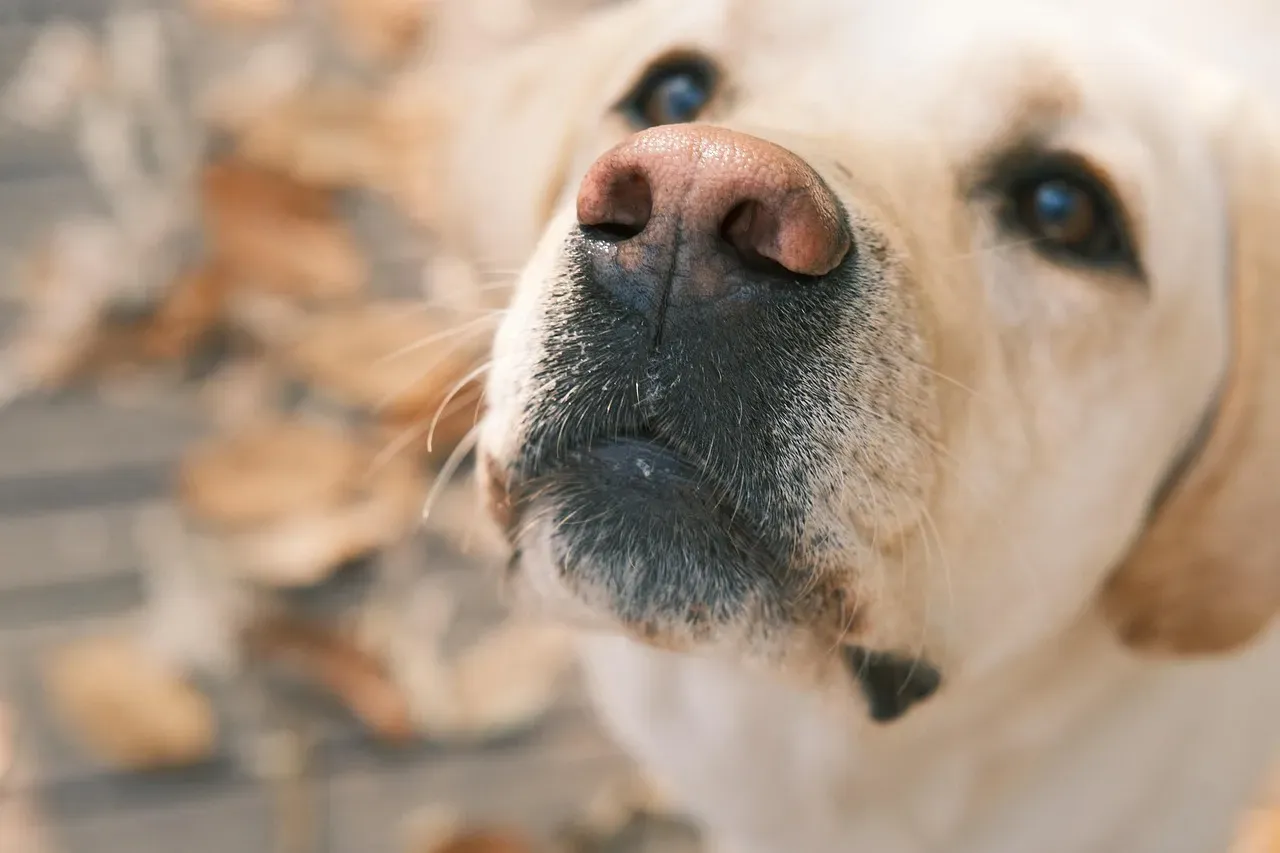
Eye contact in the animal world can mean many things. Hard, fixed staring can be a challenge. But soft, gentle, blinking eye contact with you? That’s something else entirely. Using MRI, scientists measured the neural responses of dogs as they were exposed to odors of both familiar and unfamiliar people and dogs. The experiment revealed that when a dog smelled the familiar aroma of his owner, the “reward center” of the brain (caudate nucleus) was activated. The caudate nucleus contains many dopamine receptors and it “lights up” when exposed to pleasurable experiences.
Dogs get the same oxytocin rush that we do. Oxytocin is known as the “love hormone” for its role in securing bonds, and it can surge when pet parents gaze at, speak to, pet, or otherwise interact with their dog. So those quiet moments where your dog just looks at you? You’re literally both getting a hormonal love boost from each other. Soft eye contact shows engagement and affection. Look for soft, blinking eyes rather than a tense, wide-eyed stare.
8. Looking to You for Reassurance in New Situations
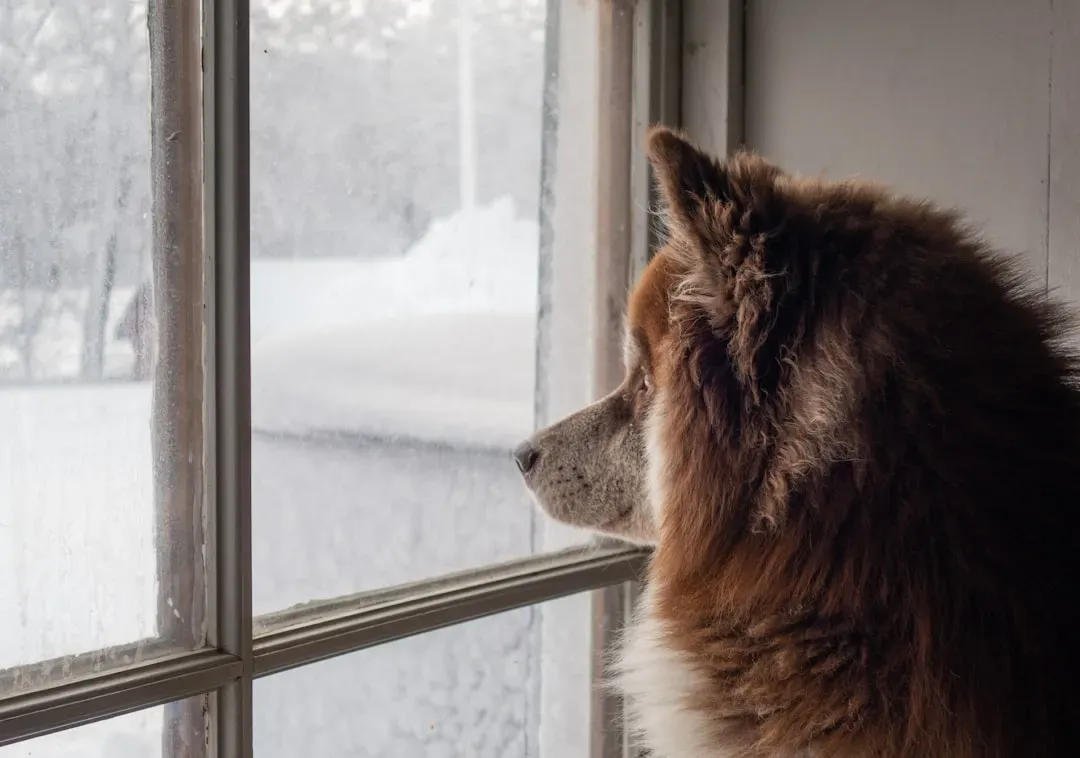
This one is subtle but incredibly meaningful. Dogs who feel loved and comforted consider their favorite humans as their secure base, especially when they’re uneasy. When something startles them or feels new, a dog who trusts you will look to you for guidance. Think of it like a toddler who runs back to their parent before exploring the new playground. Same instinct, same trust.
They might come stand closer, make eye contact, or wait for your cue. That tells you they see you as their leader, and there is a deep level of mutual trust and respect. During walks or outdoor activities, content dogs frequently check in with their owners, glancing back periodically to maintain connection. This behavior indicates they view you as their secure base and feel comfortable exploring while maintaining their bond with you. It’s one of the most emotionally rich signs your relationship is genuinely thriving.
Final Thoughts: You’re Already Doing More Than You Know
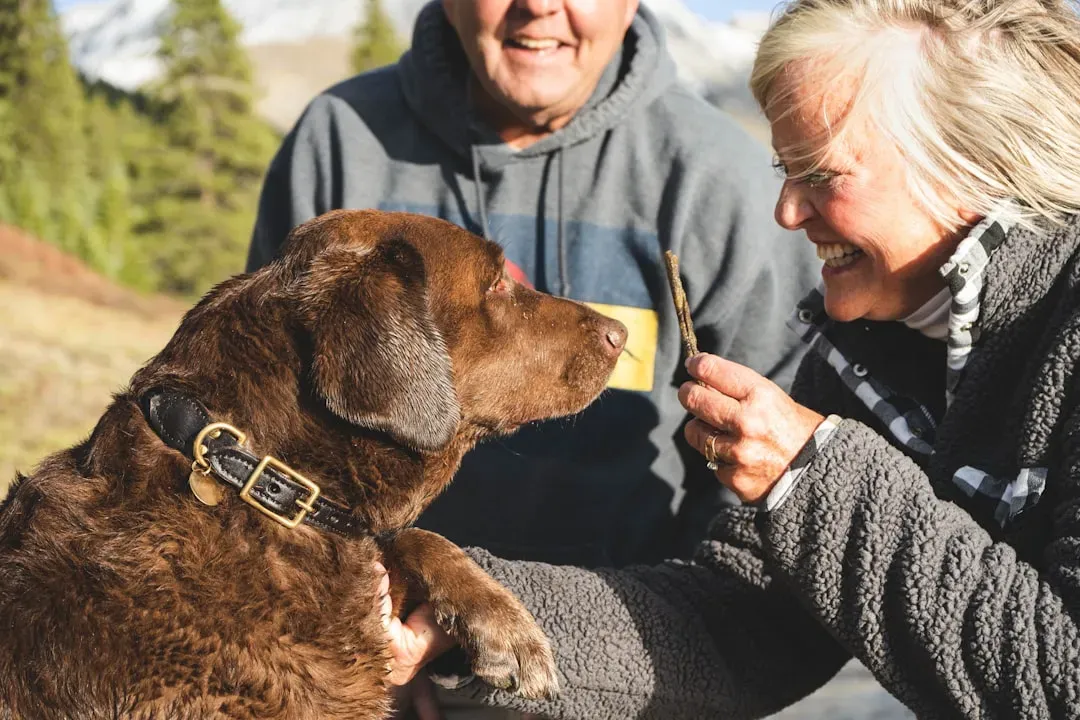
If you’ve read this far and recognized your dog in even a few of these behaviors, take a deep breath and let yourself feel good about that. That kind of relaxation only happens when a dog truly feels safe, which means you are doing a good job being their advocate in life. Your dog isn’t performing happiness. They’re living it, because of you.
Understanding your dog’s happiness is about paying attention to their unique personality and behavior. By watching for signs like relaxed body language, playfulness, affectionate gestures, and healthy habits, you’ll know your furry companion feels safe, secure, and loved. Every dog is different, and learning their personal language is a lifelong, joyful conversation.
The most powerful thing you can do for your dog is simply to keep noticing. Keep showing up. Keep offering that steady, safe presence they’ve anchored their whole world to. Because to your dog, you aren’t just a person. You’re home. What behavior from this list does your dog show you the most? Share it in the comments, because honestly, we could all use a little more of that kind of love in our day.


