
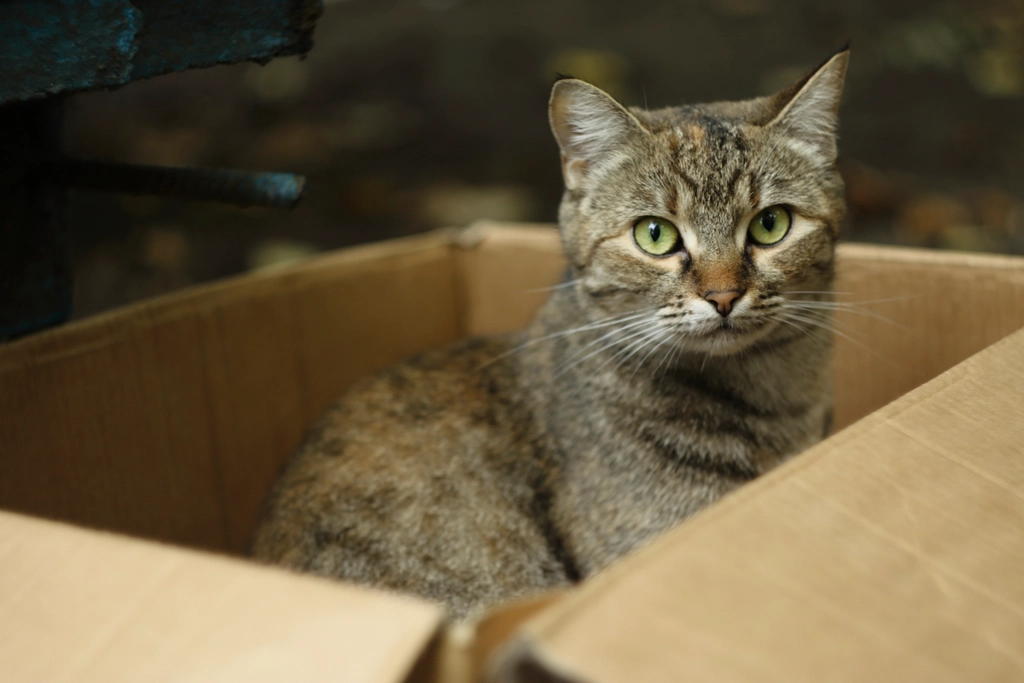
Have you ever watched a cat do something so odd, you just stopped and stared, wondering, “What in the world is going on in that furry head?” If you’re a lifelong dog person, cats can seem like mysterious, unpredictable creatures from another planet. Their quirky habits and silent stares leave dog lovers scratching their heads. While dogs are open books, wagging their tails and wearing their hearts on their sleeves, cats are more like a novel in a foreign language—full of secrets, subtlety, and a dash of mischief. Let’s dive into eight cat behaviors that never fail to confuse—and sometimes amuse—dog people everywhere.
Sudden Zoomies at Midnight
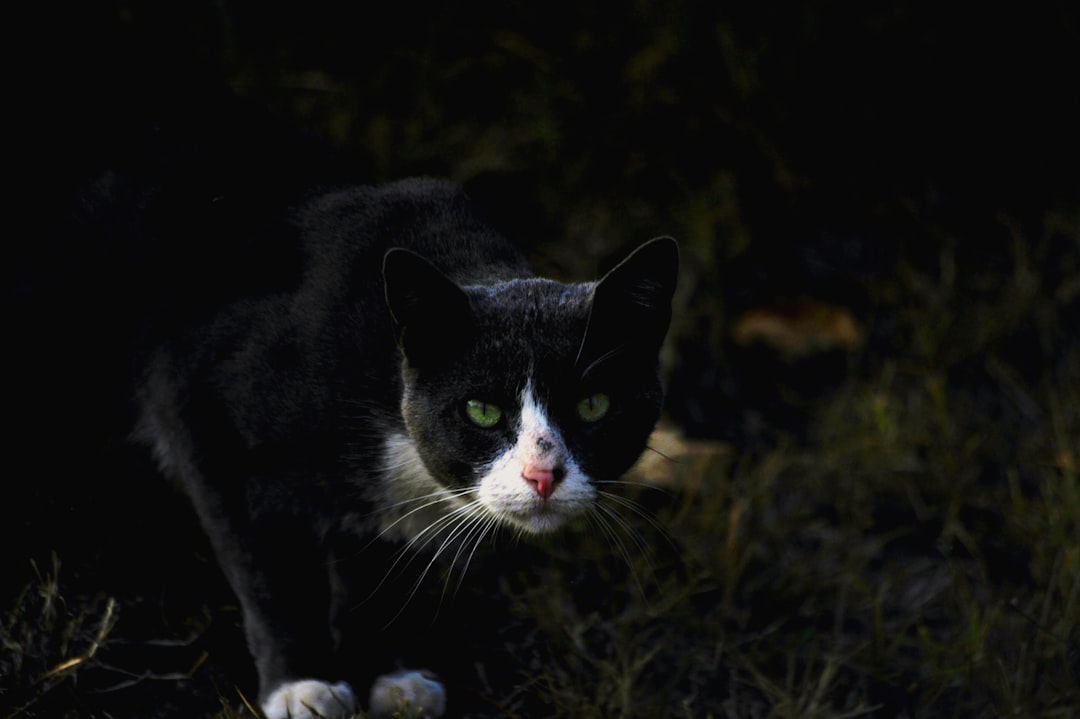
If you’ve ever spent time with a cat, you might have witnessed them transform from a sleepy loaf into a rocket-powered blur, tearing through the hallway at 2 a.m. For dog people, this is pure chaos—why would a pet suddenly decide to sprint around the house when everyone else is trying to sleep? Unlike dogs, who usually need a reason to get the zoomies (like seeing their leash or spotting a squirrel), cats seem to do it for reasons known only to themselves.
These midnight marathons are actually a natural outlet for pent-up energy. Cats are crepuscular, meaning they’re most active at dawn and dusk—their wild ancestors hunted during these times. Indoors, without real prey to chase, house cats channel their instincts into spontaneous sprints. For dog lovers used to a calm bedtime routine, a cat’s late-night antics can be downright startling, if not hilarious.
Kneading Blankets (or People!)
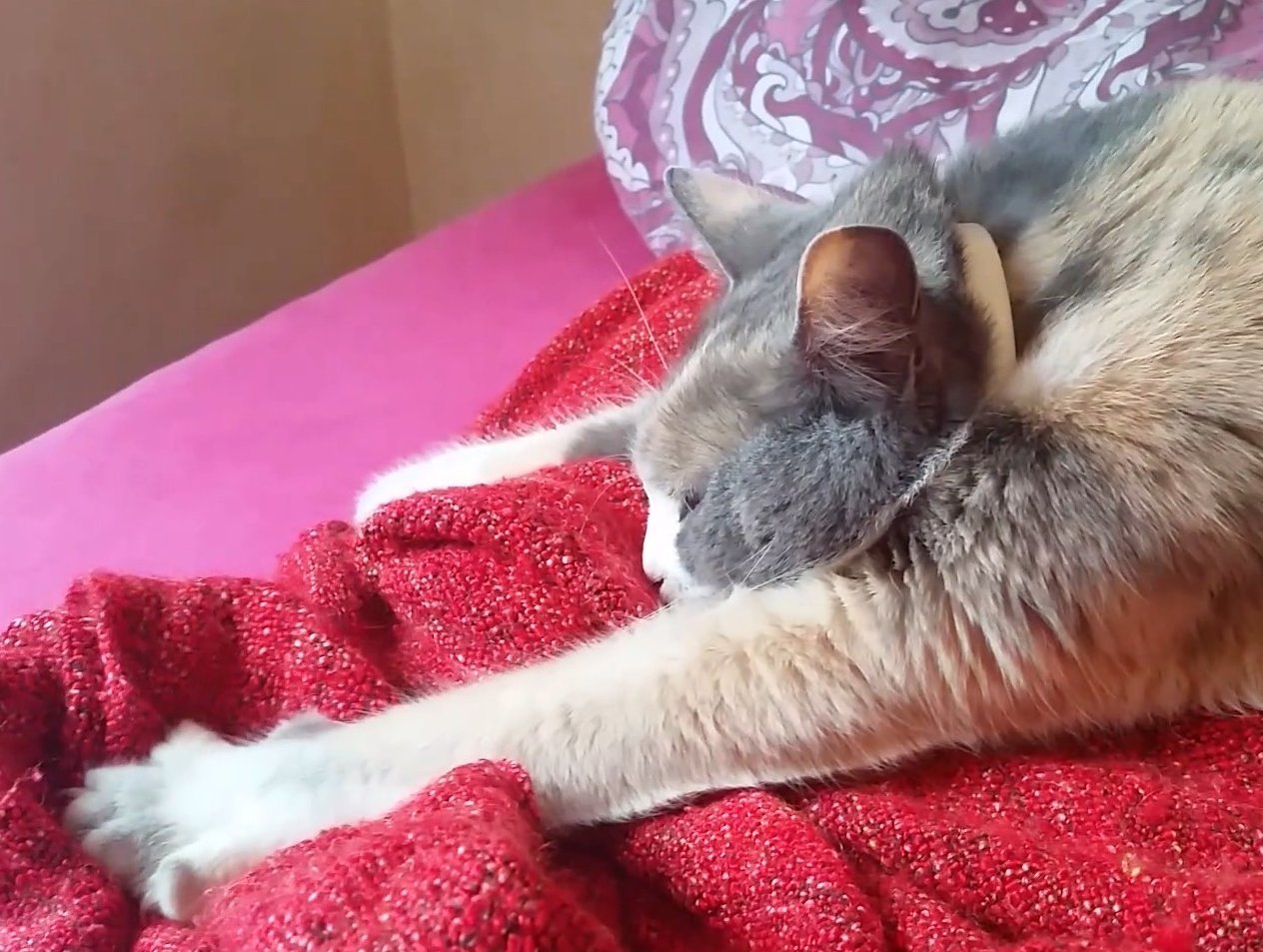
Dog owners might be puzzled the first time they see a cat rhythmically pressing their paws into a blanket, pillow, or even their lap. This strange motion, called “kneading,” looks a bit like a baker working dough. Dogs don’t have any behavior quite like it, so it’s easy to wonder: what are these cats doing?
Kneading is a deeply comforting behavior that starts in kittenhood, when babies press on their mother’s belly to stimulate milk flow. Even as adults, cats associate this motion with feelings of safety and contentment. So, when your cat kneads you, it’s their way of saying, “I trust you—you’re my safe place.” For dog people, it might look peculiar, but it’s actually one of the purest signs of feline affection.
Headbutting and Face Rubbing
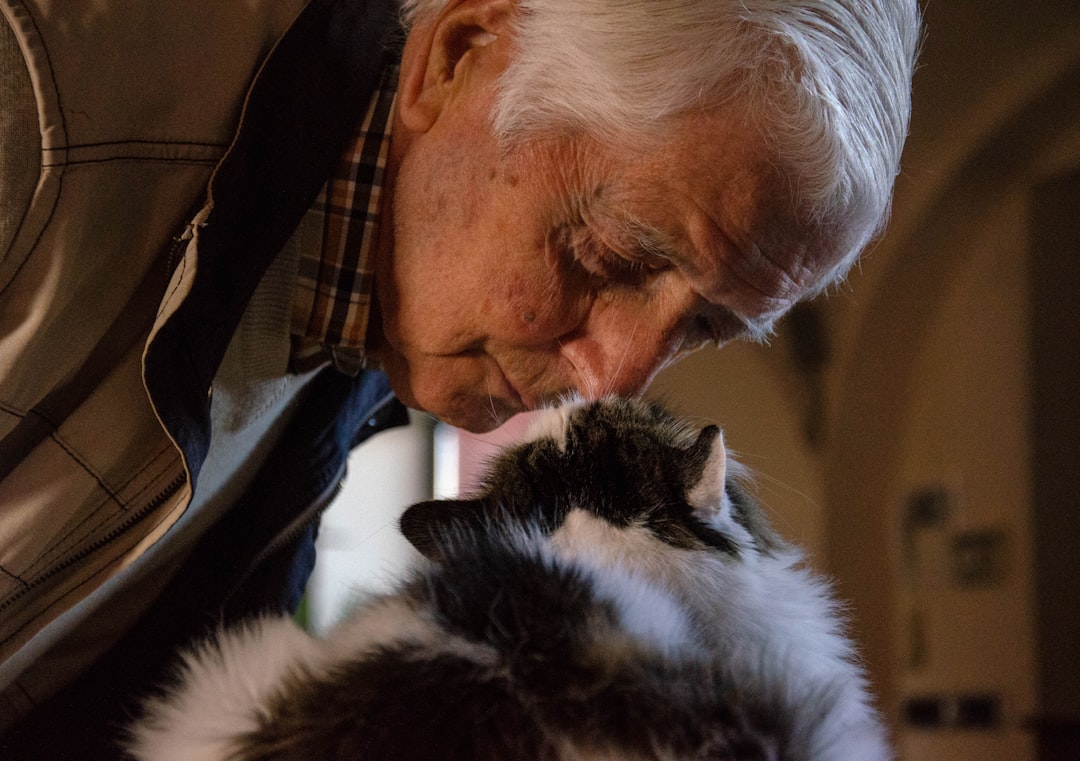
Imagine your dog walking up and gently bumping you with their forehead. It’d be weird, right? But cats do this all the time, pressing their heads or cheeks against people, furniture, or even other pets. For dog lovers, this “headbutting” or “face rubbing” can be a total mystery.
This gesture is called “bunting,” and it’s the cat’s way of marking territory. Cats have scent glands in their cheeks and forehead, so when they rub their face on you, they’re actually leaving their scent—essentially saying, “You’re mine.” While dogs mark with urine, cats do it with a subtle, loving touch. For those more used to wagging tails and licks, this gentle headbutt is a uniquely feline show of attachment.
Bringing Home “Gifts”
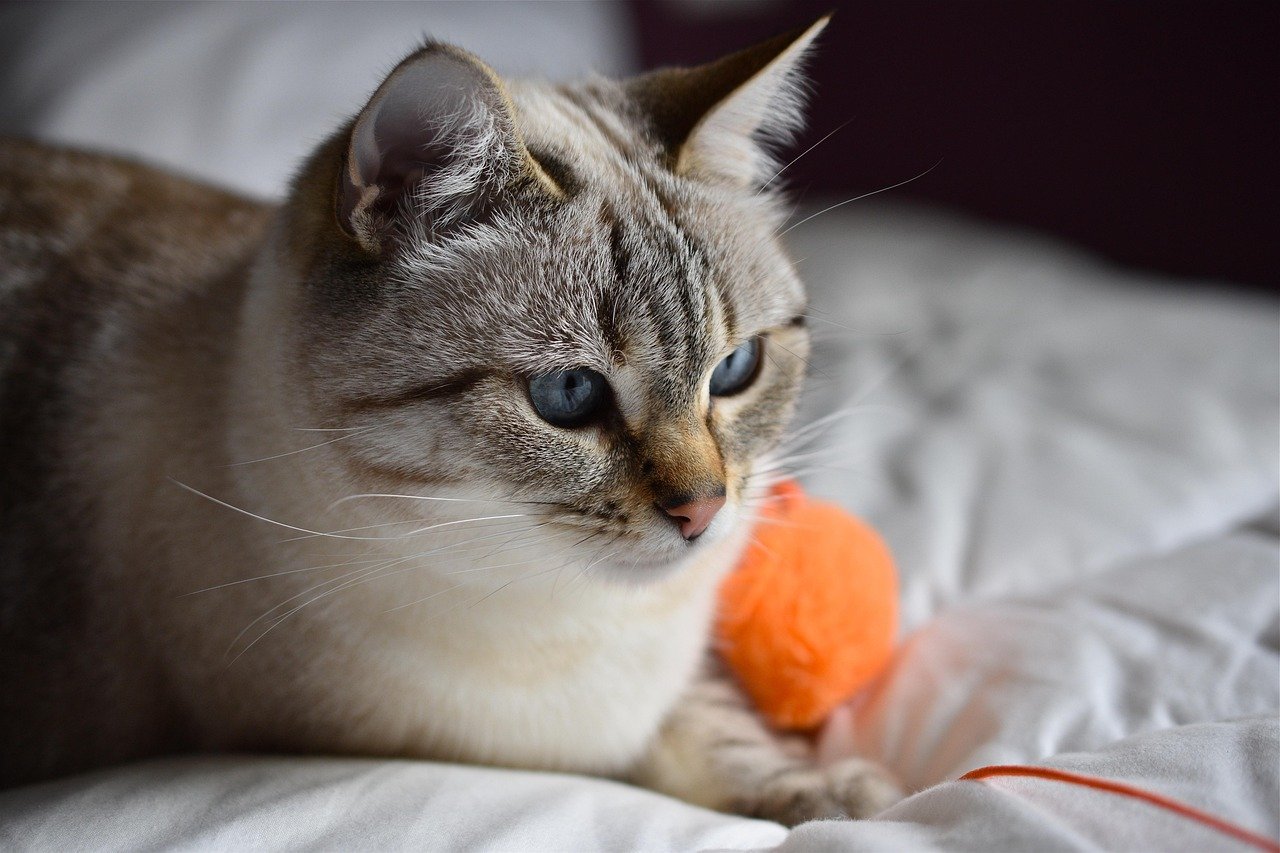
Dog people often receive slobbery tennis balls or sticks as tokens of their pup’s affection. But cats take gifting to a whole new level—sometimes leaving dead mice, bugs, or other “trophies” on your doorstep. For someone used to a dog’s playful presents, this can be shocking, even a bit gross.
While it might seem baffling, this gift-giving is rooted in instinct. Cats are natural hunters, and in the wild, mother cats bring back prey to teach their kittens how to eat. When your cat delivers a “gift,” they’re treating you like family—offering you something precious, even if it makes you cringe. It’s their way of saying, “I care about you,” in a language that’s very different from a dog’s.
Ignoring Commands (and Doing Their Own Thing)
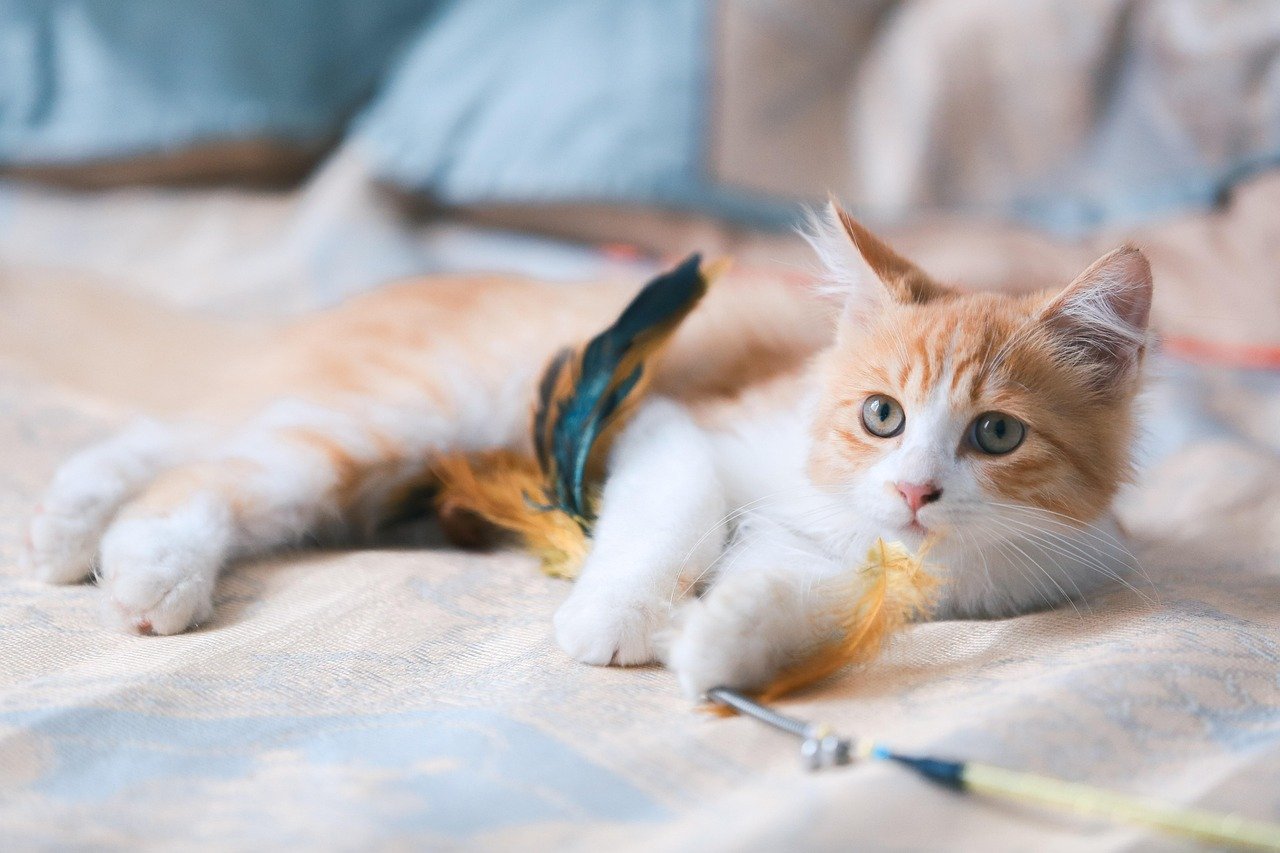
Ask a dog to sit, and most will happily oblige, eager for praise or a treat. But try the same with a cat, and you’ll likely get a blank stare or a slow blink. For dog people, used to eager-to-please pups, a cat’s aloofness can be downright maddening.
Cats don’t respond to human commands the way dogs do because of their evolutionary history. Dogs were bred to work alongside people; cats, on the other hand, mastered the art of independence. They’re more likely to do what they want, when they want—and if that happens to align with your request, well, lucky you. This self-assured attitude can baffle those who expect a little more obedience from their furry friends.
Sudden Bouts of “Biting Affection”
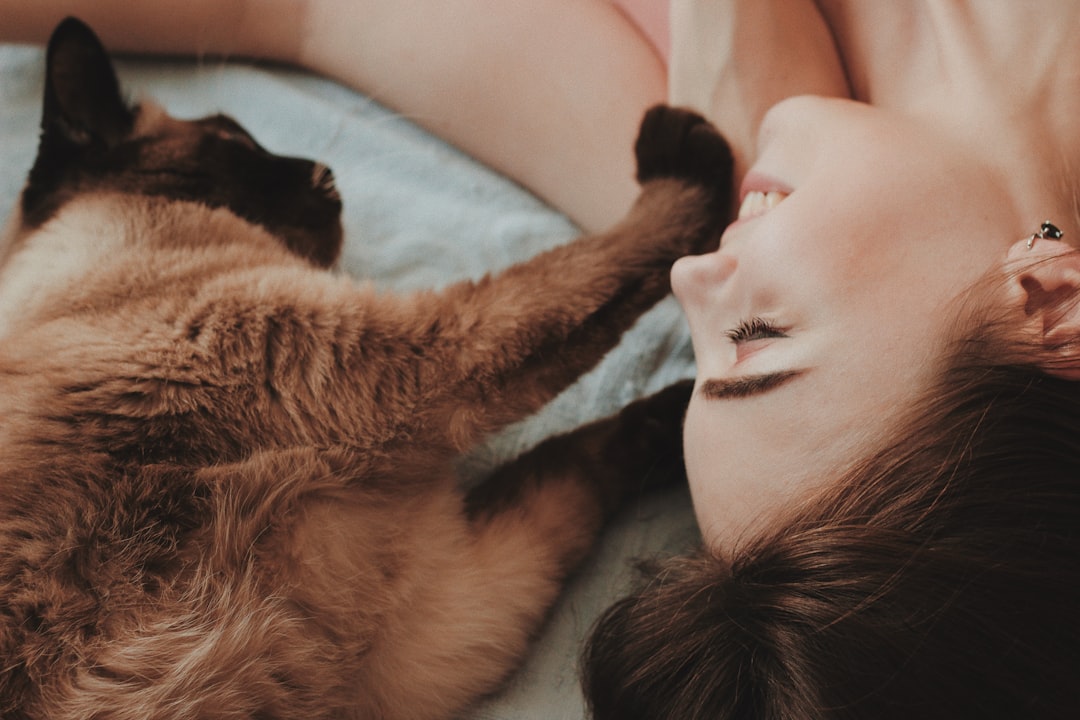
If you pet a dog, you expect wags and happy sighs. But with cats, one minute you’re scratching their chin, and the next—ouch!—you’ve been nipped. These “love bites” can seem totally out of the blue for dog lovers, leaving them confused and a little hurt.
In the cat world, gentle biting is a complex form of communication. Sometimes it’s a signal that they’re overstimulated; sometimes it’s playful. Cats have sensitive skin and nerves, so too much petting can become overwhelming. Think of it as their polite way of saying, “That’s enough for now.” It’s not rejection—it’s just a boundary, something dog people might need time to understand.
Obsession with Boxes and Tight Spaces
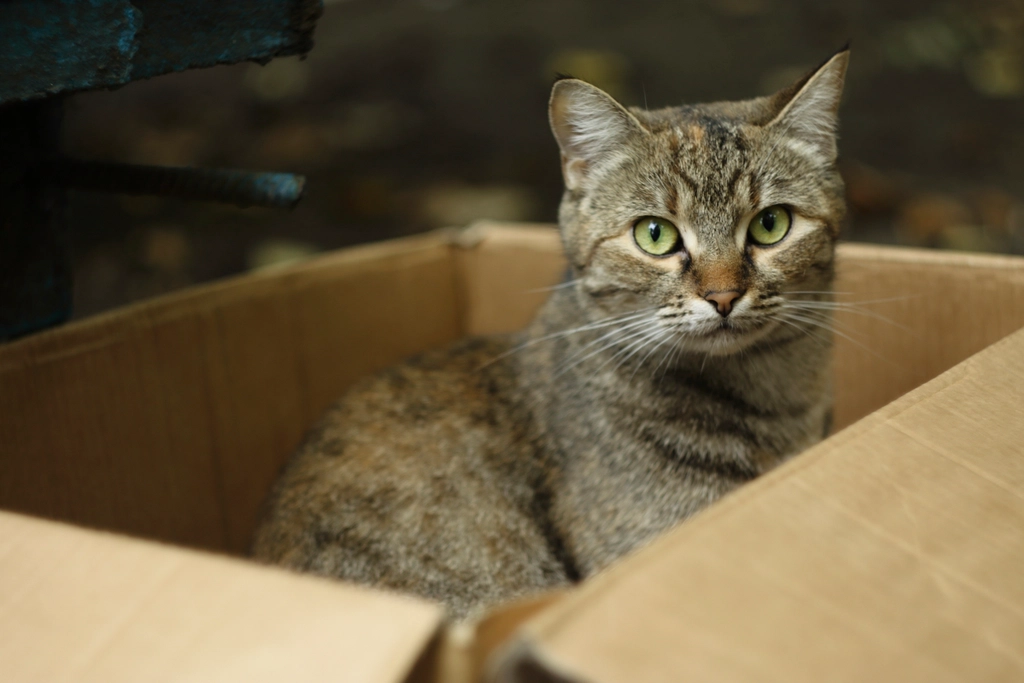
Dogs might chase balls or dig holes, but cats? Give them an empty cardboard box, and it’s instant paradise. They’ll squeeze into drawers, bags, and even tiny baskets, often leaving dog people wondering if cats have a secret love of claustrophobia.
This fascination makes perfect sense to cats. Boxes and small spaces offer safety, warmth, and a good vantage point to watch the world go by. In the wild, such spots help them avoid predators and sneak up on prey. While dogs might prefer the open air, cats feel most secure when tucked away, hidden from sight. It’s an instinct as old as their wild ancestors.
Staring Contests (and the Infamous Slow Blink)
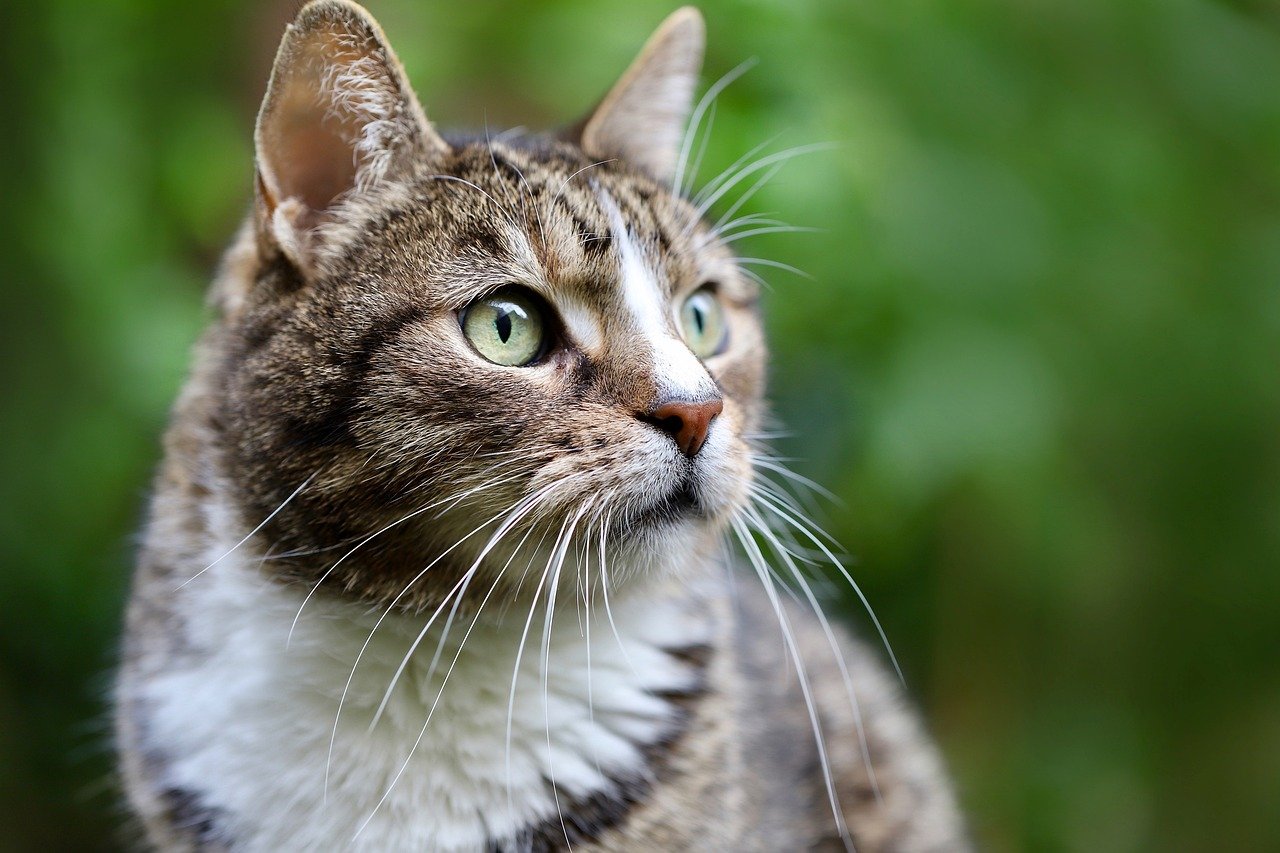
If a dog stares at you, it usually means they want something—food, a walk, or a toy. But with cats, prolonged eye contact is different. Sometimes they’ll lock eyes with you from across the room, unblinking, or give you a slow, deliberate blink. For dog people, this can feel unnerving, even a tad spooky.
In cat language, a slow blink is a sign of trust and affection. It’s their way of saying, “I feel safe with you.” On the flip side, a hard stare can be a challenge or a sign they’re feeling threatened. Learning to “speak cat” means responding with your own slow blink, signaling you’re not a threat. For those used to expressive, tail-wagging dogs, this silent form of communication is mysterious, even magical.
Cats and dogs may both be beloved companions, but their behaviors come from entirely different worlds—and for dog people, feline quirks can be downright mystifying. From sudden zoomies to the silent stare-downs, cats communicate and connect on their own unique terms. These baffling behaviors aren’t random; they’re rooted in feline instinct, independence, and subtle social cues. For dog lovers willing to lean into the mystery, understanding these behaviors can open the door to a deeper appreciation of just how complex—and charming—cats truly are.


